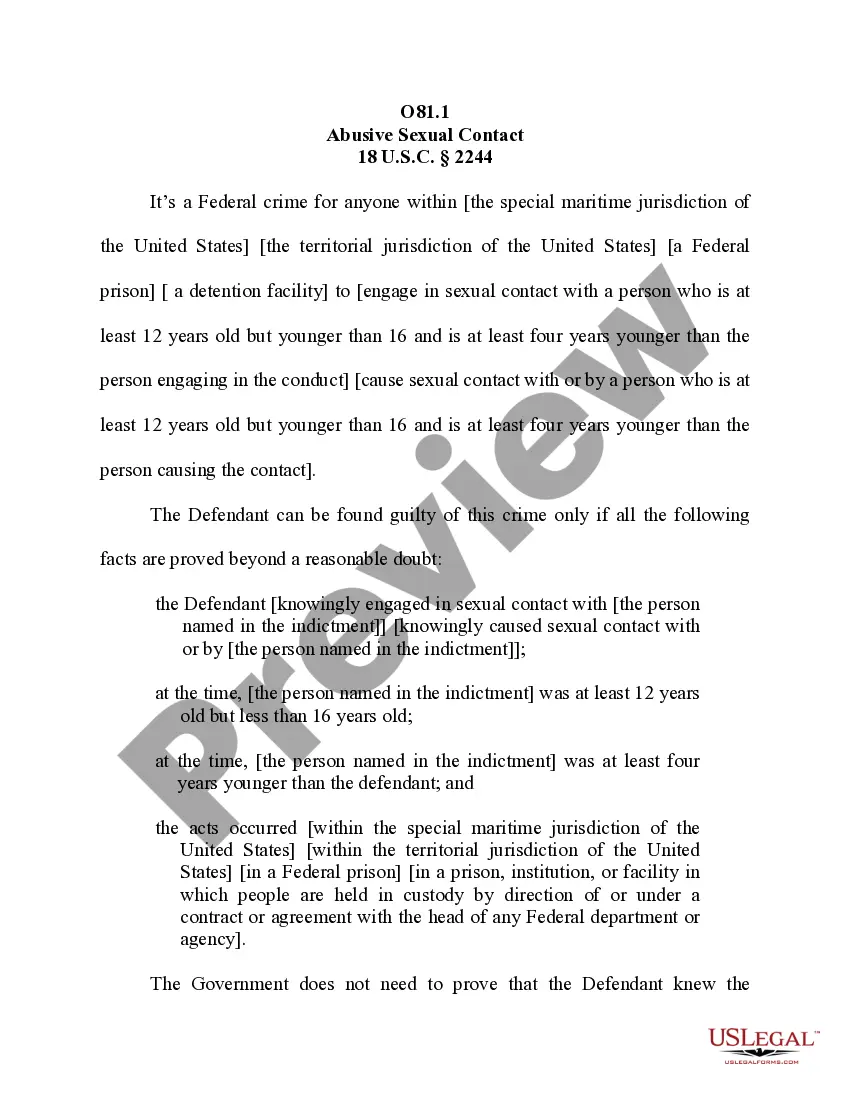
Ohio Agreement to Continue Business Between Surviving Partners and Legal Representative of Deceased Partner
Description

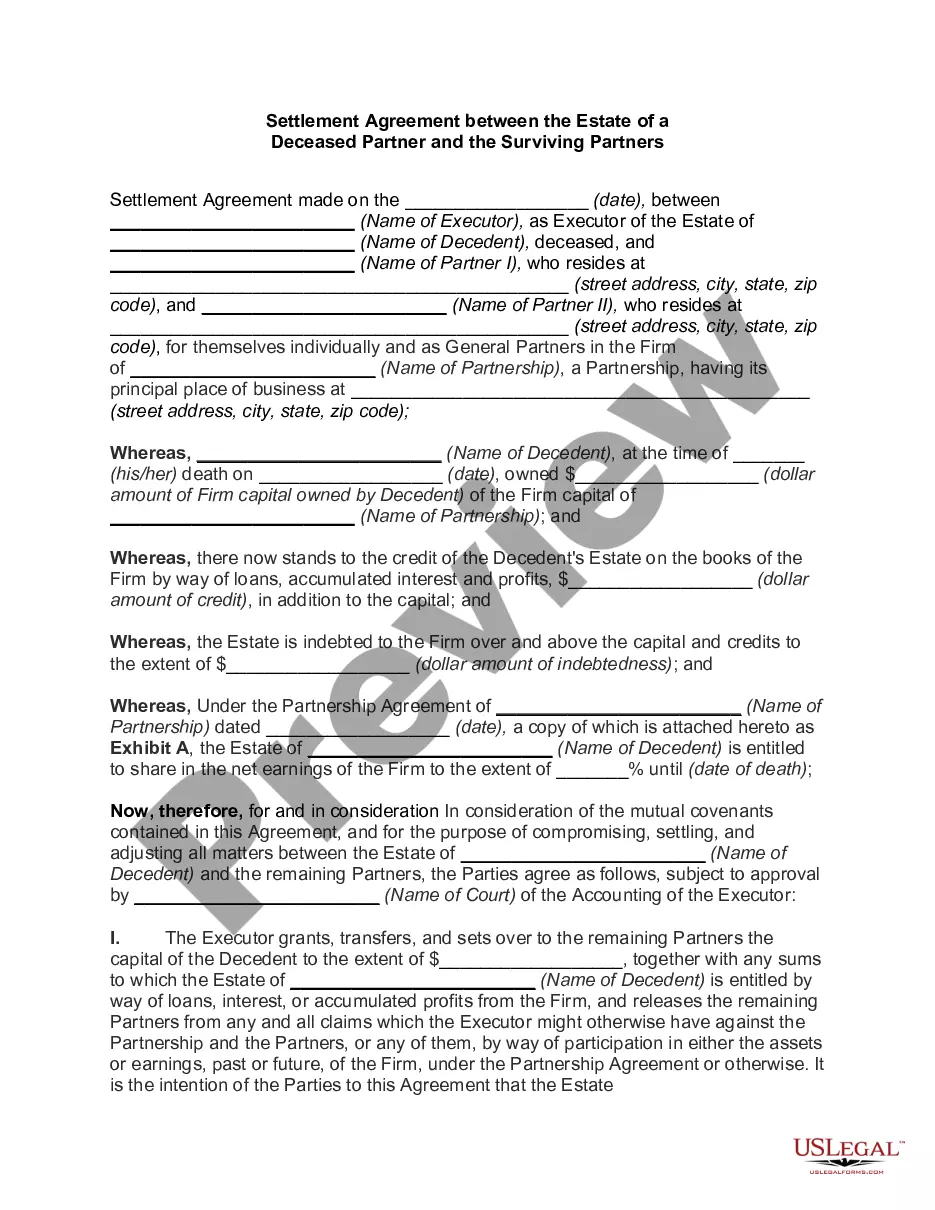
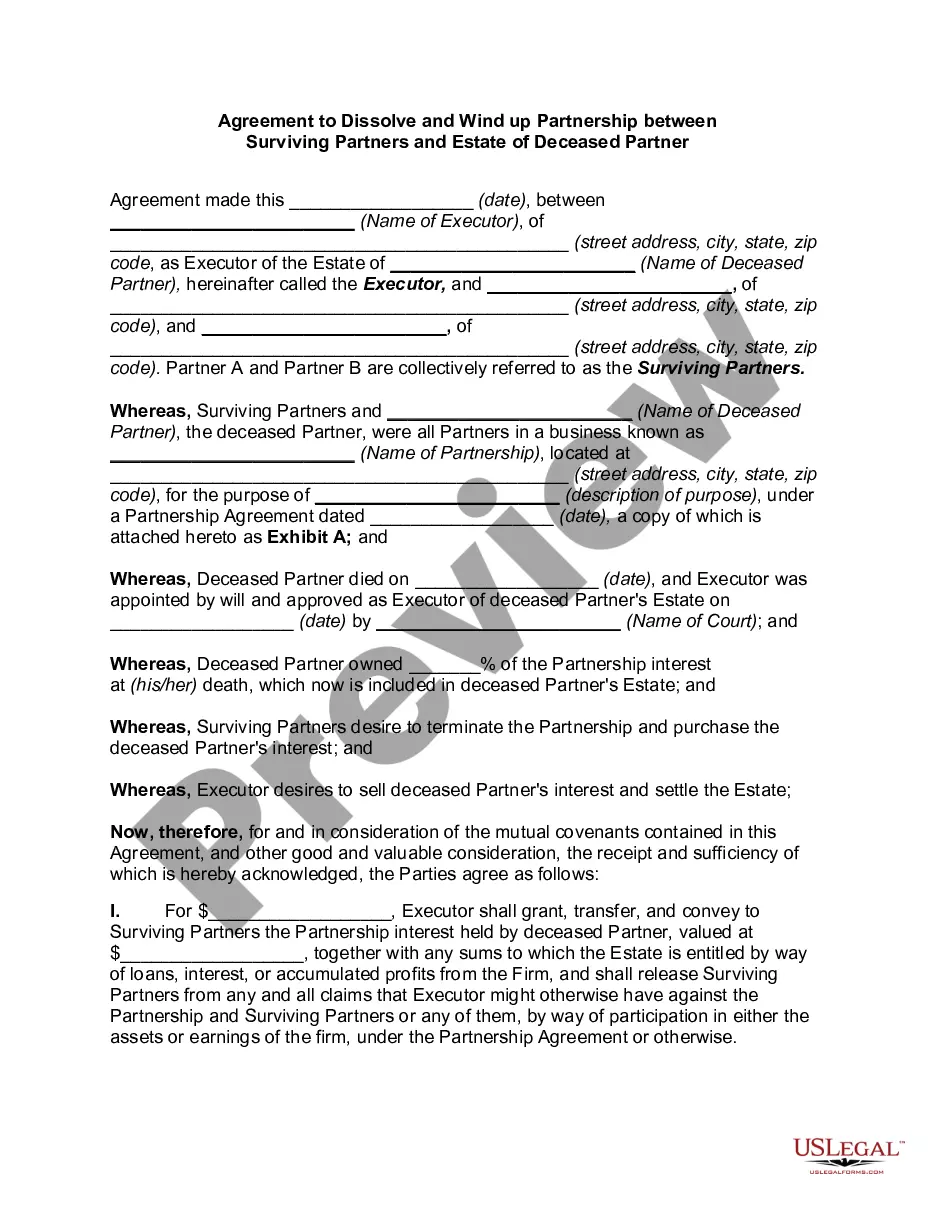
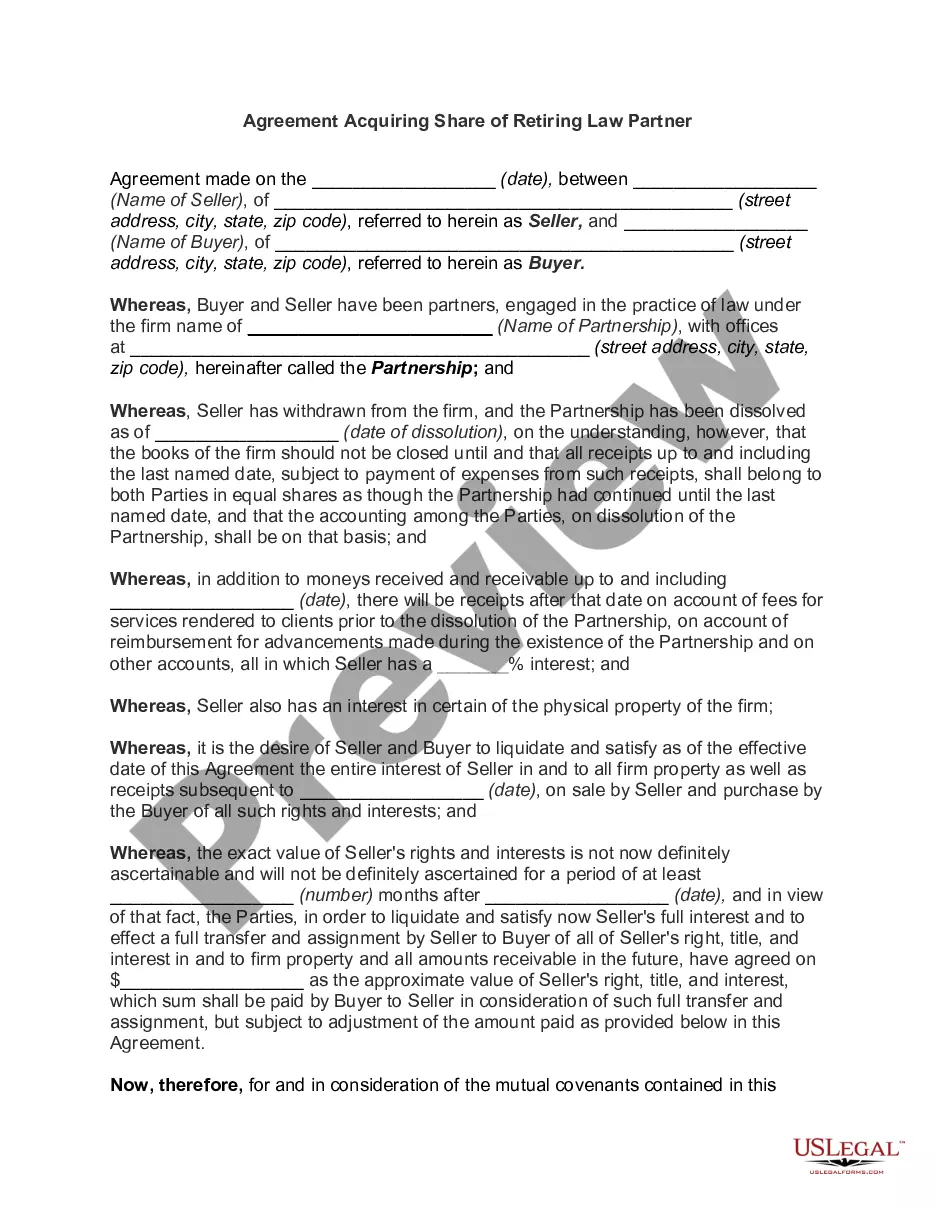
Get your form ready online
Our built-in tools help you complete, sign, share, and store your documents in one place.
Make edits, fill in missing information, and update formatting in US Legal Forms—just like you would in MS Word.
Download a copy, print it, send it by email, or mail it via USPS—whatever works best for your next step.
Sign and collect signatures with our SignNow integration. Send to multiple recipients, set reminders, and more. Go Premium to unlock E-Sign.
If this form requires notarization, complete it online through a secure video call—no need to meet a notary in person or wait for an appointment.
We protect your documents and personal data by following strict security and privacy standards.

Make edits, fill in missing information, and update formatting in US Legal Forms—just like you would in MS Word.

Download a copy, print it, send it by email, or mail it via USPS—whatever works best for your next step.

Sign and collect signatures with our SignNow integration. Send to multiple recipients, set reminders, and more. Go Premium to unlock E-Sign.

If this form requires notarization, complete it online through a secure video call—no need to meet a notary in person or wait for an appointment.

We protect your documents and personal data by following strict security and privacy standards.
Looking for another form?
How to fill out Agreement To Continue Business Between Surviving Partners And Legal Representative Of Deceased Partner?
Have you ever found yourself in a situation where you need documents for either business or personal purposes almost every day.
There is a multitude of legal document templates available online, but finding ones you can trust is not easy.
US Legal Forms offers thousands of form templates, such as the Ohio Agreement to Continue Business Between Surviving Partners and Legal Representative of Deceased Partner, designed to fulfill state and federal requirements.
Once you have the correct form, click Purchase now.
Choose the pricing plan you want, enter the required information to create your account, and pay for your order using PayPal or a credit card.
- If you are already familiar with the US Legal Forms website and have an account, simply Log In.
- Then, you can download the Ohio Agreement to Continue Business Between Surviving Partners and Legal Representative of Deceased Partner template.
- If you do not have an account and wish to start using US Legal Forms, follow these steps.
- Find the form you need and ensure it is for the correct city/county.
- Utilize the Review option to check the form.
- Examine the description to ensure you have selected the appropriate form.
- If the form does not meet your needs, use the Lookup area to find the form that satisfies your requirements.
Form popularity
FAQ
When a partner in an unincorporated business dies, the surviving partners may need to create an Ohio Agreement to Continue Business Between Surviving Partners and Legal Representative of Deceased Partner. This agreement clarifies how the business will operate without the deceased partner and outlines the responsibilities of the surviving partners. It helps ensure a smooth transition for the business and protects the interests of all involved.
After the death of a partner in a partnership firm, the business may face a significant transition. The surviving partners and the legal representative of the deceased partner must review the partnership agreement to determine the correct steps. Often, this includes creating an Ohio Agreement to Continue Business Between Surviving Partners and Legal Representative of Deceased Partner, which outlines how the business will operate moving forward. This agreement helps ensure continuity while addressing ownership and operational issues.
Section 42(c) of the partnership Act can appropriately be applied to a partnership where there are more than two partners. If one of them dies, the firm is dissolved; but if there is a contract to the contrary, the surviving partners will continue the firm.
On the death of a partner, subject to any contract to the contrary, the partnership ceases to exist. Here, the contract on the contrary means the partnership need not be dissolved if it is expressly mentioned in the partnership deed that the remaining partners (not a partner) can continue the firm's business.
Keeping it successful is even harder, and coping with the death of a partner may be the hardest situation of all. When that happens, your deceased partner's share in the business usually passes to a surviving spouse, either by terms of a will or simply by default as the primary heir.
Therefore, unless you and the other partners have made an agreement that the partnership will continue intact after a partner dies, the general partnership dissolves after the death of a partner. The general partnership then enters the winding-up period.
Keeping it successful is even harder, and coping with the death of a partner may be the hardest situation of all. When that happens, your deceased partner's share in the business usually passes to a surviving spouse, either by terms of a will or simply by default as the primary heir.
In case of death of a partner, his or her legal representative receives the amount payable to him or her by the firm. The legal representative of the deceased partner is eligible for the following amounts: The amount standing in the deceased partner's Capital A/c.
Explanation: The person who represents the deceased partner is his legal heir or executor.
For the aforesaid proposition, the Court relied upon Section 42(c) of Indian Partnership Act, 1932 which provided for dissolution of a partnership upon the death of a partner and noting that in this case, once the partnership comes to an end, by virtue of death of one of the partners, there would not be any partnership