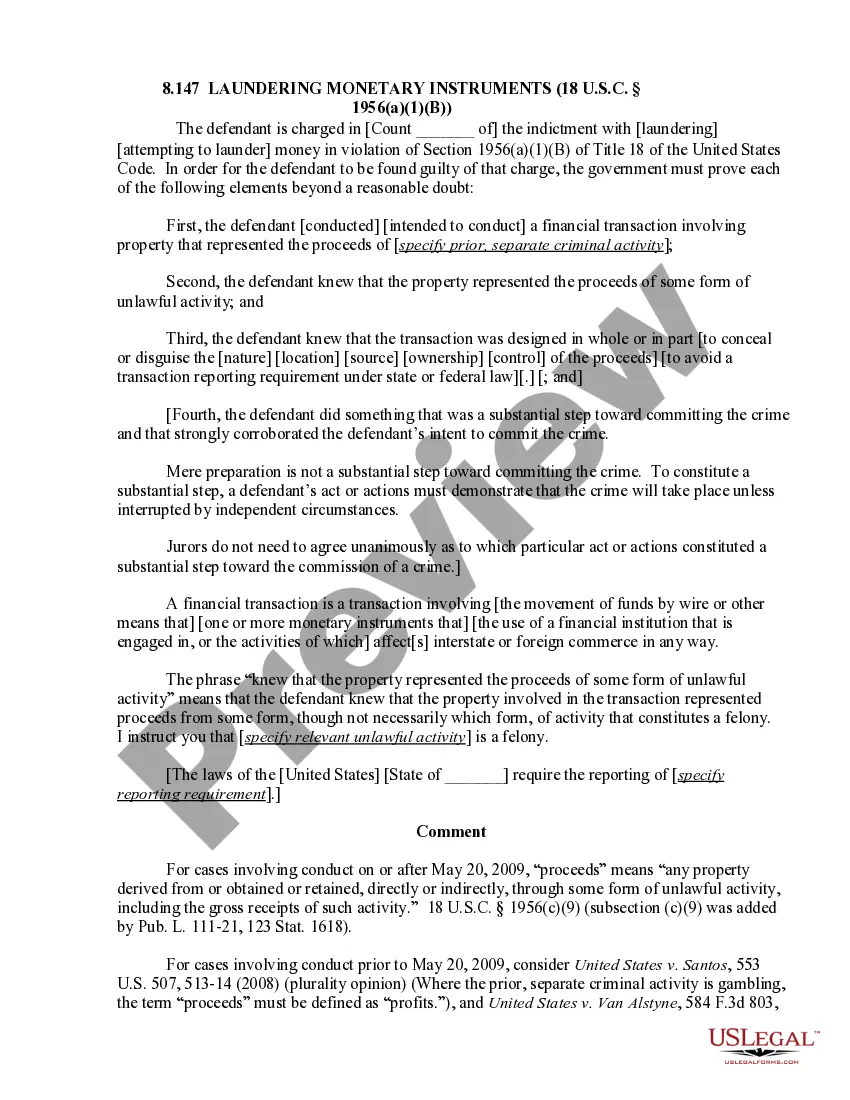
Ohio Nonexclusive License Agreement for Process Patent, Know How and Trademark
Description
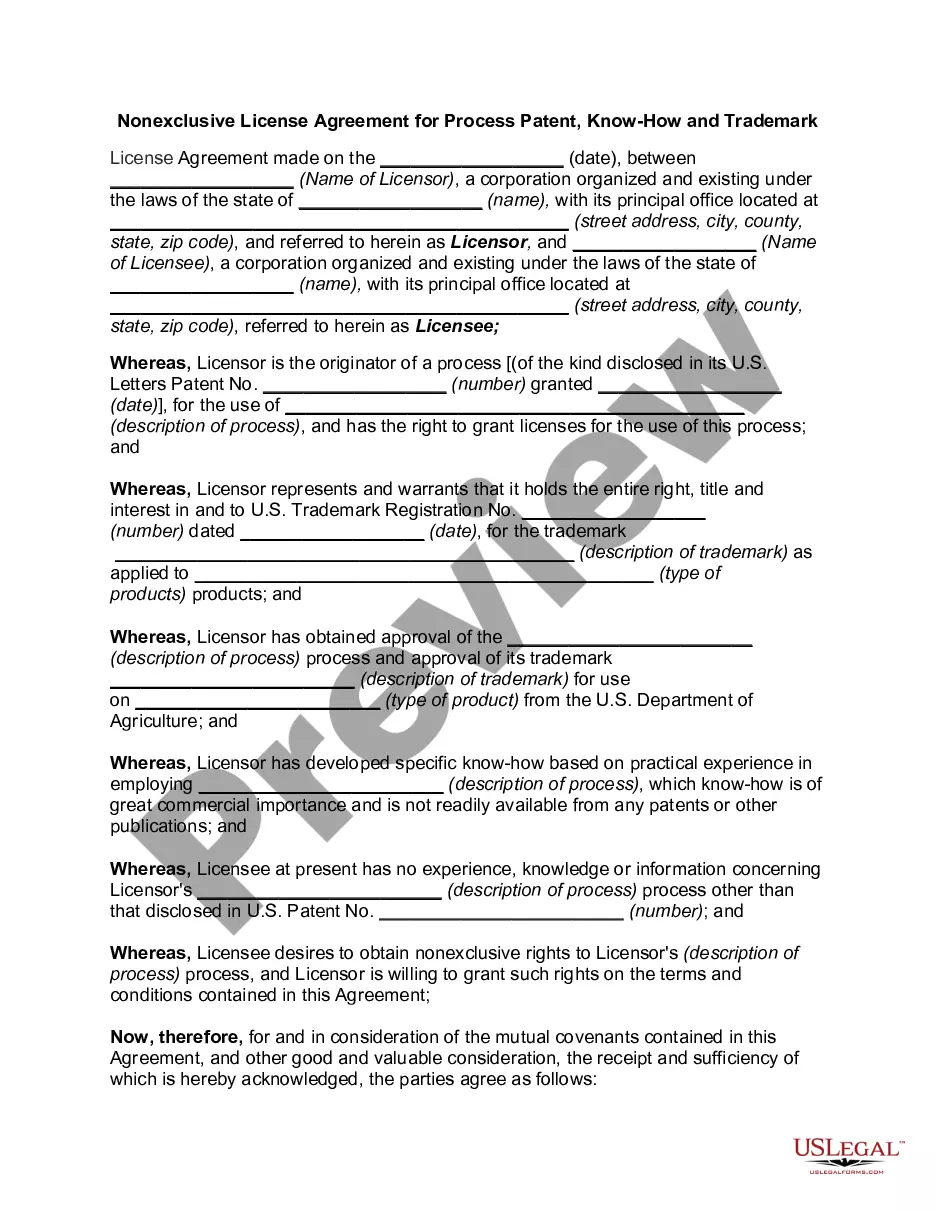
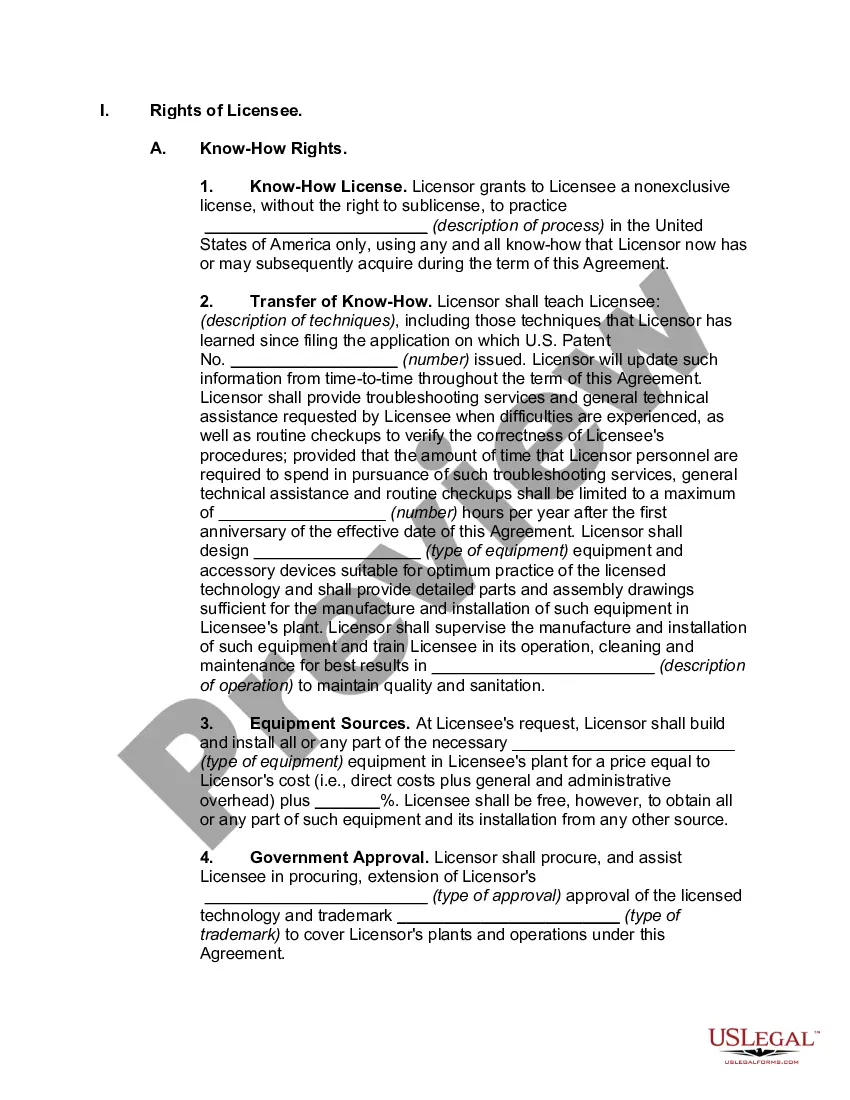
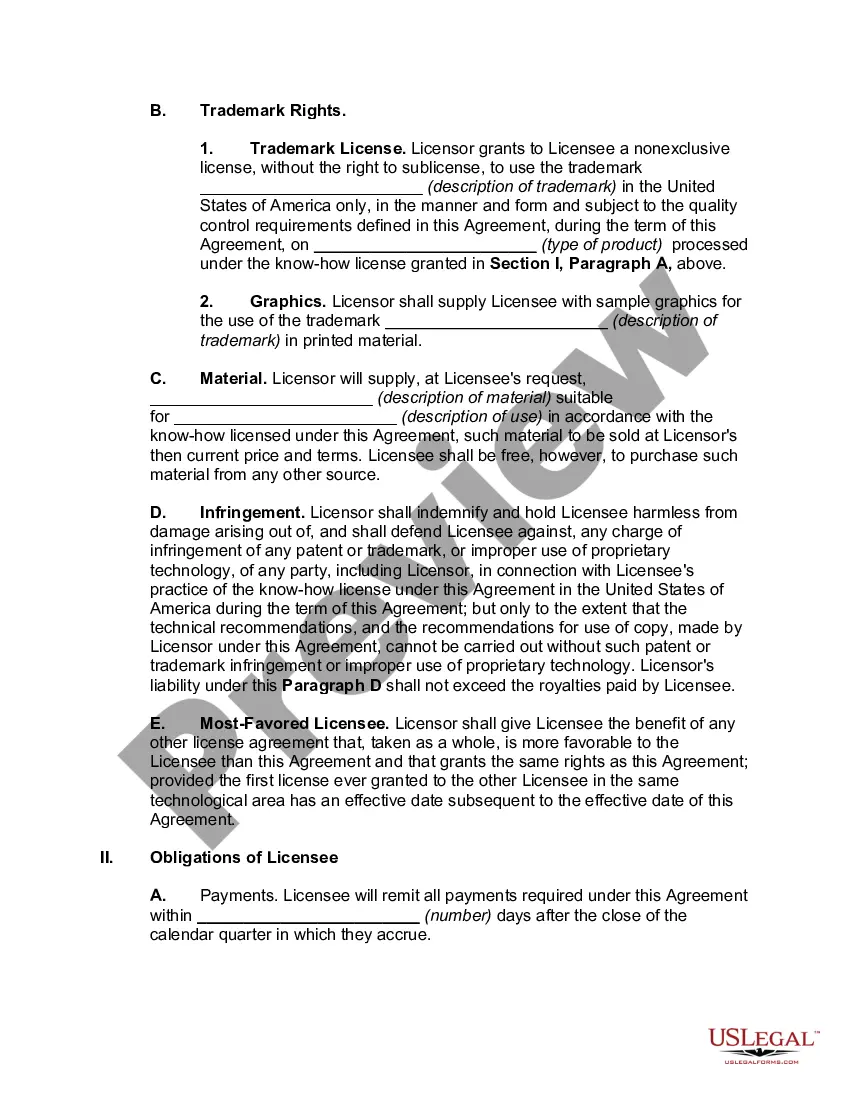
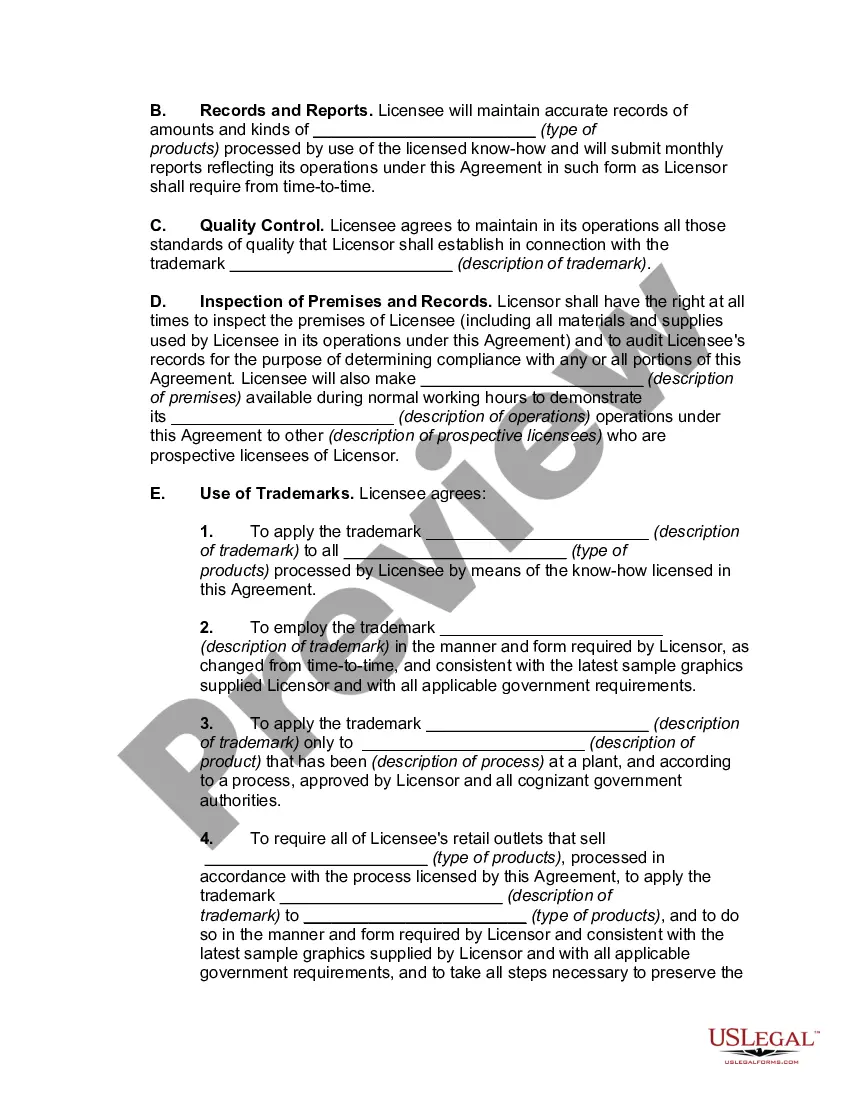
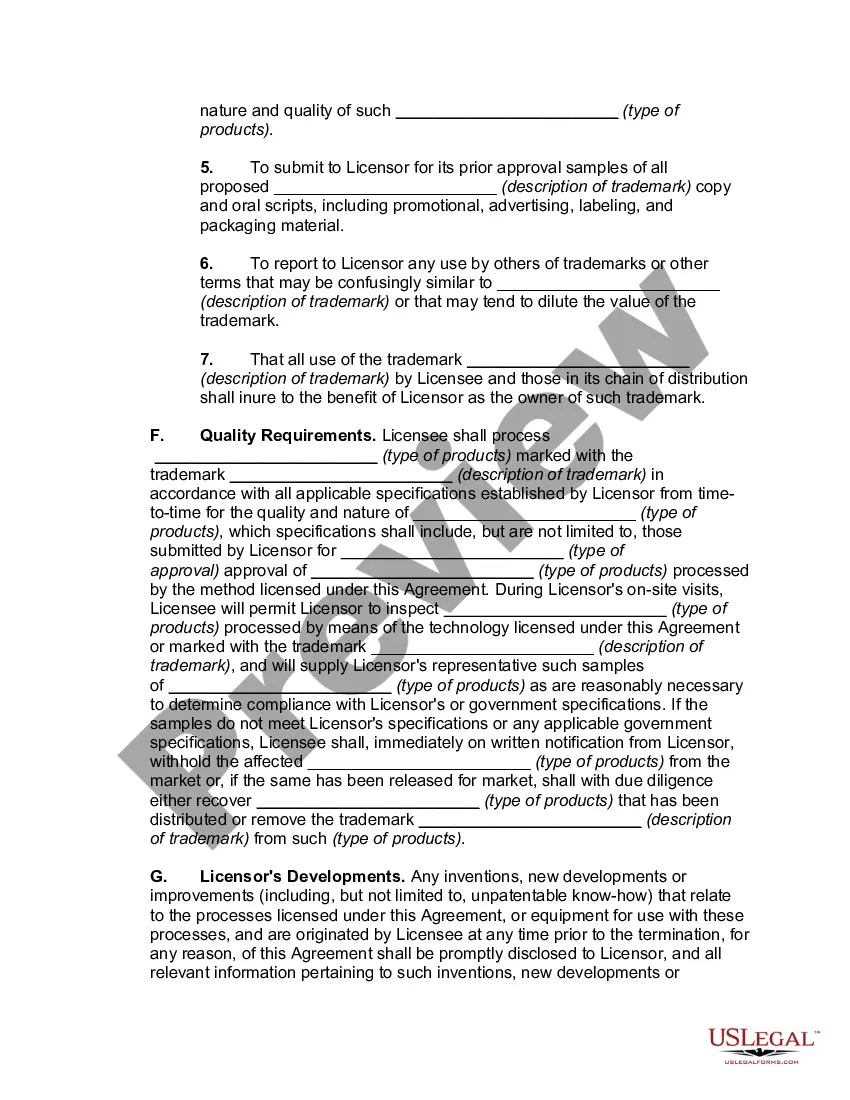
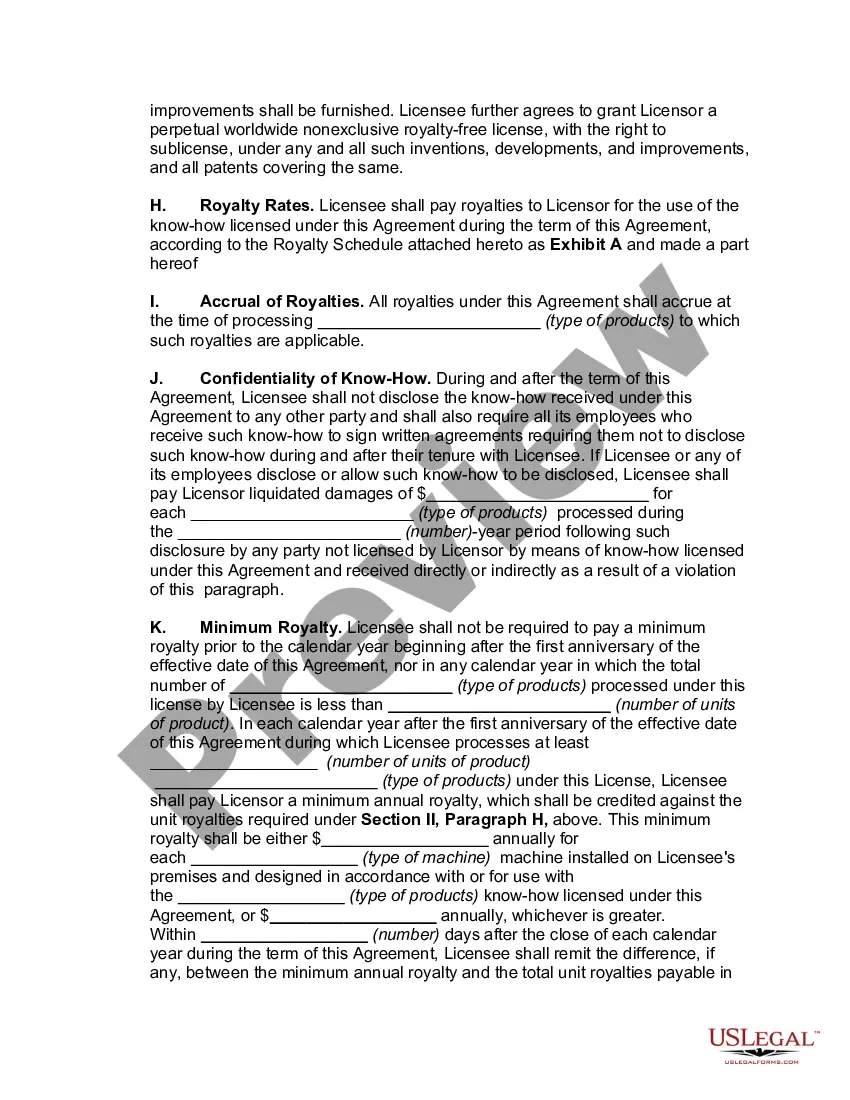
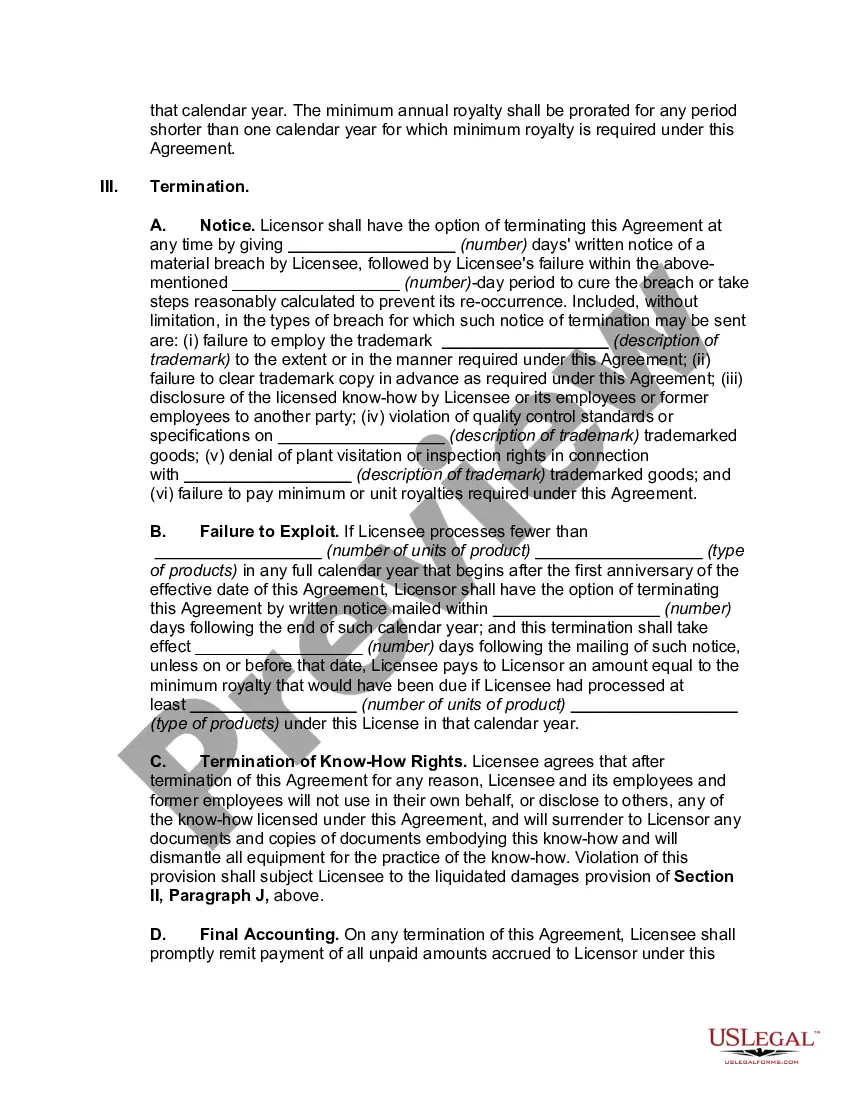
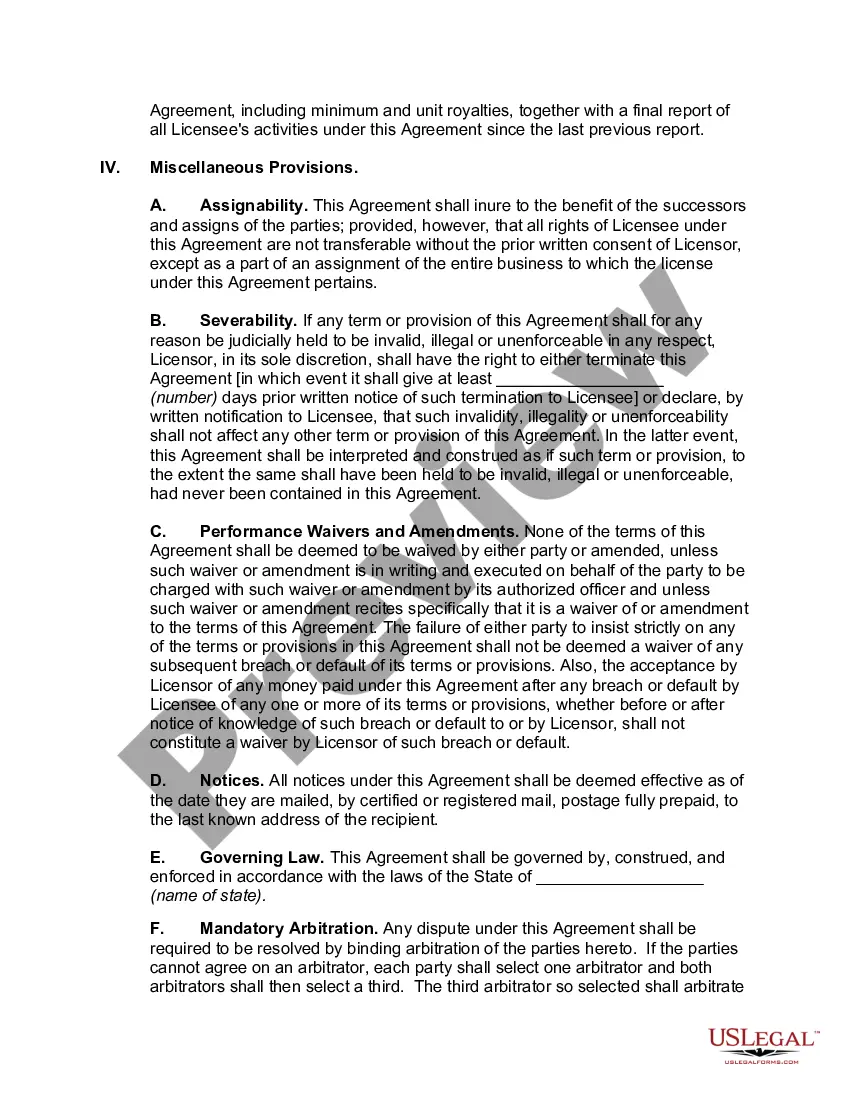
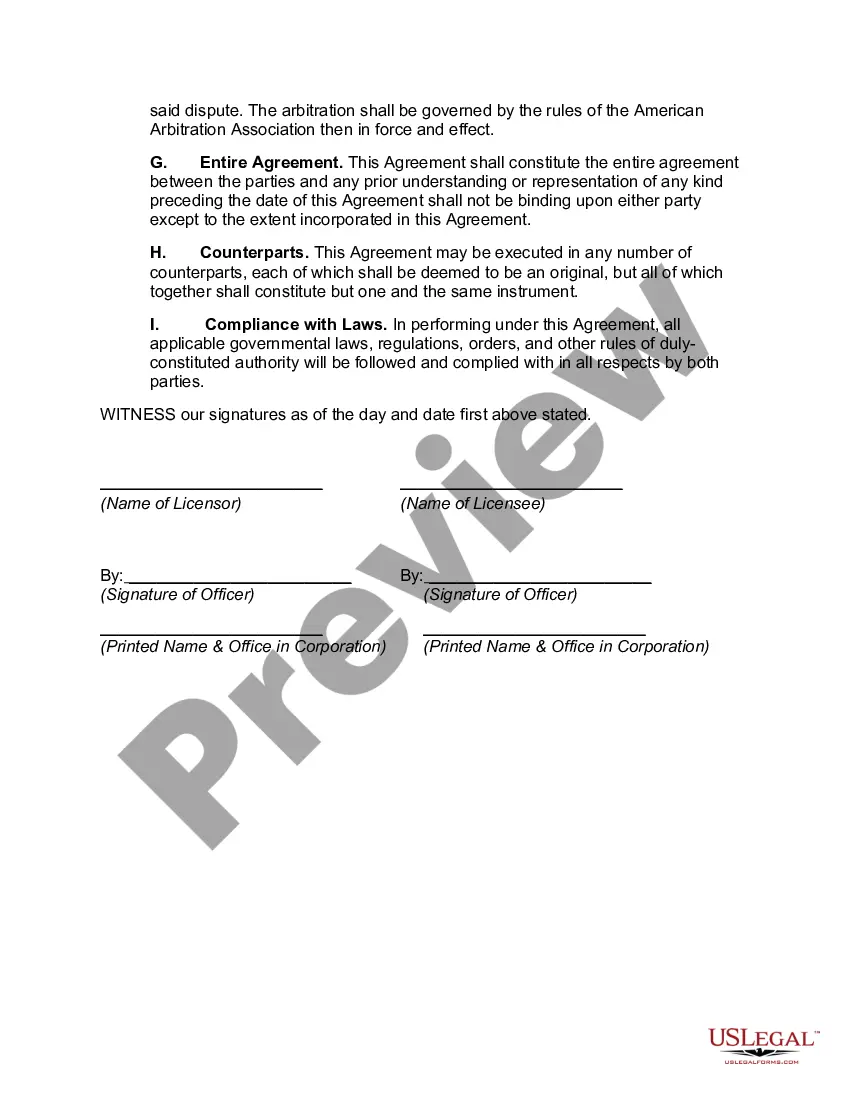
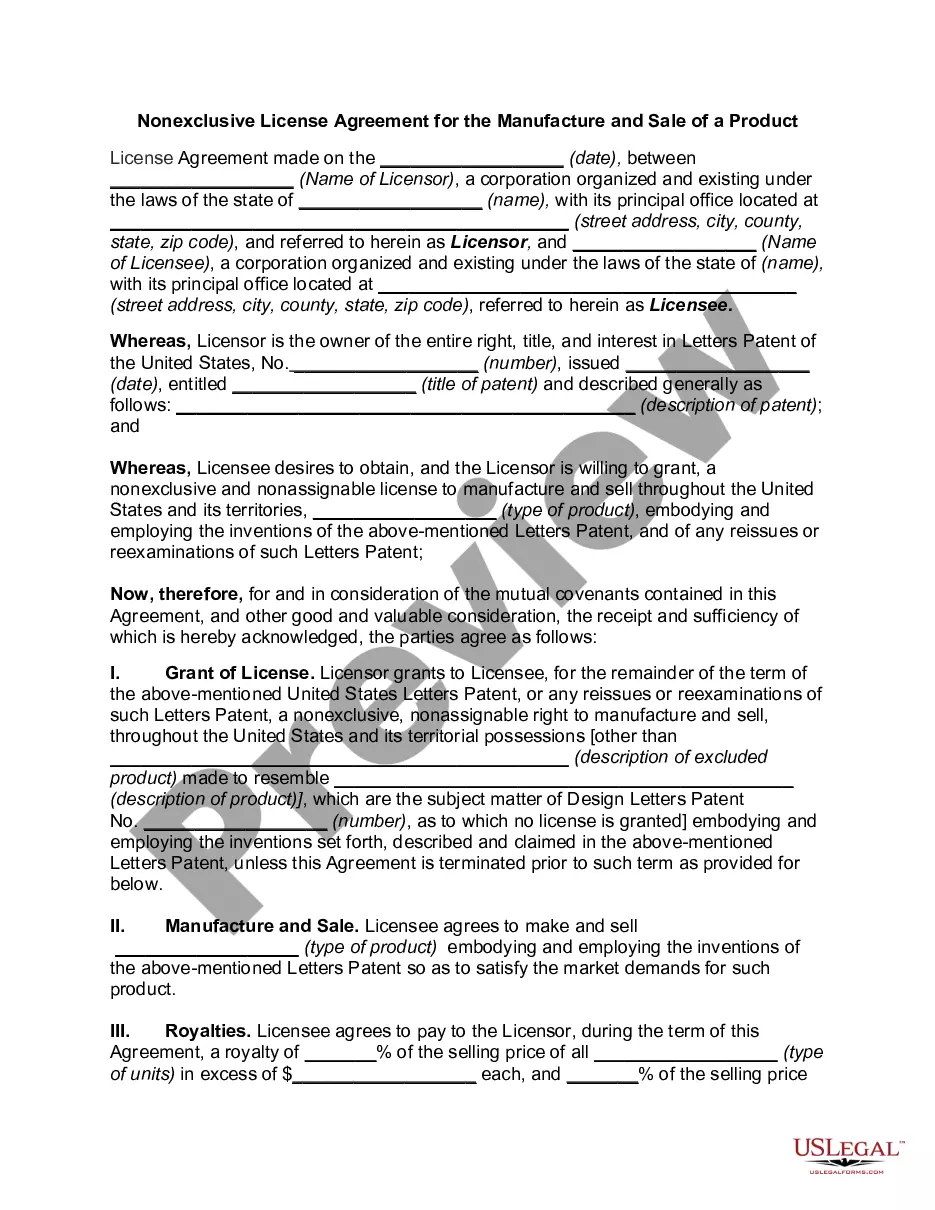
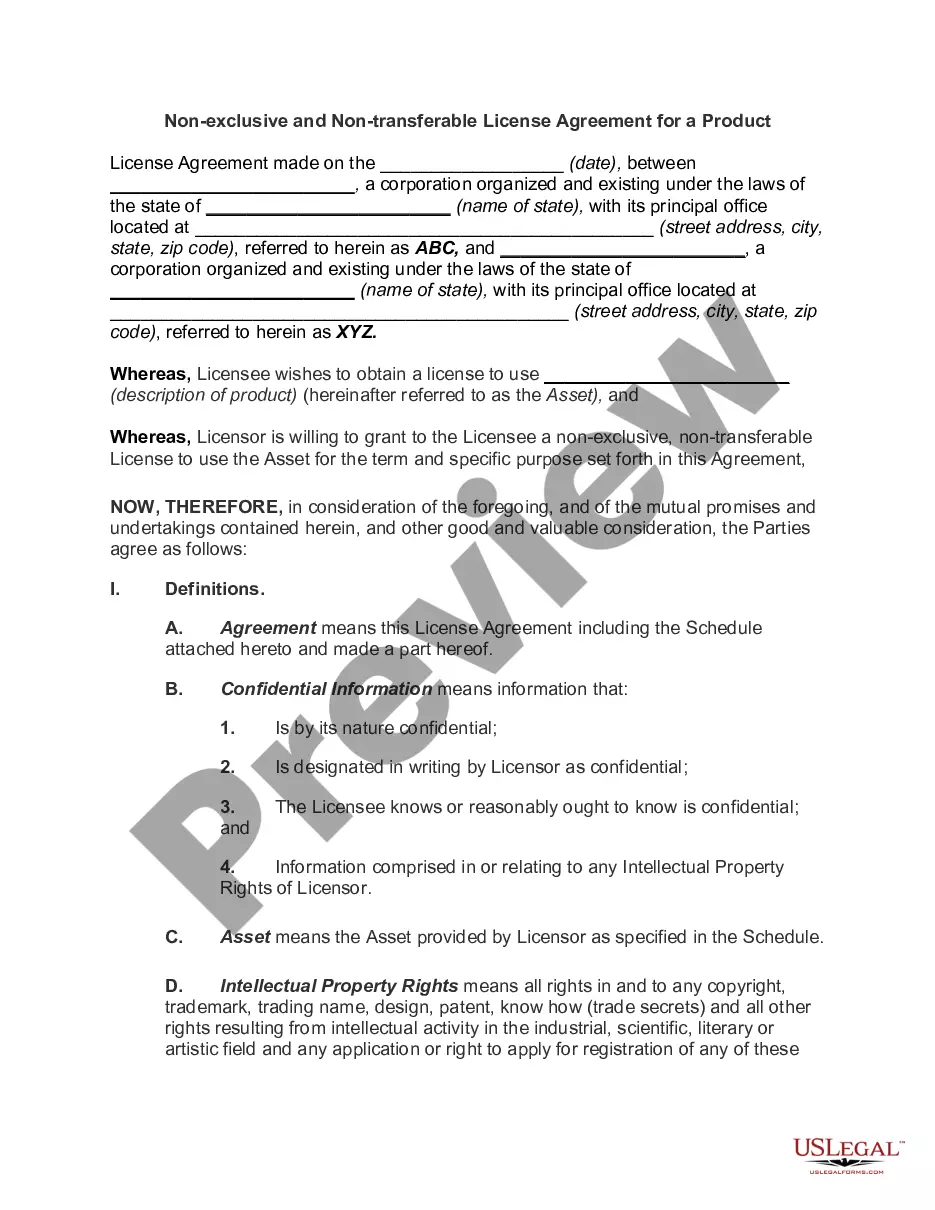
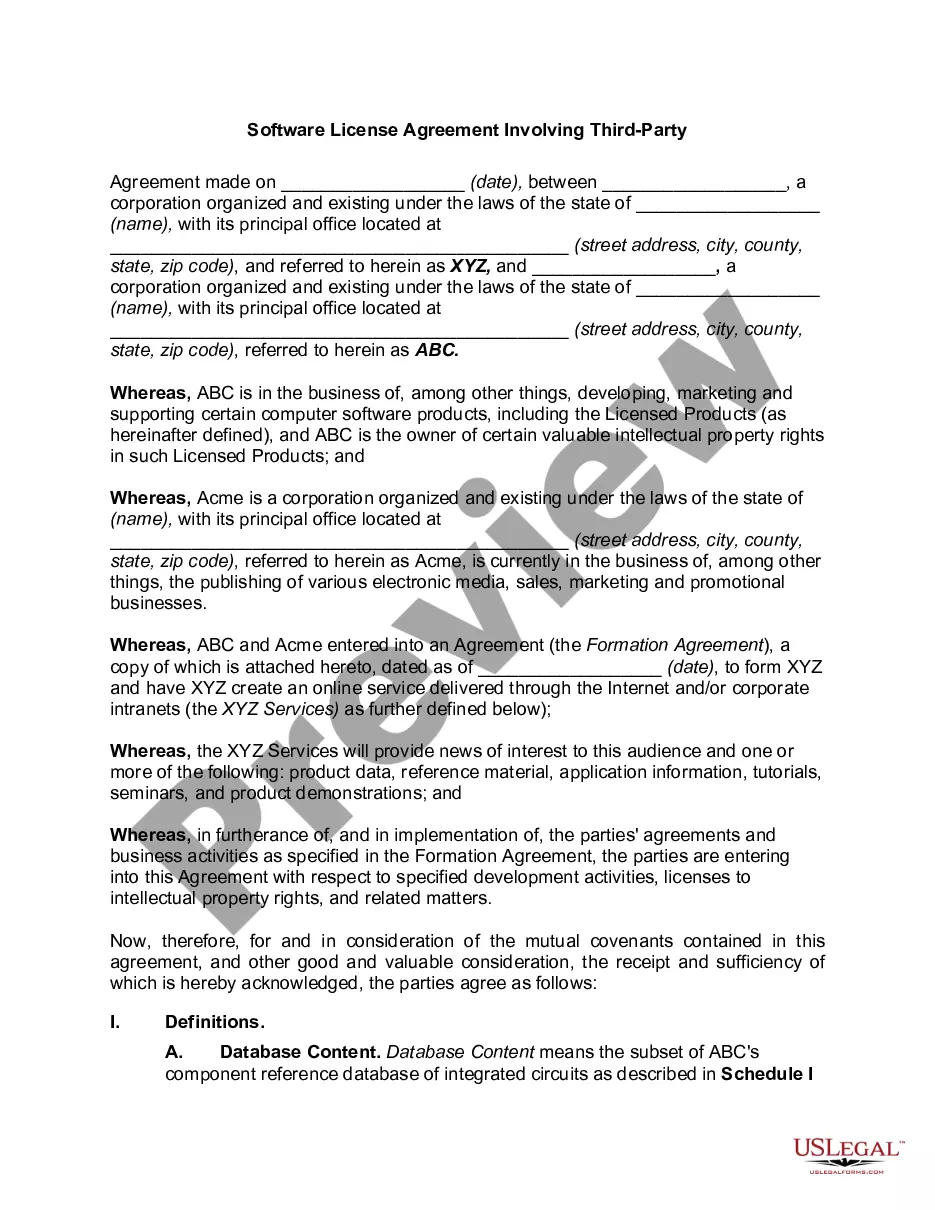
How to fill out Nonexclusive License Agreement For Process Patent, Know How And Trademark?
Are you situated in a location where you require documents for either business or personal reasons almost every day.
There are numerous legal document templates accessible online, but finding ones you can trust is challenging.
US Legal Forms provides thousands of form templates, including the Ohio Nonexclusive License Agreement for Process Patent, Know How, and Trademark, that are designed to comply with federal and state standards.
Once you find the correct form, simply click on Buy now.
Choose the pricing plan you require, complete the necessary information to create your account, and complete the transaction using your PayPal or credit card.
- If you are already familiar with the US Legal Forms website and possess a free account, just Log In.
- After that, you can download the Ohio Nonexclusive License Agreement for Process Patent, Know How, and Trademark template.
- If you do not have an account and wish to start using US Legal Forms, follow these instructions.
- Locate the form you need and ensure it is for the correct city/region.
- Utilize the Preview button to examine the form.
- Review the description to confirm that you have selected the right form.
- If the form is not what you are looking for, use the Search field to find the form that meets your needs and requirements.
Form popularity
FAQ
The license of know-how is the information necessary or beneficial to the commercialization of the patented invention. A patent license combines matters of federal and state law, whereas a know-how license is subject only to state law since it is not subject to federal statutory protection.
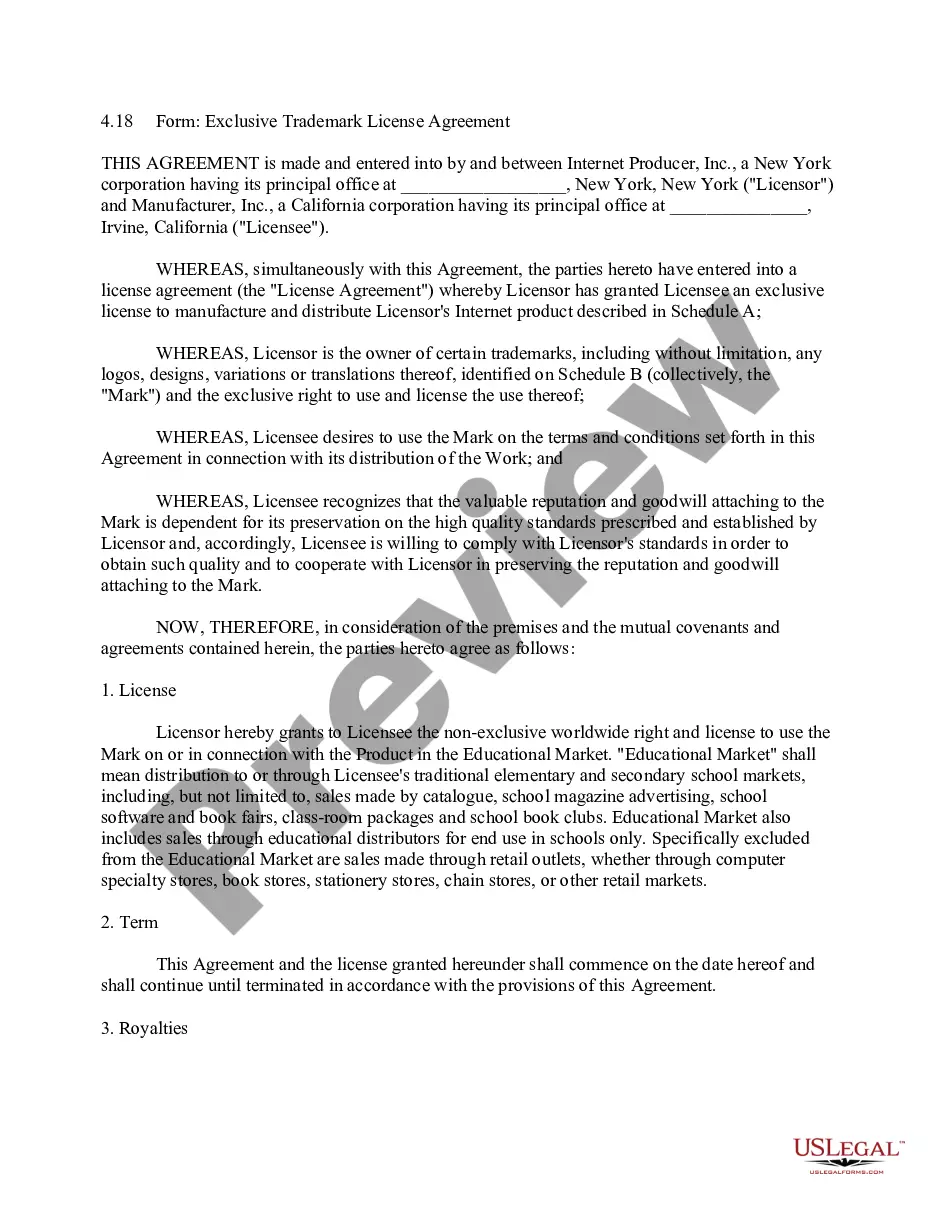
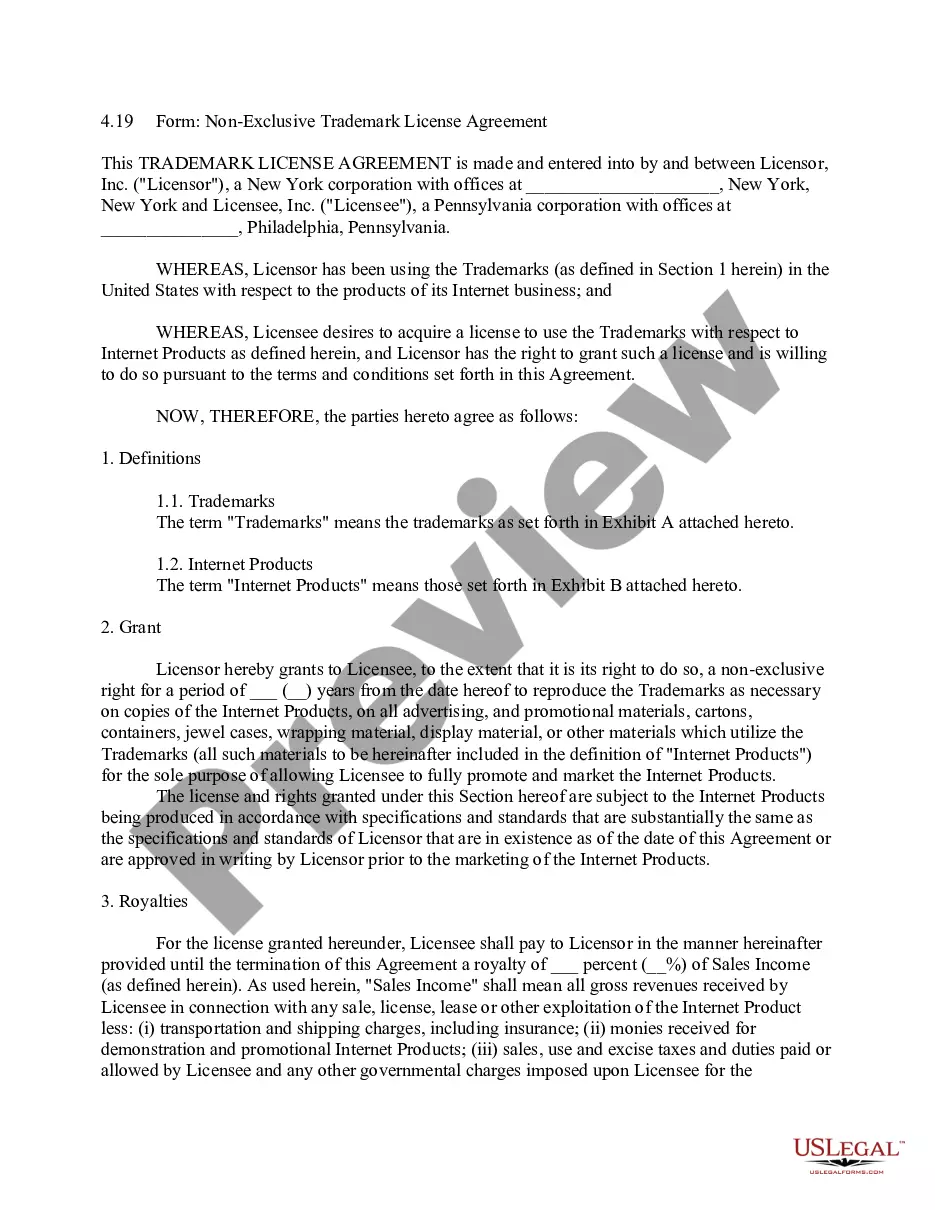
A trademark license agreement allows the licensee to use (but not own) the licensor's trademark in connection with agreed-on products or services. Licensing can help a company expand into new markets effectively and easily while lending the licensee an established name and reputation.
A licensing agreement is a contract between two parties (the licensor and licensee) in which the licensor grants the licensee the right to use the brand name, trademark, patented technology, or ability to produce and sell goods owned by the licensor.
Practitioners and licensing executives often refer to three basic types of voluntary licenses: non-exclusive, sole, and exclusive. A non-exclusive licence allows the licensor to retain the right to use the licensed property and the right to grant additional licenses to third parties.
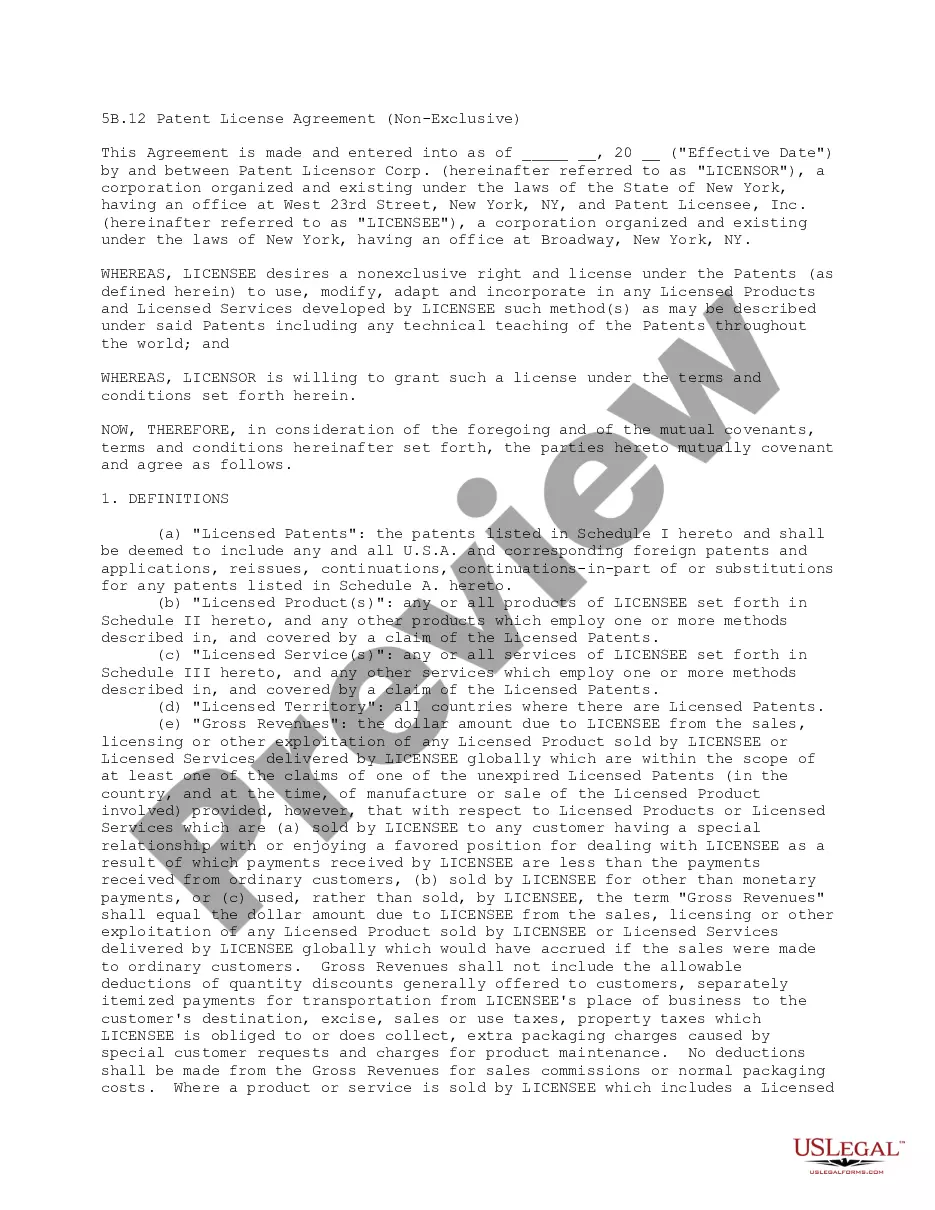
A patent license agreement usually gives a licensee, subject to certain restrictions, exclusive rights to produce, sell, and use a proprietary invention. The amount of royalty due by the licensee to the licensor would also be specified by a patent licence agreement.
The license of know-how is the information necessary or beneficial to the commercialization of the patented invention. A patent license combines matters of federal and state law, whereas a know-how license is subject only to state law since it is not subject to federal statutory protection.
The contract stipulates the type of agreement, the length of the relationship, payments and royalties that are due and when, and the extent to which licensing is allowed. Licensing also allows both parties to retain control over certain facets of the deal, including exclusivity and how a product or service is marketed.
The main difference between the two is that in a license the person granting permission (Licensor) retains an interest in the property being licensed, whereas in an assignment the assignor transfers his rights in the property being assigned.
This will include things like how much the licensor gets paid for every item sold (or some other type of financial compensation arrangement), whether there is any payment for the right to use the product itself, and much more....Scope of the AgreementExclusivity.Territory Rights.Guarantees of Sales.