Oklahoma Defined-Benefit Pension Plan and Trust Agreement
Description
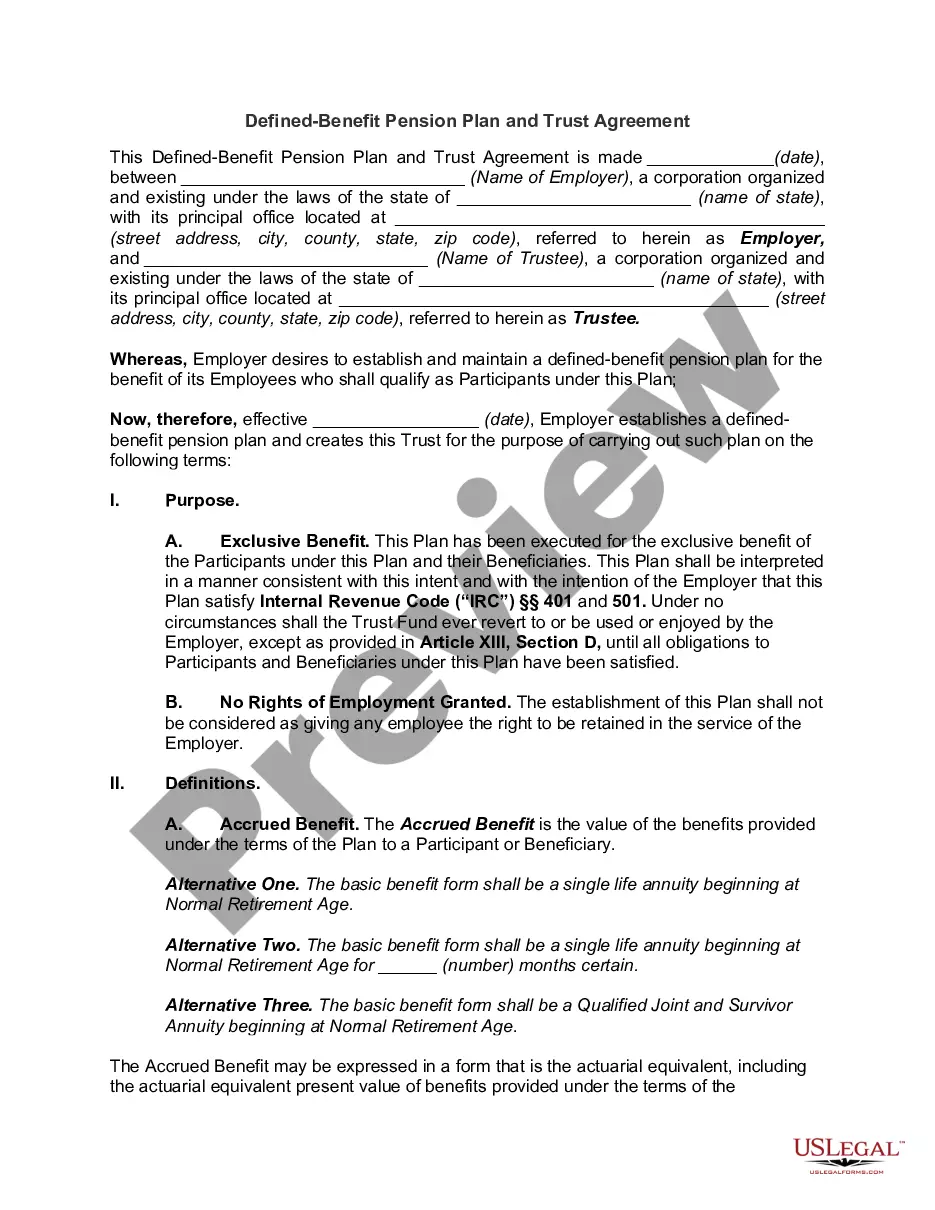
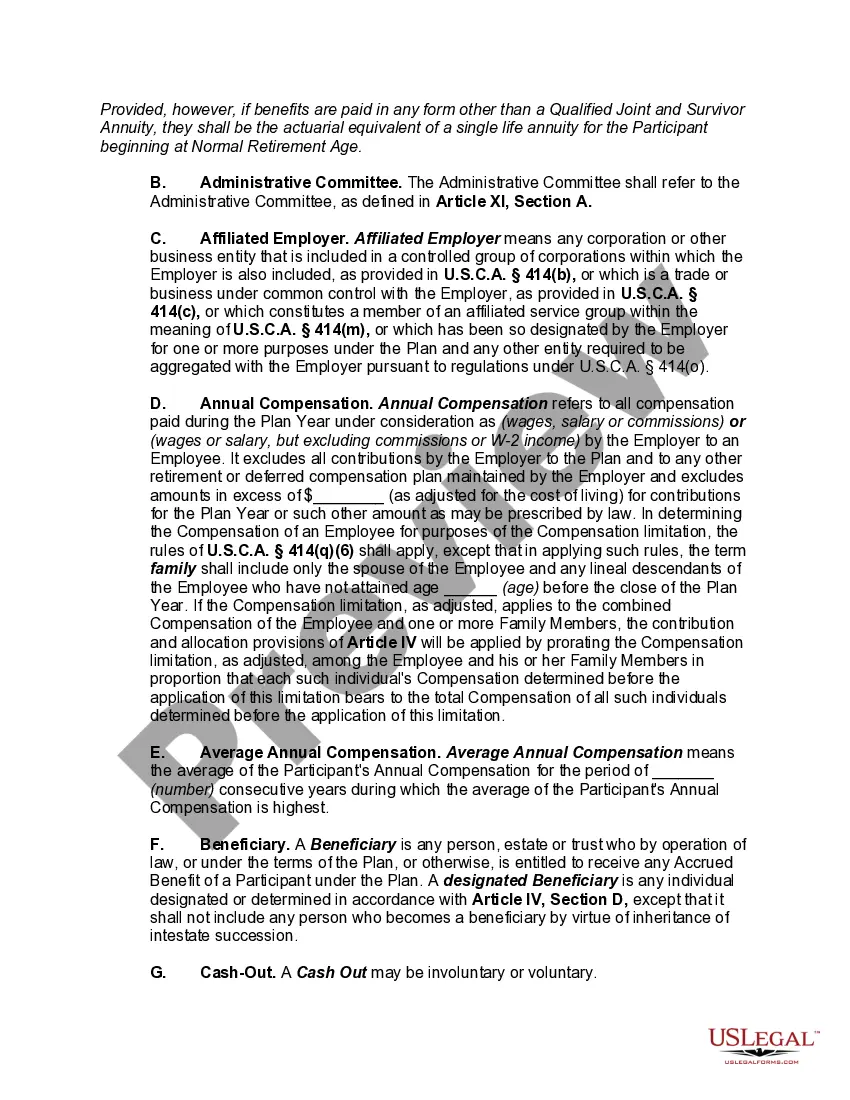
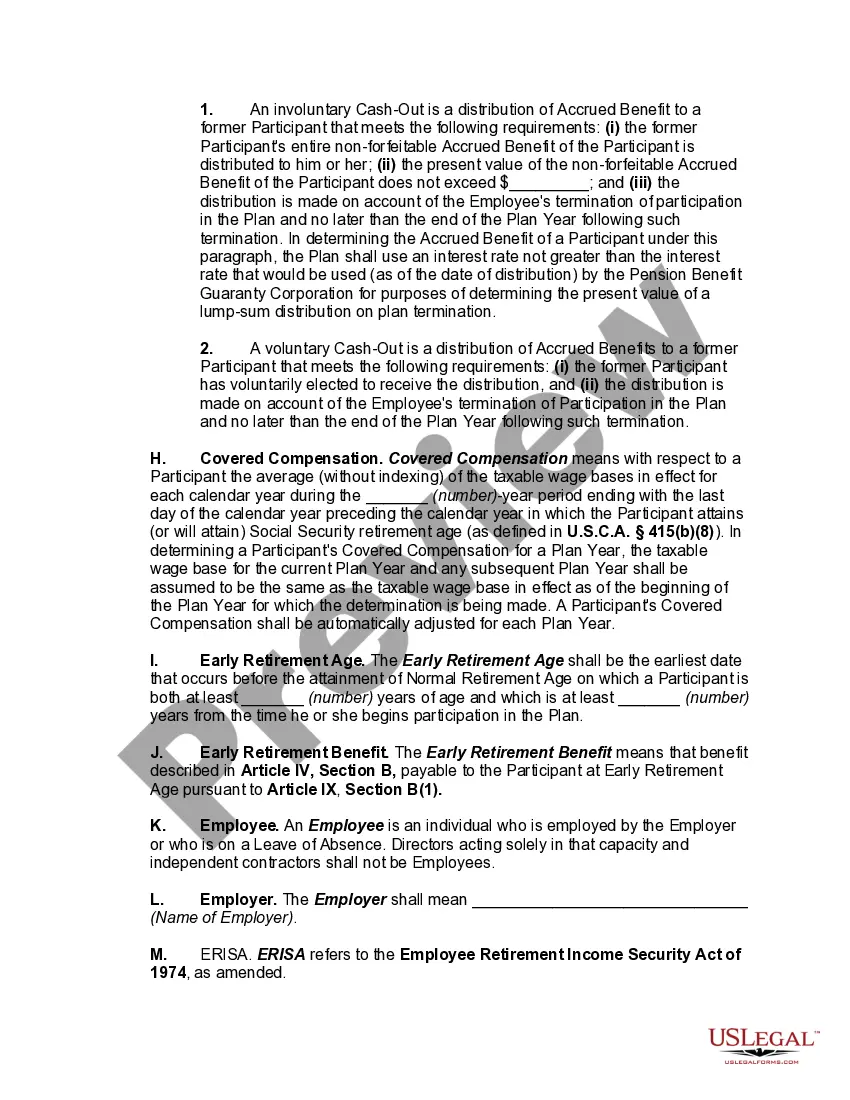
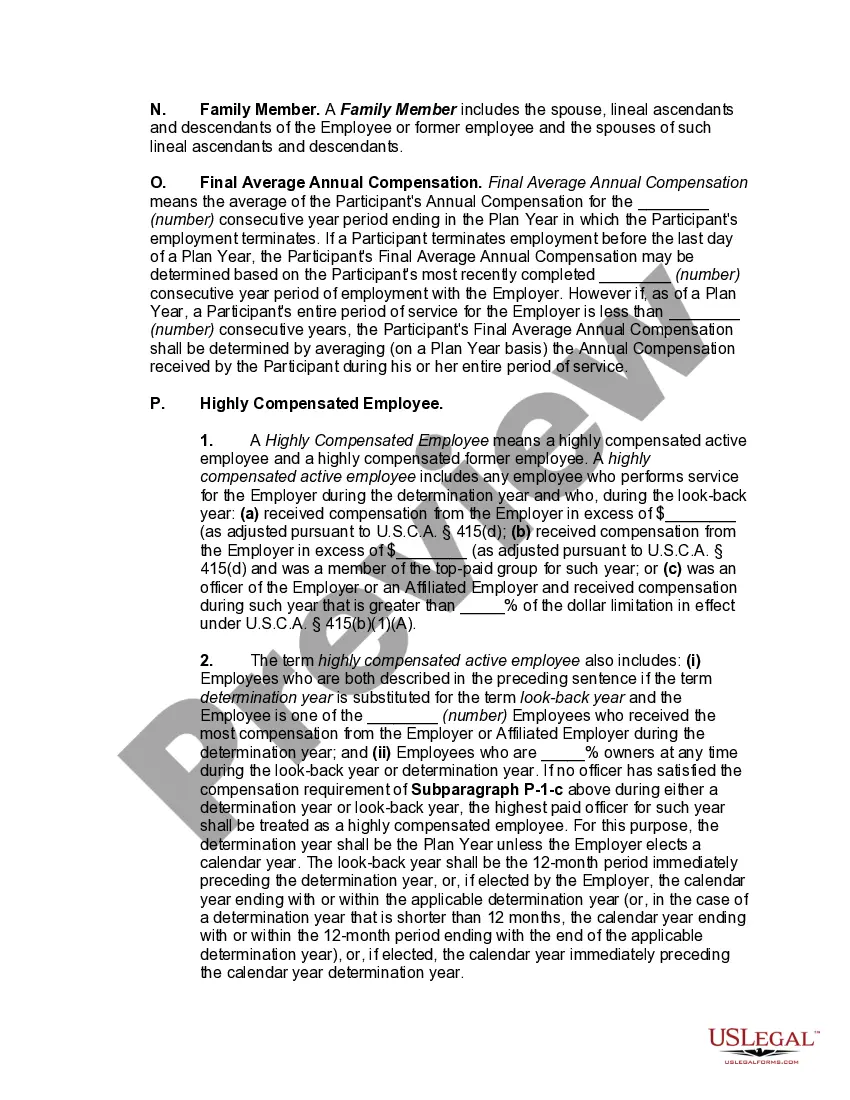
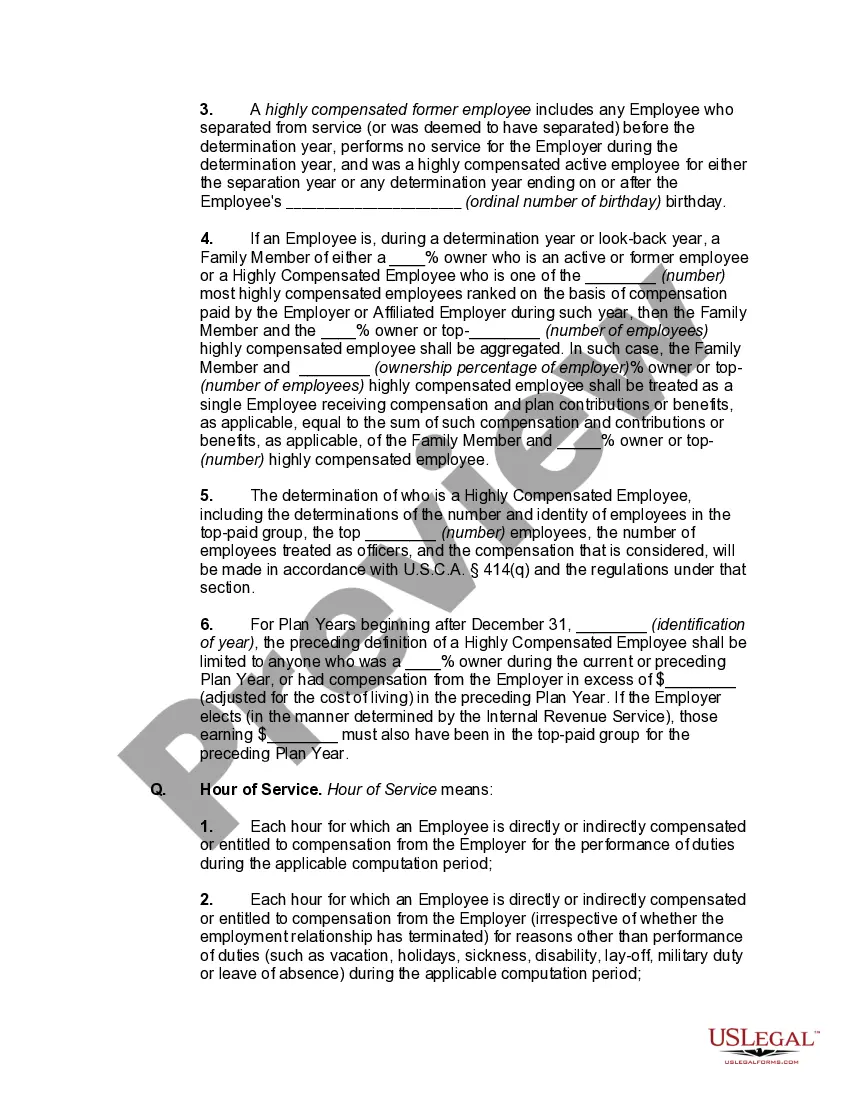
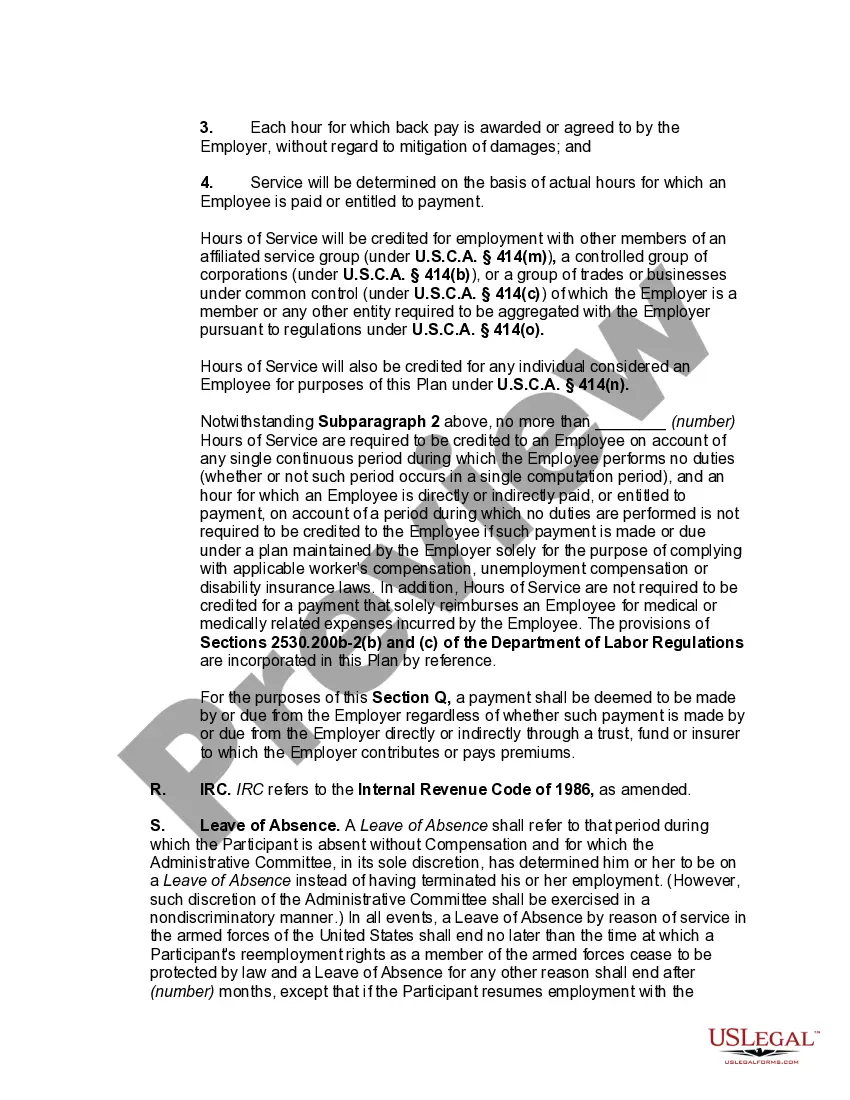
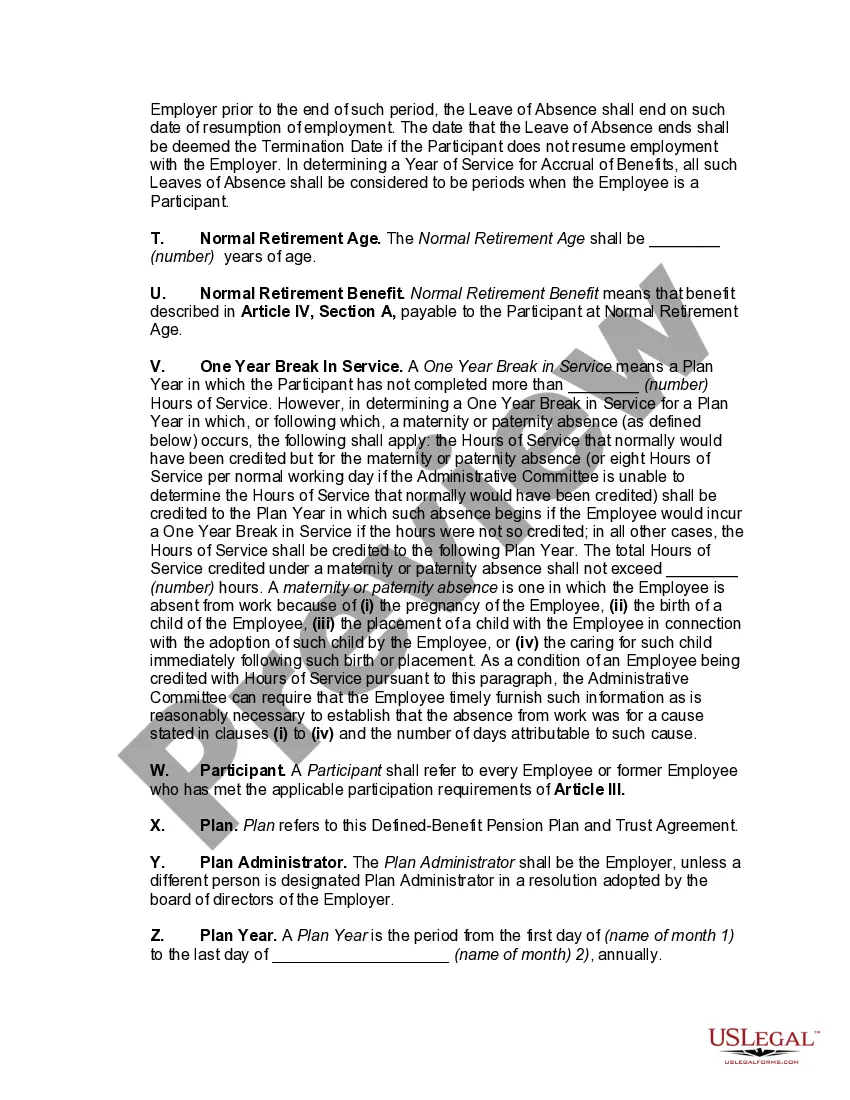
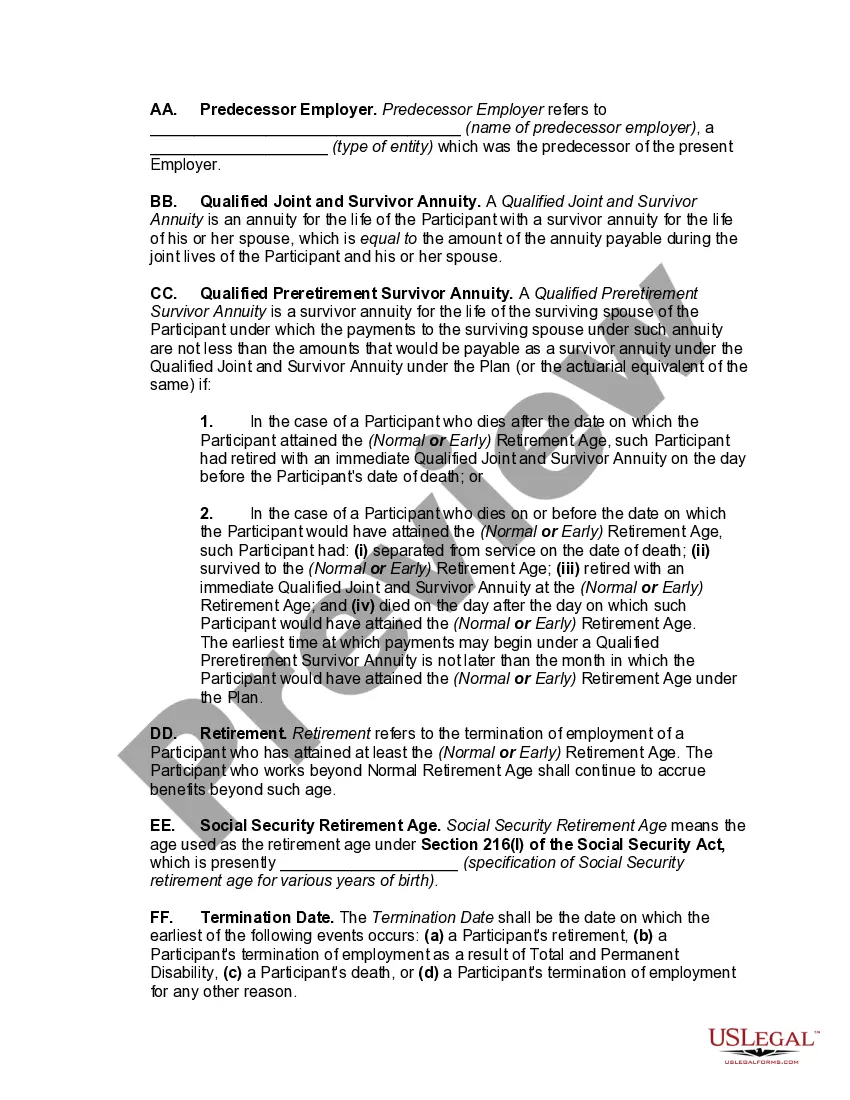
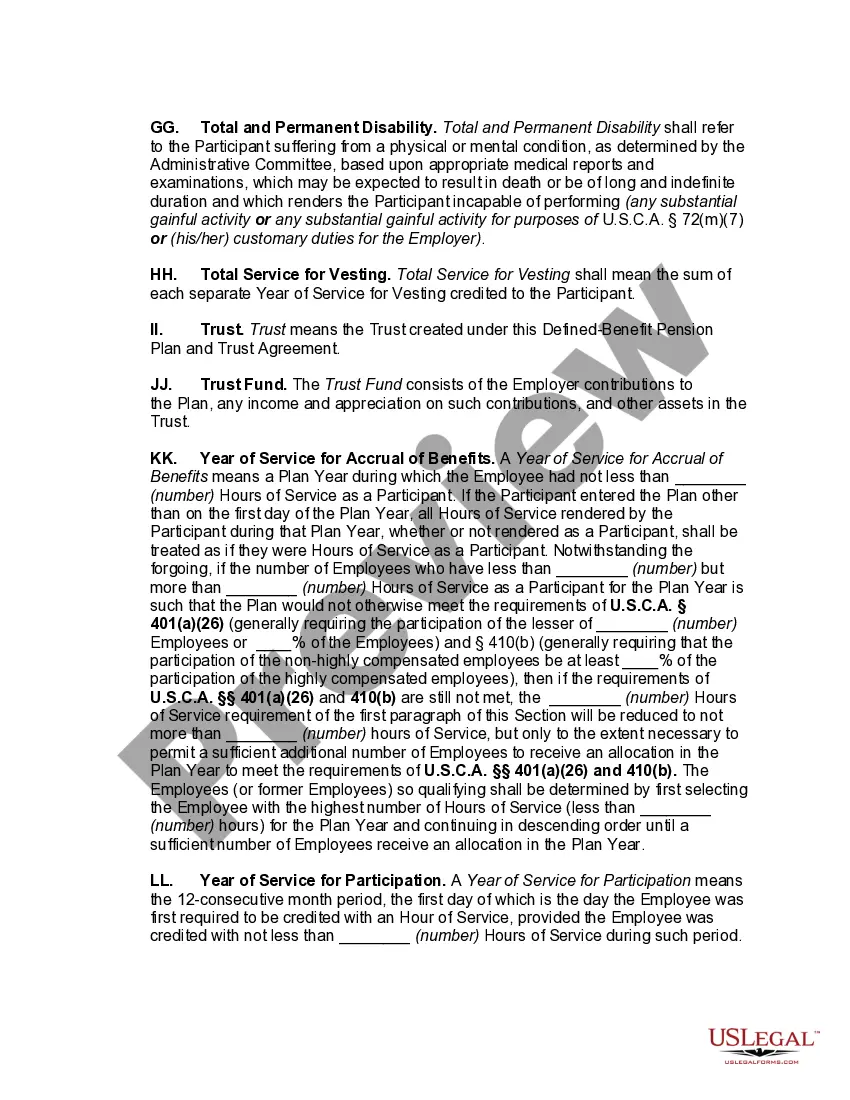
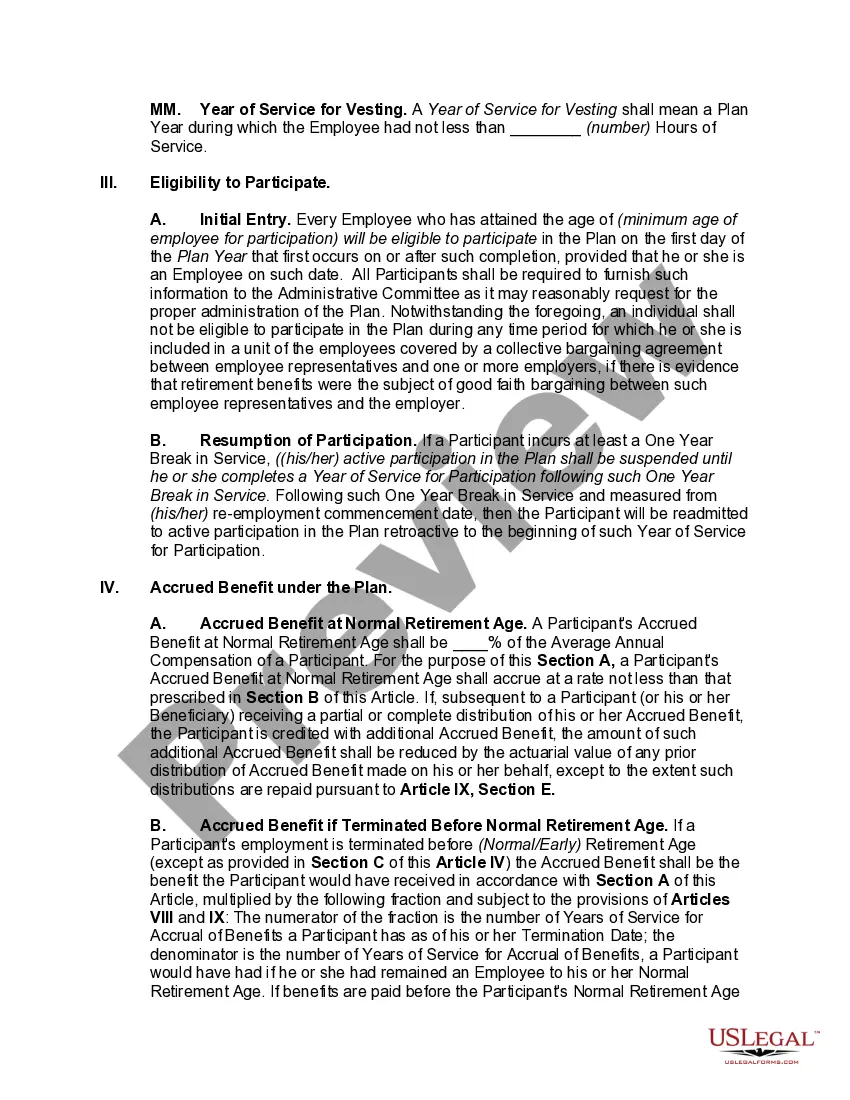

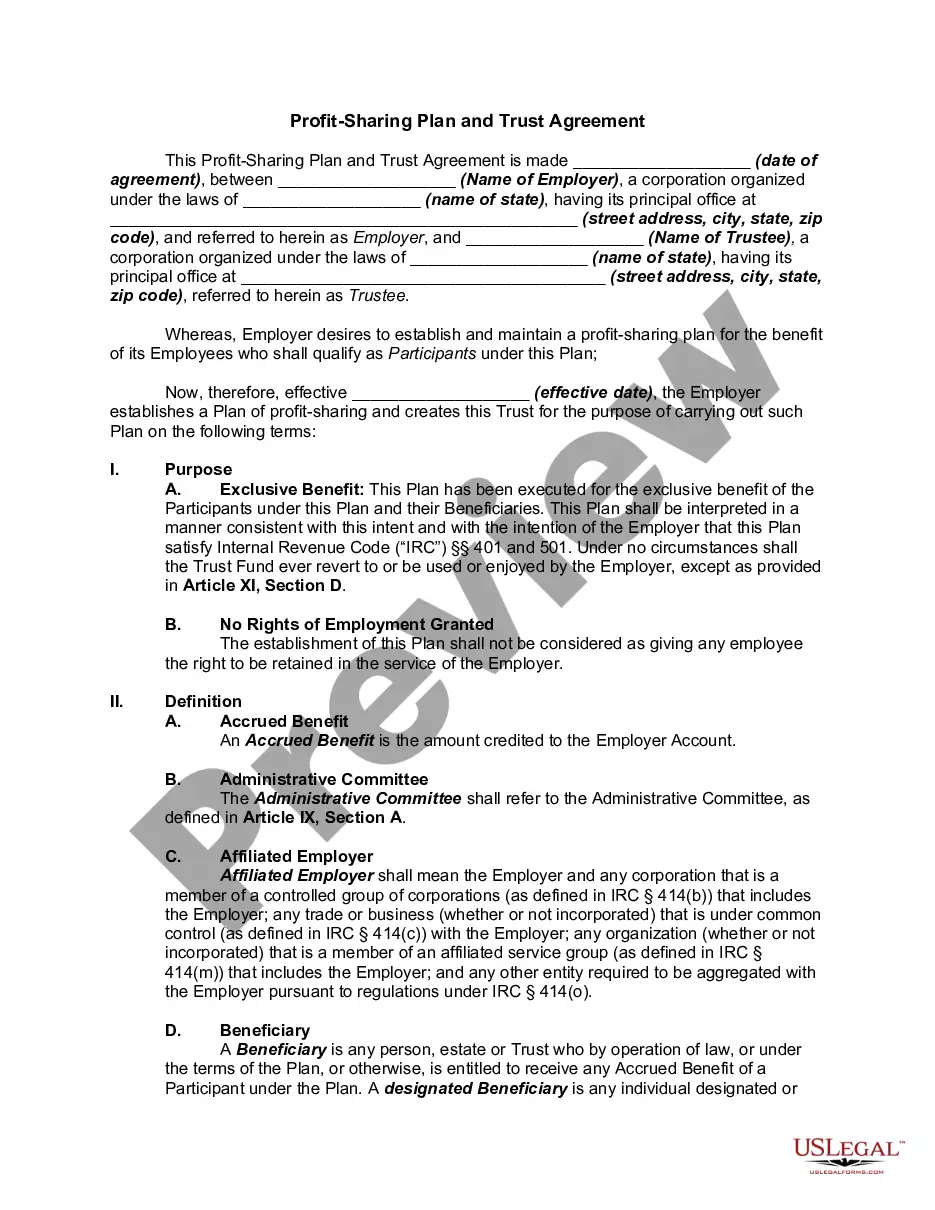
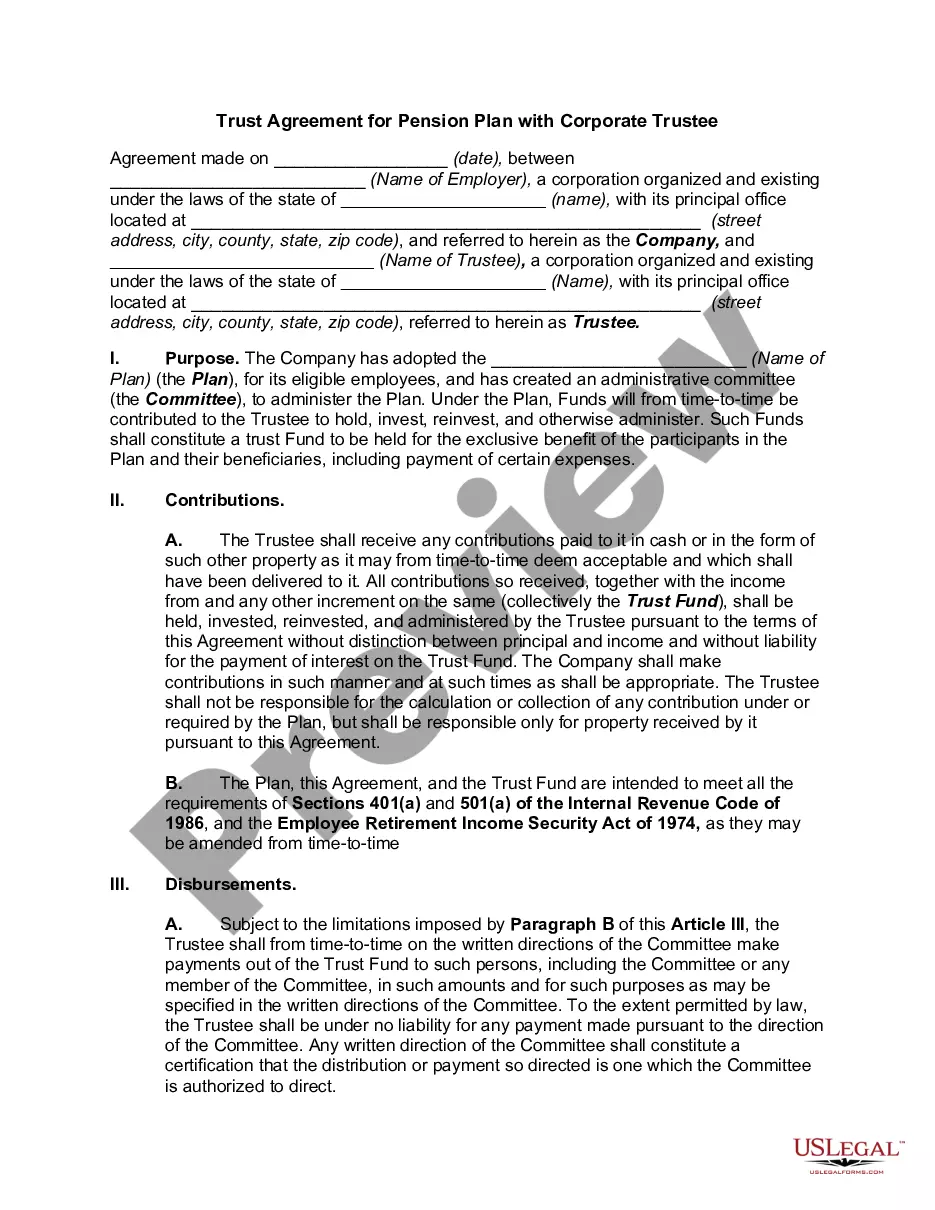
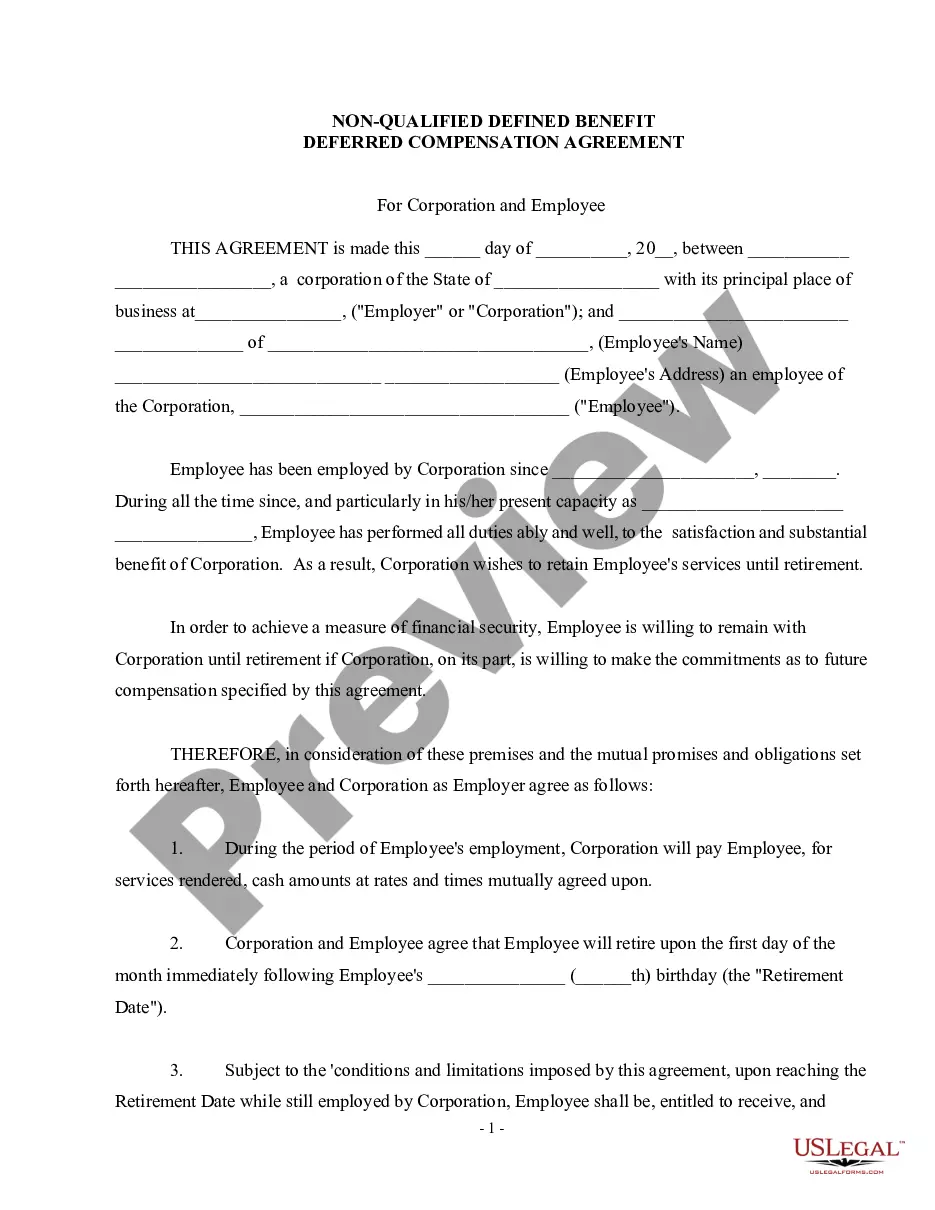
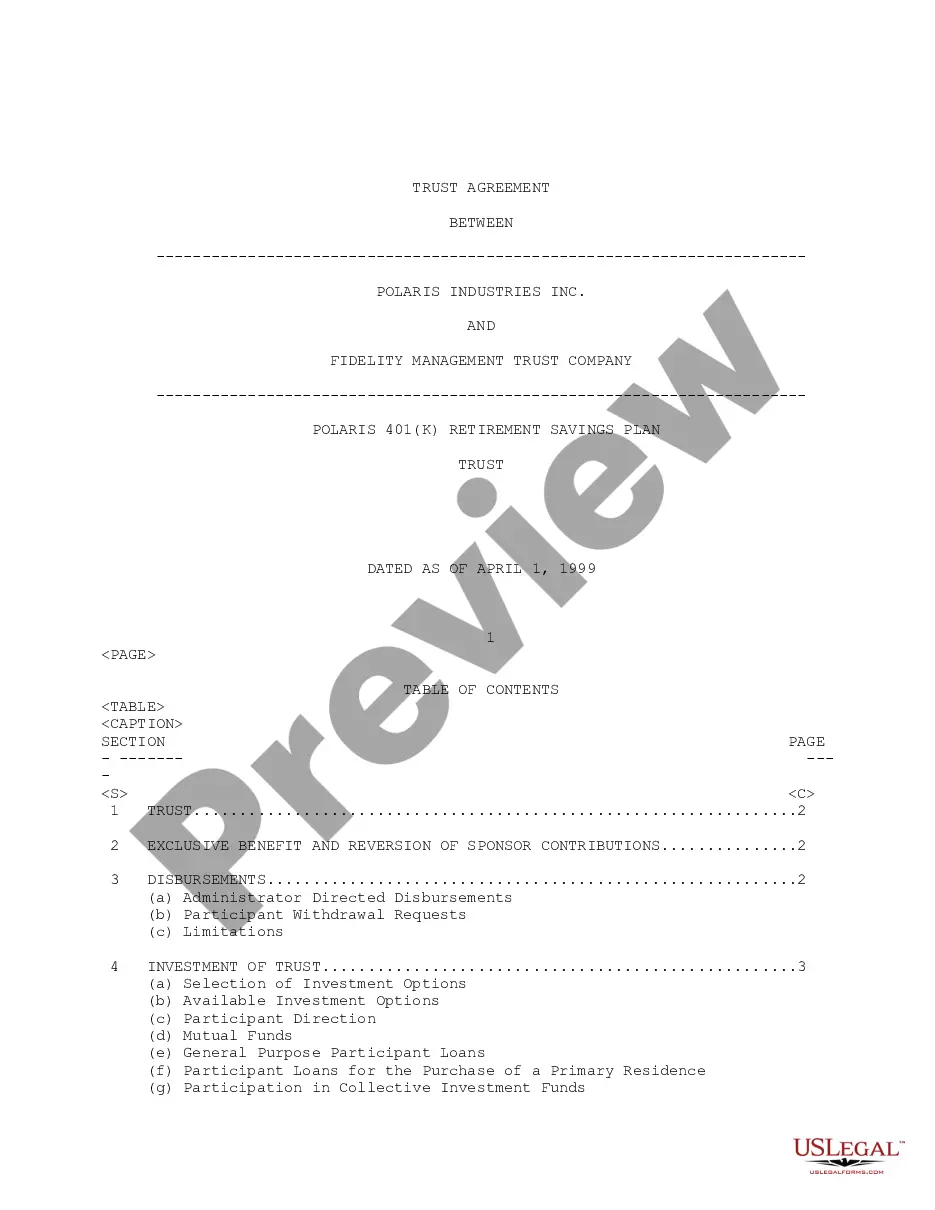
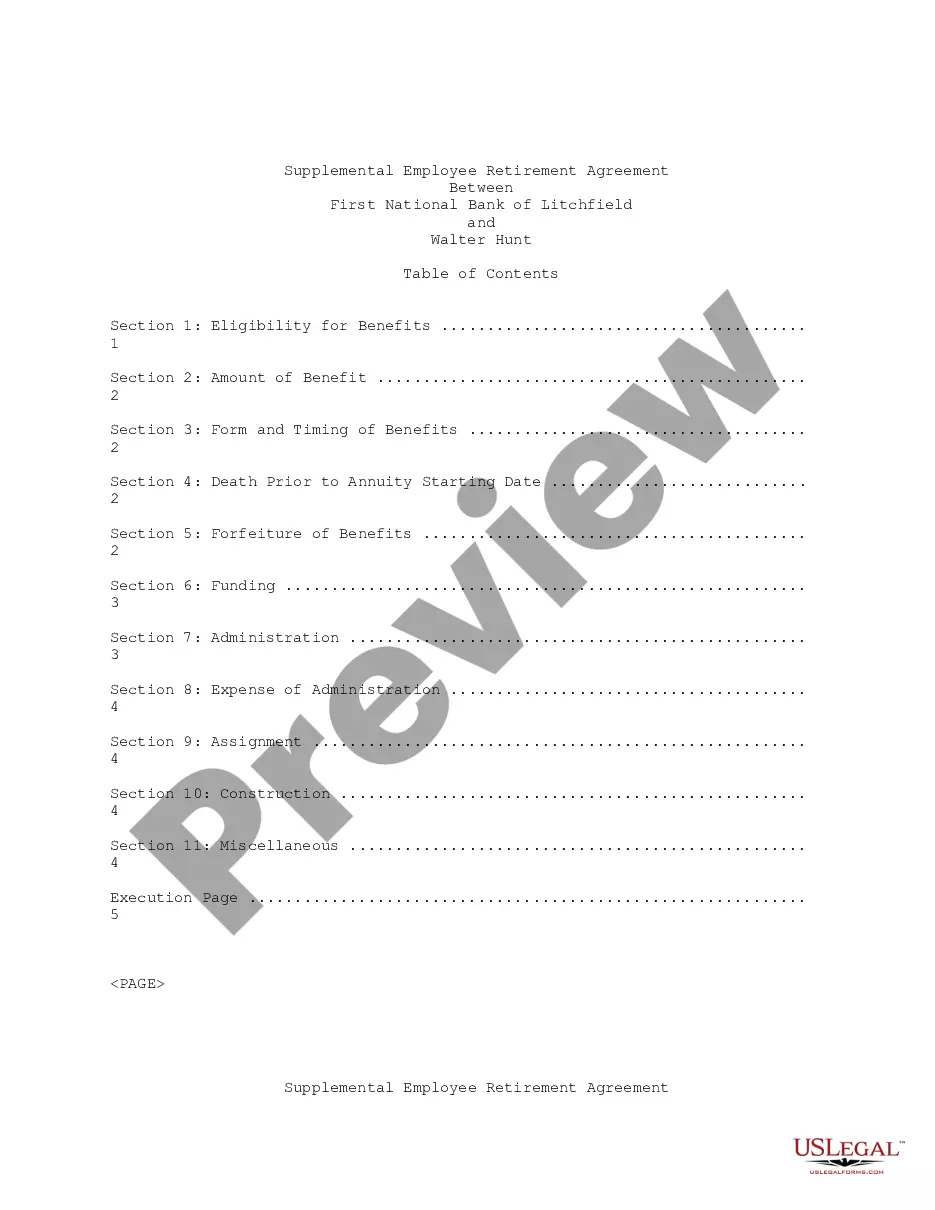



How to fill out Defined-Benefit Pension Plan And Trust Agreement?
It is feasible to spend several hours online looking for the legal document template that fulfills the federal and state requirements you desire.
US Legal Forms offers a vast selection of legal documents that are reviewed by experts.
You can download or print the Oklahoma Defined-Benefit Pension Plan and Trust Agreement from my service.
Review the form description to confirm that you have chosen the correct document. If available, utilize the Preview option to browse through the document template as well.
- If you possess a US Legal Forms account, you can Log In and select the Download button.
- After that, you can complete, modify, print, or sign the Oklahoma Defined-Benefit Pension Plan and Trust Agreement.
- Every legal document template you purchase belongs to you indefinitely.
- To obtain another copy of the purchased form, navigate to the My documents tab and select the corresponding option.
- If this is your first time using the US Legal Forms website, follow the simple instructions below.
- First, ensure that you have selected the correct document template for the area/city of your choice.
Form popularity
FAQ
A defined-benefit plan is an employer-based program that pays benefits based on factors such as length of employment and salary history.
A defined benefit plan is a qualified employer-sponsored retirement plan. This means they are qualified to receive certain tax benefits under the law, like tax-deferred investment growth or tax deductions for contributions. You're probably more familiar with qualified employer-sponsored retirement plans like a 401(k).
A defined benefit plan delivers retirement income with no effort on your part, other than showing up for work. And that payment lasts throughout retirement, which makes budgeting for retirement a whole lot easier.
The main disadvantage of a defined benefit plan is that the employer will often require a minimum amount of service. Although private employer pension plans are backed by the Pension Benefit Guaranty Corp up to a certain amount, government pension plans don't have the same, albeit sometimes shaky guarantees.
SoonerSave is one retirement savings program with two components: the Deferred Compensation (457) Plan and the Savings Incentive 401(a) Plan. Your contributions are deferred into the 457 Plan and the $25 employer contribution from the State of Oklahoma is contributed to the 401(a) Plan.
Benefits of a defined benefit pension Easier to plan for retirement defined benefit plans provide predictable income, making retirement planning much more straightforward. The predictability of these plans takes the guesswork out of how much income you will have at retirement.
Understanding Defined-Benefit Plan Benefits can be distributed as fixed-monthly payments like an annuity or in one lump-sum payment. The surviving spouse is often entitled to the benefits if the employee passes away.
Cons of Pension PlansEmployees have no control over how their pension money is invested.Company failure could lead to bankruptcy and reduction in employee pension benefits.Not all pensions transfer if you change employers.They're difficult to access.22-Feb-2021
Understanding Defined-Benefit Plan In contrast to defined-contribution plans, the employer, not the employee, is responsible for all of the planning and investment risk of a defined-benefit plan. Benefits can be distributed as fixed-monthly payments like an annuity or in one lump-sum payment.
Defined Benefit Plan rules require that employers provide a meaningful benefit to at least 40% of nonexcludable employees. However, the requirement is capped at 50 employees. Additionally, if there are fewer than three employees, all employees must receive a meaningful benefit.