Oklahoma Retainer Agreement
Description








How to fill out Retainer Agreement?
US Legal Forms - among the largest libraries of authorized types in the States - provides a wide range of authorized papers layouts you are able to download or produce. While using web site, you may get a huge number of types for enterprise and specific functions, categorized by types, suggests, or key phrases.You will find the most recent variations of types much like the Oklahoma Retainer Agreement in seconds.
If you already have a membership, log in and download Oklahoma Retainer Agreement from your US Legal Forms catalogue. The Down load button will appear on every single develop you perspective. You gain access to all in the past downloaded types inside the My Forms tab of your respective accounts.
If you would like use US Legal Forms initially, allow me to share basic guidelines to help you started:
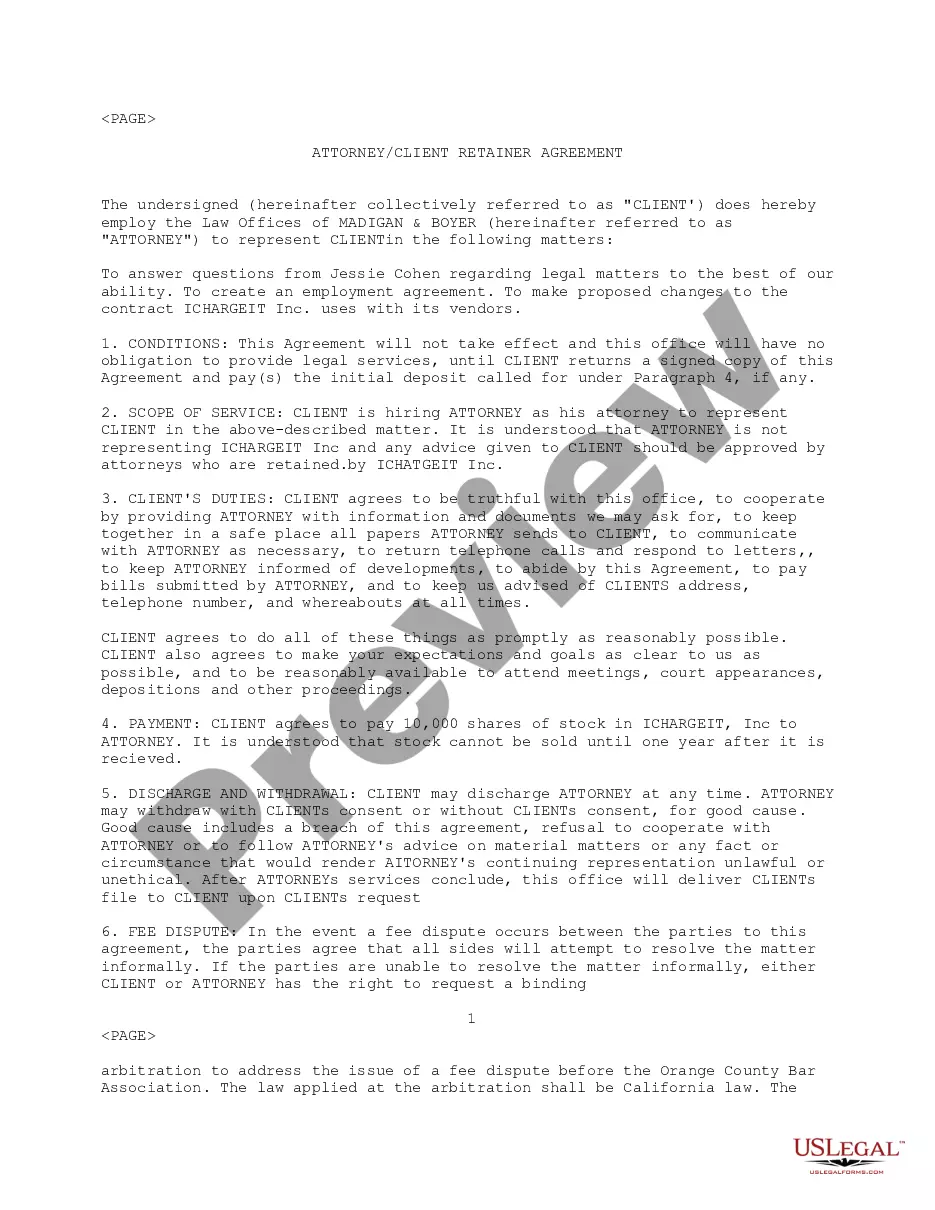
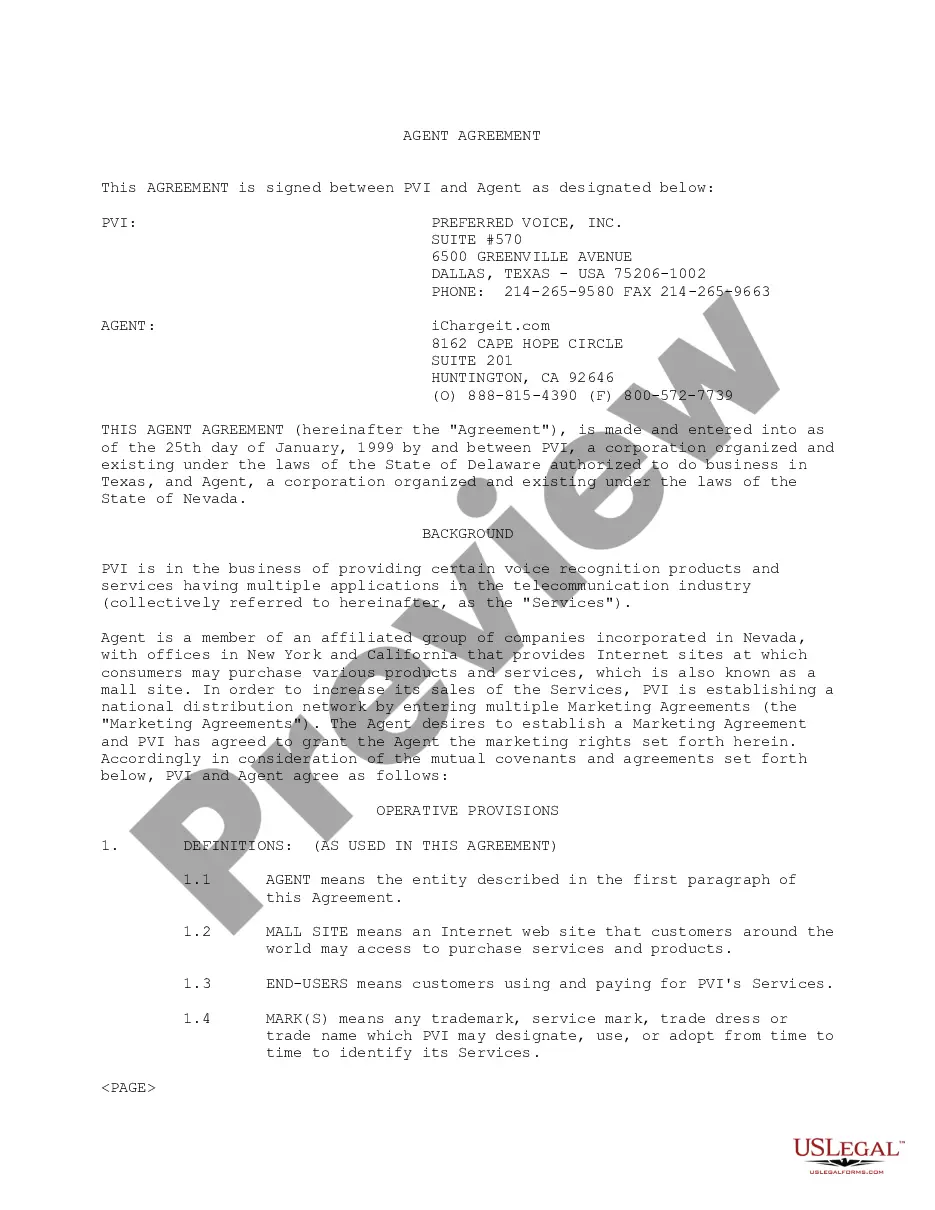
- Be sure to have picked out the best develop for your personal city/region. Go through the Preview button to review the form`s information. Look at the develop description to ensure that you have chosen the correct develop.
- In case the develop does not suit your demands, make use of the Research discipline towards the top of the monitor to find the one that does.
- When you are satisfied with the form, confirm your choice by simply clicking the Buy now button. Then, pick the prices strategy you favor and offer your qualifications to sign up to have an accounts.
- Procedure the purchase. Utilize your Visa or Mastercard or PayPal accounts to finish the purchase.
- Choose the file format and download the form in your system.
- Make changes. Fill up, revise and produce and signal the downloaded Oklahoma Retainer Agreement.
Each template you put into your account does not have an expiry day and is the one you have for a long time. So, if you wish to download or produce an additional copy, just check out the My Forms segment and click around the develop you require.
Get access to the Oklahoma Retainer Agreement with US Legal Forms, by far the most considerable catalogue of authorized papers layouts. Use a huge number of specialist and status-certain layouts that meet up with your company or specific needs and demands.
Form popularity
FAQ
The essential parts of the agreement include: Scope and nature of the work. What is the attorney expected to do for the client? ... Retainer fee. The retainer fee is the amount charged to the client. ... Client expenses. The client typically pays for some expenses, especially filing-related expenses, and travel costs.
A retainer is a fee paid to a lawyer or law firm in advance of services being rendered, and the law firm should hold it in a trust account until the services are provided. It gets booked to the balance sheet as a prepaid expense (which is an asset).
Accounting for a Retainer Fee If the firm is using the accrual basis of accounting, retainers are recognized as a liability upon receipt of the cash, and are recognized as revenue only after the associated work has been performed.
Make sure all the following details make it into your retainer contract: The amount you're to receive each month. The date you're to be paid by. Any invoicing procedures you're expected to follow. Exactly how much work and what type of work you expect to do. When your client needs to let you know about the month's work by.
A retainer is a fee paid to a lawyer or law firm in advance of services being rendered, and the law firm should hold it in a trust account until the services are provided. It gets booked to the balance sheet as a prepaid expense (which is an asset).
A retainer fee is an advance payment a client makes to a professional, and it is considered a down payment on the future services rendered by that professional. Regardless of occupation, the retainer fee funds the initial expenses of the working relationship.
A retainer basically means that a client pays in advance in exchange for ensuring your services covered in the scope of work template are available to them for an extended amount of time. A client can make recurring monthly payments, or pay a lump sum up front.
The retainer or deposit is treated as a liability to show that, although your business is holding the money from a deposit or retainer, it doesn't belong to you until it's used to pay for services. When you invoice the customer and receive payment against it, you'll turn that liability into income.