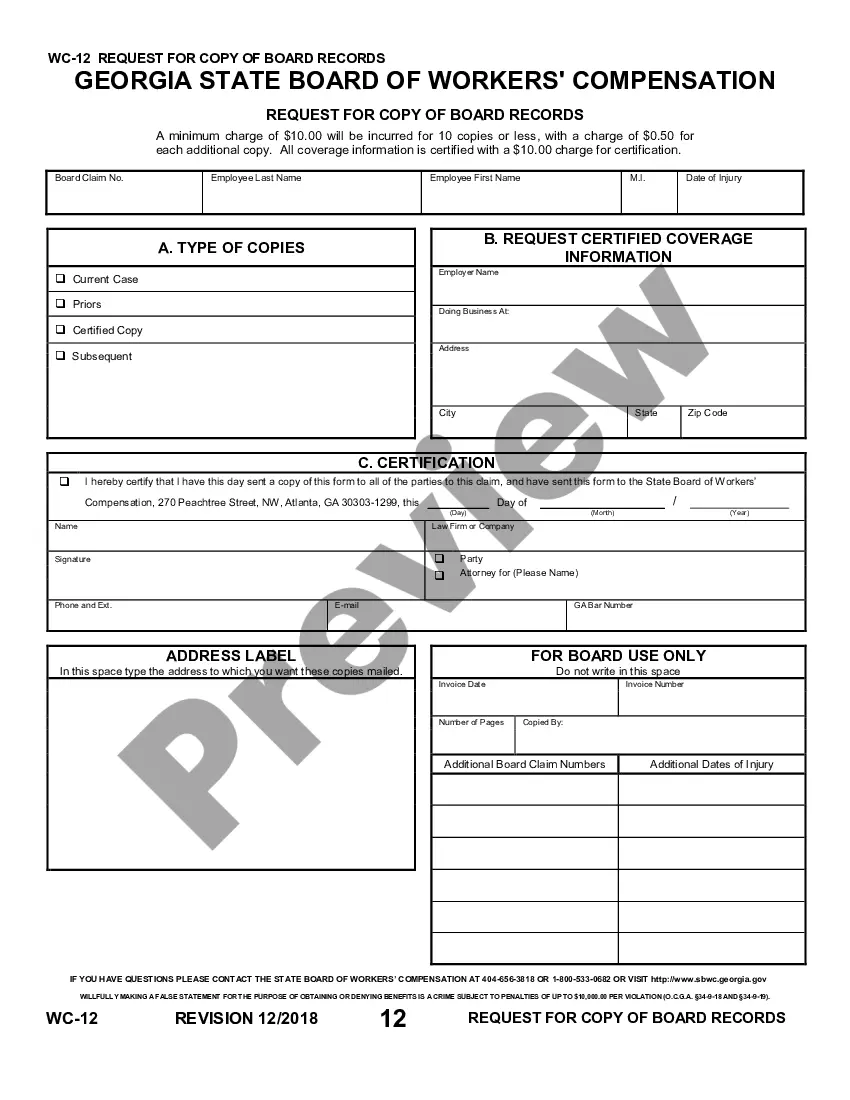
Oregon Letter from Landlord to Tenant Returning security deposit less deductions
What this document covers
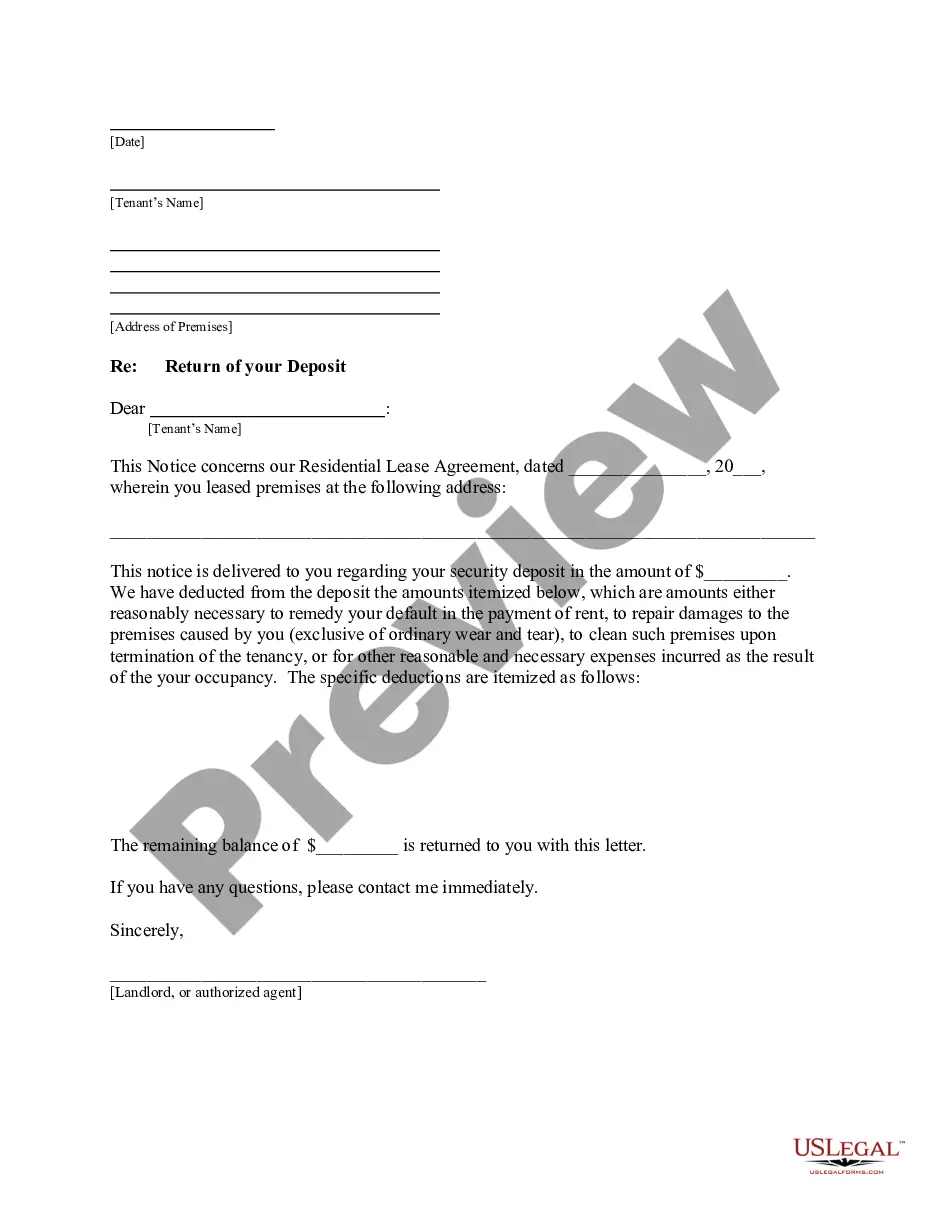
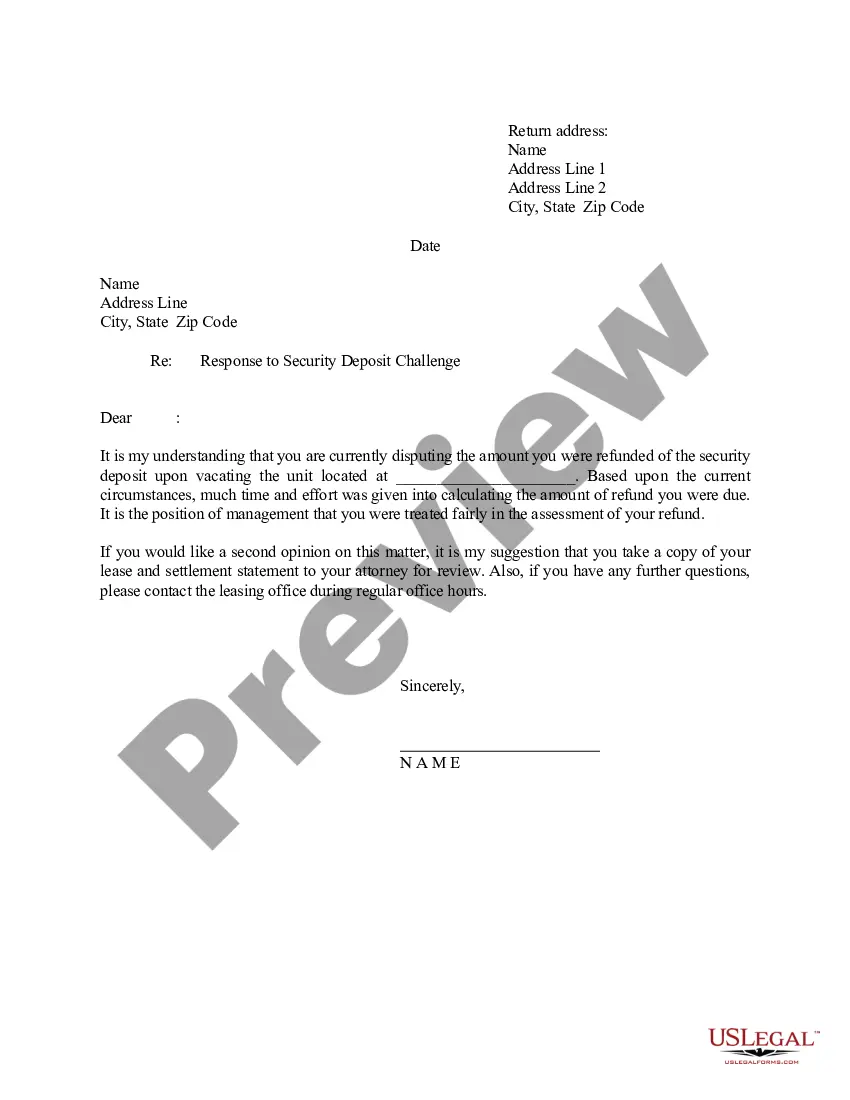
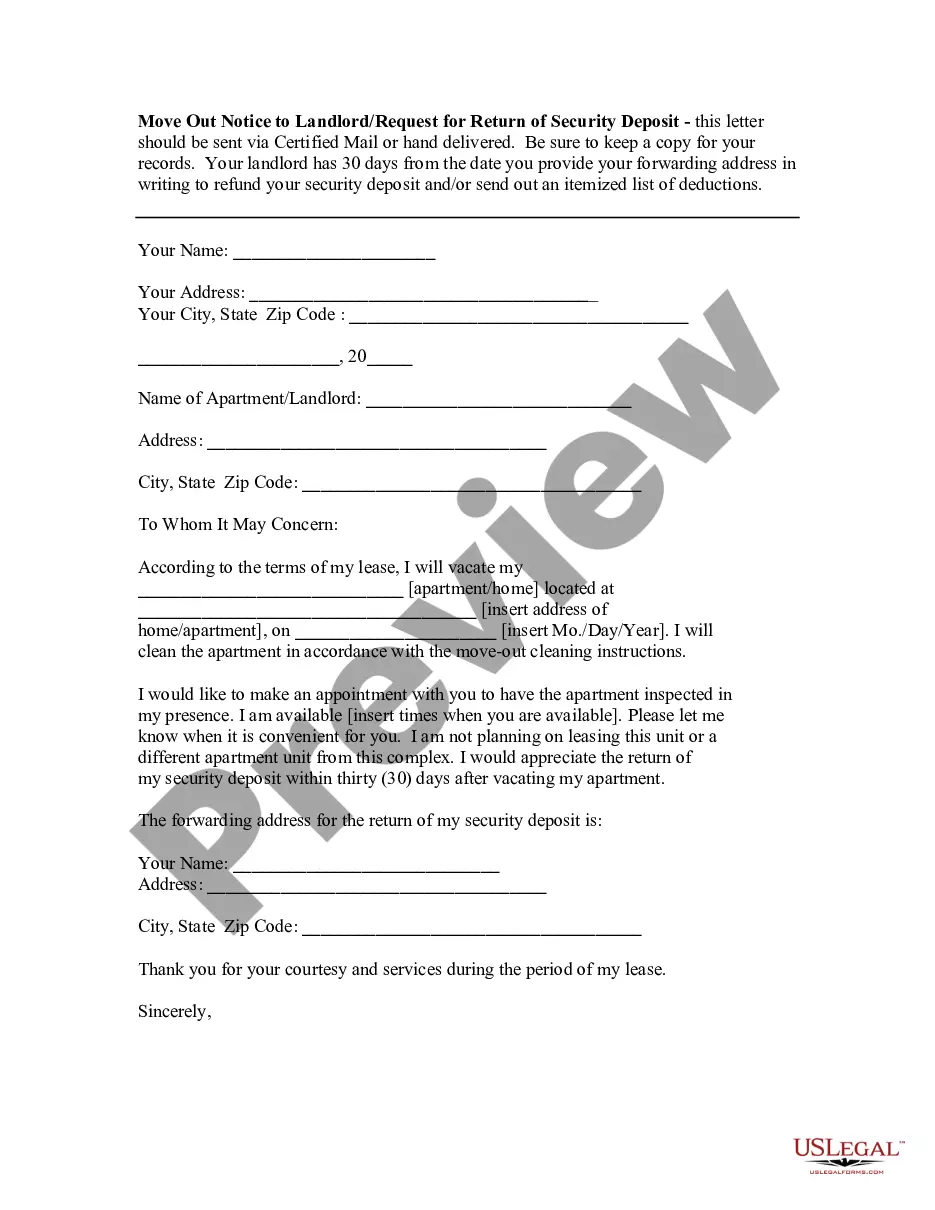
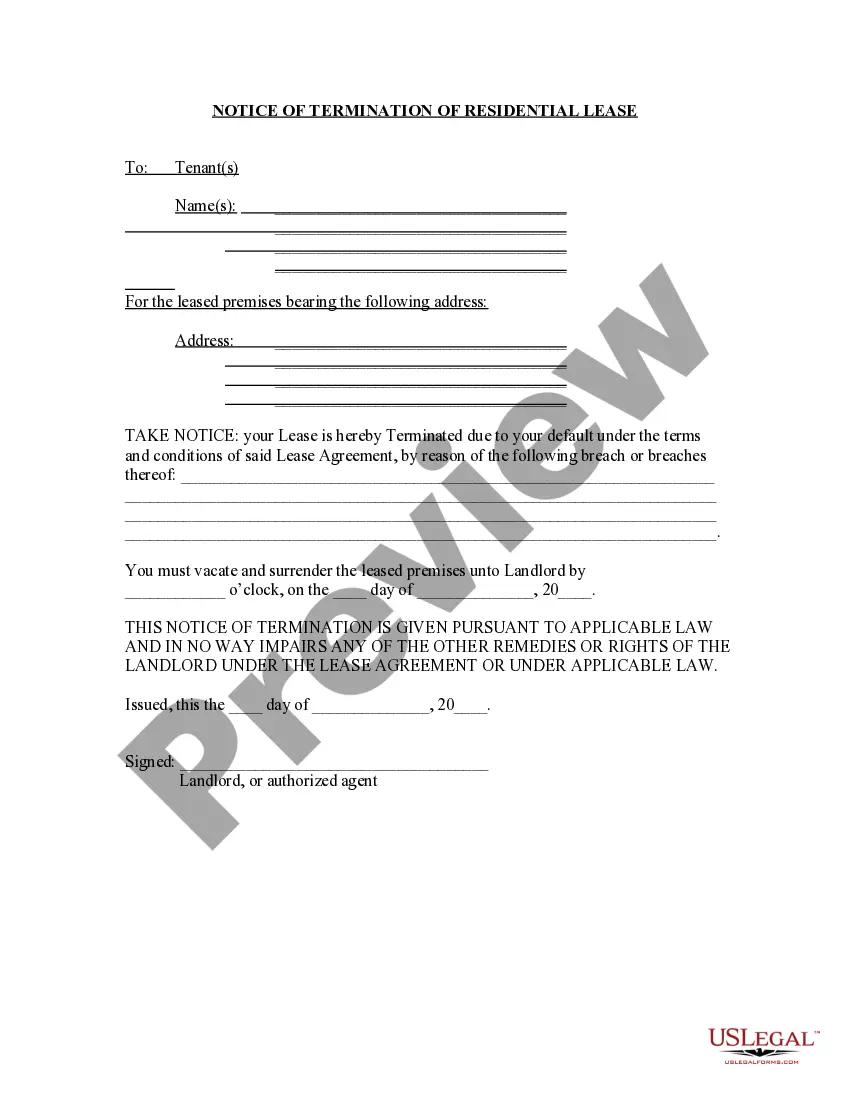
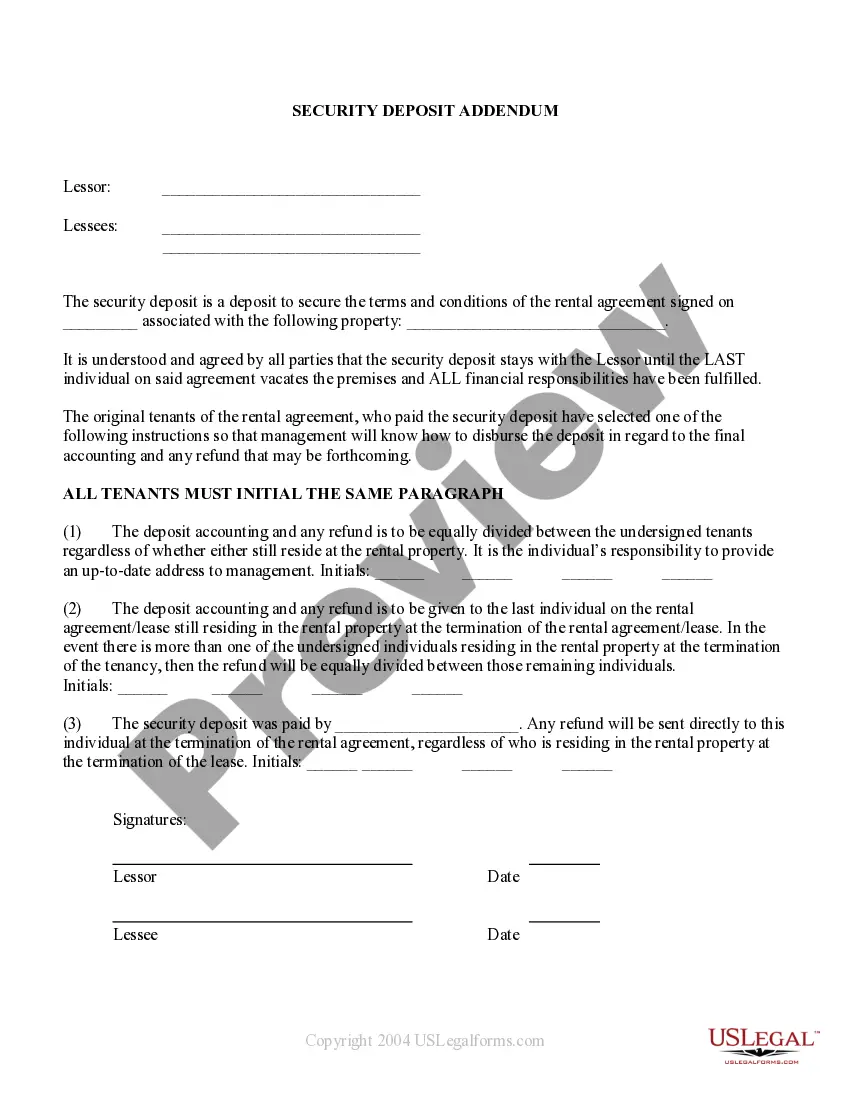
This form is a Letter from Landlord to Tenant Returning a security deposit less deductions. It serves to inform tenants of the specific deductions from their security deposit, which may include unpaid rent, repairs for damages beyond normal wear and tear, cleaning costs, or other reasonable expenses. Unlike a simple receipt or notification, this formal letter provides a detailed account of deductions, helping to clarify the financial obligations and rights of both the landlord and the tenant.
Main sections of this form
- Lease agreement details, including the lease date and property address.
- Total amount of the security deposit initially paid by the tenant.
- Itemized list of deductions from the deposit, including rent arrears and repair costs.
- Statements regarding the nature of damages and other expenses incurred.
When this form is needed
This form is necessary when a landlord intends to return a tenant's security deposit after the termination of a lease but needs to deduct certain amounts for repairs, unpaid rent, or cleaning. It is especially important in situations where the landlord wants to document the reasons for these deductions clearly and comply with state laws regarding the return of security deposits.
Intended users of this form
- Landlords who are returning a security deposit to their tenant.
- Property managers overseeing rental agreements needing to clarify deductions.
- Tenants who wish to understand their landlord's deductions from their security deposit.
Steps to complete this form
- Identify the parties involved, including the landlord and tenant names.
- Specify the date of the lease agreement and the address of the rental property.
- Enter the total amount of the security deposit and list any deductions.
- Provide a clear explanation for each deduction, detailing the reason for the expense.
- Include the date and sign the letter to formalize the communication.
Is notarization required?
This form does not typically require notarization unless specified by local law. Ensure you verify your stateâs regulations to confirm the necessary requirements for legal validity.
Get your form ready online
Our built-in tools help you complete, sign, share, and store your documents in one place.
Make edits, fill in missing information, and update formatting in US Legal Forms—just like you would in MS Word.
Download a copy, print it, send it by email, or mail it via USPS—whatever works best for your next step.
Sign and collect signatures with our SignNow integration. Send to multiple recipients, set reminders, and more. Go Premium to unlock E-Sign.
If this form requires notarization, complete it online through a secure video call—no need to meet a notary in person or wait for an appointment.
We protect your documents and personal data by following strict security and privacy standards.

Make edits, fill in missing information, and update formatting in US Legal Forms—just like you would in MS Word.

Download a copy, print it, send it by email, or mail it via USPS—whatever works best for your next step.

Sign and collect signatures with our SignNow integration. Send to multiple recipients, set reminders, and more. Go Premium to unlock E-Sign.

If this form requires notarization, complete it online through a secure video call—no need to meet a notary in person or wait for an appointment.

We protect your documents and personal data by following strict security and privacy standards.
Common mistakes to avoid
- Failing to provide a clear itemization of deductions.
- Not including the original lease agreement date or property address.
- Overstating damages or failing to differentiate between normal wear and tear and actual damage.
- Not signing the letter, which may invalidate the notice.
Why use this form online
- Easy to download and customize with specific details.
- Ensures legal compliance by following standard formats.
- Quick access to templates drafted by licensed attorneys.
- Saves time compared to drafting a letter from scratch.
Summary of main points
- This letter serves as a formal notice regarding deductions made from a tenant's security deposit.
- Landlords should clearly outline any deductions to avoid disputes.
- Familiarity with state requirements helps ensure legal compliance regarding security deposits.
Looking for another form?
Form popularity
FAQ
Fill out the Request for Return of Security Deposit form (not interactive; you must print, then fill out the form). Send the form to your former landlord. Keep a photo-copy of the form for yourself. Hold on to the Return Receipt when it comes back in the mail.
In Oregon there is no minimum or maximum amount your landlord can charge for the security deposit.
If there are repairs/damages to be done and that it is more than the bond the tenant must pay the remaining. Helene said that if the tenants do not pay the amount over the bond you can go through your insurance company or arrange debt collectors to collect the money from the tenants.
Concisely review the main facts and lay out the reasons your landlord owes you money. Include copies of relevant letters and agreements, such as your notice to move out. Ask for exactly what you want, such as the full amount of your deposit within ten days. Cite state security deposit law.
It is illegal to charge tenants for these services. You cannot be charged more than this, unless your home is a luxury rental costing more than £50,000 a year (in which case your deposit is capped at six weeks' rent).
Statewide, landlords cannot raise the rent more than 7% plus inflation annually. Inflation is calculated using the Consumer Price Index published by the U.S. Bureau of Labor Statistics. For 2020, the maximum rent increase is 9.9%.
Dear Name: I am writing to provide notice of my request that you refund the security deposit paid in the amount of $1500.00 for the rental of Address, City, State Zip Code. I vacated the residence on 00/00/00 without any damages beyond oridnary wear and tear.
A: You may certainly sue the landlord for overcharging you rent since this is a breach of contract claim. The rent amount that you are obligated to pay is reflected in your new lease contract. Anything over that amount is an overcharge.
Landlords in Oregon can keep all or a portion of a tenant's security deposit for unpaid rent, damage in excess of normal wear and tear, and other breaches of a lease agreement.