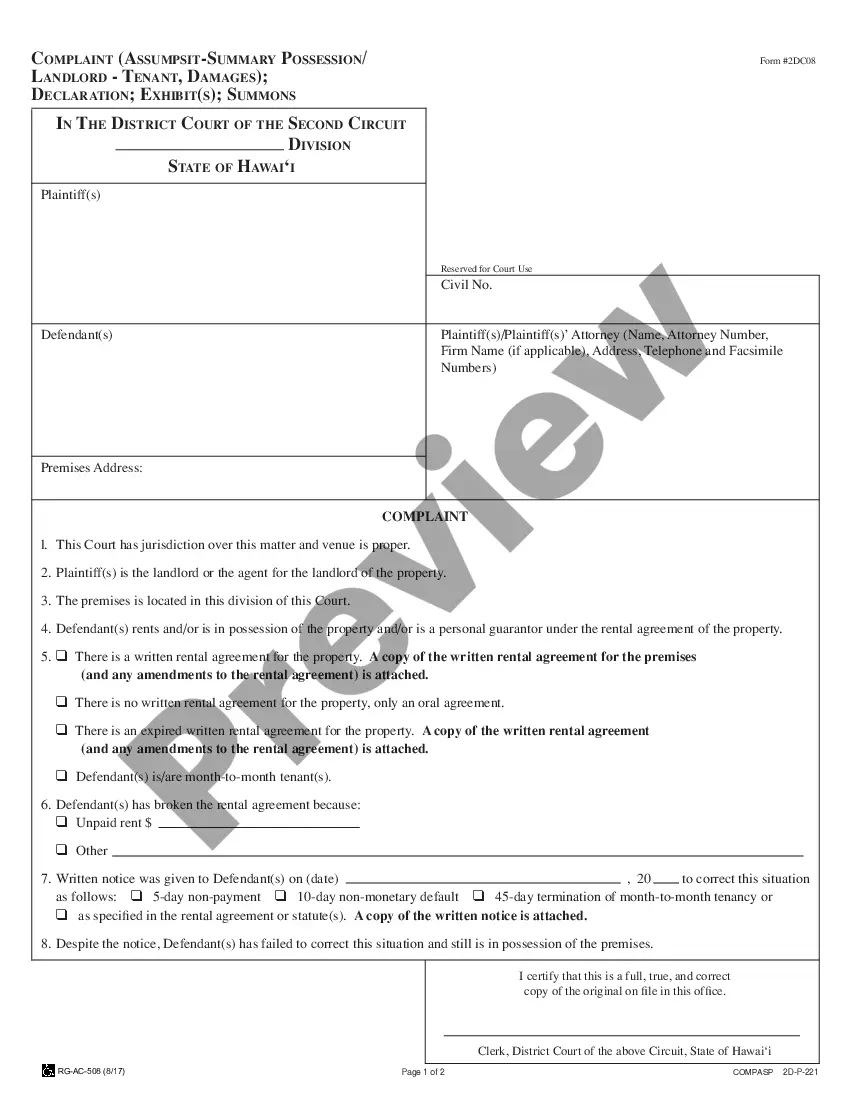
Oregon Certificate of Mailing of Judgment regarding support visitation custody
What is this form?
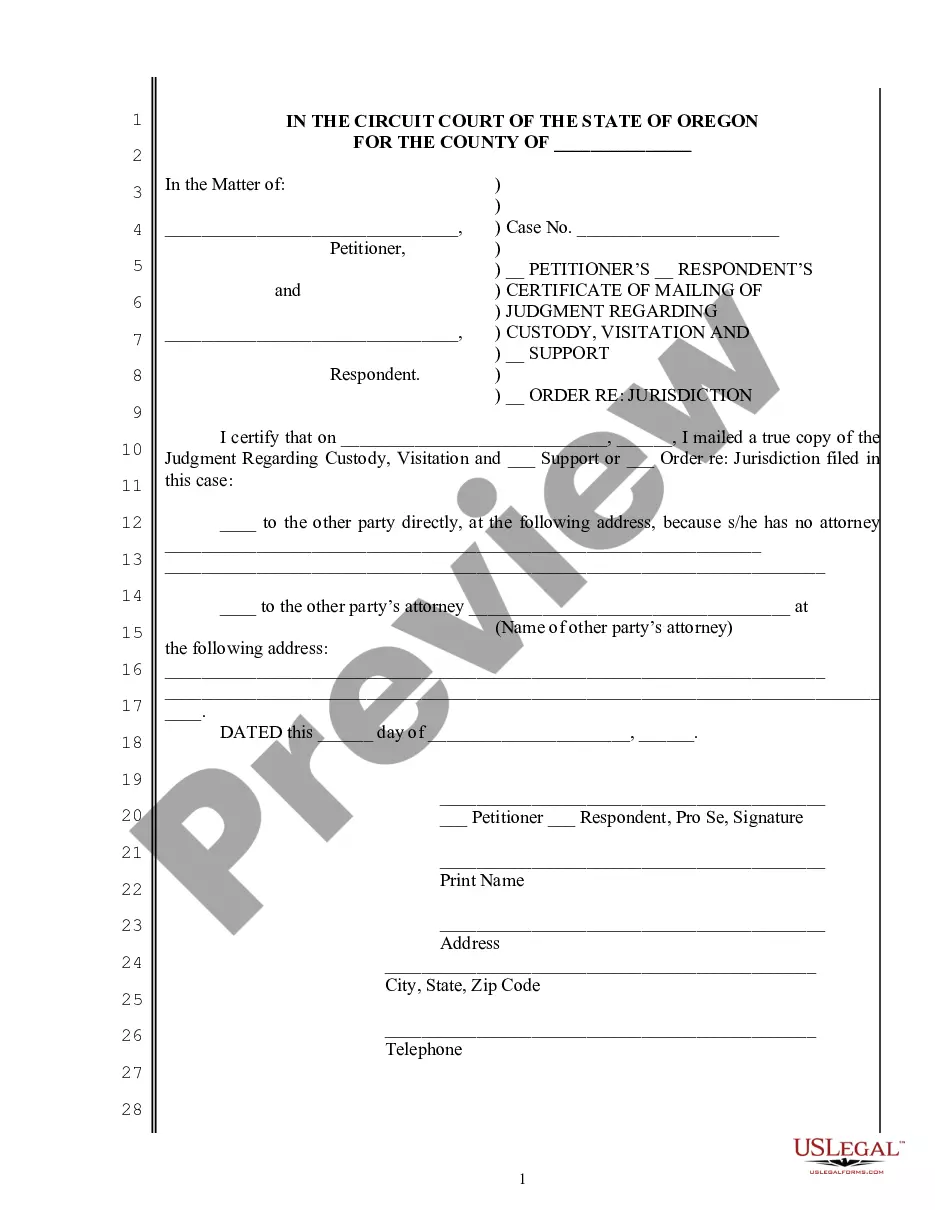
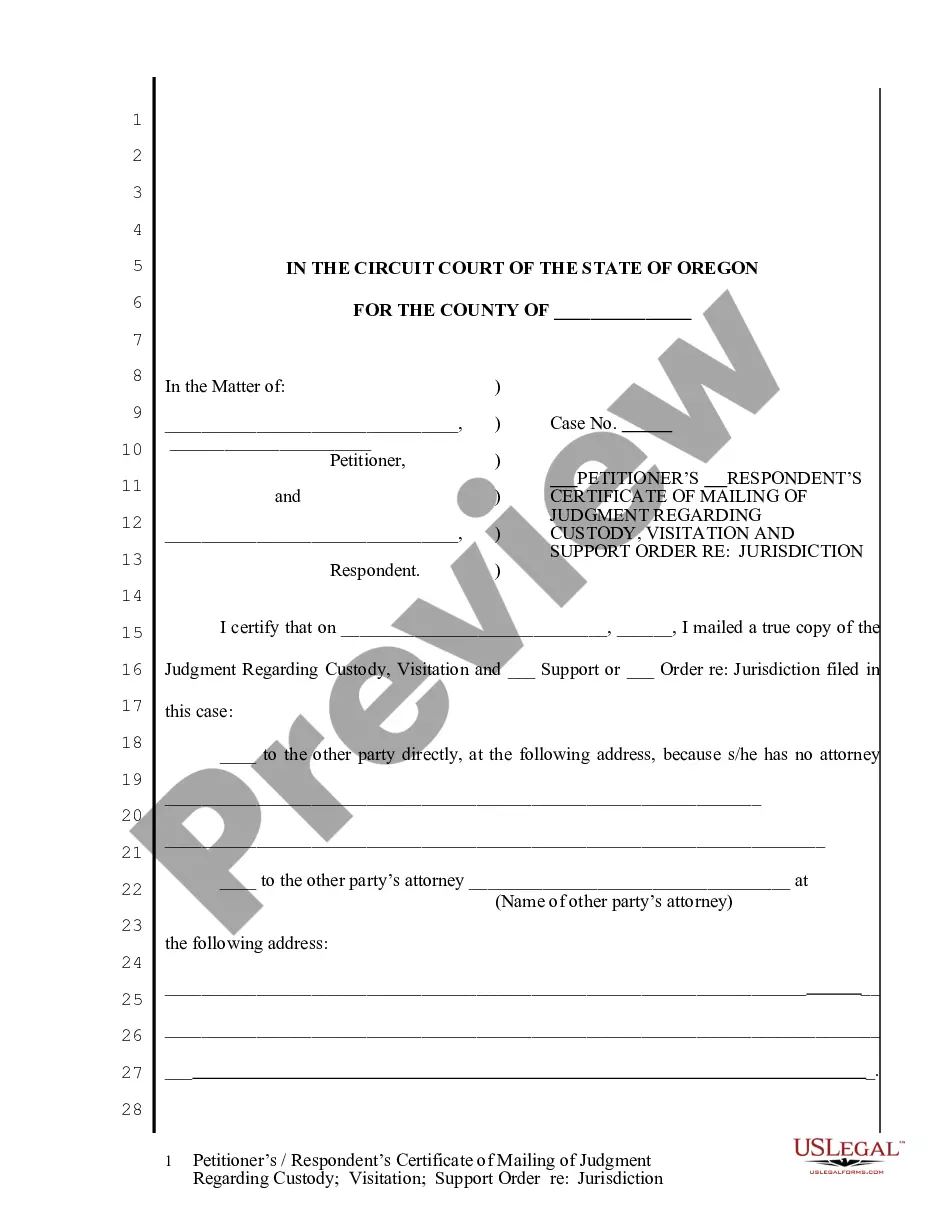
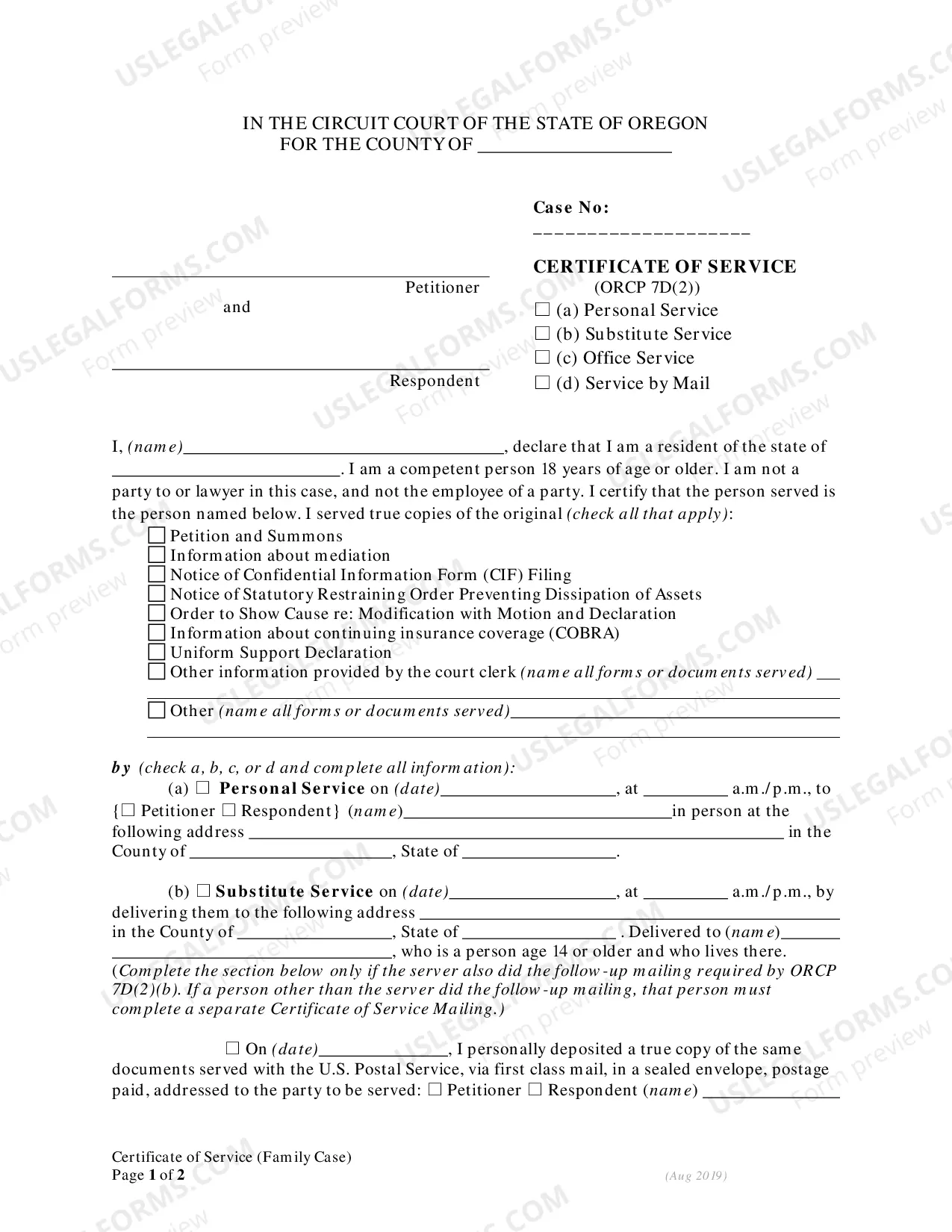
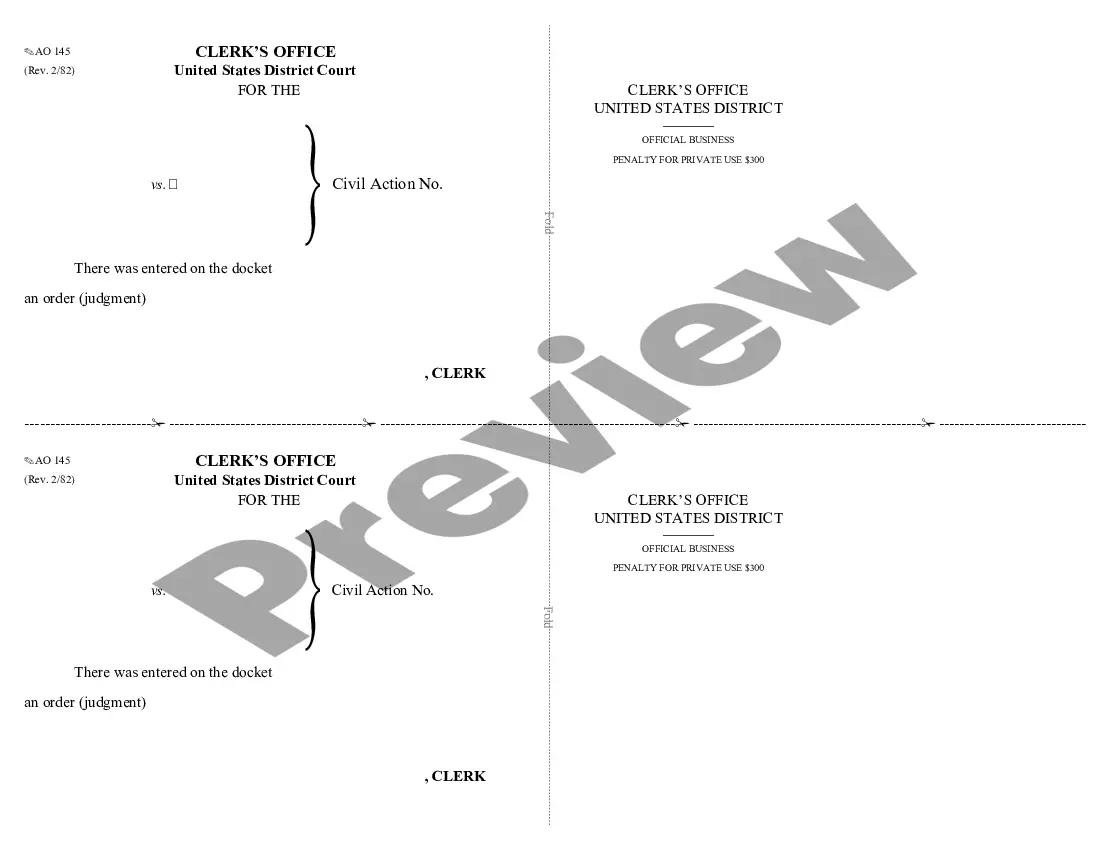
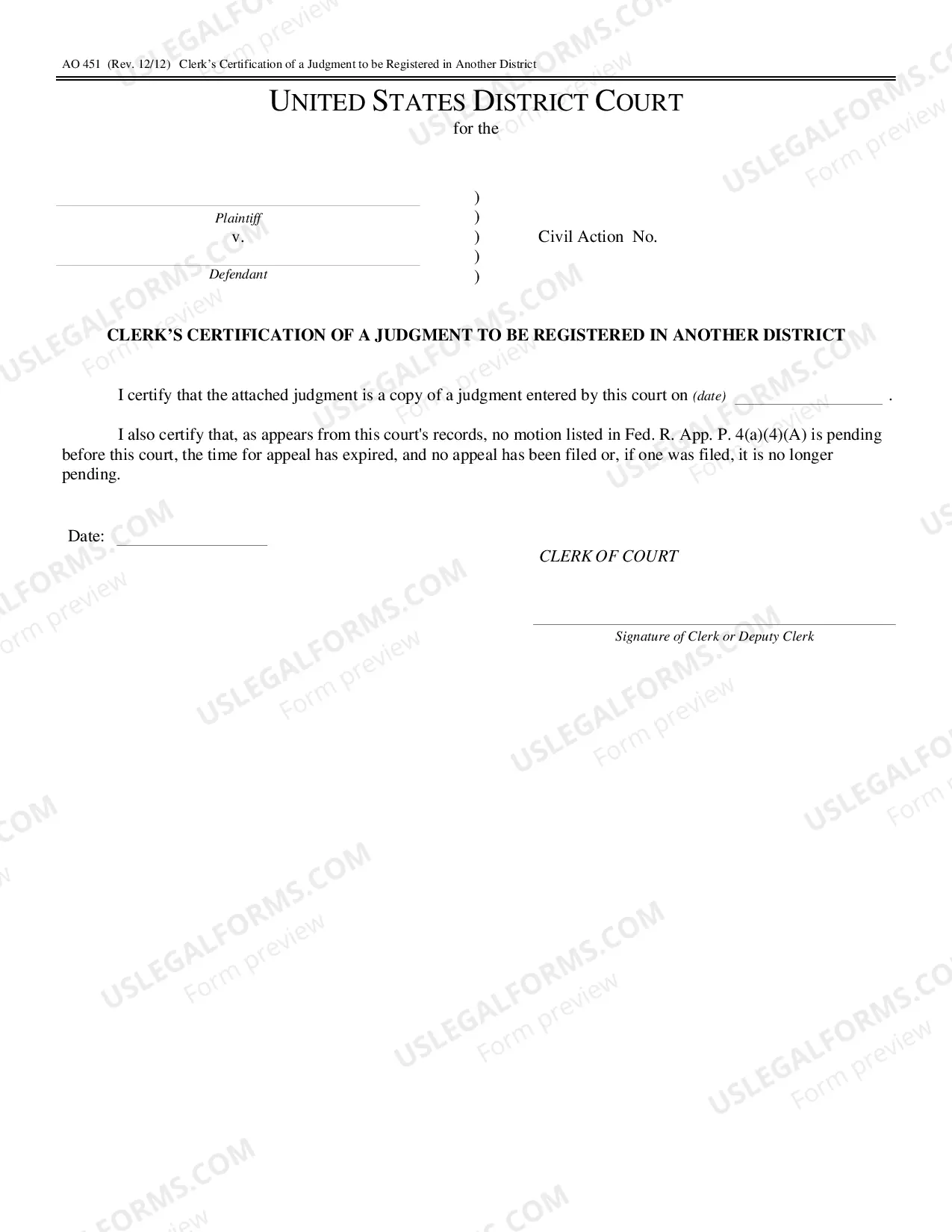
The Certificate of Mailing of Judgment regarding support visitation custody is an official document used in Oregon's domestic litigation cases. It serves as proof that the judgment related to custody, visitation, and support has been mailed to the involved parties. This form differs from other legal documents by specifically documenting the mailing of judgment, ensuring that all parties are informed and that legal procedures are followed correctly.
Key parts of this document
- Case identification section, including county and case number.
- Certification statement detailing the mailing date and parties involved.
- Address fields for the recipient and their attorney if applicable.
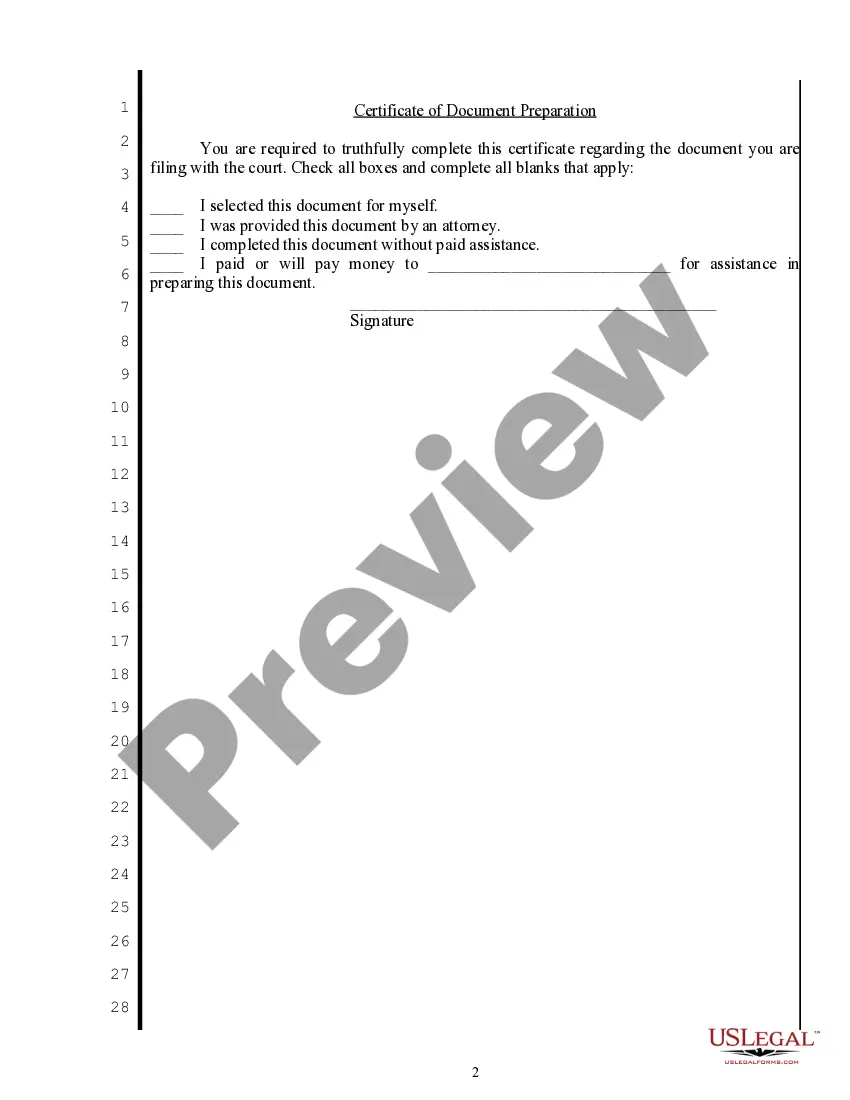
- Certificate of document preparation with options to clarify how the document was prepared.
- Signature block for the petitioner or respondent, affirming the authenticity of the mailing.
When this form is needed
This form is necessary when one party in a domestic case needs to provide evidence that a judgment regarding custody, visitation, or support has been sent to the other party. It is typically used after a judgment is issued by the court, confirming that all parties are properly notified of critical decisions affecting them.
Who should use this form
- Petitioners in a family law case in Oregon needing to document the mailing of a judgment.
- Respondents who must confirm receipt of court documents related to custody or support.
- Individuals representing themselves in court (Pro Se) who need to furnish this certificate as part of their legal documentation.
Completing this form step by step
- Identify the county and enter the case number at the top of the form.
- Fill in the names of the petitioners and respondents involved in the case.
- Specify the date you mailed the judgment and to whom it was sent.
- Provide addresses for both the recipient and their attorney if applicable.
- Sign and date the certificate of mailing section to affirm the information is correct.
Notarization requirements for this form
This form does not typically require notarization unless specified by local law. However, having it notarized can add an additional layer of verification if needed.
Get your form ready online
Our built-in tools help you complete, sign, share, and store your documents in one place.
Make edits, fill in missing information, and update formatting in US Legal Forms—just like you would in MS Word.
Download a copy, print it, send it by email, or mail it via USPS—whatever works best for your next step.
Sign and collect signatures with our SignNow integration. Send to multiple recipients, set reminders, and more. Go Premium to unlock E-Sign.
If this form requires notarization, complete it online through a secure video call—no need to meet a notary in person or wait for an appointment.
We protect your documents and personal data by following strict security and privacy standards.

Make edits, fill in missing information, and update formatting in US Legal Forms—just like you would in MS Word.

Download a copy, print it, send it by email, or mail it via USPS—whatever works best for your next step.

Sign and collect signatures with our SignNow integration. Send to multiple recipients, set reminders, and more. Go Premium to unlock E-Sign.

If this form requires notarization, complete it online through a secure video call—no need to meet a notary in person or wait for an appointment.

We protect your documents and personal data by following strict security and privacy standards.
Mistakes to watch out for
- Failing to include the correct case number or county.
- Not providing complete addresses for all parties involved.
- Omitting signature or date, which can invalidate the form.
- Incorrectly stating the mailing date or details of the judgment.
Why complete this form online
- Immediate access to a legally formatted document that adheres to Oregon regulations.
- Easy customization to fill in personal and case-specific details securely.
- The ability to download and print the form for submission at your convenience.
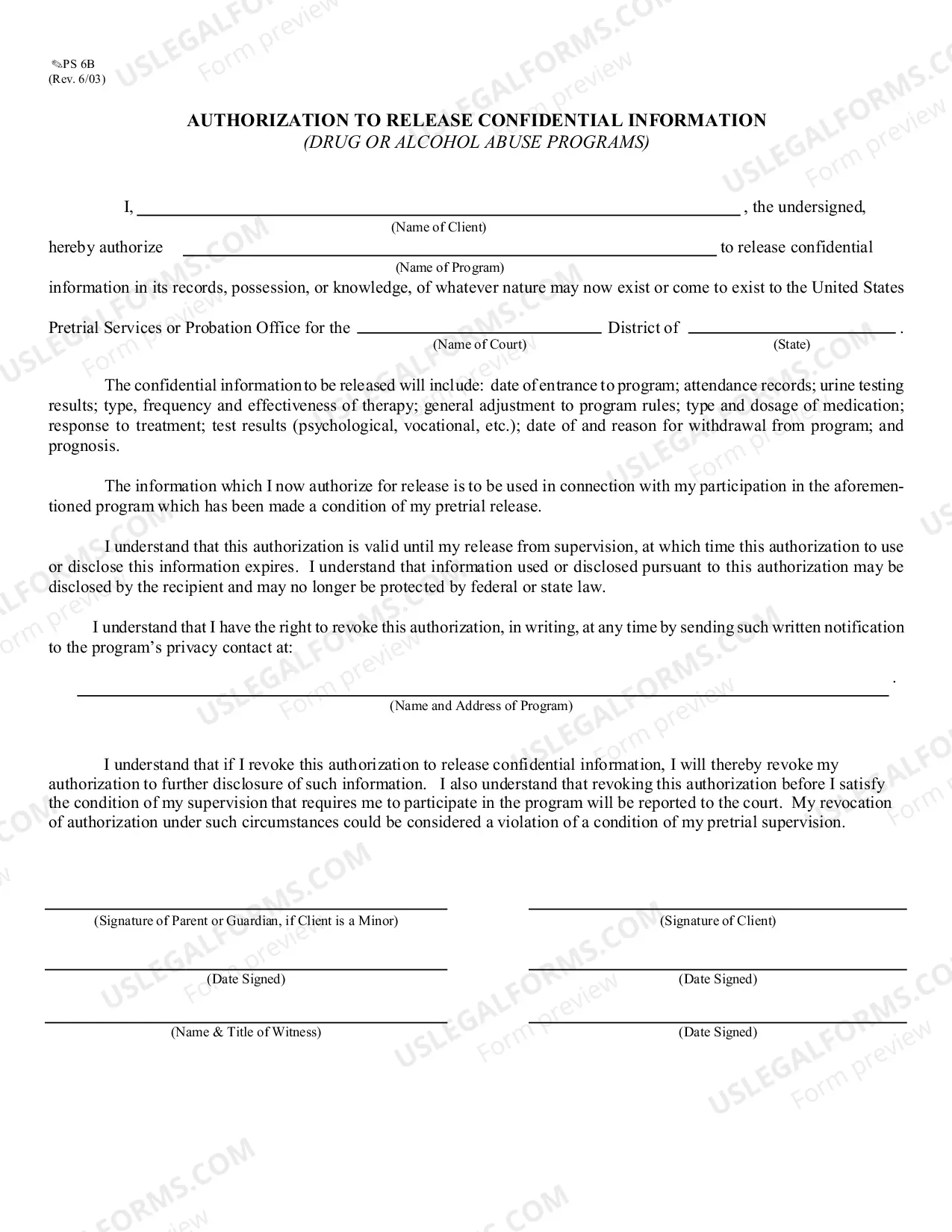
Looking for another form?
Form popularity
FAQ
Follow procedures or steps you should take to do things. Ask for help, directions and instructions. Accept advice and constructive criticism. Acknowledge or recognize experience and skill or knowledge. Handle negative criticism politely.
1Write clearly, and use your own words.2Use bulleted lists for your major points.3Don't insult or bash your ex.4Attach evidence such as pay stubs or bank statements, but redact SSN and account numbers.5Affirm that you are making your statement under oath, and under penalty of perjury.How to Write a Declaration Letter For Child Custody\nwww.denverfamilylawmatters.com > blog > how-to-write-a-declaration-lett...
Be clear and direct in your email replies, and avoid being ambiguous. That means, you should know what you want to say; and say it with the shortest possible words. Make your replies one-to-one. Keep it Short, Simple and Sweet (KISSS).
Thanks for letting me know. thanks for informing me. thanks for reminding me that. good to know.
1Be willing to work with the child's other parent.2See your children whenever possible.3Don't involve your children in the court case.4Don't put the children in the middle.5Perception is everything.6Hire an experienced child custody lawyer.
Be willing to work with the child's other parent. See your children whenever possible. Don't involve your children in the court case. Don't put the children in the middle. Perception is everything. Hire an experienced child custody lawyer.
If someone has replied to one of your emails, be sure to say, Thank you for your prompt reply or Thanks for getting back to me. Thanking the reader puts him or her at ease, and it will make you appear more polite.
Determining the Best Interest of a Child Courts look at the bond between child and parent when evaluating child custody options.This includes living arrangements, school or child care routines, and access to extended family members. Family court judges prefer not to disrupt a child's routine when possible.
1Read Information Sheet: Responsive Declaration to Request for Order (Form FL-320-INFO ).2Fill out your court forms.3Have your forms reviewed.4Make at least 2 copies of all your forms.5File your forms with the court clerk.6Serve your papers on the other parent.7File your Proof of Service.Responding to a Custody Request - custody_famlaw_selfhelp\nwww.courts.ca.gov >