Oregon Declaration for Mental Health Treatment
What this document covers
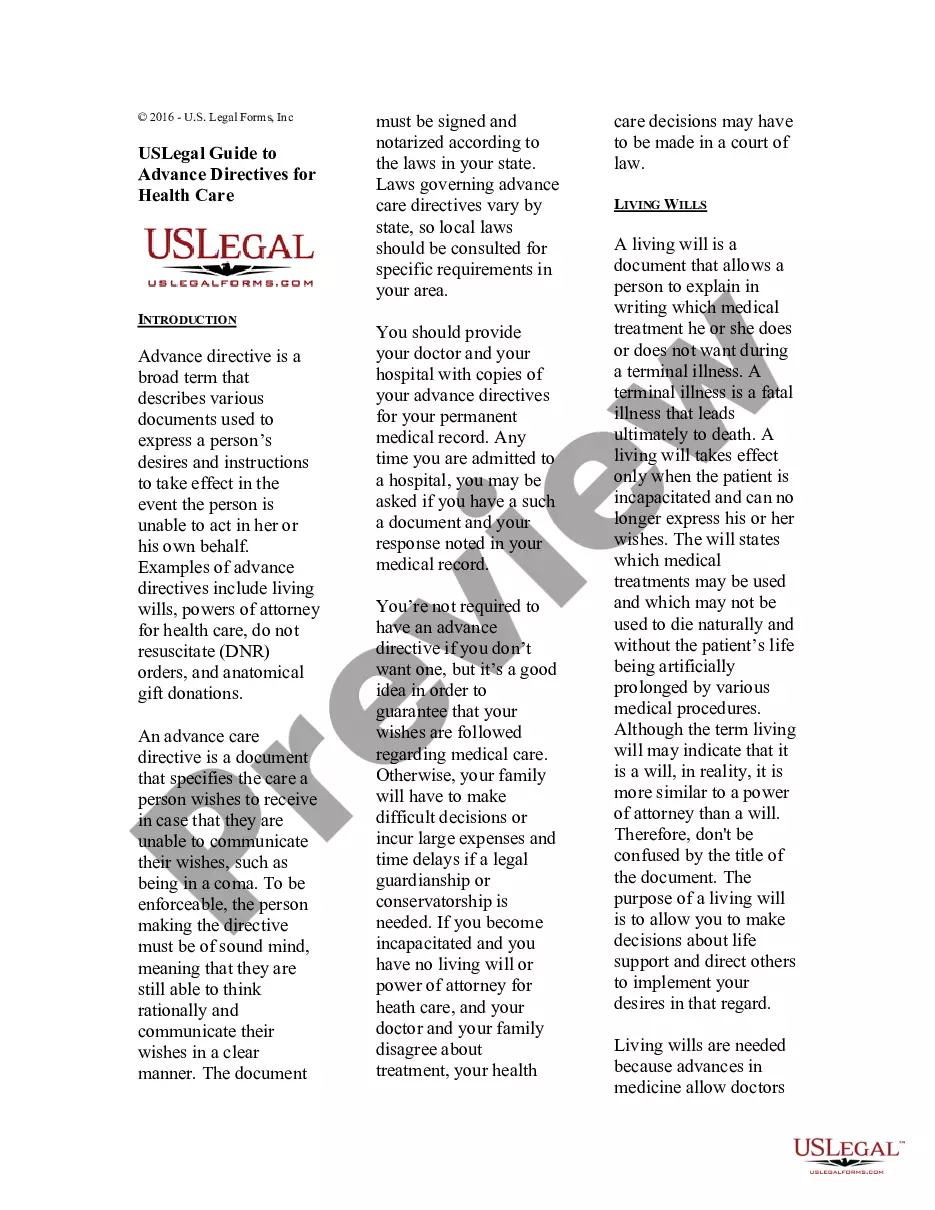
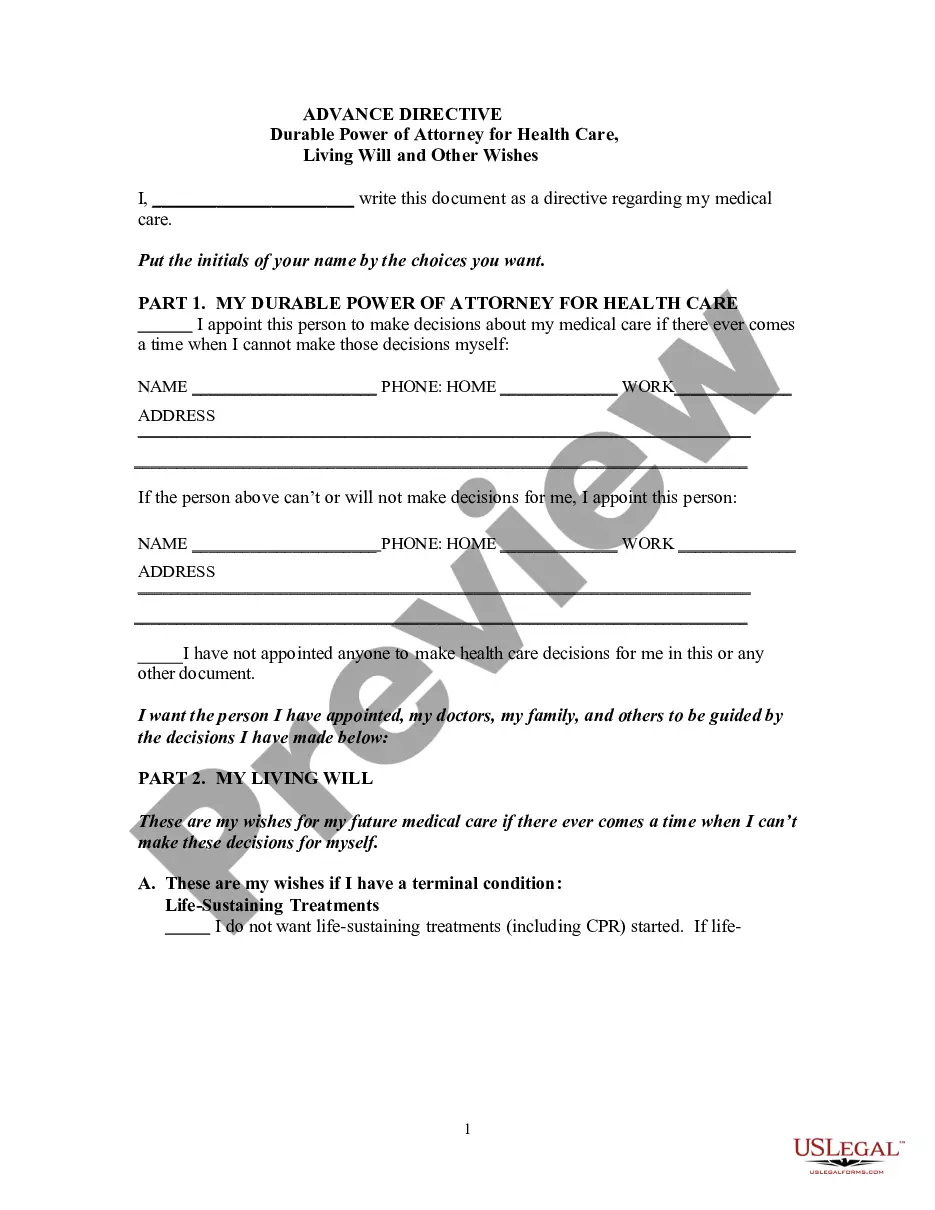
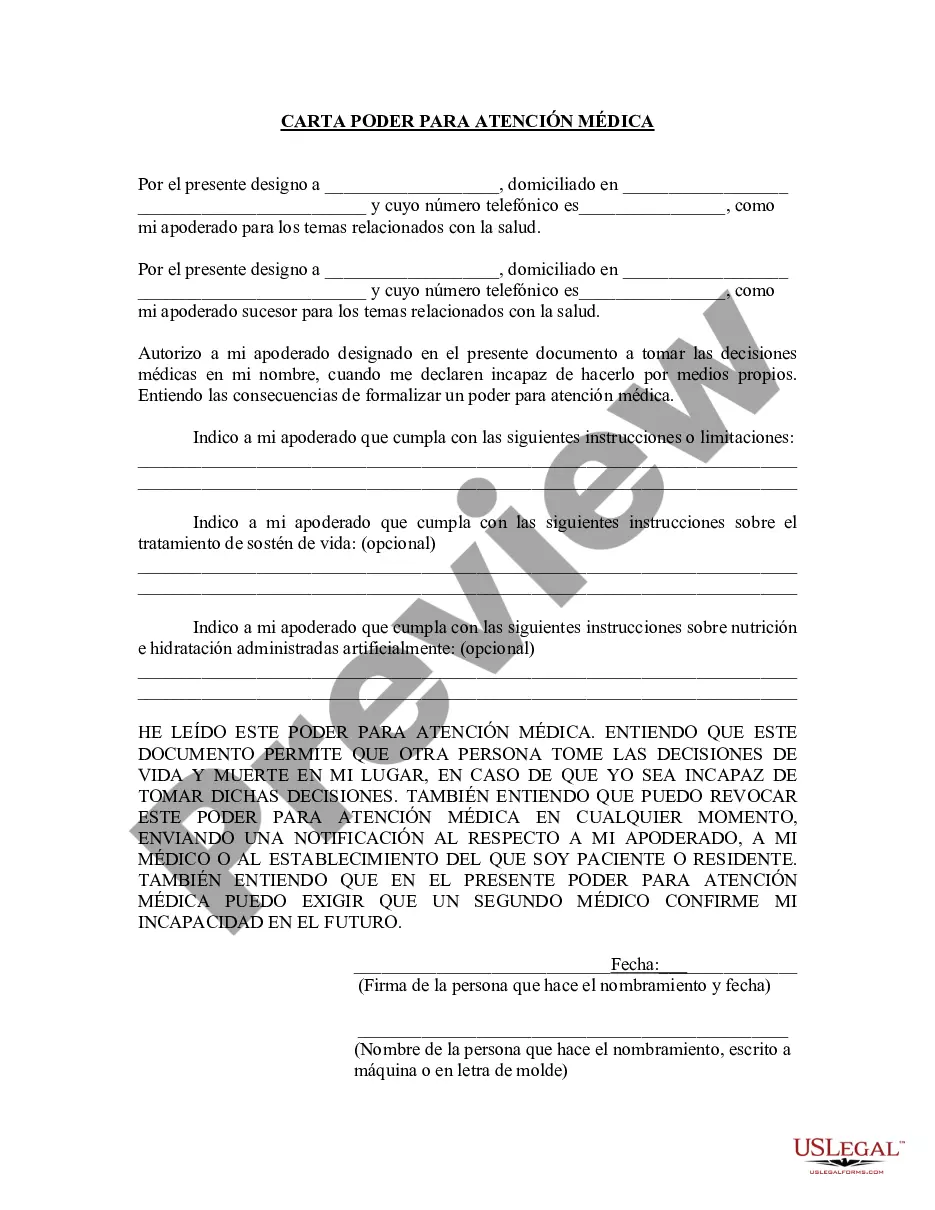
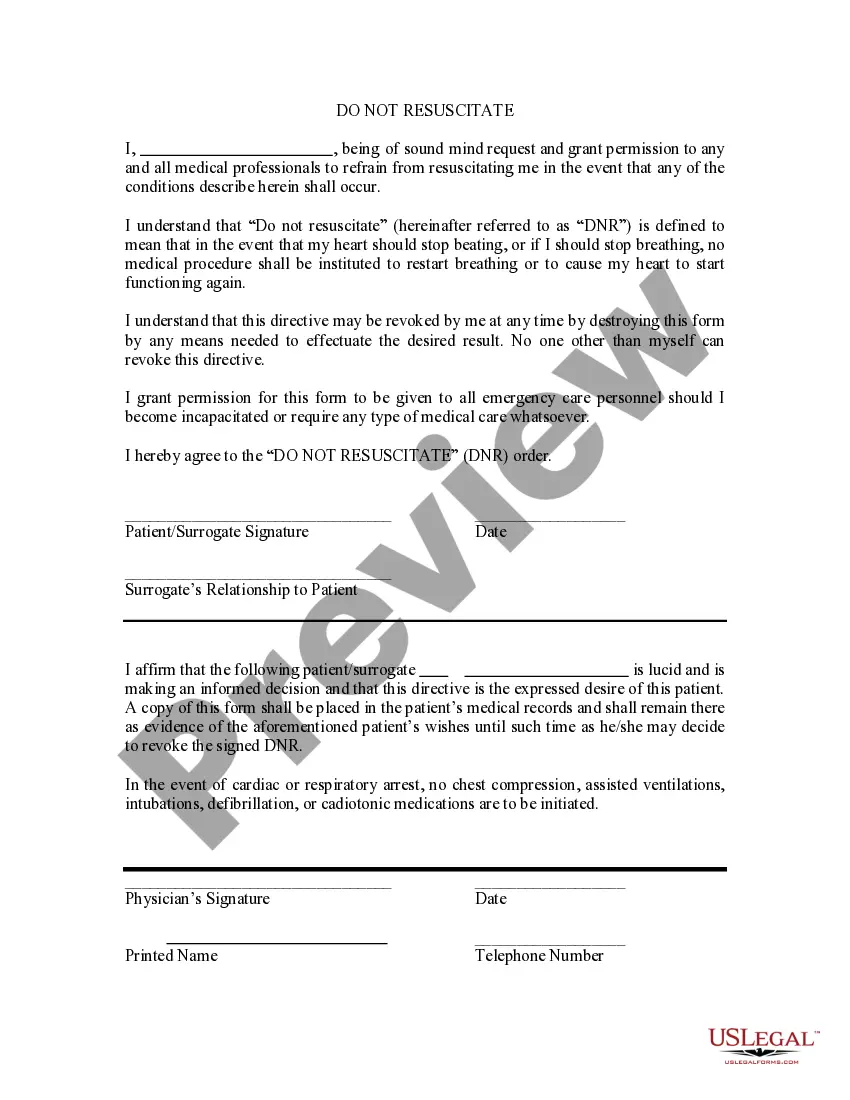
The Declaration for Mental Health Treatment is a legal document that allows an adult to specify their wishes regarding mental health treatment when they are no longer able to make decisions for themselves. This form is crucial for outlining the individual's preferences for treatment options, such as psychoactive medications and facility admissions, thereby ensuring that their treatment aligns with their desires even in times of incapacity. Unlike general health directives, this form specifically addresses mental health provisions and the appointment of a decision maker to act on an individual's behalf.
Main sections of this form
- Identification of the principal making the declaration.
- Choice of decision maker, allowing the principal to appoint a representative.
- Detailed description of mental health treatments the principal consents to or refuses.
- Appointment section for naming an alternate representative if the primary is unable to act.
- Witness affirmation or notarization requirements for legal validity.
Common use cases
This form should be used if you want to ensure that your preferences regarding mental health treatment are respected when you are unable to communicate your wishes. It is particularly useful in circumstances such as severe mental health crises, hospitalization, or when you anticipate potential incapacity due to mental health issues. By utilizing this declaration, you can provide clear guidance on the treatment you prefer and who should make decisions for you.
Who can use this document
- Adults of sound mind who wish to outline their mental health treatment preferences.
- Individuals who are concerned about their mental health and may require assistance in decision-making in the future.
- People who want to appoint a trusted representative to make treatment decisions on their behalf when necessary.
- Anyone looking to ensure their mental health treatment aligns with their personal values and preferences.
Completing this form step by step
- Provide your full name and confirm that you are an adult of sound mind.
- Choose a decision maker for your mental health treatment and provide their contact information.
- Specify the mental health treatments you consent to and those you do not consent to.
- Include any additional information that may be relevant to your treatment needs.
- Sign and date the declaration in the presence of a notary public or two witnesses for it to be valid.
Is notarization required?
Yes, this form must be notarized to be legally valid. It can be signed in the presence of a notary public, ensuring that your declaration is recognized and upheld under state law. US Legal Forms offers integrated online notarization services, allowing you to complete the process securely and conveniently from your location.
Get your form ready online
Our built-in tools help you complete, sign, share, and store your documents in one place.
Make edits, fill in missing information, and update formatting in US Legal Forms—just like you would in MS Word.
Download a copy, print it, send it by email, or mail it via USPS—whatever works best for your next step.
Sign and collect signatures with our SignNow integration. Send to multiple recipients, set reminders, and more. Go Premium to unlock E-Sign.
If this form requires notarization, complete it online through a secure video call—no need to meet a notary in person or wait for an appointment.
We protect your documents and personal data by following strict security and privacy standards.

Make edits, fill in missing information, and update formatting in US Legal Forms—just like you would in MS Word.

Download a copy, print it, send it by email, or mail it via USPS—whatever works best for your next step.

Sign and collect signatures with our SignNow integration. Send to multiple recipients, set reminders, and more. Go Premium to unlock E-Sign.

If this form requires notarization, complete it online through a secure video call—no need to meet a notary in person or wait for an appointment.

We protect your documents and personal data by following strict security and privacy standards.
Common mistakes to avoid
- Failing to appoint a representative, which may leave your treatment decisions unaddressed.
- Not specifying enough detail about your treatment preferences, leading to potential misunderstandings.
- Overlooking the requirement of notarization or witness signatures, which can invalidate the document.
Key takeaways
- The Declaration for Mental Health Treatment is essential for specifying your treatment preferences.
- It allows you to appoint someone to make decisions on your behalf if you become unable to do so.
- Notarization or witness signatures are mandatory elements to ensure legal validity.
- Clearly outline any treatments you consent to or wish to refuse to guide your representative effectively.
Looking for another form?
Form popularity
FAQ
A person can be committed if after hearing from witnesses a judge finds by clear and convincing evidence that the person has a mental disorder and, because of that mental disorder, is: Dangerous to self or others, or. Unable to provide for basic personal needs like health and safety.
Oregon has a form called a Declaration for Mental Health Treatment. This form is a legal document. It allows you to make decisions now about future mental health care in case you are unable to make your own care decisions. Only a court and two doctors can decide that you cannot make your own care decisions.
If you have problems with your mental health (such as depression), you should think about any documents or letters you have from people like: your community psychiatric nurse (CPN) your occupational therapist - for example a care plan. counsellors. a cognitive therapist. social workers.
The DMHT is a legal document where we can write down our wishes in case of a mental health crisis. We can write down mental health treatments and medications that are okay with us and any that are not okay with us. We can write down what it looks like when we are in a mental health crisis and need help.
Our vision is to improve the lives of those living with mental illness and provide emotional wellness for individuals and families as we strive to deliver services and support necessary to improve the quality of life for children, youth, and adults with mental illness and addictive disorders.
Oregon law allows a person to be treated for a mental illness against their will if they are experiencing an emotional disturbance and are imminently dangerous to themselves or others or are unable to care for their basic needs.
The World Health Organization (WHO) conceptualizes mental health as a ?state of well-being in which the individual realizes his or her own abilities, can cope with the normal stresses of life, can work productively and fruitfully, and is able to make a contribution to his or her community?.
The DMHT is a legal document where we can write down our wishes in case of a mental health crisis. We can write down mental health treatments and medications that are okay with us and any that are not okay with us.