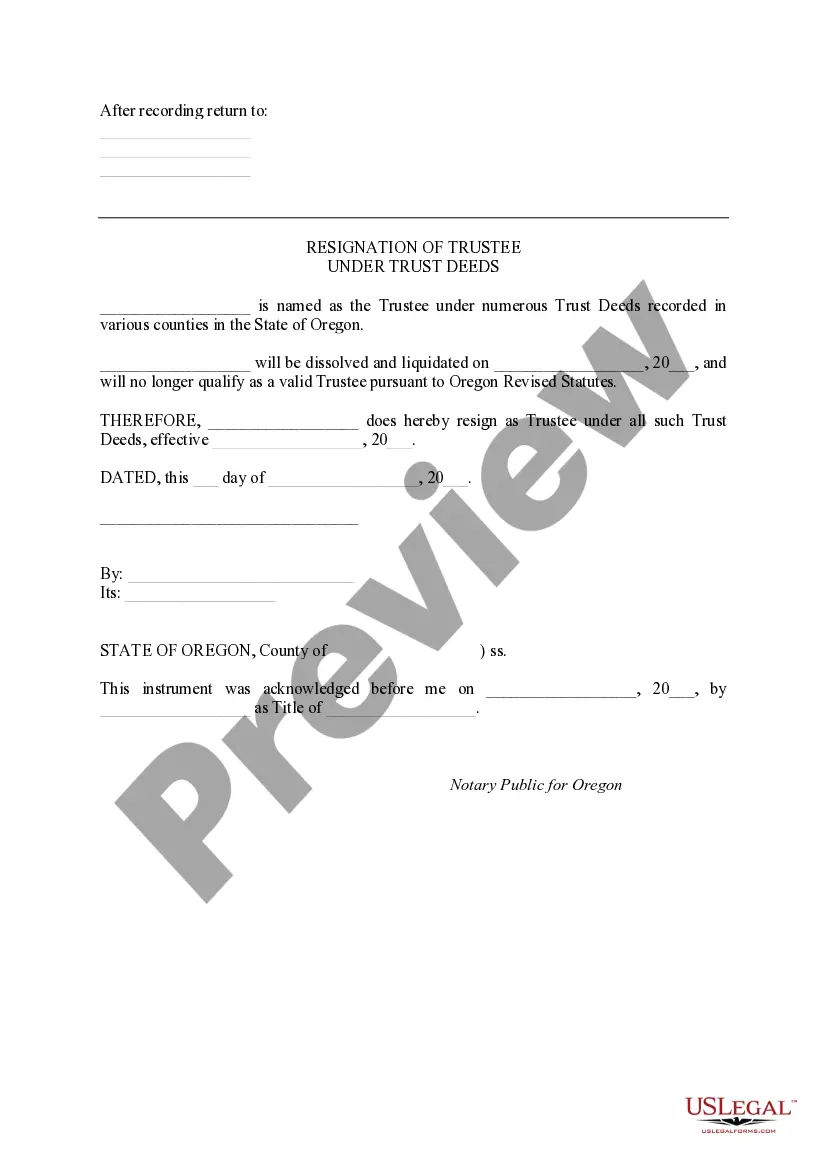
Oregon Resignation of Trustee under Trust Deeds
What is this form?
The Resignation of Trustee under Trust Deeds is a legal document used when a trustee no longer needs to fulfill their duties due to the liquidation of trust deeds. This form signifies the official resignation of the trustee, distinguishing it from other forms that may deal with the appointment or responsibilities of a trustee. It is essential for ensuring proper legal compliance in the dissolution of the trustee's role.
What’s included in this form
- The name of the trustee resigning under the trust deeds.
- The effective date of resignation, which is when the trustee's duties end.
- Specific reference to the trust deeds that are being liquidated.
- Signature of the resigning trustee to validate the document.
- Notarization section for legal acknowledgment in the State of Oregon.
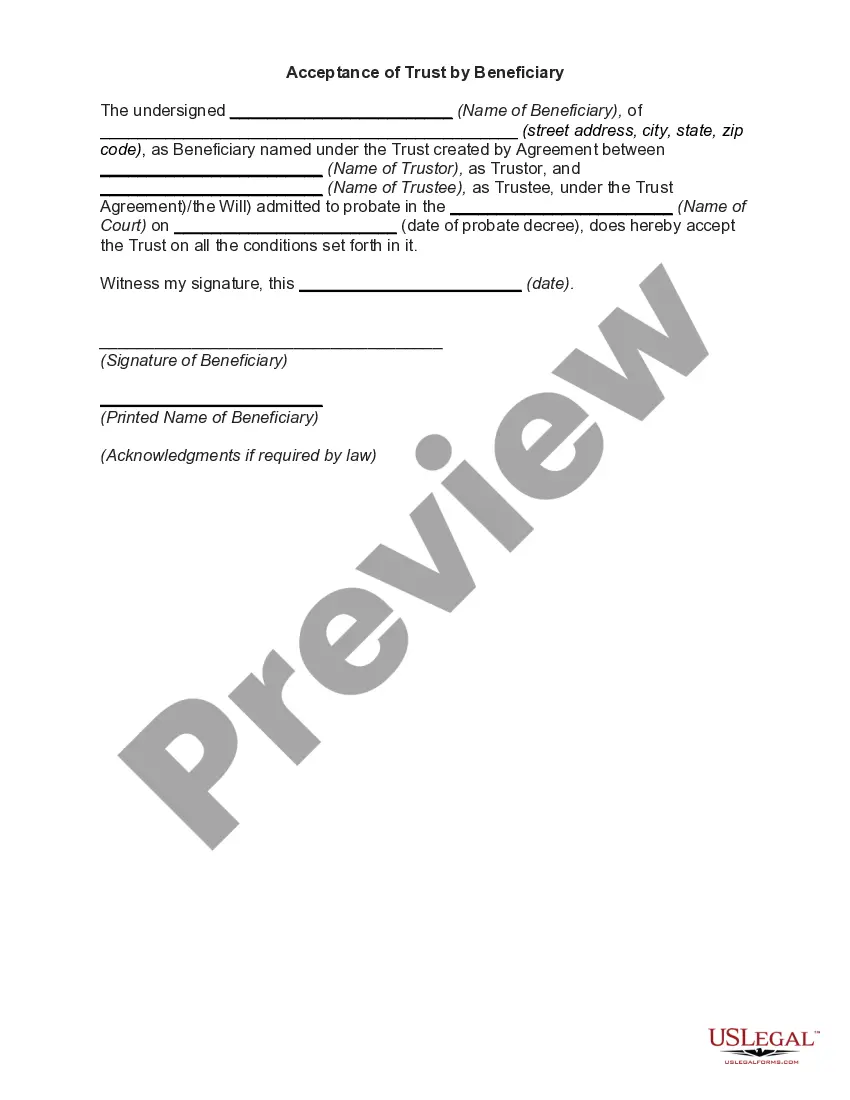

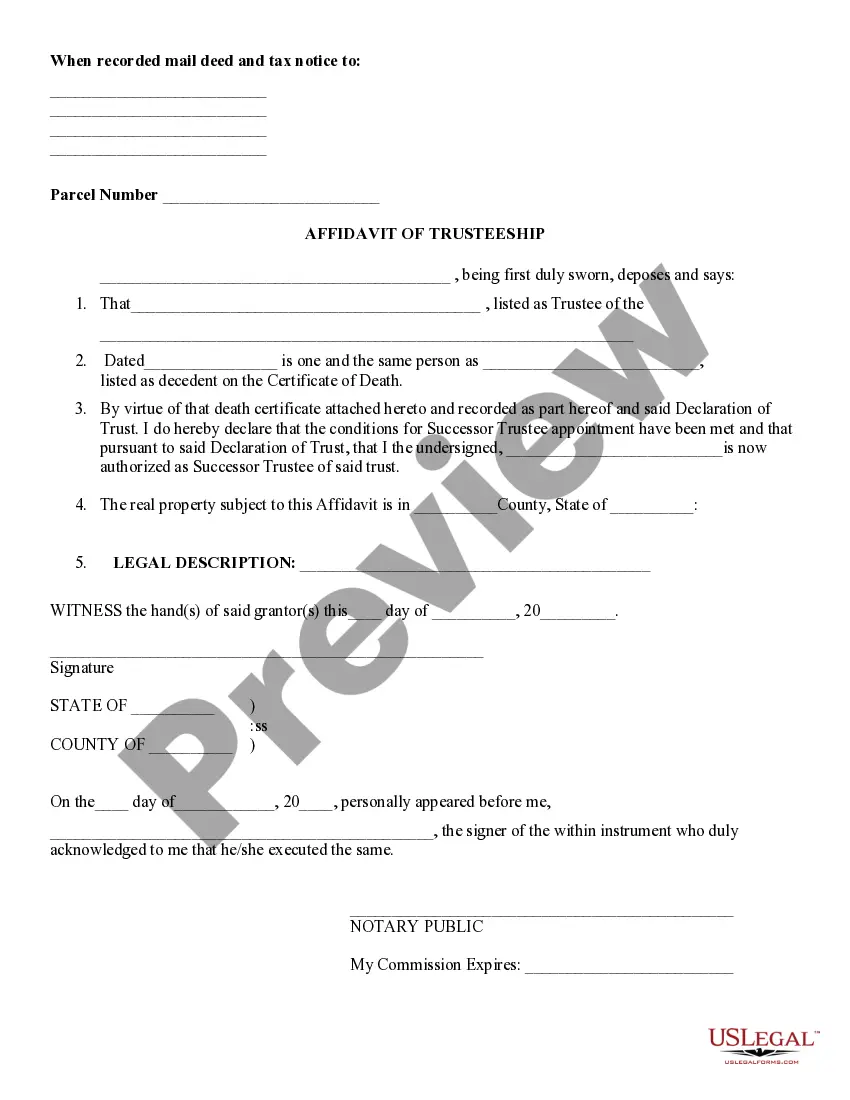
Common use cases
This form is necessary when the trust deeds overseen by a trustee have been liquidated, and the trustee's services are no longer needed. For instance, if the trust is dissolved after distributing assets to beneficiaries, this resignation form should be filed to formally conclude the trustee's responsibilities.
Intended users of this form
- Individual trustees who are resigning from their duties after trust deeds are liquidated.
- Beneficiaries or other interested parties who need to ensure that the resignation of the trustee is documented legally.
- Legal representatives who are handling the dissolution process of a trust.
Steps to complete this form
- Identify and enter the name of the trustee resigning from their duties.
- Specify the effective date of resignation.
- List the trust deeds being liquidated associated with the trustee.
- Sign and date the form in the appropriate sections.
- Have the form notarized to ensure its legal enforceability in accordance with state law.
Does this document require notarization?
Yes, this form must be notarized to be legally valid. The notarization provides an additional layer of verification and ensures the document is recognized in legal contexts. US Legal Forms offers integrated online notarization services, available 24/7 through secure video calls, ensuring convenience and compliance without the need for travel.
Get your form ready online
Our built-in tools help you complete, sign, share, and store your documents in one place.
Make edits, fill in missing information, and update formatting in US Legal Forms—just like you would in MS Word.
Download a copy, print it, send it by email, or mail it via USPS—whatever works best for your next step.
Sign and collect signatures with our SignNow integration. Send to multiple recipients, set reminders, and more. Go Premium to unlock E-Sign.
If this form requires notarization, complete it online through a secure video call—no need to meet a notary in person or wait for an appointment.
We protect your documents and personal data by following strict security and privacy standards.

Make edits, fill in missing information, and update formatting in US Legal Forms—just like you would in MS Word.

Download a copy, print it, send it by email, or mail it via USPS—whatever works best for your next step.

Sign and collect signatures with our SignNow integration. Send to multiple recipients, set reminders, and more. Go Premium to unlock E-Sign.

If this form requires notarization, complete it online through a secure video call—no need to meet a notary in person or wait for an appointment.

We protect your documents and personal data by following strict security and privacy standards.
Common mistakes to avoid
- Failing to specify the effective date of resignation.
- Not providing complete details of the trust deeds being liquidated.
- Missing the notary signature, which can invalidate the form.
- Inaccurately identifying the trusteeâs name or title in the document.
Why use this form online
- Convenient access to downloadable templates drafted by licensed attorneys.
- Edit and customize the form as needed before filling in the specific details.
- Secure storage options for your completed legal documents.
- Easy guidance on completing the form correctly to avoid mistakes.
Looking for another form?
Form popularity
FAQ
Obtain a Trustee Resignation Form from your attorney or the Court and complete and sign it in the presence of a notary public. 4. Make copies of your resignation. Give a copy to the new Trustee, mail a copy to all the trust beneficiaries and keep one in your personal file.
A trustee cannot resign without the permission of the court unless the trust instrument so provides or unless all of the beneficiaries who are legally capable to do so consent to the resignation.
Resignation as a trustee Generally, trustees are able to resign before the end of their set term. The trustee will need to put their resignation in writing. Your charity's governing document might also include certain rules you will need to follow if a trustee wants to resign.
A trustee cannot resign without the permission of the court unless the trust instrument so provides or unless all of the beneficiaries who are legally capable to do so consent to the resignation.
California's Probate Code does allow you to resign from being a trustee by certain methods.If the trust is irrevocable, you need to have the consent of all of the adult beneficiaries of the trust in order to resign. The law also allows you to petition the court to accept your resignation as trustee.
If the trust is irrevocable, you need to have the consent of all of the adult beneficiaries of the trust in order to resign. The law also allows you to petition the court to accept your resignation as trustee.If one has not, the court will appoint a new one.
A trustee who has accepted the trust may resign only by one of the following methods: (a) As provided in the trust instrument. (b) In the case of a revocable trust, with the consent of the person holding the power to revoke the trust.
Trustees Can Withdraw For Trust UseTrust law varies from state to state, but under no circumstances can a trustee withdraw funds from the trust for the personal use of the trustee.Common trust law dictates that the trustee (or trustees) are the only parties that can disburse funds from a trust account.
Resignation is typically done by giving written notice to the beneficiaries and to the successor Trustee. The successor Trustee should receive the resignation so that he or she knows that it's their turn to manage the Trust estate.