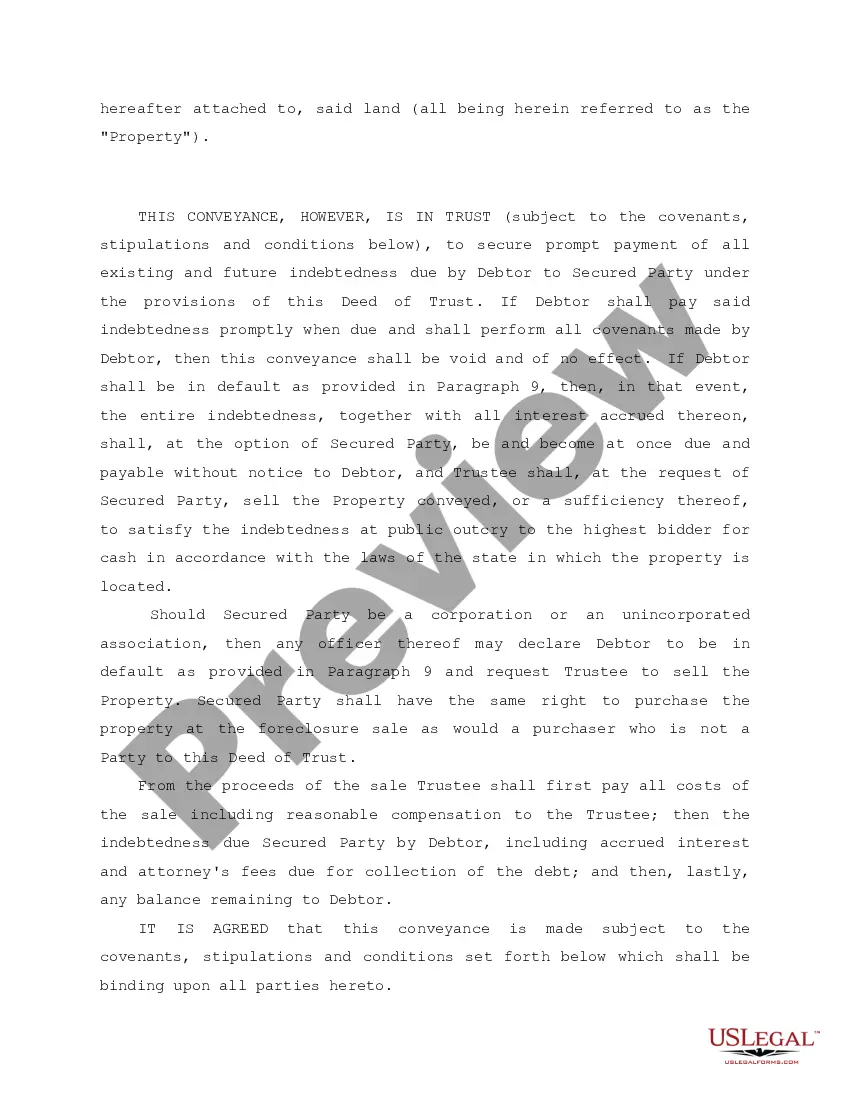
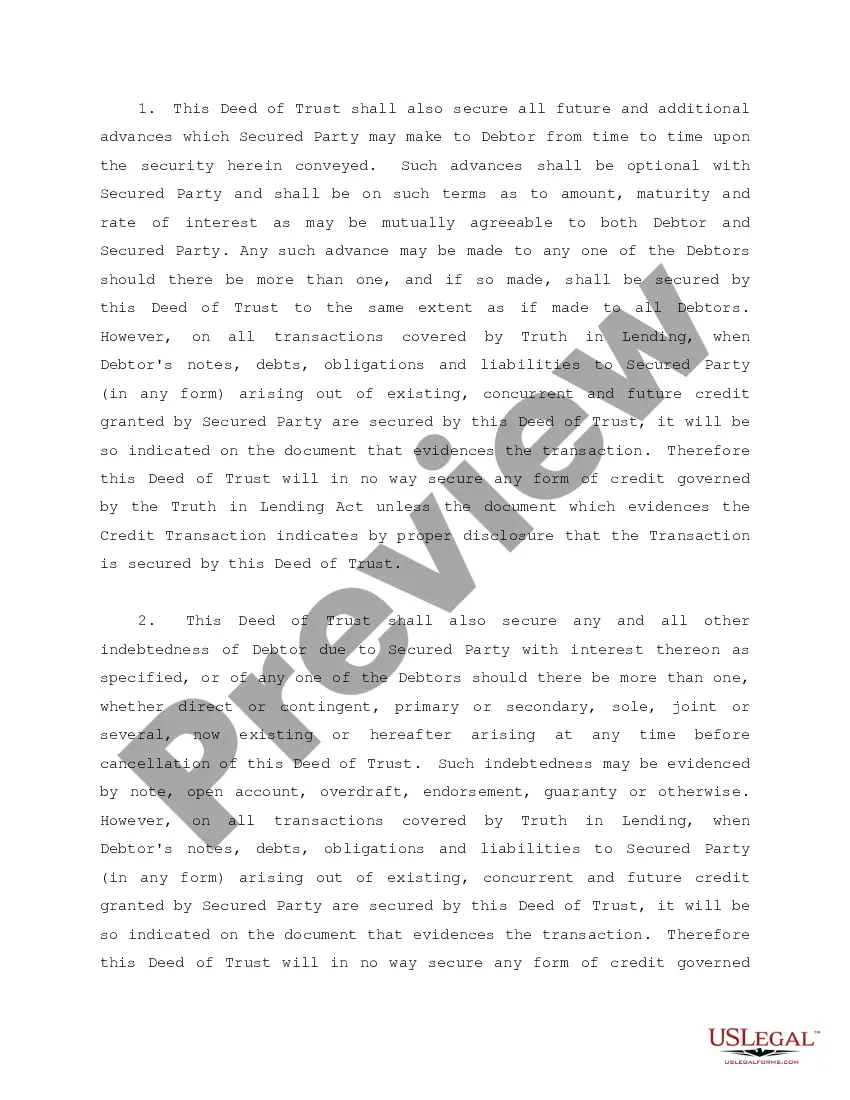
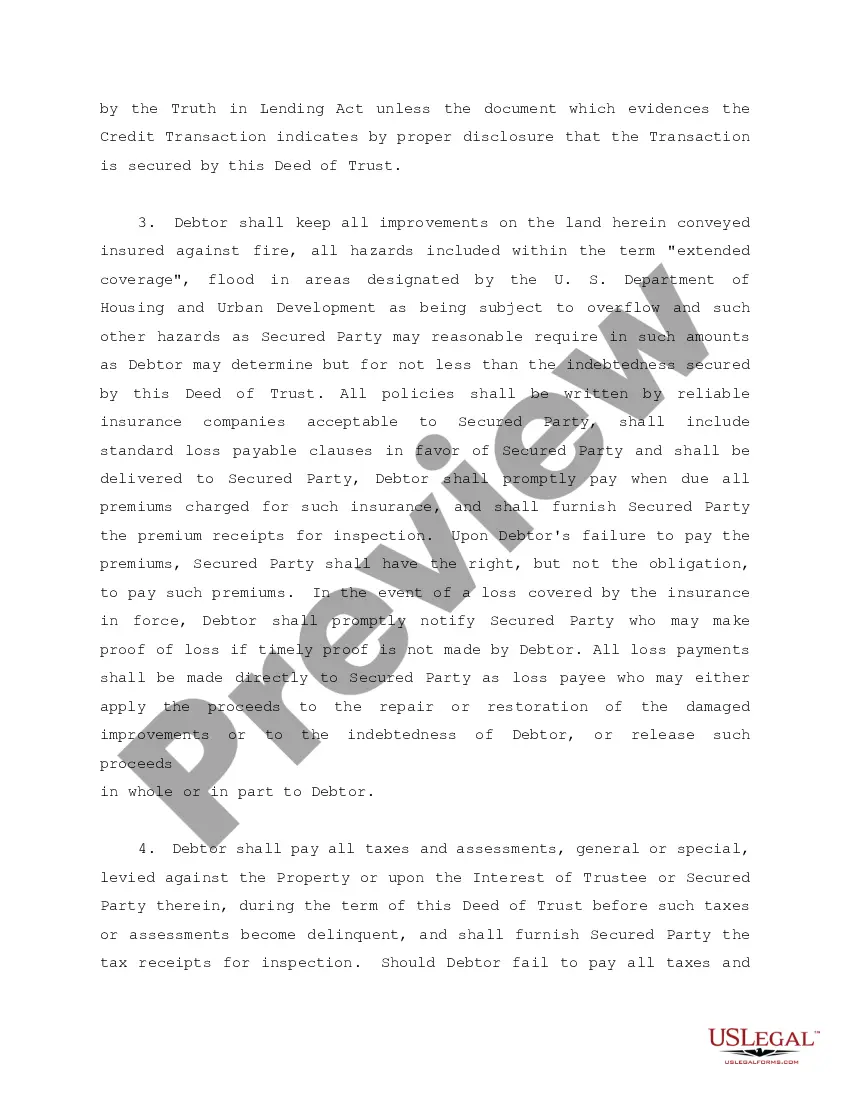
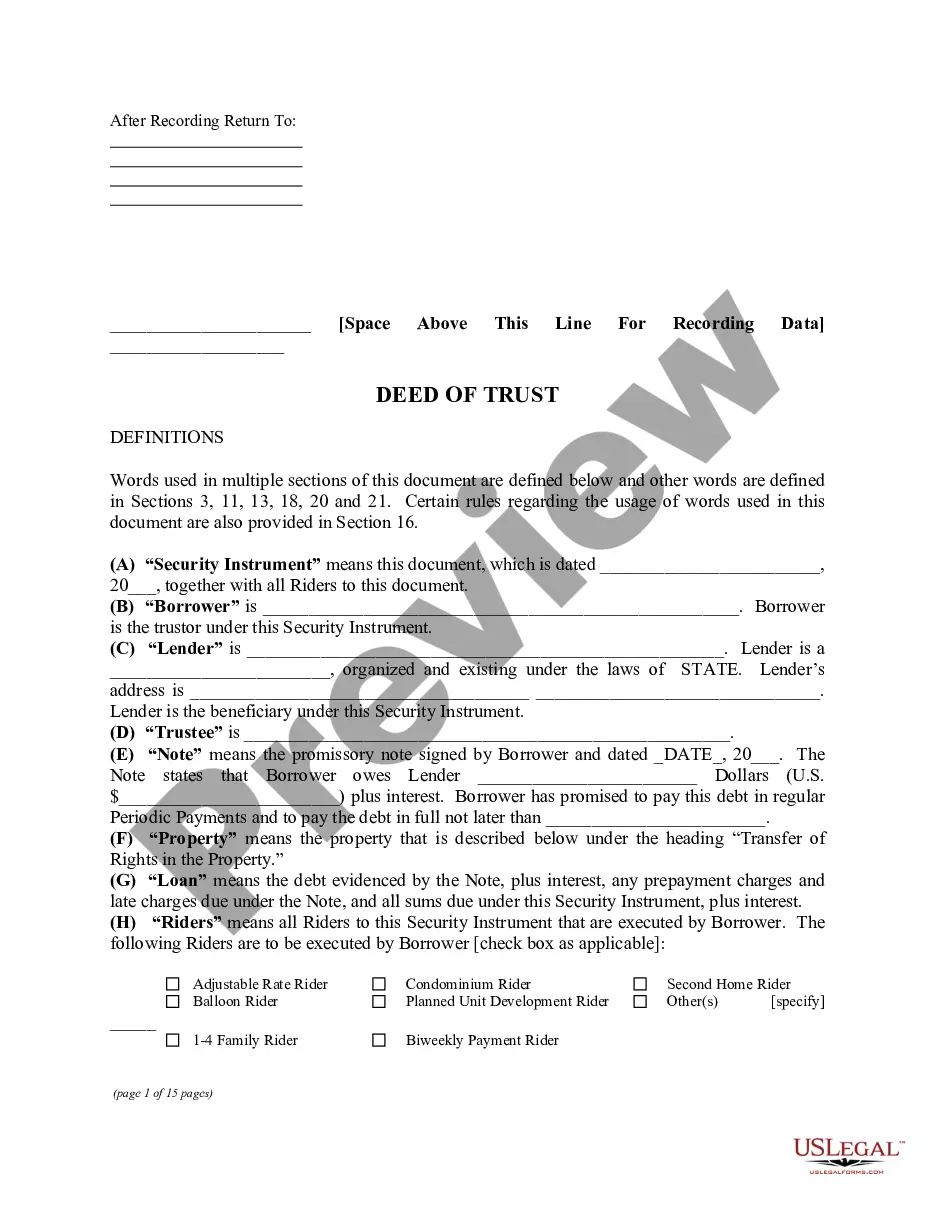
Debtor is obligated to pay the secured party attorneys fees. In consideration of the indebtedness, debtor conveys and warrants to trustee certain property described in the land deed of trust.
Pennsylvania Land Deed of Trust
State:
Multi-State
Control #:
US-00181
Format:
Word;
Rich Text
Instant download
Description
Free preview

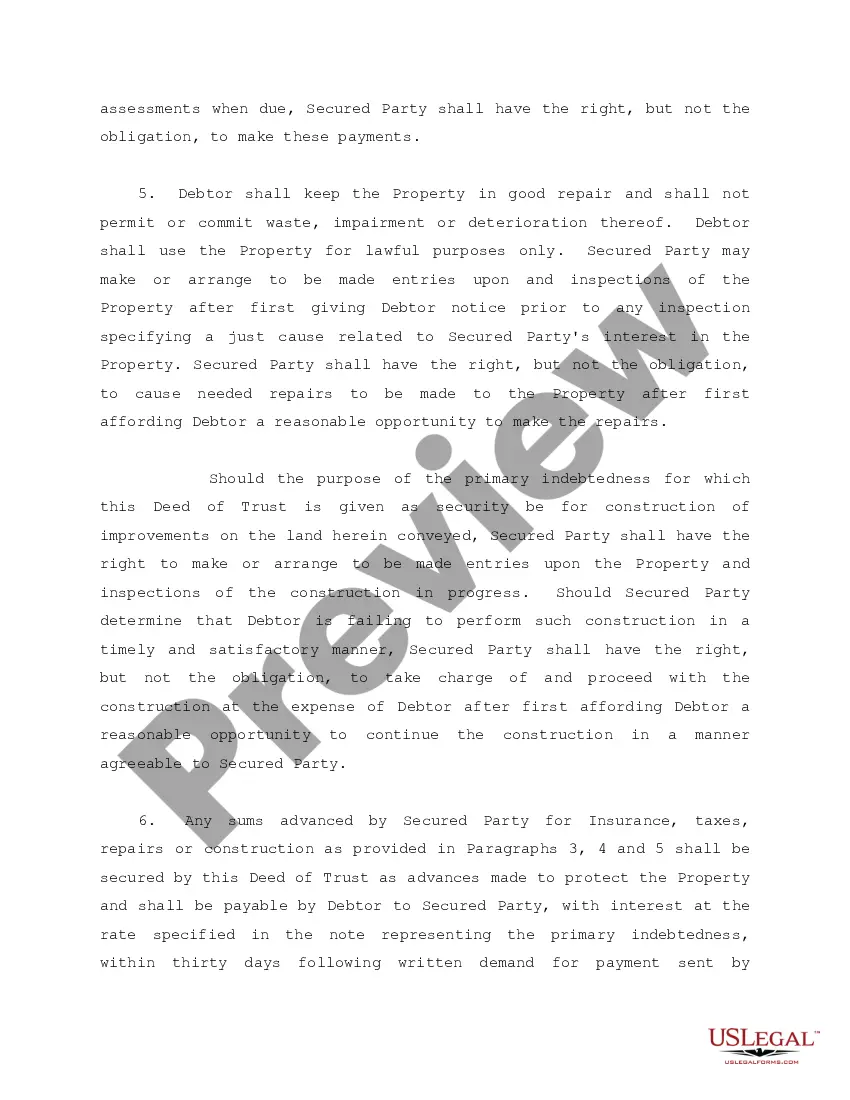
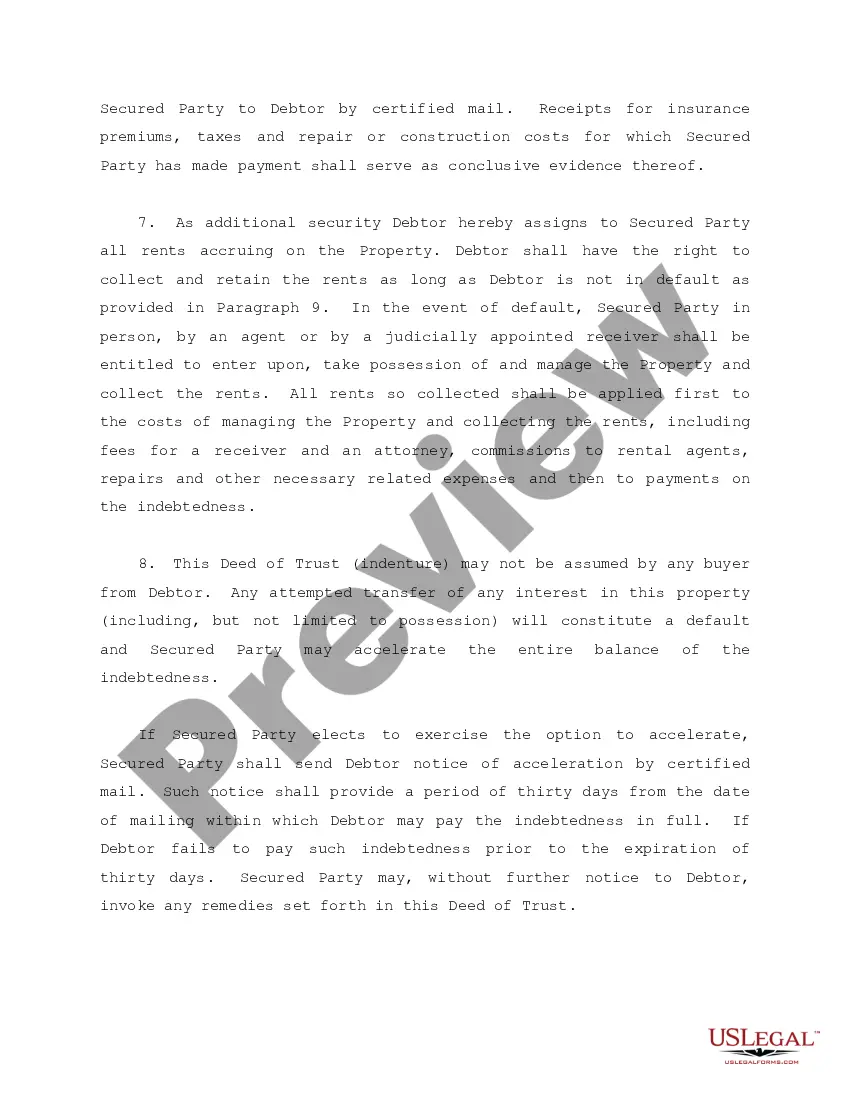
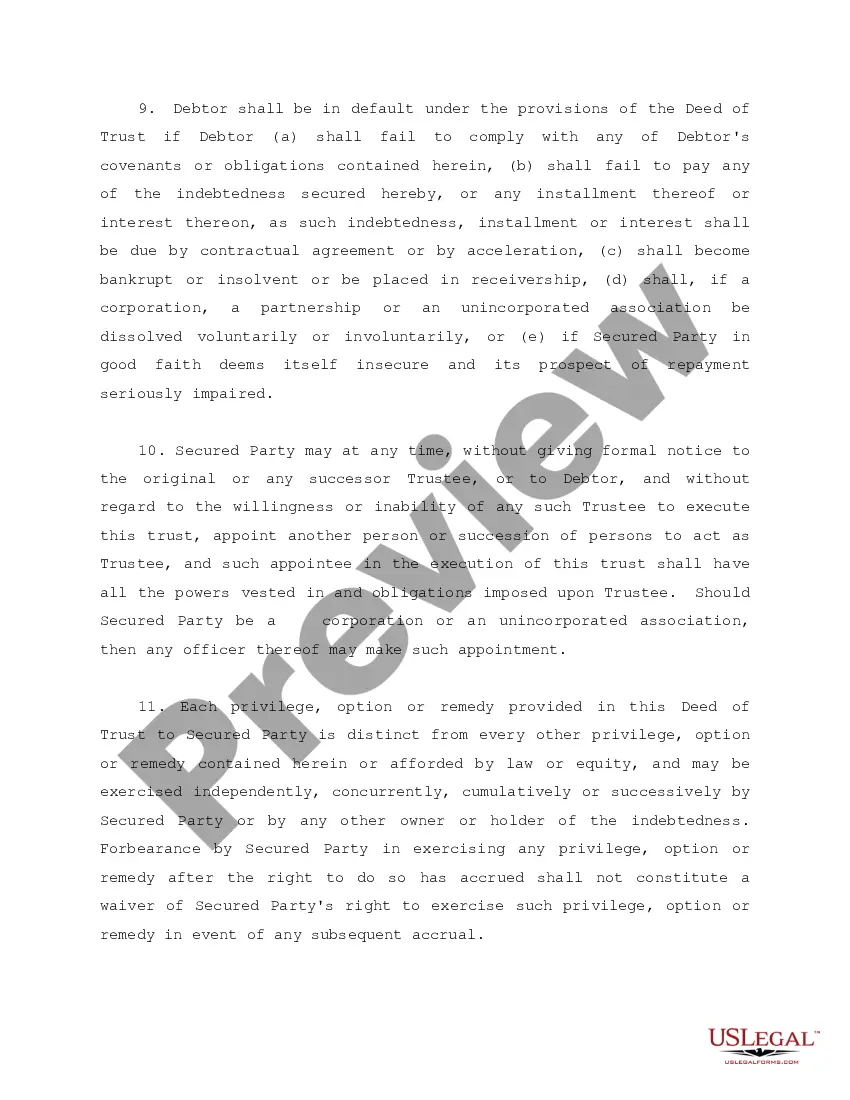
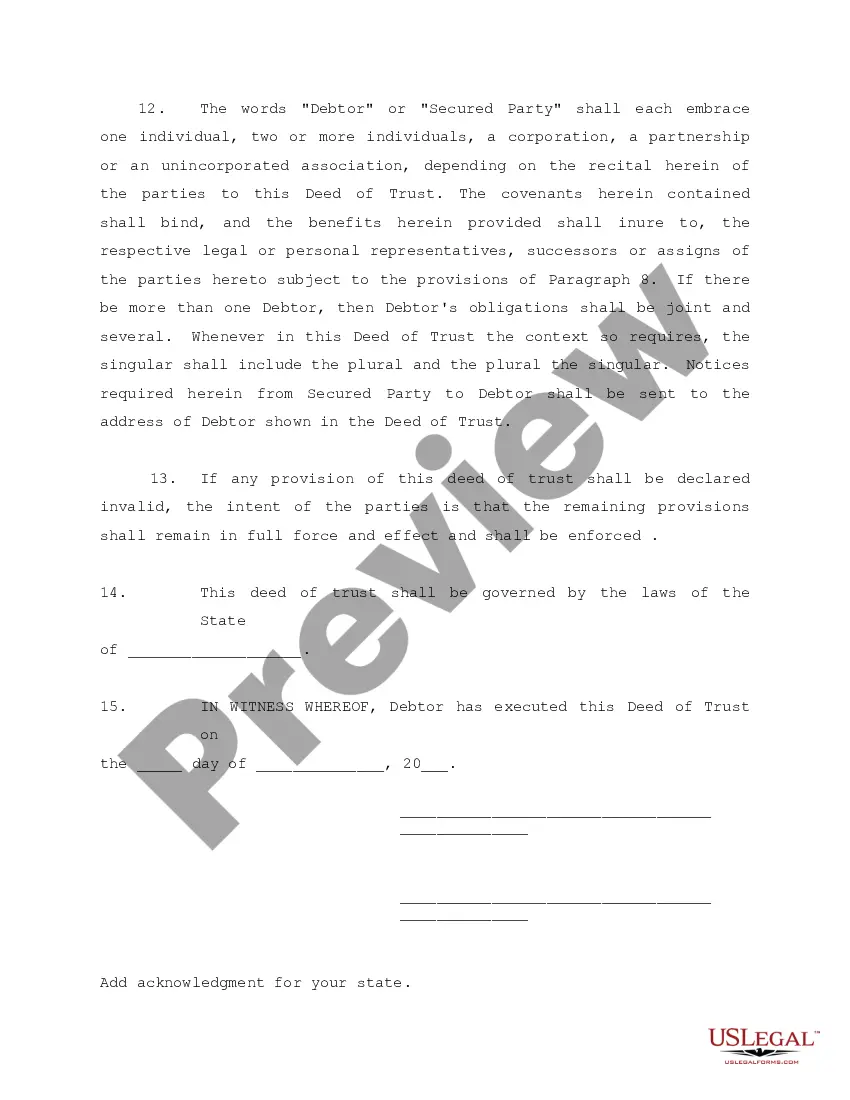



How to fill out Land Deed Of Trust?
Have you found yourself in a scenario where you require documents for either business or personal purposes on a daily basis? There are numerous valid document templates available online, but identifying reliable ones can be challenging. US Legal Forms offers a vast selection of form templates, such as the Pennsylvania Land Deed of Trust, that are designed to comply with state and federal regulations.
If you are already familiar with the US Legal Forms website and possess an account, simply Log In. Afterwards, you can download the Pennsylvania Land Deed of Trust template.
If you do not have an account and wish to start using US Legal Forms, follow these instructions: Find the form you need and ensure it is for the correct city/county. Use the Preview button to examine the form. Read the description to ensure you have selected the correct document. If the form is not what you are looking for, utilize the Search field to find the form that meets your needs and requirements. Once you have the right form, click Buy now. Choose the pricing plan you prefer, complete the necessary information to create your account, and place an order using your PayPal or credit card. Select a convenient file format and download your copy.
- Find all the document templates you have purchased in the My documents menu. You can download another copy of the Pennsylvania Land Deed of Trust at any time, if needed. Just select the desired form to download or print the document template.
- Utilize US Legal Forms, one of the most extensive collections of legal forms, to save time and avoid errors. The service provides professionally crafted legal document templates that can be used for various purposes.
- Create an account on US Legal Forms and begin making your life a little easier.
Form popularity
FAQ
You do not necessarily need an attorney to transfer a deed in Pennsylvania, but having one can help avoid potential pitfalls. An attorney can guide you through the complexities of the transfer process, ensuring compliance with state laws. If you choose to handle the transfer yourself, consider using the US Legal Forms platform, which provides easy-to-use forms and instructions tailored for Pennsylvania Land Deed of Trust transactions.
While you can set up a Pennsylvania Land Deed of Trust without a lawyer, consulting one can be beneficial. An attorney can provide valuable insights on the nuances of Pennsylvania law and ensure that your deed meets all legal requirements. However, if you prefer a DIY approach, the US Legal Forms platform offers resources and templates to help you navigate the process confidently and correctly.
To create a Pennsylvania Land Deed of Trust, start by gathering the necessary information about the property and the parties involved. You will need to draft the deed, specifying the terms and conditions of the trust. Using the US Legal Forms platform can simplify this process, offering templates and guidance to help you complete your deed accurately and efficiently. Once prepared, you must file it with the appropriate county office.
Yes, in Pennsylvania, a deed of trust must be filed with the county recorder of deeds to be legally recognized. This filing provides public notice of the trust and its terms. By filing the Pennsylvania Land Deed of Trust, you protect your interests and ensure that all parties involved are aware of the trust's existence. It's a straightforward process that you can handle through the US Legal Forms platform for added convenience.
Putting land in a trust offers several advantages, including privacy, ease of transfer, and potential tax benefits. A trust can shield your property from probate, making it easier for heirs to inherit the land. Moreover, a Pennsylvania Land Deed of Trust can help you manage your property more effectively, ensuring it aligns with your long-term goals. It's a strategic move for those looking to secure their real estate investments.
A land trust in Pennsylvania allows property owners to transfer their land to a trust, which then holds the title. This process provides anonymity, as the trust's name appears on public records instead of the owner's name. Additionally, a land trust can simplify the transfer of property and may offer some protection against creditors. Exploring the nuances of the Pennsylvania Land Deed of Trust can enhance your real estate strategies.
MAKING SURE THAT TRUST ASSETS ARE PROPERLY TITLED. For a Trust to provide its intended advantages, title to trust assets must be held in the name of the trustee. Only those assets that have been re-titled (i.e., legally transferred) into the name of the trustee are in the trust.
Except as otherwise provided in the instrument, title to real and personal property may be held in the name of the trust, without in any manner diminishing the rights, powers and duties of the trustees as provided in subsection (a).
A Deed to Trust form used to transfer the grantor's title and interest in real property in Pennsylvania to a trustee of a trust for the grantor's benefit. This standard document allows the drafter to choose between warranty and quitclaim deed language.
The individual who established the trust may retain ownership of a living trust, but otherwise, the trustee controls all assets. They must maintain accurate records, distribute assets ing to the trust document, and provide regular reports to the beneficiaries.