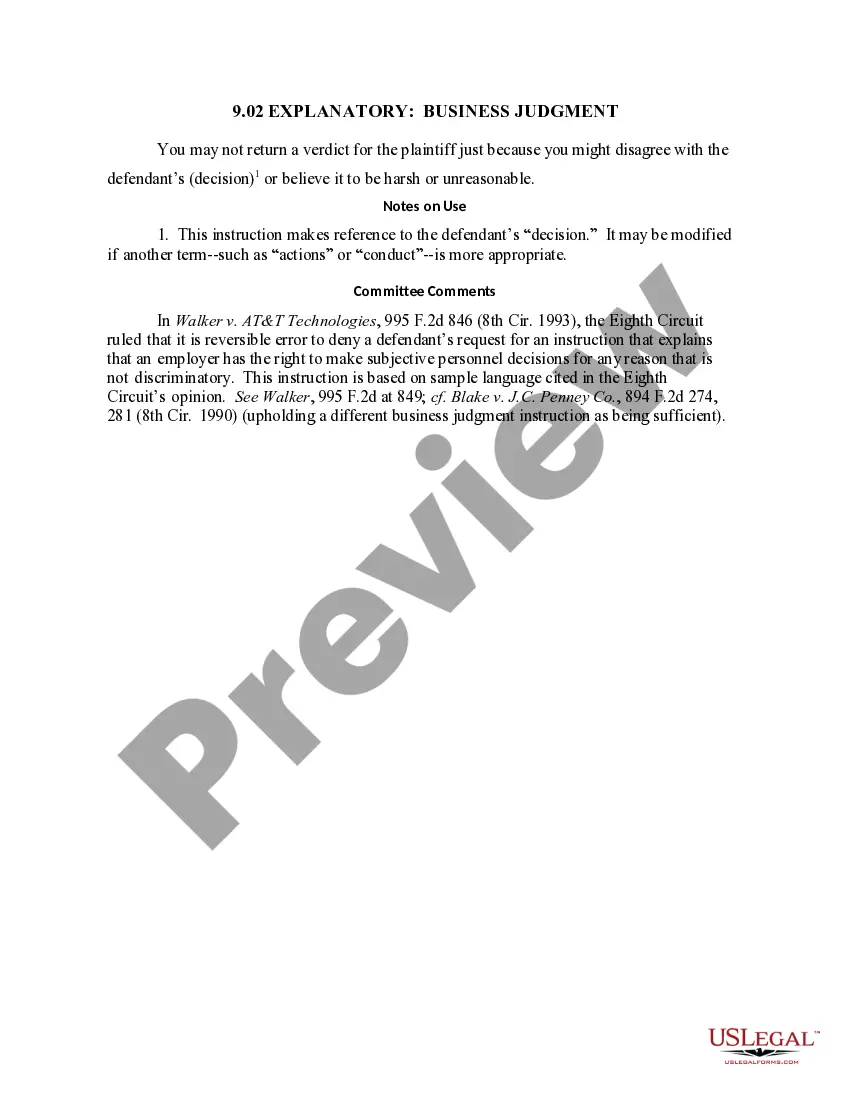
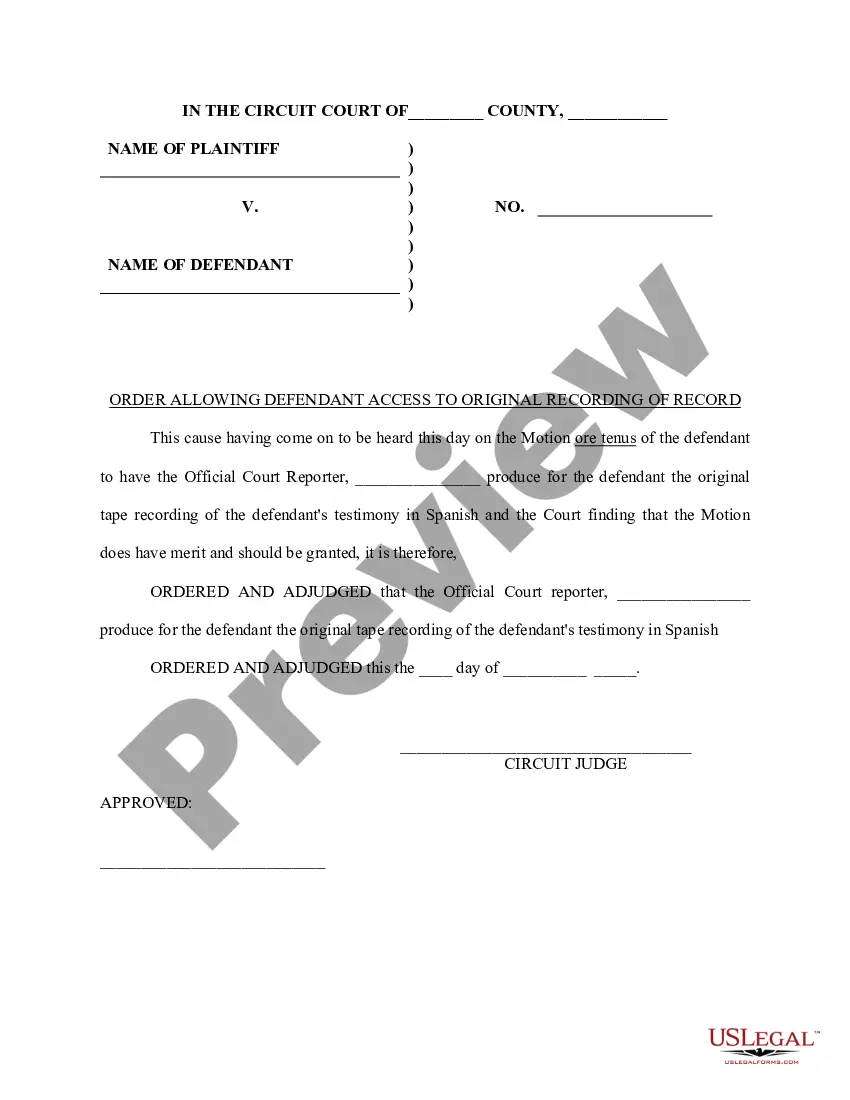
Pennsylvania Order Allowing Defendant Access to Original Recording of Record
Description
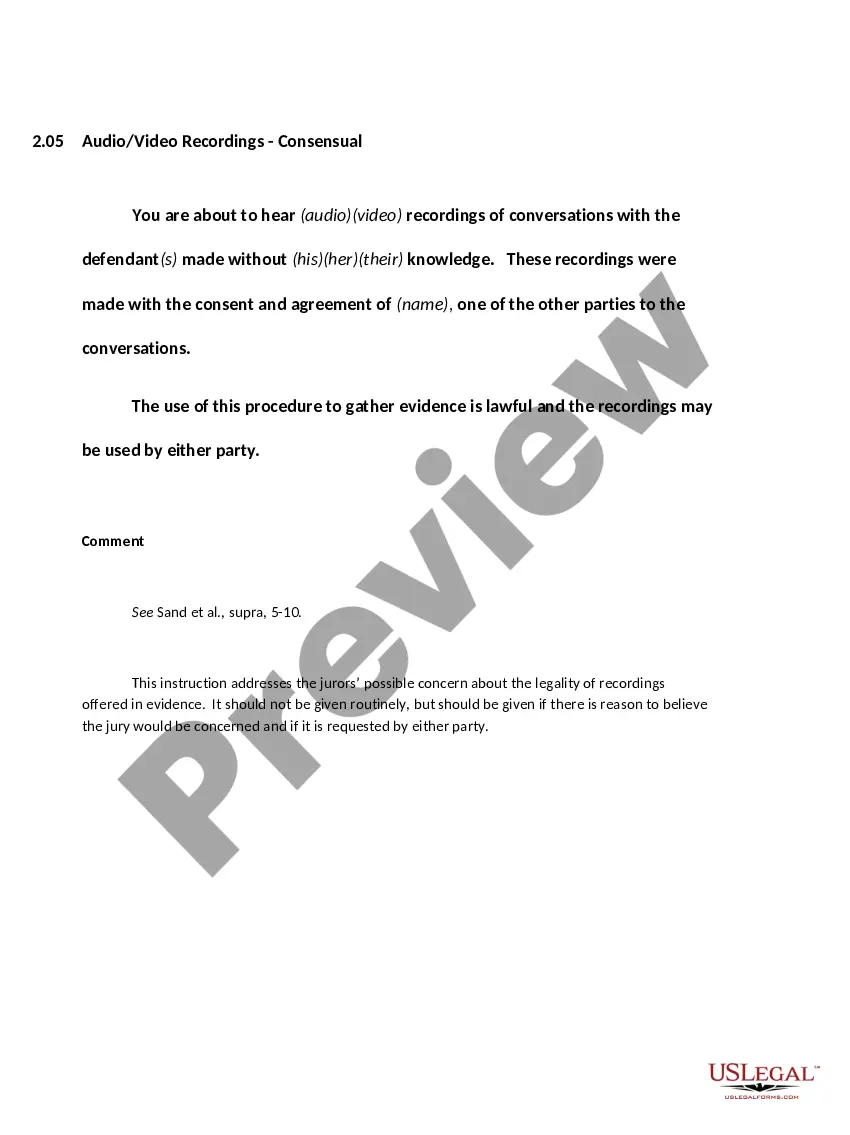

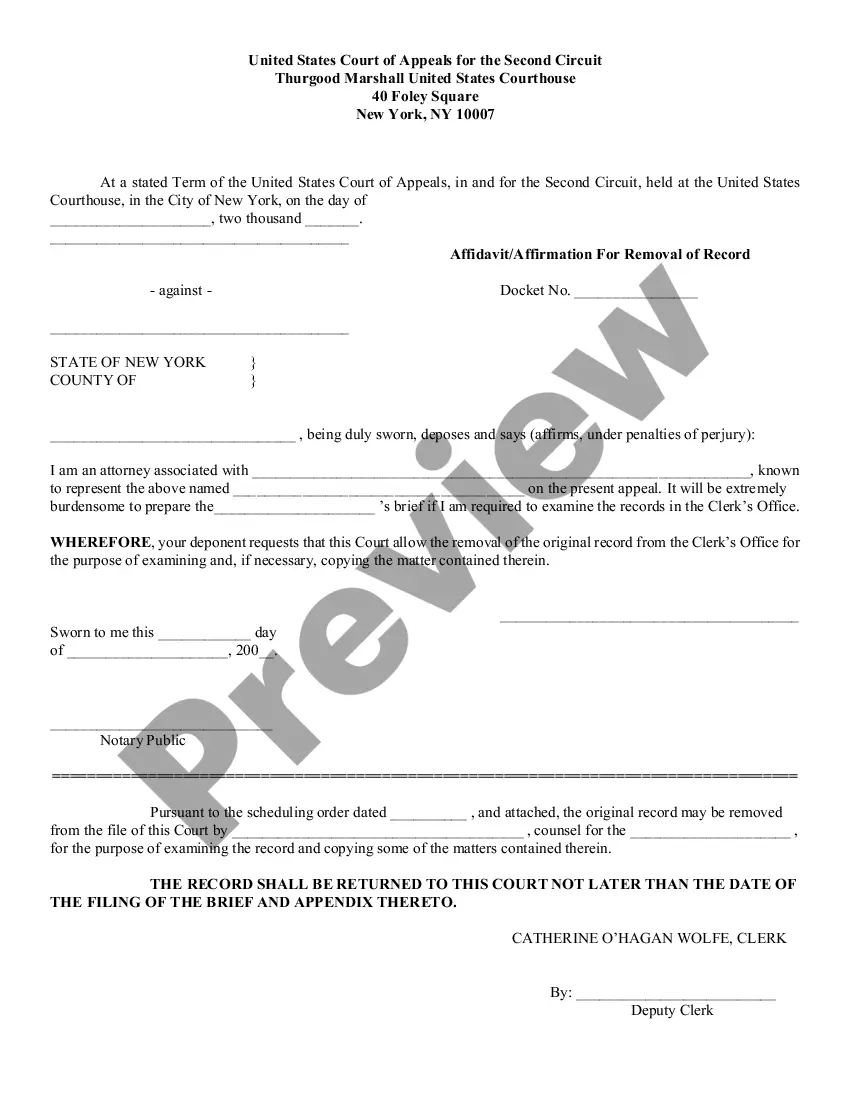
How to fill out Order Allowing Defendant Access To Original Recording Of Record?
US Legal Forms - one of the largest collections of legal documents in the United States - offers a variety of legal form templates that you can download or print. By utilizing the website, you can discover thousands of forms for business and personal uses, categorized by types, states, or keywords. You will find the latest versions of forms such as the Pennsylvania Order Allowing Defendant Access to Original Recording of Record in just minutes.
If you possess a subscription, Log In and download the Pennsylvania Order Allowing Defendant Access to Original Recording of Record from the US Legal Forms library. The Download button will be available on every form you view. You can access all previously saved forms in the My documents section of your account.
To use US Legal Forms for the first time, here are simple steps to get started: Ensure you have picked the correct form for your region/state. Click the Review button to check the form's details. Review the form summary to make sure you have chosen the correct form. If the form doesn’t meet your requirements, use the Search field at the top of the page to find one that does.
Access the Pennsylvania Order Allowing Defendant Access to Original Recording of Record with US Legal Forms, one of the most extensive collections of legal document templates. Utilize thousands of professional and state-specific templates that fulfill your business or personal requirements and needs.
- If you are satisfied with the form, confirm your choice by clicking the Buy now button.
- Then, select the payment plan you prefer and provide your information to register for an account.
- Complete the transaction. Use your credit card or PayPal account to finalize the payment.
- Choose the format and download the form to your device.
- Make modifications. Fill out, edit, print, and sign the saved Pennsylvania Order Allowing Defendant Access to Original Recording of Record.
- Every document you add to your account has no expiration date and belongs to you indefinitely. Therefore, if you wish to download or print another copy, simply return to the My documents section and click on the form you need.
Form popularity
FAQ
The Commonwealth of Pennsylvania is a two-party consent state. This means that you must have explicit permission to record someone during a private conversation. This means that even if you record someone saying or doing something illegal, that recording may be thrown out as illegal evidence.
Furthermore, in Pennsylvania, you need the consent of all parties to a conversation before you can record or it is considered a third-degree felony unless the situation falls within a different exception to the Wiretap Act.
In-person conversations To lawfully record an in-person conversation in Pennsylvania, an individual must obtain the consent of all parties to the conversation. 18 Pa. Cons. Stat.
In California, it is a misdemeanor to record a conversation without the consent of all parties to the conversation, which can lead to fines of up to $2,500 and/or imprisonment for up to a year.
You have a right to capture images in public places, but you don't always have a right to record what people say. Pennsylvania's Wiretap Law makes it illegal to record private conversations - which can include conversations in public places - without the consent of all parties to the conversation.
Pennsylvania's Wiretap Law makes it illegal to record private conversations - which can include conversations in public places - without the consent of all parties to the conversation.
Recording Audio at Work in California. The rules on video recording apply to audio as well. The two-consent law applies; therefore, no conversation can be recorded until both parties consent to the recording. The California Supreme Court clarified this rule in Smith v.