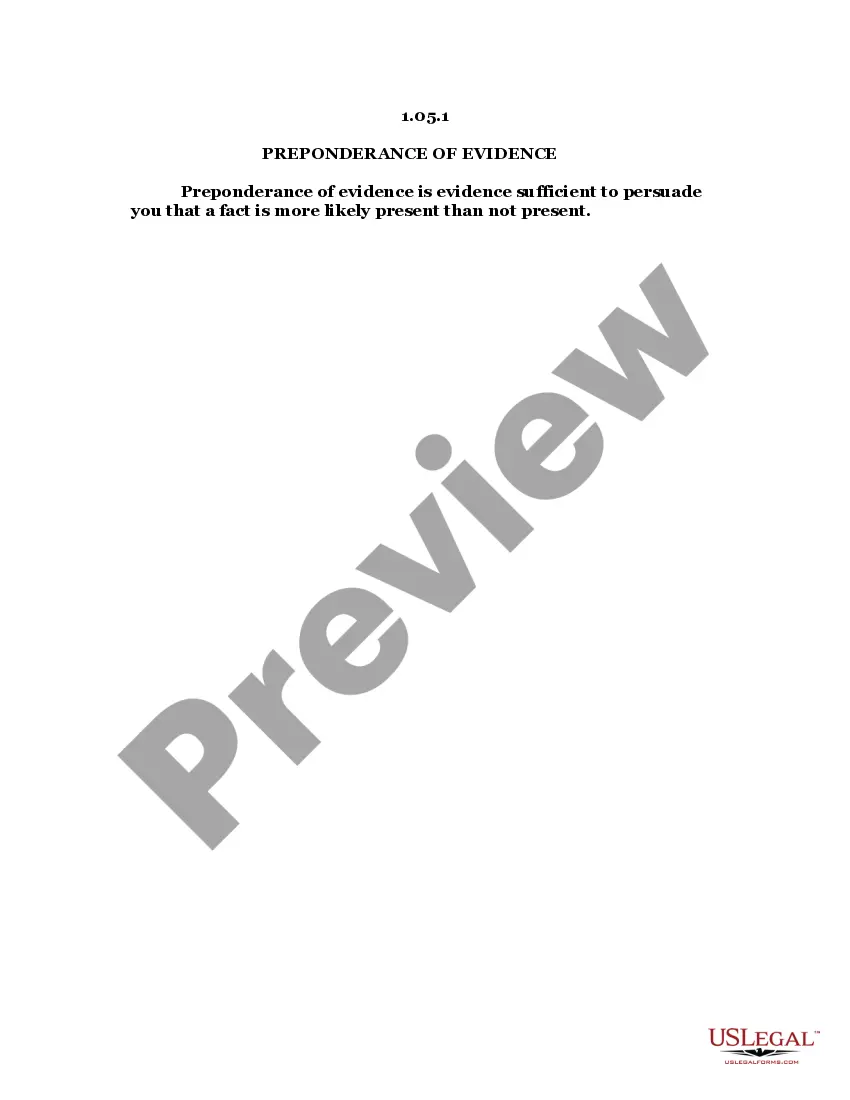
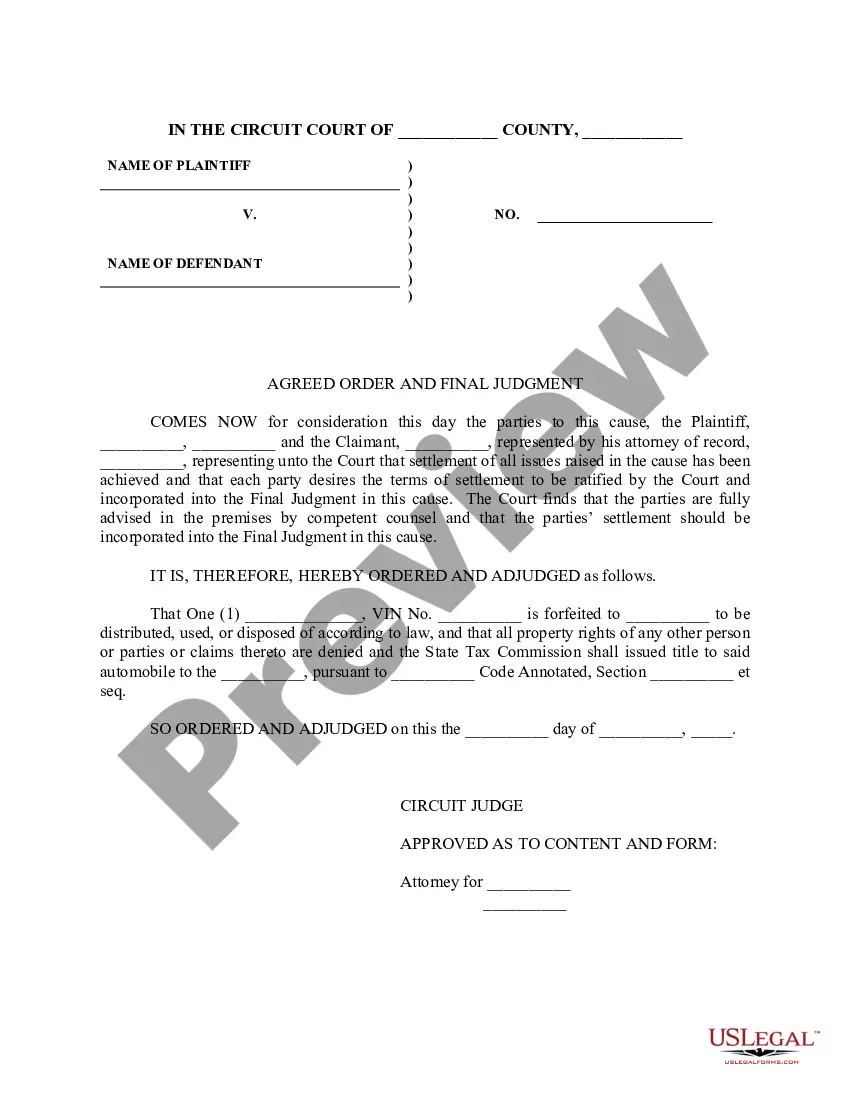
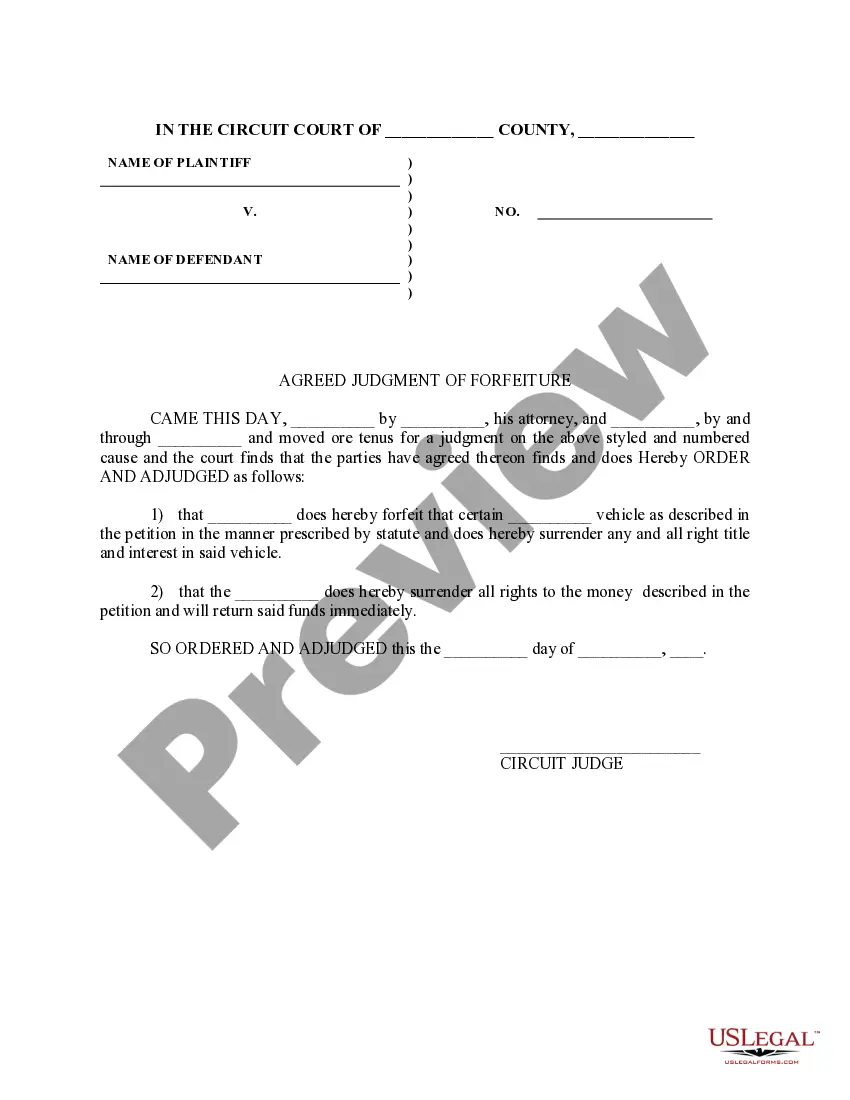
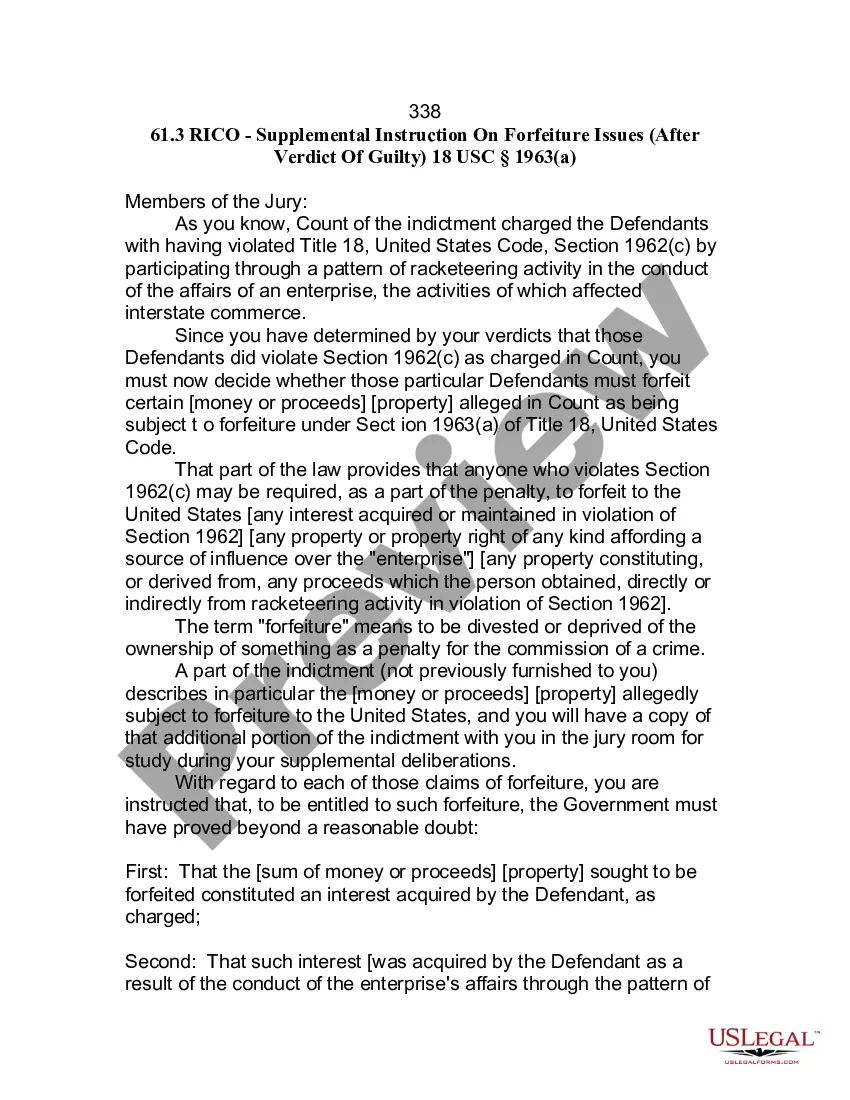
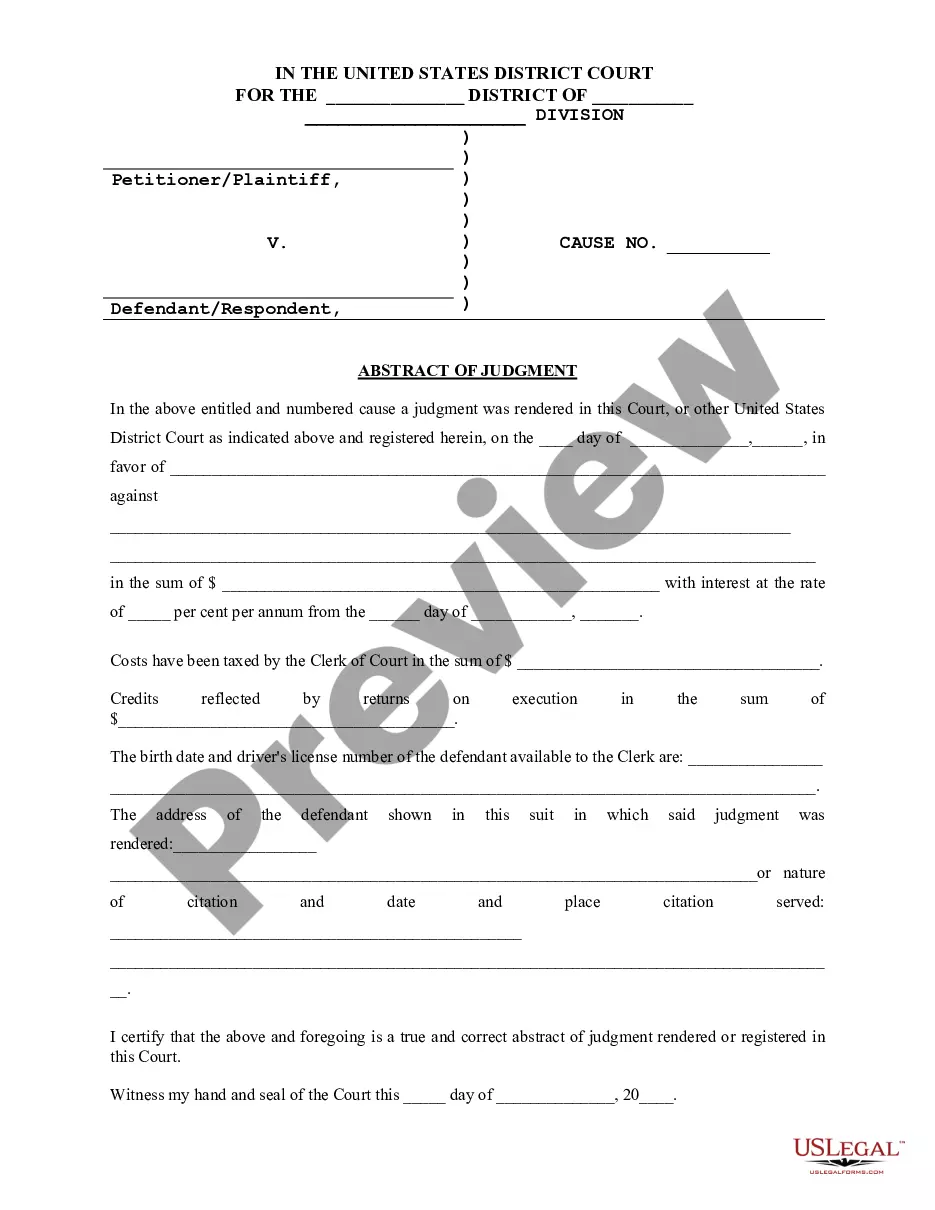
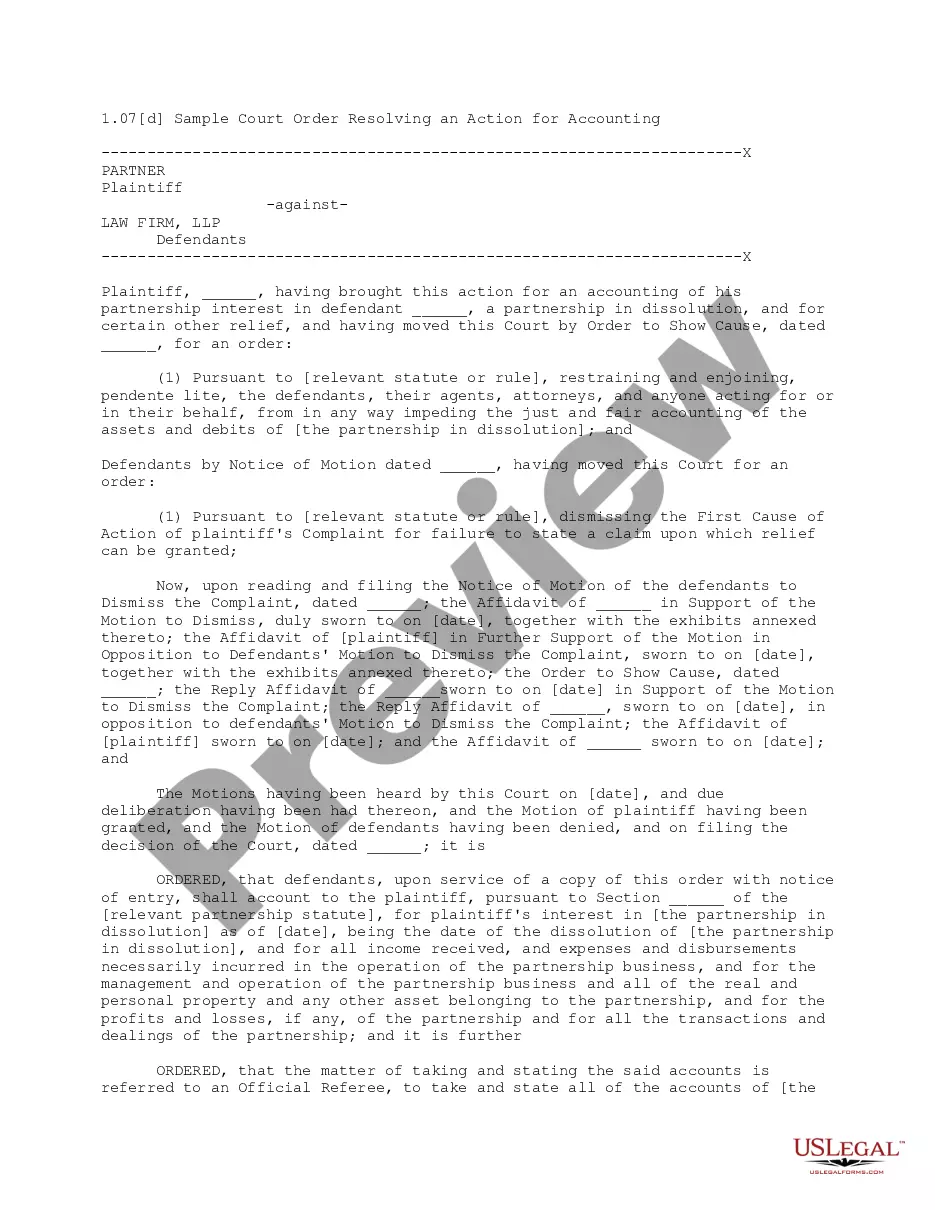
Pennsylvania Agreed Order and Final Judgment - Awarding Forfeiture
Description
Get your form ready online
Our built-in tools help you complete, sign, share, and store your documents in one place.
Make edits, fill in missing information, and update formatting in US Legal Forms—just like you would in MS Word.
Download a copy, print it, send it by email, or mail it via USPS—whatever works best for your next step.
Sign and collect signatures with our SignNow integration. Send to multiple recipients, set reminders, and more. Go Premium to unlock E-Sign.
If this form requires notarization, complete it online through a secure video call—no need to meet a notary in person or wait for an appointment.
We protect your documents and personal data by following strict security and privacy standards.

Make edits, fill in missing information, and update formatting in US Legal Forms—just like you would in MS Word.

Download a copy, print it, send it by email, or mail it via USPS—whatever works best for your next step.

Sign and collect signatures with our SignNow integration. Send to multiple recipients, set reminders, and more. Go Premium to unlock E-Sign.

If this form requires notarization, complete it online through a secure video call—no need to meet a notary in person or wait for an appointment.

We protect your documents and personal data by following strict security and privacy standards.
Looking for another form?
How to fill out Agreed Order And Final Judgment - Awarding Forfeiture?
US Legal Forms - one of the most important collections of legal documents in the States - provides a range of legal form templates that you can download or print. By using the website, you can access thousands of forms for business and personal needs, categorized by types, states, or keywords.
You can find the most up-to-date versions of forms like the Pennsylvania Agreed Order and Final Judgment - Awarding Forfeiture in moments. If you have a subscription, Log In and download the Pennsylvania Agreed Order and Final Judgment - Awarding Forfeiture from the US Legal Forms collection. The Download button will be visible on each form you view. You can access all previously downloaded forms from the My documents section of your account.
To utilize US Legal Forms for the first time, here are some straightforward instructions to help you get started: Ensure you have selected the correct form for your jurisdiction/county. Click the Review button to examine the form’s content. Read the form description to confirm that you have chosen the right form. If the form doesn’t meet your needs, use the Search field at the top of the page to find one that does. If you are satisfied with the form, confirm your choice by clicking the Purchase now button. Then, select the pricing plan you prefer and provide your details to create an account. Proceed with the transaction. Use a credit card or PayPal account to complete the purchase. Choose the format and download the form to your device. Make modifications. Fill out, edit, and print and sign the downloaded Pennsylvania Agreed Order and Final Judgment - Awarding Forfeiture. Each template you add to your account has no expiration date and is yours permanently. So, if you wish to download or print another copy, simply go to the My documents section and click on the form you want.
- Access the Pennsylvania Agreed Order and Final Judgment - Awarding Forfeiture with US Legal Forms, the most extensive collection of legal document templates.
- Utilize thousands of professional and state-specific templates that meet your business or personal needs and requirements.
Form popularity
FAQ
A plaintiff can seize tangible personal property which are items such as household furnishings, jewelry, and business and office equipment.
Money judgments automatically expire (run out) after 10 years. To prevent this from happening, you as the judgment creditor must file a request for renewal of the judgment with the court BEFORE the 10 years run out.
Two year limitation. The following actions and proceedings must be commenced within two years: (1) An action for assault, battery, false imprisonment, false arrest, malicious prosecution or malicious abuse of process.
Pennsylvania judgments are valid for 5 years. Judgments can be revived every 5 years and should be revived if a creditor is attempting to actively collect on the debt. Judgments also act as a lien against real property for up to 20 years or longer if properly revived.
Under Pennsylvania's civil asset forfeiture laws, the government can legally take property it claims is connected to illegal activity but without actually charging, much less convicting, the property owner of a crime.
In Pennsylvania, law enforcement has a tool that allows the government to confiscate a citizen's personal property, including, but not limited to, money, cars, homes, jewelry, bank accounts, and other valuables if they believe there is a connection between the property and illegal activity; and those funds can be used ...
Pennsylvania statute of limitations for a debt collector to take someone to court, is four years after the first missed payment. This doesn't mean, however, the debt collector has to stop seeking payment. It just means they can't sue for payment.
The creditor can often place a lien on your property, such as a house or car. The lien must usually be paid off before you can sell the property. Seize assets. Sometimes, a creditor can get a court order to seize other assets or personal property you own, such as a vehicle or real estate, to satisfy the debt.