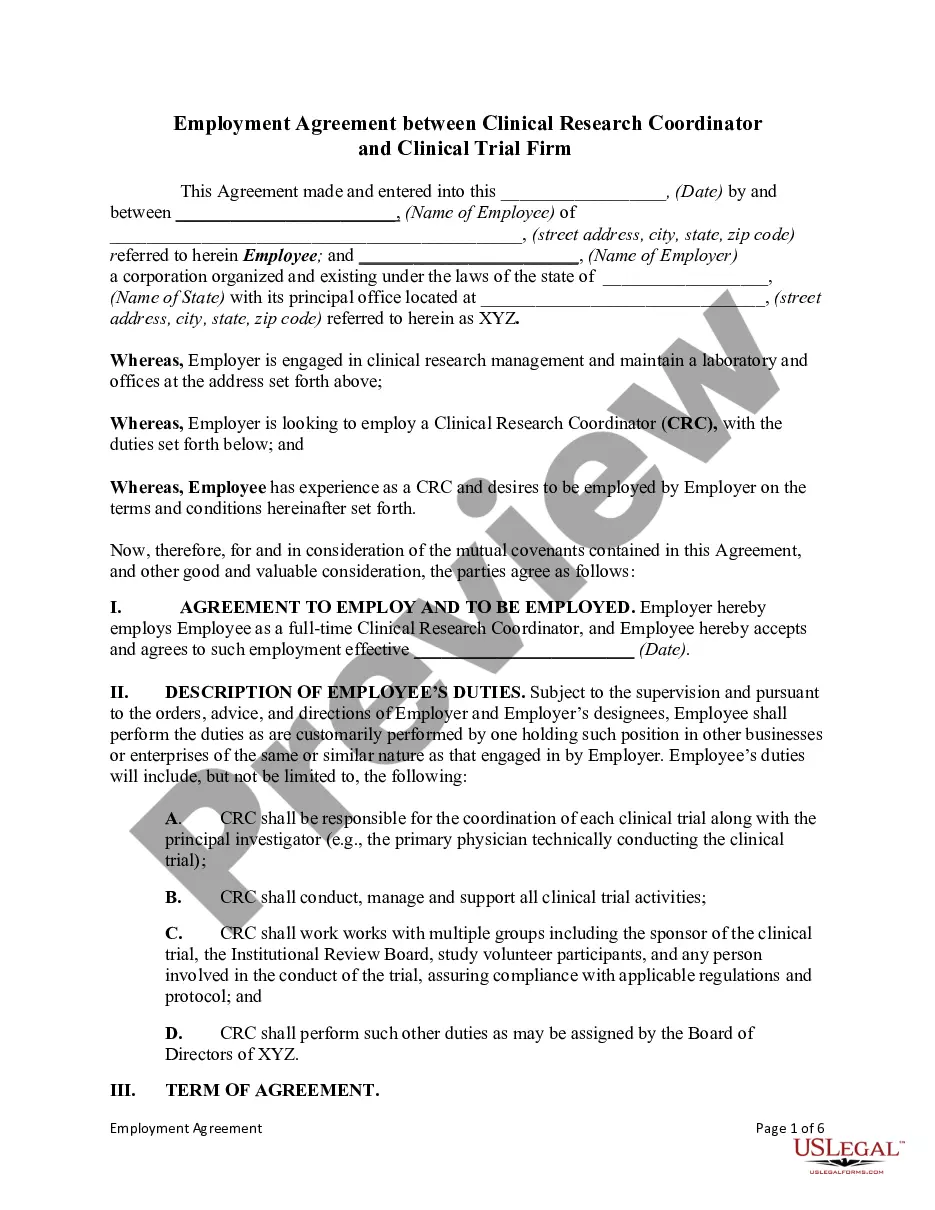
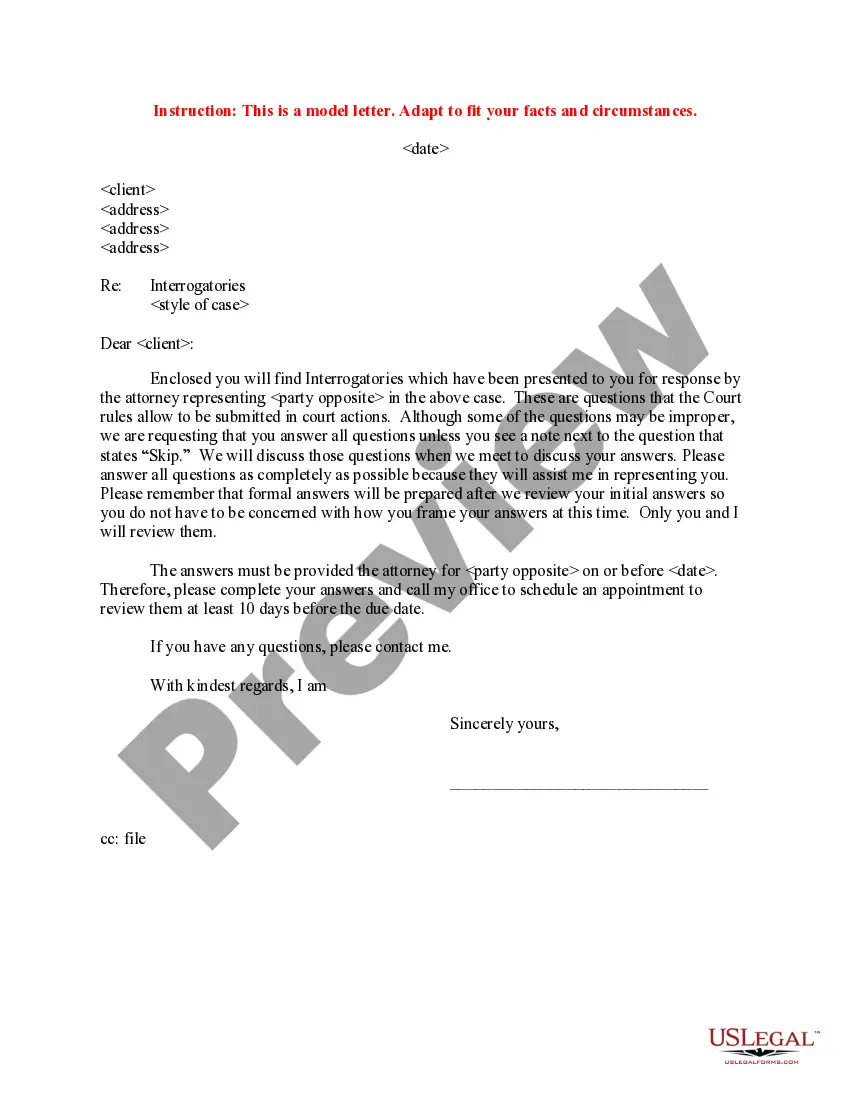
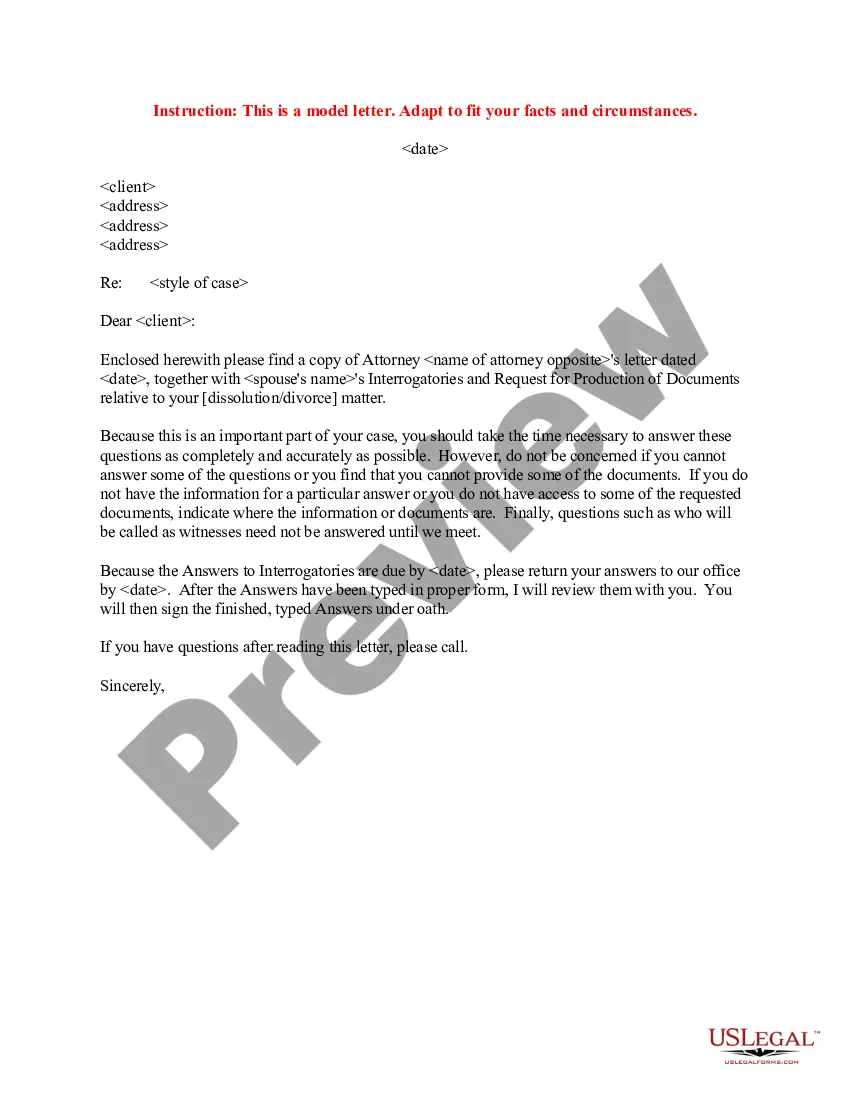
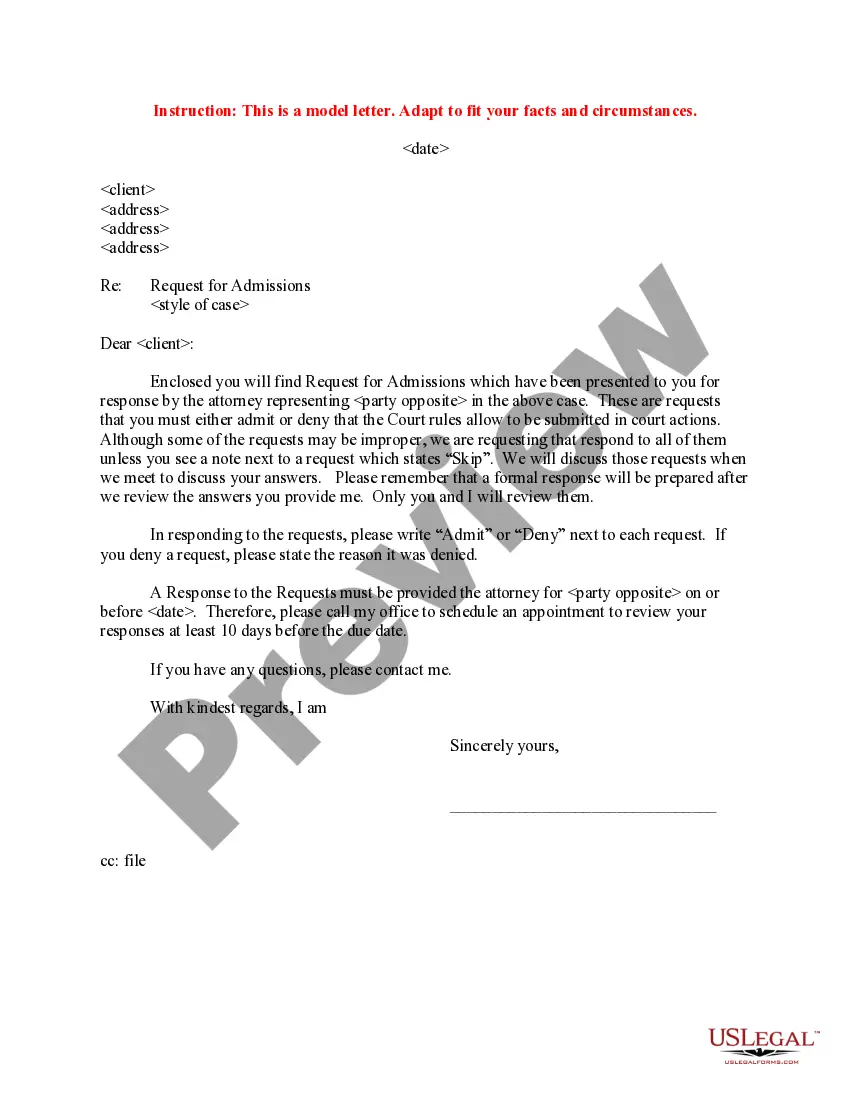
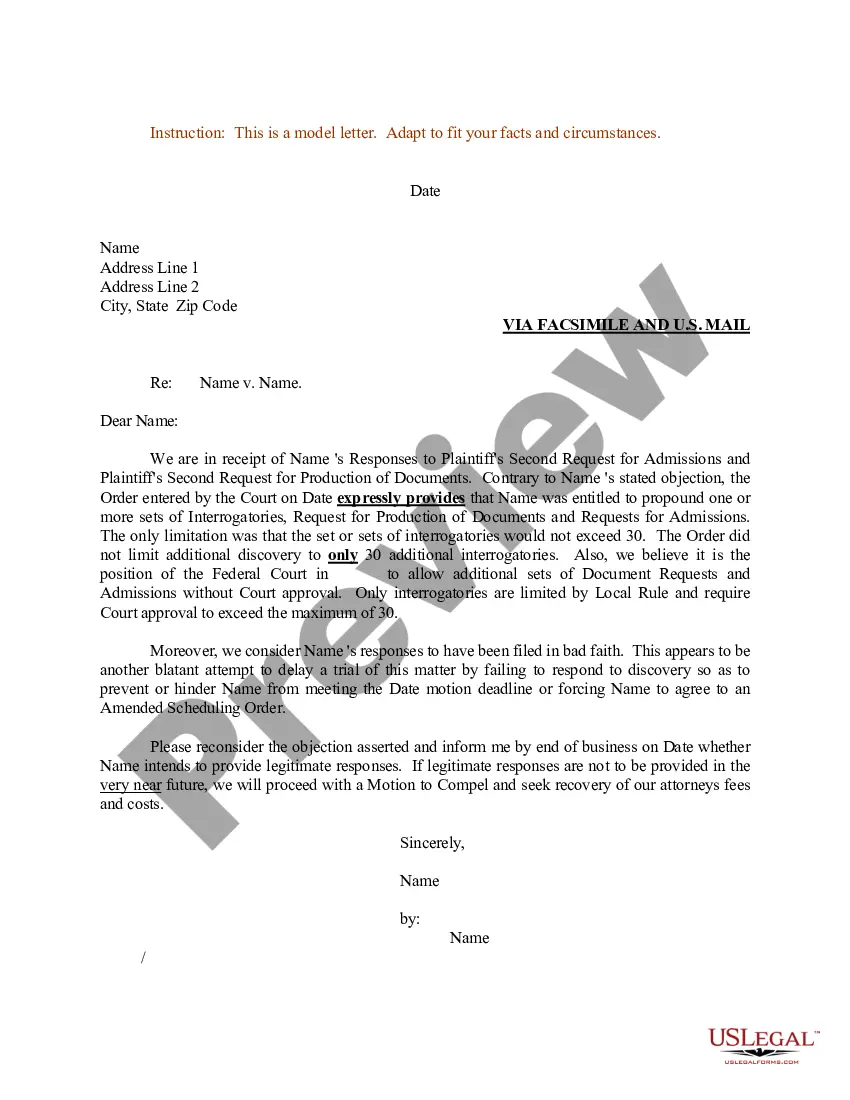
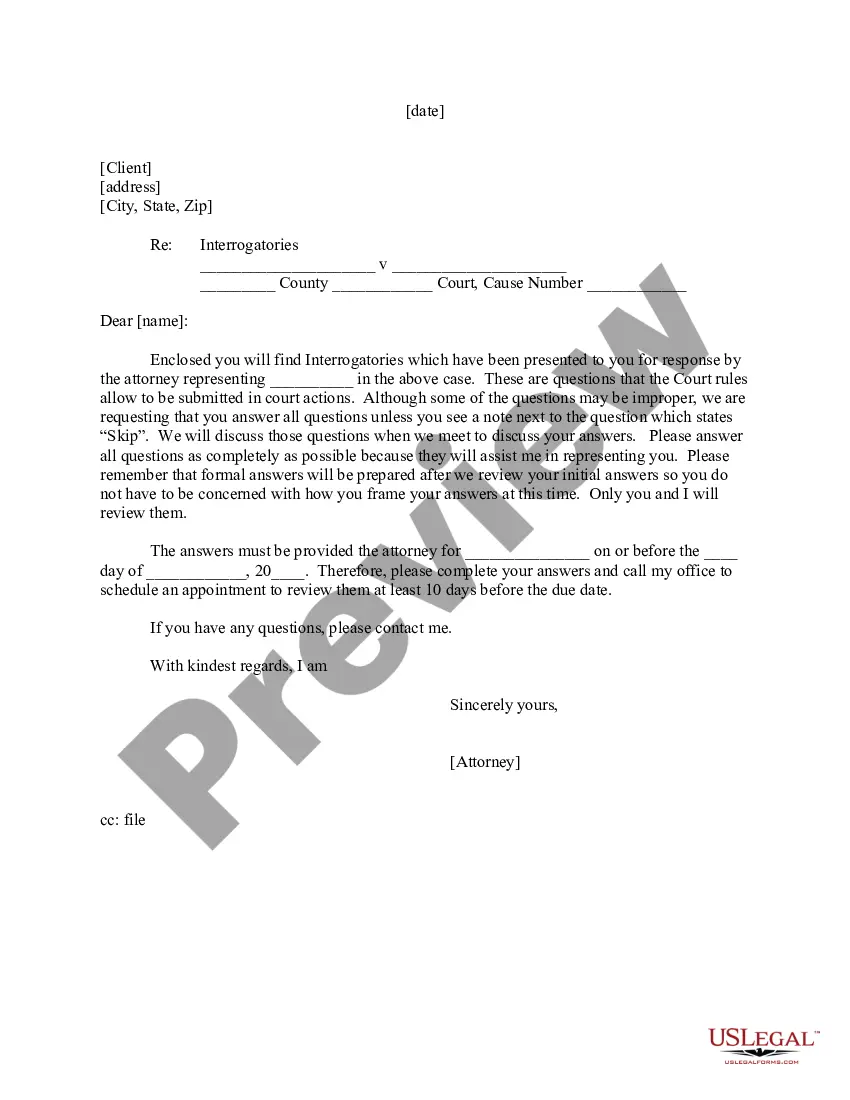
Pennsylvania Sample Letter to Client regarding Interrogatories to Answer
Description
Get your form ready online
Our built-in tools help you complete, sign, share, and store your documents in one place.
Make edits, fill in missing information, and update formatting in US Legal Forms—just like you would in MS Word.
Download a copy, print it, send it by email, or mail it via USPS—whatever works best for your next step.
Sign and collect signatures with our SignNow integration. Send to multiple recipients, set reminders, and more. Go Premium to unlock E-Sign.
If this form requires notarization, complete it online through a secure video call—no need to meet a notary in person or wait for an appointment.
We protect your documents and personal data by following strict security and privacy standards.

Make edits, fill in missing information, and update formatting in US Legal Forms—just like you would in MS Word.

Download a copy, print it, send it by email, or mail it via USPS—whatever works best for your next step.

Sign and collect signatures with our SignNow integration. Send to multiple recipients, set reminders, and more. Go Premium to unlock E-Sign.

If this form requires notarization, complete it online through a secure video call—no need to meet a notary in person or wait for an appointment.

We protect your documents and personal data by following strict security and privacy standards.
Looking for another form?
How to fill out Sample Letter To Client Regarding Interrogatories To Answer?
If you wish to comprehensive, obtain, or print authorized papers themes, use US Legal Forms, the greatest variety of authorized types, which can be found online. Utilize the site`s simple and convenient look for to discover the paperwork you will need. Numerous themes for enterprise and specific functions are sorted by groups and suggests, or keywords and phrases. Use US Legal Forms to discover the Pennsylvania Sample Letter to Client regarding Interrogatories to Answer in a couple of clicks.
When you are previously a US Legal Forms consumer, log in in your accounts and then click the Obtain key to have the Pennsylvania Sample Letter to Client regarding Interrogatories to Answer. Also you can access types you previously downloaded in the My Forms tab of your accounts.
If you use US Legal Forms the first time, refer to the instructions under:
- Step 1. Ensure you have selected the shape for your correct metropolis/nation.
- Step 2. Take advantage of the Review solution to look through the form`s content material. Don`t neglect to read the information.
- Step 3. When you are unhappy with all the form, take advantage of the Research field near the top of the screen to discover other types of the authorized form template.
- Step 4. Upon having found the shape you will need, select the Purchase now key. Pick the costs program you choose and add your references to sign up for the accounts.
- Step 5. Approach the purchase. You can use your charge card or PayPal accounts to complete the purchase.
- Step 6. Choose the formatting of the authorized form and obtain it in your gadget.
- Step 7. Full, modify and print or signal the Pennsylvania Sample Letter to Client regarding Interrogatories to Answer.
Each and every authorized papers template you purchase is your own property eternally. You may have acces to every form you downloaded inside your acccount. Click on the My Forms portion and select a form to print or obtain once again.
Be competitive and obtain, and print the Pennsylvania Sample Letter to Client regarding Interrogatories to Answer with US Legal Forms. There are millions of professional and condition-particular types you can utilize to your enterprise or specific demands.
Form popularity
FAQ
You can object to an interrogatory if the information sought is known by the requesting party or available to both parties equally. For example, you should raise this objection if the answers are publicly available or in a third-party's custody or control.
Begin by explaining that the case has reached the discovery stage and what that means. Something like this: At this stage of the pending action, all parties are subject to procedures called ?discovery? that allow each party to obtain information and documents relevant to the case.
If you are unable to answer an interrogatory because it is too vague, ambiguous, or somehow objectionable, you can state an objection and the reason for your objection. You must then answer to the extent the interrogatory is not objectionable.
Some of the valid grounds for objecting to interrogatories are: Irrelevant questions or questions outside the scope of permissible discovery. The information sought for is privileged (protected under the attorney client privilege doctrine or the like)
As the party resisting discovery by objecting to an interrogatory, you have the burden to explain why your objections are proper. To satisfy this burden, you should state your objection with specificity. This means giving specific facts, statutes, or judicial precedent supporting your position.
They are provided for your information. There is no form for your answer, but you typically have to respond in a specified format, using paper with numbers down the left-hand side, with your name and address at the top left, the name of the court and of the case, and the case number.
Answer only the question that is asked, and avoid the temptation to over-explain your answer. If the question contains several parts, you may break your answer into parts as well. It is also possible that you might object to the question.