Pennsylvania Exclusive Distributorship Agreement
Description
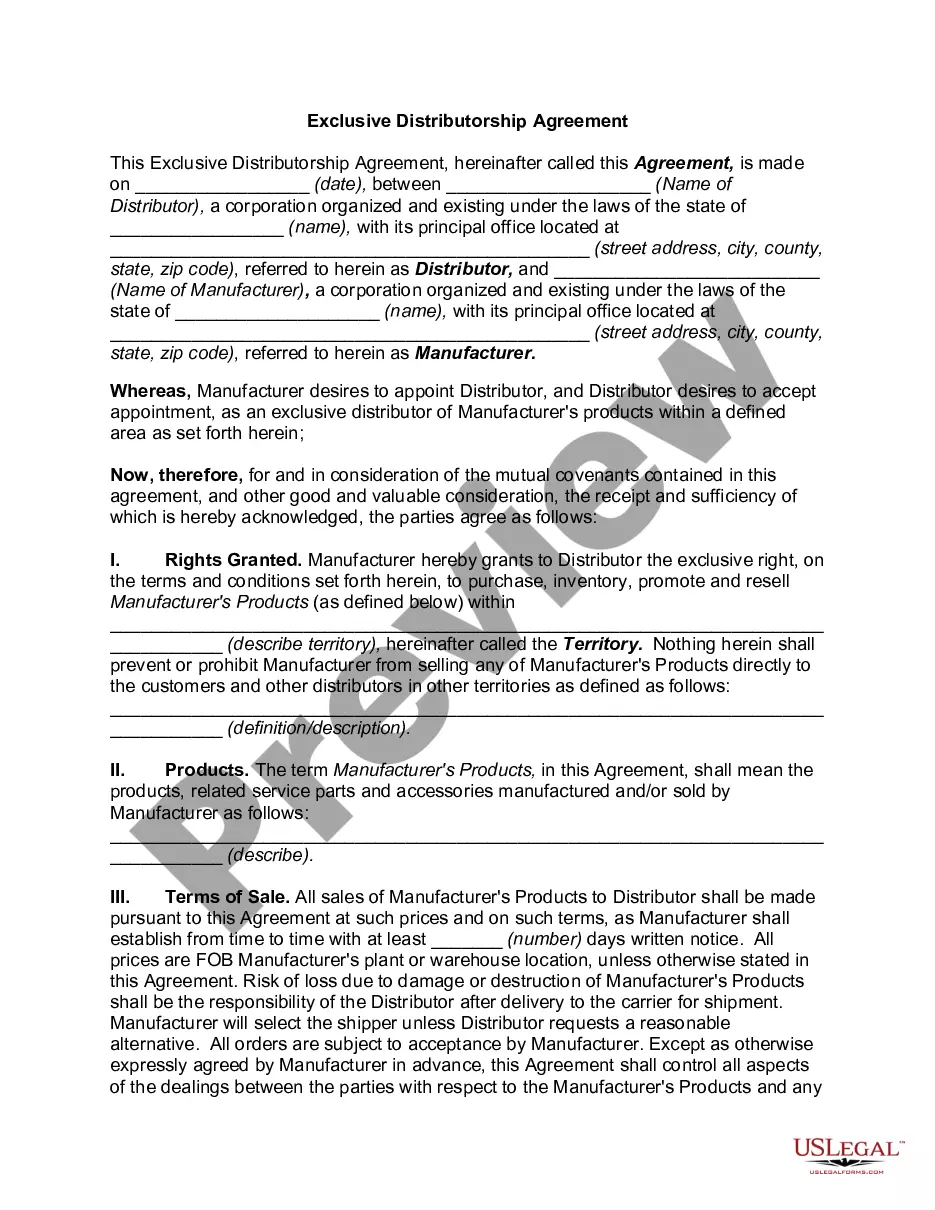
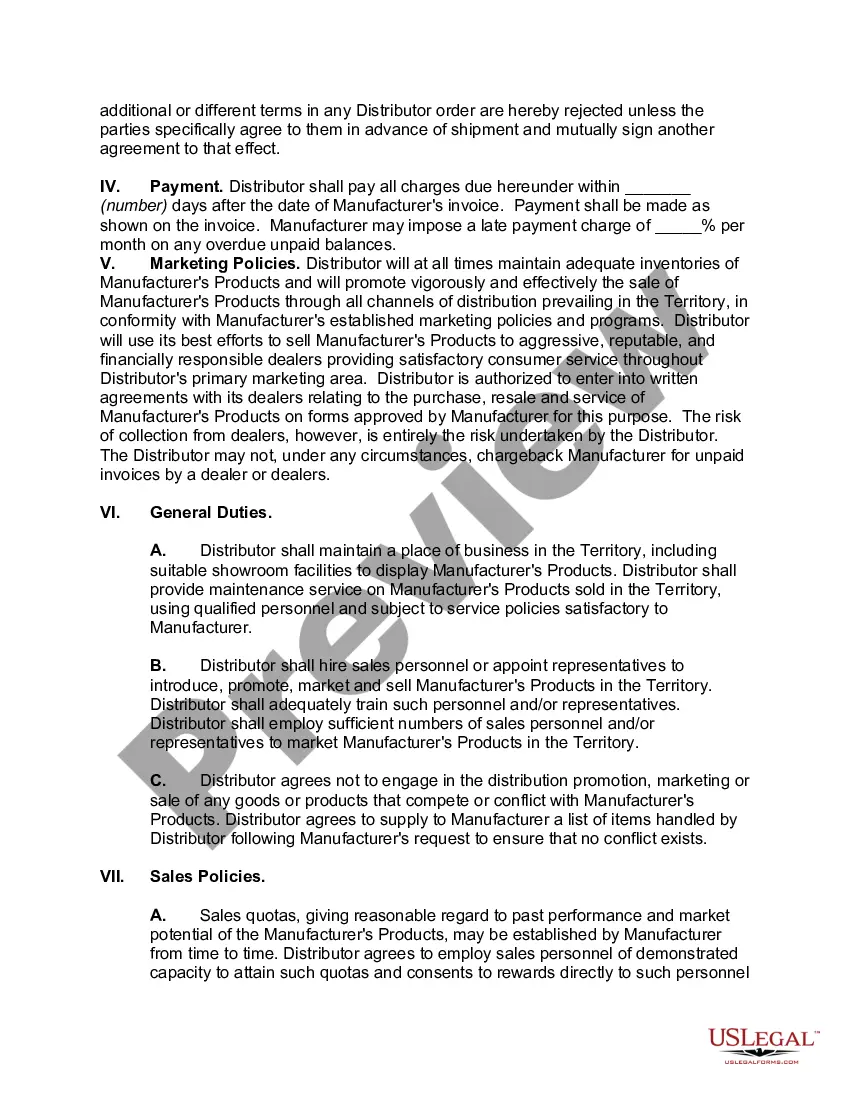
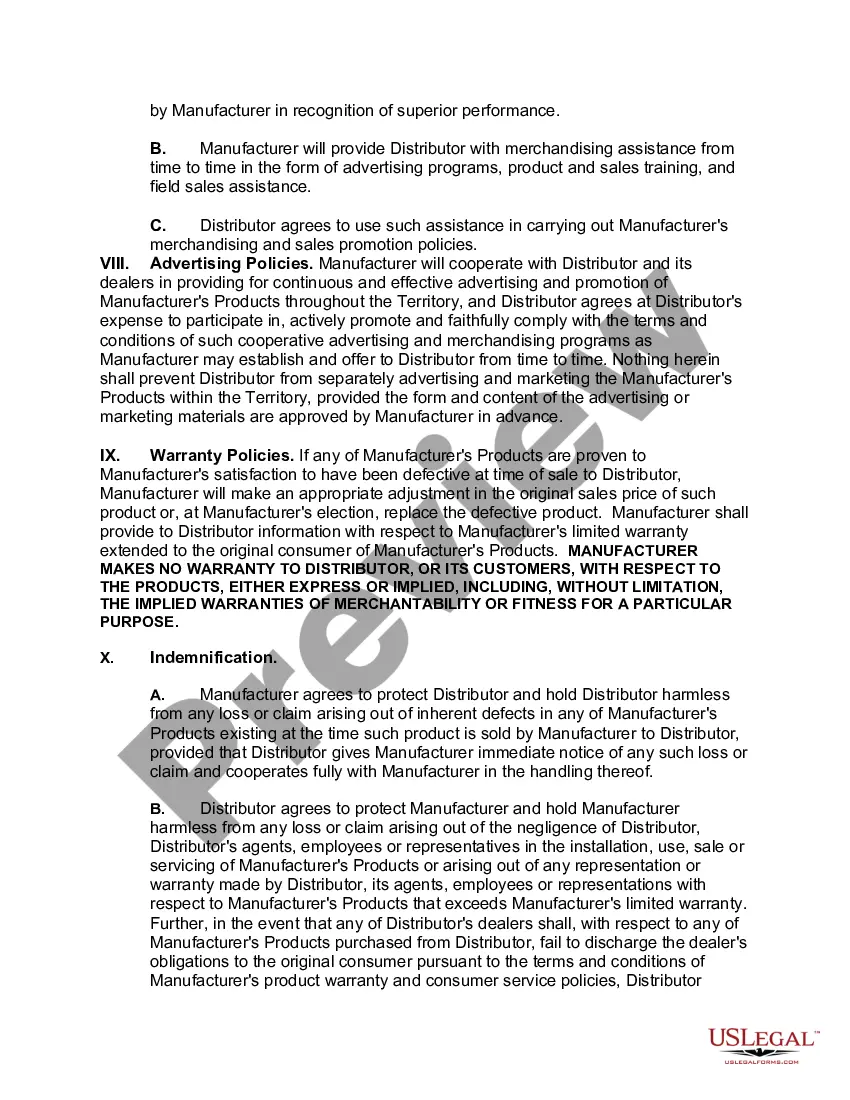
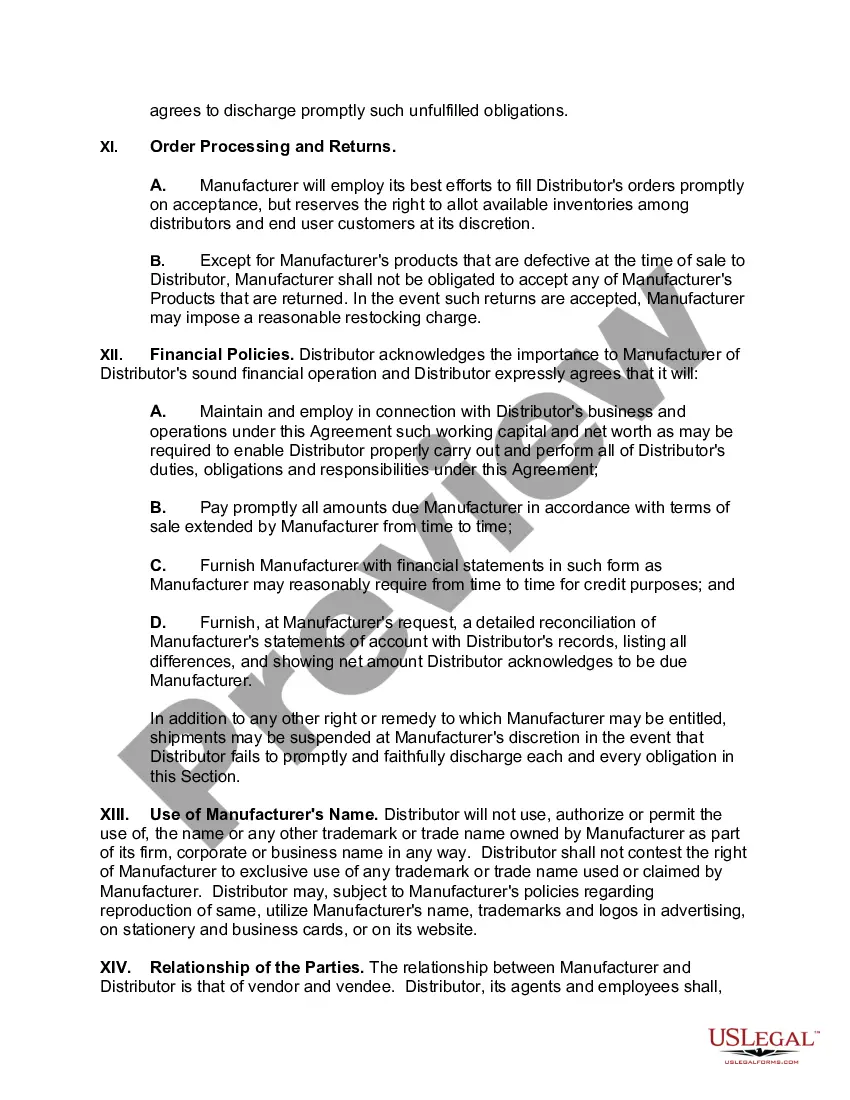
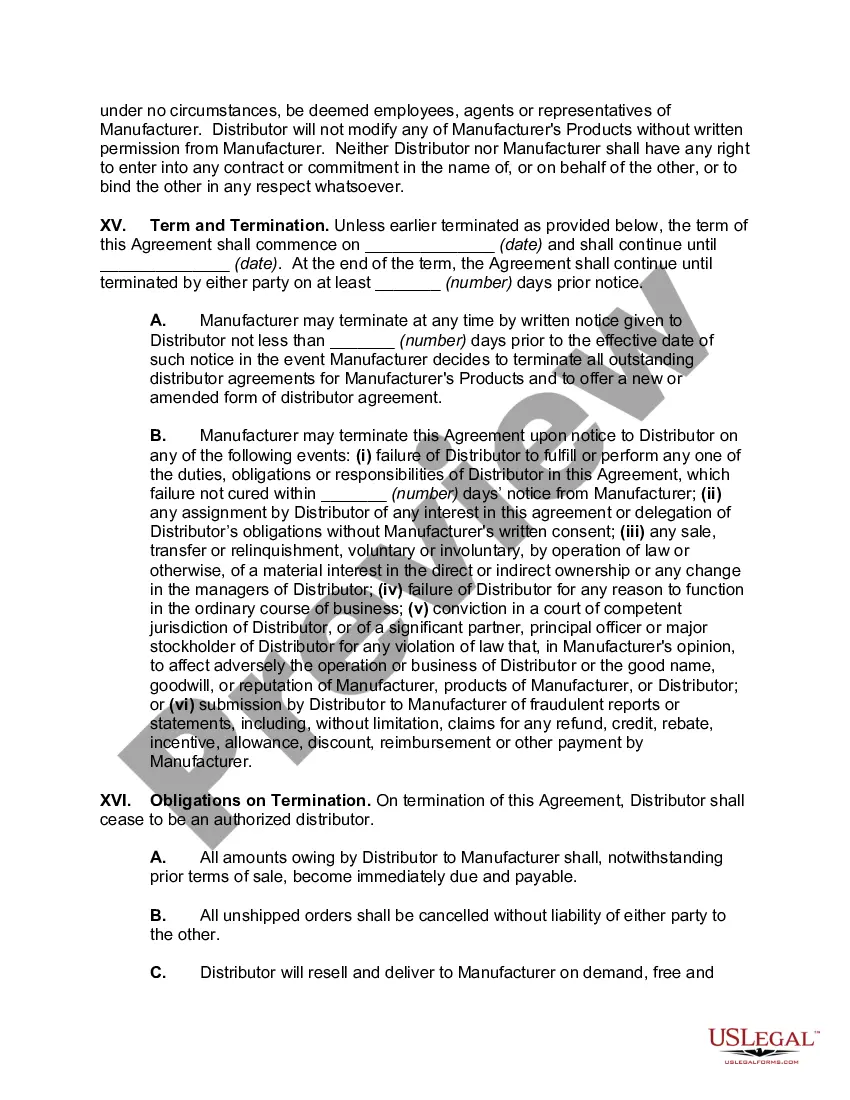
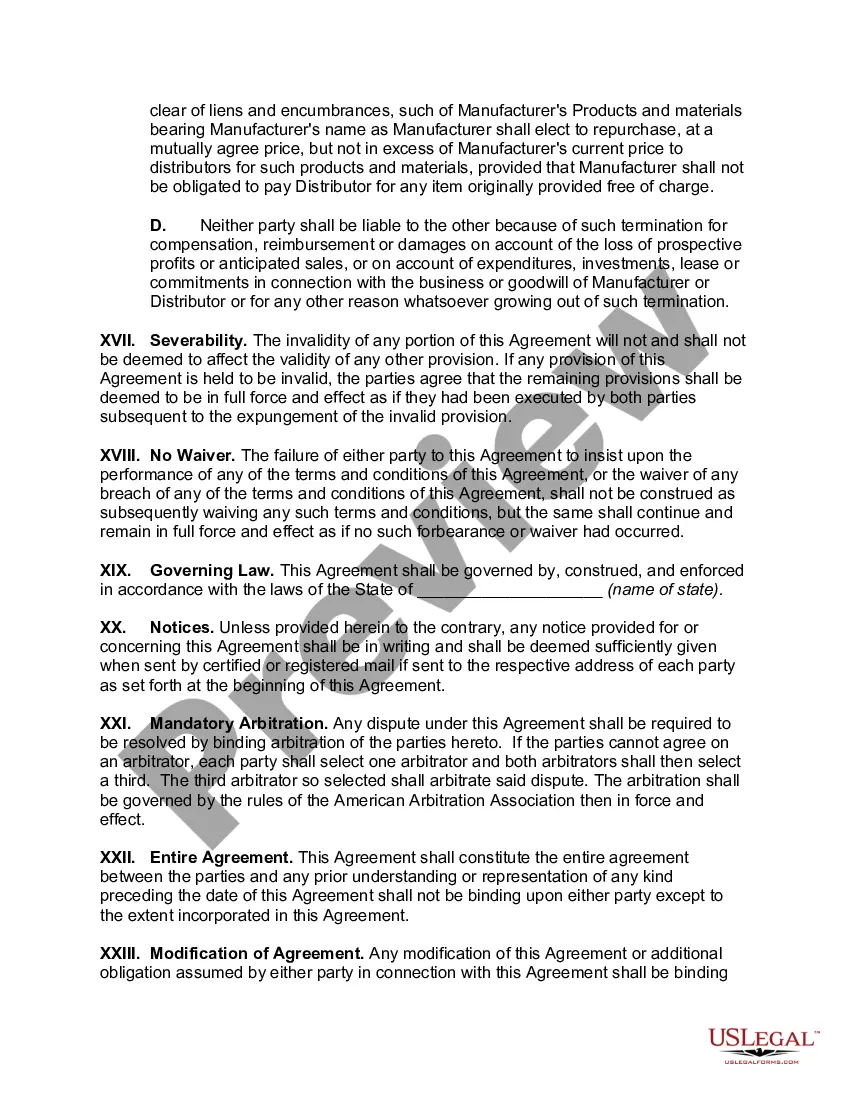
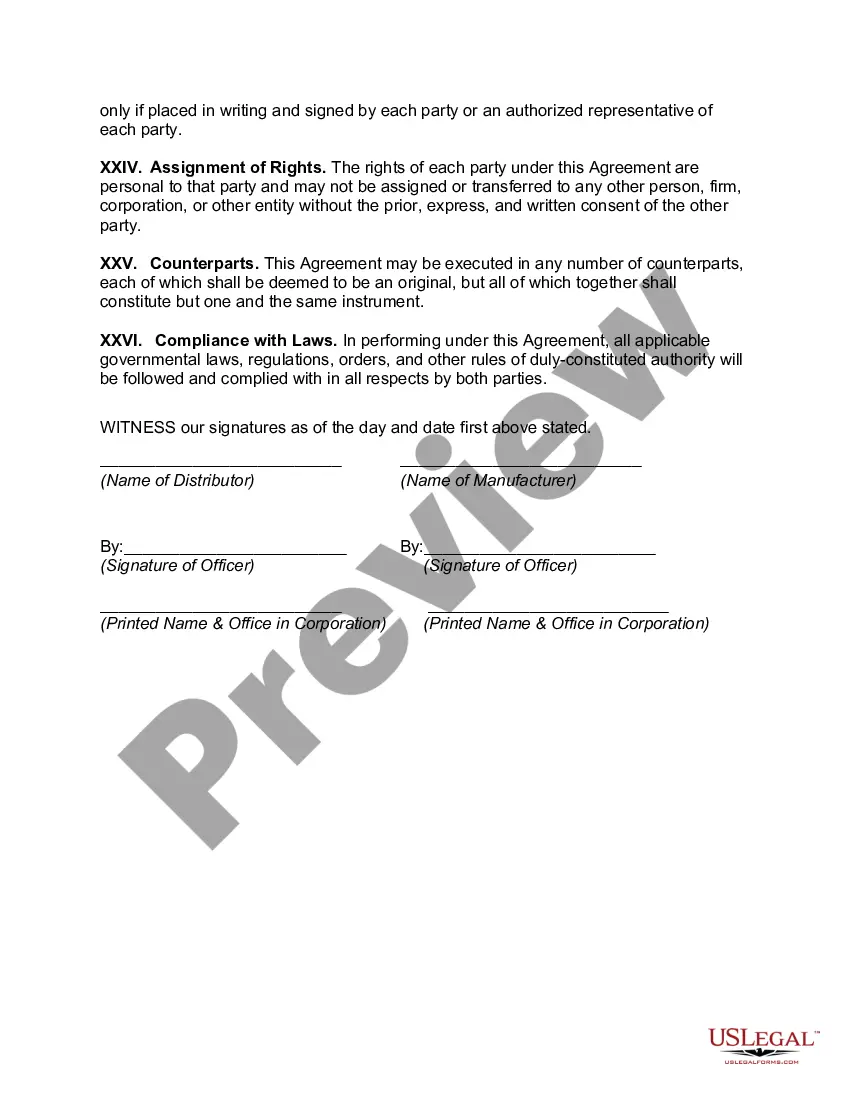
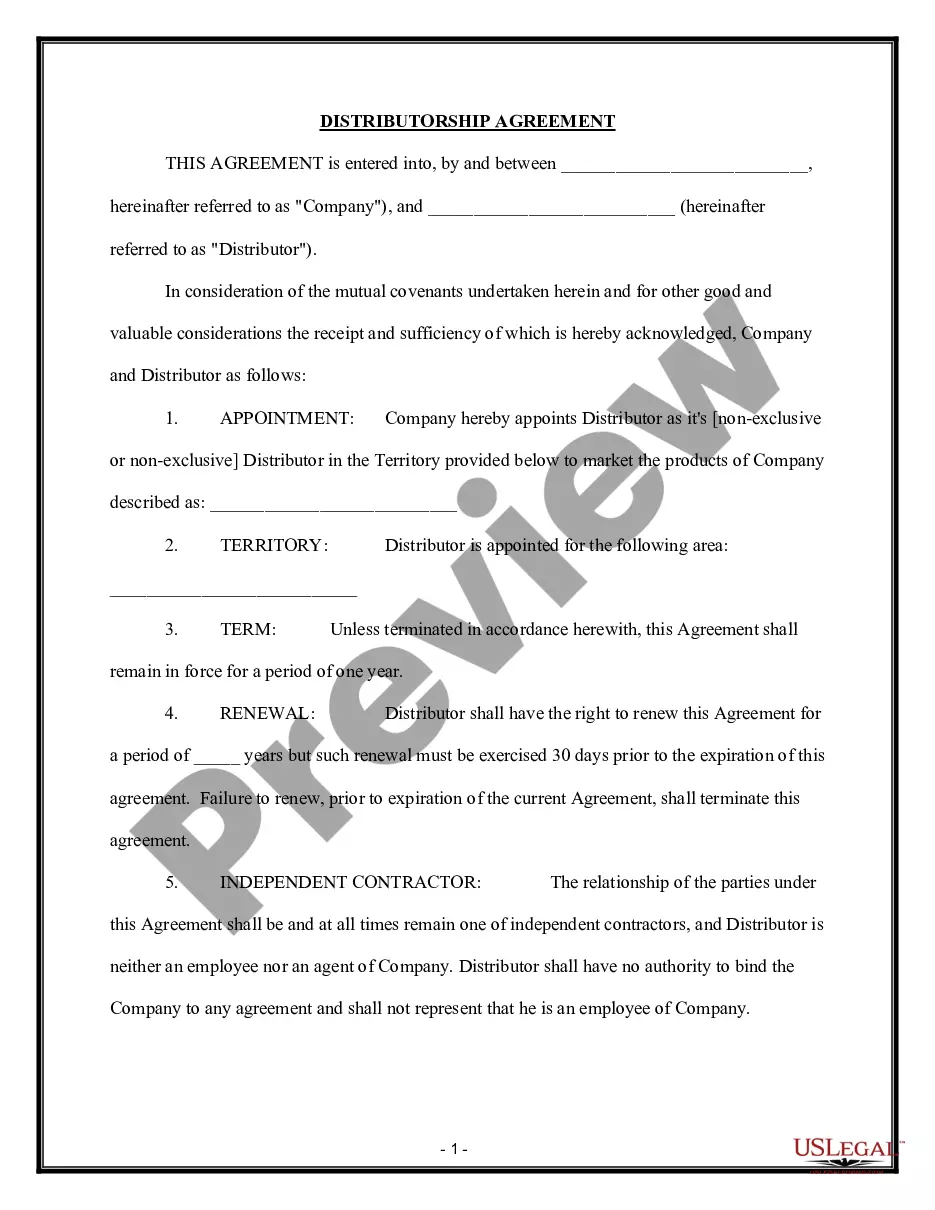
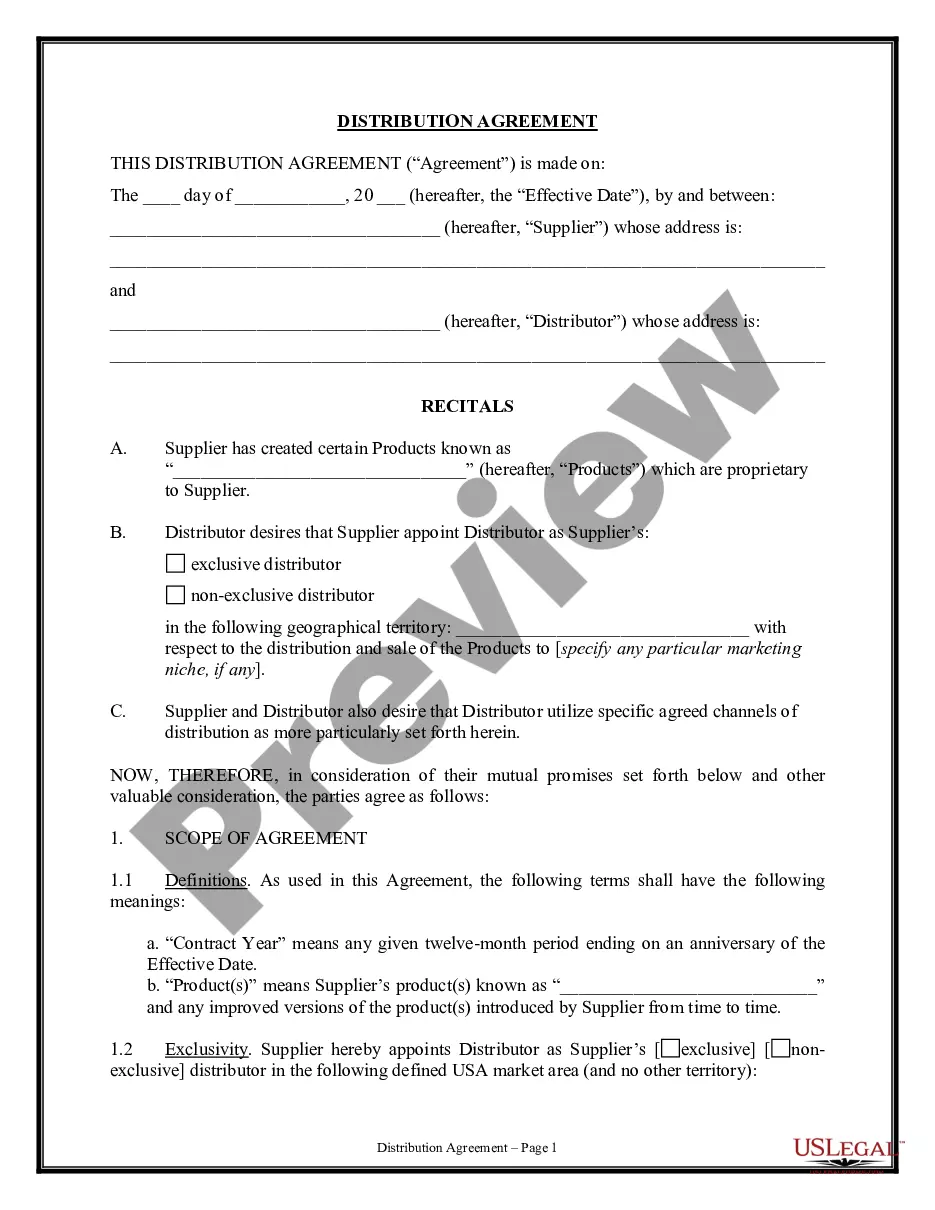
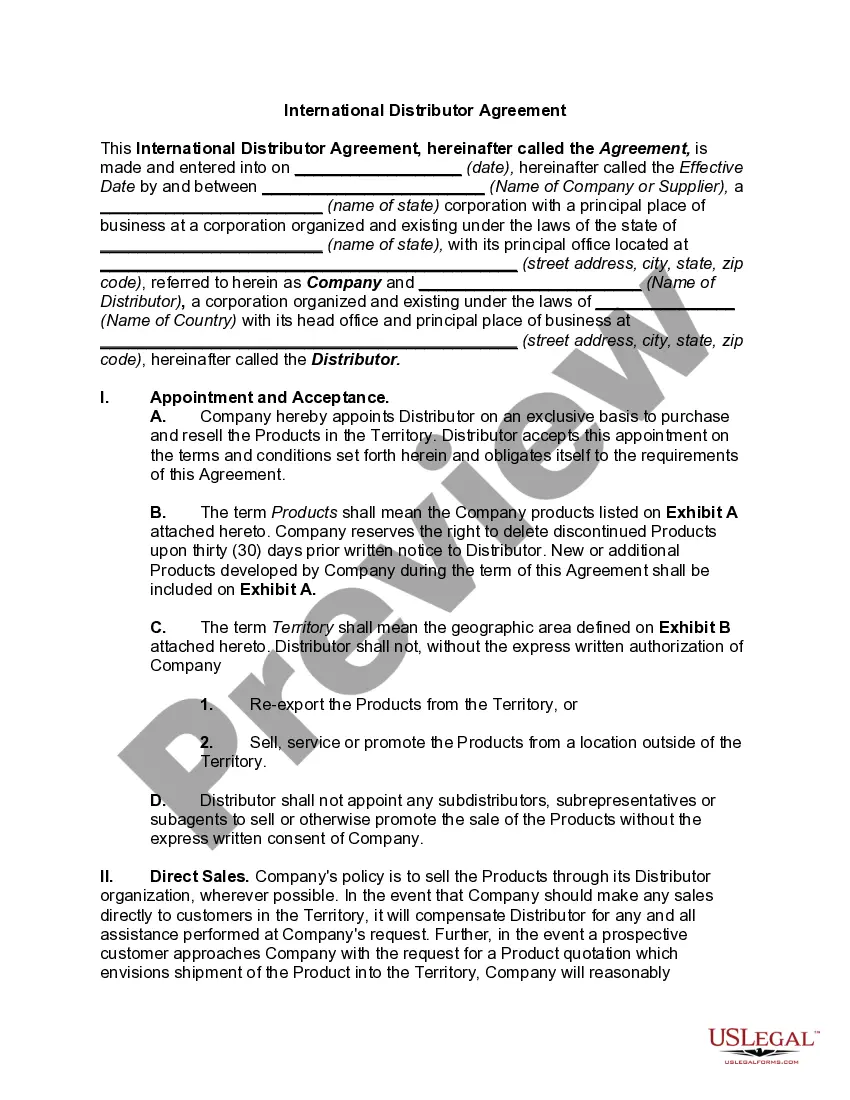
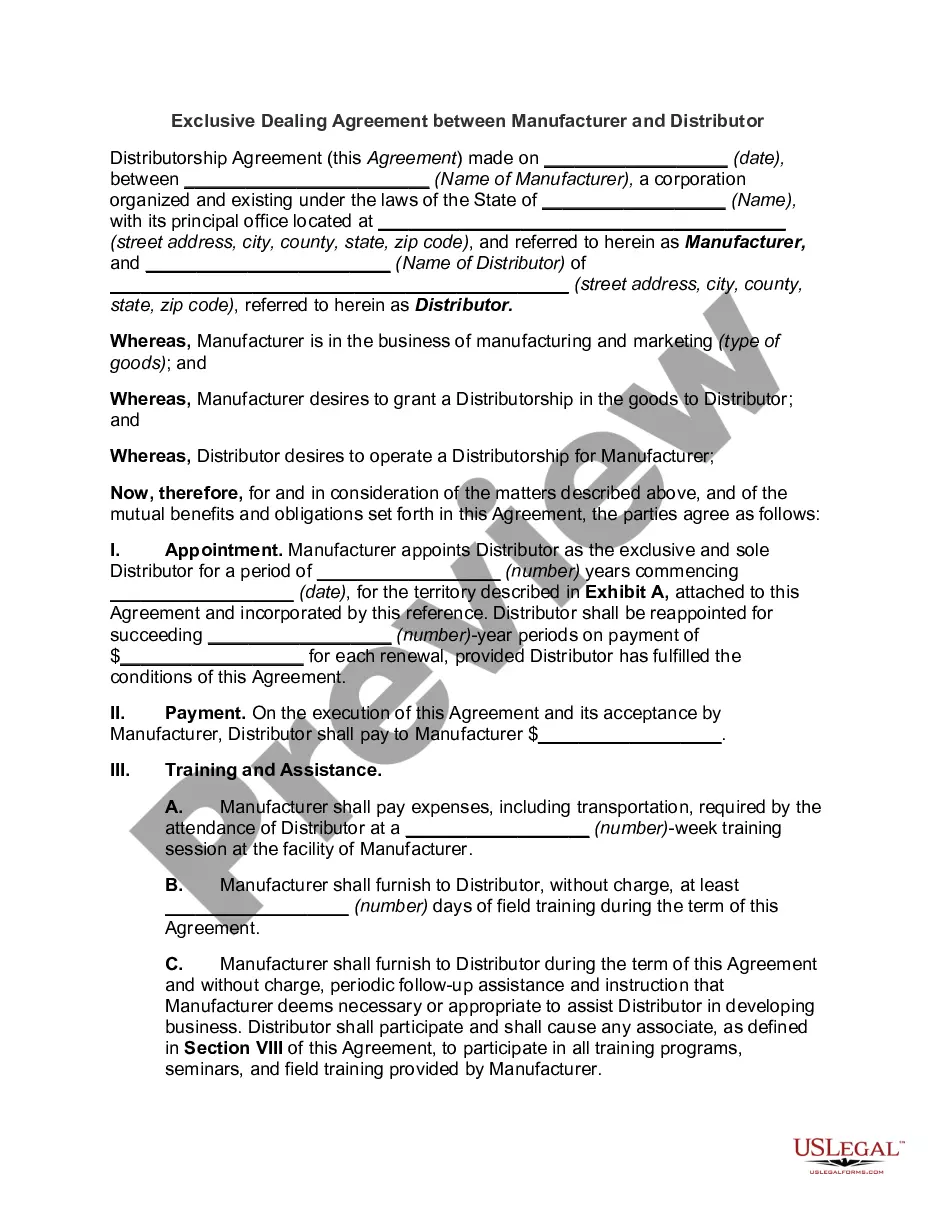
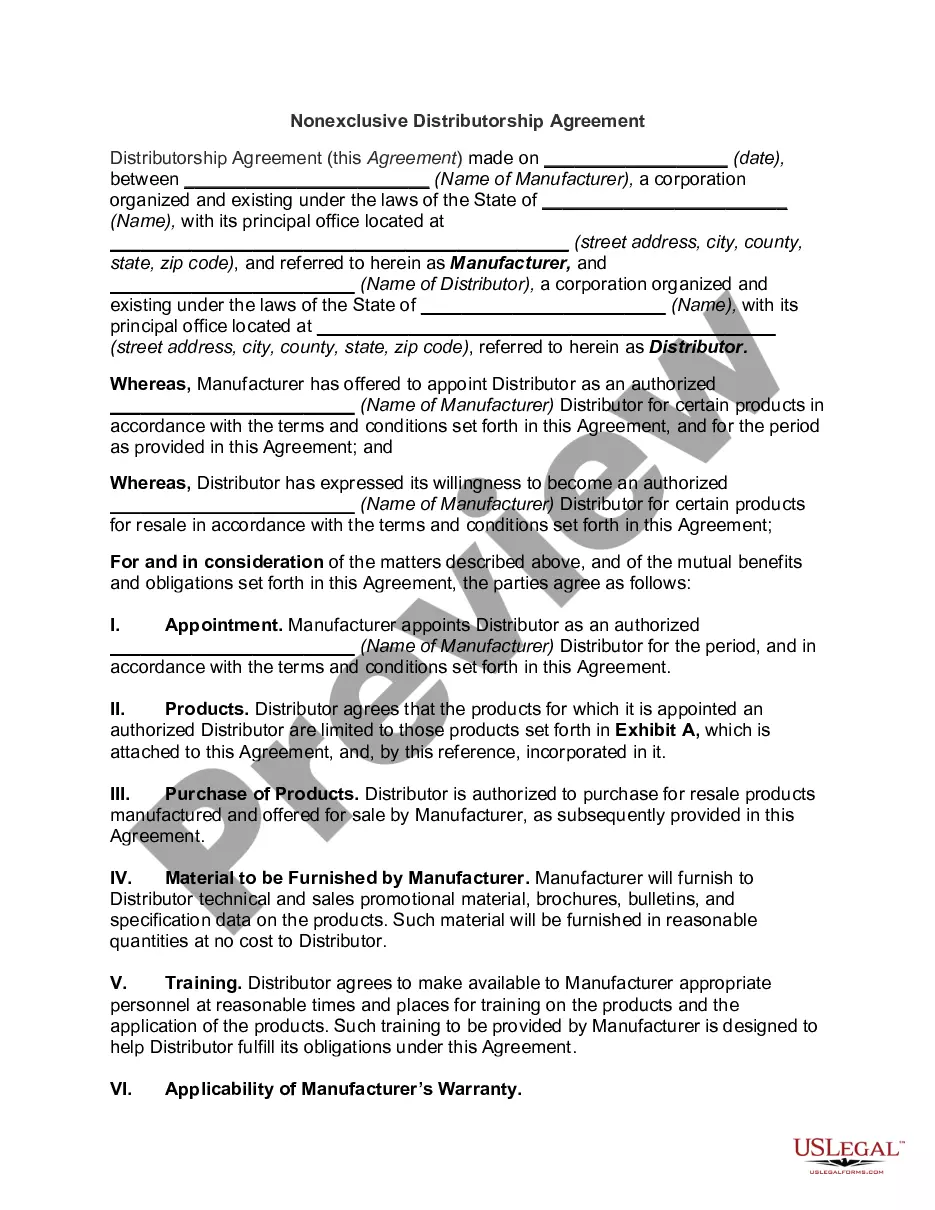
How to fill out Exclusive Distributorship Agreement?
Locating the appropriate legal document web template can be challenging.
Certainly, there are numerous designs accessible online, but how do you uncover the legal form you require.
Make use of the US Legal Forms platform. This service offers thousands of templates, including the Pennsylvania Exclusive Distributorship Agreement, suitable for business and personal purposes.
If the form does not satisfy your requirements, utilize the Search field to locate the right form.
- All forms are verified by experts and comply with federal and state regulations.
- If you are already a registered user, Log In to your account and hit the Obtain button to download the Pennsylvania Exclusive Distributorship Agreement.
- Utilize your account to access the legal forms you have previously acquired.
- Navigate to the My documents section of your account and download another copy of the documents you require.
- If you are a new user of US Legal Forms, here are simple steps for you to follow.
- First, ensure you have chosen the correct form for your town/county. You can examine the document using the Review button and read the form details to confirm it is the right fit for you.
Form popularity
FAQ
Exclusive distributors hold unique rights to market and sell products, creating a competitive edge in their designated area. Non-exclusive distributors, on the other hand, can be in competition with other distributors for the same products. Establishing a Pennsylvania Exclusive Distributorship Agreement can provide clarity and security, thereby ensuring that your business is effectively positioned in the marketplace.
Exclusive distribution grants a single distributor the rights to sell a manufacturer’s products within a specific territory, while non-exclusive distribution allows multiple distributors to sell the same products in that area. This means that under a Pennsylvania Exclusive Distributorship Agreement, the selected distributor has more control over marketing efforts. Ultimately, this structure can lead to stronger relationships and increased sales for both parties.
Exclusive distribution is a distribution strategy whereby a producer sells its products or services in only one retail outlet in a specific geographical area.
Exclusive distribution definition is a kind of distribution a manufacturer or supplier authorizes only one distributor to carry out within a definite region. Such a distributor becomes the sole authorized seller of the manufacturer's specific products.
A distribution agreement, also known as a distributor agreement, is a contract between a supplying company with products to sell and another company that markets and sells the products. The distributor agrees to buy products from the supplier company and sell them to clients within certain geographical areas.
Exclusive dealing or requirements contracts between manufacturers and retailers are common and are generally lawful.
Parts of a Distribution AgreementNames and addresses of both parties.Sale terms and conditions.Contract effective dates.Marketing and intellectual property rights.Defects and returns provisions.Severance terms.Returned goods credits and costs.Exclusivity from competing products.More items...
An exclusive distribution agreement is an agreement between a distributor company and a supplier company that grants the distributor exclusive rights to sell the suppliers goods. This means that the supplier agrees to now allow another distributor to sell its goods for the duration of the agreement.
Since 1977 the courts have held that vertical non-price restrictions - - such as exclusive distributorship agreements - - are not per se (or always) illegal under the antitrust laws.
Territory: The agreement should specifically define the area in which the distributor is permitted to sell and promote the products. b. Products: The agreement should specify what products, product lines, or brands are included under the agreement.