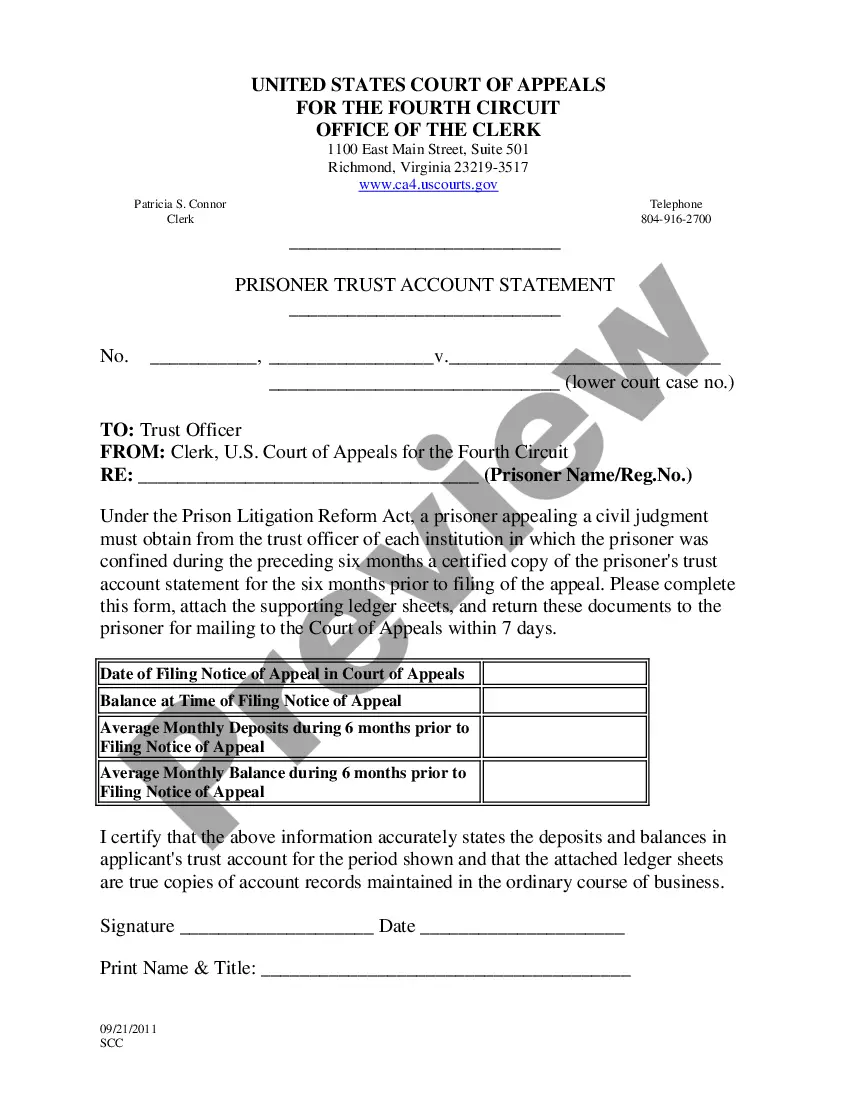
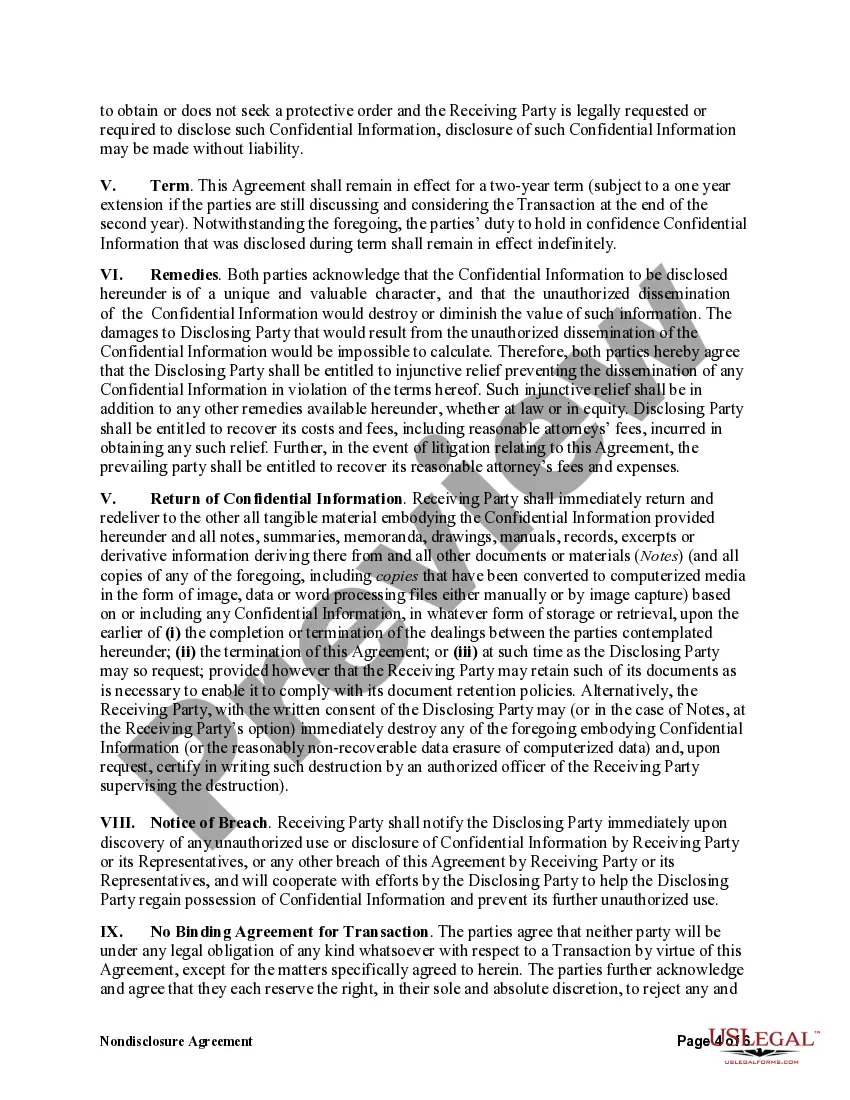
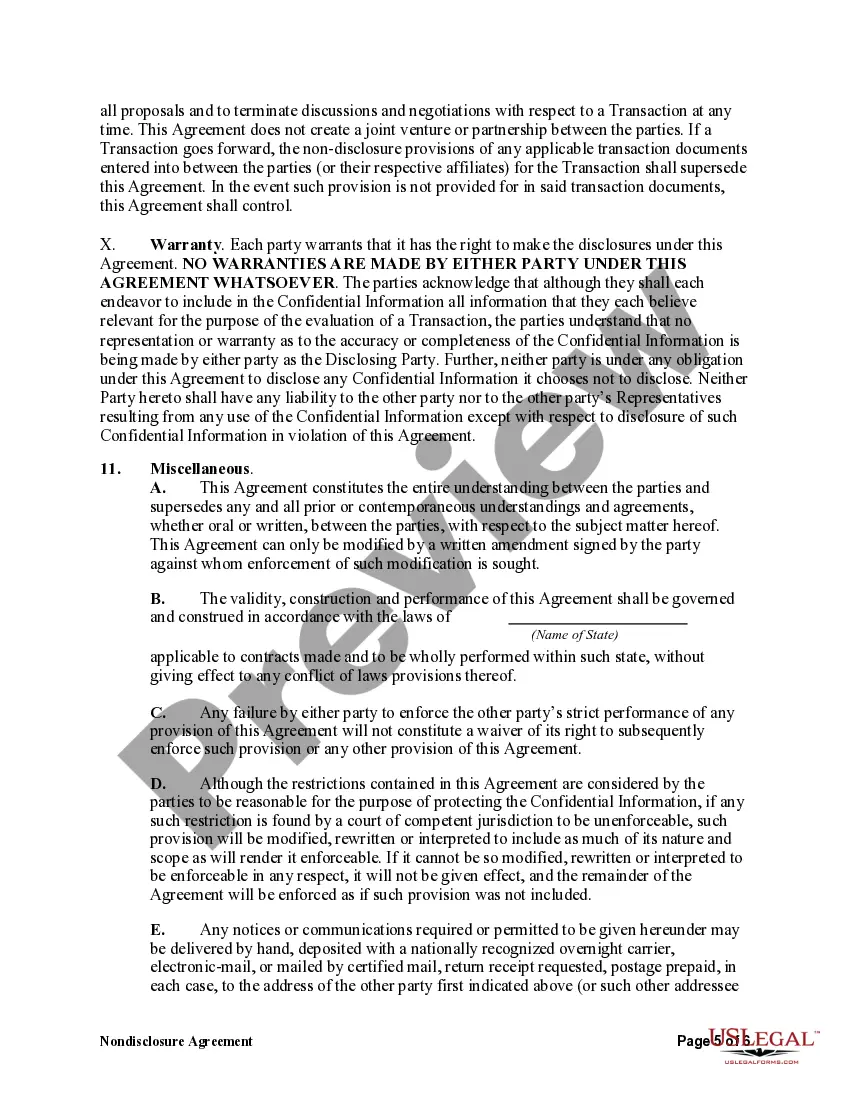
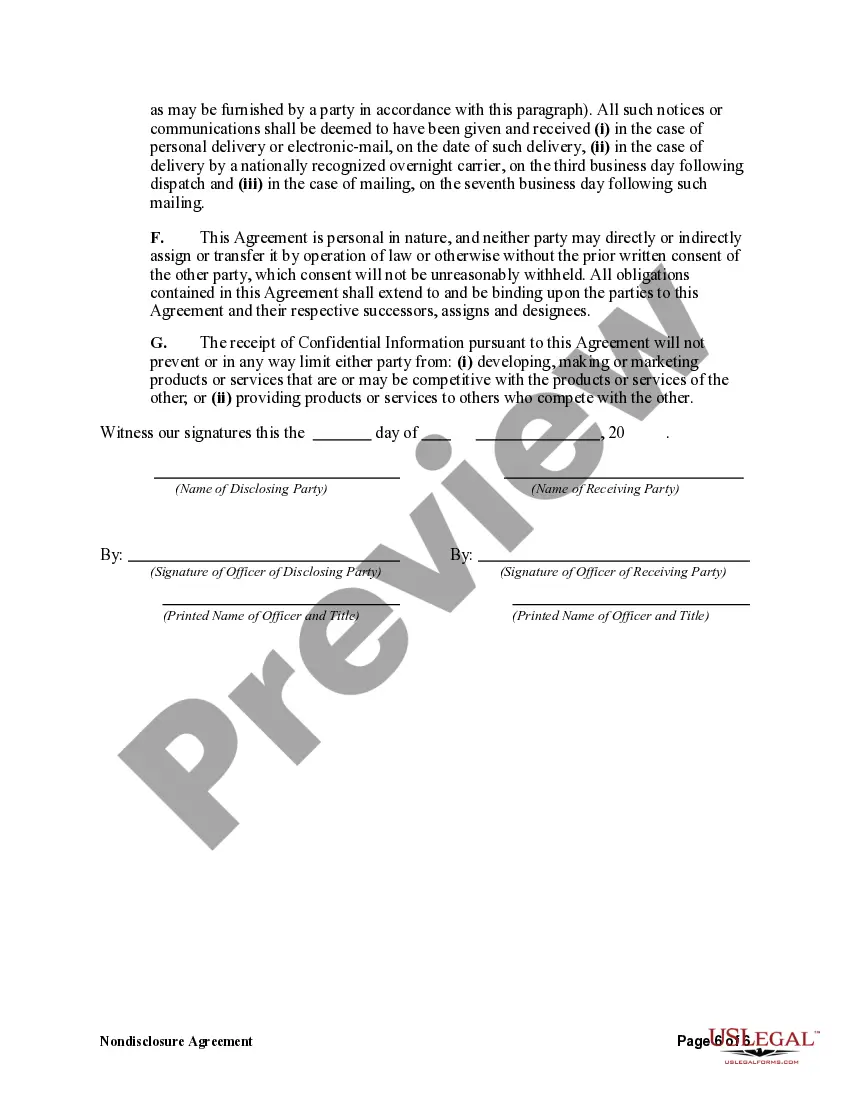
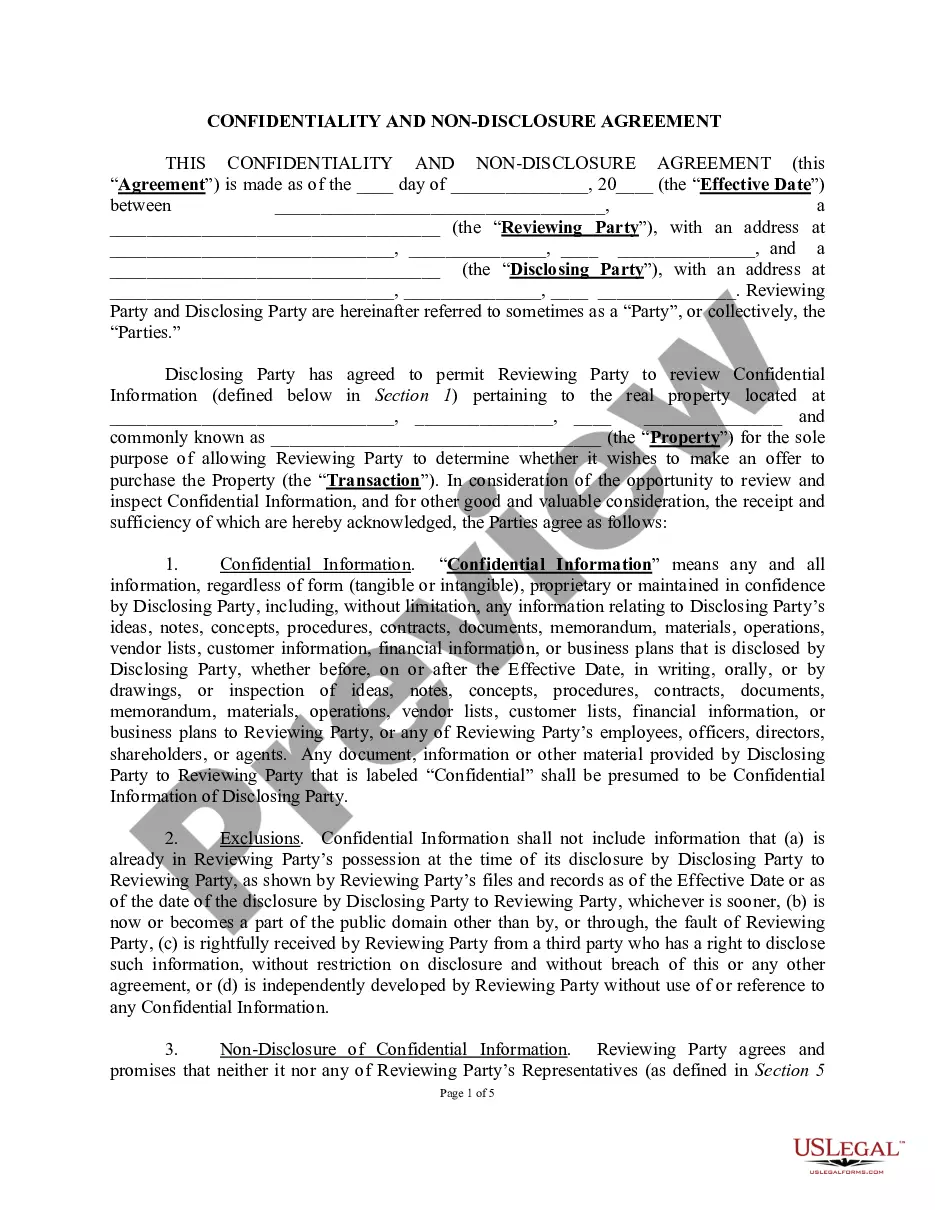
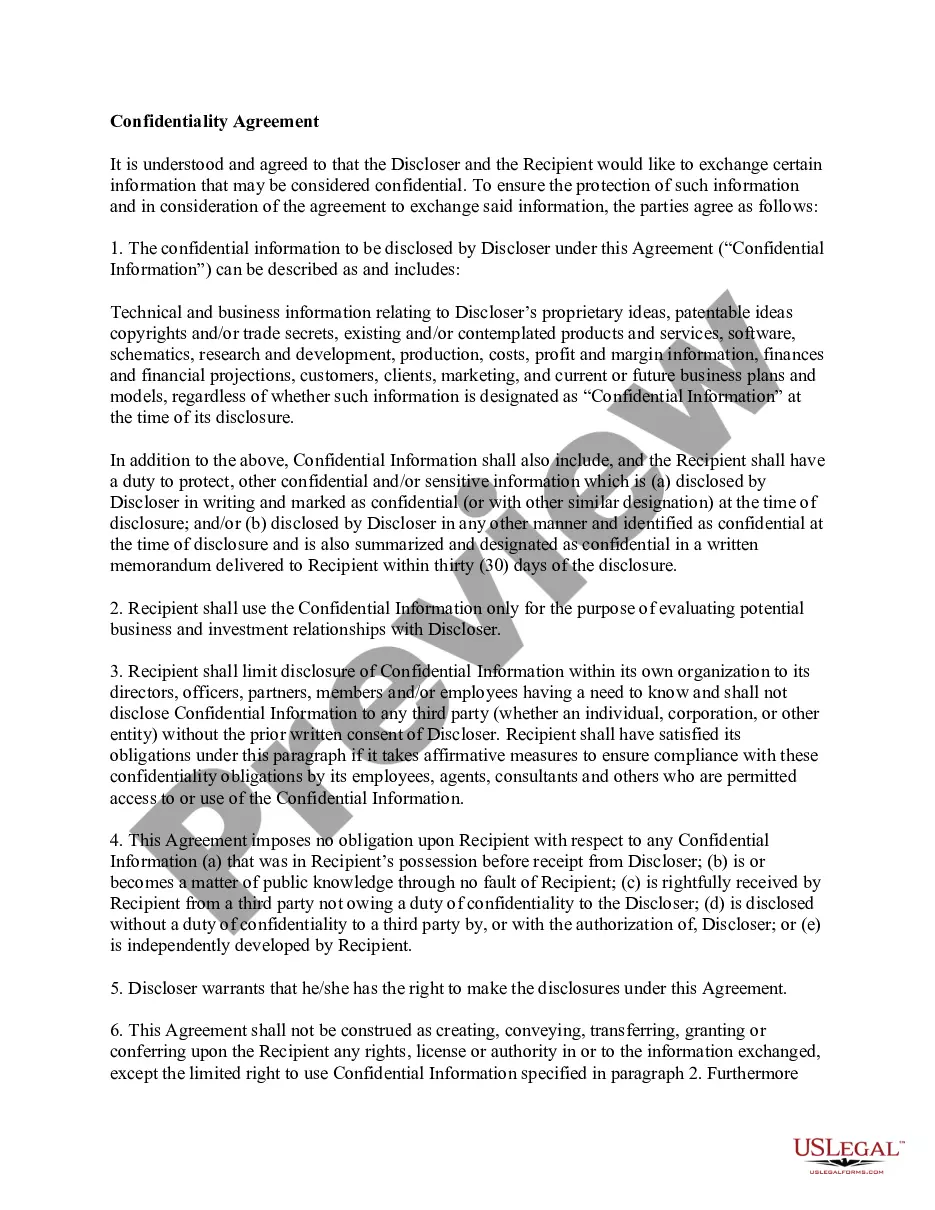
Puerto Rico Nondisclosure Agreement Regarding Purchase of Business
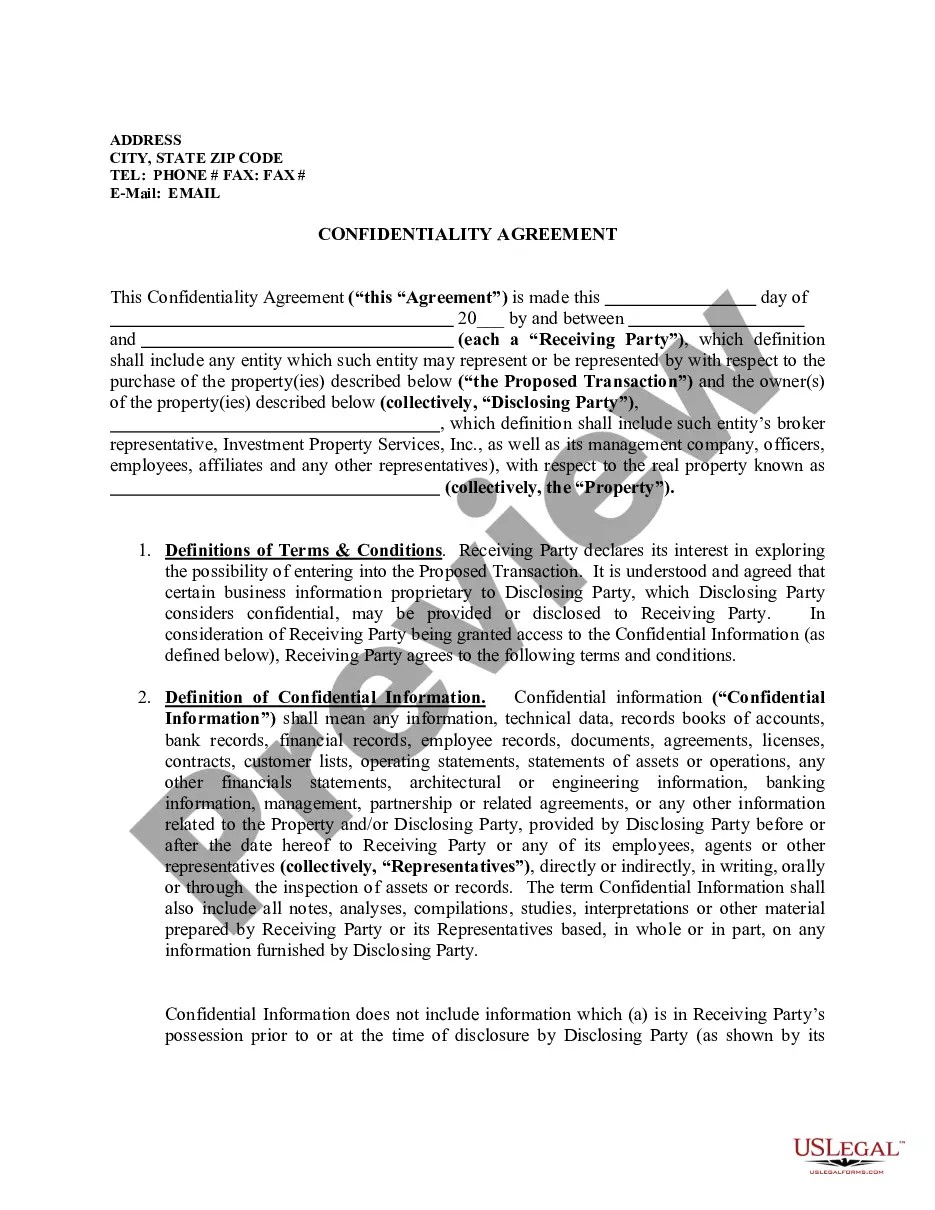
Description

Get your form ready online
Our built-in tools help you complete, sign, share, and store your documents in one place.
Make edits, fill in missing information, and update formatting in US Legal Forms—just like you would in MS Word.
Download a copy, print it, send it by email, or mail it via USPS—whatever works best for your next step.
Sign and collect signatures with our SignNow integration. Send to multiple recipients, set reminders, and more. Go Premium to unlock E-Sign.
If this form requires notarization, complete it online through a secure video call—no need to meet a notary in person or wait for an appointment.
We protect your documents and personal data by following strict security and privacy standards.

Make edits, fill in missing information, and update formatting in US Legal Forms—just like you would in MS Word.

Download a copy, print it, send it by email, or mail it via USPS—whatever works best for your next step.

Sign and collect signatures with our SignNow integration. Send to multiple recipients, set reminders, and more. Go Premium to unlock E-Sign.

If this form requires notarization, complete it online through a secure video call—no need to meet a notary in person or wait for an appointment.

We protect your documents and personal data by following strict security and privacy standards.
Looking for another form?
How to fill out Nondisclosure Agreement Regarding Purchase Of Business?
Are you currently in a situation where you need documents for either business or personal purposes almost every day.
There are numerous legal document templates available online, but finding versions you can rely on isn't simple.
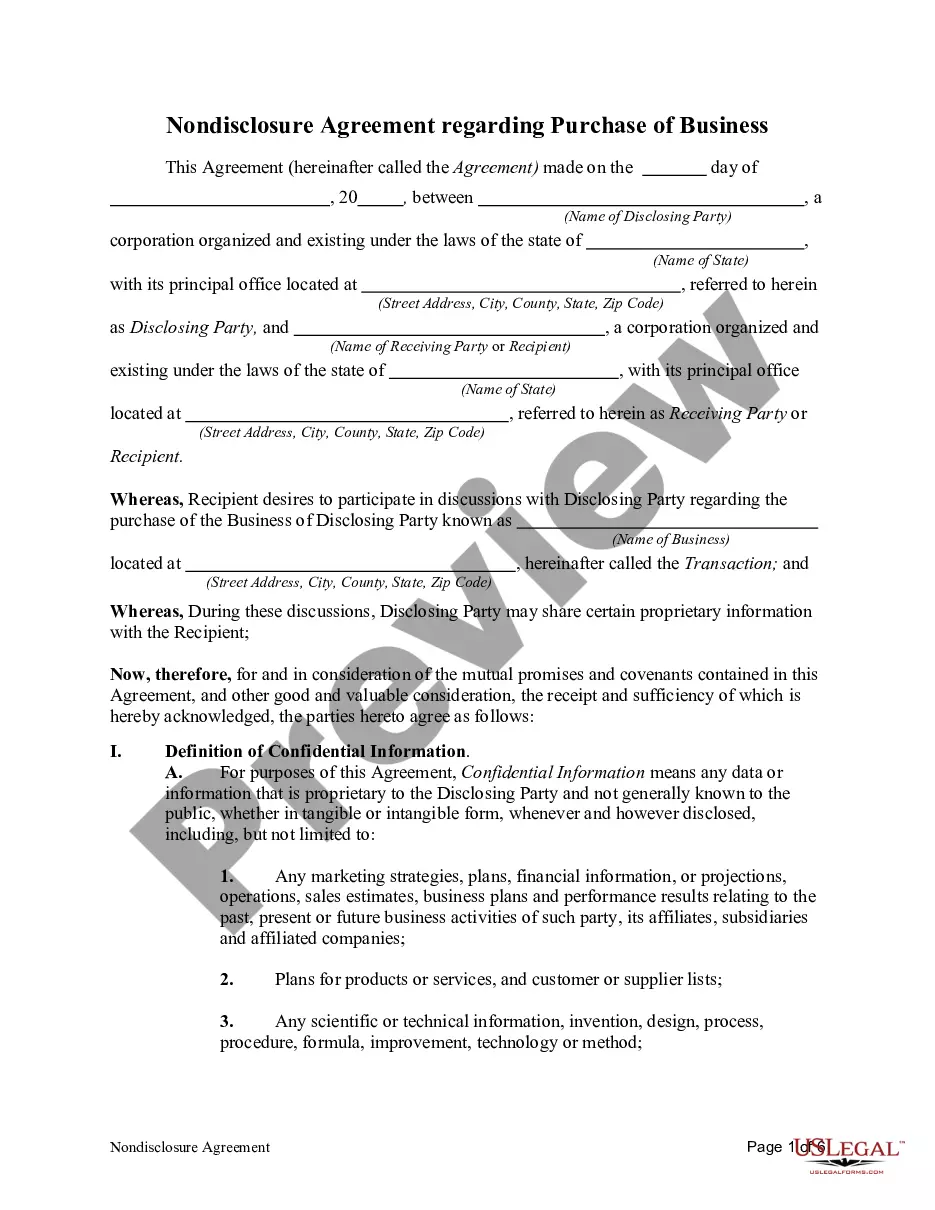
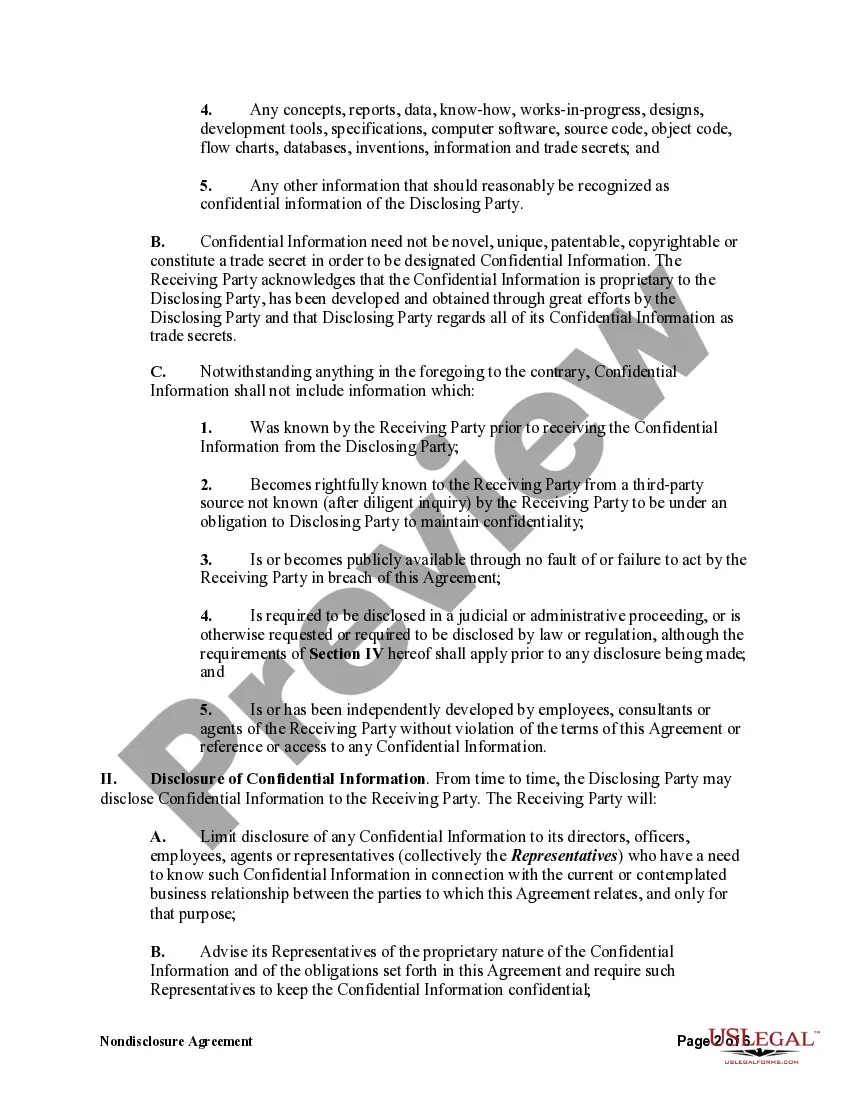
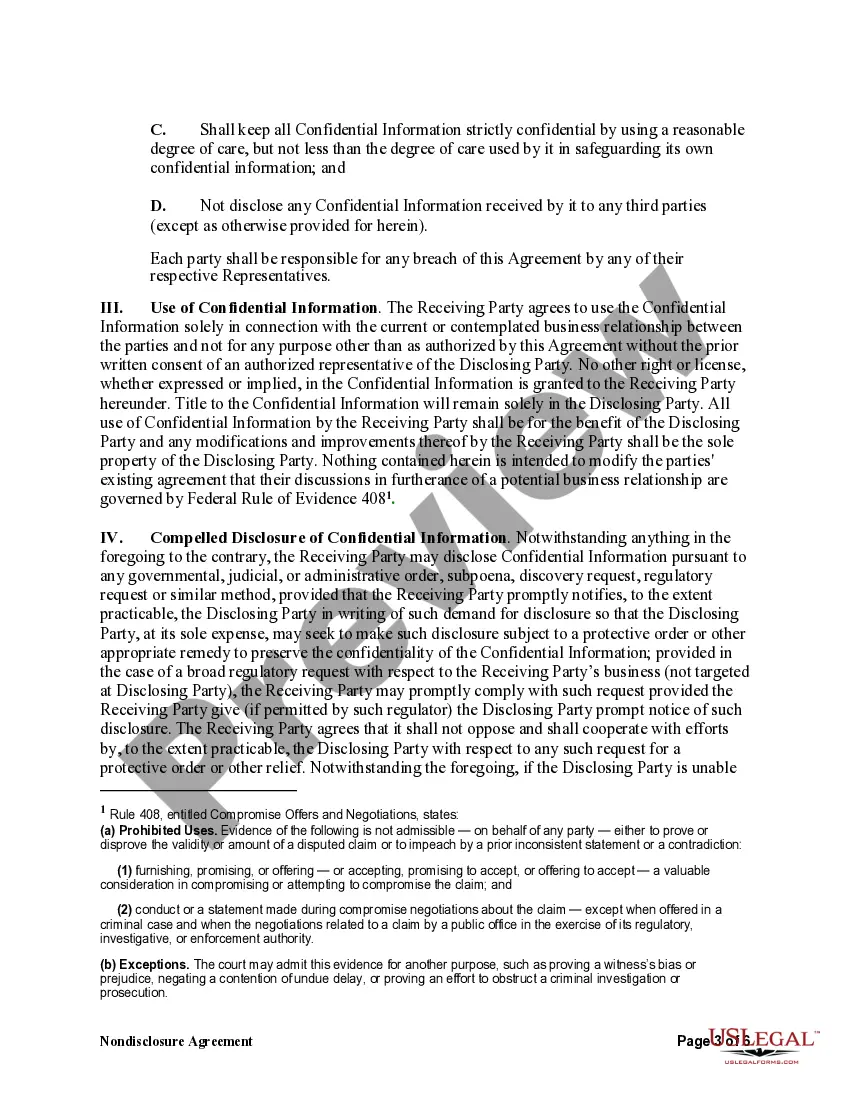
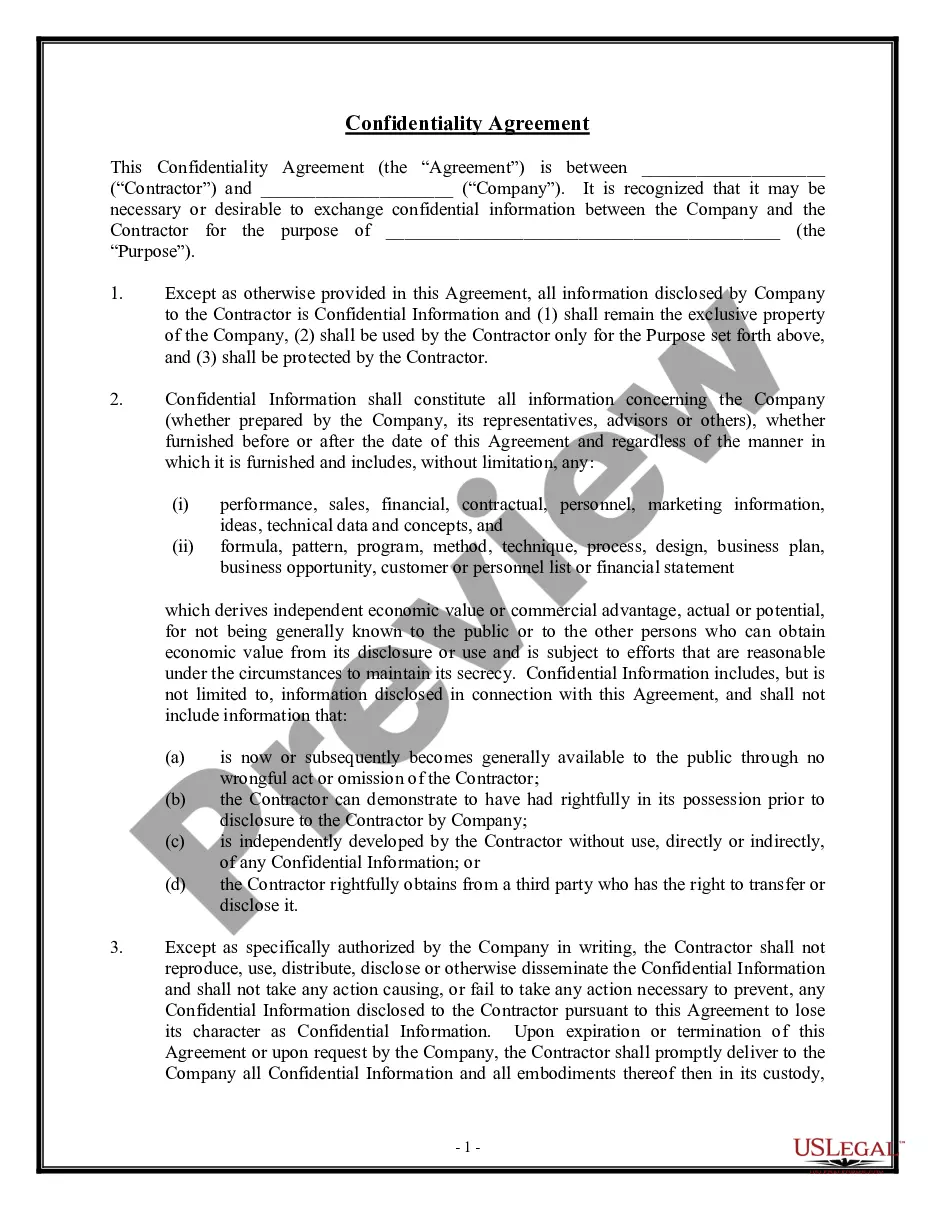
US Legal Forms provides thousands of form templates, such as the Puerto Rico Nondisclosure Agreement Regarding Purchase of Business, that are designed to meet state and federal requirements.
Once you find the suitable form, click on Purchase now.
Choose the pricing plan you prefer, provide the necessary details to create your account, and complete the transaction using your PayPal or credit card.
- If you are already familiar with the US Legal Forms website and have an account, simply Log In.
- After that, you can download the Puerto Rico Nondisclosure Agreement Regarding Purchase of Business template.
- If you do not have an account and wish to start using US Legal Forms, follow these steps.
- Find the form you need and ensure it is for the correct city/state.
- Use the Preview option to review the form.
- Check the description to make sure you have selected the correct form.
- If the form is not what you are looking for, use the Search field to locate the form that meets your requirements.
Form popularity
FAQ
The key elements of Non-Disclosure Agreements:Identification of the parties.Definition of what is deemed to be confidential.The scope of the confidentiality obligation by the receiving party.The exclusions from confidential treatment.The term of the agreement.
How to terminate the NDARead the Duration clauses. Good NDAs will have two different terms of duration.Read the termination clause. Like any other relationship, business partnerships can come to an early end unexpectedly.Read the Return of Information clause.31-Aug-2021
What's the purpose of an NDA? The purpose of an NDA is to protect the information one or more parties may exchange. As long as all parties involved sign it, an NDA is a legally binding agreement that prohibits the sharing of sensitive or confidential information with external parties.
Violating an NDA leaves you open to lawsuits from your employer, and you could be required to pay financial damages and possibly associated legal costs. It's illegal to reveal trade secrets or sensitive company information to a competitor.
A nondisclosure agreement (NDA) helps a business protect its trade secrets, among other confidential information. Businesses often maintain valuable and confidential information. This information might include a sales plan, a list of customers, a manufacturing process, or a formula for a soft drink.
Protection from disclosure of intellectual property (including trade secrets, proprietary information, and other confidential information) More legal protections and options if another party does infringe on a patent or otherwise use protected information.
To create a legally-binding non-disclosure contract, you must use specific language when defining confidential information, parties, and scope. Broad language that can be interpreted many ways may not hold up in a legal dispute.
Violating an NDA can have serious consequences NDAs are legally binding contracts. If an employee has violated an NDA, then the company may take legal action. The most common claims in NDA lawsuits include: Breach of the contract (such as the breach of NDA)
The purpose of a Non-Disclosure Agreement An NDA creates the legal framework to protect ideas and information from being stolen or shared with competitors or third parties. Breaking an NDA agreement triggers a host of legal ramifications, including lawsuits, financial penalties, and even criminal charges.
The primary use of NDAs is allowing businesses to maintain a competitive advantage in their industry. NDA can prevent proprietary information, such as design models, marketing strategies and customer lists, from being used by former employees, business partners, or competitors.