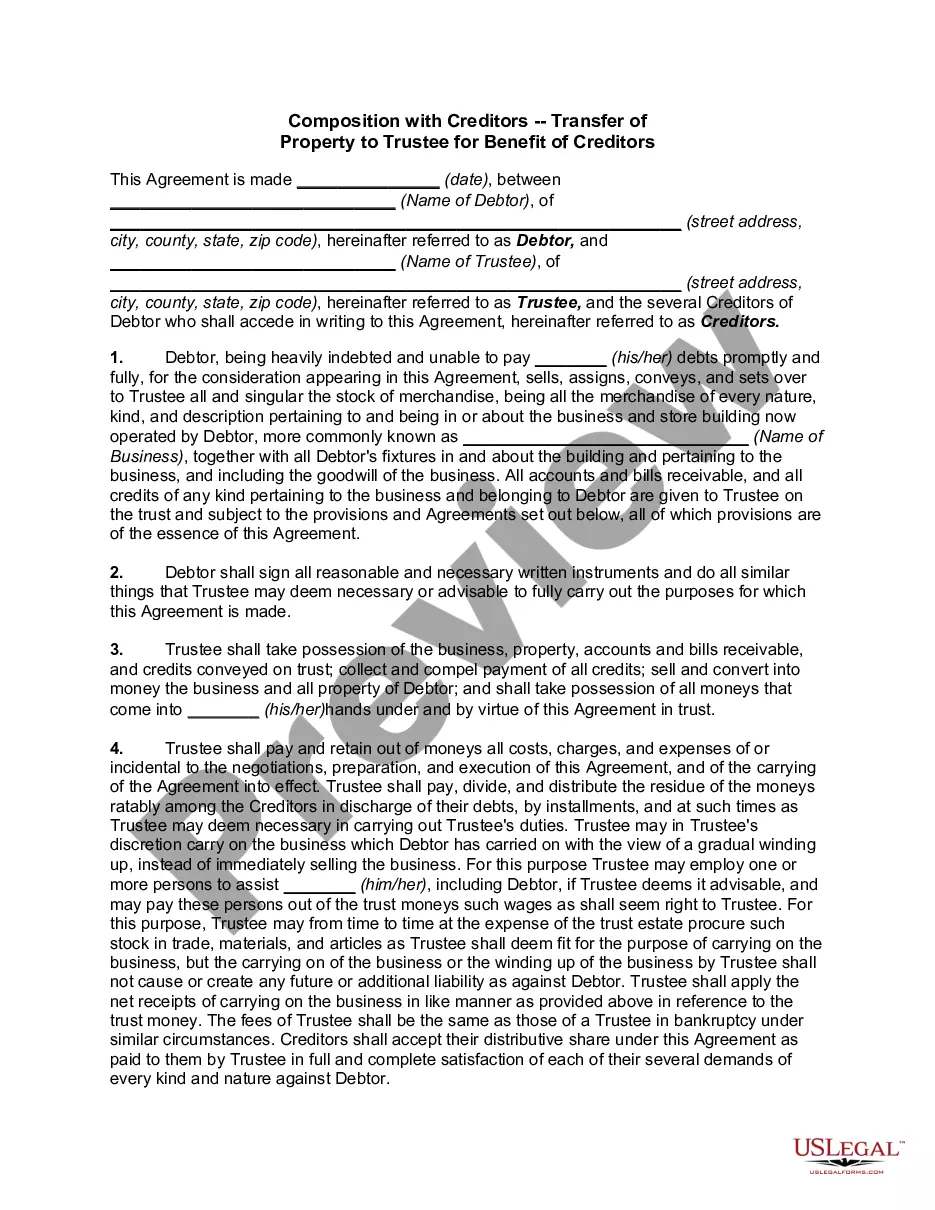
Rhode Island Accounts Receivable - Contract to Sale
Description

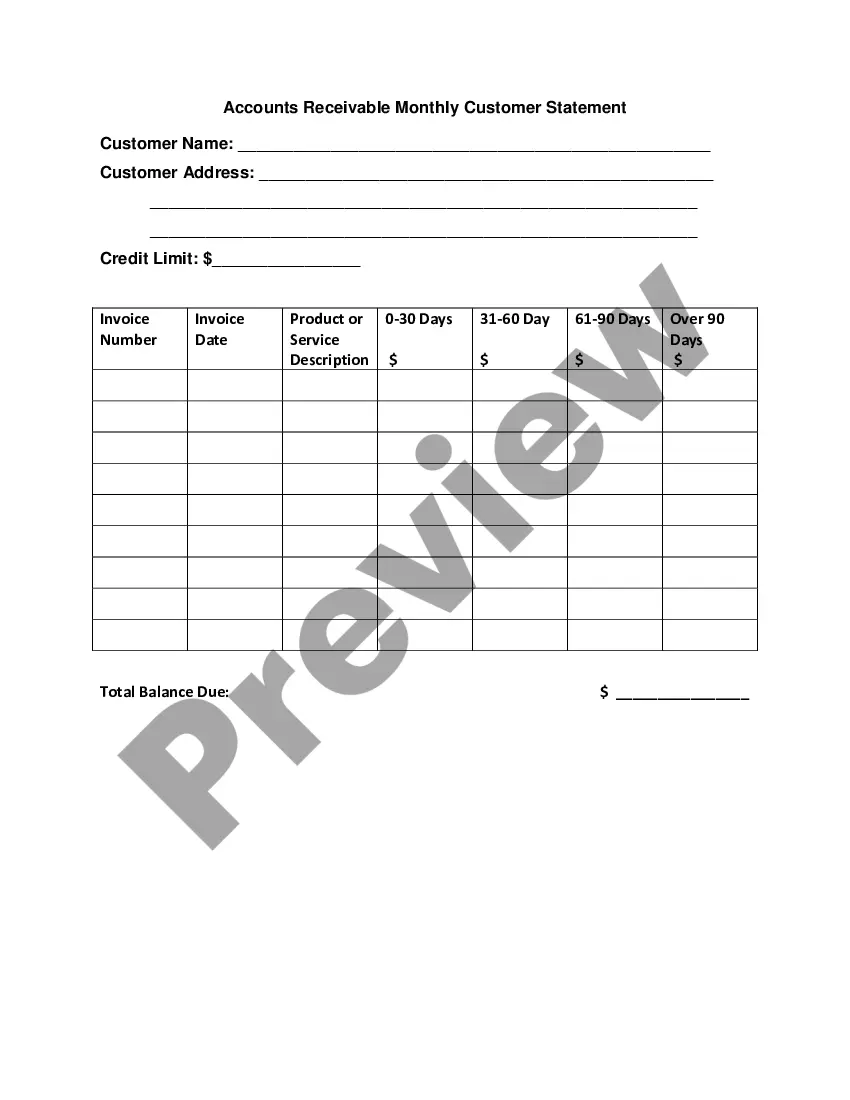

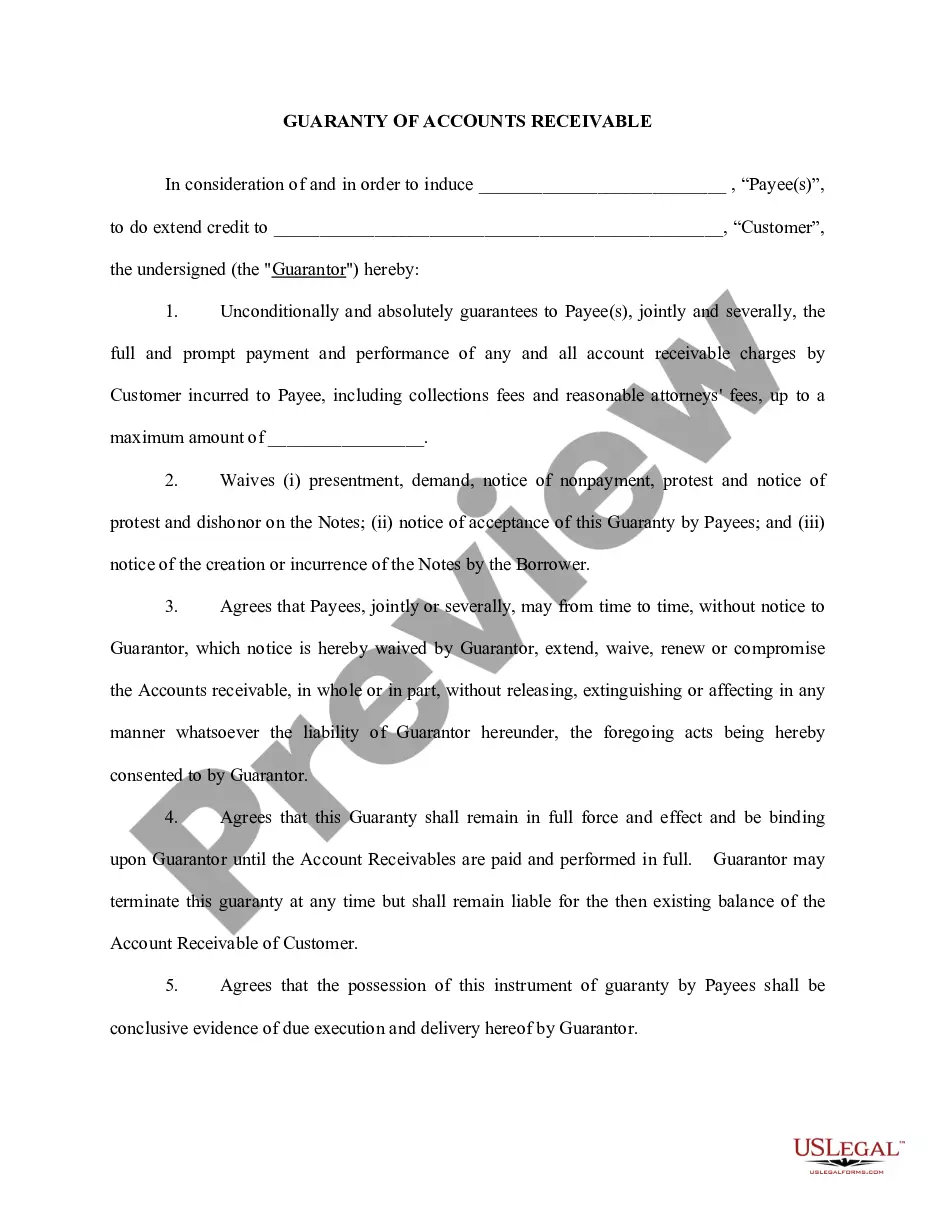
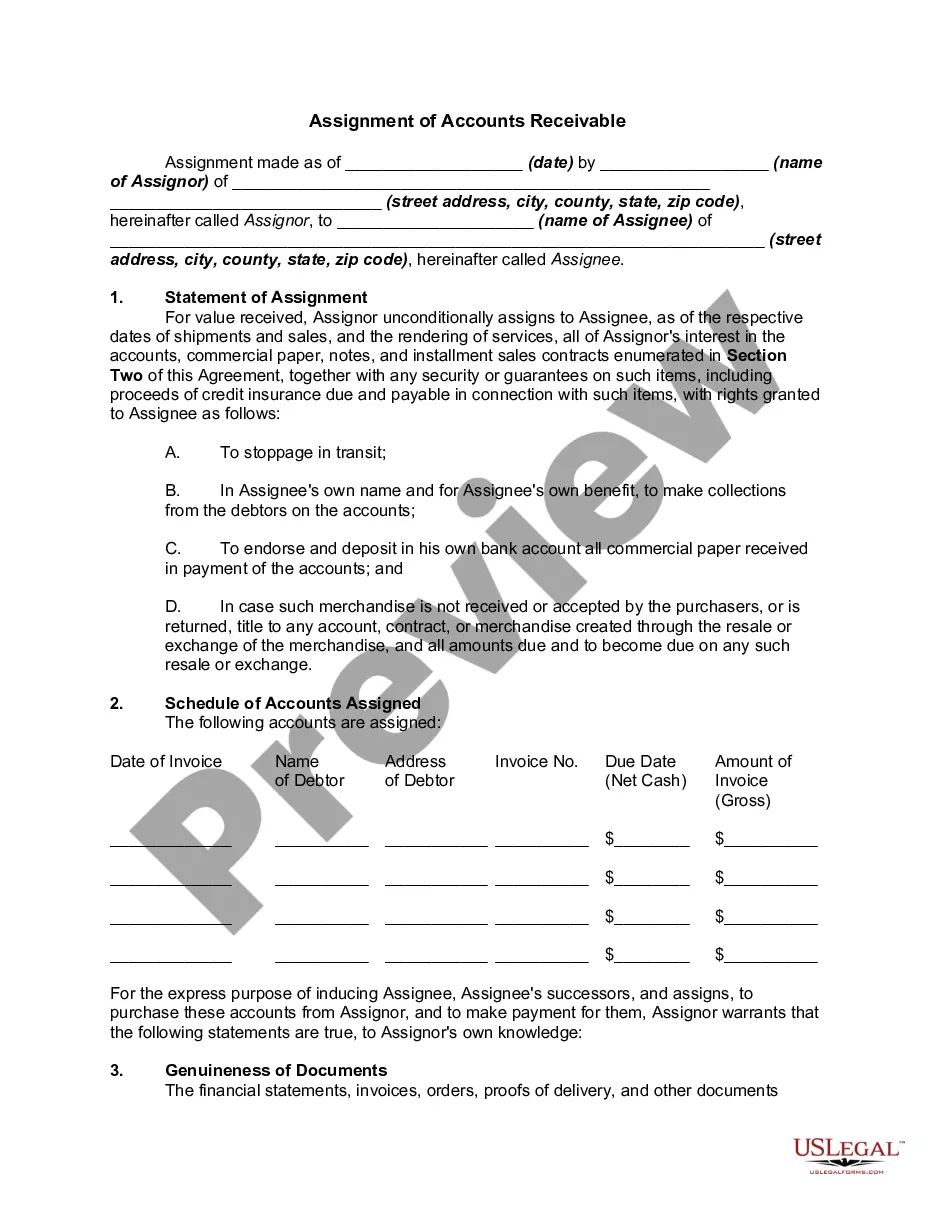
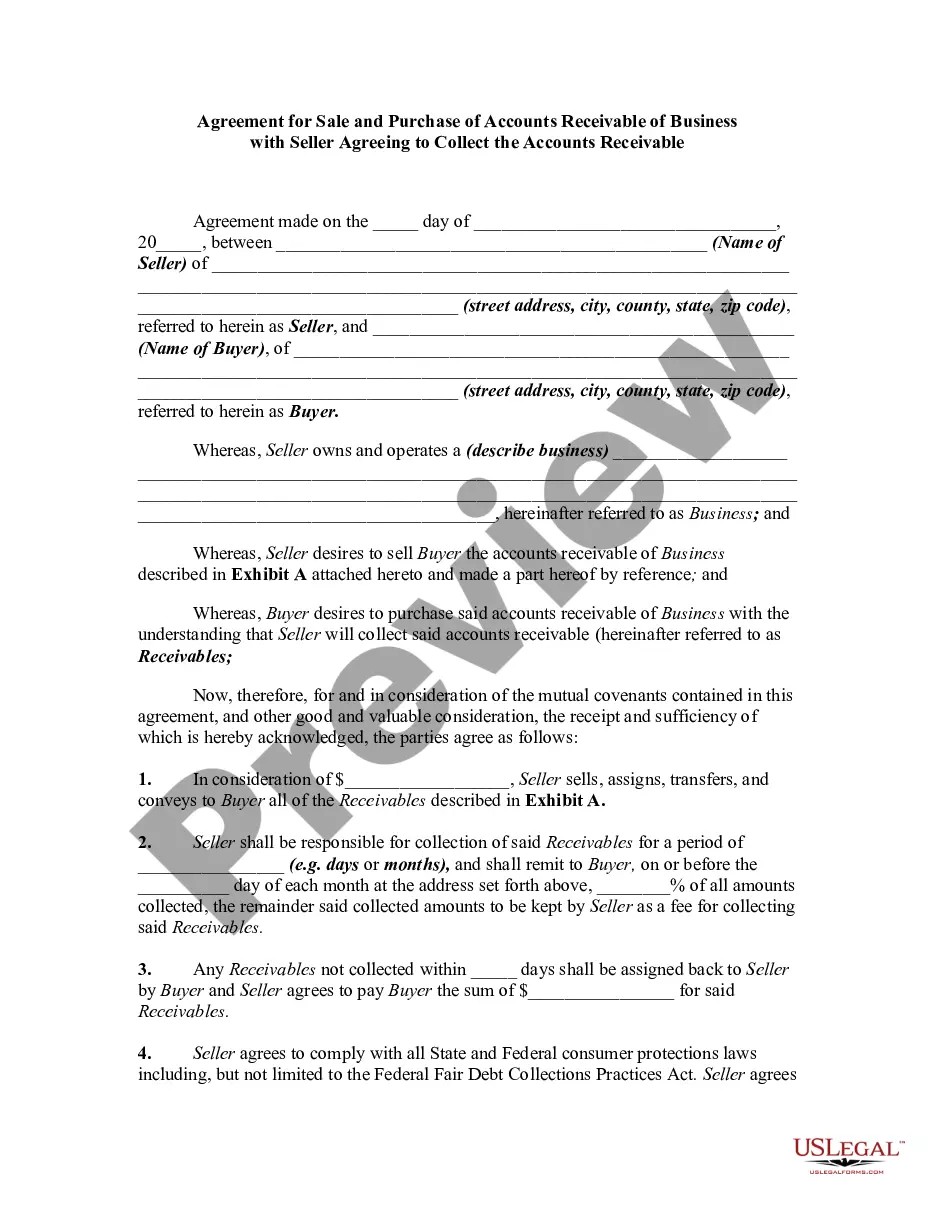

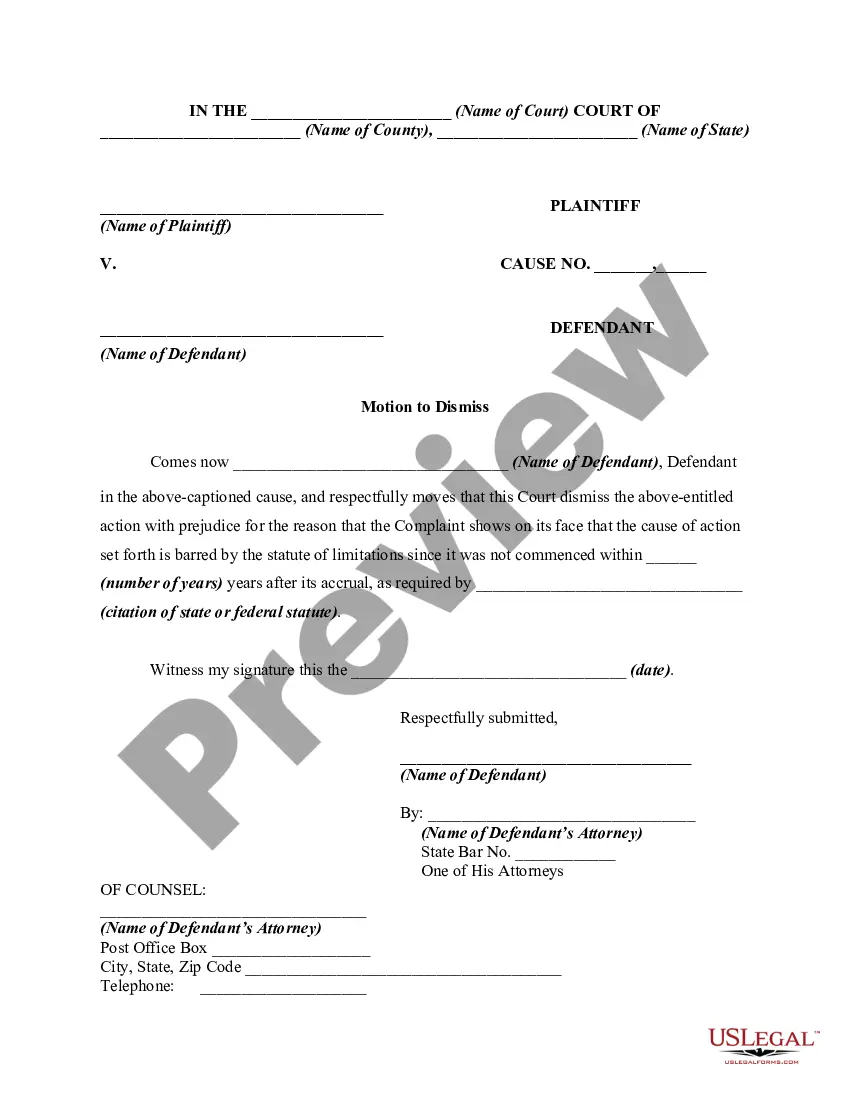
How to fill out Accounts Receivable - Contract To Sale?
Are you presently in a circumstance where you will require documents for occasional organizational or personal purposes virtually every day.
There are numerous authentic document templates available online, but finding ones you can rely on is challenging.
US Legal Forms provides a wide array of form templates, such as the Rhode Island Accounts Receivable - Contract to Sale, which are designed to comply with federal and state regulations.
Once you obtain the correct form, click on Buy now.
Choose the pricing plan you prefer, fill in the necessary information to create your account, and purchase the order using your PayPal or credit card.
- If you are currently familiar with the US Legal Forms website and have an account, simply Log In.
- Then, you will be able to download the Rhode Island Accounts Receivable - Contract to Sale template.
- If you do not have an account and wish to start using US Legal Forms, follow these steps.
- Find the form you need and ensure it is for the correct city/area.
- Utilize the Preview button to examine the form.
- Read the description to ensure you have selected the correct form.
- If the form is not what you’re looking for, use the Search field to find the form that suits your requirements.
Form popularity
FAQ
In Rhode Island, items that qualify for no tax generally include food products, certain educational materials, and selected health care items. Understanding what qualifies can be beneficial when managing your accounts receivable. If your business involves Rhode Island Accounts Receivable - Contract to Sale, being aware of these no-tax items can enhance your financial strategy. UsLegalForms can guide you in classifying your items appropriately.
Avoiding capital gains in Rhode Island often involves strategic planning and timing of your property sales. You may utilize methods such as 1031 exchanges, which allow you to defer taxes by reinvesting proceeds into a similar property. For anyone engaged in Rhode Island Accounts Receivable - Contract to Sale, proper planning can lead to significant tax savings. UsLegalForms provides resources to assist you in making informed decisions.
Rhode Island exempts several items from sales tax, including food, certain medical supplies, and specific types of clothing. These exemptions can significantly impact businesses and consumers alike. If you deal with Rhode Island Accounts Receivable - Contract to Sale, understanding these exemptions can simplify your financial planning. Consider using UsLegalForms to ensure compliance and maximize your savings.
In Rhode Island, the statute of limitations for breach of contract is typically 10 years. This means that if one party fails to fulfill their contractual obligations, the affected party has 10 years to file a lawsuit. Understanding this timeframe is crucial for managing Rhode Island accounts receivable tied to contracts, as it helps ensure that you take action within the legal limits. For assistance with contract creation and management, consider using USLegalForms.
In Rhode Island, a bill of sale does not require notarization to be legally valid. However, having it notarized can add an extra layer of security and authenticity to the document, which may be useful in certain situations. This can be particularly important when dealing with Rhode Island accounts receivable in a contract to sale, as it ensures that all parties are protected. You can easily create a notarized bill of sale using resources available on USLegalForms.
In Rhode Island, a bill of sale is not strictly required for every transaction. However, it is highly recommended when transferring ownership of personal property, especially vehicles. A bill of sale provides clear documentation of the sale, which can be beneficial for both the seller and the buyer, particularly in disputes. Utilizing a bill of sale can simplify the process of managing Rhode Island accounts receivable related to contracts of sale.
Did it make you wonder why a company would sell its receivables to another company? The answer is quite simple, to quickly and easily increase their working capital. The process is called factoring or accounts receivable financing and is an excellent alternative to traditional bank financing.
Can accounts receivable be sold? Yes, accounts receivable can be sold through a process called factoring, which is a type of receivable financing where a company sells its outstanding invoices to a factor at a discount in exchange for immediate cash.
You determine which invoices you want to sell to a factoring company, then apply for factoring services. Your factoring company will evaluate your customers and accounts receivables, deciding if they will purchase the invoices. The factoring company then buys your invoices, giving you a percentage upfront.
Where: Accounts Receivable ? refers to sales that have occurred on credit, meaning that the company has not yet collected the cash proceeds from these sales.