Rhode Island Defined-Benefit Pension Plan and Trust Agreement
Description
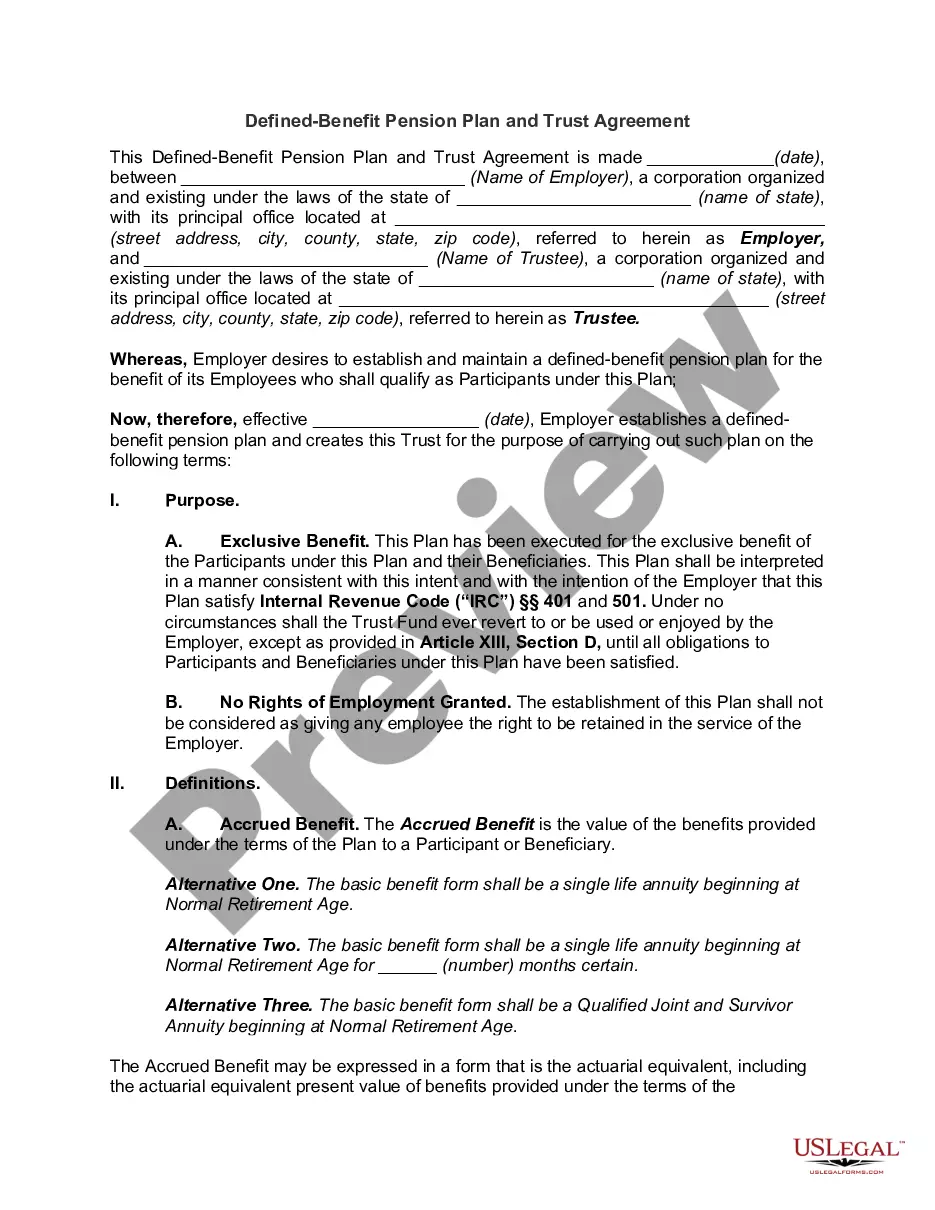
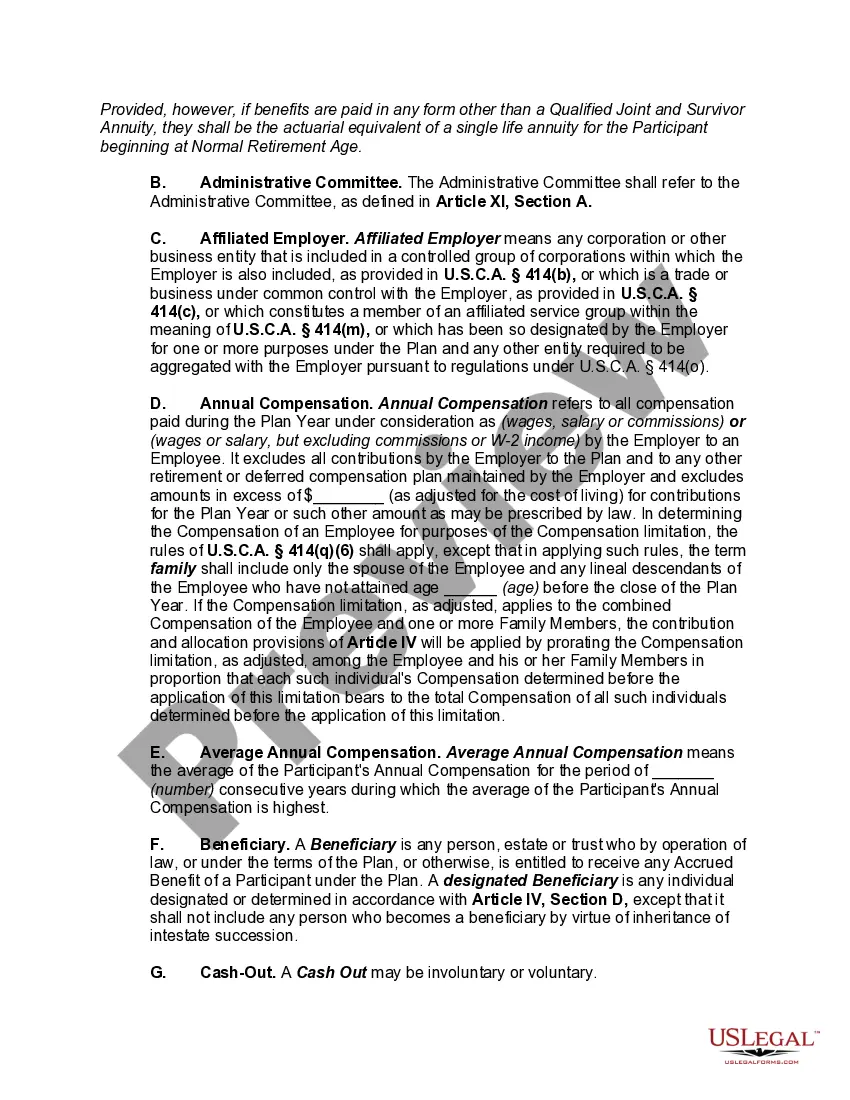
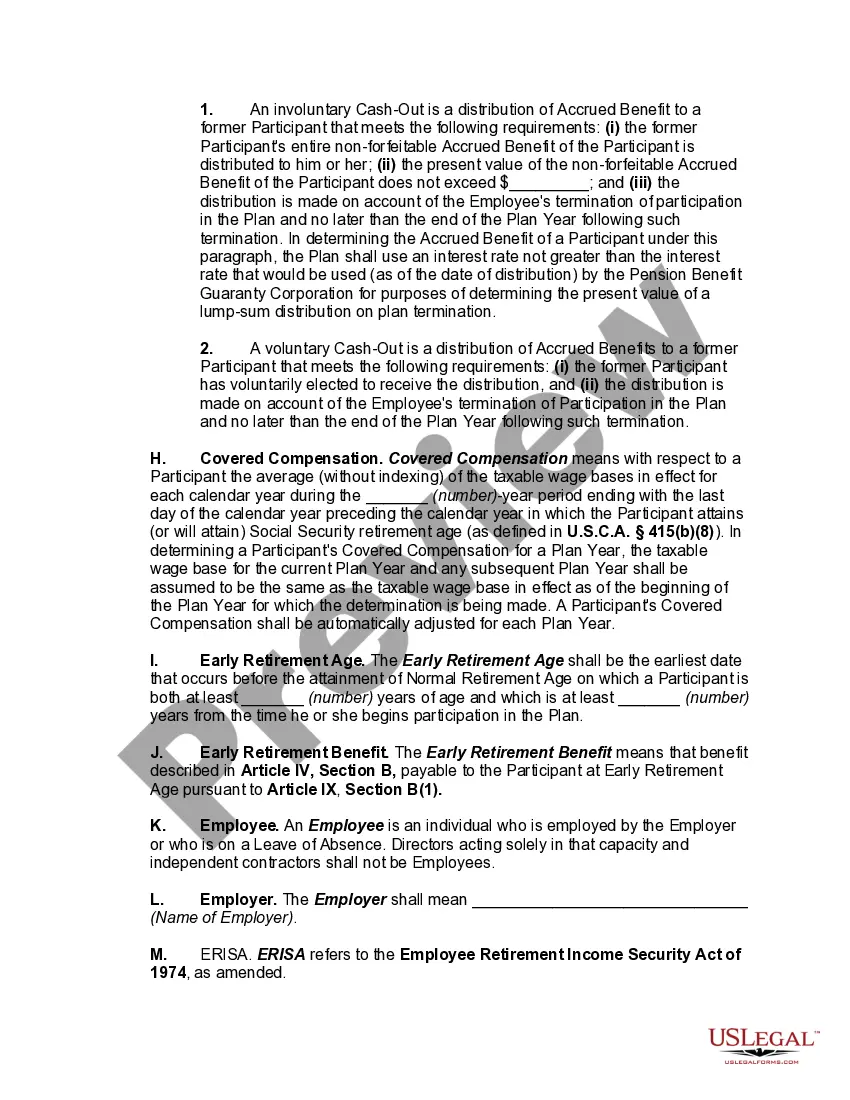
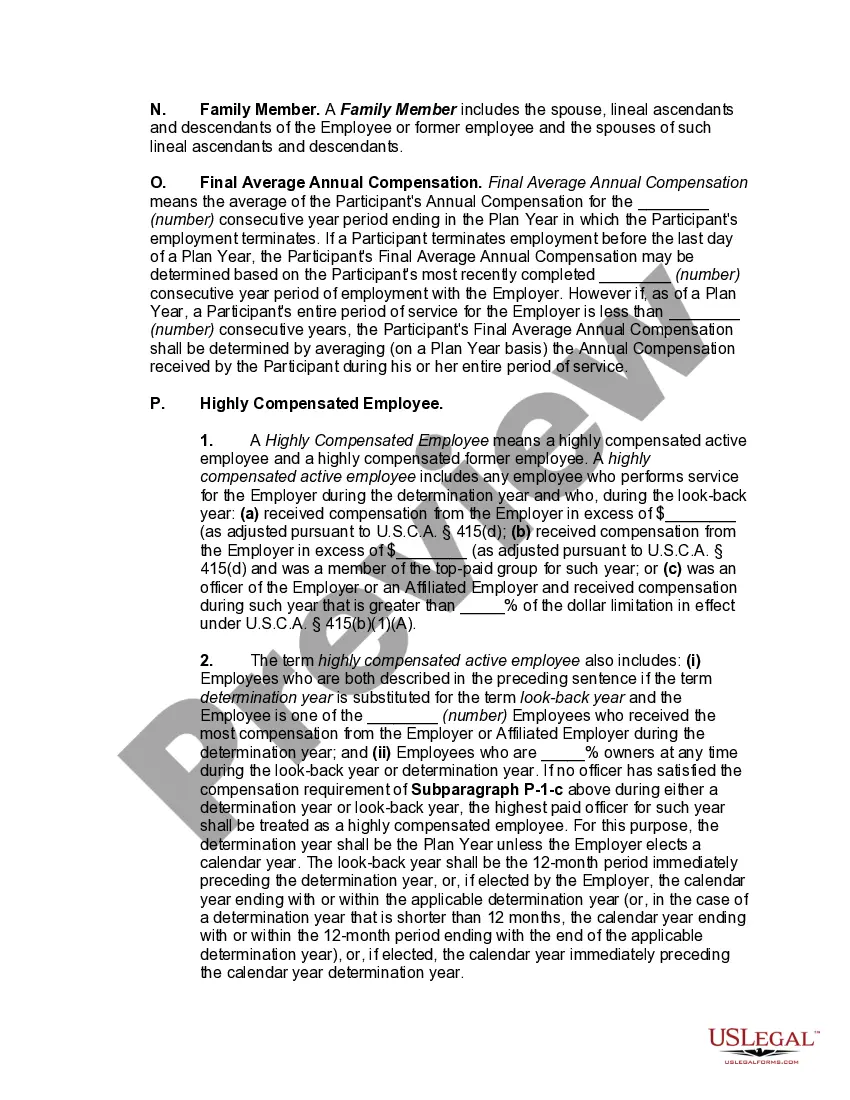
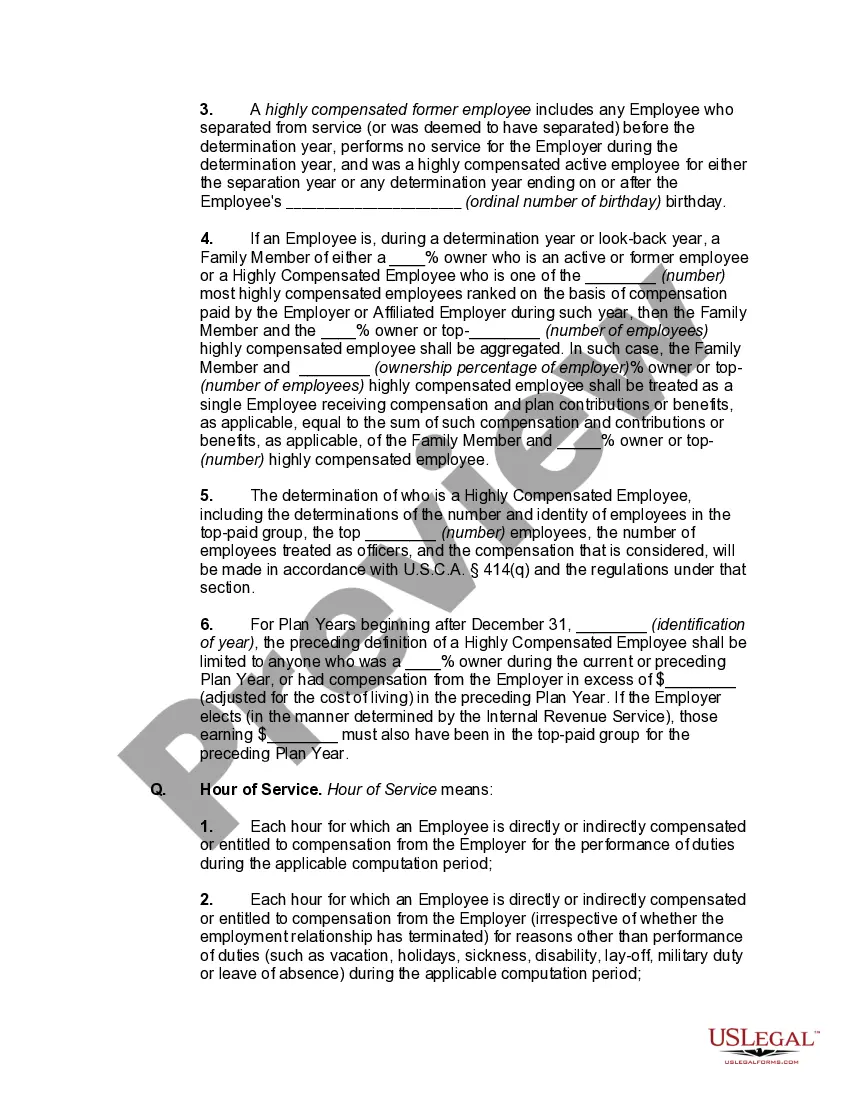
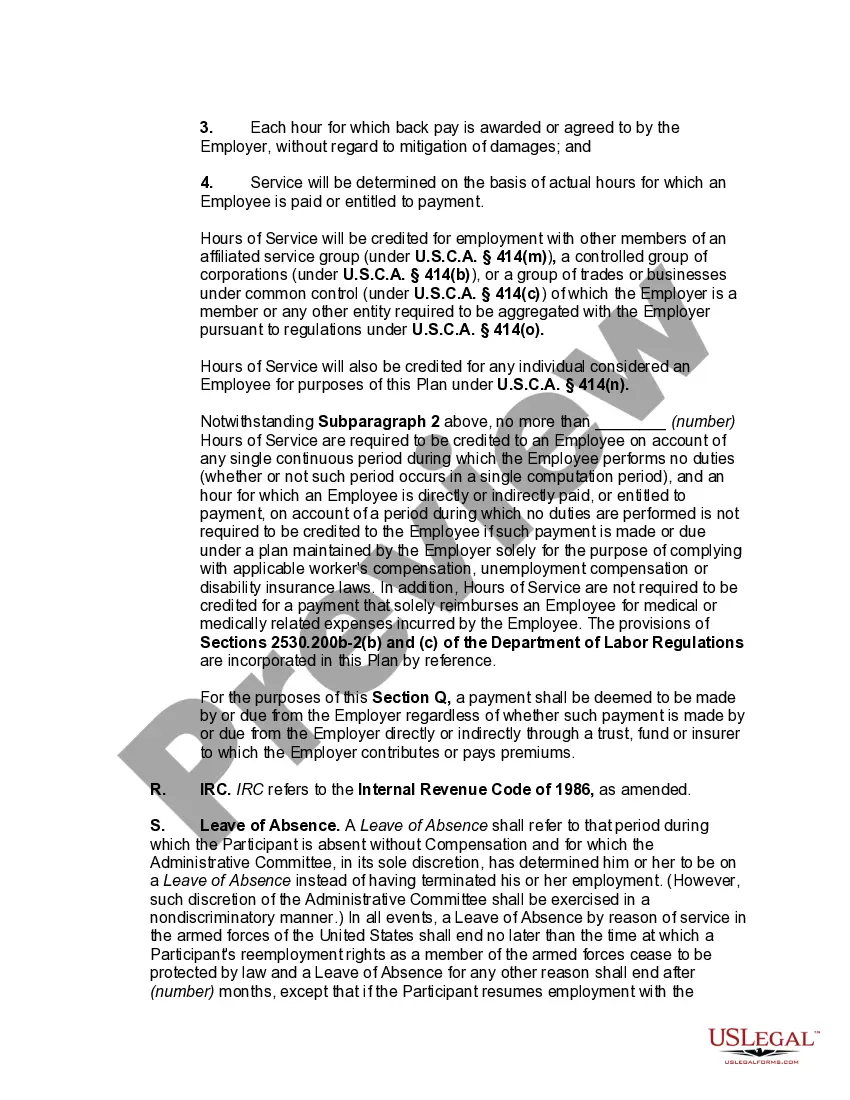
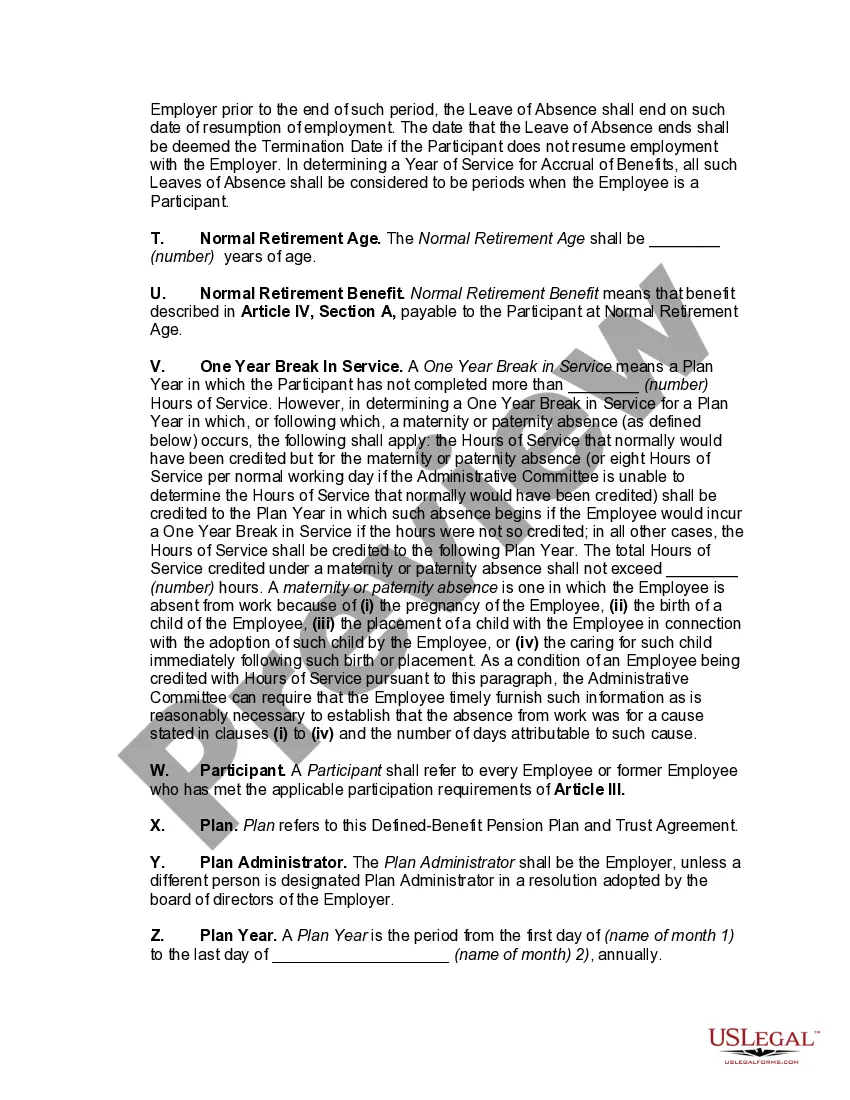
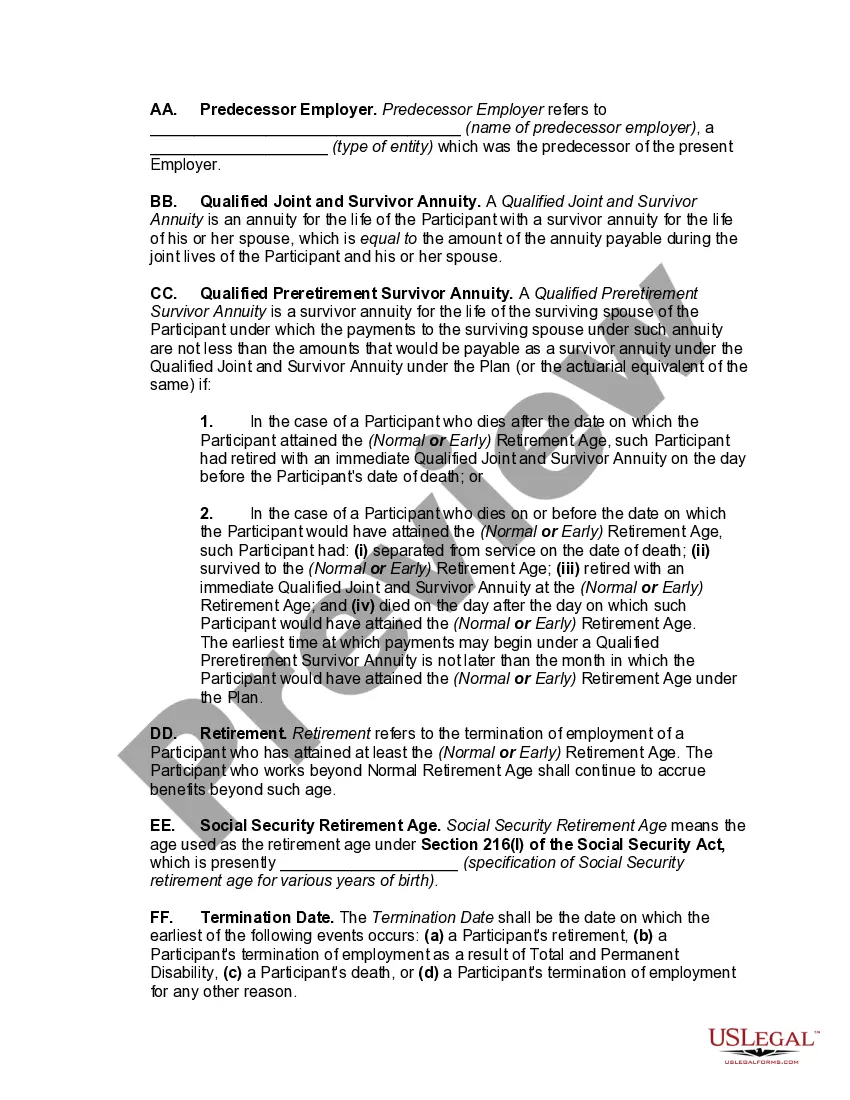
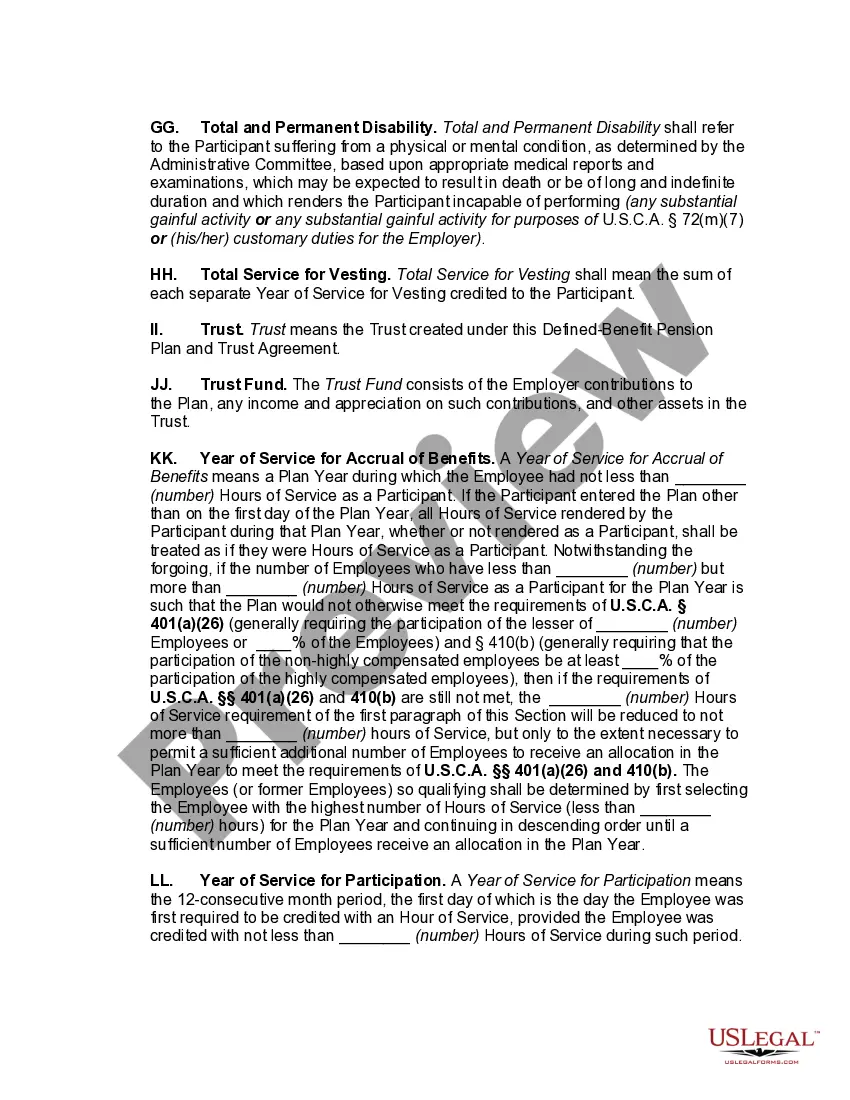
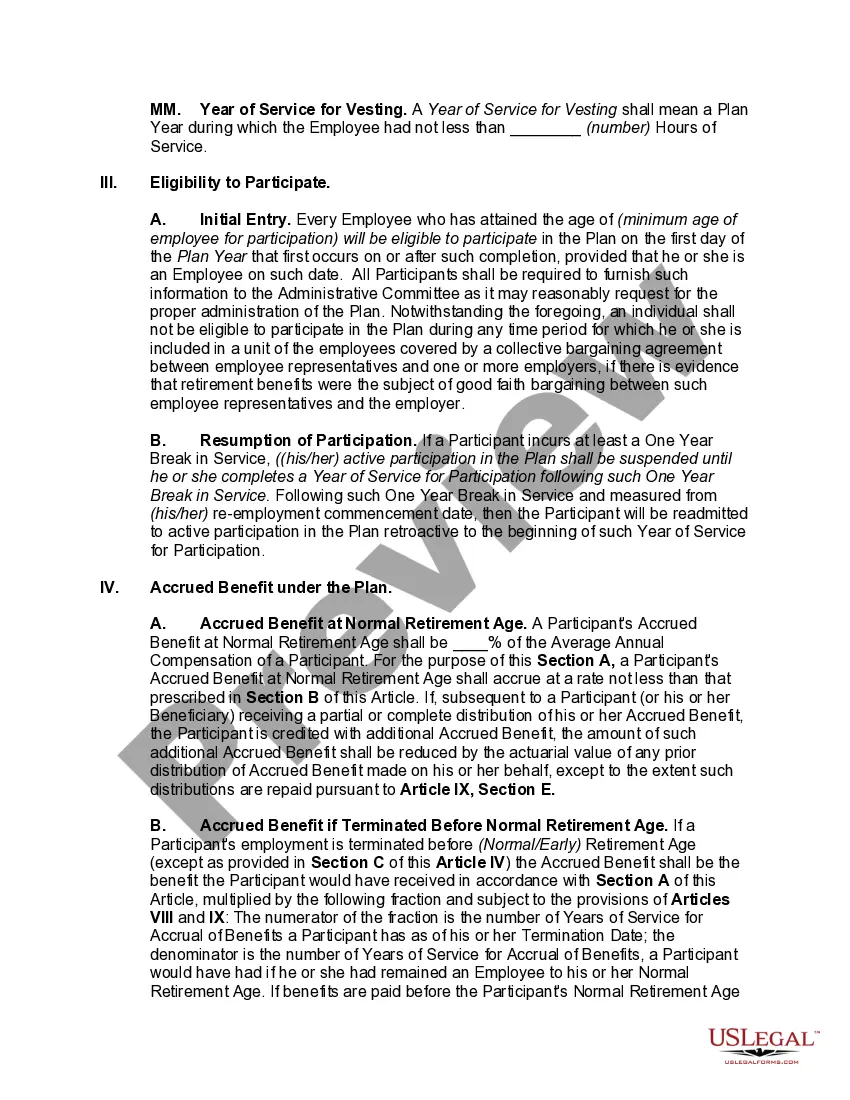

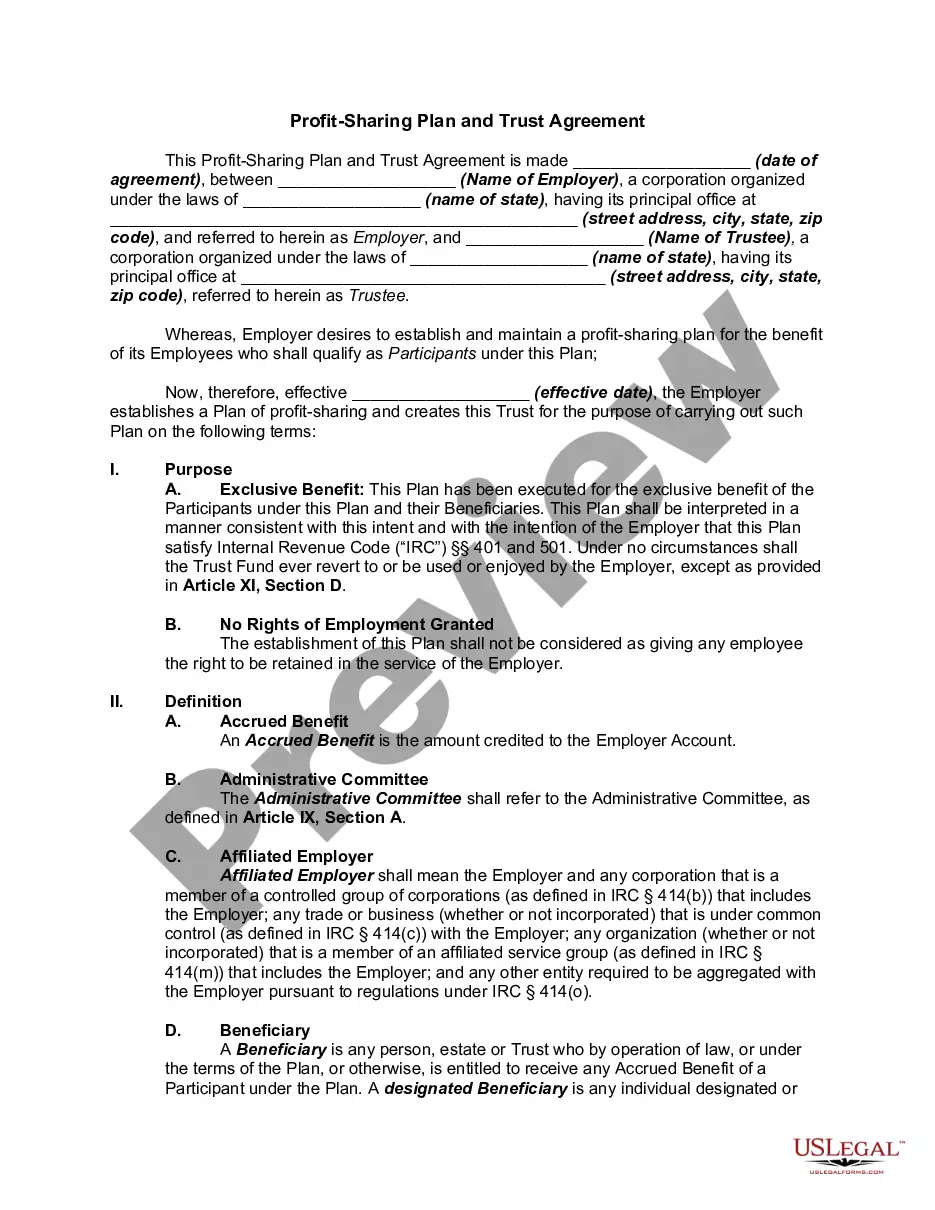
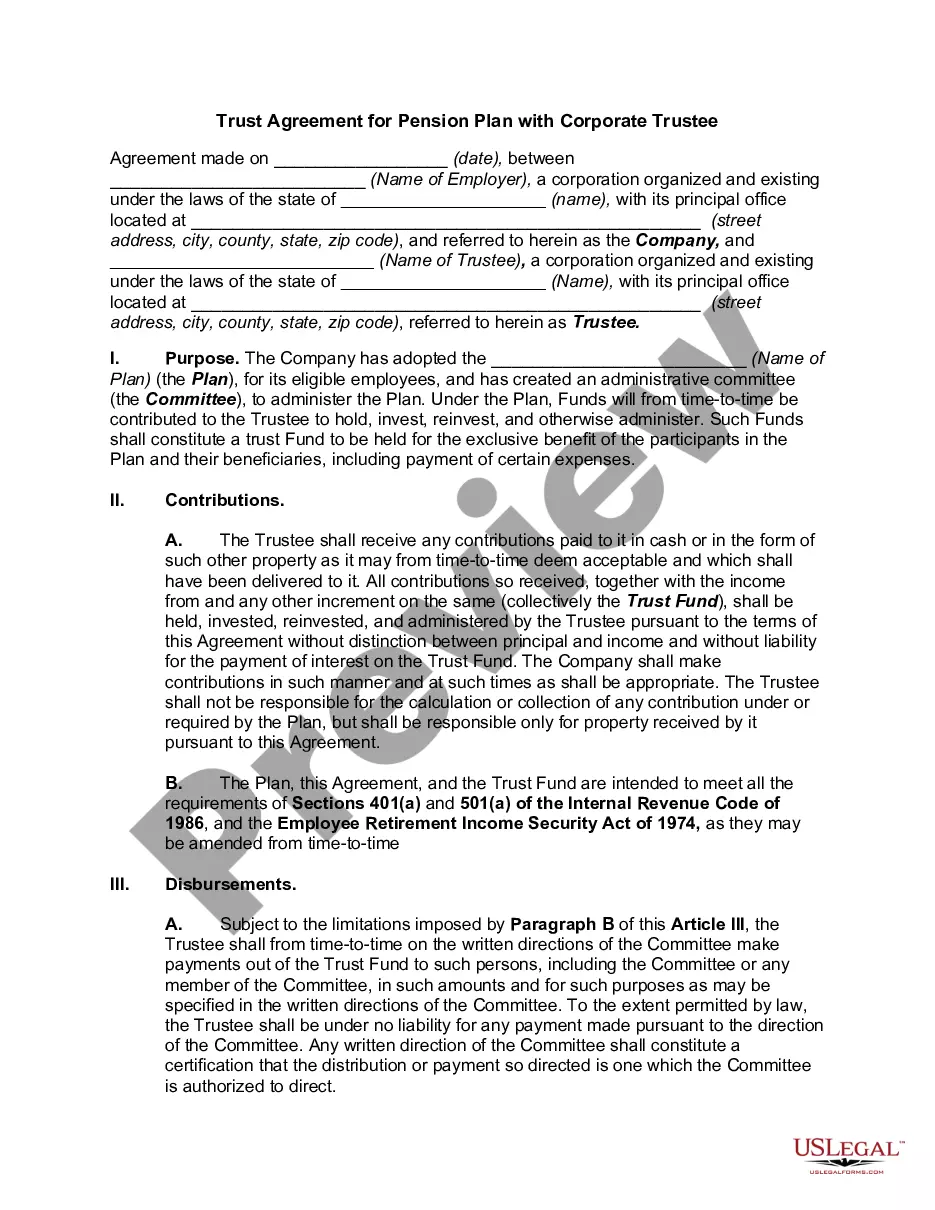
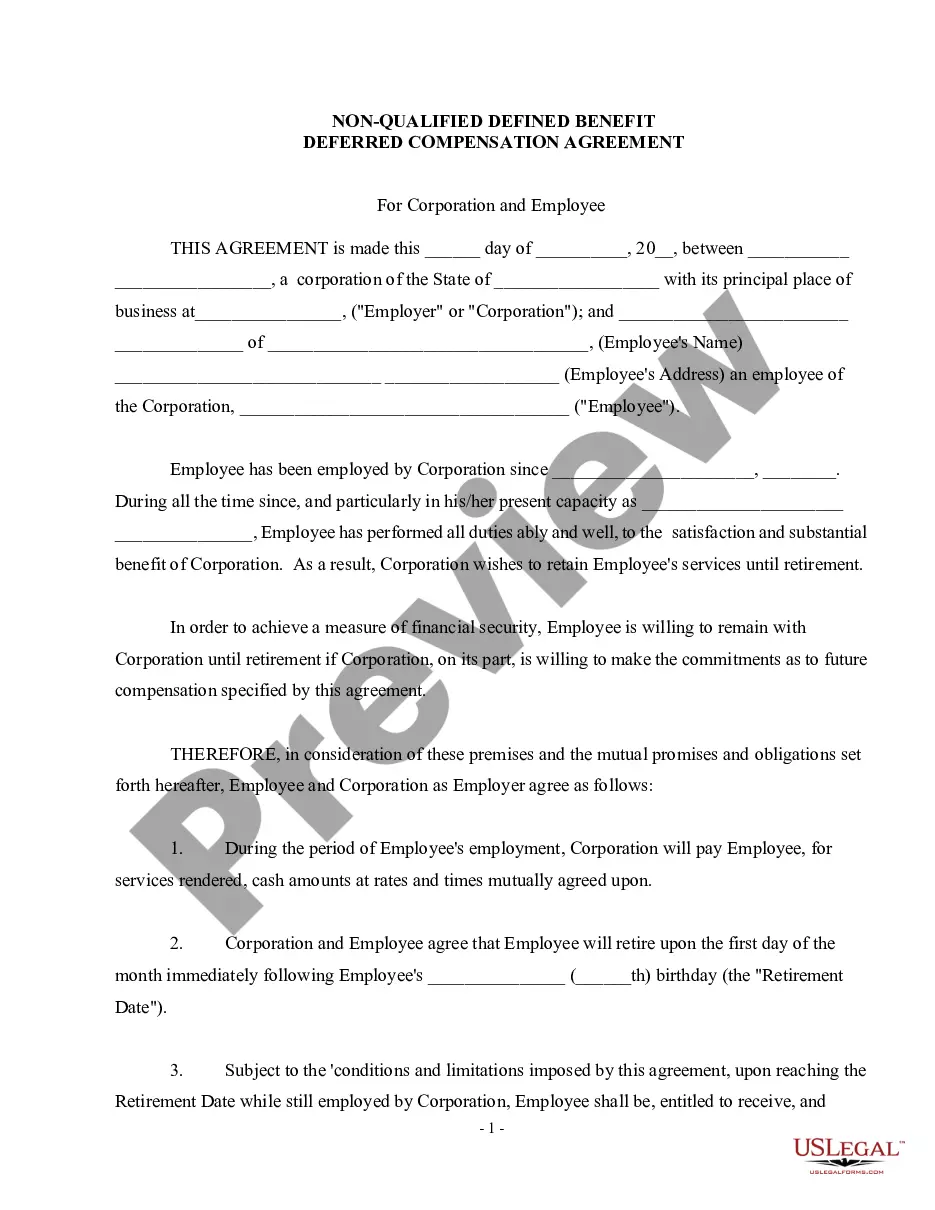
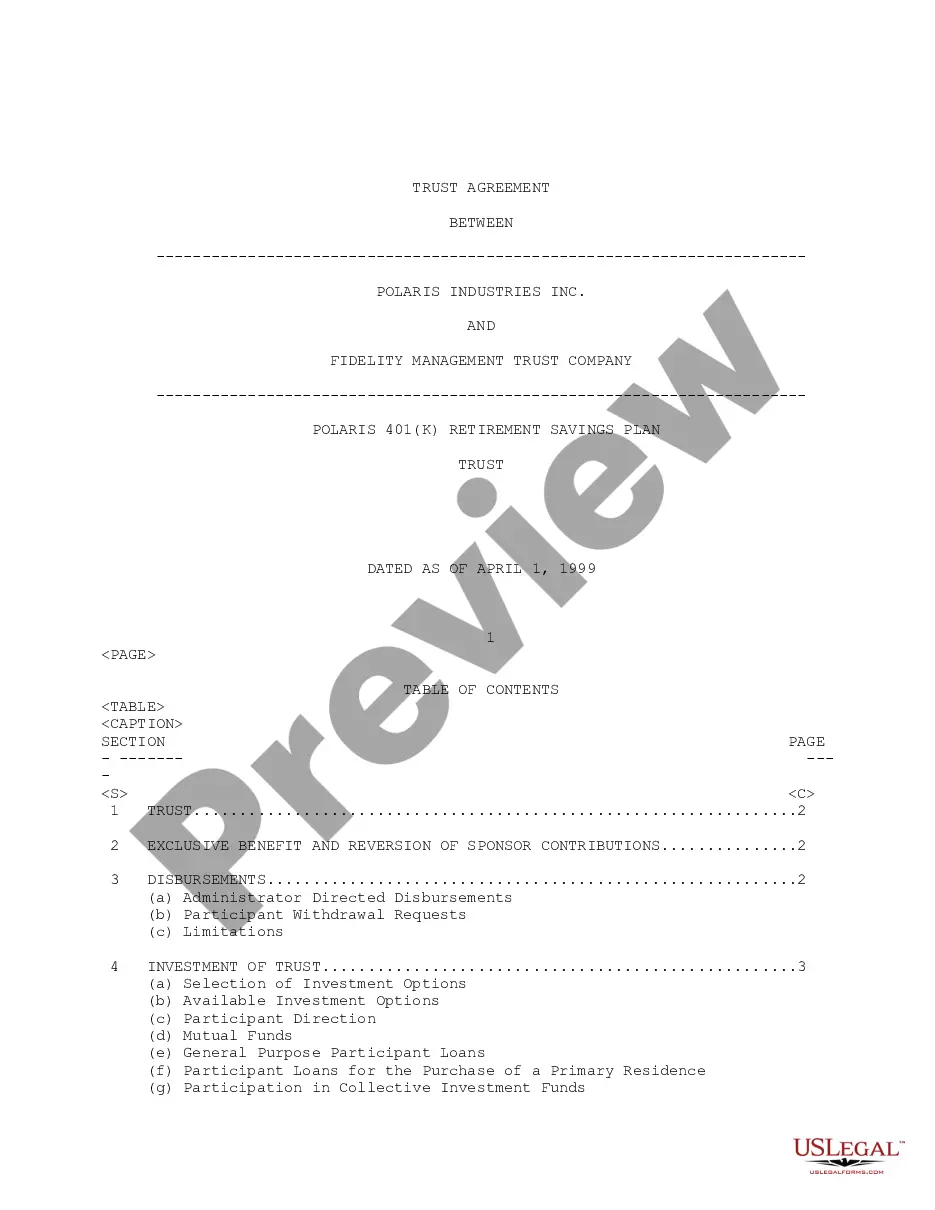
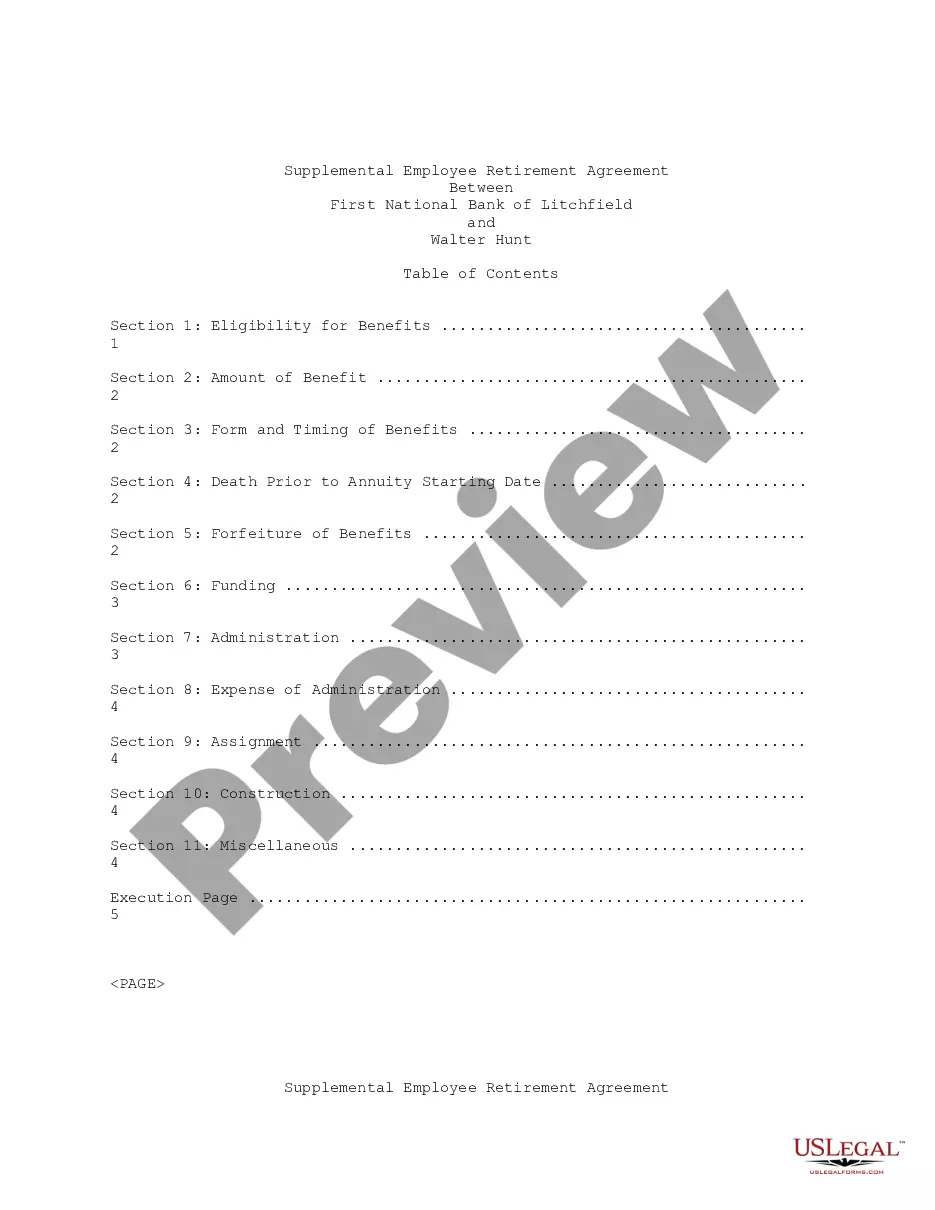
How to fill out Defined-Benefit Pension Plan And Trust Agreement?
Locating the appropriate legal document template can be a challenge. Of course, there is an array of templates accessible online, but how can you discover the legal form you require.
Utilize the US Legal Forms website. This service offers a vast selection of templates, such as the Rhode Island Defined-Benefit Pension Plan and Trust Agreement, which you can use for both professional and personal purposes. All documents are reviewed by experts and comply with state and federal regulations.
If you are already registered, Log In to your account and click the Download button to obtain the Rhode Island Defined-Benefit Pension Plan and Trust Agreement. Use your account to browse the legal documents you have previously obtained. Navigate to the My documents section of your account to retrieve another copy of the document you need.
Select the format and download the legal document template to your device. Complete, modify, print, and sign the received Rhode Island Defined-Benefit Pension Plan and Trust Agreement. US Legal Forms is the largest collection of legal forms where you can find various document templates. Use this service to obtain well-crafted paperwork that adheres to state regulations.
- First, ensure you have selected the correct form for your locality/region.
- You can review the form using the Preview button and read the form description to confirm it meets your needs.
- If the document does not satisfy your requirements, utilize the Search bar to find the right form.
- Once you are assured that the form is appropriate, click the Purchase now button to acquire the document.
- Choose the pricing plan you prefer and input the necessary information.
- Create your account and pay for your order using your PayPal account or credit card.
Form popularity
FAQ
As the name implies, a defined benefit plan focuses on the ultimate benefits paid out. Your employer promises to pay you a certain amount at retirement and is responsible for making sure that there are enough funds in the plan to eventually pay out this amount, even if plan investments don't perform well.
A defined benefit plan, more commonly known as a pension plan, offers guaranteed retirement benefits for employees. Defined benefit plans are largely funded by employers, with retirement payouts based on a set formula that considers an employee's salary, age and tenure with the company.
Defined Benefit Plan rules require that employers provide a meaningful benefit to at least 40% of nonexcludable employees. However, the requirement is capped at 50 employees. Additionally, if there are fewer than three employees, all employees must receive a meaningful benefit.
A defined-benefit plan is an employer-sponsored retirement plan where employee benefits are computed using a formula that considers several factors, such as length of employment and salary history.
A number of situations could put your pension at risk, including underfunding, mismanagement, bankruptcy, and legal exemptions. Laws exist to protect you in such circumstances, but some laws provide better protection than others.
The law generally allows state courts to revoke or reduce the pension of a state, municipal, or quasi-public agency employee who is (1) convicted of, or pleads guilty or no contest to, certain crimes related to his or her employment and (2) entitled to a pension benefit under the general statutes for service as a
A defined-benefit plan guarantees a specific benefit or payout upon retirement. The employer may opt for a fixed benefit or one calculated according to a formula that factors in years of service, age, and average salary.
Typically, when you leave a job with a defined benefit pension, you have a few options. You can choose to take the money as a lump sum now or take the promise of regular payments in the future, also known as an annuity. You may even be able to get a combination of both.
The main disadvantage of a defined benefit plan is that the employer will often require a minimum amount of service. Although private employer pension plans are backed by the Pension Benefit Guaranty Corp up to a certain amount, government pension plans don't have the same, albeit sometimes shaky guarantees.
While defined benefit plans generally guarantee either a monthly payment or set lump-sum payout, depending on your salary or how long you remain with a company, defined contribution plan payouts aren't guaranteedthey depend on employee contributions and the performance of the underlying investments.