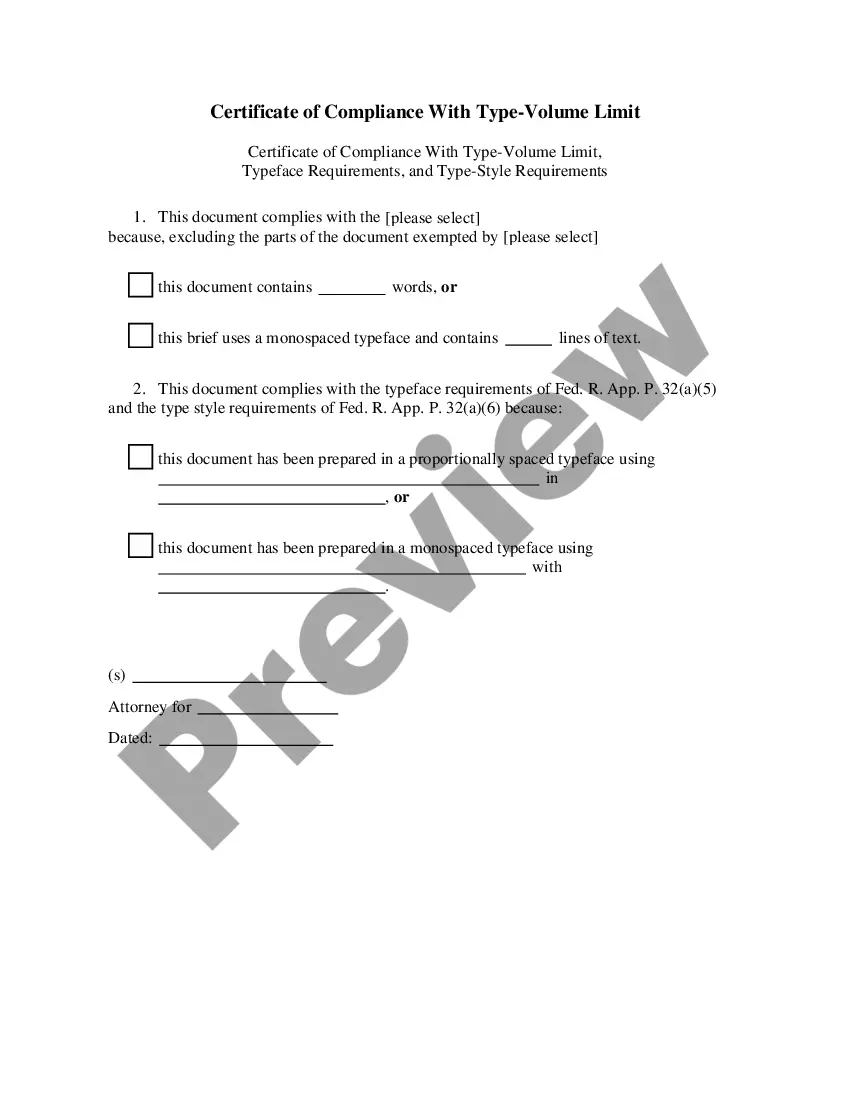
South Carolina Motion for Private Medical Treatment
Description
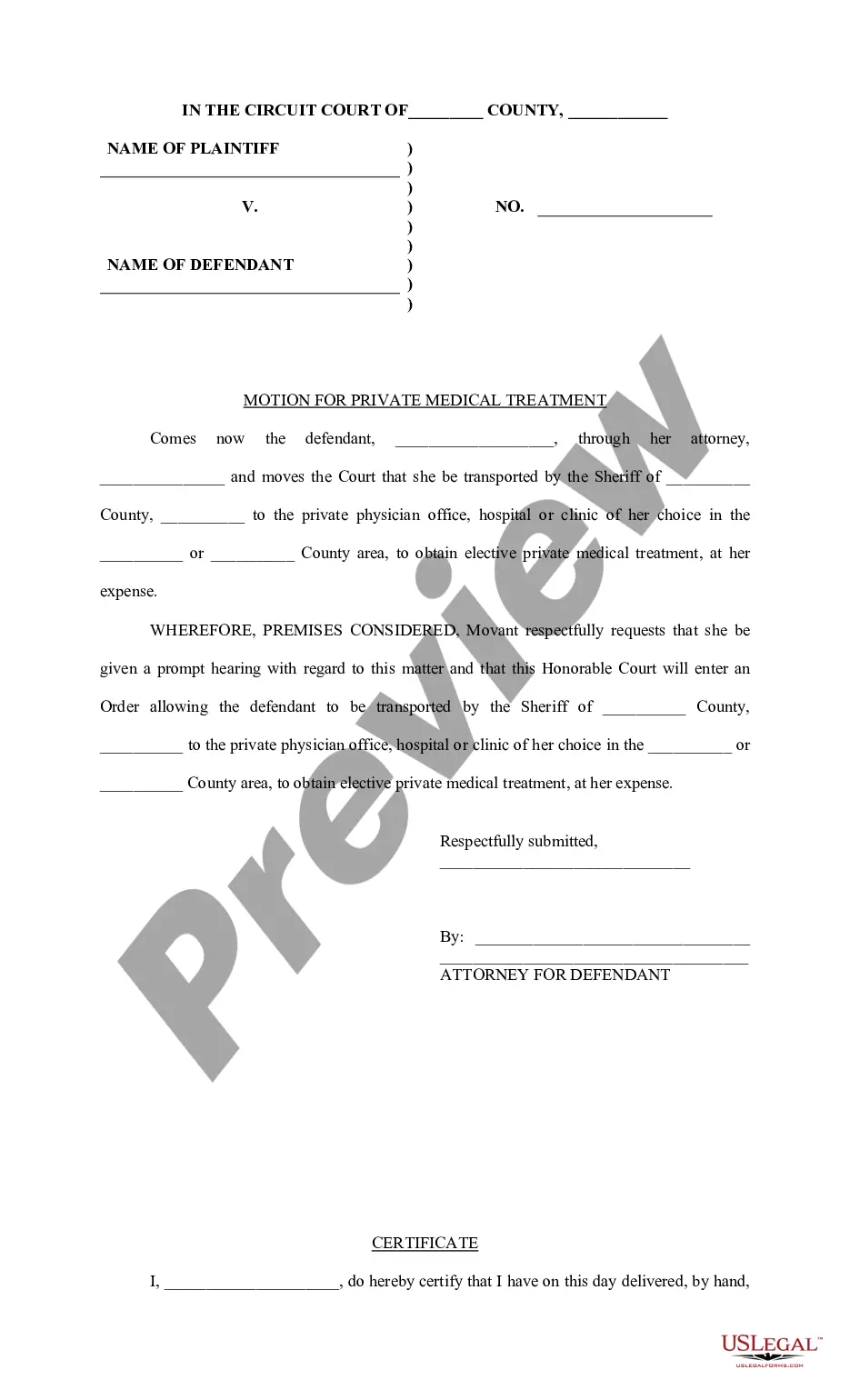
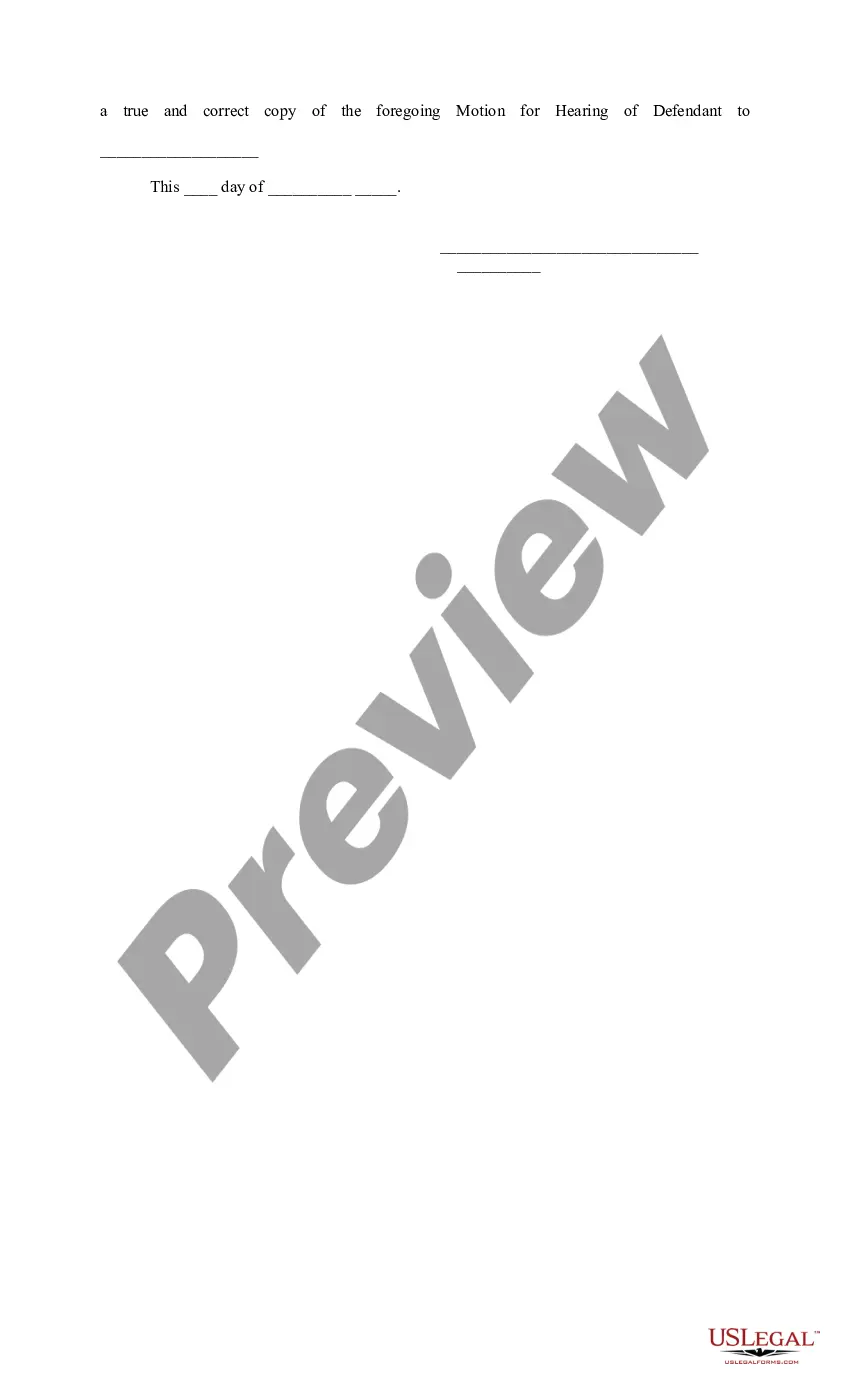
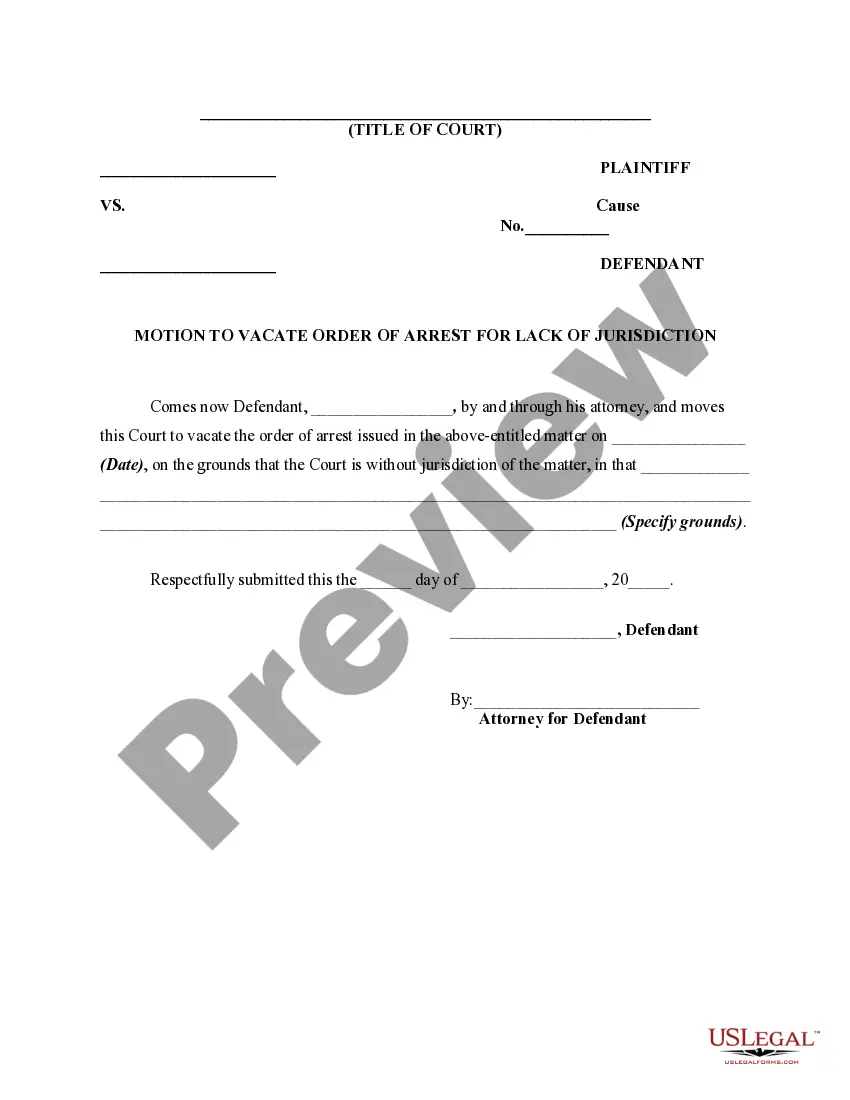
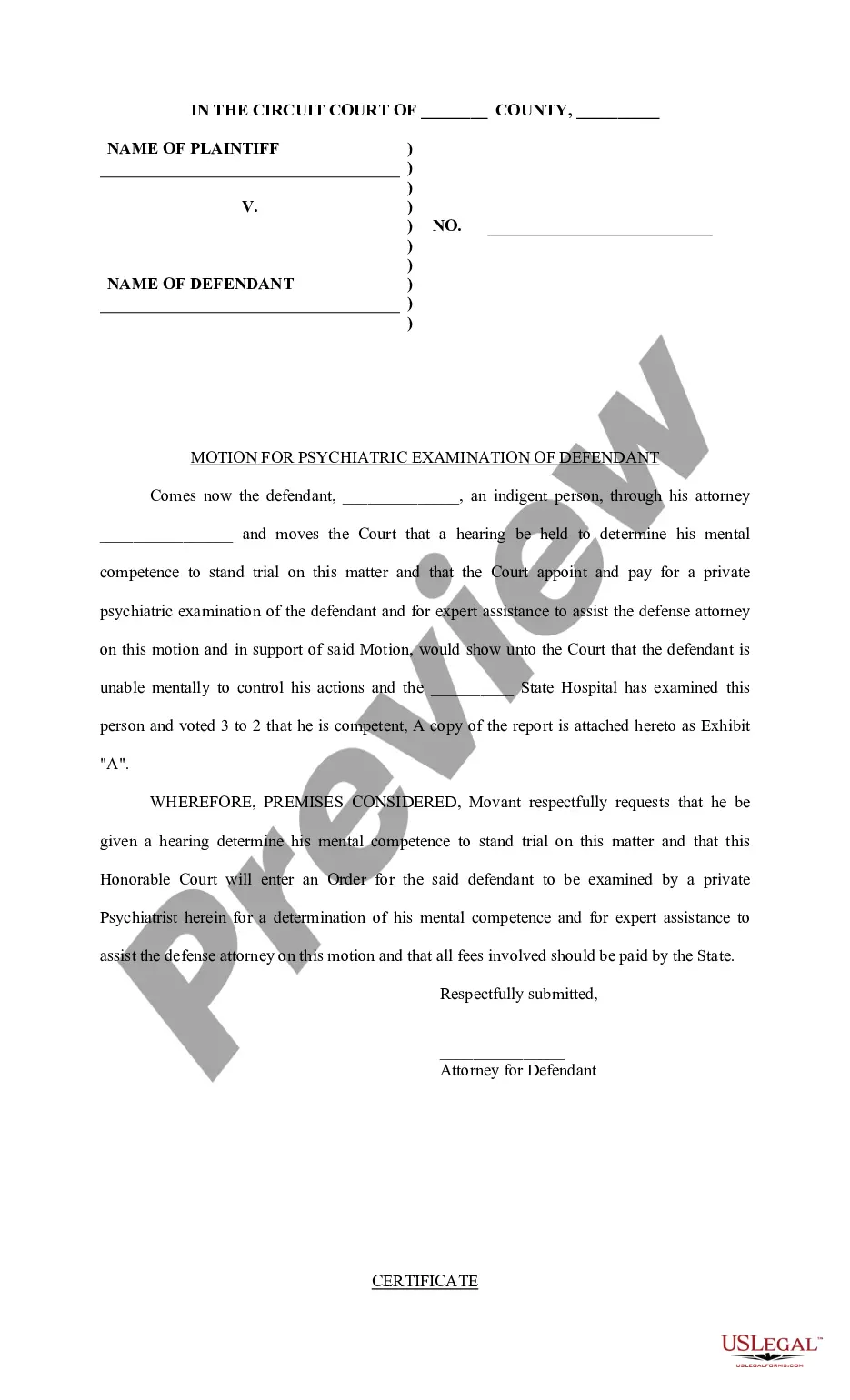
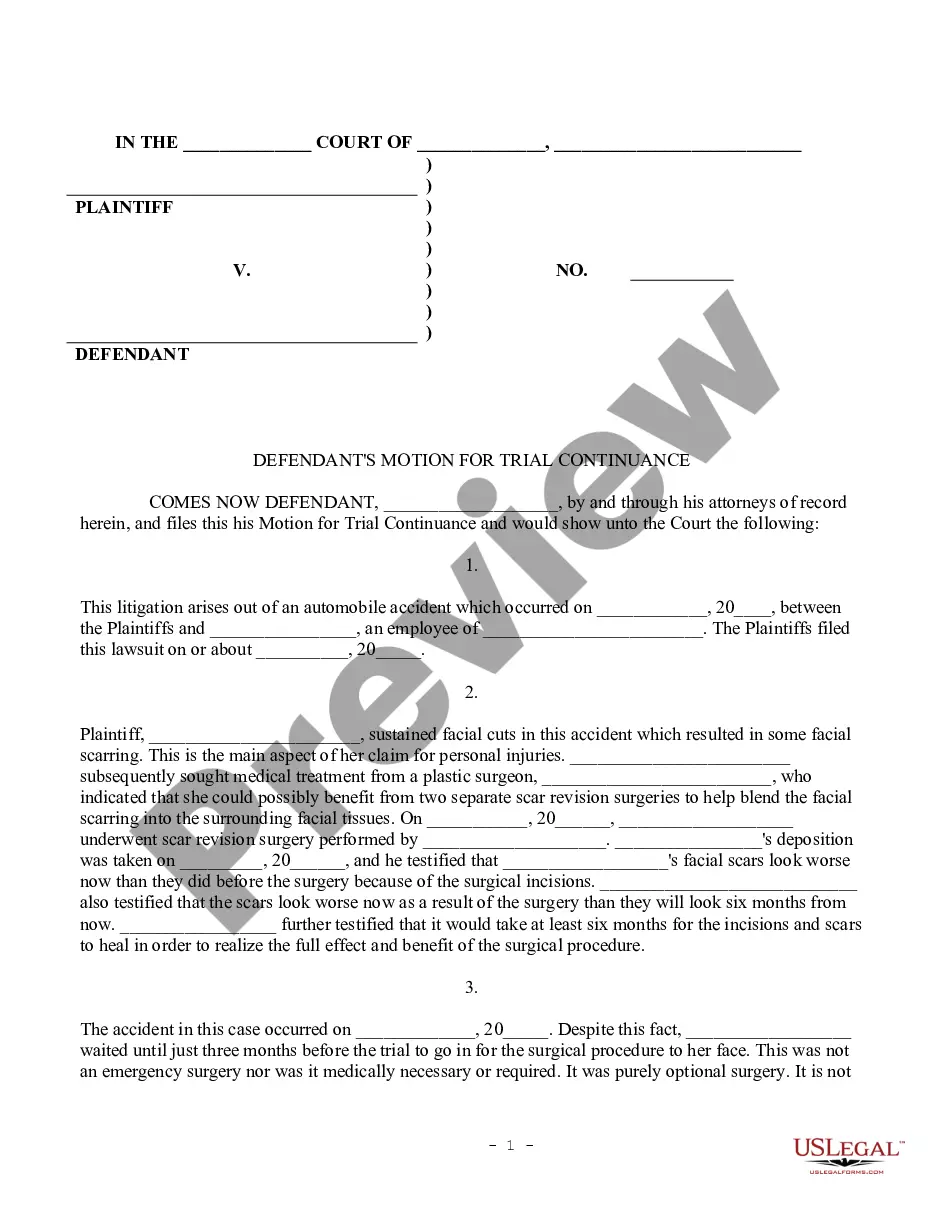
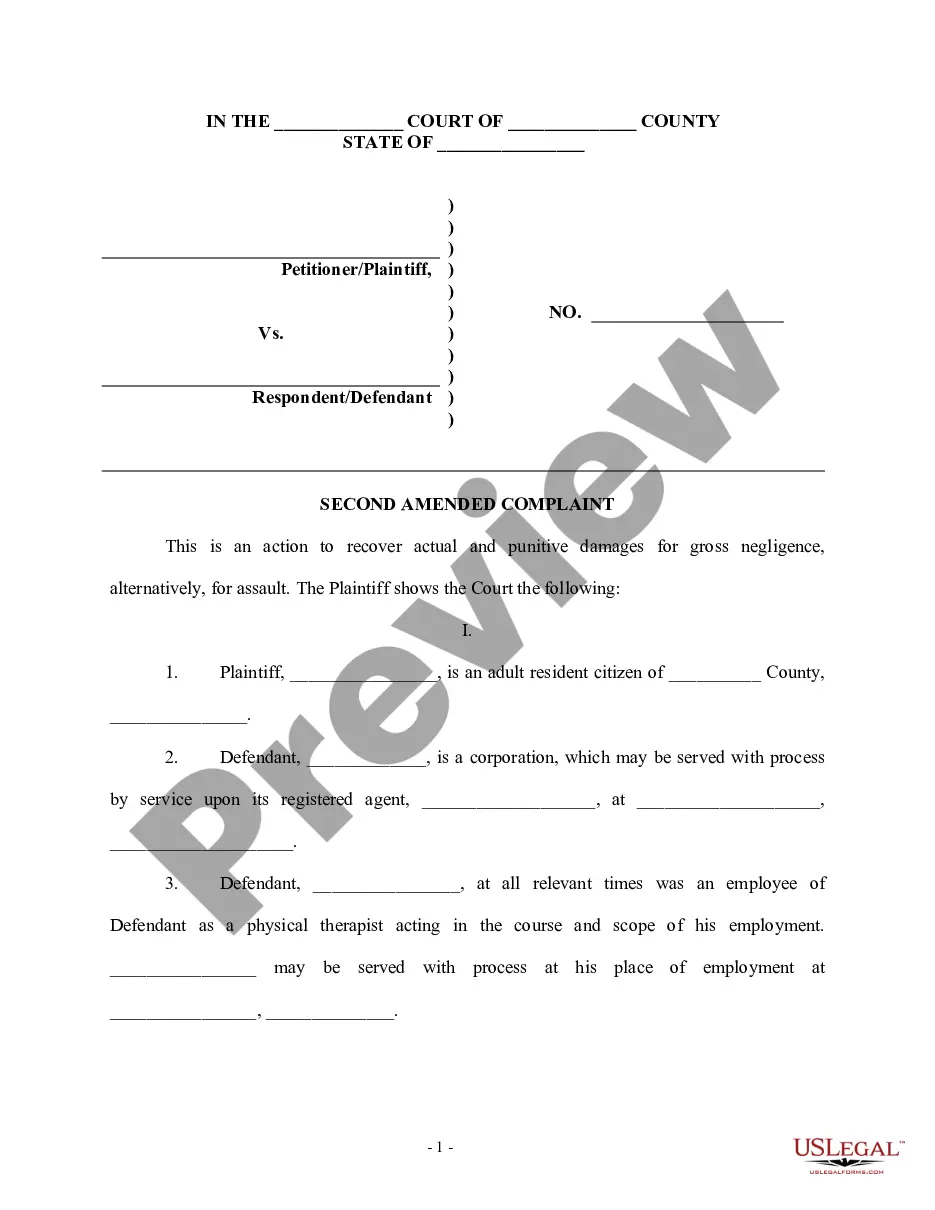
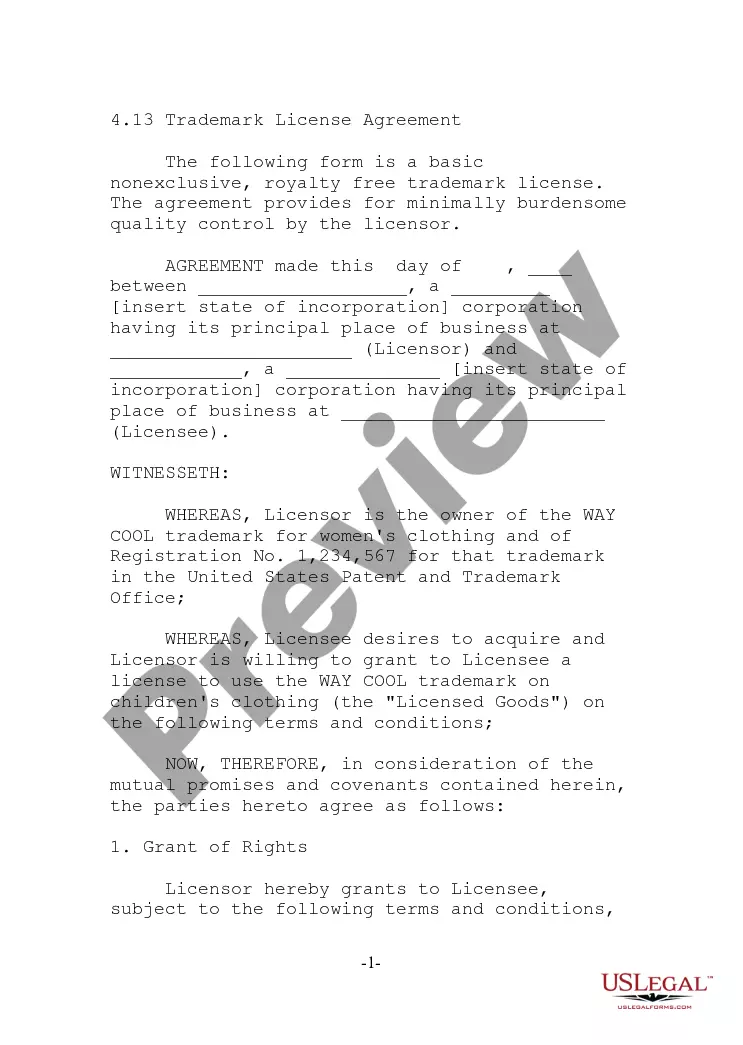
How to fill out Motion For Private Medical Treatment?
Selecting the optimal legal document format can be quite a challenge. Clearly, there are numerous templates available online, but how do you locate the legal form you require? Utilize the US Legal Forms website. The service offers a vast array of templates, such as the South Carolina Motion for Personal Medical Treatment, which you can apply for business and personal purposes. All of the forms are verified by experts and comply with state and federal regulations.
If you are already registered, Log In to your account and click the Download button to retrieve the South Carolina Motion for Personal Medical Treatment. Use your account to search for the legal forms you have previously obtained. Navigate to the My documents section of your account and download another copy of the document you need.
If you are a new user of US Legal Forms, here are some straightforward instructions for you to follow: First, make sure you have selected the correct form for your city/state. You can review the form using the Review option and check the form description to ensure it is the right one for you. If the form does not meet your needs, use the Search field to find the appropriate form. Once you are confident the form is satisfactory, click the Get now button to acquire the form. Choose the pricing plan you prefer and input the required information. Create your account and complete the payment using your PayPal account or credit card. Select the document format and download the legal document to your device. Finally, complete, modify, print, and sign the received South Carolina Motion for Personal Medical Treatment.
US Legal Forms is the largest repository of legal forms where you can discover various document templates. Utilize the service to download professionally created documents that adhere to state requirements.
- Selecting the optimal legal document format can be quite a challenge.
- Clearly, there are numerous templates available online.
- Utilize the US Legal Forms website.
- The service offers a vast array of templates.
- All of the forms are verified by experts.
- If you are already registered, Log In to your account.
Form popularity
FAQ
Section 44-7-2910 - Criminal record check for direct caregivers; definitions.
SECTION 44-23-460. Procedure when superintendent believes person charged with crime no longer requires hospitalization.
RIGHT TO PRIVACY/ CONSTITUTIONAL PROTECTION. The Constitutional right to privacy is found in Article I, Section 10 of the Constitution of the State of South Carolina, which provides: 'Searches and seizures; invasions of privacy.
In South Carolina, the criminal offense of invasion of privacy encompasses three distinct actions: trespassing, peeping, and eavesdropping. So if you're caught sneaking onto someone's property or spying on them without their consent, you could be charged with a crime.
SECTION 40-47-30. Licensure requirement; excepted activities; physician licensed in another state. (A) A person may not practice medicine in this State unless the person is twenty-one years of age and has been authorized to do so pursuant to the provisions of this article.
Anyone may request public documents in South Carolina. The law states that, "any person has a right to inspect or copy any public record of a public body."
Invasion of privacy involves the infringement upon an individual's protected right to privacy through a variety of intrusive or unwanted actions. Such invasions of privacy can range from physical encroachments onto private property to the wrongful disclosure of confidential information or images.
Those four types are 1) intrusion on a person's seclusion or solitude; 2) public disclosure of embarrassing private facts about a person; 3) publicity that places a person in a false light in the public eye; and 4) appropriation, for the defendant's advantage, of the person's name or likeness.