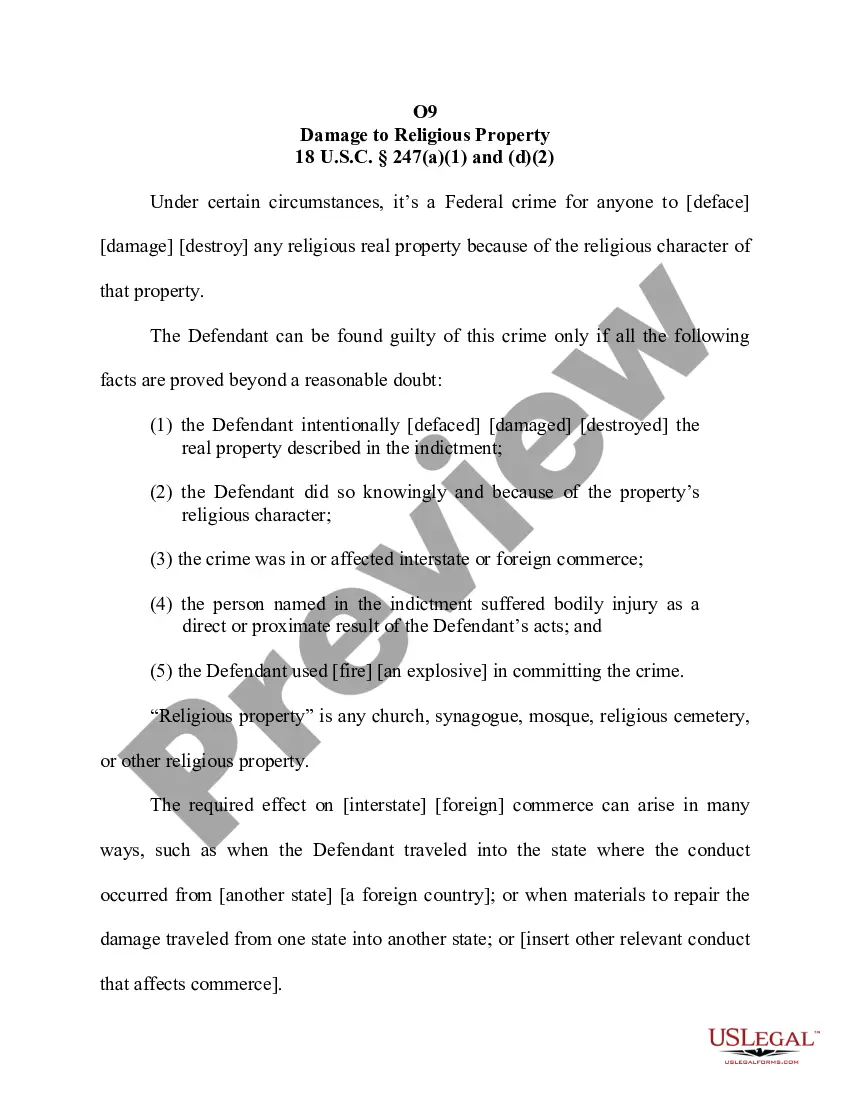
South Carolina Complaint based on Open Account, Breach of Contract, Unjust Enrichment
Description
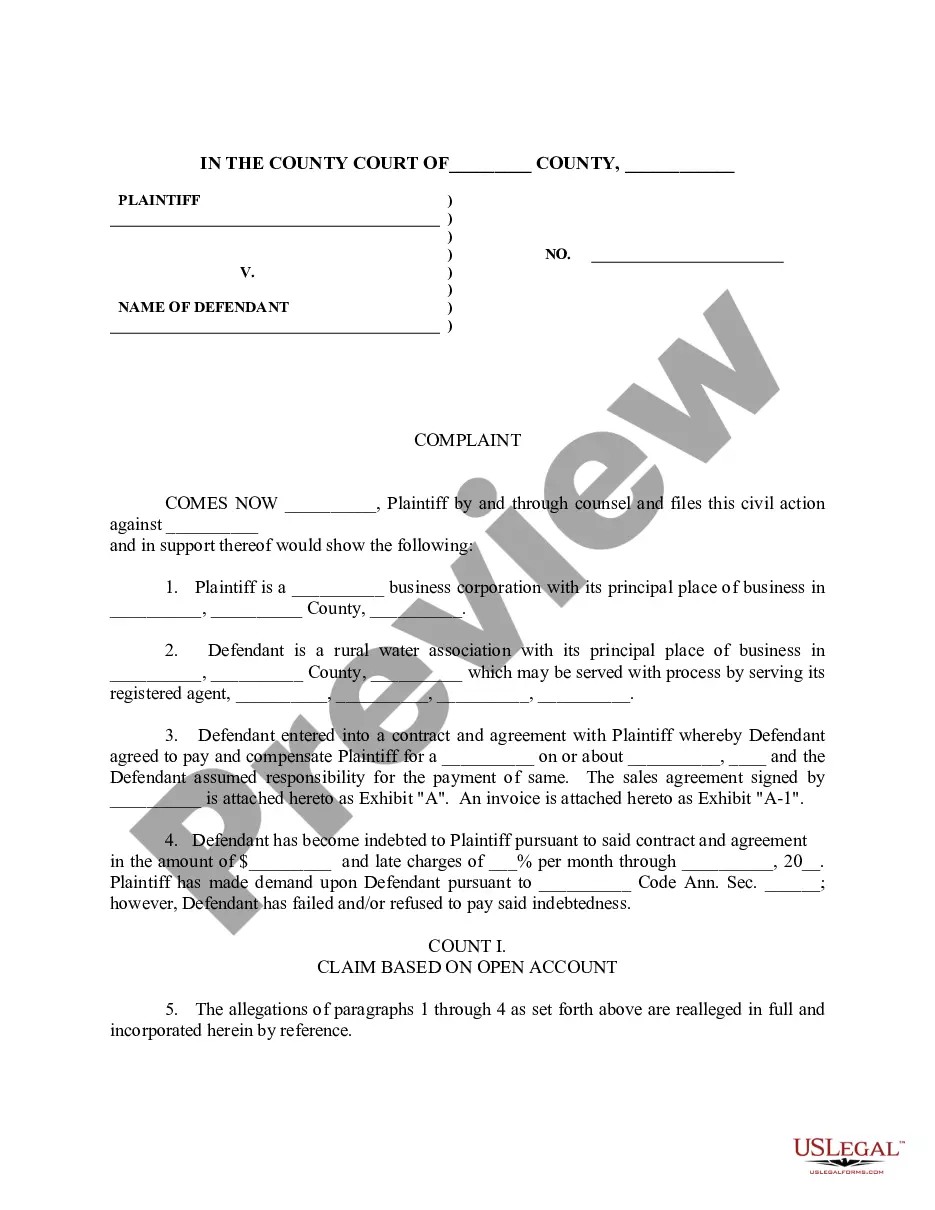
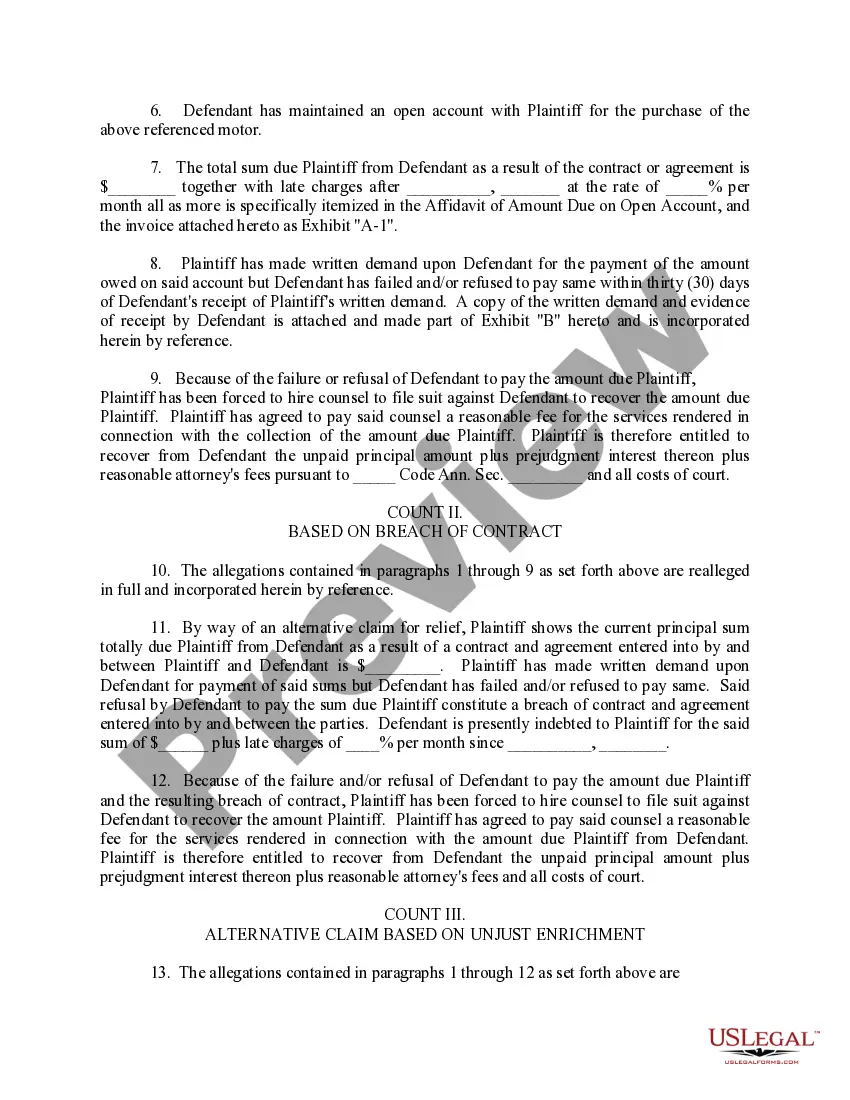
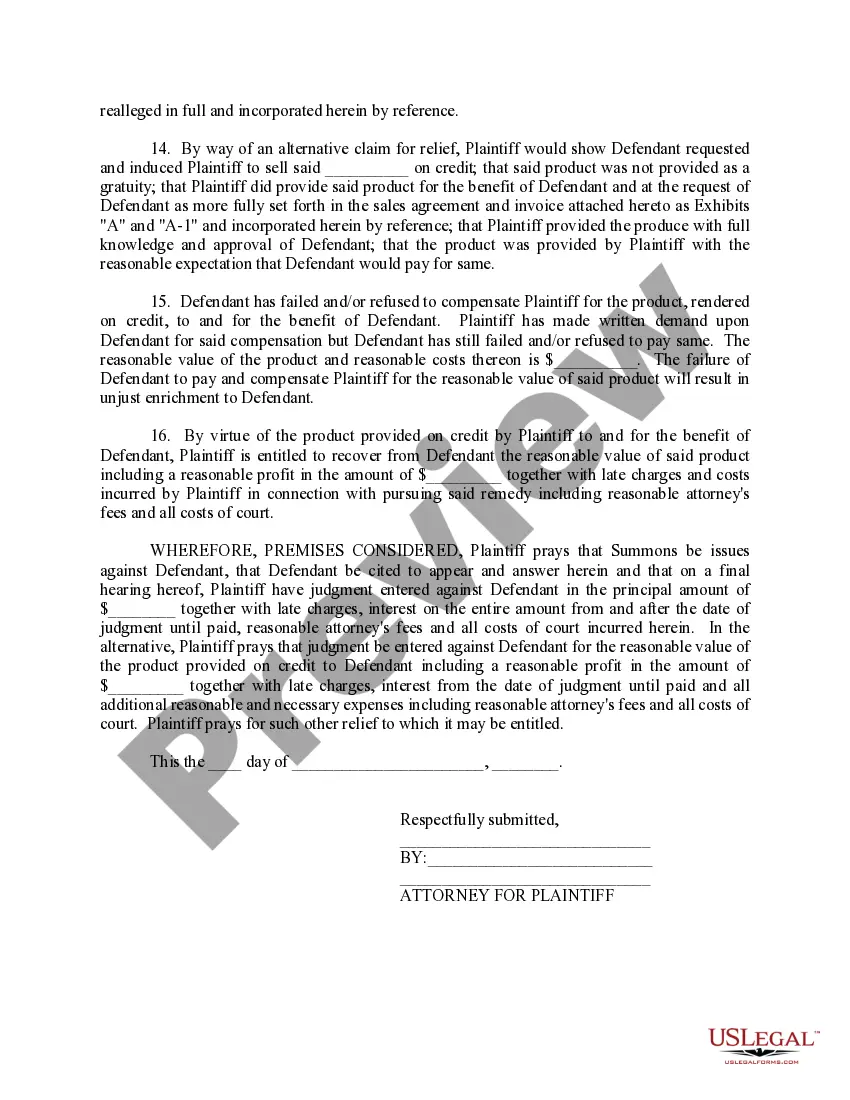
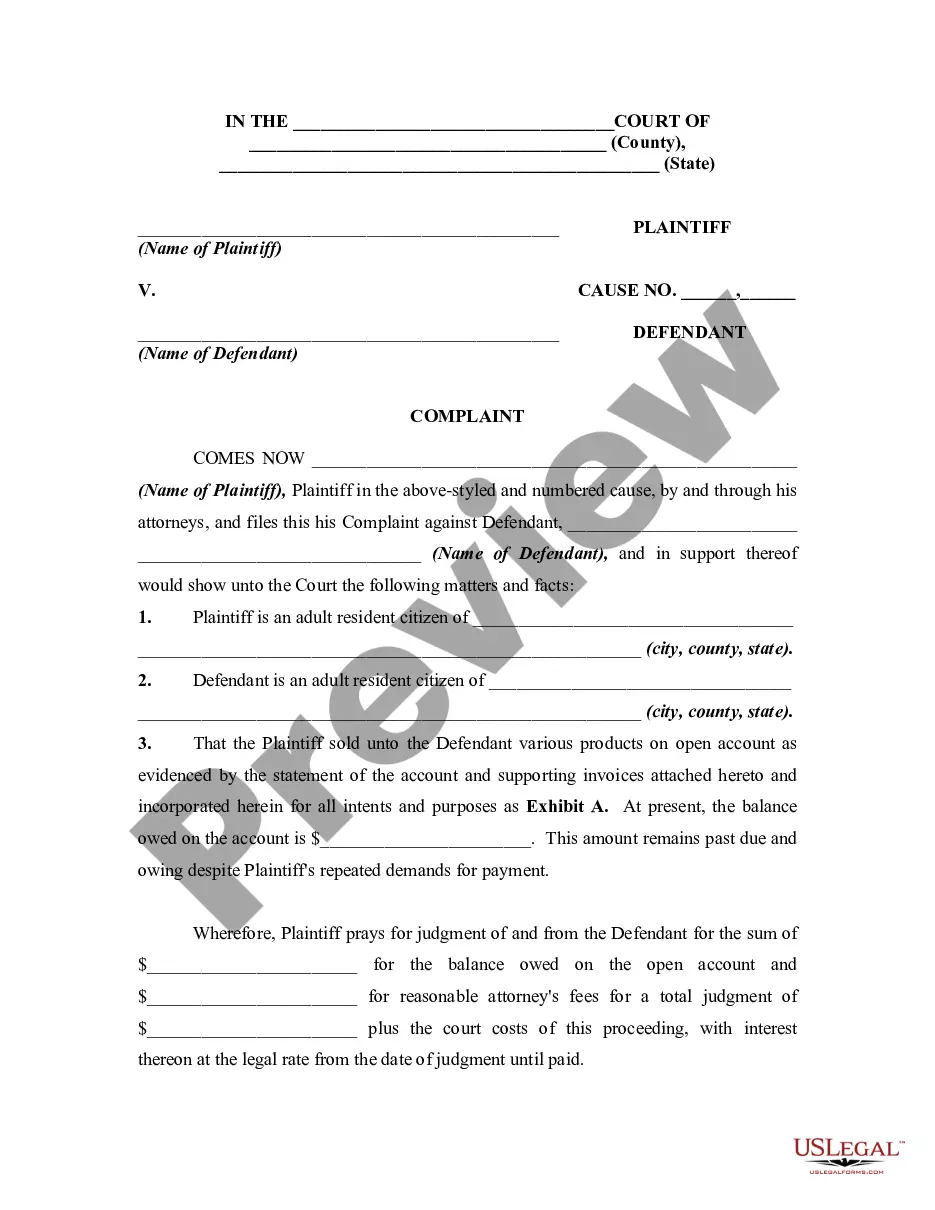
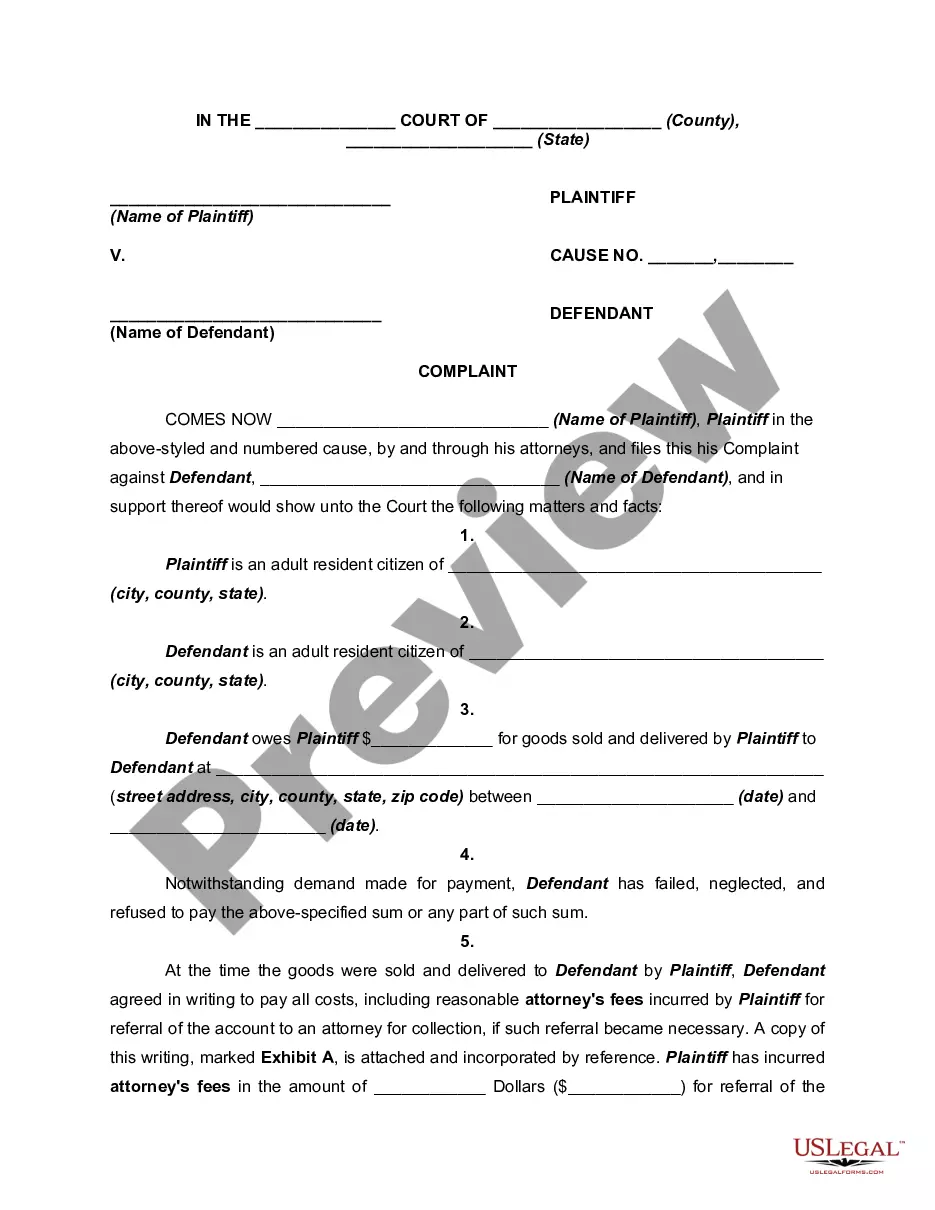
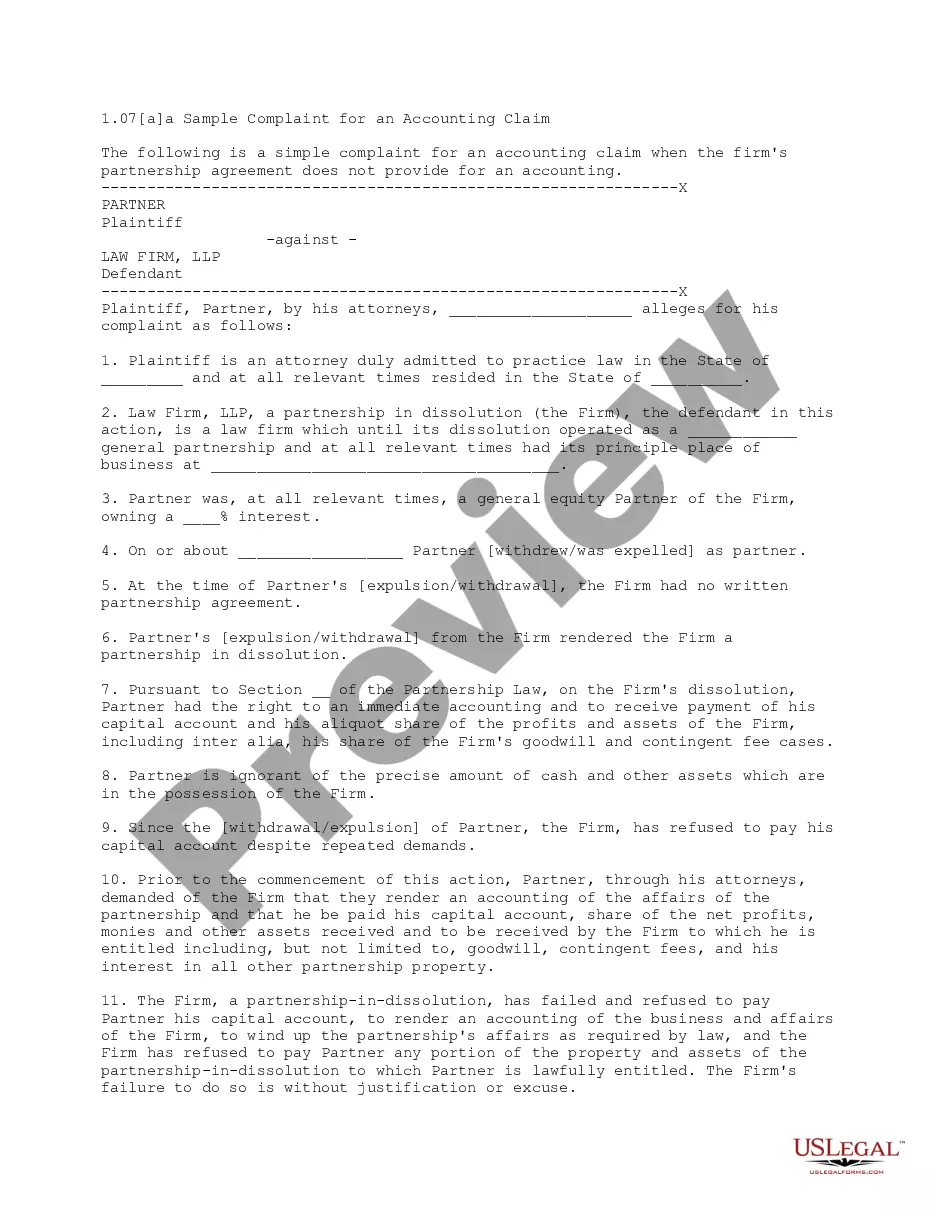
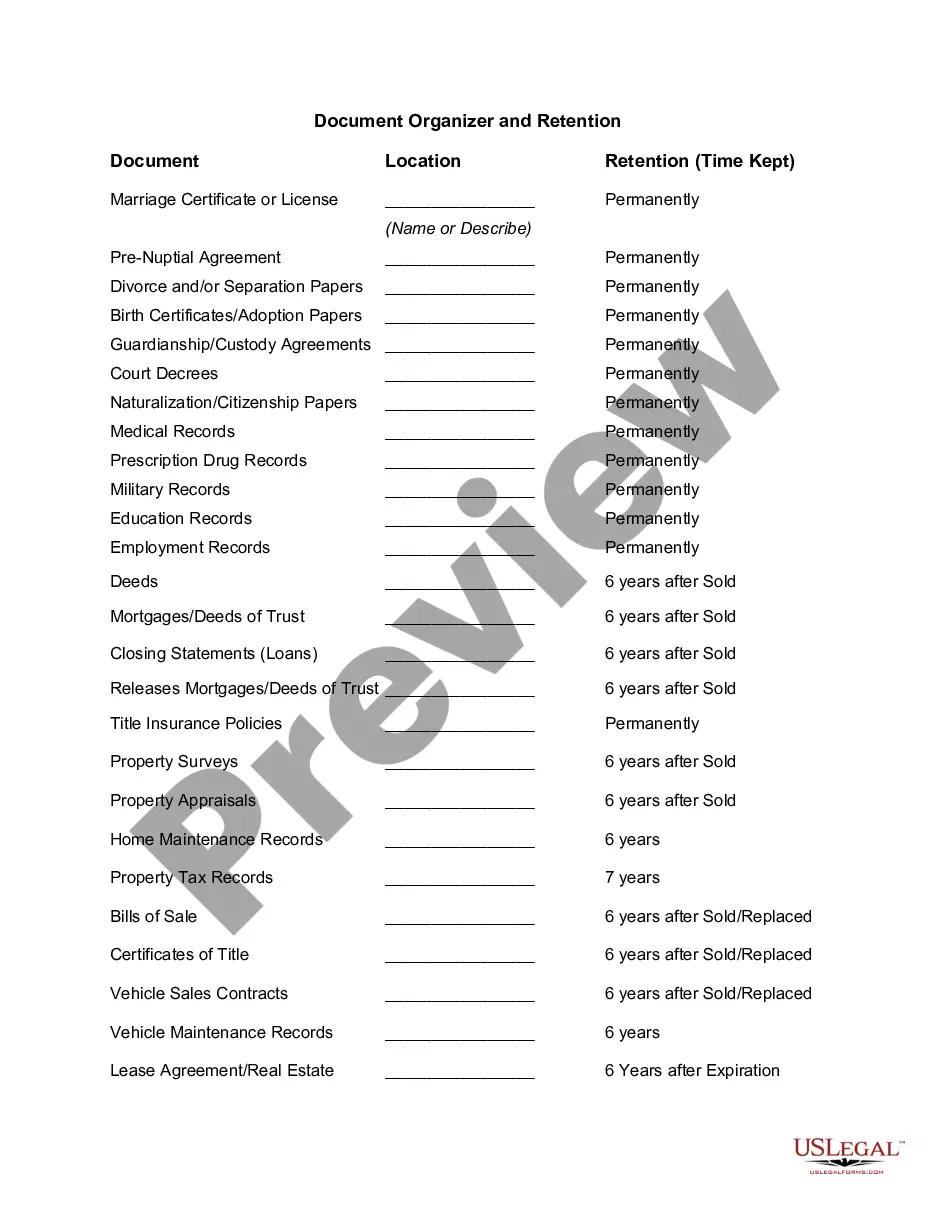
How to fill out Complaint Based On Open Account, Breach Of Contract, Unjust Enrichment?
US Legal Forms - one of the most important collections of legal documents in the United States - offers a variety of legal form templates that you can download or print. By using the website, you will access thousands of forms for business and personal use, organized by categories, states, or keywords. You can find the latest versions of forms such as the South Carolina Complaint based on Open Account, Breach of Contract, Unjust Enrichment in just seconds.
If you already have a monthly membership, Log In and download the South Carolina Complaint based on Open Account, Breach of Contract, Unjust Enrichment from your US Legal Forms library. The Download button will appear on each form you view. You have access to all previously downloaded forms in the My documents tab of your account.
To use US Legal Forms for the first time, here are simple steps to help you get started: Ensure you have selected the correct form for your area/region. Click the Preview button to review the form's details. Check the form outline to confirm that you have chosen the right form. If the form does not meet your requirements, use the Search field at the top of the screen to find one that does. If you are satisfied with the form, confirm your choice by clicking the Get now button. Then, select the pricing plan you want and provide your details to sign up for an account. Process the transaction. Use your credit card or PayPal account to complete the transaction. Choose the format and download the form onto your device. Make changes. Complete, edit, and print and sign the downloaded South Carolina Complaint based on Open Account, Breach of Contract, Unjust Enrichment.
Each design you add to your account is permanently yours and does not expire. Therefore, if you wish to download or print another copy, just navigate to the My documents section and click on the form you need.
Access the South Carolina Complaint based on Open Account, Breach of Contract, Unjust Enrichment with US Legal Forms, the most comprehensive repository of legal document templates. Take advantage of a wide range of expert and state-specific templates that cater to your business or personal requirements.
- Each template you add to your account does not have an expiration date and is yours permanently.
- So, to download or print another copy, simply go to the My documents section and click on the form you need.
- Access the South Carolina Complaint based on Open Account, Breach of Contract, Unjust Enrichment with US Legal Forms, the most extensive collection of legal document templates.
- Utilize thousands of professional and state-specific templates that meet your business or personal needs and requirements.
- Benefit from a user-friendly interface and a vast selection of forms at your fingertips.
- Enjoy the convenience of managing your legal documents online.
Form popularity
FAQ
The elements of unjust enrichment exist if: 1) you provided something of value to the defendant; 2) the defendant acknowledged, accepted and benefitted from what you provided; and 3) it would be inequitable for the defendant to enjoy the benefit you provided without compensating you.
You Either Have Breach of Contract, or Unjust Enrichment. You Can't Have Both. Simply put, as a claimant you must decide from the get-go whether your claim is based upon the breach of a valid written contract, or whether your claim is grounded in quasi-contract, i.e., to seek recovery on an strictly equitable basis.
Essentials of a claim of Unjust Enrichment: The defendant was enriched. At the claimants expense. There was no legal valid basis for the defendants receipt of the benefit as the same was not a gift. There exists no defense to the claim.
Examples of a breach of contract include the following: A party communicates his or her intent to not comply with the contract. A party refuses to perform his or her obligations under the contract. A party violates a material term of the contract.
Defenses in Unjust Enrichment The defense argues that the plaintiff should not receive an equitable remedy due to the plaintiff acting unethically or in bad faith. Fraud. For example, victims of a Ponzi scheme sometimes profit, but the original profits come from other victims.
An example is instances where one person transfers electronic funds into the incorrect bank account and the enriched person then receives and uses the money. This commonly occurs in situations involving a breach of contract where one party begins providing goods or services with the expectation of being paid.
Beginning with Unjust Enrichment, this claim arises by operation of equitable principles of fairness and has three required elements: (1) plaintiff conferred a benefit on defendant; (2) defendant knew of the benefit and should reasonably have expected to repay plaintiff; and (3) defendant accepted or retained the ...
Equity-related causes of action Unjust enrichment is an equity-related cause of action that applies when there is no express contract between the parties. This doctrine is based on mistaken payment and the plaintiff can recover the amount equal to the advantages and services which he provided to the defendant.