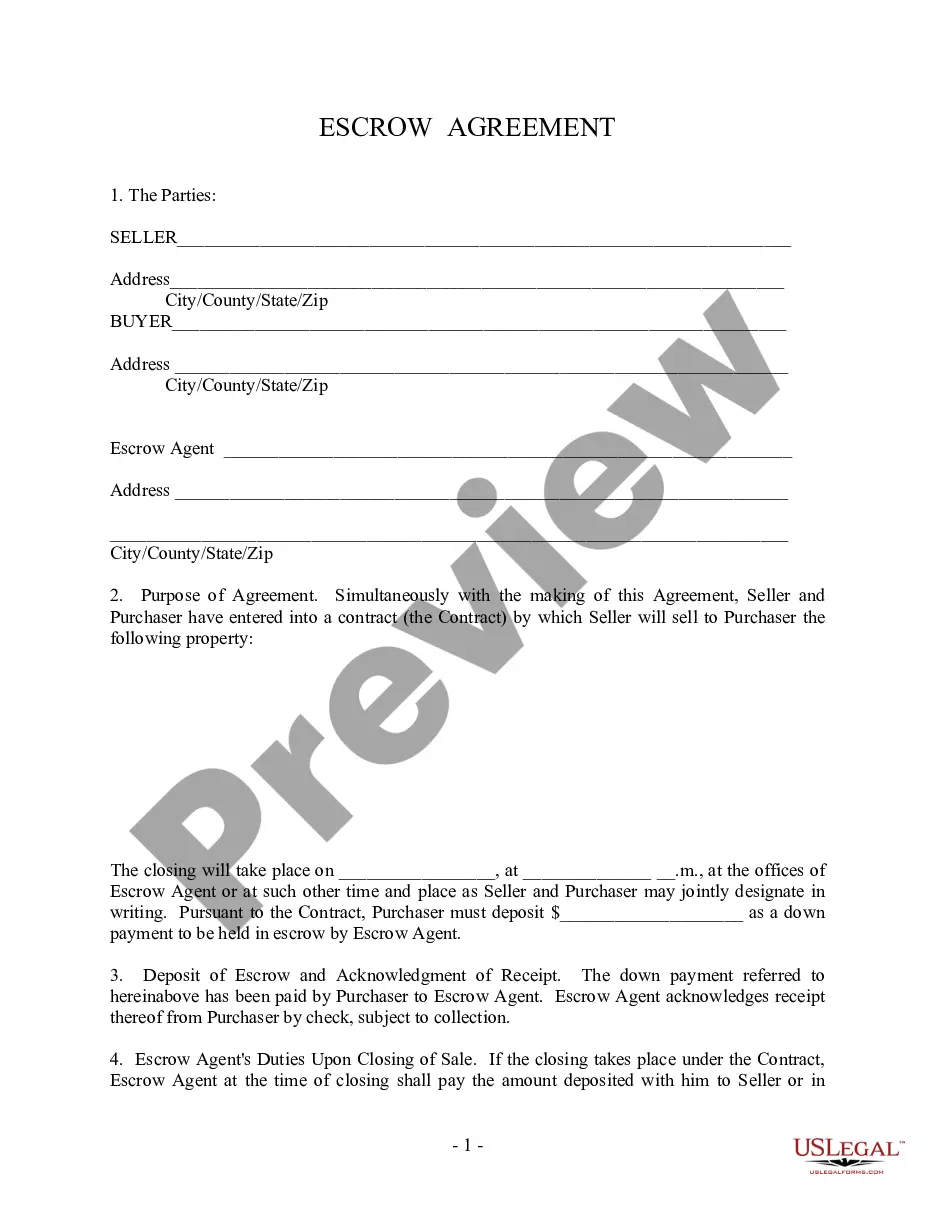
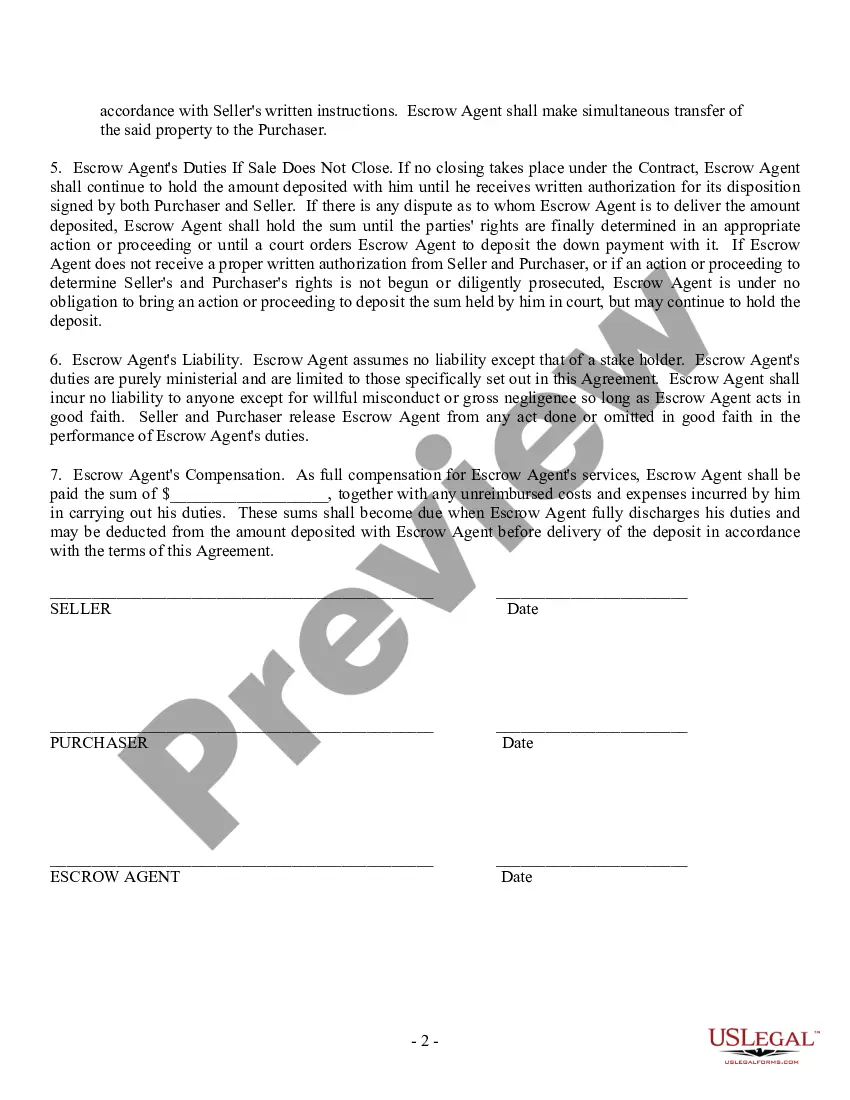
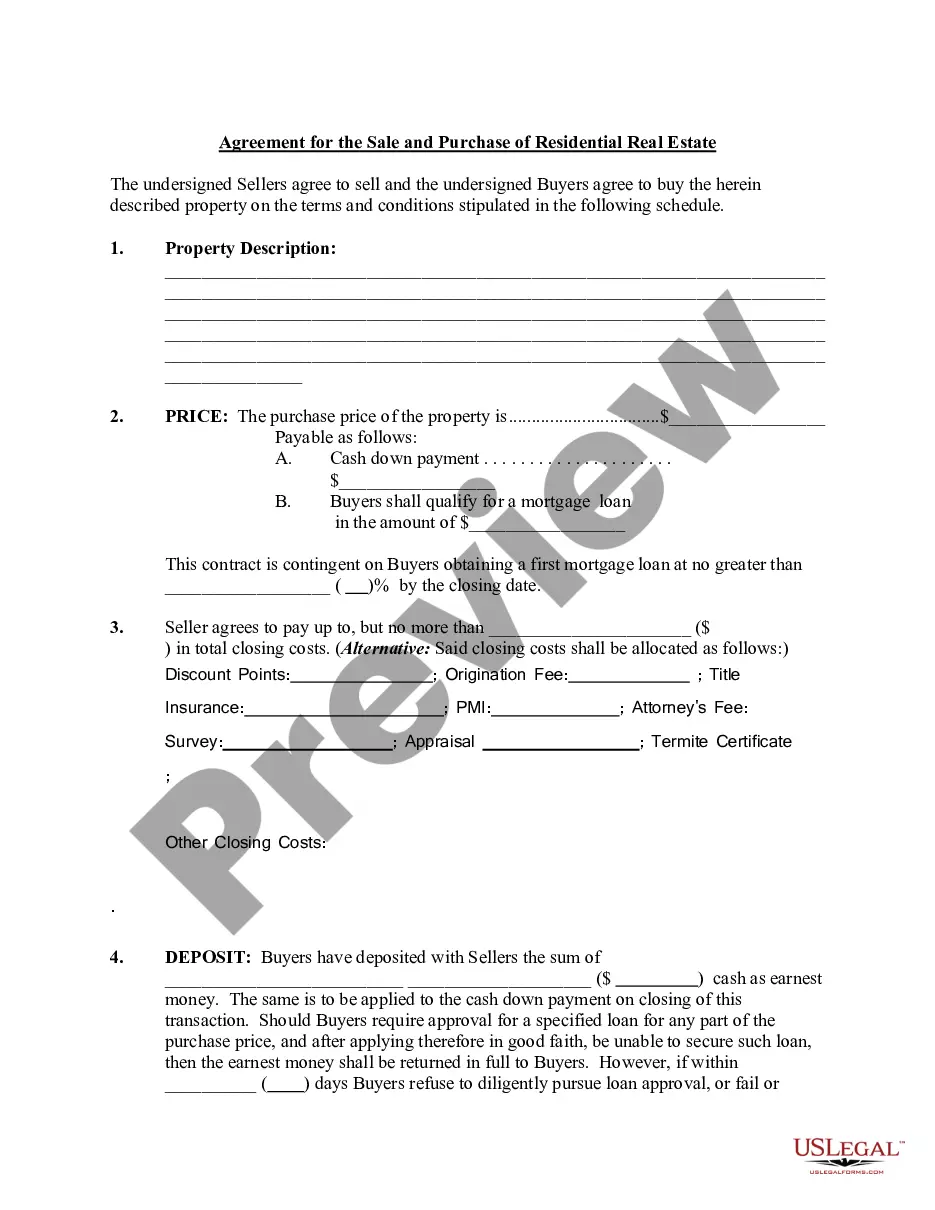
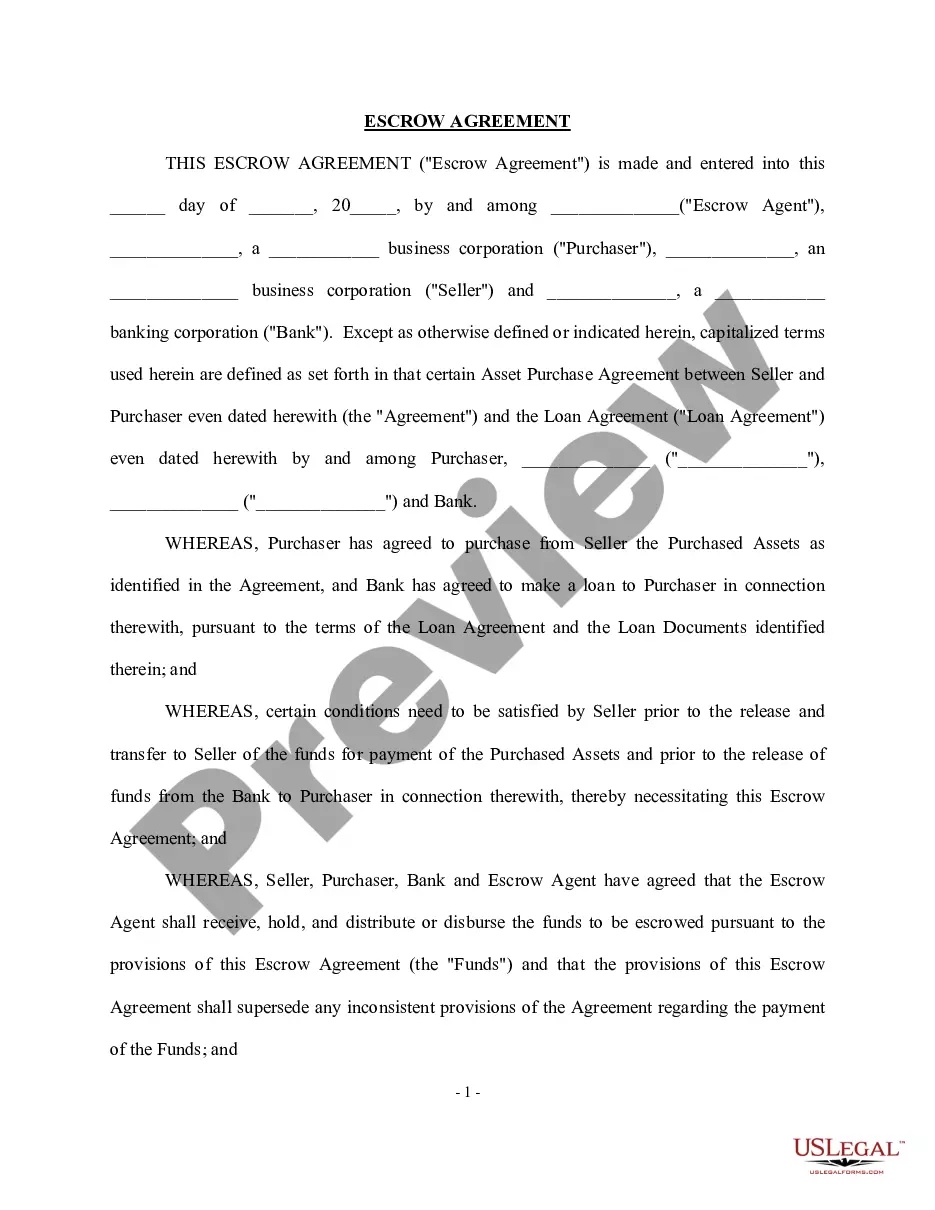
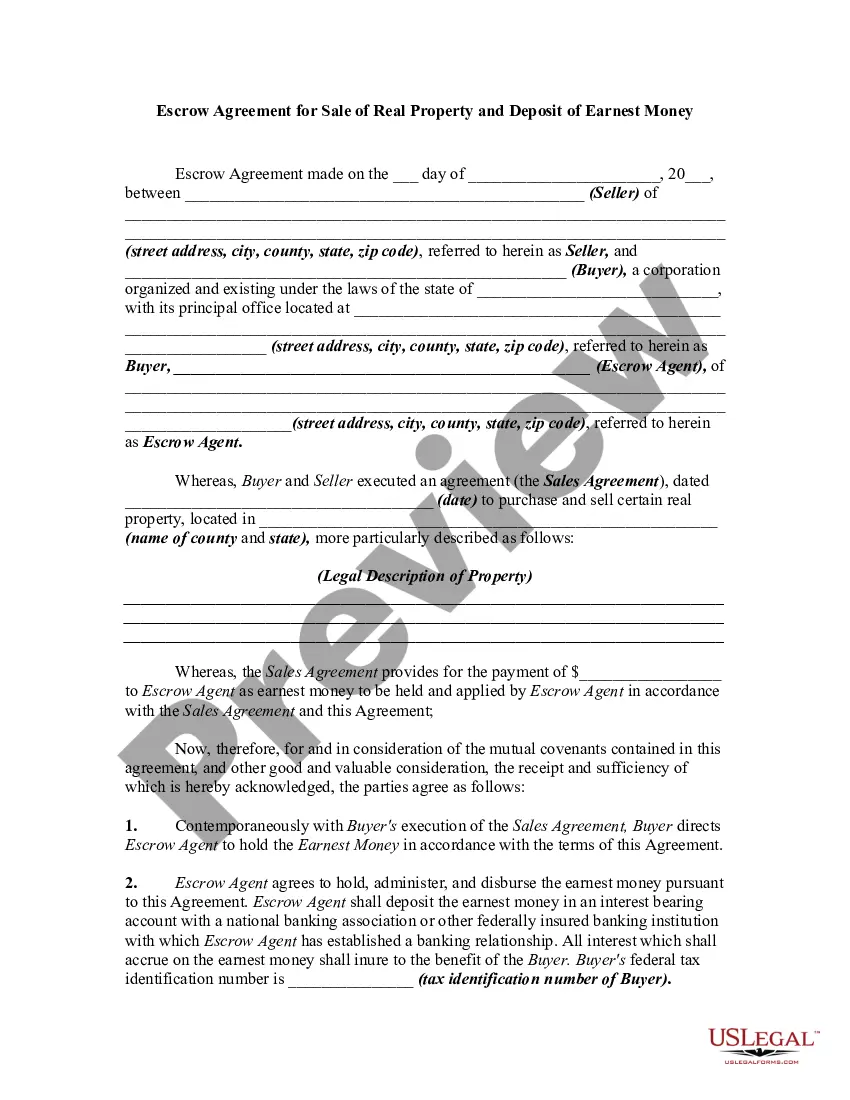
South Carolina Escrow Agreement for Residential Sale
Description
Get your form ready online
Our built-in tools help you complete, sign, share, and store your documents in one place.
Make edits, fill in missing information, and update formatting in US Legal Forms—just like you would in MS Word.
Download a copy, print it, send it by email, or mail it via USPS—whatever works best for your next step.
Sign and collect signatures with our SignNow integration. Send to multiple recipients, set reminders, and more. Go Premium to unlock E-Sign.
If this form requires notarization, complete it online through a secure video call—no need to meet a notary in person or wait for an appointment.
We protect your documents and personal data by following strict security and privacy standards.

Make edits, fill in missing information, and update formatting in US Legal Forms—just like you would in MS Word.

Download a copy, print it, send it by email, or mail it via USPS—whatever works best for your next step.

Sign and collect signatures with our SignNow integration. Send to multiple recipients, set reminders, and more. Go Premium to unlock E-Sign.

If this form requires notarization, complete it online through a secure video call—no need to meet a notary in person or wait for an appointment.

We protect your documents and personal data by following strict security and privacy standards.
Looking for another form?
How to fill out Escrow Agreement For Residential Sale?
Locating the appropriate legal document template can be a challenge.
Clearly, there are numerous formats accessible online, but how do you acquire the legal form you require.
Utilize the US Legal Forms website. The service provides thousands of formats, including the South Carolina Escrow Agreement for Residential Sale, which you can use for business and personal purposes.
If the form does not meet your needs, use the Search field to find the correct form.
- All the forms are reviewed by experts and comply with state and federal regulations.
- If you are already registered, Log In to your account and click the Download button to obtain the South Carolina Escrow Agreement for Residential Sale.
- Use your account to browse the legal forms you may have purchased previously.
- Visit the My documents tab of your account and retrieve another copy of the document you need.
- If you are a new user of US Legal Forms, here are simple steps for you to follow.
- First, ensure you have selected the right form for your locality. You can review the form using the Review button and read the form summary to confirm it is suitable for you.
Form popularity
FAQ
In South Carolina, the responsibility for closing costs can vary depending on the negotiations between the buyer and seller. Typically, both parties will share these costs, which can include appraisal fees, attorney fees, and title insurance. The South Carolina Escrow Agreement for Residential Sale clearly outlines who pays which costs, giving both parties transparency and clarity throughout the closing process. Understanding these responsibilities early can prevent future disputes.
The length of time for escrow generally ranges from 30 to 60 days, depending on various factors unique to the transaction. The South Carolina Escrow Agreement for Residential Sale outlines this timeframe, providing clear expectations for both parties. Factors such as inspections, financing, and repairs may affect the duration. Working closely with your real estate agent can ensure timely completion of all required steps.
Yes, South Carolina operates as an escrow state, meaning that an escrow service is typically involved in residential real estate transactions. This process helps facilitate a secure transfer of funds and documents. A South Carolina Escrow Agreement for Residential Sale governs how these transactions occur, ensuring compliance with state laws and protecting both buyers and sellers. Using a reputable service can enhance peace of mind during the transaction.
The duration a home stays in escrow can vary, but it typically lasts between 30 to 60 days. This period allows for necessary inspections, appraisals, and other contingencies to be completed. A South Carolina Escrow Agreement for Residential Sale outlines these terms, ensuring both parties understand the timeline involved. Proper planning and clear communication can help make this process smooth and efficient.
A simple contract agreement should begin with a title that reflects the agreement’s purpose, such as 'South Carolina Escrow Agreement for Residential Sale.' Clearly identify the parties involved and state the essential terms of the agreement, such as services rendered, payment details, and deadlines. It's important to include space for signatures and date lines to validate the agreement. Using USLegalForms can help simplify this process and ensure that your contract meets legal requirements.
When selling your house without a realtor, you will need specific paperwork to ensure a smooth transaction. This includes a South Carolina Escrow Agreement for Residential Sale, a property disclosure statement, and any necessary title documents. Having these documents prepared in advance can ease the selling process and provide clarity to both you and the buyer.
Selling your home without a realtor in South Carolina requires diligent preparation and marketing. First, attract buyers by listing your home online and utilizing social media. Additionally, be sure to use a South Carolina Escrow Agreement for Residential Sale to outline the terms of the sale and safeguard your financial interests. This approach can save you commission fees and still result in a successful sale.
While it's not mandatory to have an attorney to sell a house in South Carolina, it can be beneficial. An attorney can help with the legal documents, negotiations, and ensure compliance with state laws. If you choose to sell without one, make sure to have a South Carolina Escrow Agreement for Residential Sale in place to protect your interests during the transaction.
Selling a house privately involves marketing your property effectively while ensuring legal compliance. First, prepare your home for showings and take high-quality photos. Then, advertise your listing through online platforms and social media. Remember to draft a South Carolina Escrow Agreement for Residential Sale to secure the transaction and protect both parties.
To create a South Carolina Escrow Agreement for Residential Sale, you need to define the terms of the agreement clearly. First, choose a reliable escrow agent or service that meets state legal requirements. The agreement should outline the responsibilities of both the buyer and the seller, including conditions for the release of funds. You can find templates and assistance on platforms like USLegalForms to simplify this process.