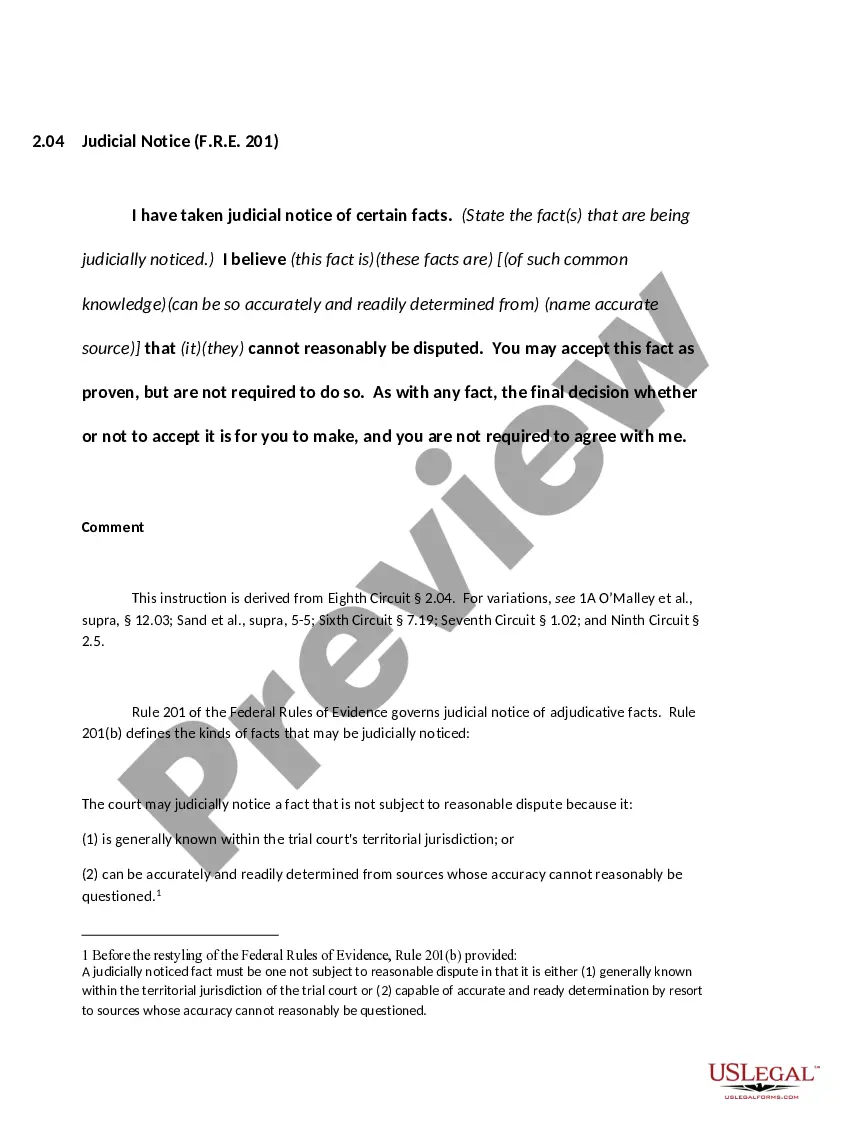
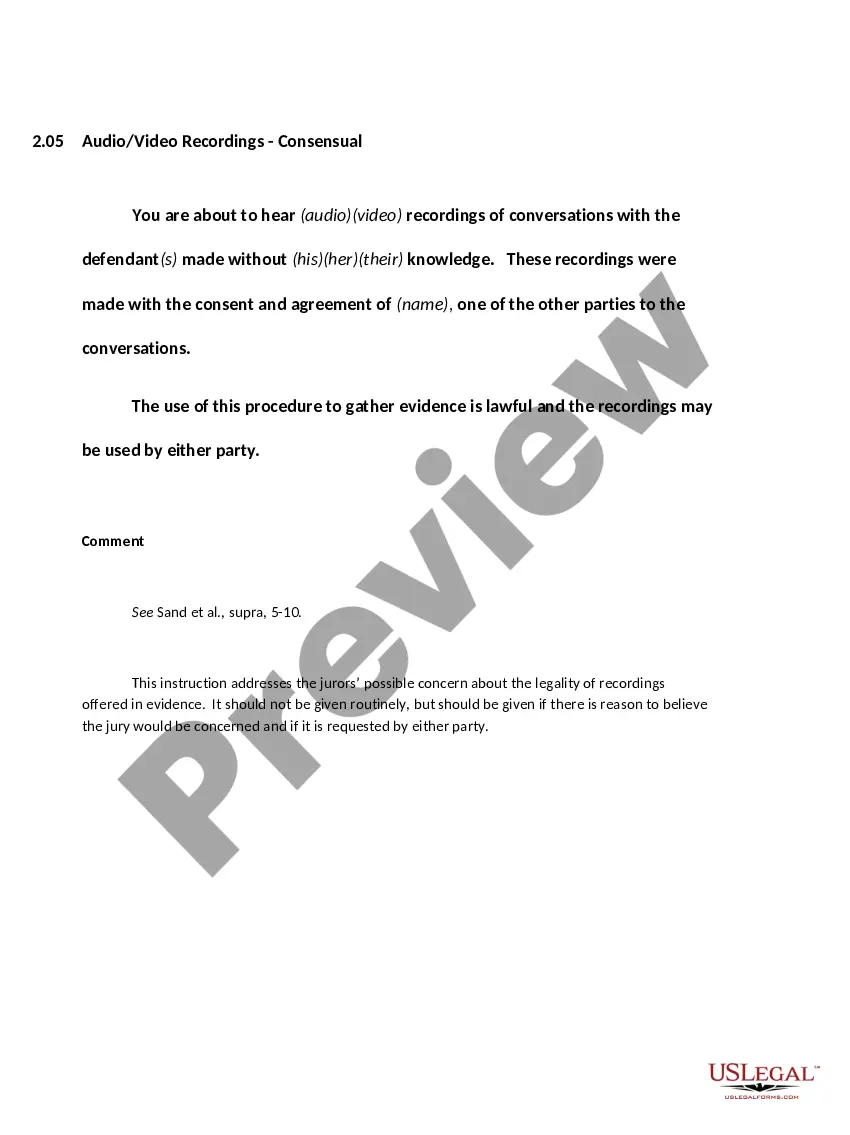
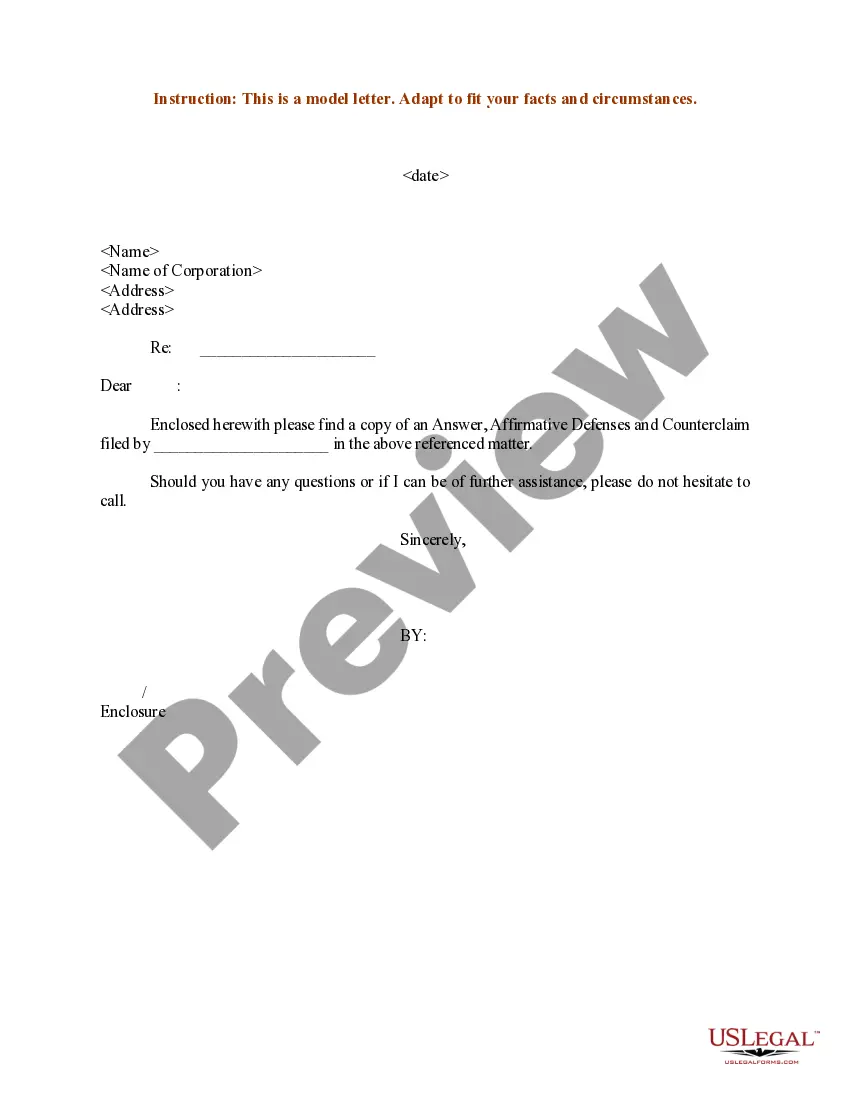
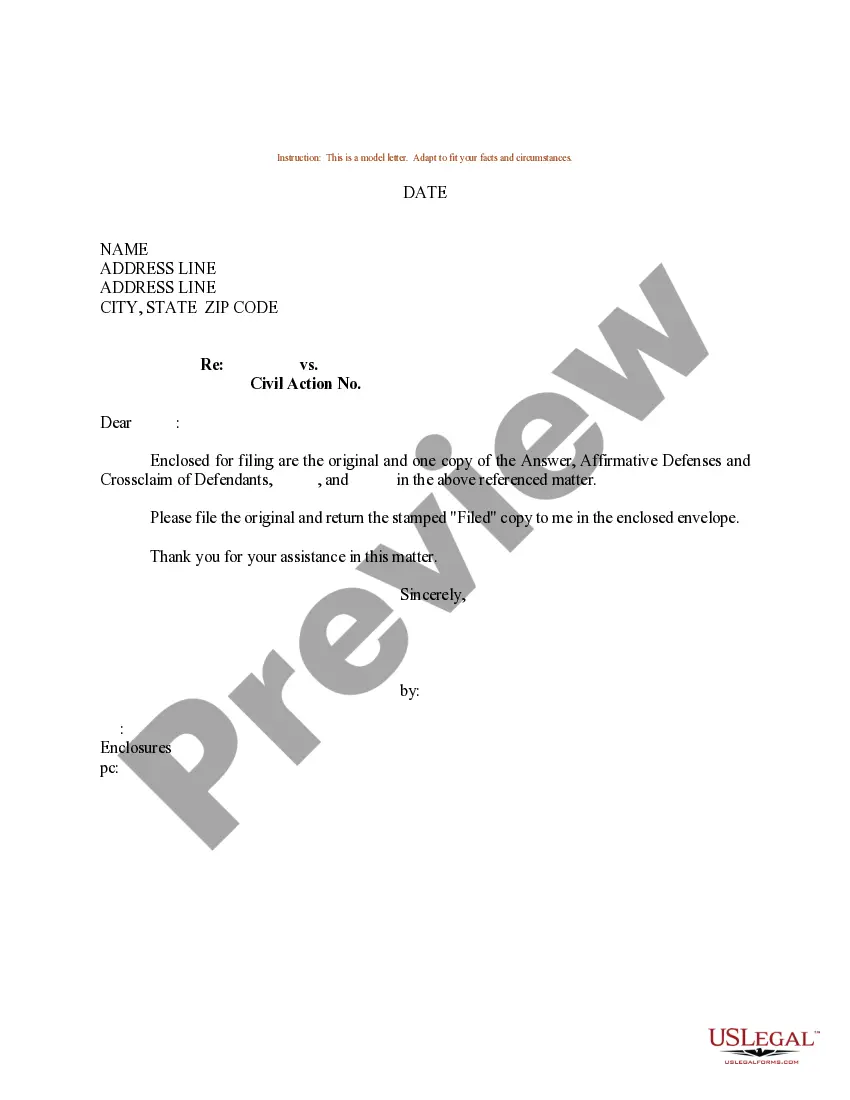
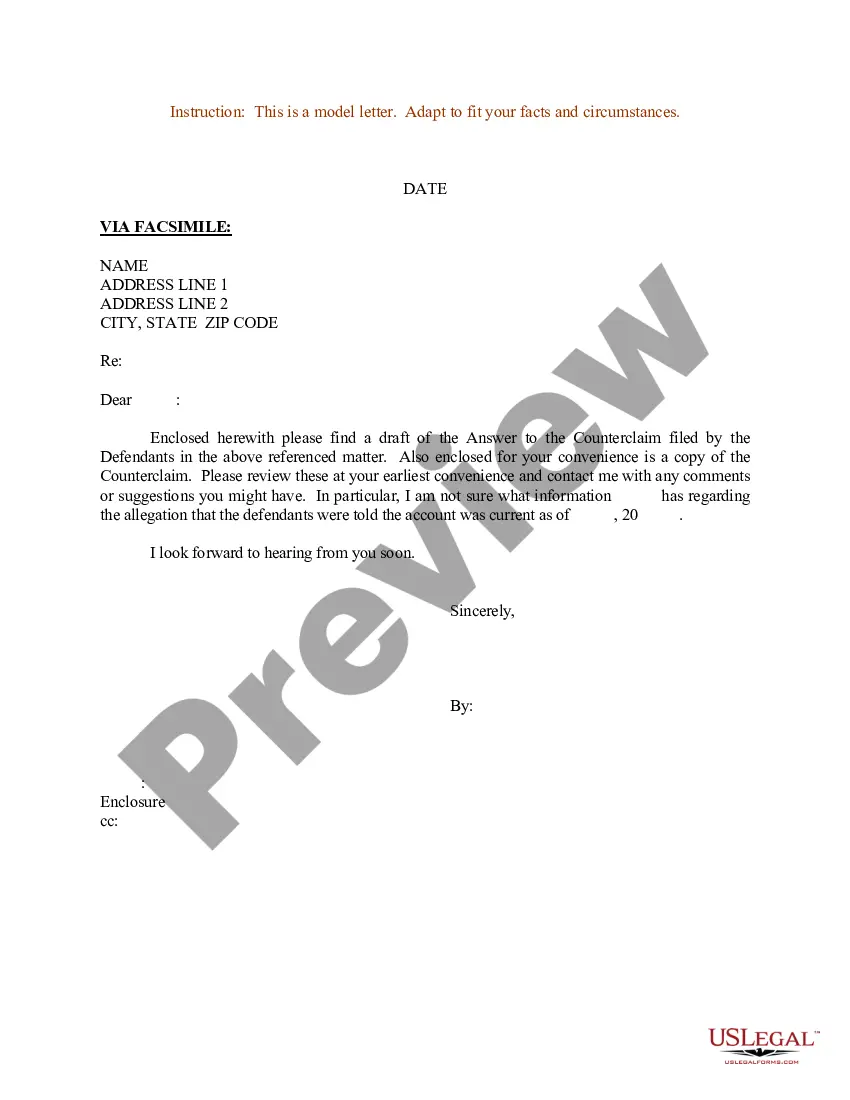
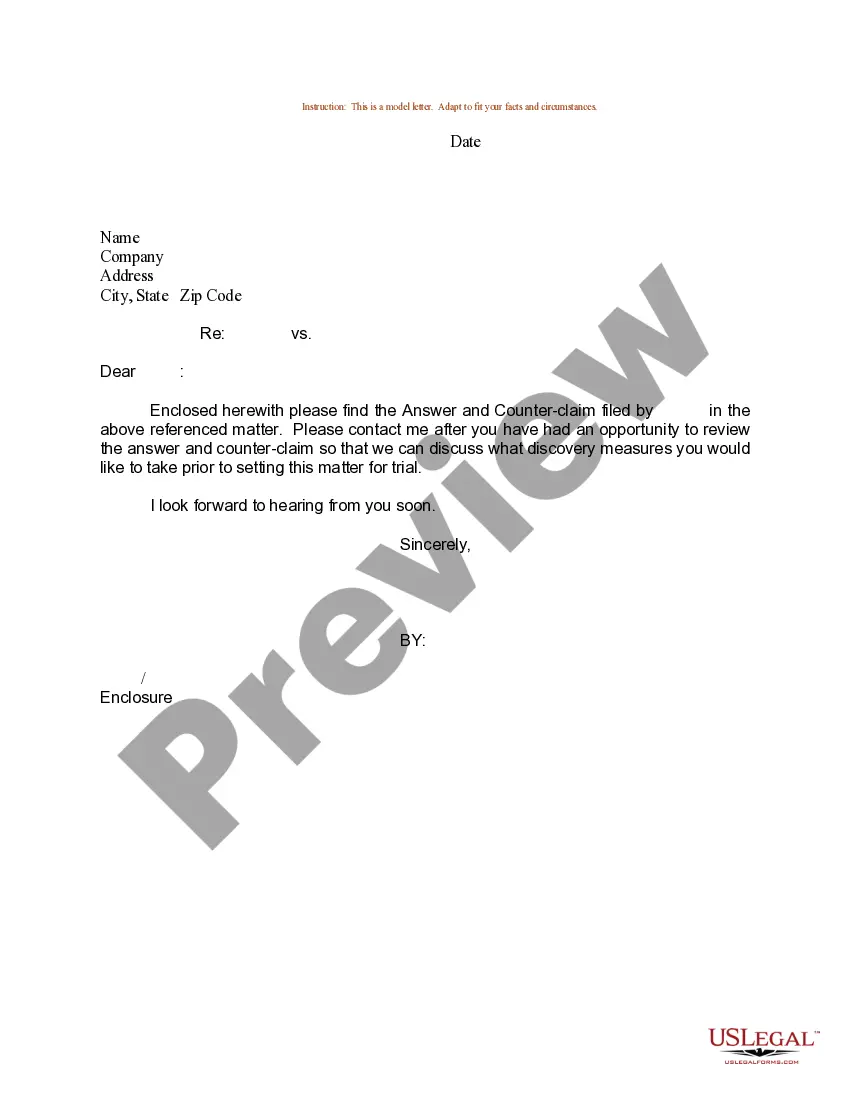
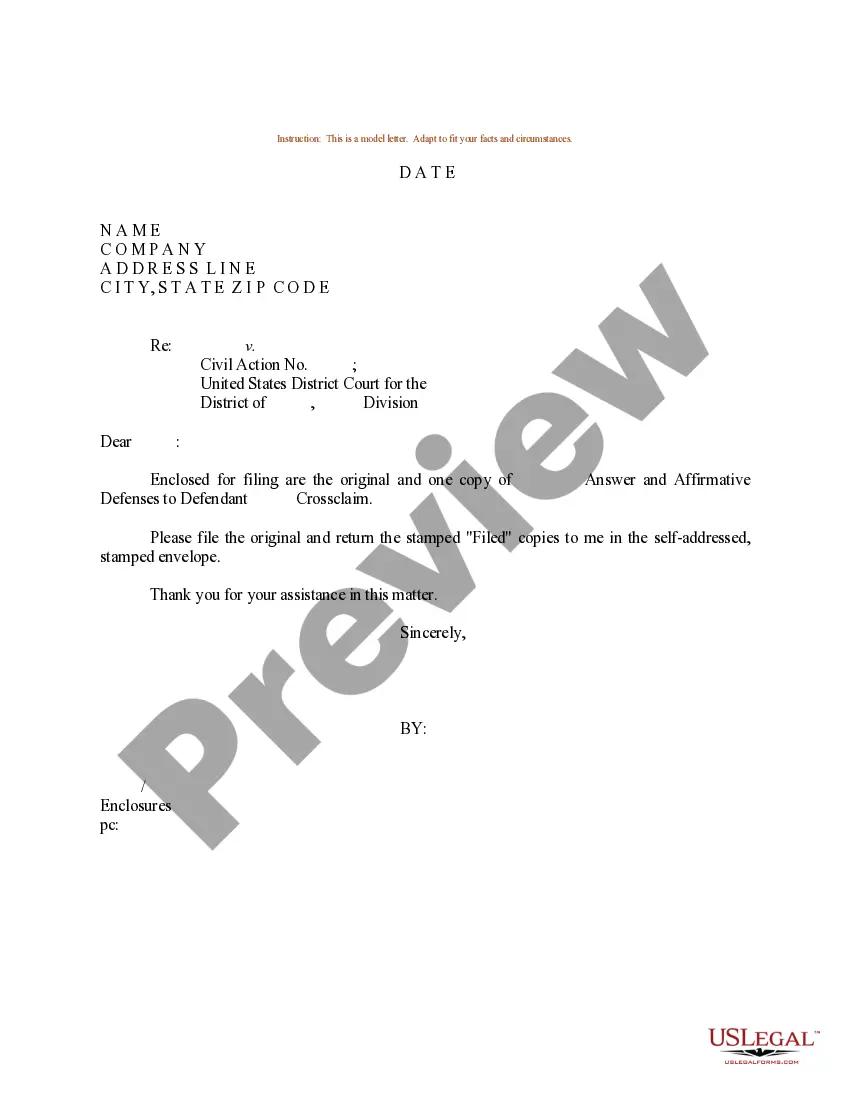
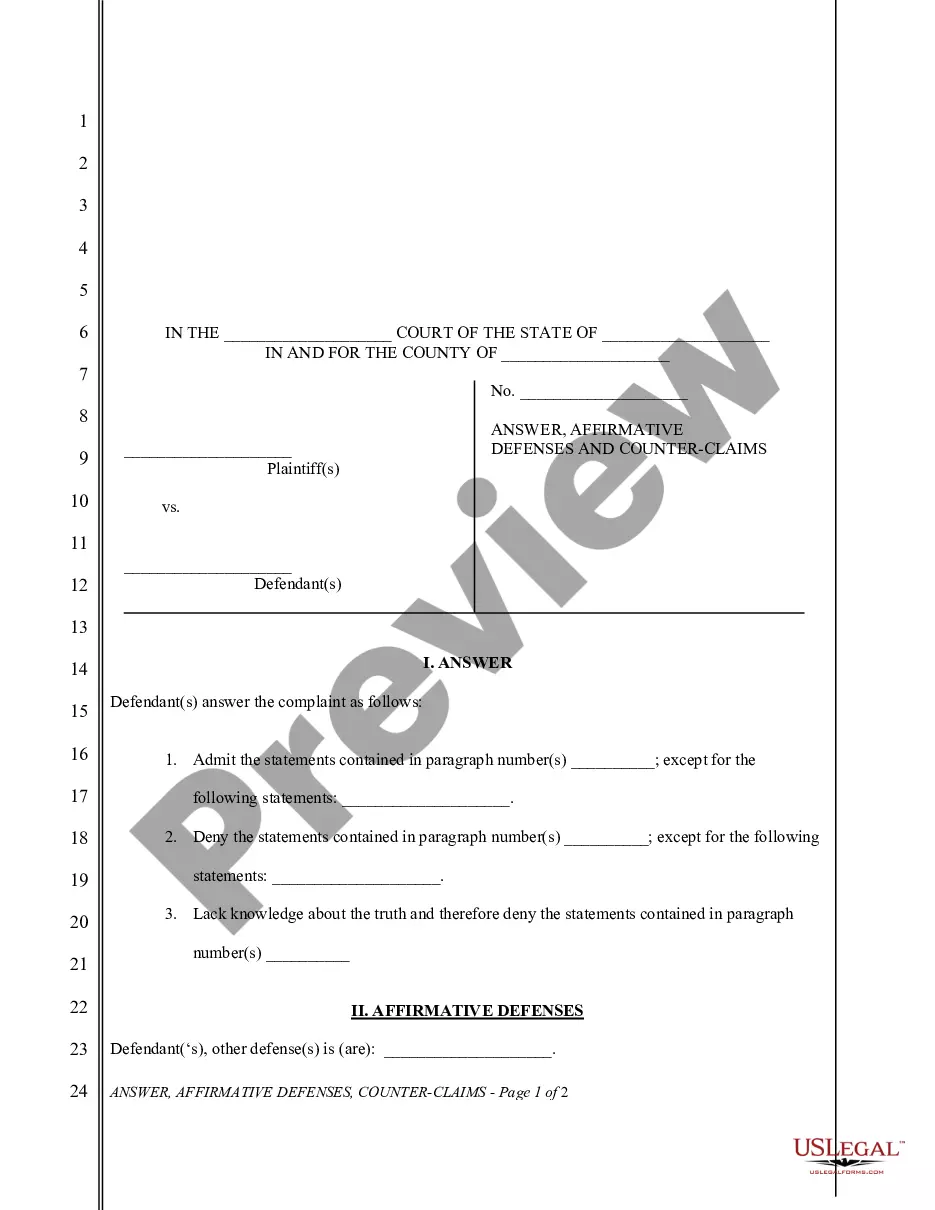
South Dakota Sample Letter regarding Answer, Affirmative Defenses, and Counterclaim
Description
Get your form ready online
Our built-in tools help you complete, sign, share, and store your documents in one place.
Make edits, fill in missing information, and update formatting in US Legal Forms—just like you would in MS Word.
Download a copy, print it, send it by email, or mail it via USPS—whatever works best for your next step.
Sign and collect signatures with our SignNow integration. Send to multiple recipients, set reminders, and more. Go Premium to unlock E-Sign.
If this form requires notarization, complete it online through a secure video call—no need to meet a notary in person or wait for an appointment.
We protect your documents and personal data by following strict security and privacy standards.

Make edits, fill in missing information, and update formatting in US Legal Forms—just like you would in MS Word.

Download a copy, print it, send it by email, or mail it via USPS—whatever works best for your next step.

Sign and collect signatures with our SignNow integration. Send to multiple recipients, set reminders, and more. Go Premium to unlock E-Sign.

If this form requires notarization, complete it online through a secure video call—no need to meet a notary in person or wait for an appointment.

We protect your documents and personal data by following strict security and privacy standards.
Looking for another form?



How to fill out Sample Letter Regarding Answer, Affirmative Defenses, And Counterclaim?
US Legal Forms - one of the largest collections of legal templates in the USA - offers a vast selection of legal document templates that you can download or print. By using the website, you can access thousands of forms for business and personal purposes, organized by categories, states, or keywords. You can find the latest templates of forms like the South Dakota Sample Letter for Answer, Affirmative Defenses, and Counterclaim in moments.
If you already have a subscription, Log In and download the South Dakota Sample Letter for Answer, Affirmative Defenses, and Counterclaim from the US Legal Forms library. The Download button will appear on each form you view. You can access all previously acquired forms in the My documents tab of your account.
If you are using US Legal Forms for the first time, here are simple steps to help you get started: Ensure you have selected the correct form for your region/state. Click on the Review button to check the form's details. Review the form summary to confirm that you have chosen the right form. If the form does not meet your requirements, use the Search field at the top of the screen to find the one that does. If you are satisfied with the form, confirm your choice by clicking the Purchase now button. Then, select the pricing plan you prefer and provide your details to register for an account. Process the transaction. Use a credit card or PayPal account to complete the payment. Choose the format and download the form to your device. Make edits. Complete, modify and print and sign the downloaded South Dakota Sample Letter for Answer, Affirmative Defenses, and Counterclaim. Each template you add to your account does not expire and is yours indefinitely. Therefore, if you wish to download or print another copy, simply go to the My documents section and click on the form you need.
- Access the South Dakota Sample Letter for Answer, Affirmative Defenses, and Counterclaim with US Legal Forms, one of the most comprehensive collections of legal document templates.
- Utilize a wide array of professional and state-specific templates that meet your business or personal needs.
- Download or print forms at any time without worrying about expiration.
- Easily navigate the library to find the necessary legal documents.
- Ensure compliance with state laws by using templates designed for your specific region.
- Enjoy the convenience of having all necessary legal documents available online.
Form popularity
FAQ
A reply to affirmative defenses generally contains the following elements, in this order: ? A caption ? Denials of the allegations of the affirmative defenses and a reply to same ? Signature of the plaintiff's attorney (or the plaintiff, if unrepresented) When drafting the reply, be sure to address each allegation of ...
Examples of affirmative defenses include: Contributory negligence, which reduces a defendant's civil liability when the plaintiff's own negligence contributed to the plaintiff's injury. Statute of limitations, which prevents a party from prosecuting a claim after the limitations period has expired.
In criminal law, an affirmative defense is sometimes called a justification or excuse defense.
An affirmative defense is a confession and avoidance In contrast, a defendant who pleads an affirmative defense admits the plaintiff's allegations are true, but also pleads new facts which would allow him to avoid the consequences.
You should respond to the counterclaim as though it were a Statement of Claim and you were drafting a Defence: respond to every paragraph ? you can do this paragraph by paragraph if necessary; deny any allegations of fact that you do not admit ? you will be deemed to admit facts that you forget to plead to; and.
The defence to a counterclaim must deal with every allegation made by the defendant in the counterclaim by either admission, denial or making no admission. The counterclaim is drafted following the same rules as the defence, for details on drafting the defence - please see our previous Article in this series.
Affirmative adj 1 : asserting the existence of certain facts esp. in support of a cause of action [ proof] 2 : resulting from an intentional act [ concealment] 3 : involving or requiring application of effort [an duty] 4 : favoring or supporting a proposition or motion [an vote]
Affirmative Defence: a defence that, if proven, will eliminate liability despite all the elements of the offence having been made out. Negating Defence: a defence that negates one or more of the essential elements of the prosecution's case.