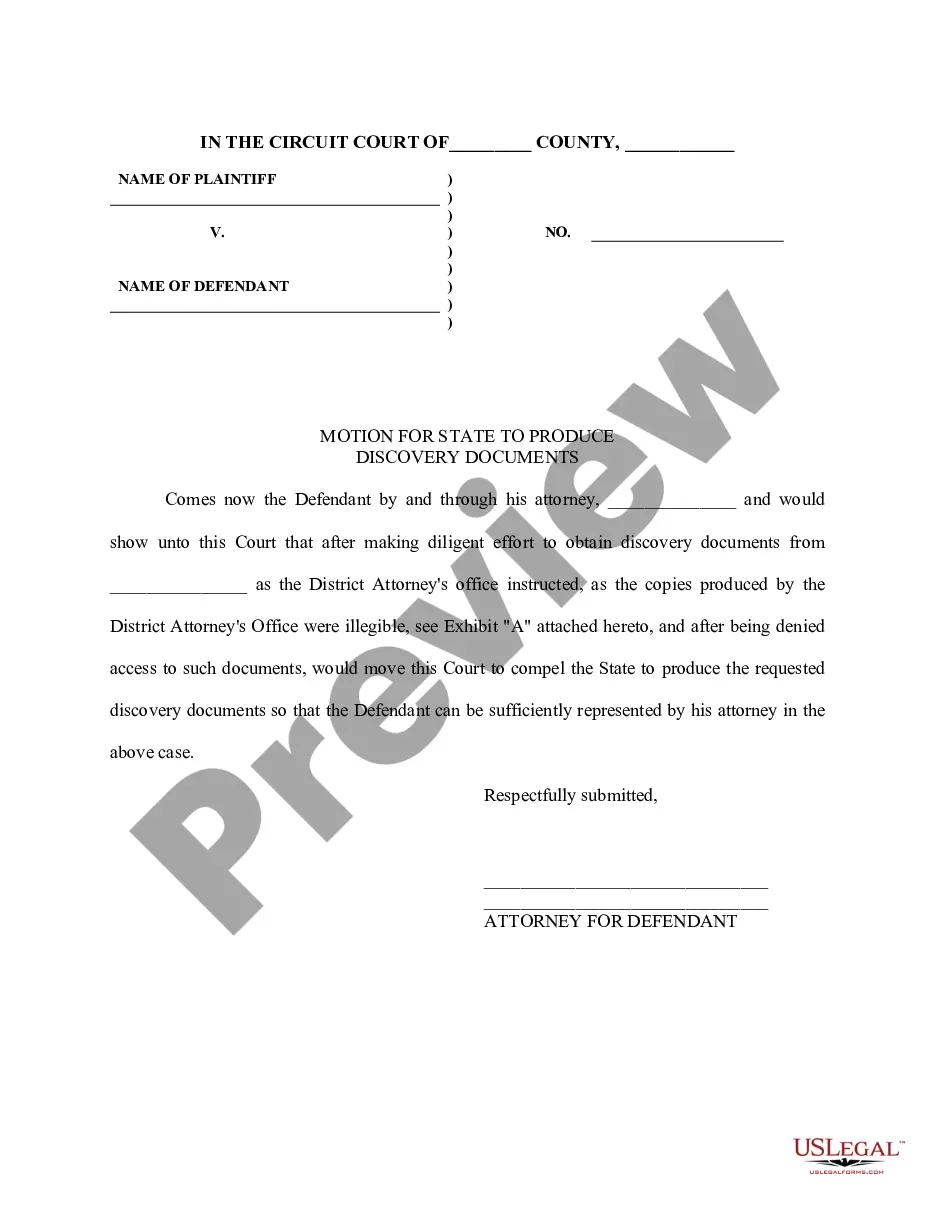
South Dakota Motion for State to Produce Discovery Document
Description
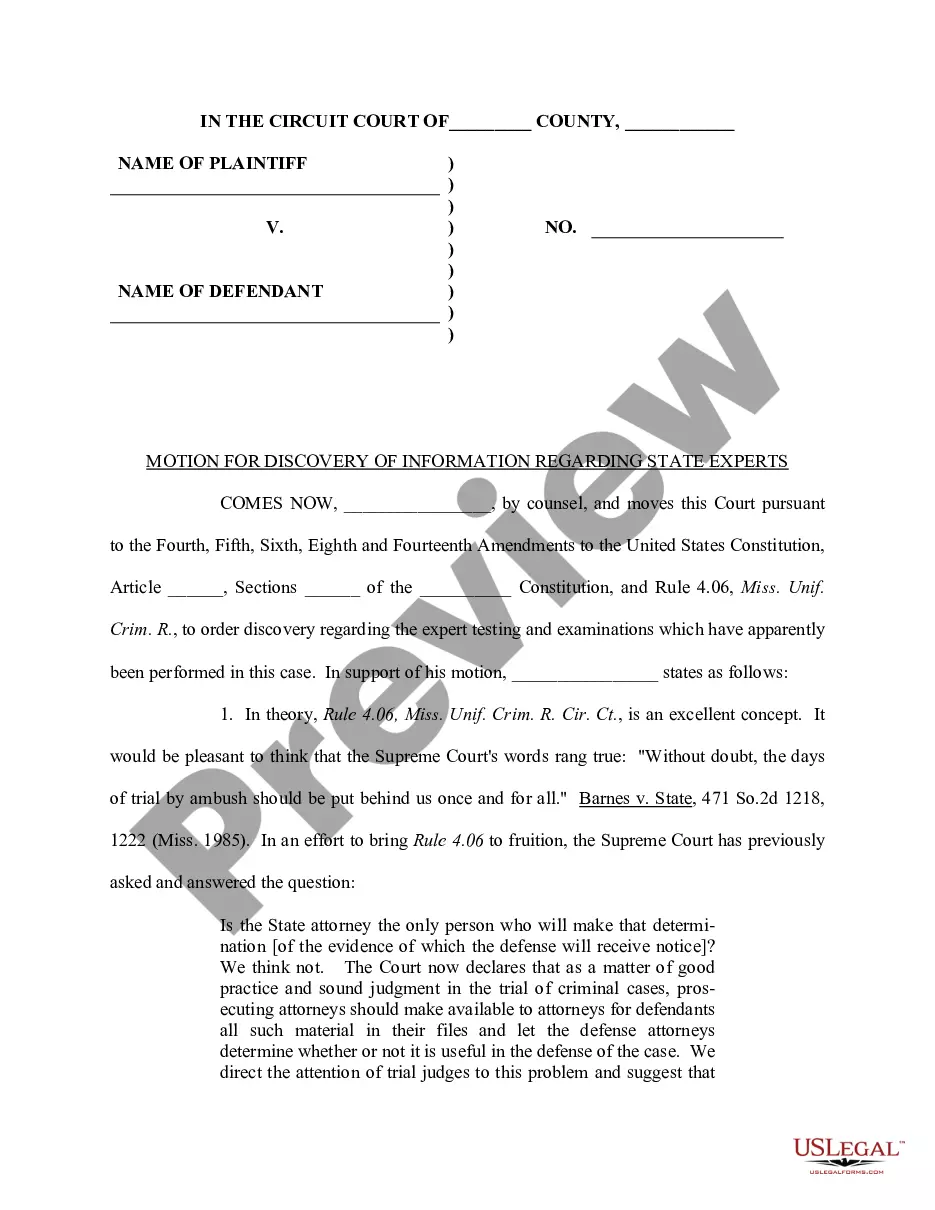
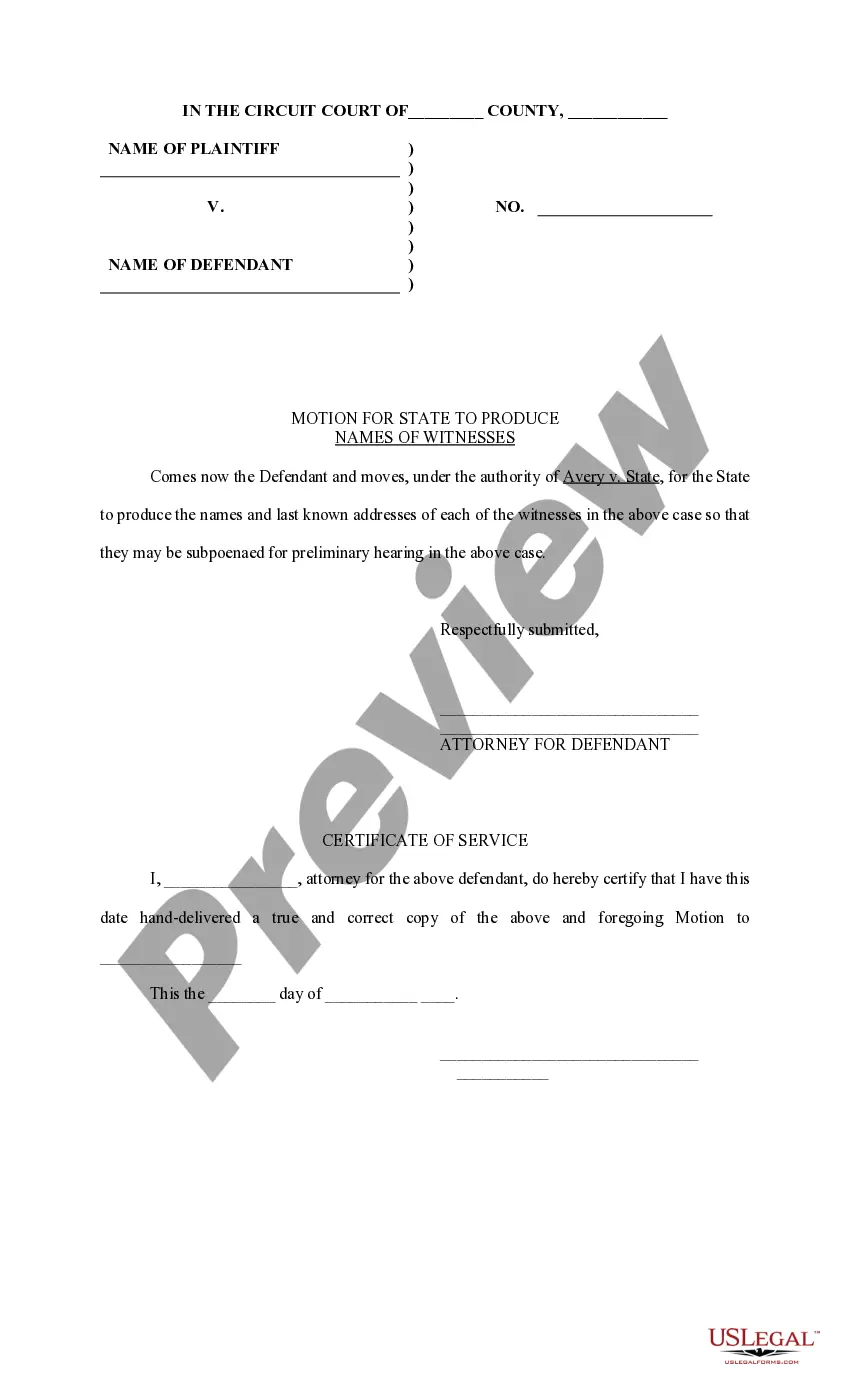
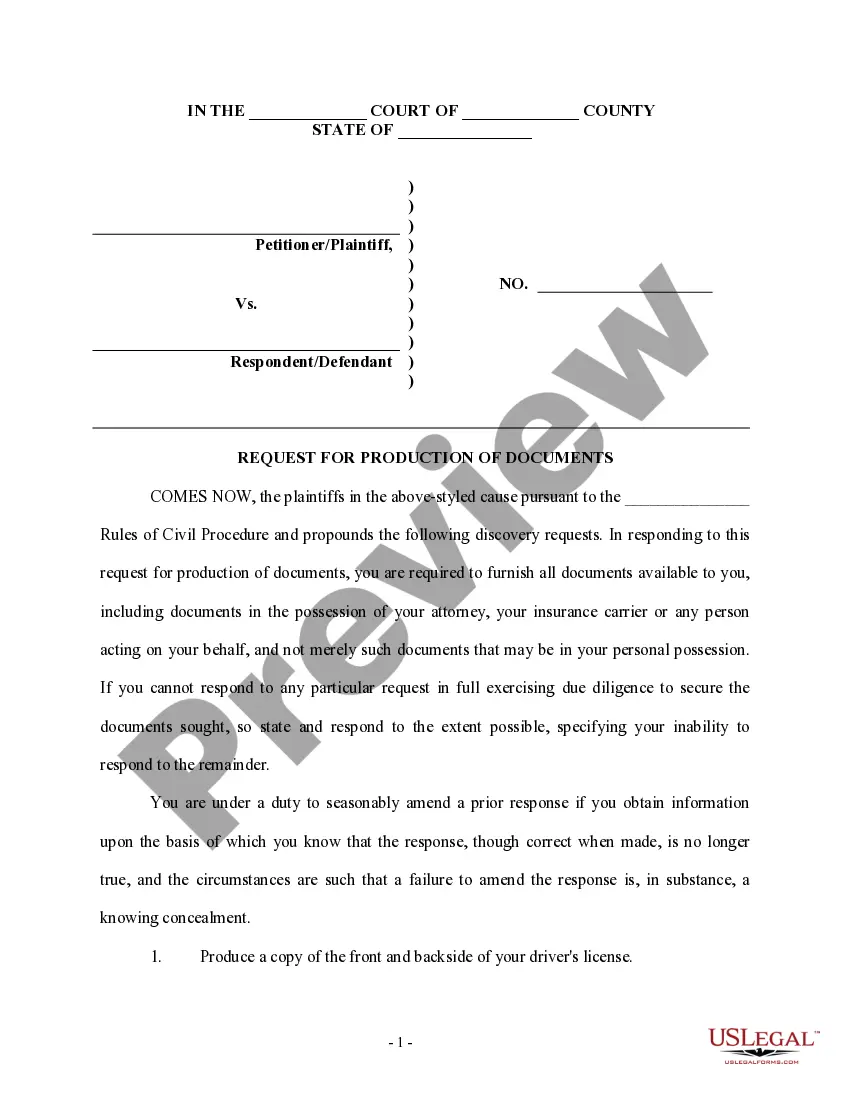
Get your form ready online
Our built-in tools help you complete, sign, share, and store your documents in one place.
Make edits, fill in missing information, and update formatting in US Legal Forms—just like you would in MS Word.
Download a copy, print it, send it by email, or mail it via USPS—whatever works best for your next step.
Sign and collect signatures with our SignNow integration. Send to multiple recipients, set reminders, and more. Go Premium to unlock E-Sign.
If this form requires notarization, complete it online through a secure video call—no need to meet a notary in person or wait for an appointment.
We protect your documents and personal data by following strict security and privacy standards.
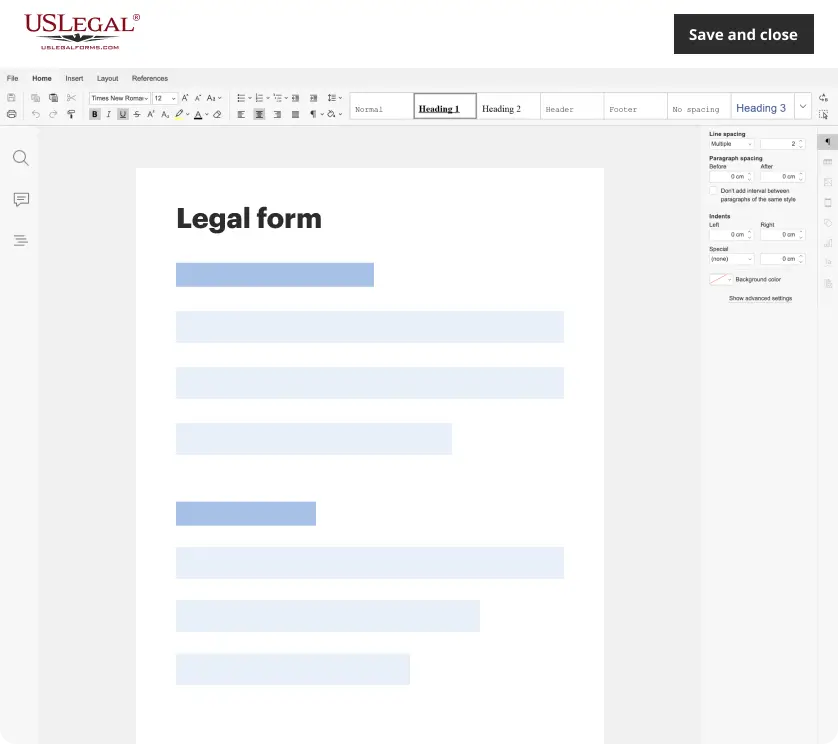
Make edits, fill in missing information, and update formatting in US Legal Forms—just like you would in MS Word.
Download a copy, print it, send it by email, or mail it via USPS—whatever works best for your next step.
Sign and collect signatures with our SignNow integration. Send to multiple recipients, set reminders, and more. Go Premium to unlock E-Sign.
If this form requires notarization, complete it online through a secure video call—no need to meet a notary in person or wait for an appointment.
We protect your documents and personal data by following strict security and privacy standards.
Looking for another form?
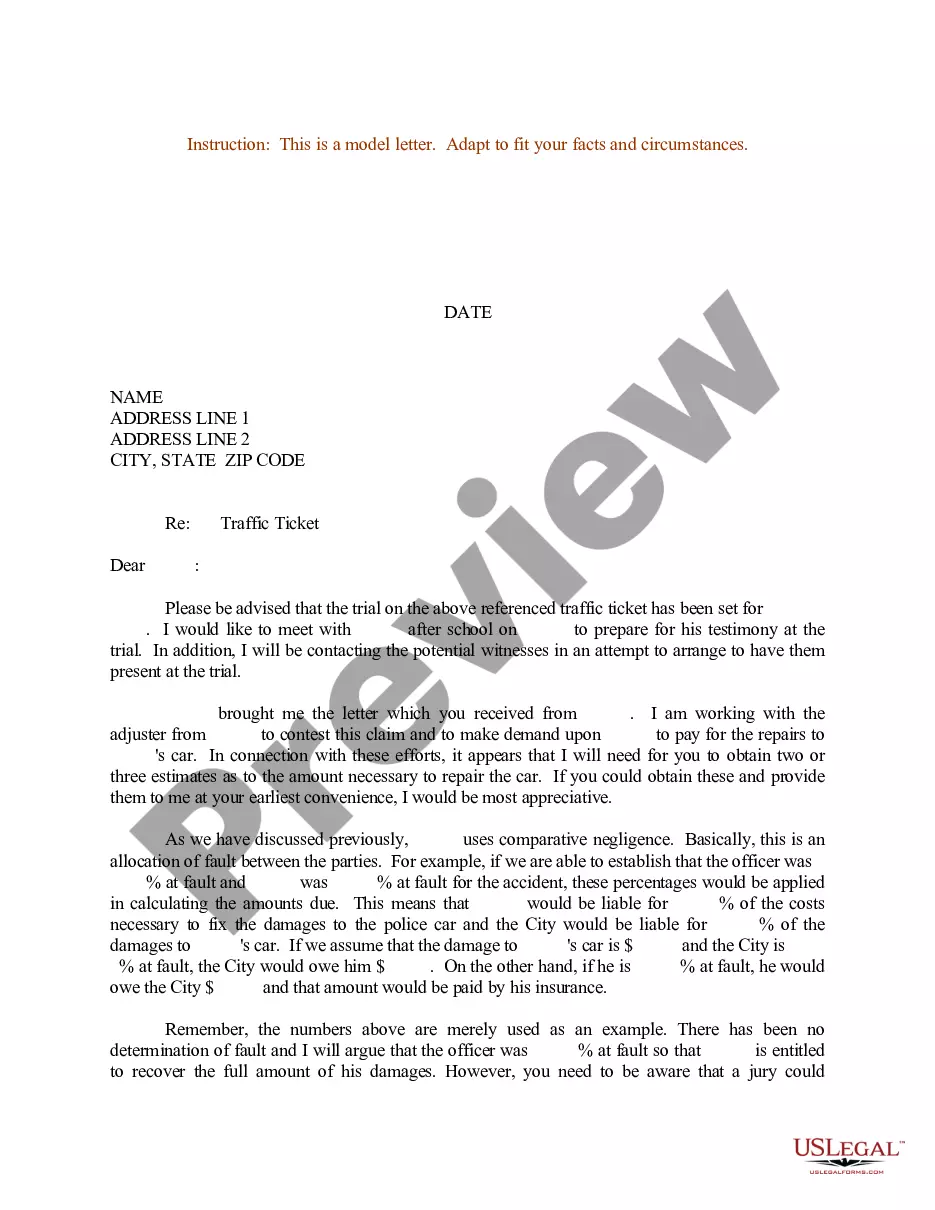


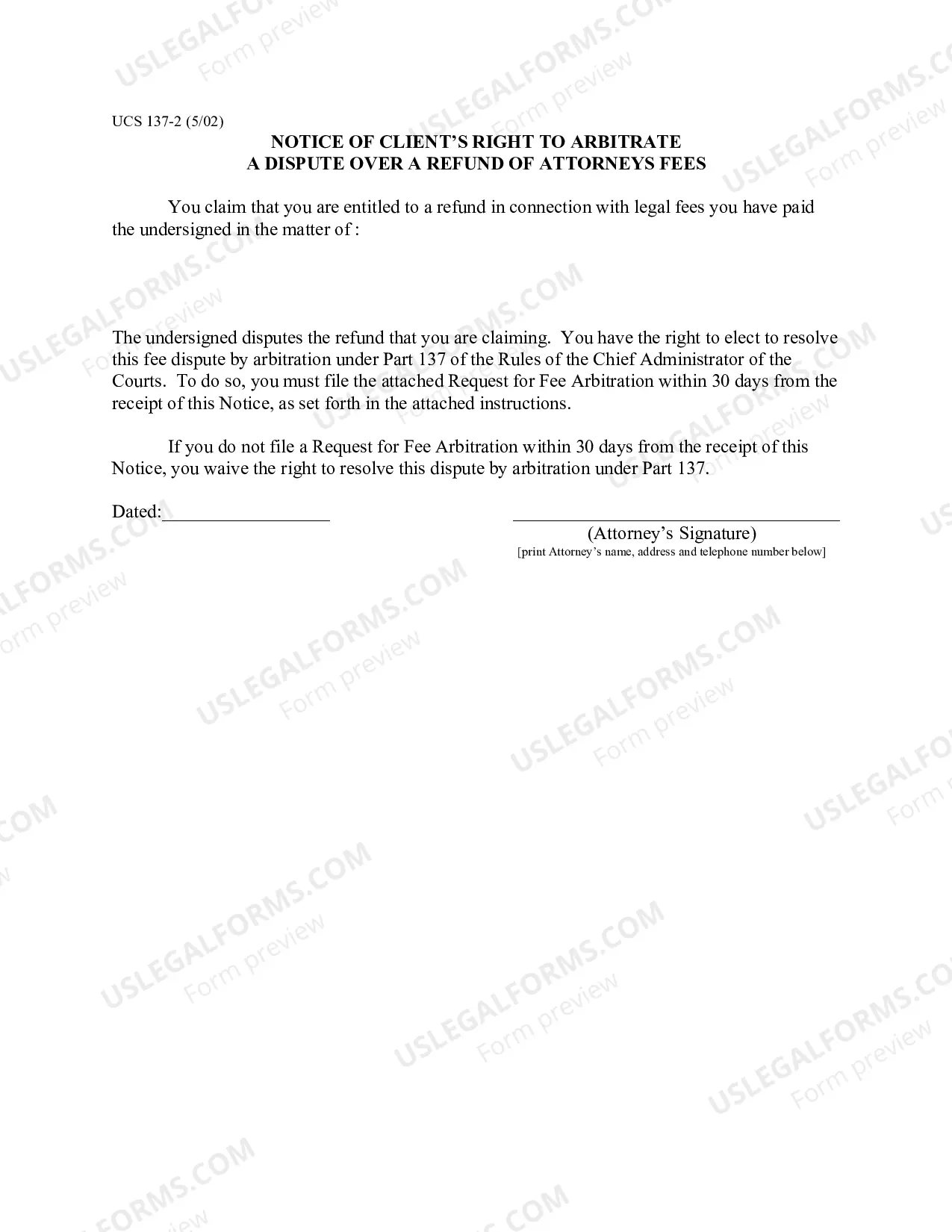
How to fill out Motion For State To Produce Discovery Document?
Are you presently in a circumstance where you need documents for either organizational or personal purposes almost every day.
There are numerous legal document templates accessible online, but finding versions you can trust is not easy.
US Legal Forms offers thousands of form templates, such as the South Dakota Motion for State to Produce Discovery Document, which are designed to meet state and federal requirements.
Once you find the correct form, click Get now.
Choose the pricing plan you prefer, complete the necessary information to create your account, and pay for an order using your PayPal or credit card. Select a suitable file format and download your copy. Access all the document templates you have purchased in the My documents section. You can obtain an additional copy of the South Dakota Motion for State to Produce Discovery Document at any time if needed. Just click the required form to download or print the document template. Utilize US Legal Forms, the most extensive collection of legal forms, to save time and avoid mistakes. The service offers professionally crafted legal document templates that you can use for a variety of purposes. Create your account on US Legal Forms and start simplifying your life.
- If you are already familiar with the US Legal Forms website and possess your account, simply Log In.
- Then, you can download the South Dakota Motion for State to Produce Discovery Document template.
- If you do not have an account and wish to start using US Legal Forms, follow these steps.
- Select the form you need and ensure it is for the correct state/region.
- Use the Review option to examine the form.
- Check the summary to confirm that you have chosen the appropriate form.
- If the form is not what you are looking for, utilize the Search field to find the form that fits your needs and criteria.
Form popularity
FAQ
See SDCL 15-26A-3. A motion for reconsideration is not a separate and appealable order. Rather, it is ?an invitation to the court to consider exercising its inherent power to vacate or modify its own judgment.? Breeden v. , 598 NW2d 441, 444 ( 1999).
Each side may serve no more than 10 interrogatories, including all discrete subparts, on any other side under § 15-6-33. (B) Production of documents. Each side may serve no more than 10 requests for production, including all discrete subparts, on any other side under $ 15-6-34. (D) Requests for admission.
Each party is allowed to serve 50 interrogatories on any other party, but must obtain leave of court (or a stipulation from the opposing party) to serve a larger number. Parties cannot evade this limitation by joining as "subparts" questions that seek information about discrete separate subjects.
In civil procedure, an interrogatory is a list of written questions one party sends to another as part of the discovery process.
In South Dakota, all misdemeanors carry a lengthy seven-year statute of limitations. Most felonies also have a seven-year statute of limitations. Class A, B, and C felonies do not have any statute of limitations.
Unless otherwise limited by court order, the scope of discovery is as follows: Parties may obtain discovery regarding any nonprivileged matter that is relevant to any party's claim or defense, including the existence, description, nature, custody, condition, and location of any documents, electronically stored ...
Subpart of an interrogatory introduces a line of inquiry that is separate and distinct from the inquiry. made by the portion of the interrogatory that precedes it, the subpart must be considered a separate.