South Dakota Co-Branding Agreement
Description
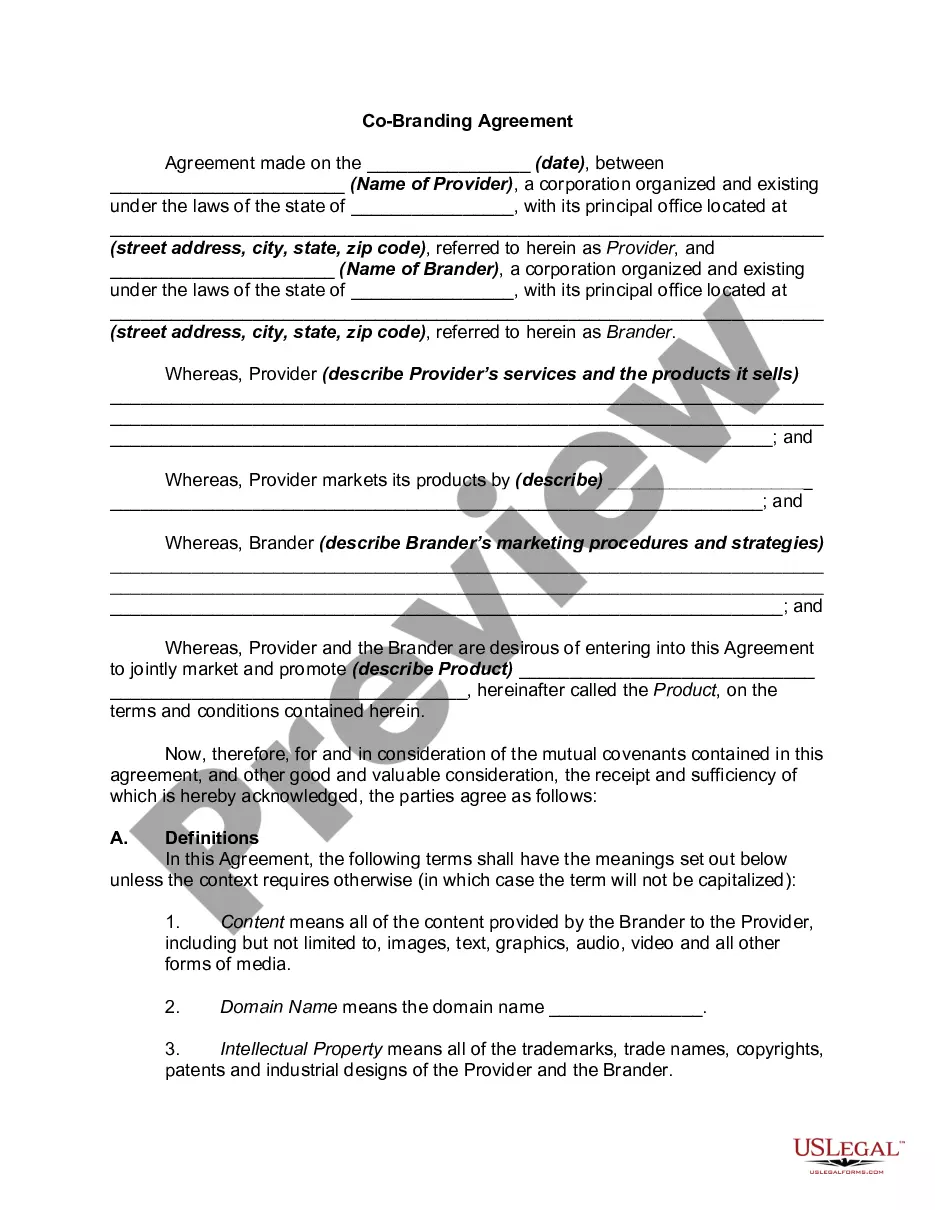
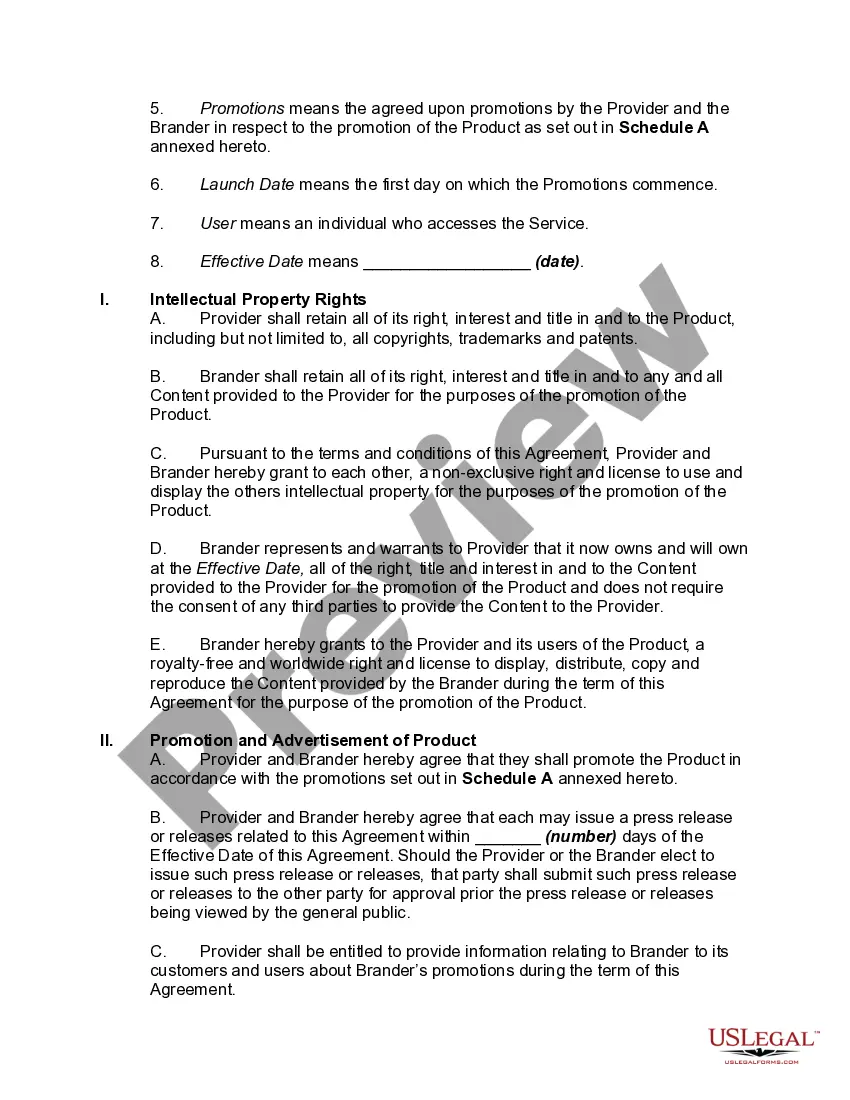
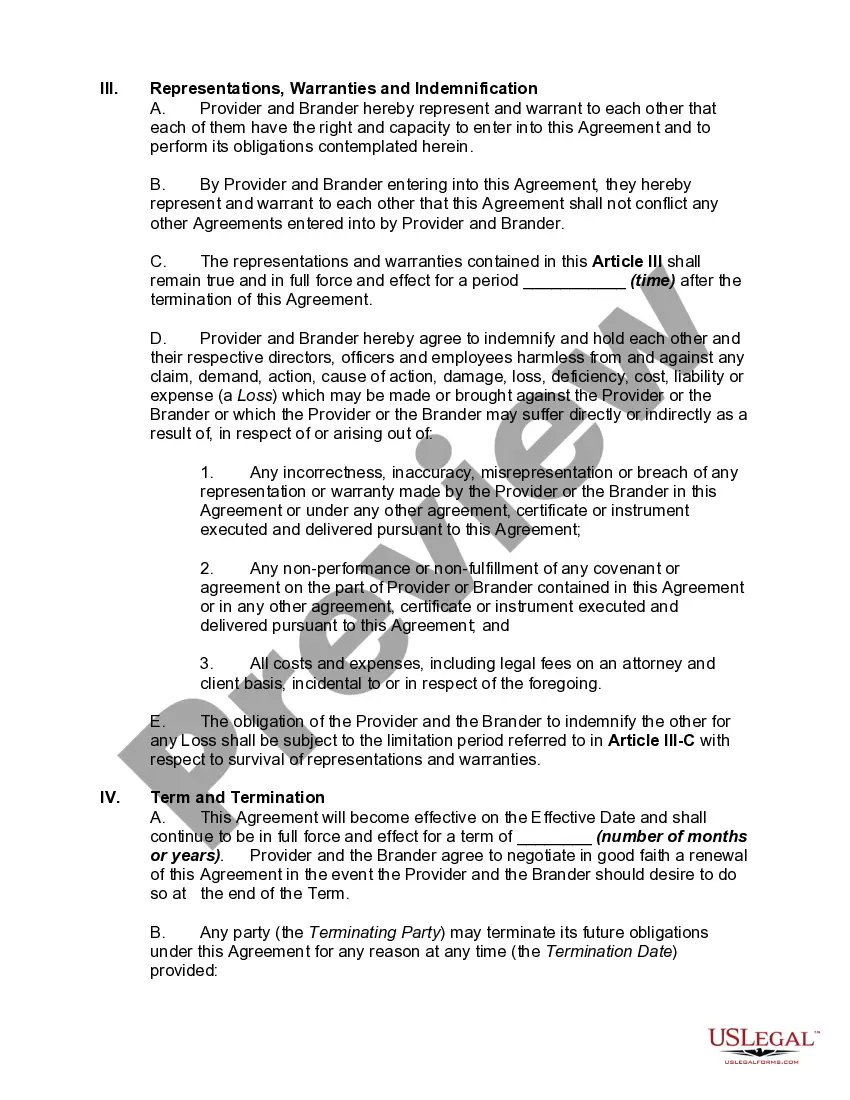
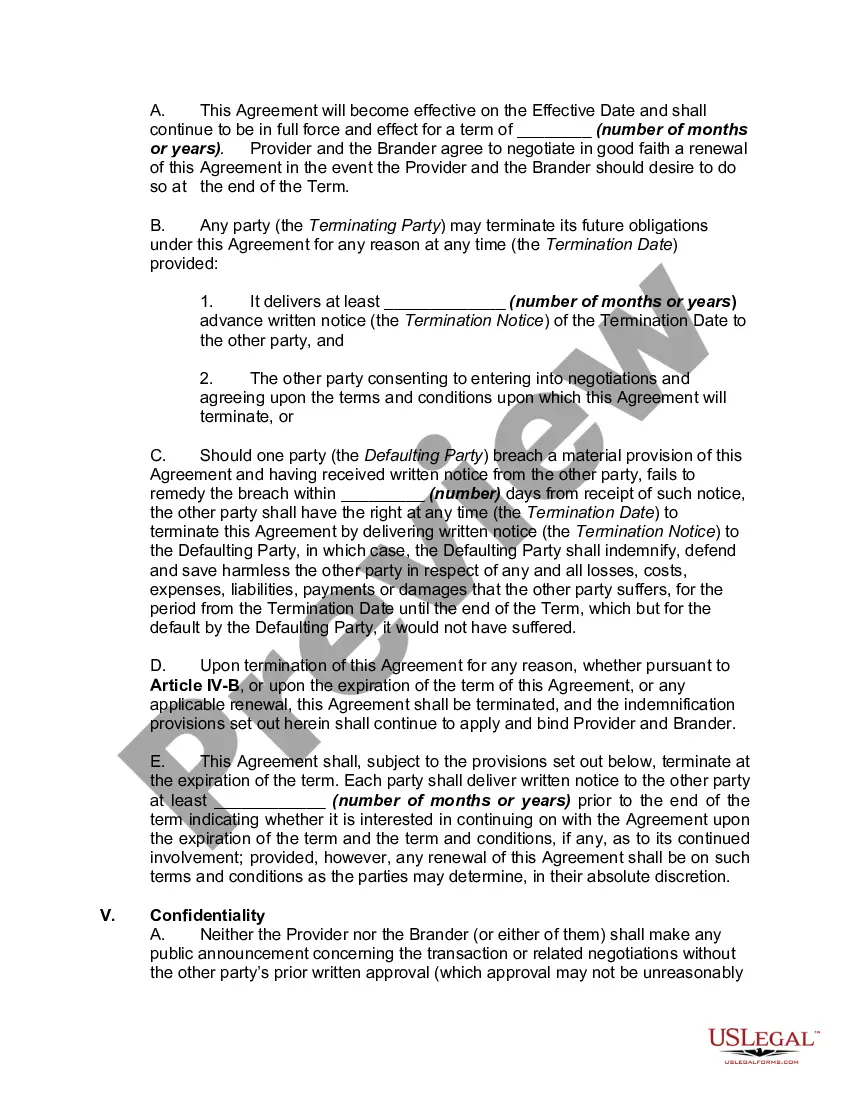
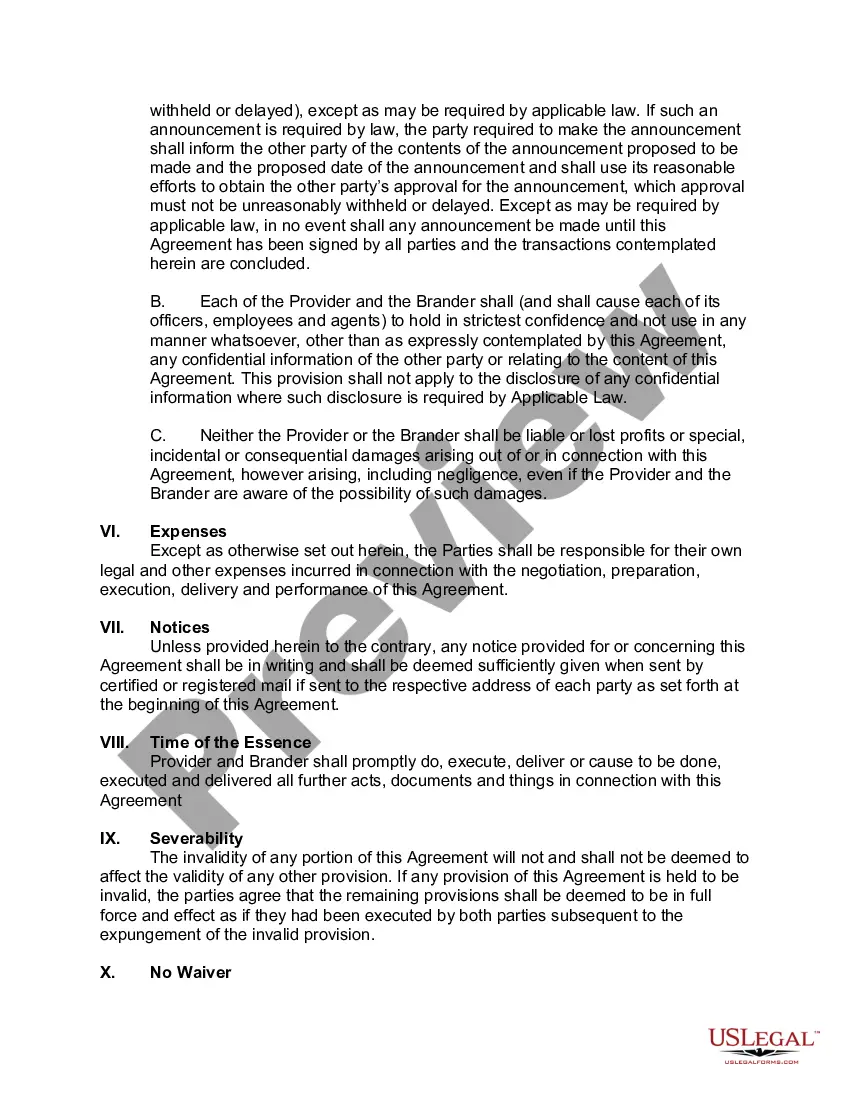
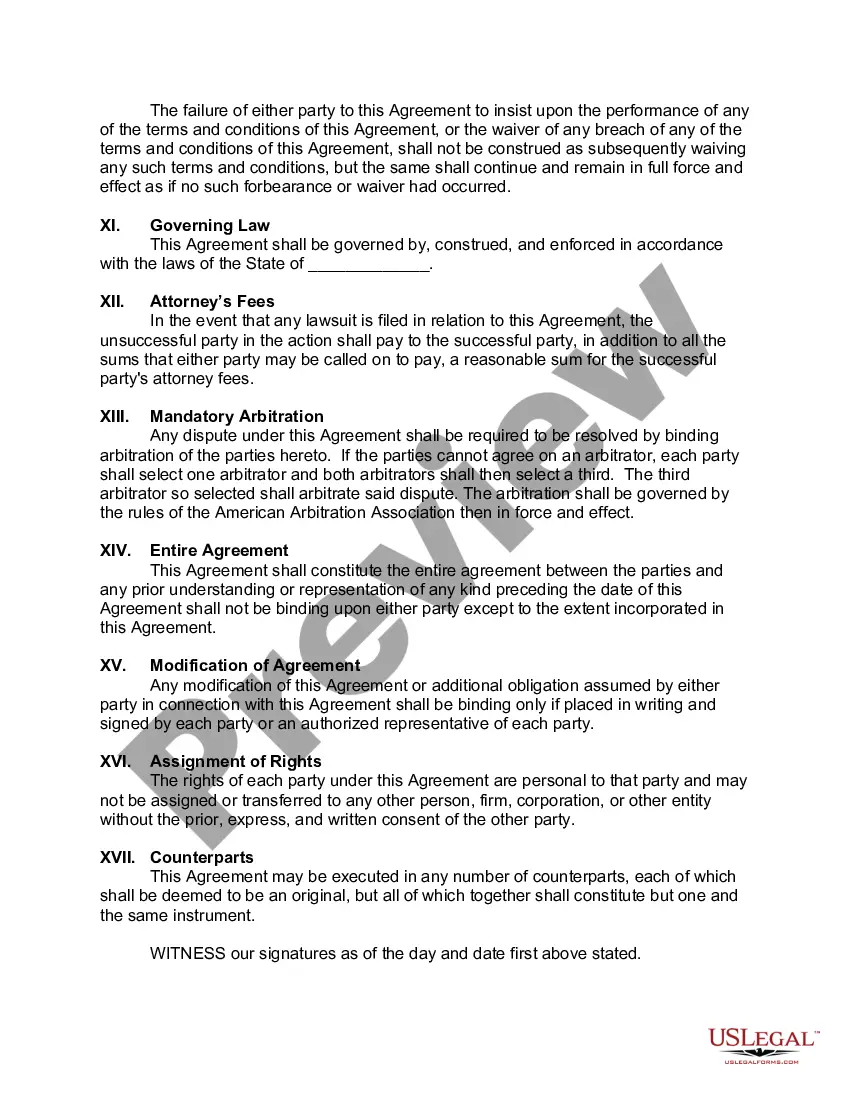
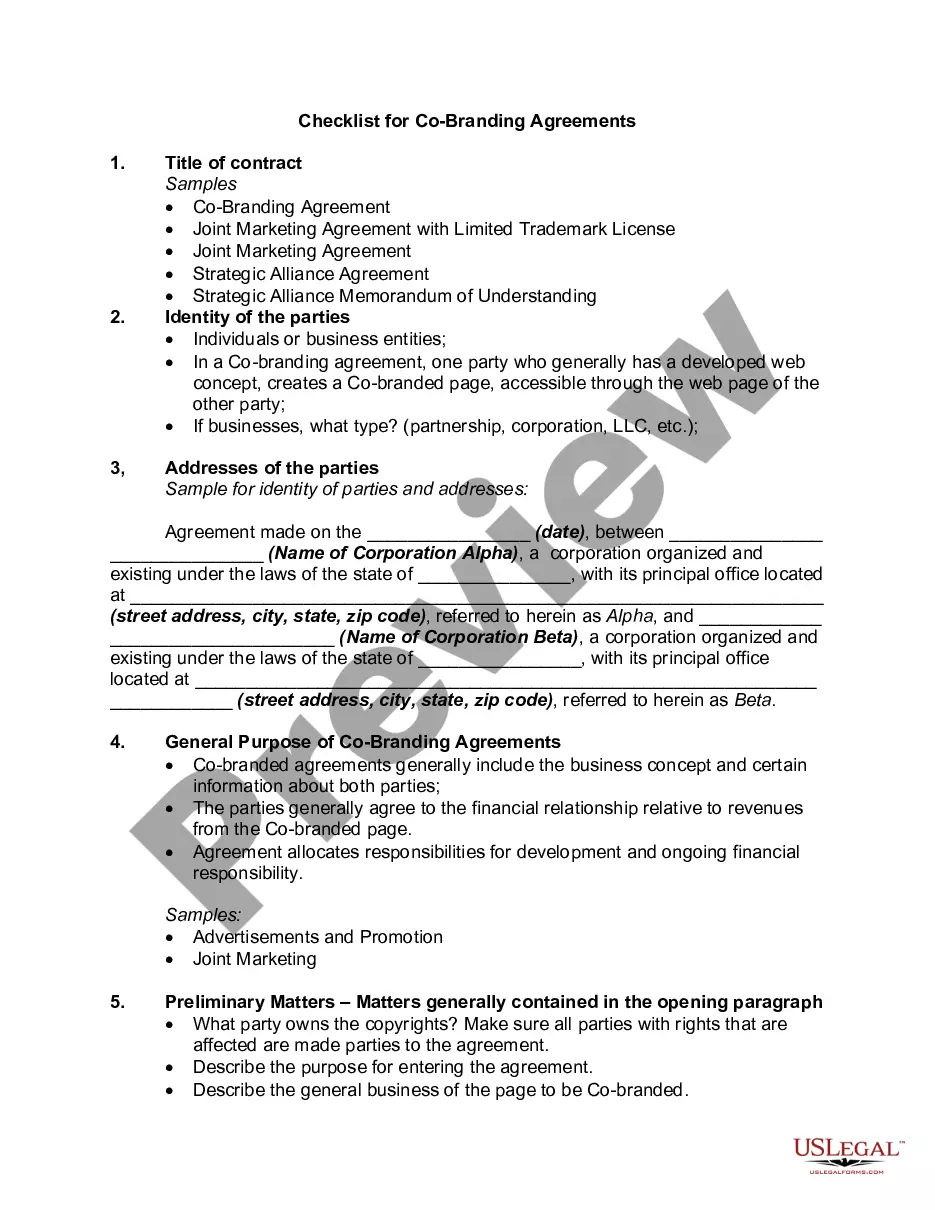

How to fill out Co-Branding Agreement?
Selecting the appropriate legal document format can be challenging.
Clearly, there is a multitude of templates accessible on the web, but how do you find the legal draft you require.
Utilize the US Legal Forms website. This service offers thousands of templates, such as the South Dakota Co-Branding Agreement, suitable for both business and personal purposes.
You may review the form using the Review button and read the form description to confirm it is suitable for you.
- All the forms are reviewed by experts and comply with both federal and state regulations.
- If you are already registered, Log In to your account and click the Download button to secure the South Dakota Co-Branding Agreement.
- You can use your account to access the legal forms you have previously ordered.
- Navigate to the My documents section of your account and download another copy of the document you require.
- If you are a new user of US Legal Forms, here are simple steps to follow.
- First, ensure that you have selected the correct form for your region/county.
Form popularity
FAQ
Partnership refers to a business arrangement where two or more individuals share ownership and management responsibilities, while co-ownership is more focused on shared ownership of a particular asset or property. In the context of a South Dakota Co-Branding Agreement, it's vital to clarify how each entity contributes and benefits from the relationship. Understanding these distinctions can help you create a solid foundation for your business arrangement.
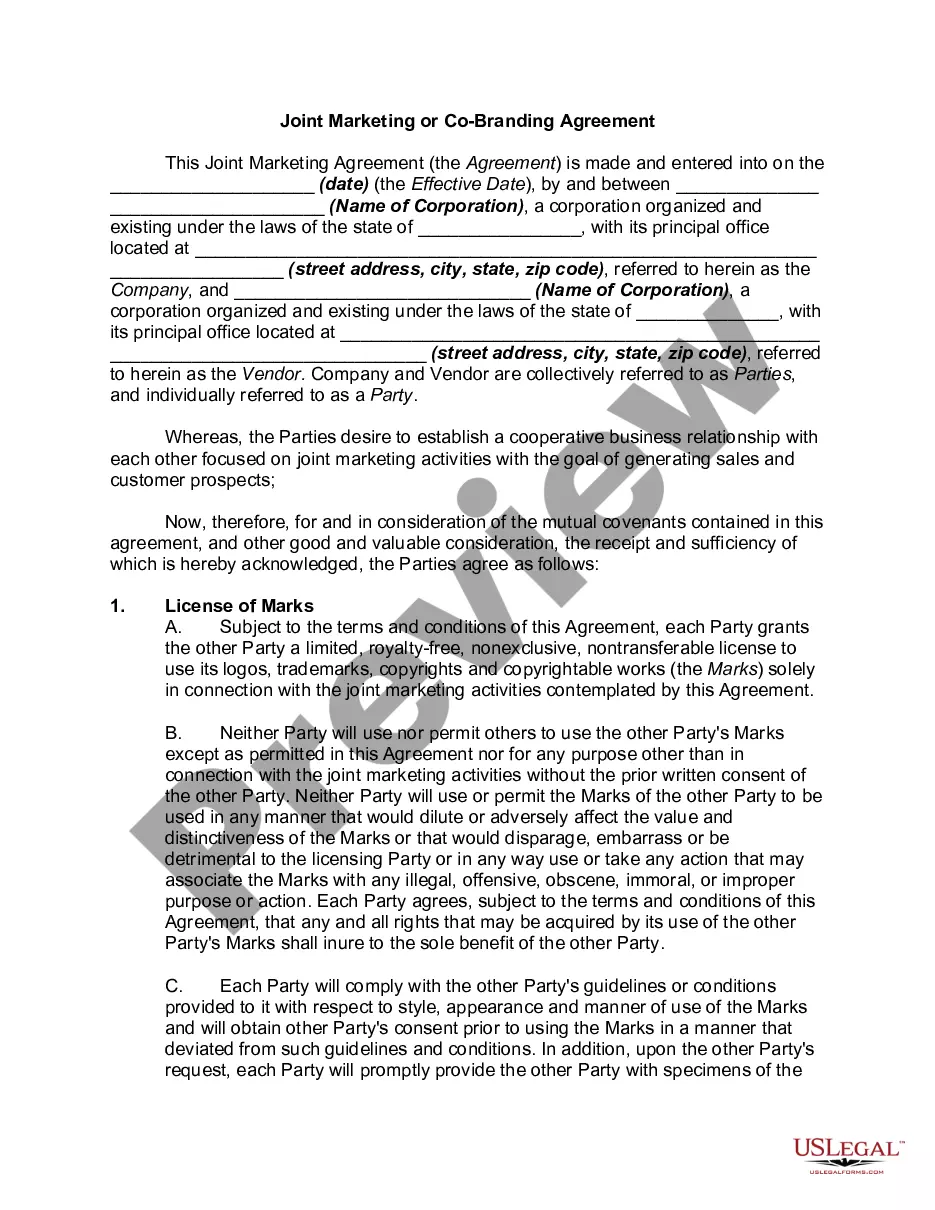
Co-branding is a marketing strategy where two or more brands join forces to create a product or service that benefits from the reputation and recognition of both. Through a South Dakota Co-Branding Agreement, companies can establish clear guidelines on brand usage, profit-sharing, and customer engagement. This synergy can enhance market reach and create a unique value proposition for customers.
Brand collaboration involves two or more companies working together on specific projects or campaigns, while partnership implies a deeper, ongoing relationship. A South Dakota Co-Branding Agreement can facilitate both scenarios, outlining the terms of collaboration and responsibilities of each party involved. Ultimately, choosing the right approach depends on your business goals and how you want to engage with other brands.
Engaging in co-branding can be highly beneficial, particularly when both brands align well with their target audiences and market goals. A South Dakota Co-Branding Agreement enables businesses to create a unified brand message, attract new customers, and expand their reach. By combining resources and expertise, companies can enhance their competitiveness and offer unique products or services that distinguish them in the marketplace.
Co-branding involves two brands collaborating on a product or service to leverage each other's strengths, while a partnership typically refers to a broader business relationship where both parties contribute to various aspects of the venture. In the context of a South Dakota Co-Branding Agreement, both brands agree to share promotional efforts and resources for mutual benefit. This distinct arrangement allows for targeted marketing strategies that enhance visibility and value for both parties.
The key difference between a partnership and co-branding lies in the nature of the collaboration. A partnership typically involves deeper integration and joint ownership of a business entity, while co-branding allows brands to maintain independence while working together. A South Dakota Co-Branding Agreement focuses on joint marketing and product creation, enabling brands to capitalize on each other's strengths without merging their operations.
branding arrangement is a strategic partnership where two brands work together to promote a shared product or service. This agreement defines how the brands will collaborate, share resources, and allocate responsibilities. In a South Dakota CoBranding Agreement, both parties benefit by expanding their reach while maintaining their distinct identities, ultimately leading to successful outcomes.
Co-branding is when two different companies partner to offer a product or service that features both brand names. A classic example is the partnership between a popular snack brand and a well-known beverage company, creating a unique combo product. Through a South Dakota Co-Branding Agreement, these brands can enhance their visibility and attract a broader audience, driving sales together.
Co-branding works by bringing together two or more brands to create a product or service that enhances the offerings of both parties. In a South Dakota Co-Branding Agreement, brands collaborate to leverage each other's strengths while sharing marketing efforts, resources, and customer bases. This collaboration can lead to increased brand recognition and customer loyalty, providing a win-win scenario for all involved.
Yes, South Dakota is widely regarded as a business-friendly state due to its favorable tax climate and minimal regulatory burdens. The state offers various incentives for businesses, such as no corporate income tax and low sales tax rates. When considering a South Dakota Co-Branding Agreement, businesses can benefit from the pro-business environment, making it an attractive destination for collaboration and growth.