South Dakota Indemnification of Corporate Director
Description
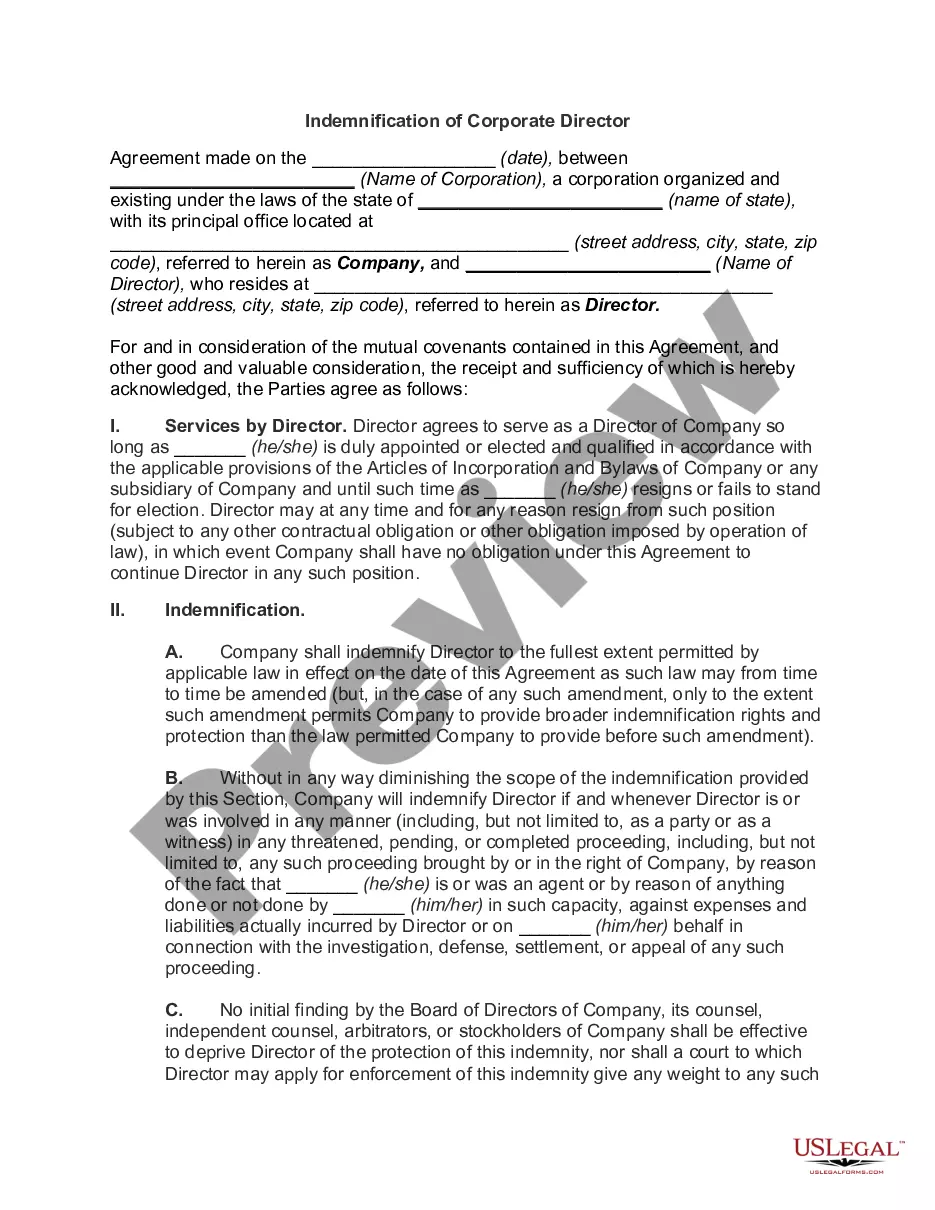
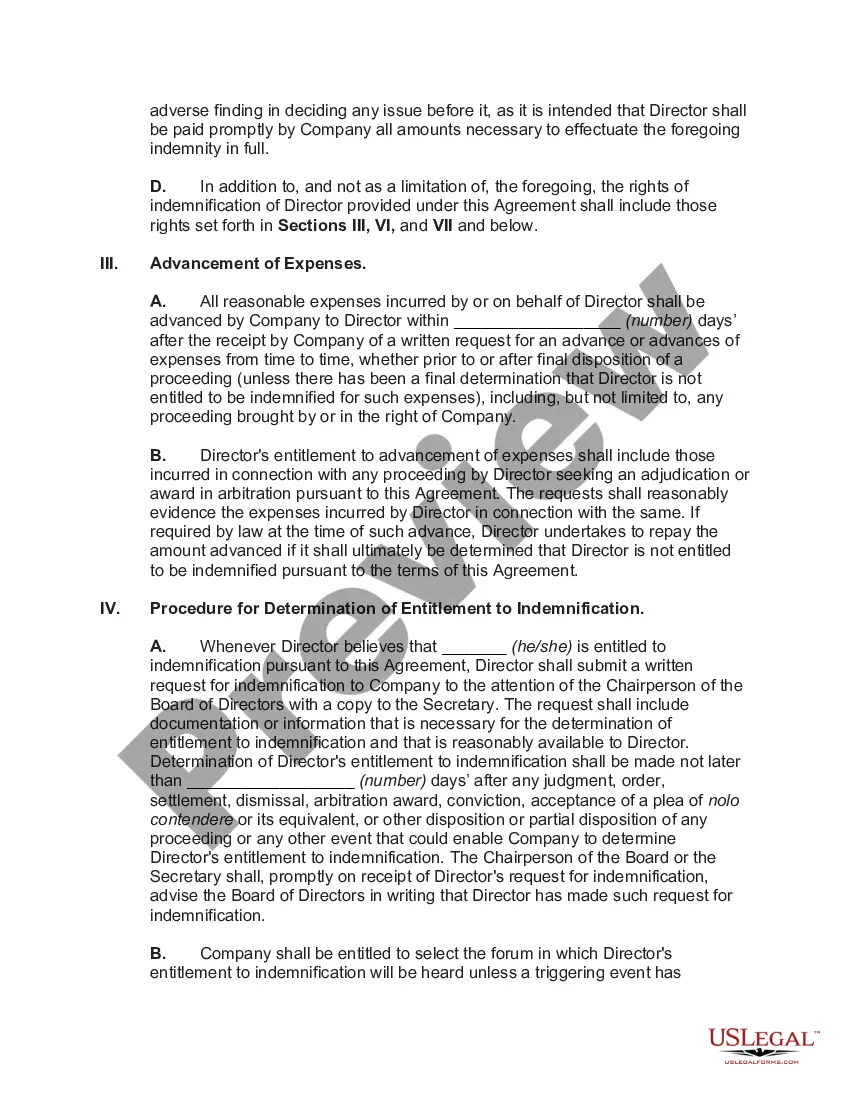
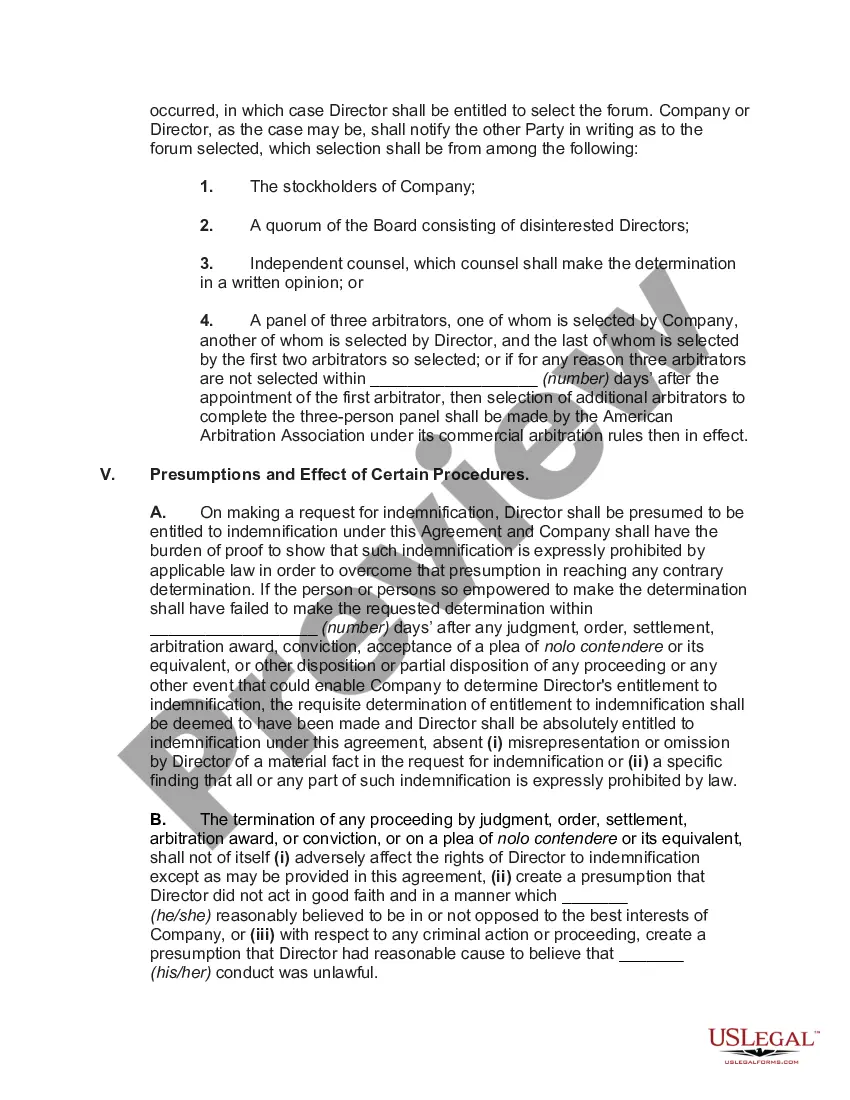
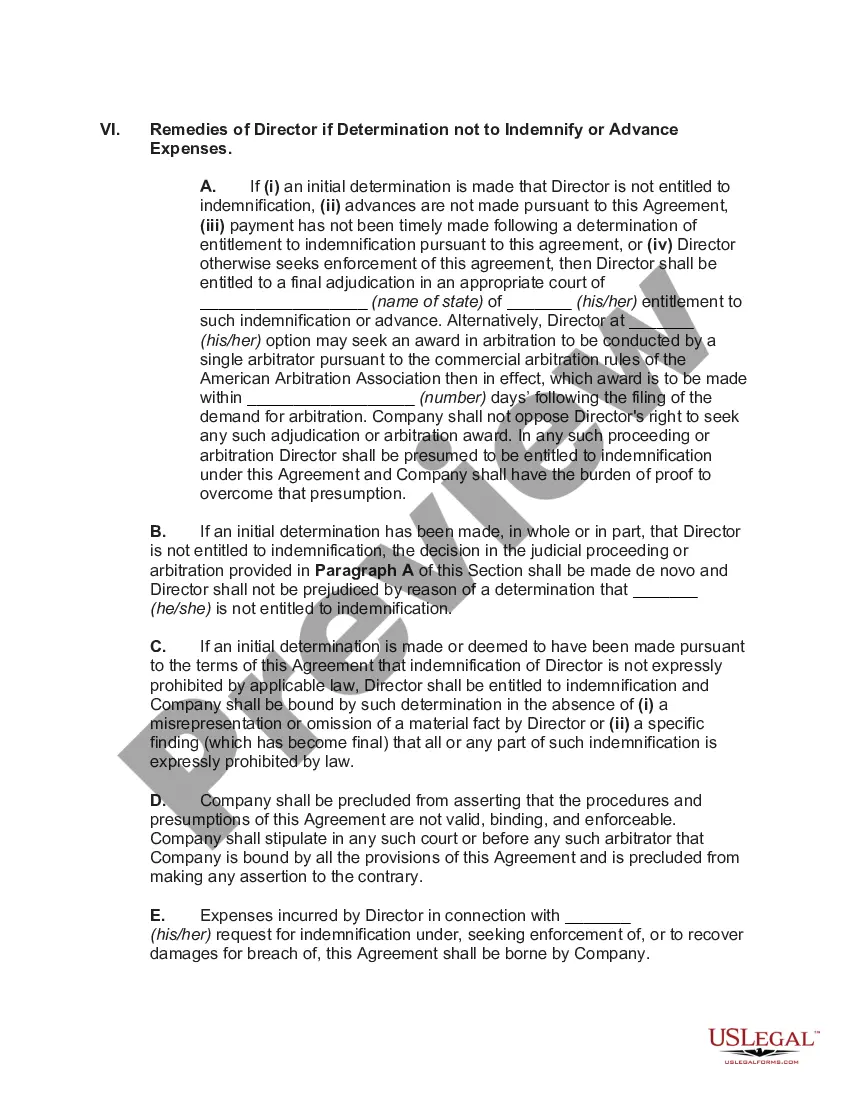
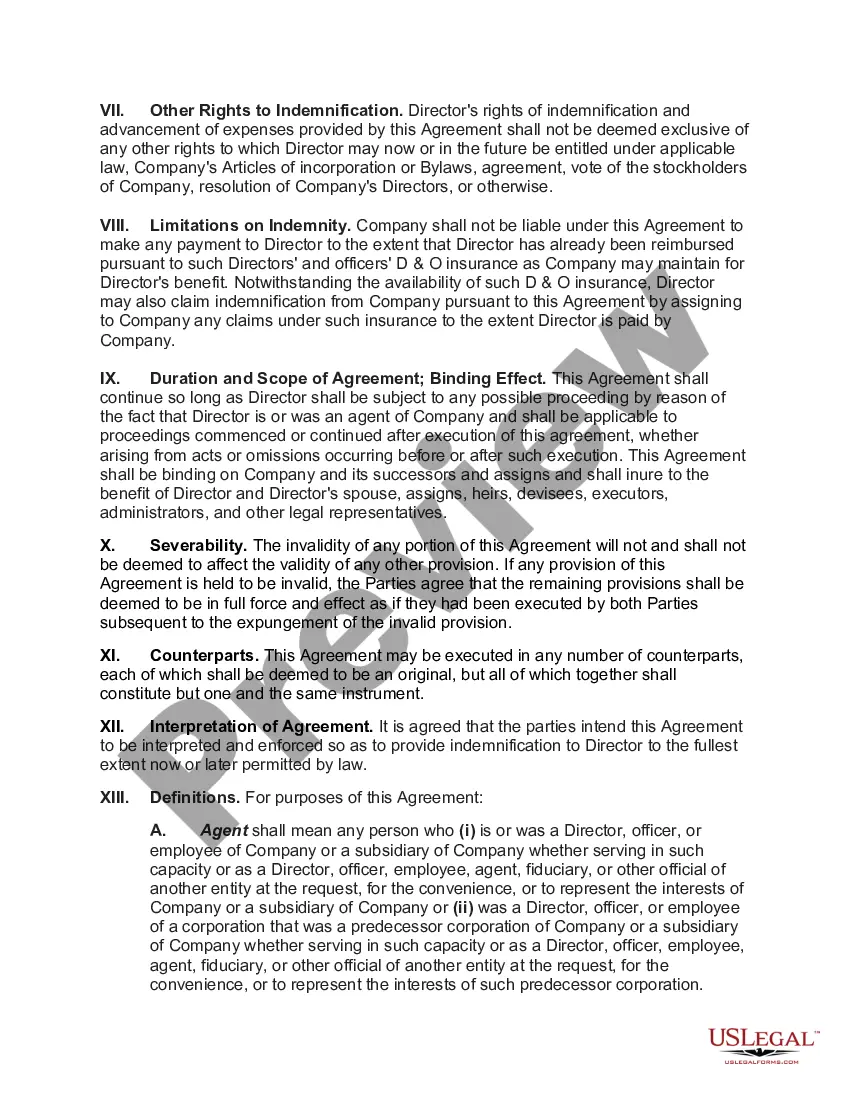
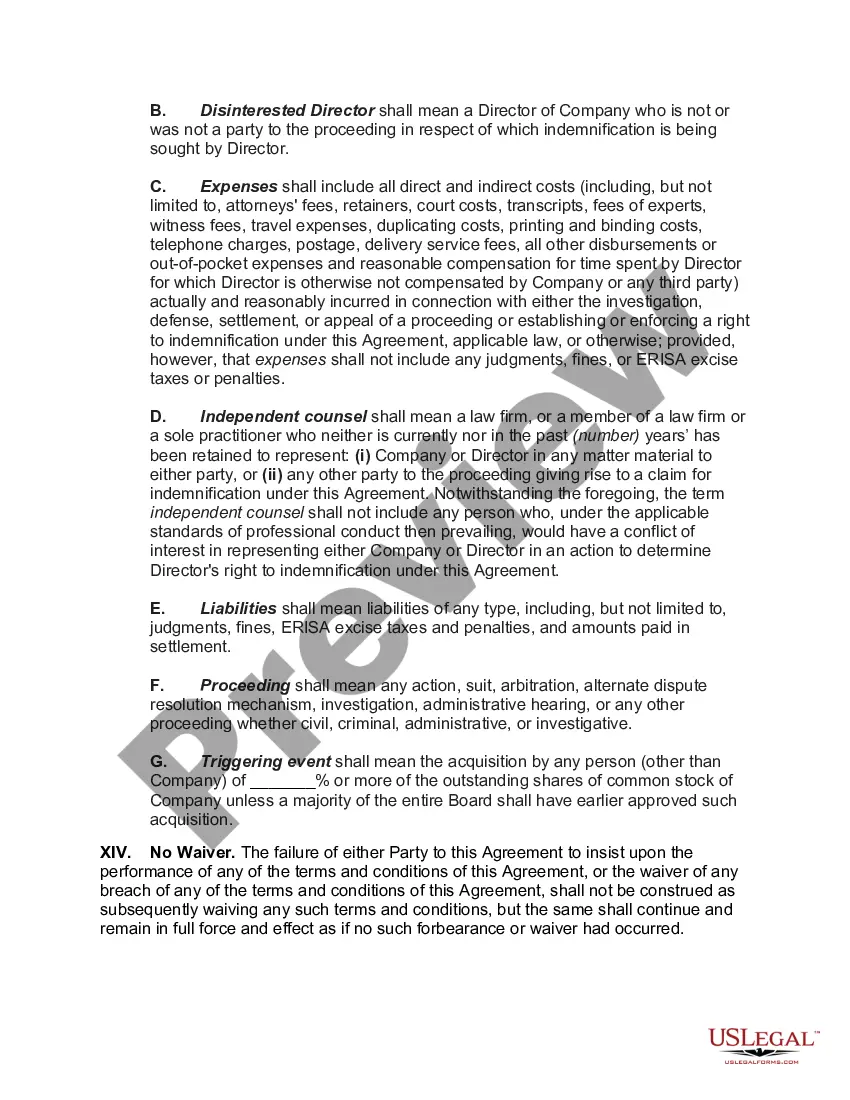
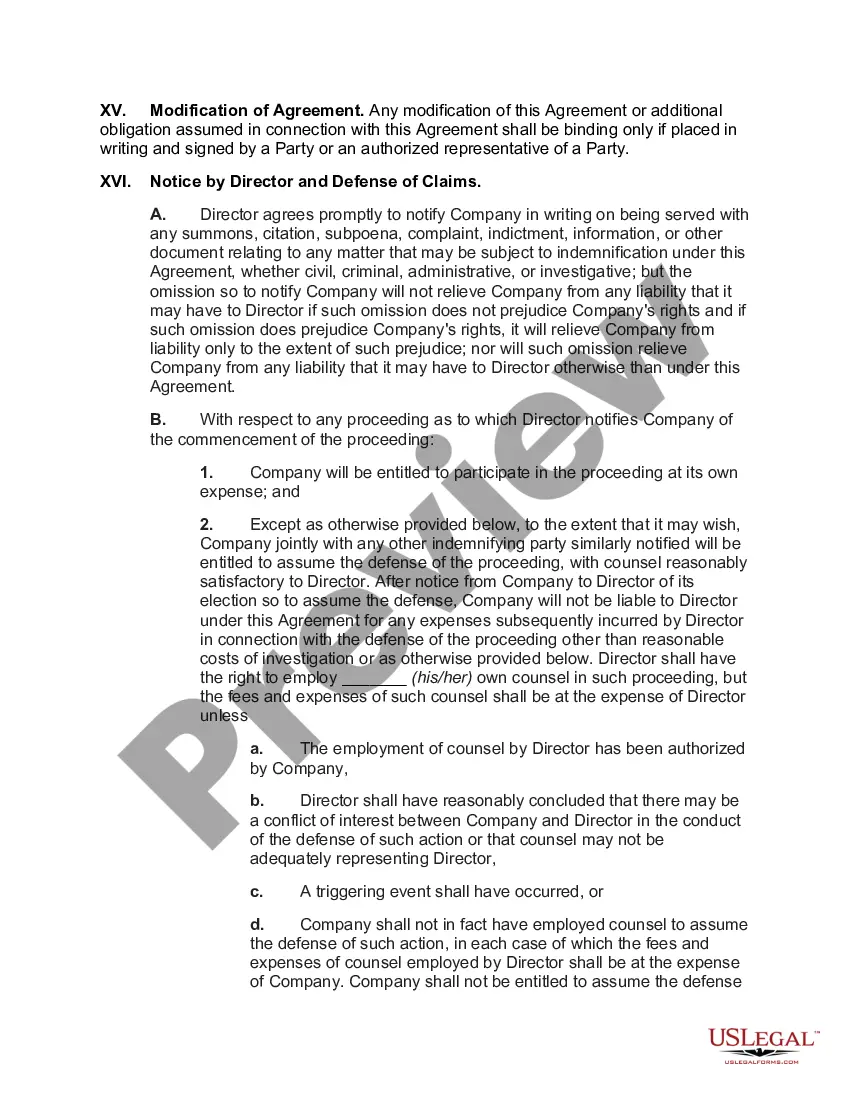
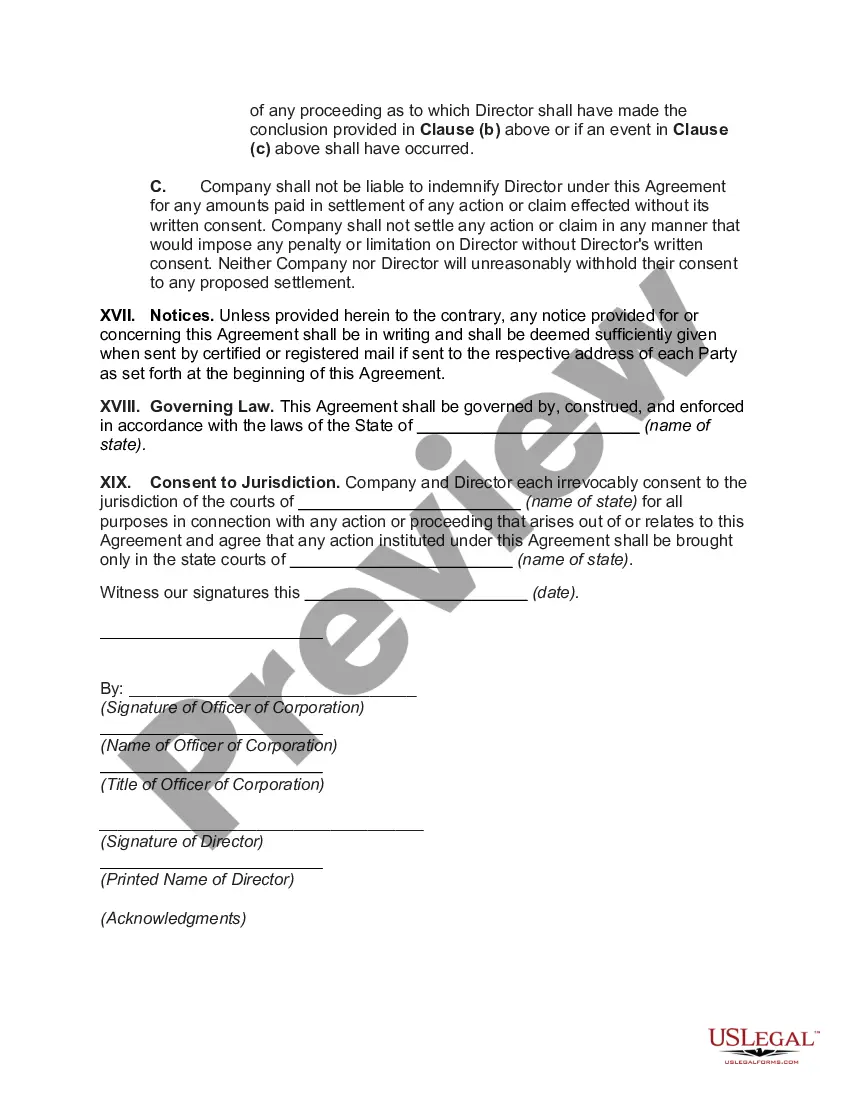
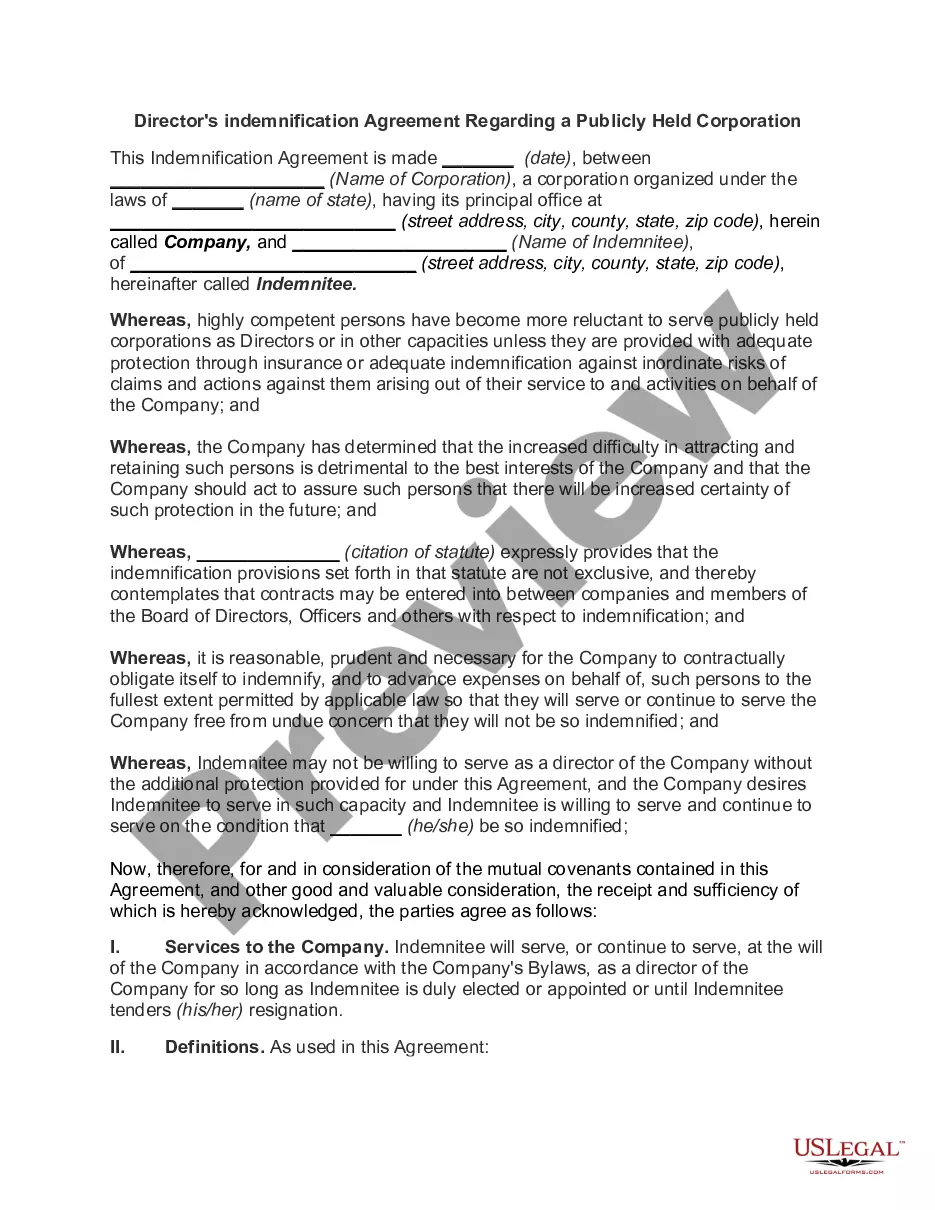
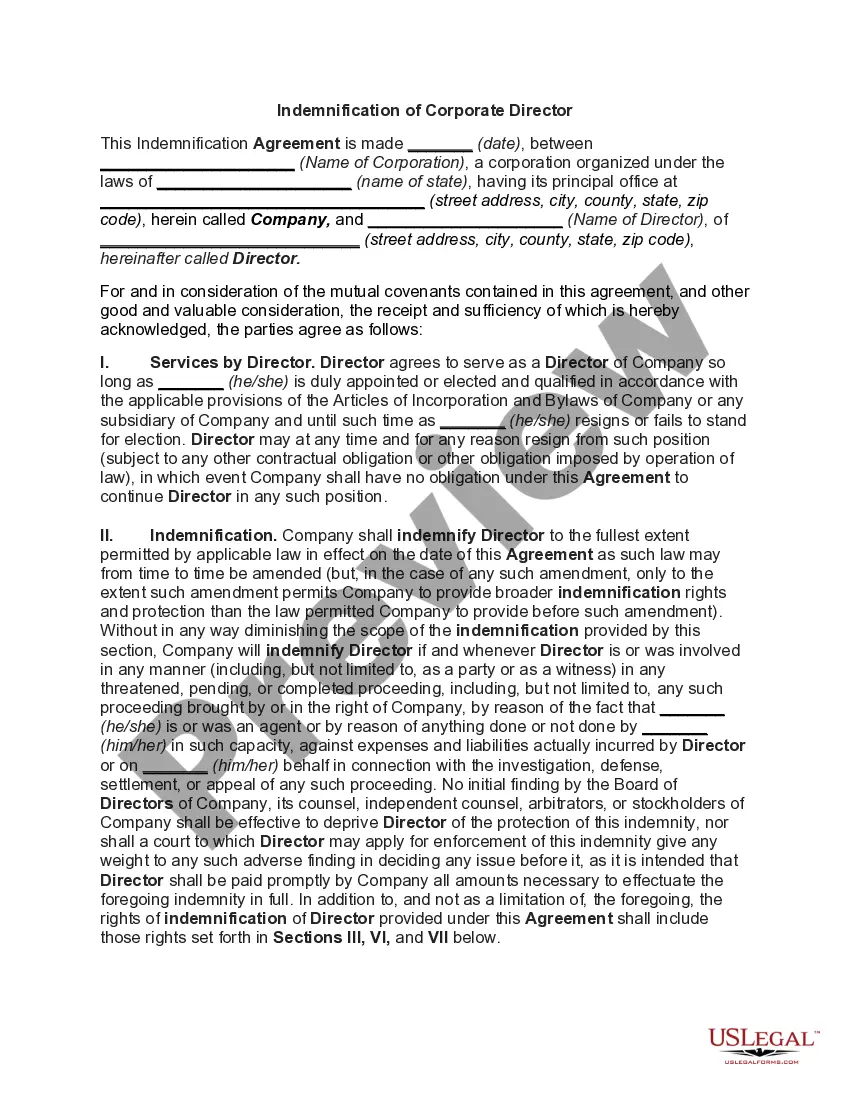
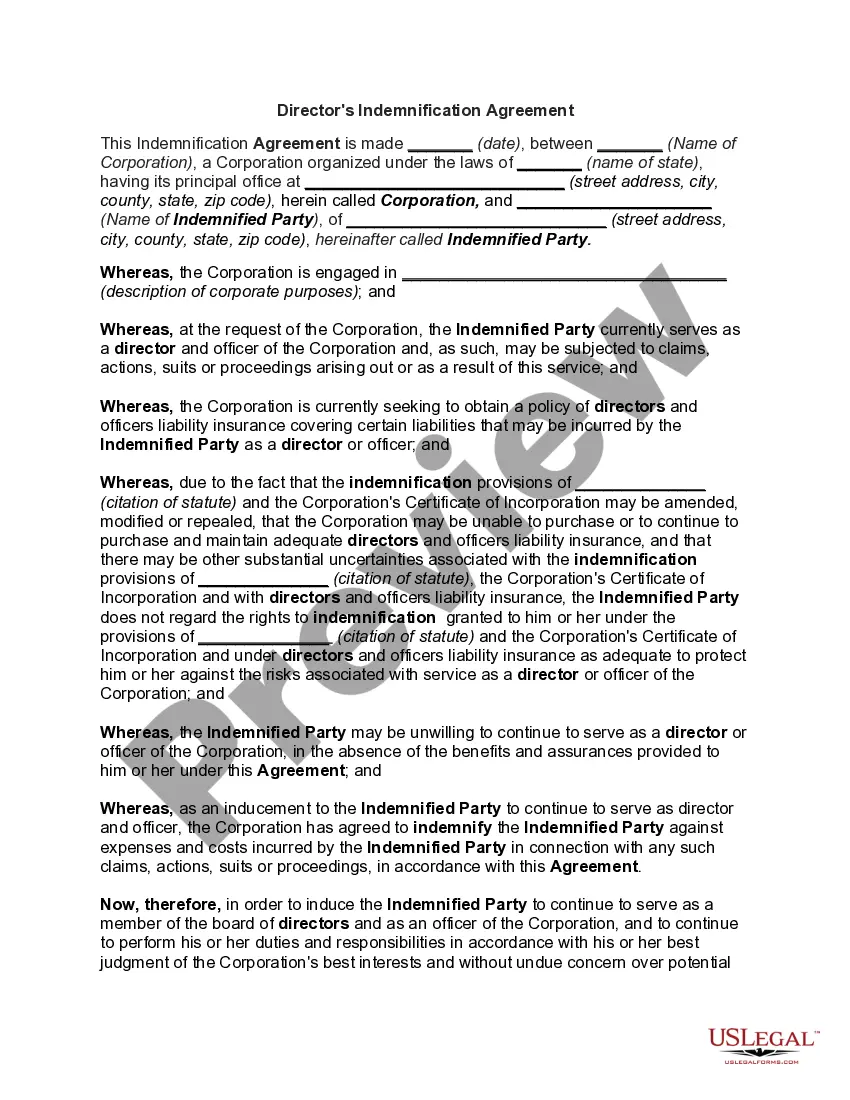
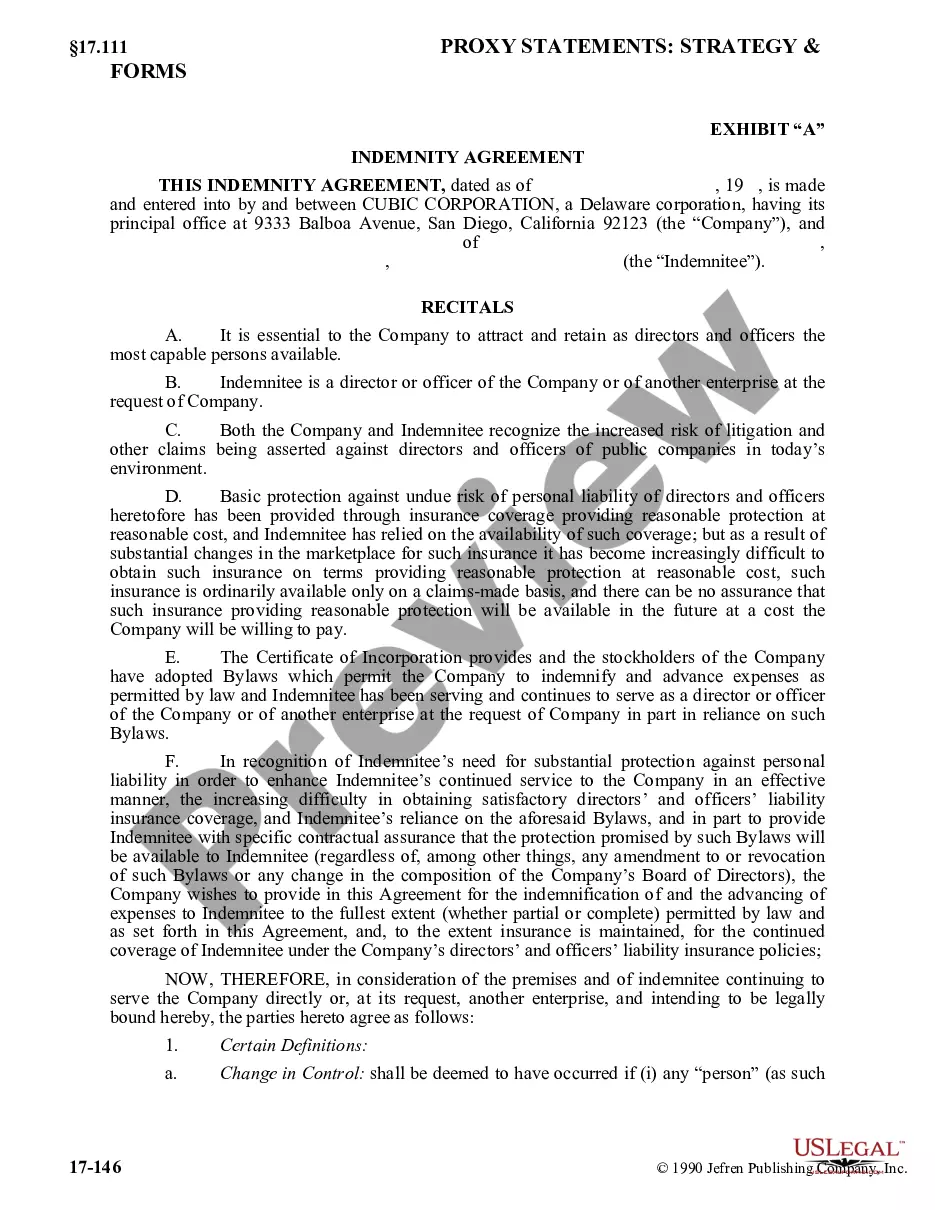
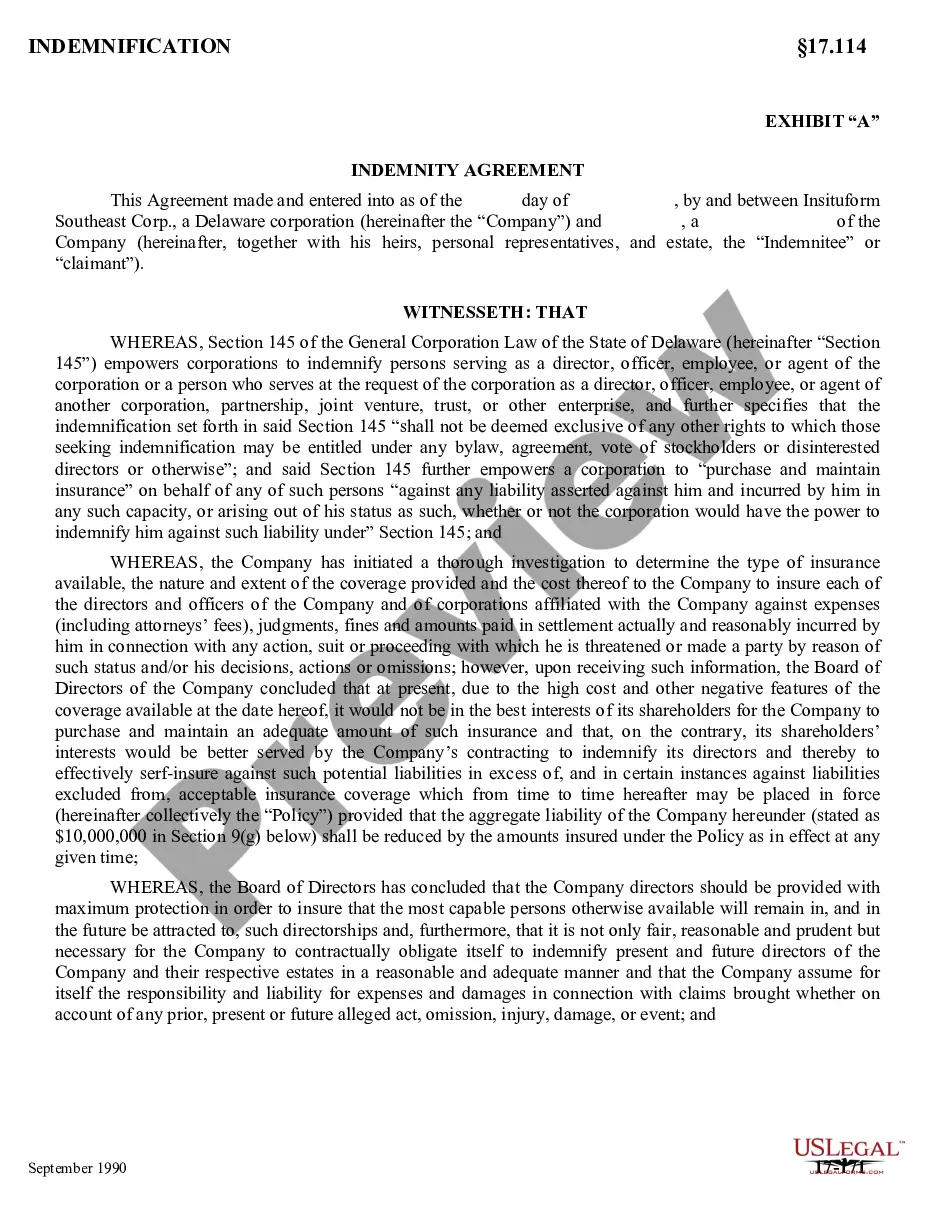

How to fill out Indemnification Of Corporate Director?
If you need to thorough, acquire, or create official document templates, utilize US Legal Forms, the most extensive assortment of legal forms, which can be accessed online.
Make the most of the website's straightforward and user-friendly search feature to locate the documents you require.
Various templates for business and personal purposes are organized by categories and states, or keywords.
Step 4. Once you have found the form you need, click the Buy now option. Choose the payment plan you prefer and provide your credentials to register for an account.
Step 5. Complete the payment. You can use your credit card or PayPal account to finalize the transaction.
- Use US Legal Forms to retrieve the South Dakota Indemnification of Corporate Director with just a few clicks.
- If you are already a US Legal Forms customer, sign in to your account and select the Download option to access the South Dakota Indemnification of Corporate Director.
- You can also view forms you have previously downloaded under the My documents tab in your account.
- If you are using US Legal Forms for the first time, follow the steps below.
- Step 1. Ensure you have selected the form for the correct city/state.
- Step 2. Use the Review option to examine the form's content. Be sure to read the details.
- Step 3. If you are dissatisfied with the form, use the Search box at the top of the screen to find alternative templates in the legal form category.
Form popularity
FAQ
In South Dakota, a director's right to indemnification typically includes protection from legal liabilities incurred while performing their duties. This right ensures that directors can act in good faith without fearing personal loss. It is essential for attracting competent individuals to serve on boards, as they know they have this safeguard in place.
By statute, Delaware has established a minimum standard of conduct that, if met by a director or officer, permits a corporation to indemnify such director or officer pursuant to a charter or bylaw provision, an indemnification agreement with such D&O, or a resolution of the board or stockholders.
Indemnification is where the company reimburses the director or officer for the attorneys' fees and costs, and potentially judgments, incurred in connection with claims arising out of the director's or officer's service to the company.
An Alberta corporation is not permitted to indemnify its directors for their actions if they have not acted honestly and in good faith with a view to the best interests of the corporation that is, if they have breached their fiduciary duty to the corporation.
Indemnification under Companies Act, 2013: While Section 201 of the erstwhile Companies Act, 1956 had restricted a company from indemnifying the directors of the company, the Companies Act, 2013 does not have any such restriction and therefore, directors can now be indemnified by companies against liabilities.
Indemnification. Indemnification is an undertaking by the company to defend the director and officer against the cost of certain claims, including legal fees, litigation awards and settlement costs.
Companies may indemnify directors against the legal and financial costs of proceedings brought by third parties. This does not extend to the legal costs of unsuccessful defence of criminal proceedings, fines imposed by criminal proceedings and fines imposed by regulatory bodies.
Indemnification is where the company reimburses the director or officer for the attorneys' fees and costs, and potentially judgments, incurred in connection with claims arising out of the director's or officer's service to the company.
Any UK company can now indemnify any of its directors, and any director of a company in the same group, against damages, costs and interest awarded against him in civil proceedings brought by a third party, and against legal and other costs incurred in defending both civil and criminal proceedings if and when the
C. § 145) gives Delaware corporations the power to indemnify any person who has been made a party to a proceeding "by reason of" that person's service to the corporation. This indemnification becomes mandatory if the person succeeds in that proceeding.