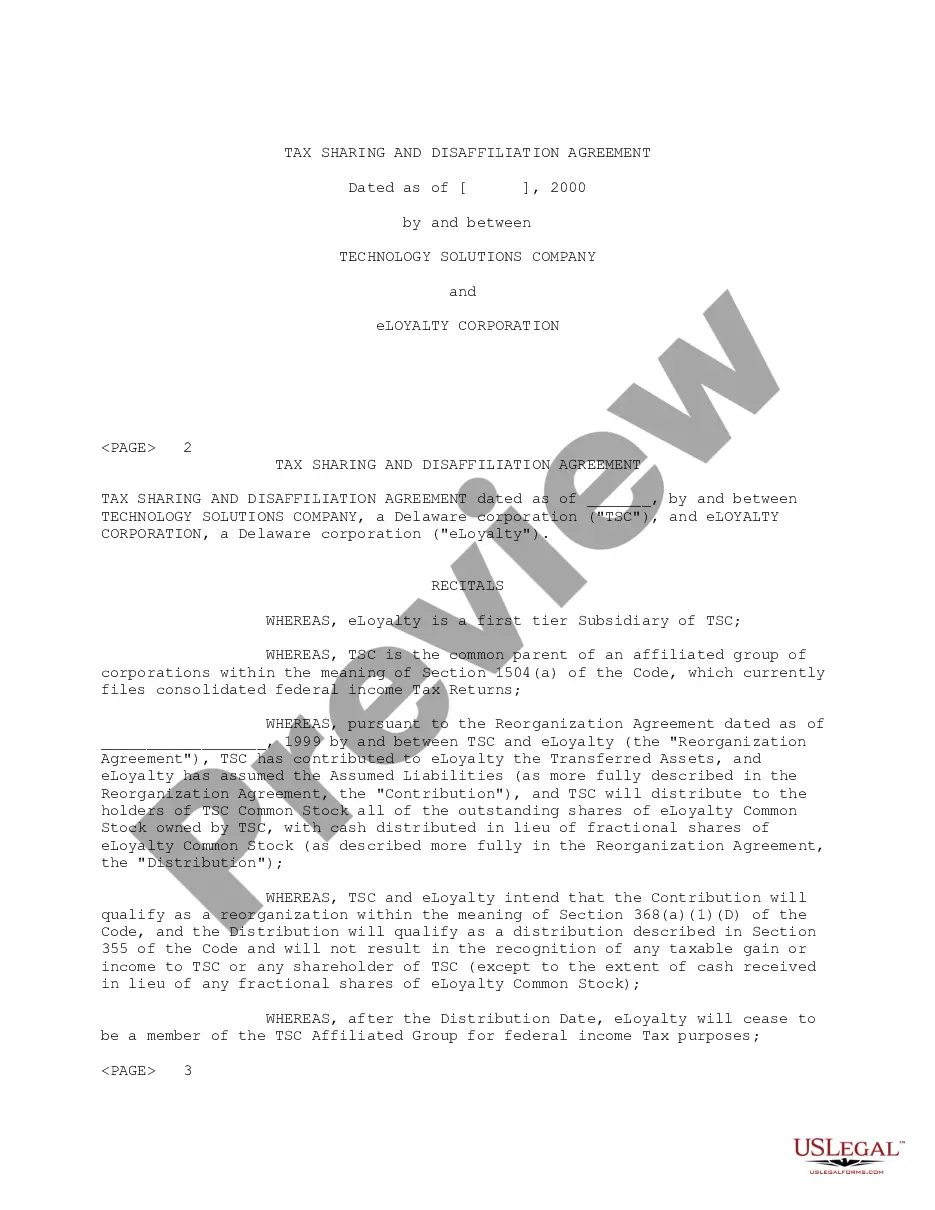
South Dakota Tax Sharing Agreement
Description
Get your form ready online
Our built-in tools help you complete, sign, share, and store your documents in one place.
Make edits, fill in missing information, and update formatting in US Legal Forms—just like you would in MS Word.
Download a copy, print it, send it by email, or mail it via USPS—whatever works best for your next step.
Sign and collect signatures with our SignNow integration. Send to multiple recipients, set reminders, and more. Go Premium to unlock E-Sign.
If this form requires notarization, complete it online through a secure video call—no need to meet a notary in person or wait for an appointment.
We protect your documents and personal data by following strict security and privacy standards.

Make edits, fill in missing information, and update formatting in US Legal Forms—just like you would in MS Word.

Download a copy, print it, send it by email, or mail it via USPS—whatever works best for your next step.

Sign and collect signatures with our SignNow integration. Send to multiple recipients, set reminders, and more. Go Premium to unlock E-Sign.

If this form requires notarization, complete it online through a secure video call—no need to meet a notary in person or wait for an appointment.

We protect your documents and personal data by following strict security and privacy standards.
Looking for another form?





How to fill out Tax Sharing Agreement?
Choosing the right authorized record design might be a have a problem. Needless to say, there are plenty of layouts available on the net, but how will you obtain the authorized develop you want? Make use of the US Legal Forms web site. The assistance gives thousands of layouts, for example the South Dakota Tax Sharing Agreement, that you can use for organization and personal requires. All the forms are examined by experts and meet up with state and federal needs.
In case you are already signed up, log in to the account and click the Acquire option to have the South Dakota Tax Sharing Agreement. Make use of your account to search throughout the authorized forms you have purchased earlier. Go to the My Forms tab of your own account and obtain one more version of the record you want.
In case you are a whole new end user of US Legal Forms, here are simple recommendations for you to stick to:
- Initial, make certain you have chosen the appropriate develop for the area/county. You can check out the shape utilizing the Review option and study the shape explanation to make certain it will be the best for you.
- In the event the develop does not meet up with your requirements, use the Seach discipline to obtain the appropriate develop.
- Once you are sure that the shape is suitable, click the Buy now option to have the develop.
- Choose the rates program you desire and enter the necessary information. Design your account and buy your order utilizing your PayPal account or credit card.
- Select the file file format and acquire the authorized record design to the device.
- Comprehensive, edit and printing and signal the acquired South Dakota Tax Sharing Agreement.
US Legal Forms is definitely the largest catalogue of authorized forms where you can see a variety of record layouts. Make use of the company to acquire professionally-manufactured papers that stick to state needs.
Form popularity
FAQ
South Dakota does not have an individual income tax. South Dakota also does not have a corporate income tax. South Dakota has a 4.50 percent state sales tax rate, a max local sales tax rate of 4.50 percent, and an average combined state and local sales tax rate of 6.40 percent.
Ing to data from the U.S. Census Bureau in 2020, South Dakota had a population of approximately 900,000 people, with over 16 percent of the population over the age of 65. South Dakota is an excellent choice for retirees looking for a low cost of living, abundant outdoor activities, and friendly communities.
South Dakota ? The Land of No Taxation: No state income or capital gains tax. One of the lowest state insurance premium taxes. No intangibles tax. No dividends & interest tax.
Inheritance and Estate Taxes: South Dakota does not have an inheritance tax. The voters of South Dakota repealed the state inheritance tax effective July 1, 2001. There is also no estate tax.
The state's tax system is among the most retiree-friendly in the country. It has no income tax, relatively low sales taxes, high property taxes and no estate or inheritance taxes.
Some customers are exempt from paying sales tax under South Dakota law. Examples include government agencies, some nonprofit organizations, and merchants purchasing goods for resale. Sellers are required to collect a valid exemption or resale certificate from buyers to validate each exempt transaction.
South Dakota doesn't charge a state or corporate income tax, though it does assess a state sales tax. South Dakota is considered a tax-friendly state primarily because it's one of the nine states that don't have their own individual income tax.
In South Dakota partnerships are generally taxed as pass-through entities, meaning the profit and losses from the businesses pass directly into the partners' personal incomes.