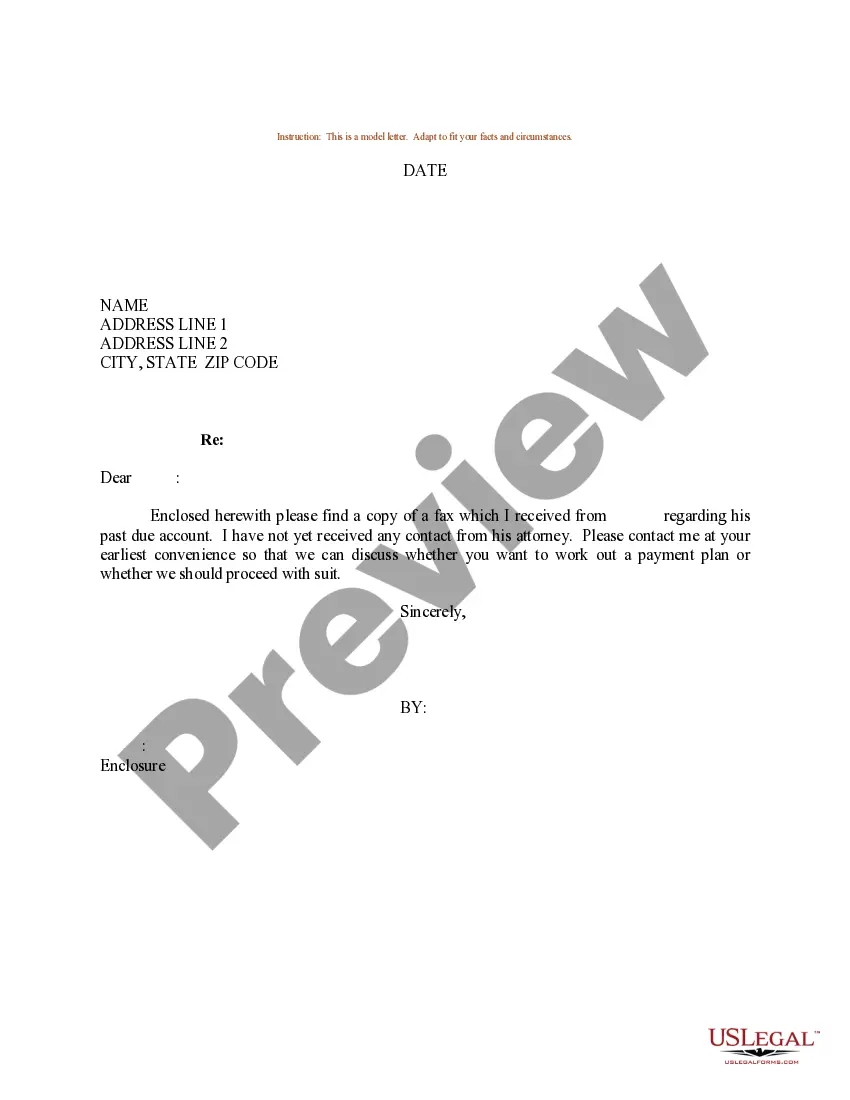
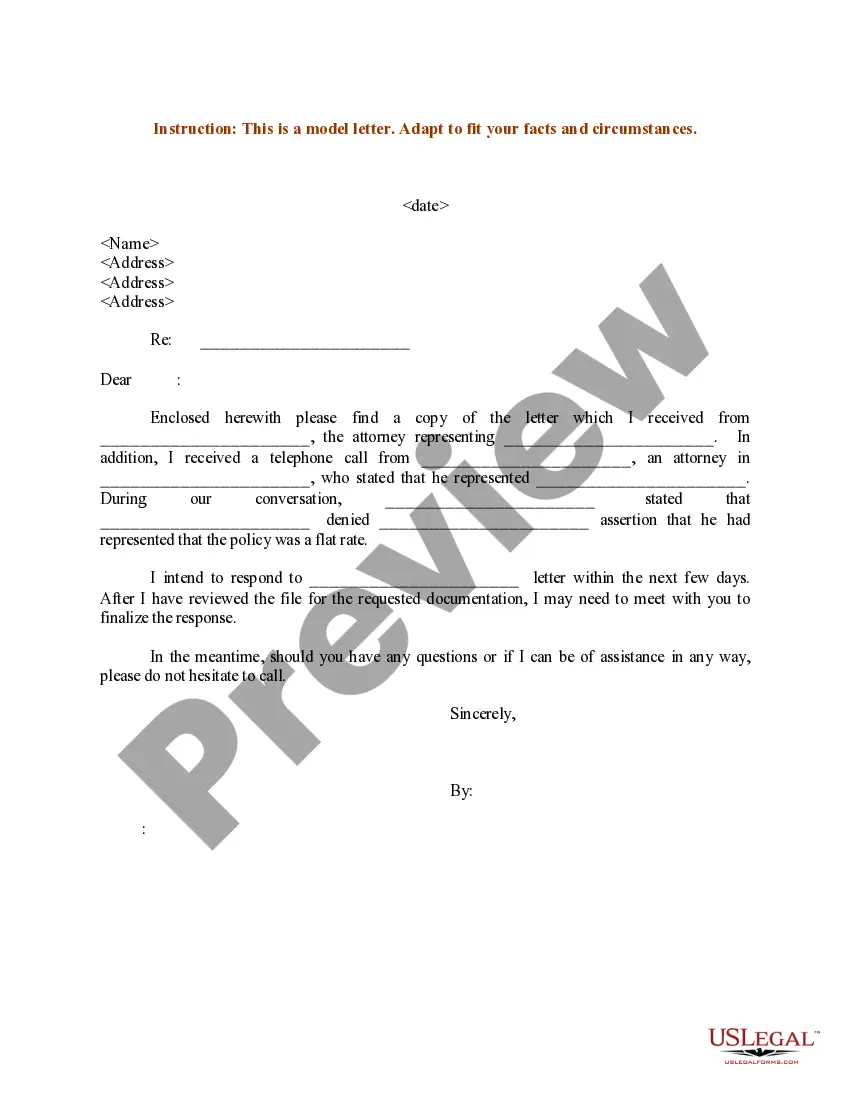
Tennessee Sample Letter for Request for Client Contact
Description
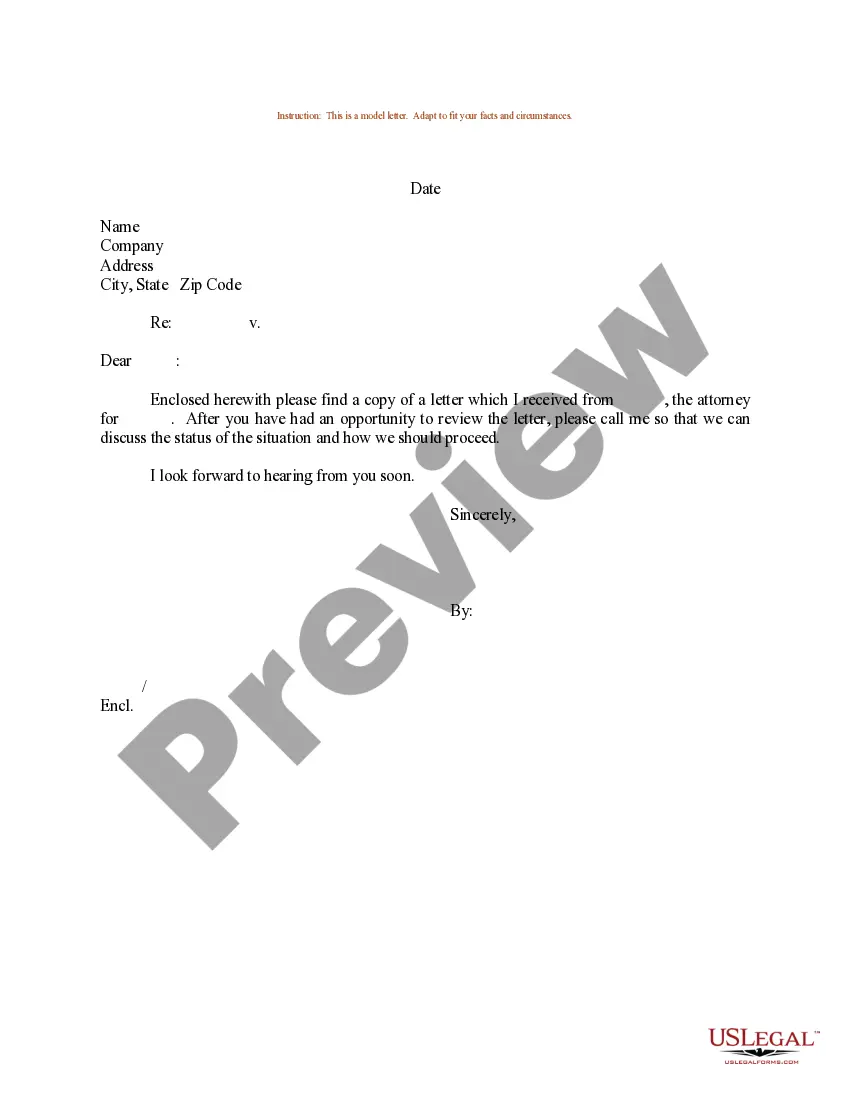
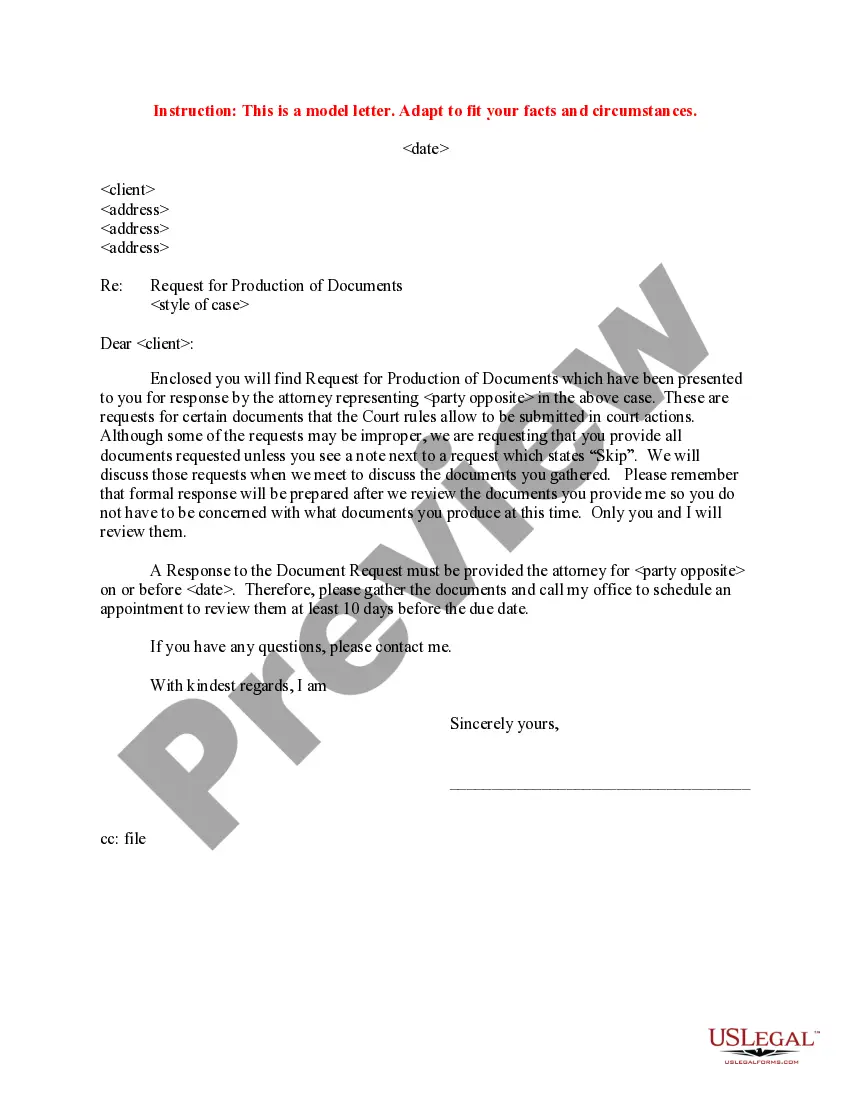
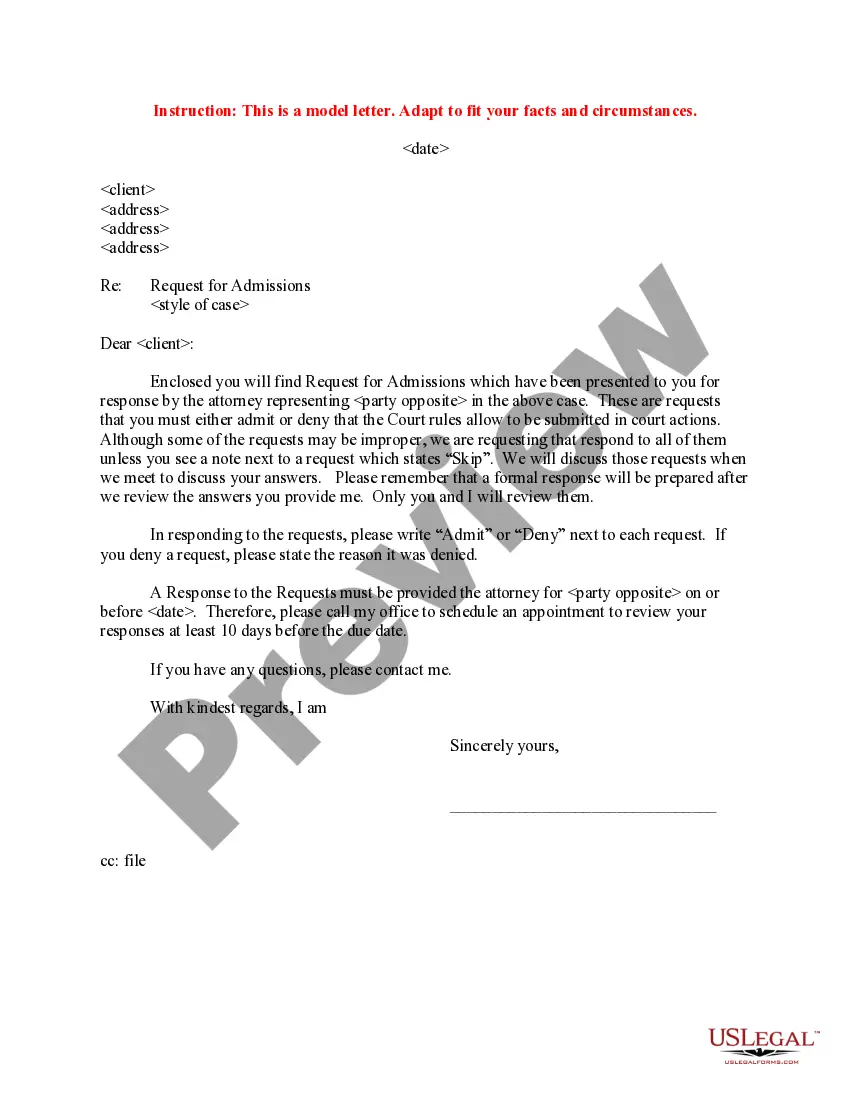
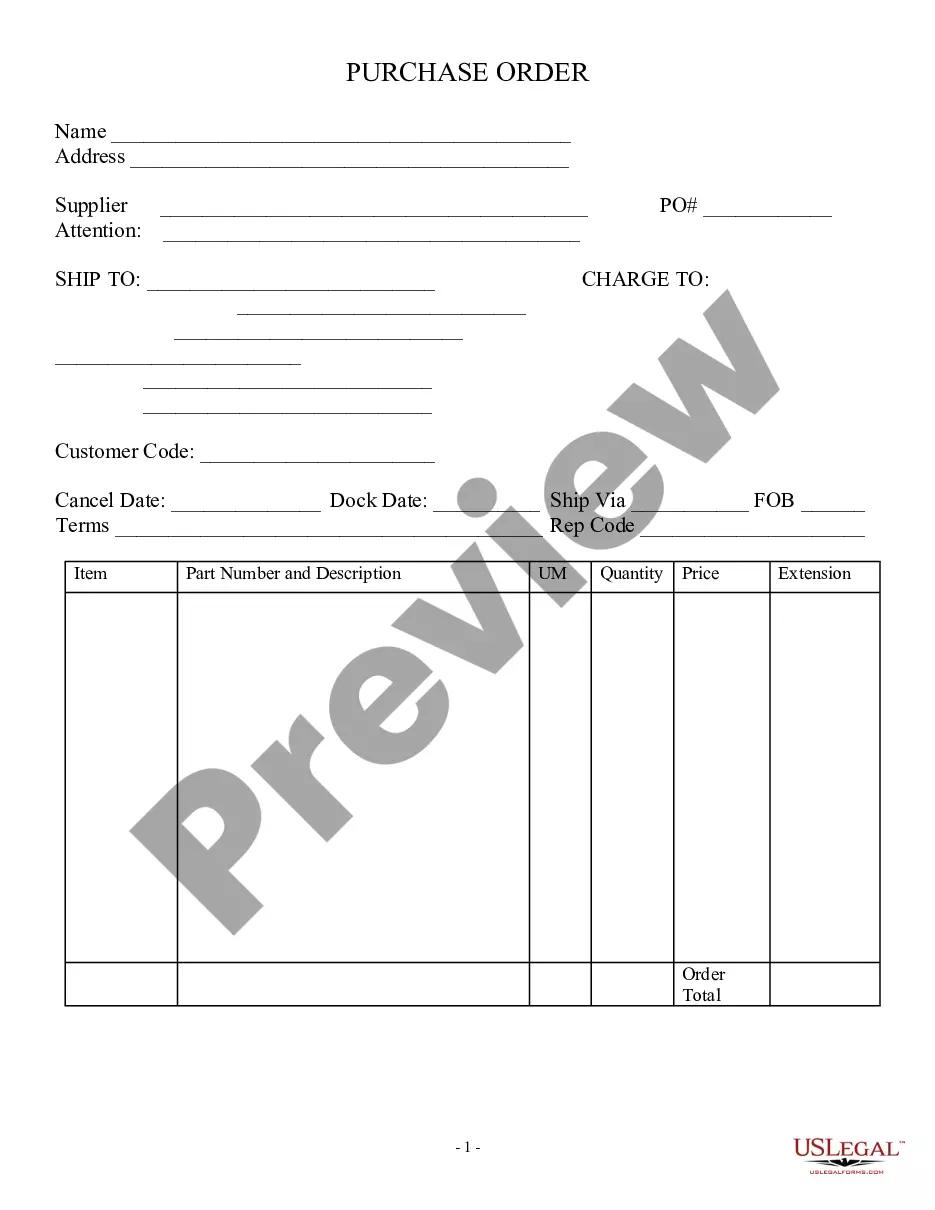
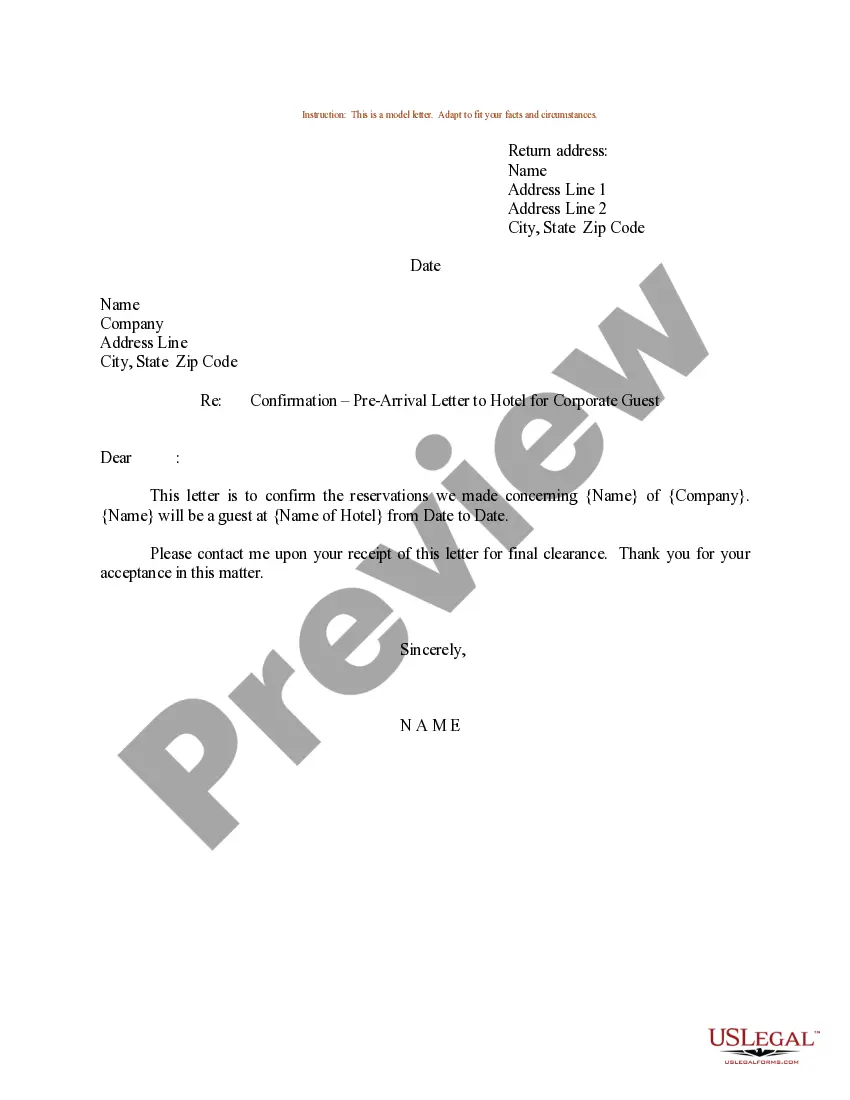
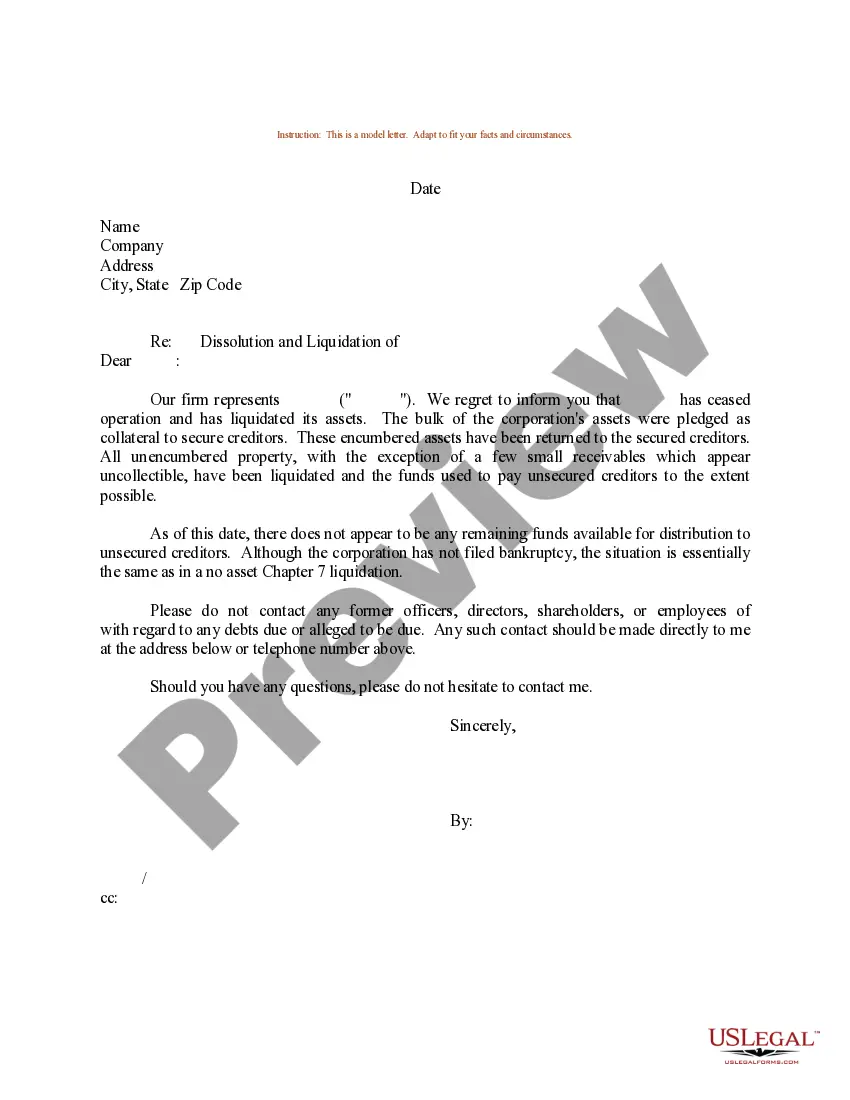
How to fill out Sample Letter For Request For Client Contact?
Finding the appropriate legal document template can be quite a challenge. Of course, there are numerous templates accessible online, but how do you find the legal form you require? Utilize the US Legal Forms website. The service provides thousands of templates, including the Tennessee Sample Letter for Request for Client Contact, which can be utilized for business and personal purposes. All of the forms are reviewed by professionals and comply with federal and state regulations.
If you are currently registered, Log In to your account and click on the Download button to retrieve the Tennessee Sample Letter for Request for Client Contact. Use your account to browse through the legal forms you have previously purchased. Navigate to the My documents section of your account and obtain another copy of the document you require.
If you are a new user of US Legal Forms, here are simple steps for you to follow: First, ensure you have picked the correct form for your jurisdiction/region. You can view the form using the Preview button and read the form details to confirm it is suitable for you. If the form does not fulfill your needs, utilize the Search section to find the appropriate form. When you are confident that the form is suitable, click on the Get now button to download the form. Choose the pricing plan you need and enter the required information. Create your account and pay for the order using your PayPal account or credit card. Select the file format and download the legal document template to your device. Complete, modify, print, and sign the obtained Tennessee Sample Letter for Request for Client Contact.
Take advantage of US Legal Forms for all your legal documentation needs.
- US Legal Forms is the largest collection of legal forms where you can find numerous document templates.
- Utilize the service to obtain professionally crafted documents that comply with state requirements.
- Ensure you select the right form for your needs and jurisdiction.
- Use the preview option to check details before downloading.
- Follow the payment and account creation process to access your forms.
- Easily download and manage your legal documents online.
Form popularity
FAQ
Tips For Loan Request Letter Review the loan guidelines and understand how they apply. ... Describe the reason for the loan in detail. ... Attach the necessary supporting documentation. ... Identify the amount of money you need. ... Be polite and professional when addressing the reader. ... Be sure to include a repayment plan.
How to write a request letter Collect information relating to your request. ... Create an outline. ... Introduce yourself. 4. Make your request. ... Explain the reason for the request. ... Offer to provide additional information. ... Show your gratitude and conclude the letter. ... Use a professional format.
How to write a request letter Collect information relating to your request. ... Create an outline. ... Introduce yourself. 4. Make your request. ... Explain the reason for the request. ... Offer to provide additional information. ... Show your gratitude and conclude the letter. ... Use a professional format.
What to include in your document request email or letter Introduce yourself. State who you are using full name, position and company name. ... Purpose for written request. Then, explain why you are writing. ... Call to action. ... Benefit to the client. ... Closing. ... Contact Information.
The Department of Revenue issues two types of notice of assessment letters when the following events occur. A taxpayer has not filed a return when due and the Department of Revenue has generated an estimated return. A taxpayer files a tax return but has not paid the full balance due on that return.
How to Write a Formal Request Letter Start the letter with a formal greeting, using the appropriate title and name of the recipient. ... Clearly explain the reason for writing the letter. ... Offer relevant details or background information that helps the recipient understand the context and importance of the request.
How to write an email requesting something Organize your request. ... Write an approachable subject line. ... Begin with a formal salutation. ... Express your request. ... Include benefits for the recipient. ... Conclude with a call to action. ... Focus on the recipient. ... Include additional documents.
Start with a formal salutation, such as "Dear [Name]" or "Hello [Name]." State the purpose of your letter, which is to request specific documents. Provide details about the documents you are requesting, including the names or types of the documents, and any relevant dates or identifying information.