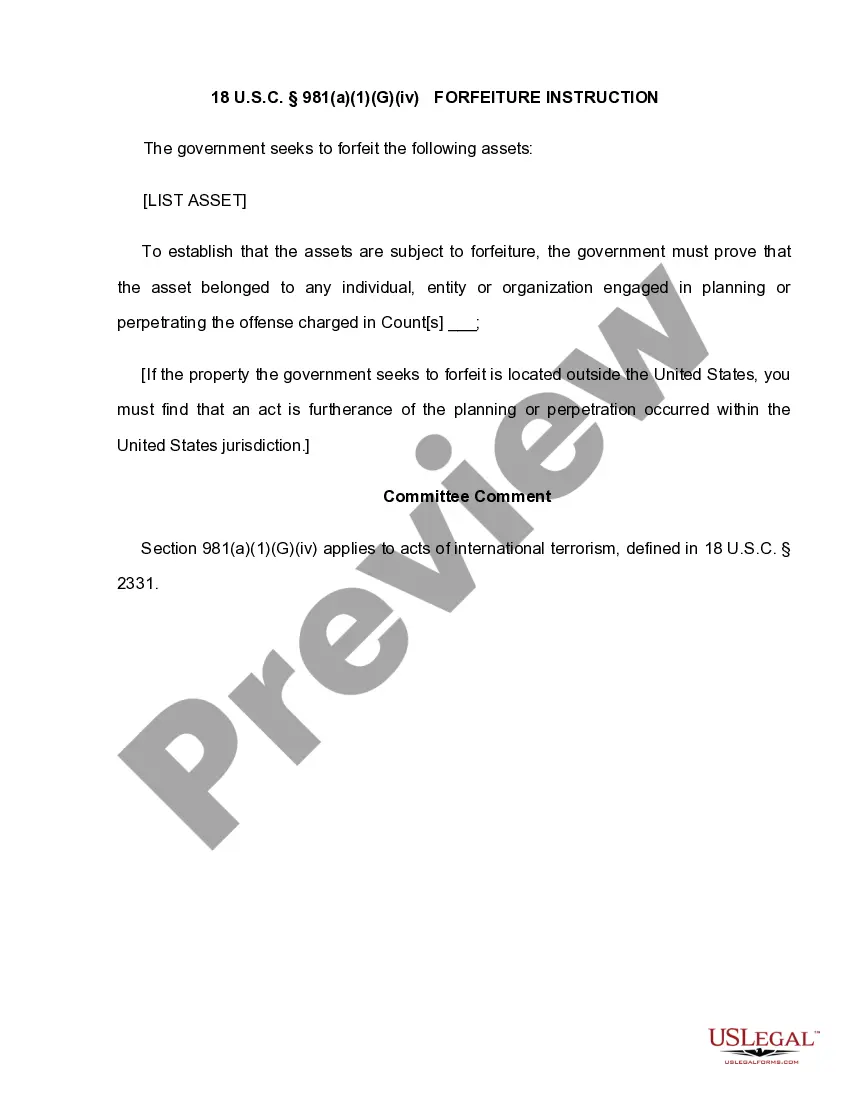
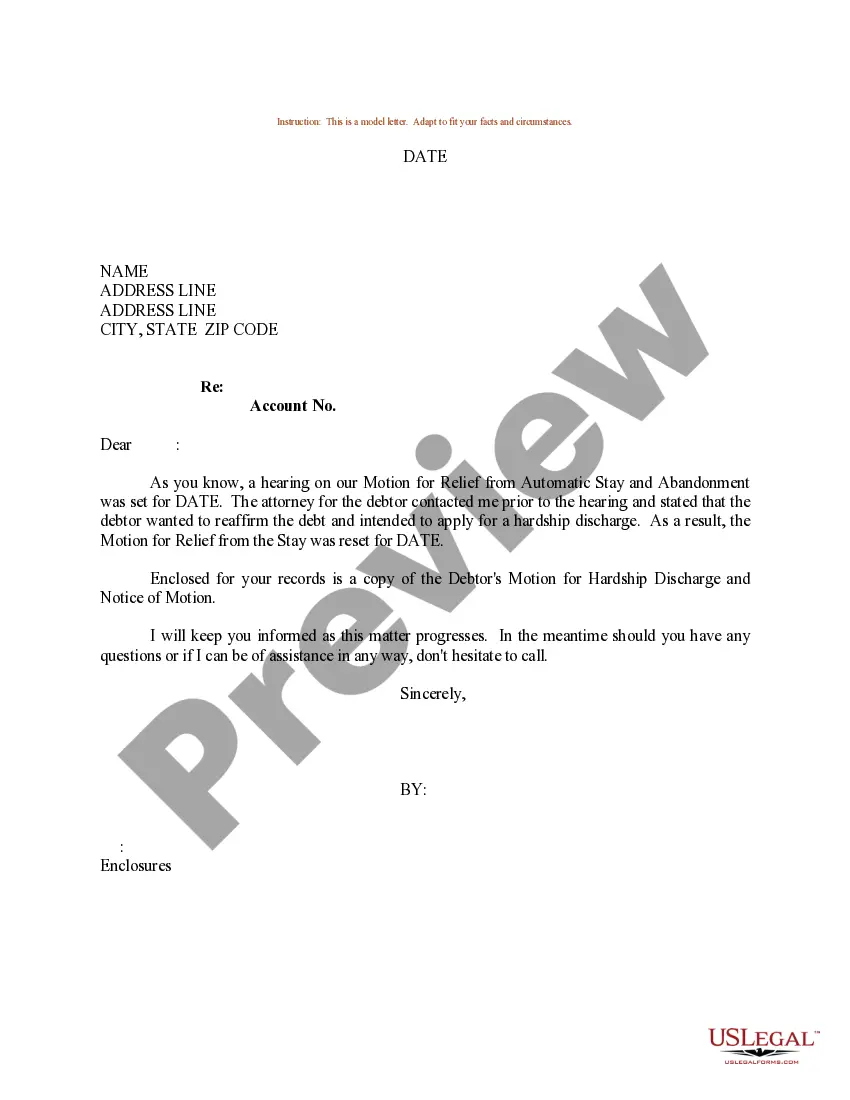
Tennessee Sample Letter for Debtor's Motion for Hardship Discharge and Notice of Motion
Description
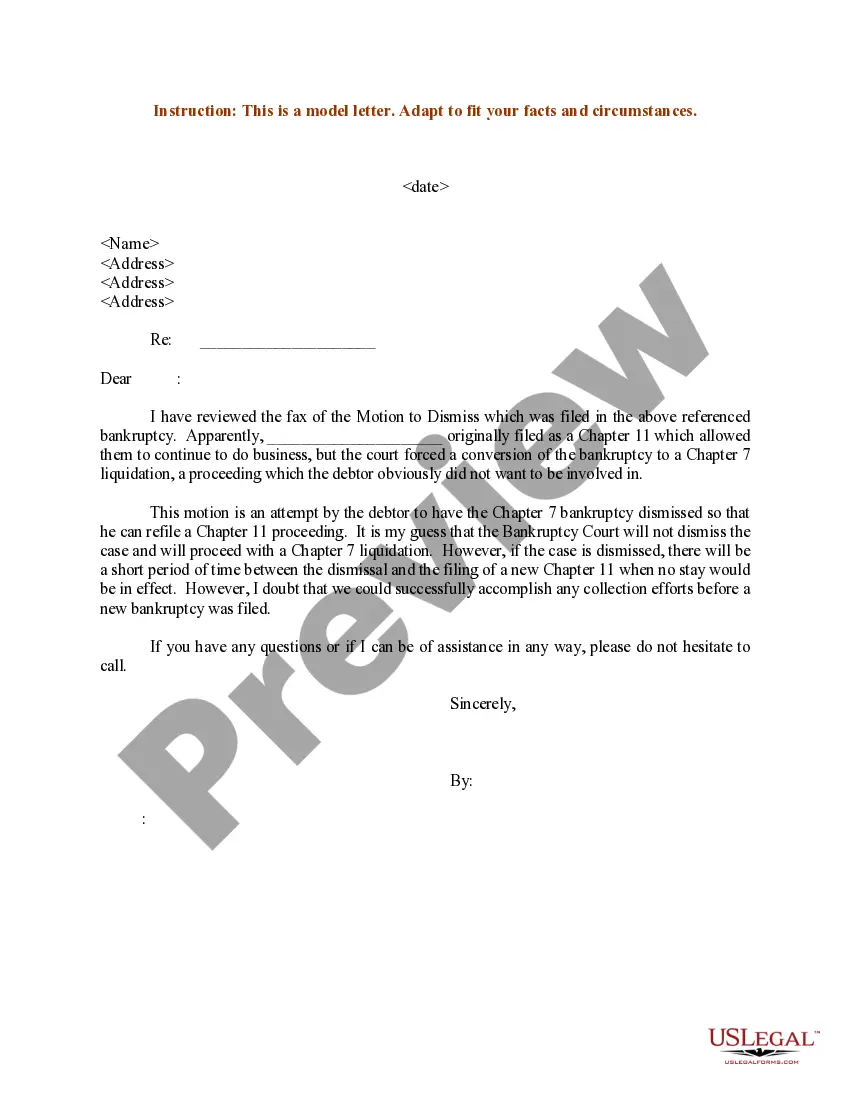
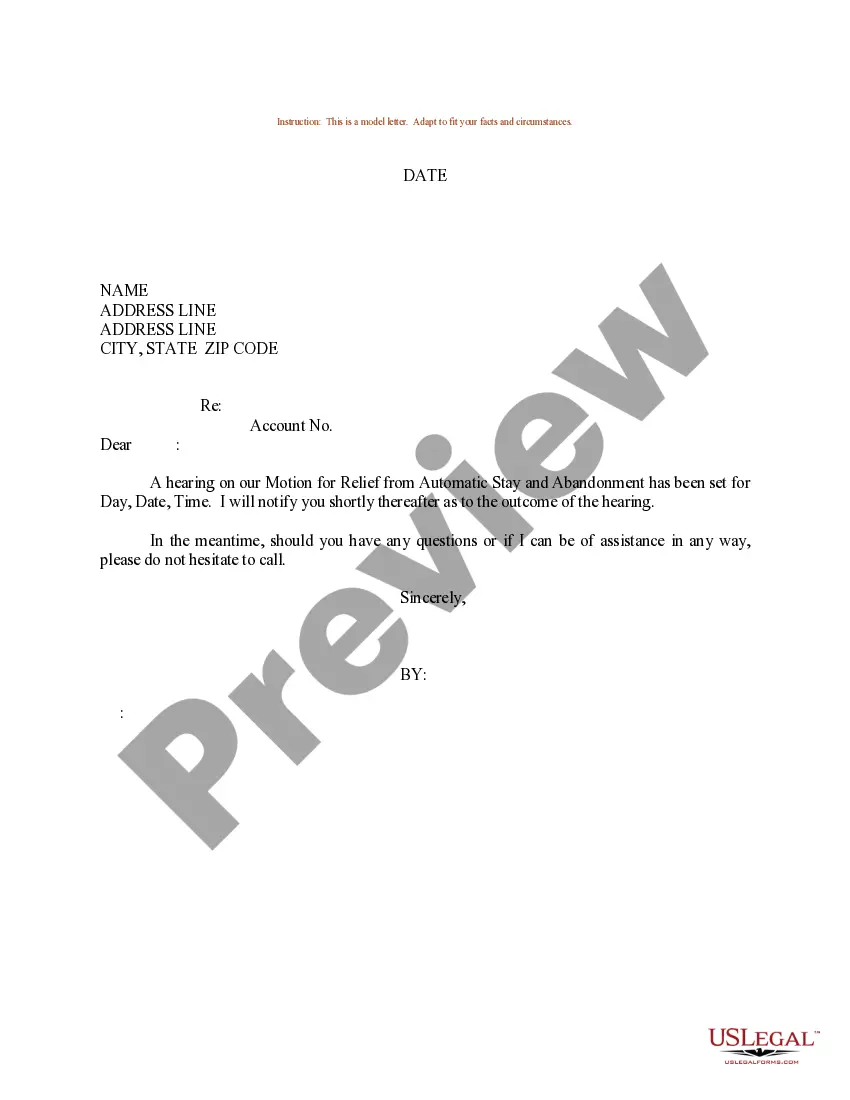
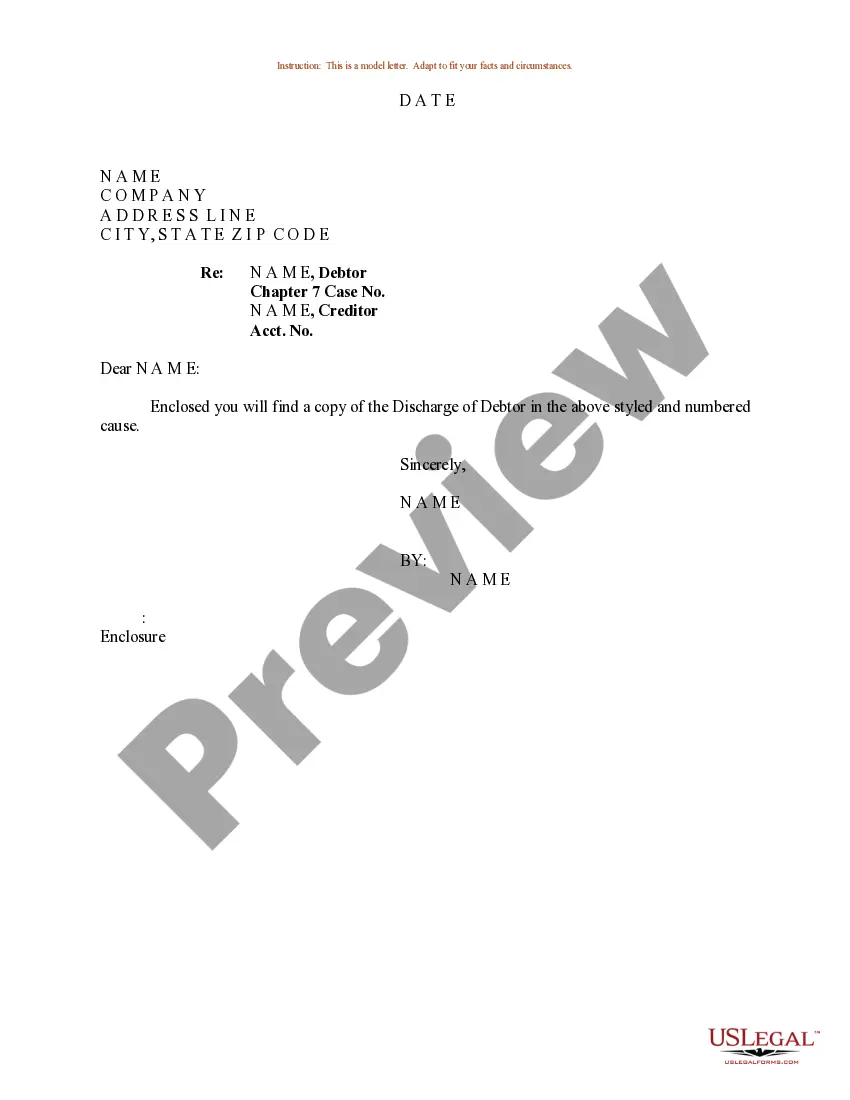
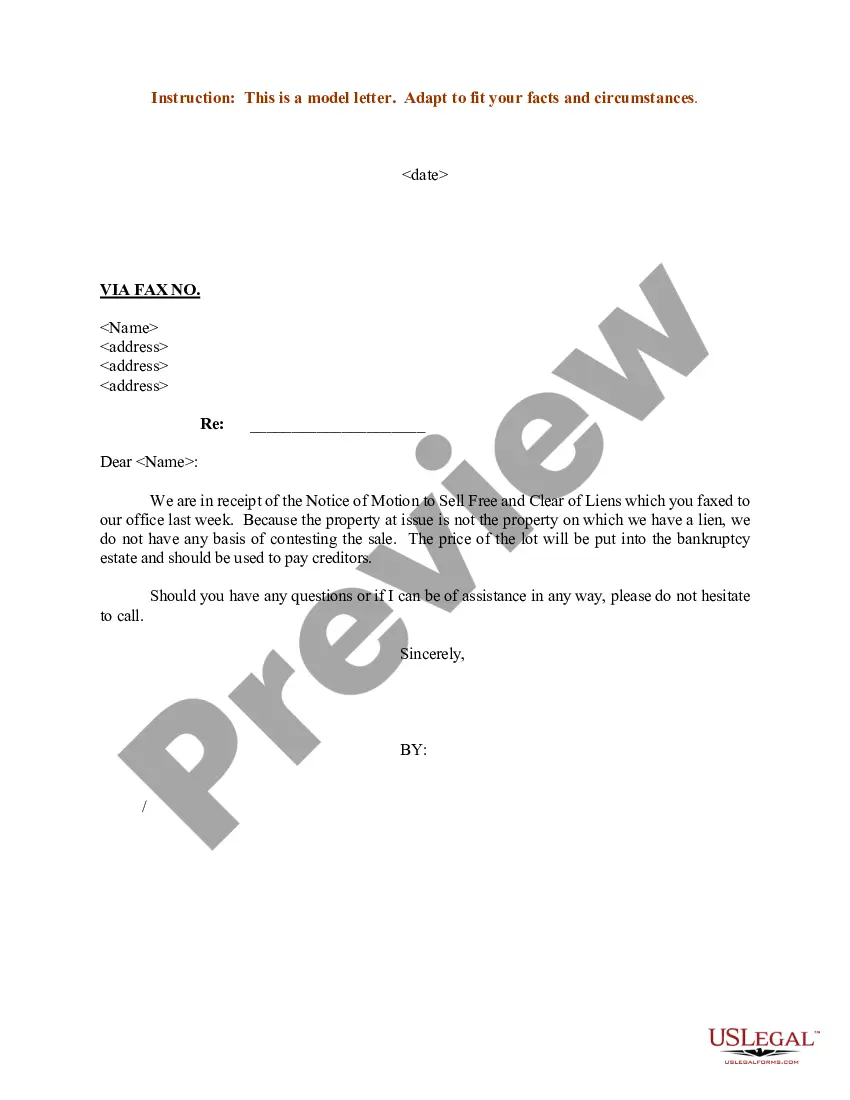
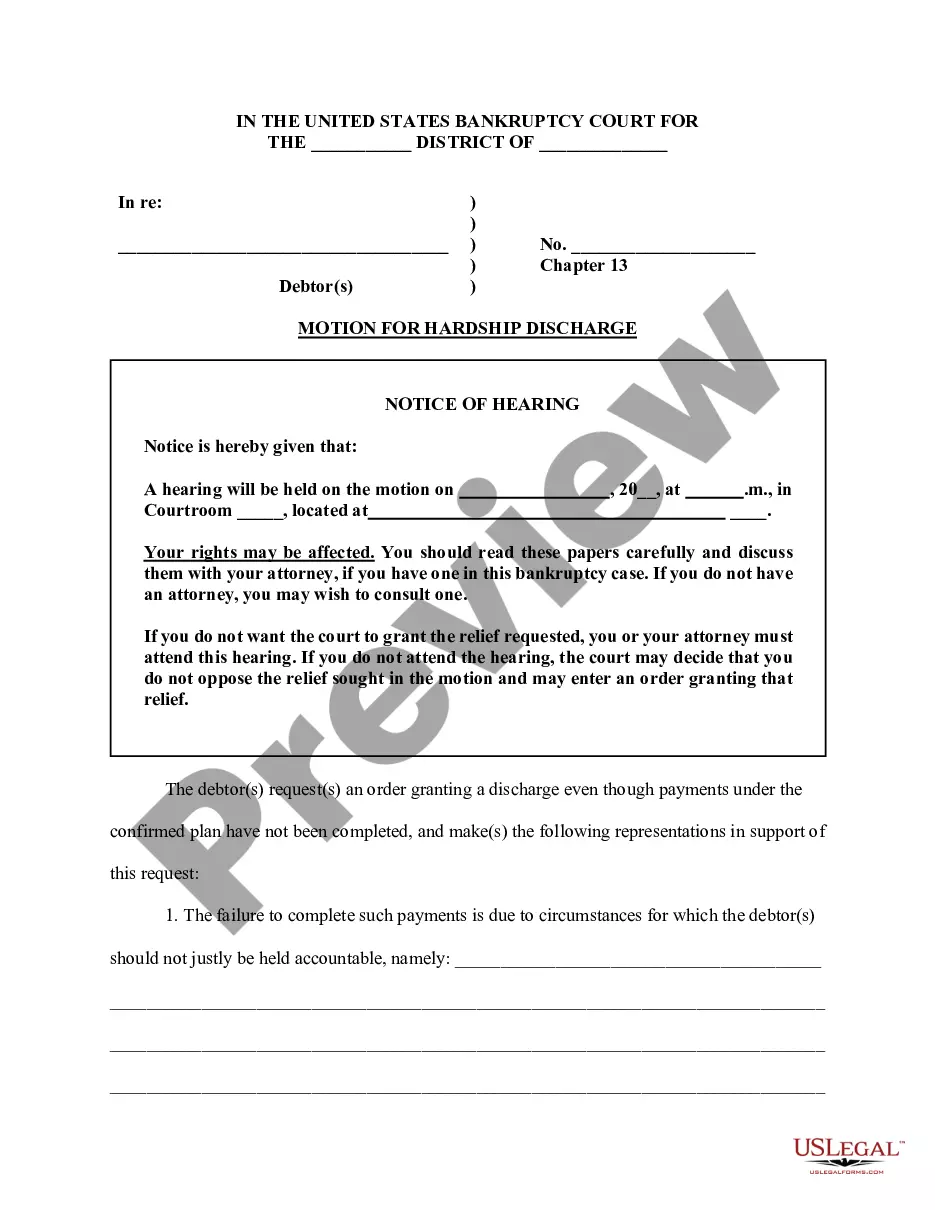
How to fill out Sample Letter For Debtor's Motion For Hardship Discharge And Notice Of Motion?
You might invest hours on the web searching for the legal document template that meets the state and federal requirements you require.
US Legal Forms offers a vast array of legal documents that have been vetted by professionals.
You can actually obtain or print the Tennessee Sample Letter for Debtor's Motion for Hardship Discharge and Notice of Motion from the service.
To find another version of your document, use the Lookup field to find the template that fits your needs and requirements. Once you have located the template you want, click Get now to proceed. Select the pricing plan you prefer, enter your details, and sign up for an account on US Legal Forms. Complete the purchase using your credit card or PayPal account to acquire the legal document. Download the format of your document and save it to your device. Make modifications to your document if needed. You can complete, edit, sign, and print the Tennessee Sample Letter for Debtor's Motion for Hardship Discharge and Notice of Motion. Obtain and print numerous document templates using the US Legal Forms website, which provides the largest selection of legal forms. Utilize professional and state-specific templates to address your business or personal needs.
- If you already possess a US Legal Forms account, you can Log In and then click the Acquire button.
- After that, you can complete, modify, print, or sign the Tennessee Sample Letter for Debtor's Motion for Hardship Discharge and Notice of Motion.
- Every legal document template you buy is yours indefinitely.
- To obtain another copy of the purchased document, visit the My documents section and click the appropriate button.
- If you are using the US Legal Forms website for the first time, follow the simple instructions provided below.
- First, ensure you have selected the correct document template for your area/city of choice.
- Review the document details to confirm you have chosen the correct form.
- If available, use the Review button to examine the document template as well.
Form popularity
FAQ
In Chapter 13 bankruptcy, a hardship discharge is a court-authorized elimination of debt when a debtor is prevented from completing the repayment plan due to financial hardship that arose while their case is open.
The discharge releases the debtor from all debts provided for by the plan or disallowed (under section 502), with limited exceptions. Creditors provided for in full or in part under the chapter 13 plan may no longer initiate or continue any legal or other action against the debtor to collect the discharged obligations.
The discharge is a permanent order prohibiting the creditors of the debtor from taking any form of collection action on discharged debts, including legal action and communications with the debtor, such as telephone calls, letters, and personal contacts.
For a discharge to be denied as to all debts, either the debtor must simply not be entitled to a discharge at all by law, or someone must file an Adversary Complaint (Bankruptcy Court's version of a civil lawsuit) with the court.
Terminology can get confusing because "hardship" and "dependency" discharges are often both loosely labeled "hardship." Specifically, a hardship discharge is when the financial needs of family member(s) require more than the military member can provide while remaining in the military.