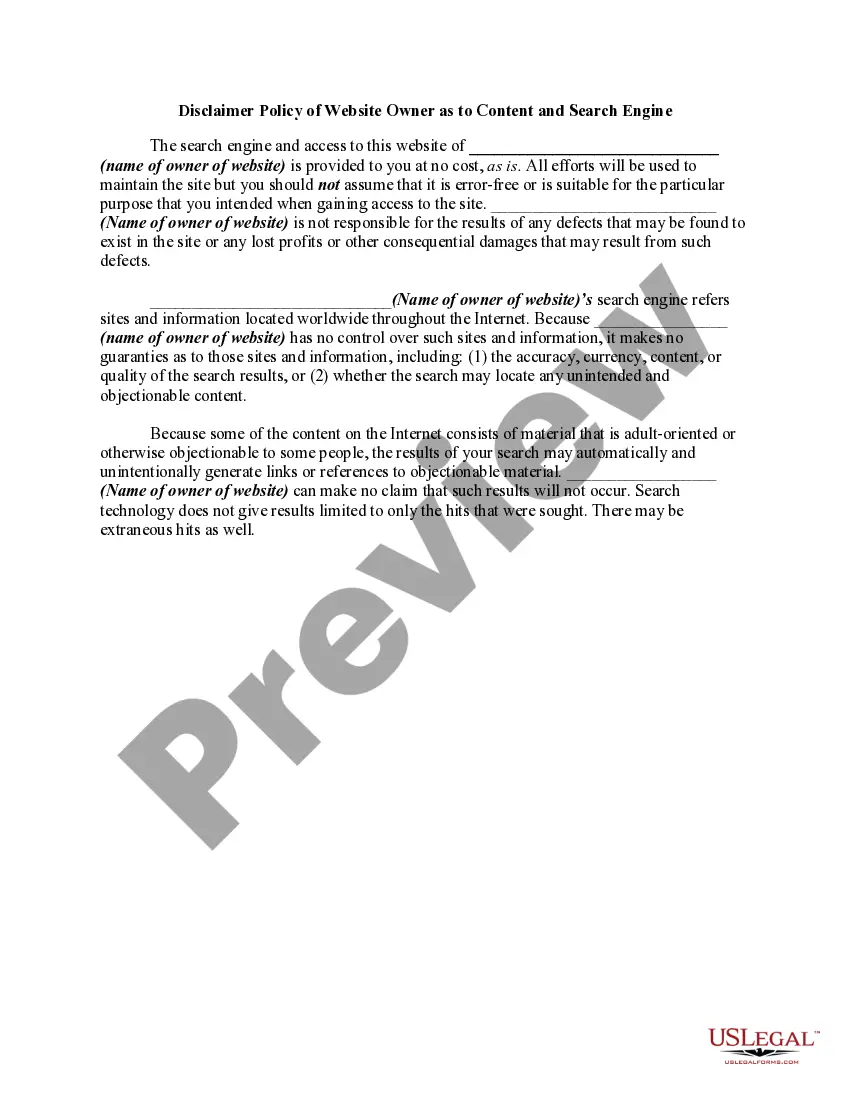
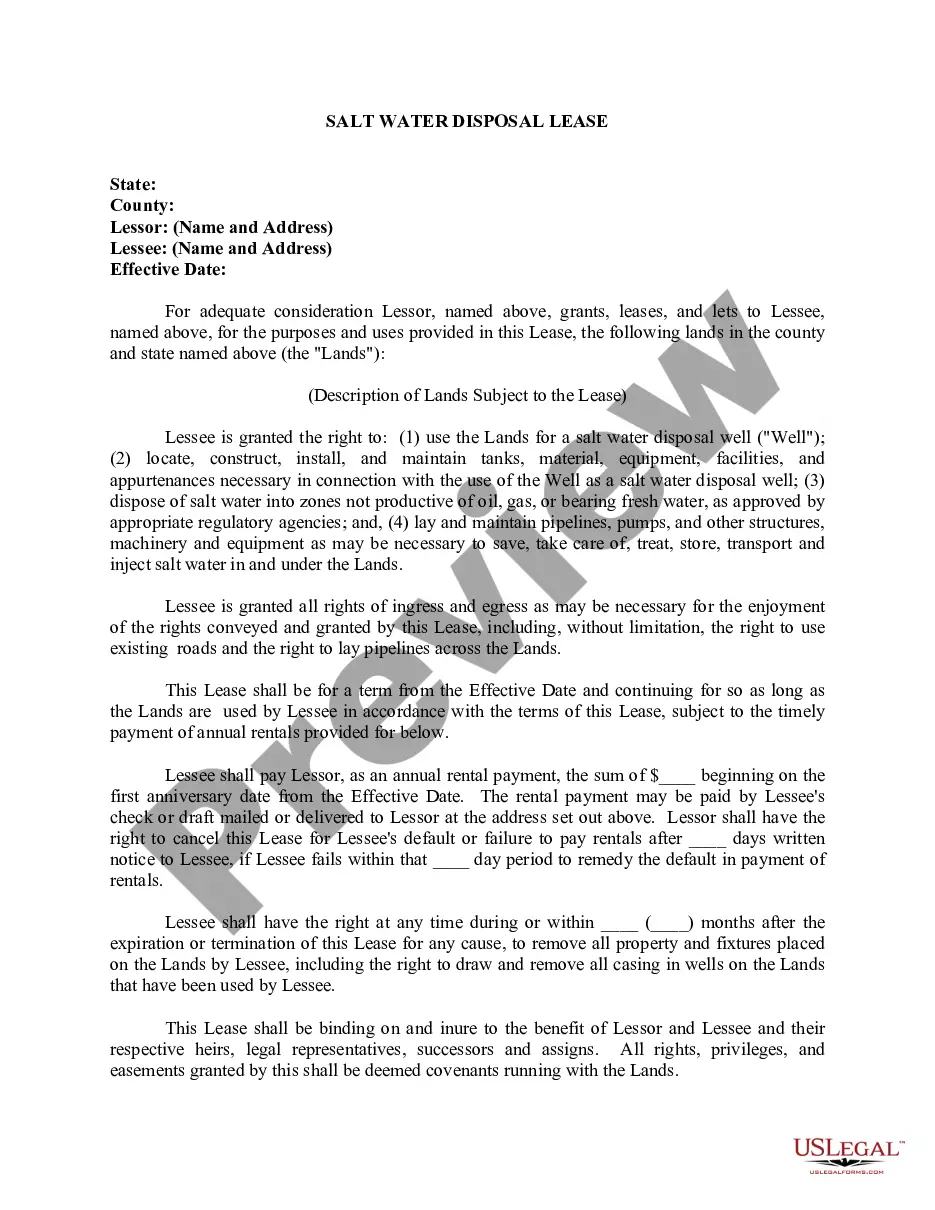
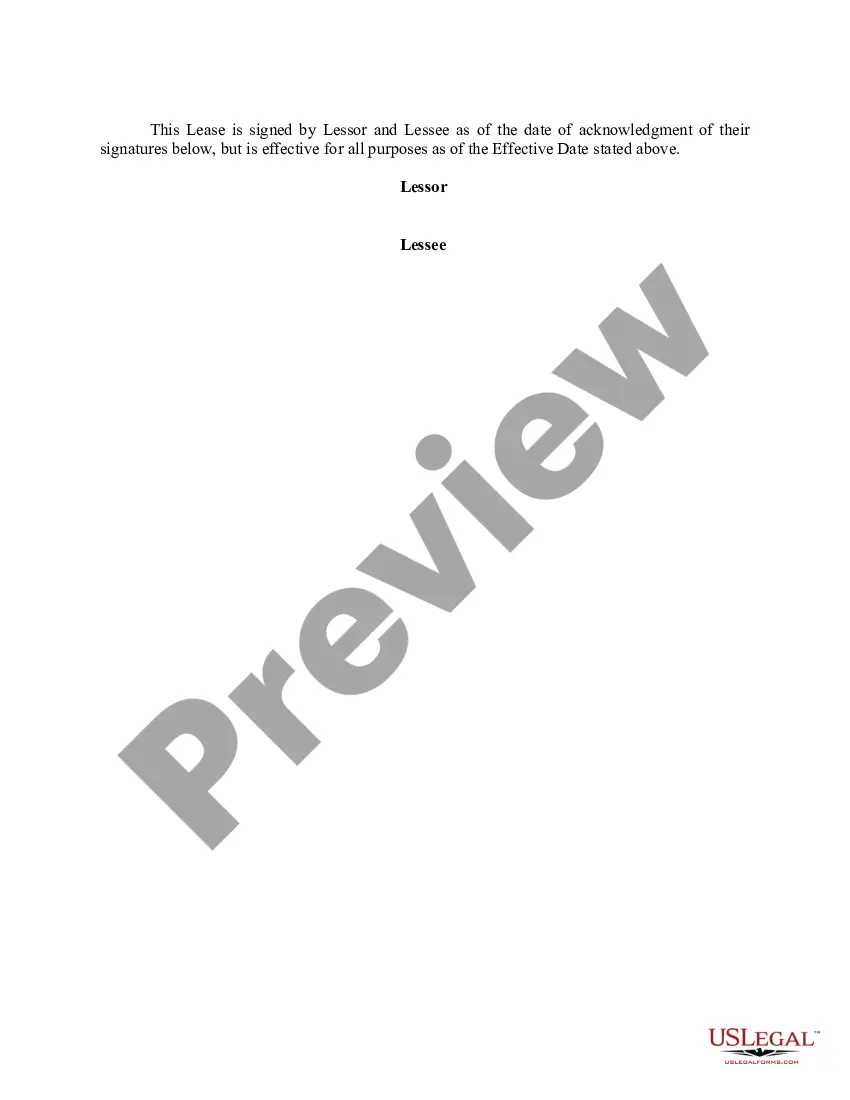
Tennessee Salt Water Disposal Lease
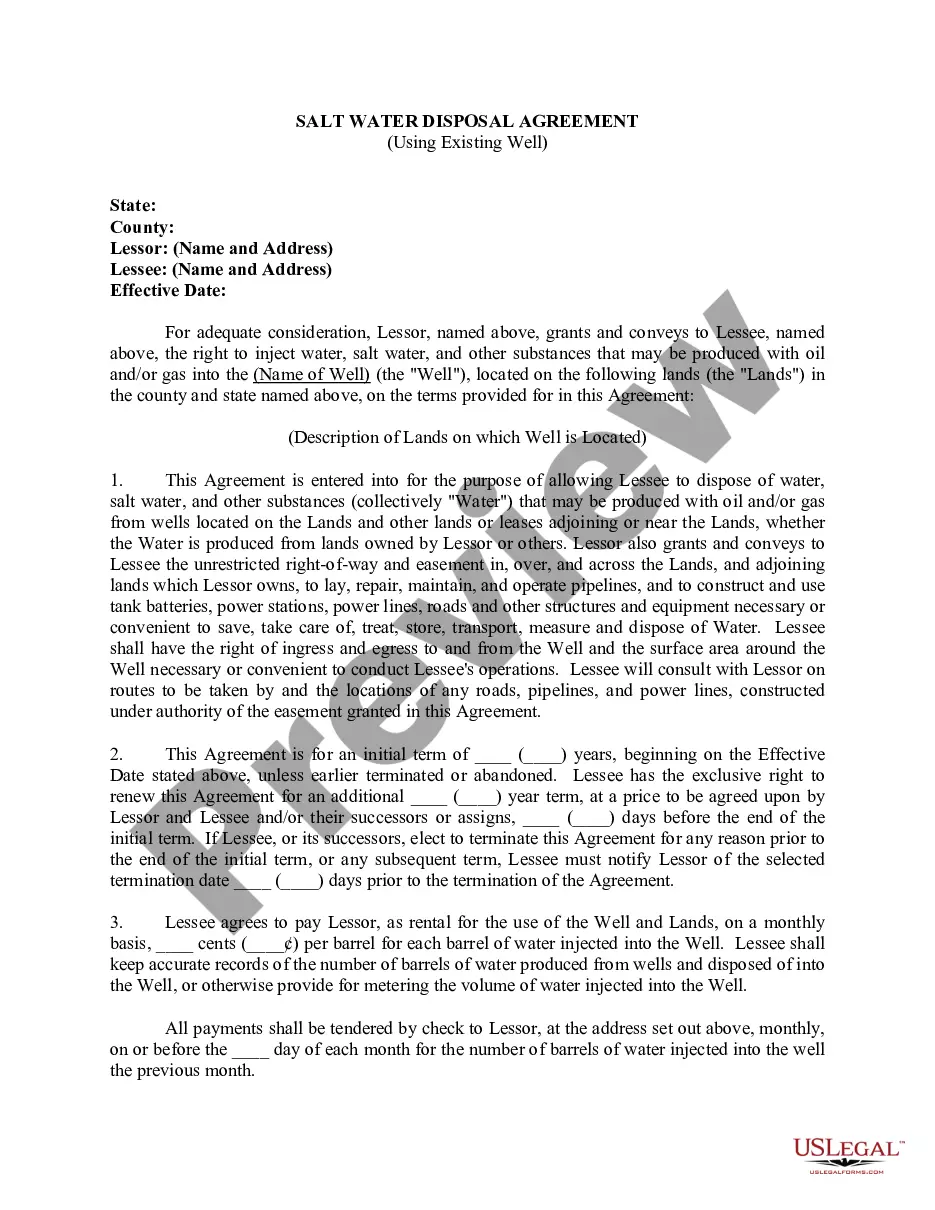
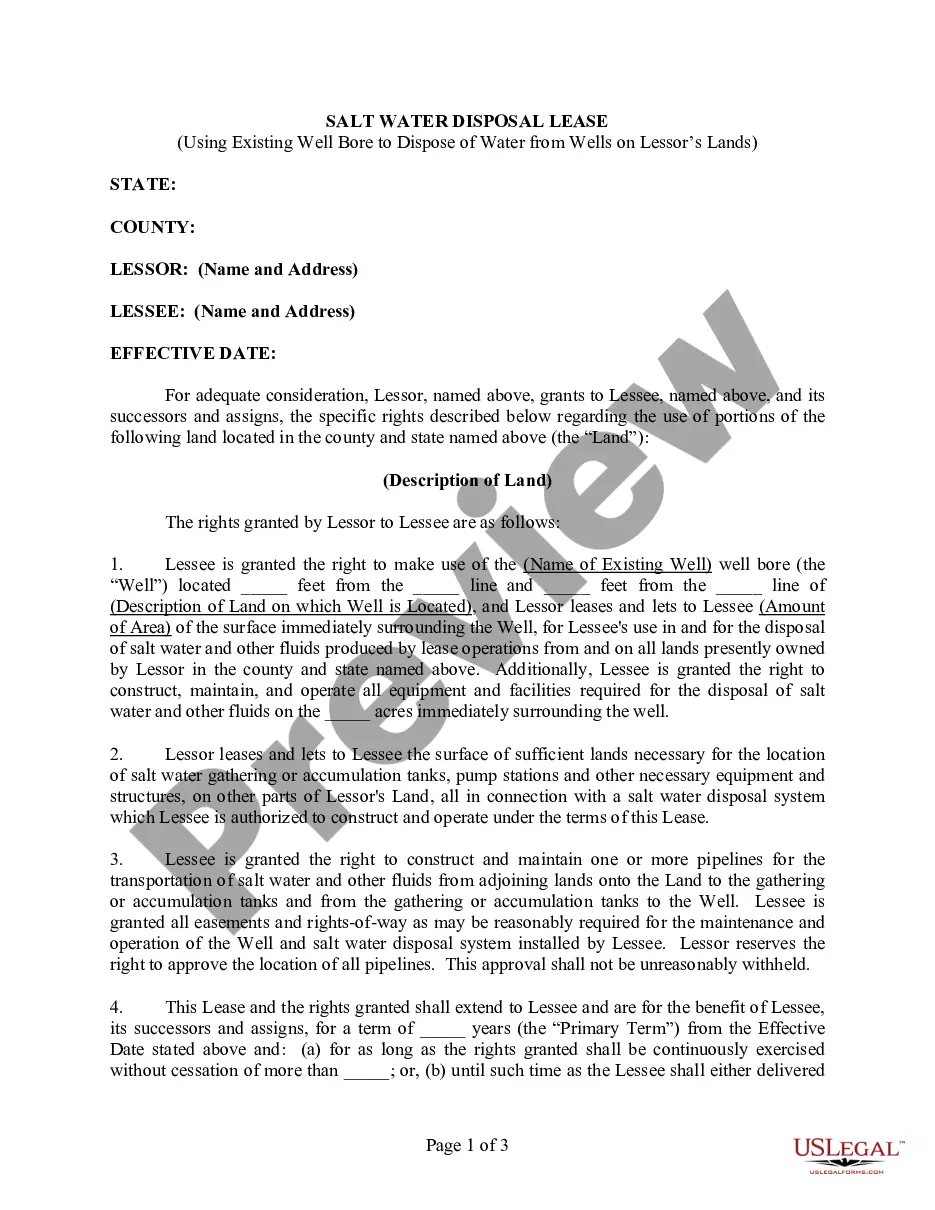
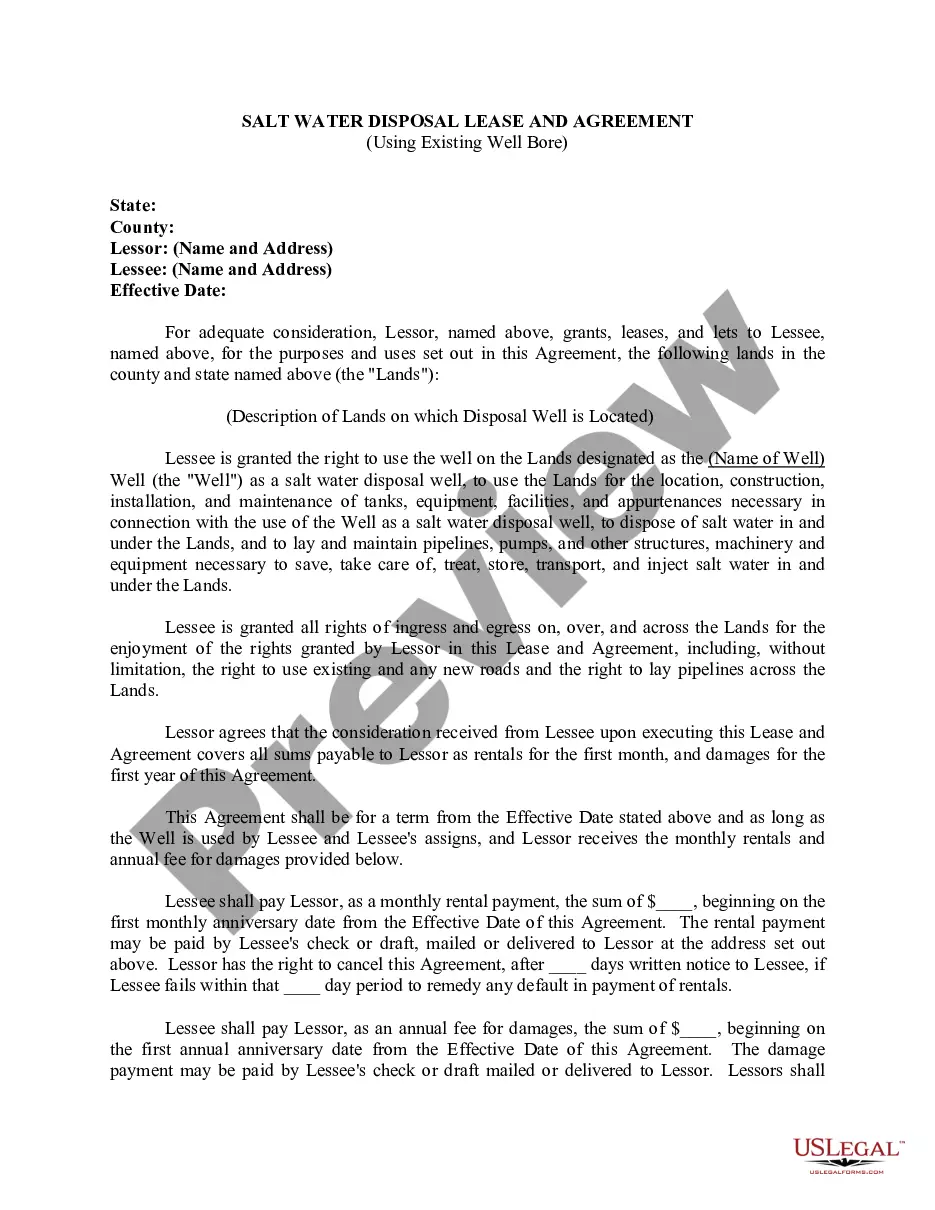
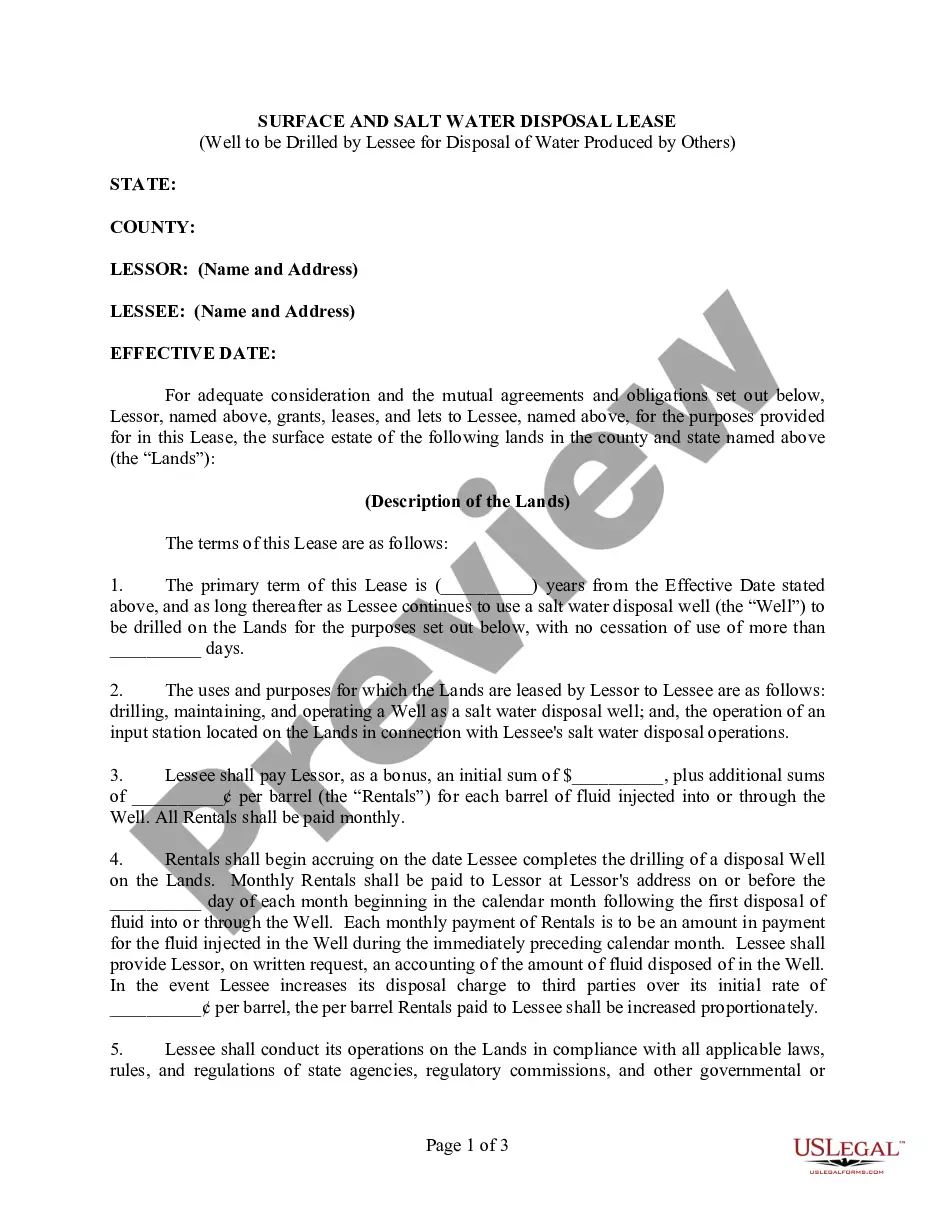
Description
Get your form ready online
Our built-in tools help you complete, sign, share, and store your documents in one place.
Make edits, fill in missing information, and update formatting in US Legal Forms—just like you would in MS Word.
Download a copy, print it, send it by email, or mail it via USPS—whatever works best for your next step.
Sign and collect signatures with our SignNow integration. Send to multiple recipients, set reminders, and more. Go Premium to unlock E-Sign.
If this form requires notarization, complete it online through a secure video call—no need to meet a notary in person or wait for an appointment.
We protect your documents and personal data by following strict security and privacy standards.

Make edits, fill in missing information, and update formatting in US Legal Forms—just like you would in MS Word.

Download a copy, print it, send it by email, or mail it via USPS—whatever works best for your next step.

Sign and collect signatures with our SignNow integration. Send to multiple recipients, set reminders, and more. Go Premium to unlock E-Sign.

If this form requires notarization, complete it online through a secure video call—no need to meet a notary in person or wait for an appointment.

We protect your documents and personal data by following strict security and privacy standards.
Looking for another form?
How to fill out Salt Water Disposal Lease?
Choosing the best lawful file web template could be a have difficulties. Obviously, there are a lot of web templates accessible on the Internet, but how do you obtain the lawful kind you need? Make use of the US Legal Forms site. The services gives a large number of web templates, including the Tennessee Salt Water Disposal Lease, which you can use for organization and private needs. All the kinds are examined by specialists and satisfy federal and state requirements.
If you are presently authorized, log in for your profile and click the Download button to have the Tennessee Salt Water Disposal Lease. Utilize your profile to appear with the lawful kinds you may have purchased previously. Proceed to the My Forms tab of your own profile and get an additional version from the file you need.
If you are a new end user of US Legal Forms, listed here are straightforward directions for you to follow:
- Very first, be sure you have chosen the proper kind for the metropolis/region. It is possible to look through the form utilizing the Preview button and look at the form outline to make certain this is basically the best for you.
- In the event the kind fails to satisfy your needs, make use of the Seach industry to get the correct kind.
- When you are sure that the form is acceptable, click the Get now button to have the kind.
- Choose the pricing strategy you want and enter in the essential information and facts. Create your profile and pay for the order using your PayPal profile or charge card.
- Pick the file structure and download the lawful file web template for your gadget.
- Complete, change and produce and indication the attained Tennessee Salt Water Disposal Lease.
US Legal Forms is the largest local library of lawful kinds for which you can find various file web templates. Make use of the service to download expertly-made files that follow state requirements.
Form popularity
FAQ
Disposal wells inject saltwater into underground formations, often over a mile in depth, into sub-surface zones that already contain naturally occurring saltwater. In contrast, wells that supply fresh water can vary in depth throughout the state, but generally range from no deeper than a few hundred to a thousand feet.
While some particularly arid regions allow for disposal via evaporation from large holding pits, most salt water is disposed of at specialty disposal sites where the salt water is injected by way of a disposal well (salt water disposal, or SWD wells) into natural underground formations.
Operated Dump Valve (previously called a treater valve) is a throttling valve that uses a weight to hold liquid level in salt water disposal systems. On a salt water disposal well, the WeightOperated Dump Valve can regulate the fluid in both the oil tanks and water tanks.
A disposal well is often a depleted oil or gas well, into which waste fluids can be injected for safe disposal. A by-product of oil and gas production is water that was either trapped in the same deep formations, was injected to stimulate a formation (hydraulic fracturing), or was injected to enhance oil recovery.
Saltwater, or produced water, is a byproduct of natural gas and oil production. This water is heavily polluted with salt, hydrocarbons, and industrial compounds, making it hazardous to the environment.
Deep injection wells are also called brine disposal wells, and are officially known as class II underground injection wells. They can take any fluid related to oil and gas drilling, including frack waste water.
A saltwater disposal (SWD) well is a disposal site for water collected as a byproduct of oil and gas production. Quite often when oil and gas are pumped out of the earth, they aren't pure enough for distribution. The oil and gas go through a separation phase or are treated with chemicals that extract the impurities.