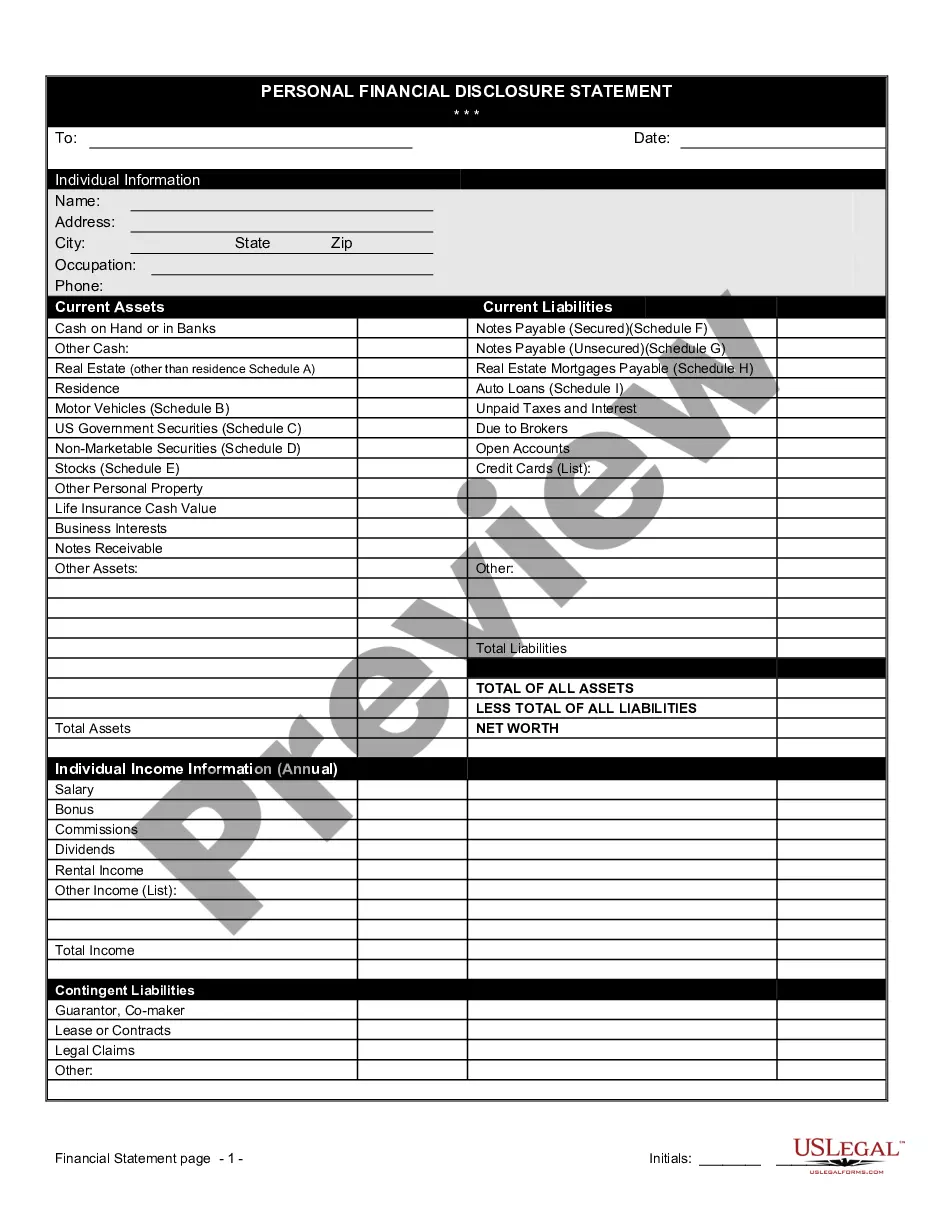
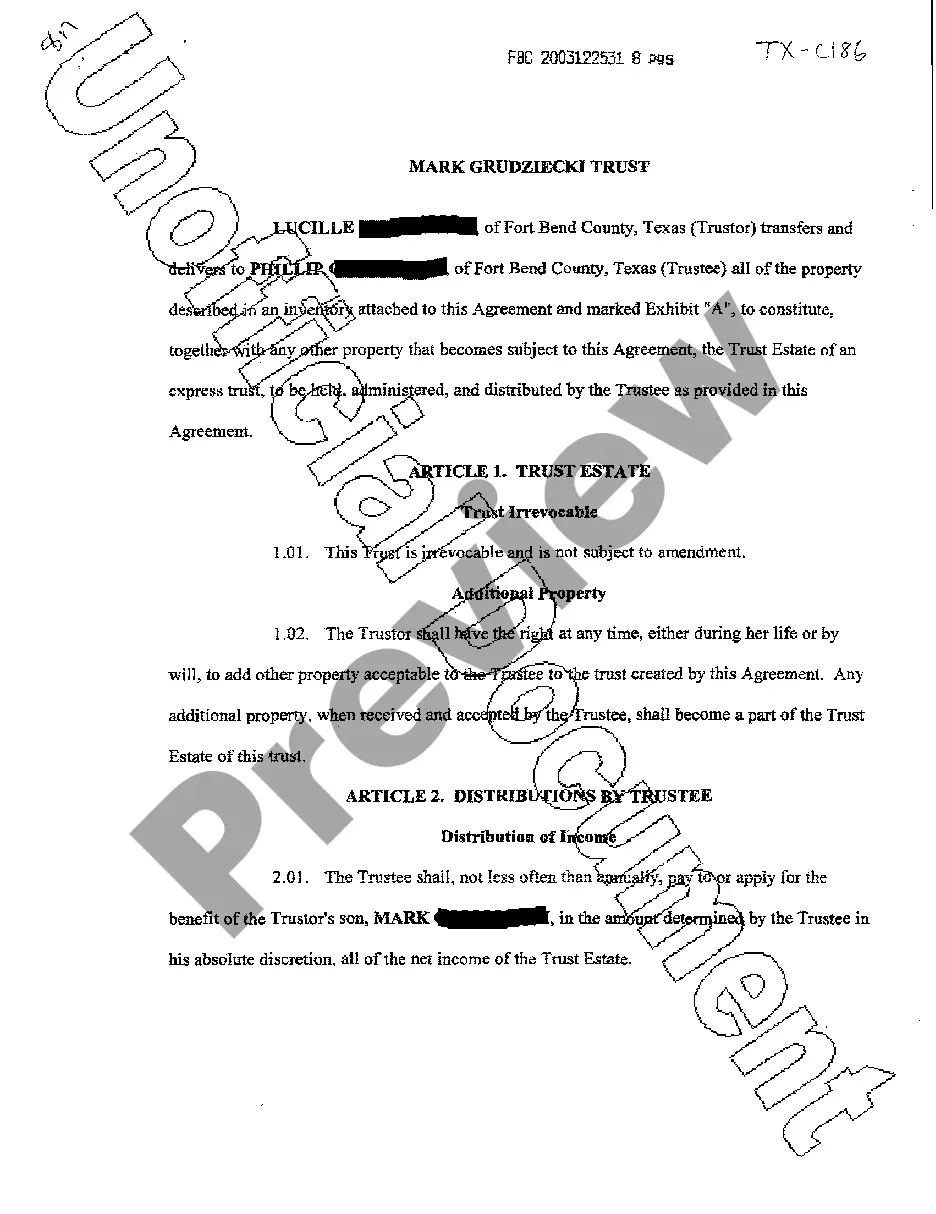
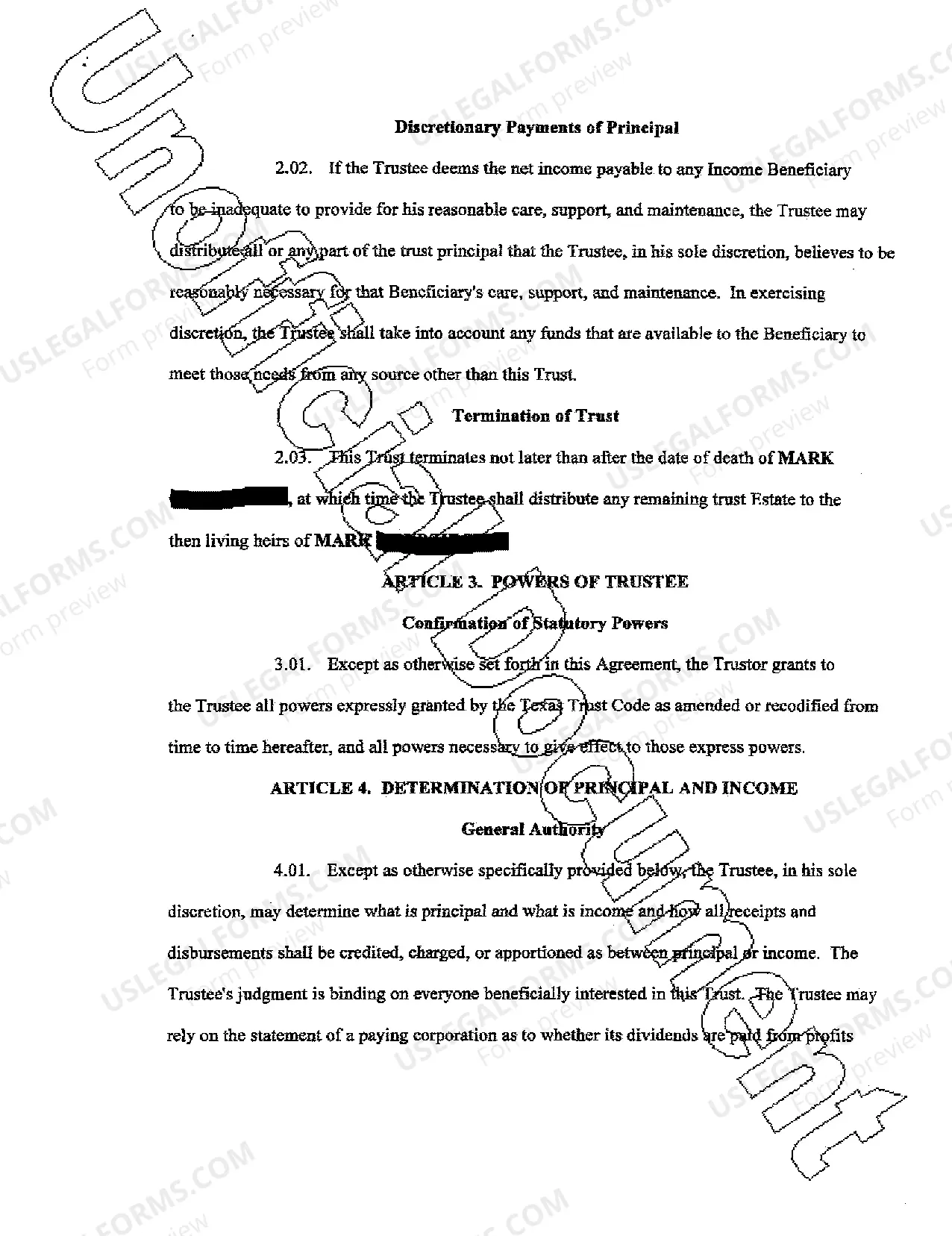
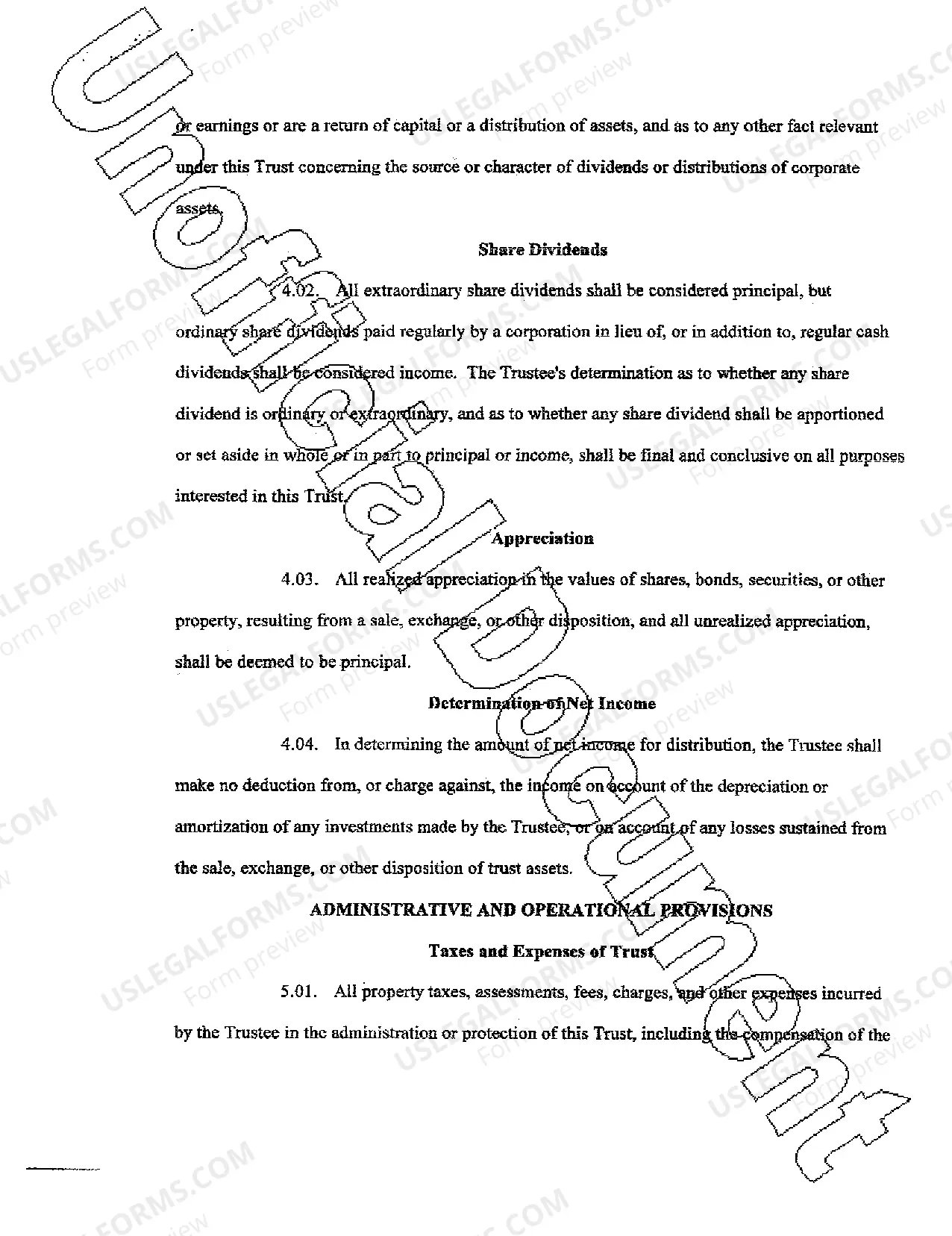
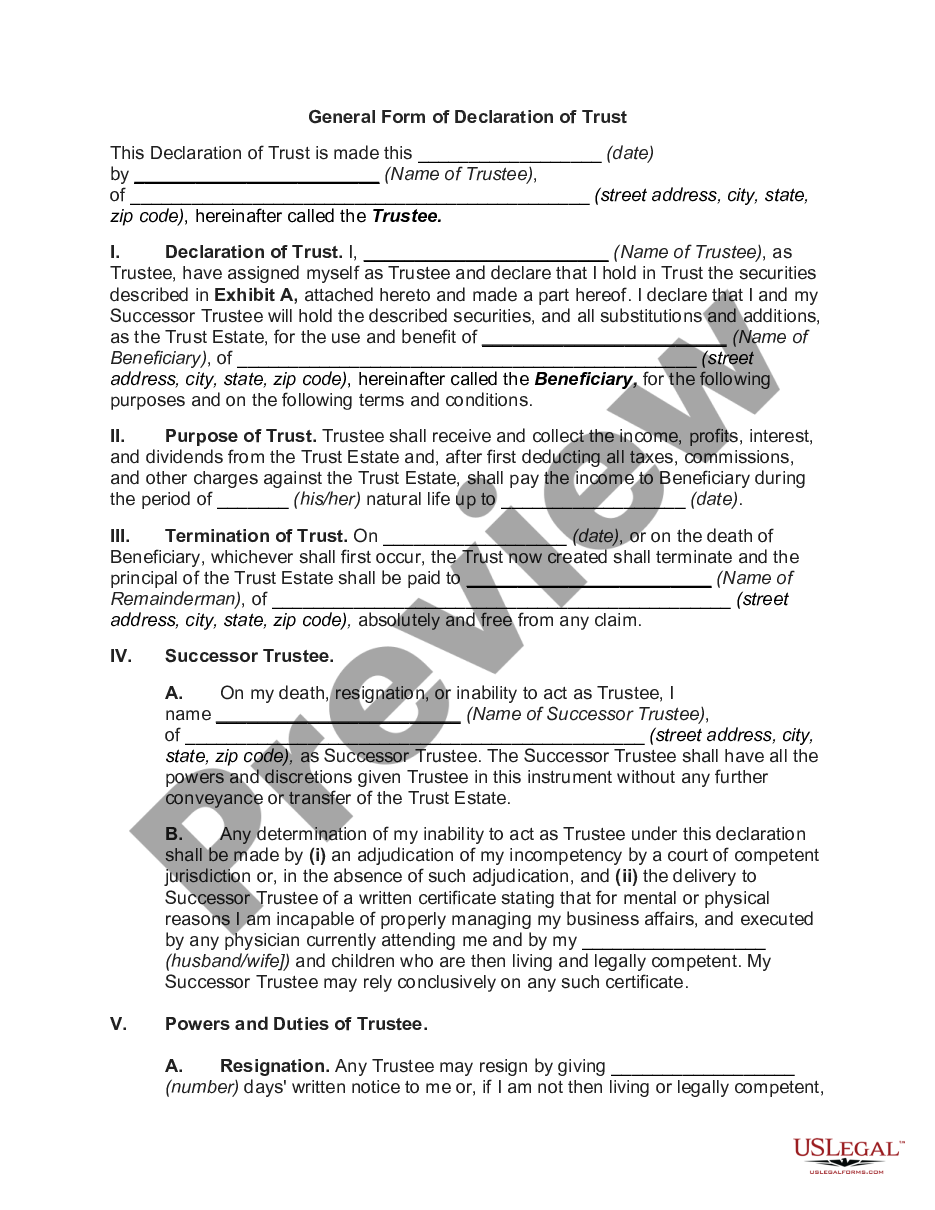
Texas Trust Estate Agreement by Individual Trustor
Description

Get your form ready online
Our built-in tools help you complete, sign, share, and store your documents in one place.
Make edits, fill in missing information, and update formatting in US Legal Forms—just like you would in MS Word.
Download a copy, print it, send it by email, or mail it via USPS—whatever works best for your next step.
Sign and collect signatures with our SignNow integration. Send to multiple recipients, set reminders, and more. Go Premium to unlock E-Sign.
If this form requires notarization, complete it online through a secure video call—no need to meet a notary in person or wait for an appointment.
We protect your documents and personal data by following strict security and privacy standards.

Make edits, fill in missing information, and update formatting in US Legal Forms—just like you would in MS Word.

Download a copy, print it, send it by email, or mail it via USPS—whatever works best for your next step.

Sign and collect signatures with our SignNow integration. Send to multiple recipients, set reminders, and more. Go Premium to unlock E-Sign.

If this form requires notarization, complete it online through a secure video call—no need to meet a notary in person or wait for an appointment.

We protect your documents and personal data by following strict security and privacy standards.
Looking for another form?
How to fill out Texas Trust Estate Agreement By Individual Trustor?
Access to quality Texas Trust Estate Agreement by Individual Trustor samples online with US Legal Forms. Steer clear of days of misused time searching the internet and dropped money on documents that aren’t up-to-date. US Legal Forms offers you a solution to just that. Get above 85,000 state-specific legal and tax forms that you could download and fill out in clicks within the Forms library.
To find the example, log in to your account and click on Download button. The document will be saved in two places: on your device and in the My Forms folder.
For individuals who don’t have a subscription yet, have a look at our how-guide listed below to make getting started easier:
- See if the Texas Trust Estate Agreement by Individual Trustor you’re considering is suitable for your state.
- Look at the sample utilizing the Preview function and read its description.
- Check out the subscription page by clicking Buy Now.
- Choose the subscription plan to keep on to register.
- Pay out by credit card or PayPal to finish making an account.
- Choose a favored file format to download the file (.pdf or .docx).
Now you can open up the Texas Trust Estate Agreement by Individual Trustor example and fill it out online or print it and get it done yourself. Take into account giving the file to your legal counsel to make certain things are filled out correctly. If you make a mistake, print and fill sample again (once you’ve created an account all documents you save is reusable). Create your US Legal Forms account now and access much more samples.
Form popularity
FAQ
The executor can sell property without getting all of the beneficiaries to approve.Once the executor is named there is a person appointed, called a probate referee, who will appraise the estate assets.
In most living trusts created in the United States, the trustor, trustee and beneficiary are all the same person.
A trustee may sell real property, subject to the authority granted to them in the trust document. They must act solely in their capacity as trustee, and in the interest of the beneficiaries.
In general, a trust beneficiary has a right to get a copy of the trust document, receive accountings from the trustee, and expect that the trustee will perform all of its duties under the terms of the trust agreement and Texas law, but there are exceptions.
The answer to this is no unless the Trust document states otherwise. In the case of two trustees, they cannot merely break a deadlock by acting on their own.One of the co-trustees does not have the power and authority to complete any of the trust administration processes alone.
When a grantor establishes a trust, a single trustee manages the trust's assets on behalf of the named beneficiaries. However, there is no requirement for a trust to have only one trustee. When a grantor names multiple trustees, or co-trustees, they are responsible for co-managing the trust's assets.
If you are talking about an irrevocable trust, then no, the grantor should not be the trustee. One of the purposes behind an irrevocable trust is to typical get assets OUT of the grantor's estate, for various reasons. Having the grantor as a trustee (or beneficiary) would defeat that purpose.
A beneficiary has the right to seek court intervention to stop a Trustee from selling any asset. Of course, court intervention takes time and money, which the beneficiary must pay in order to stop the sale.Be forewarned, your powers to stop sales or recover assets that are sold can be severely limited.
Can trustees sell property without the beneficiary's approval? The trustee doesn't need final sign off from beneficiaries to sell trust property.