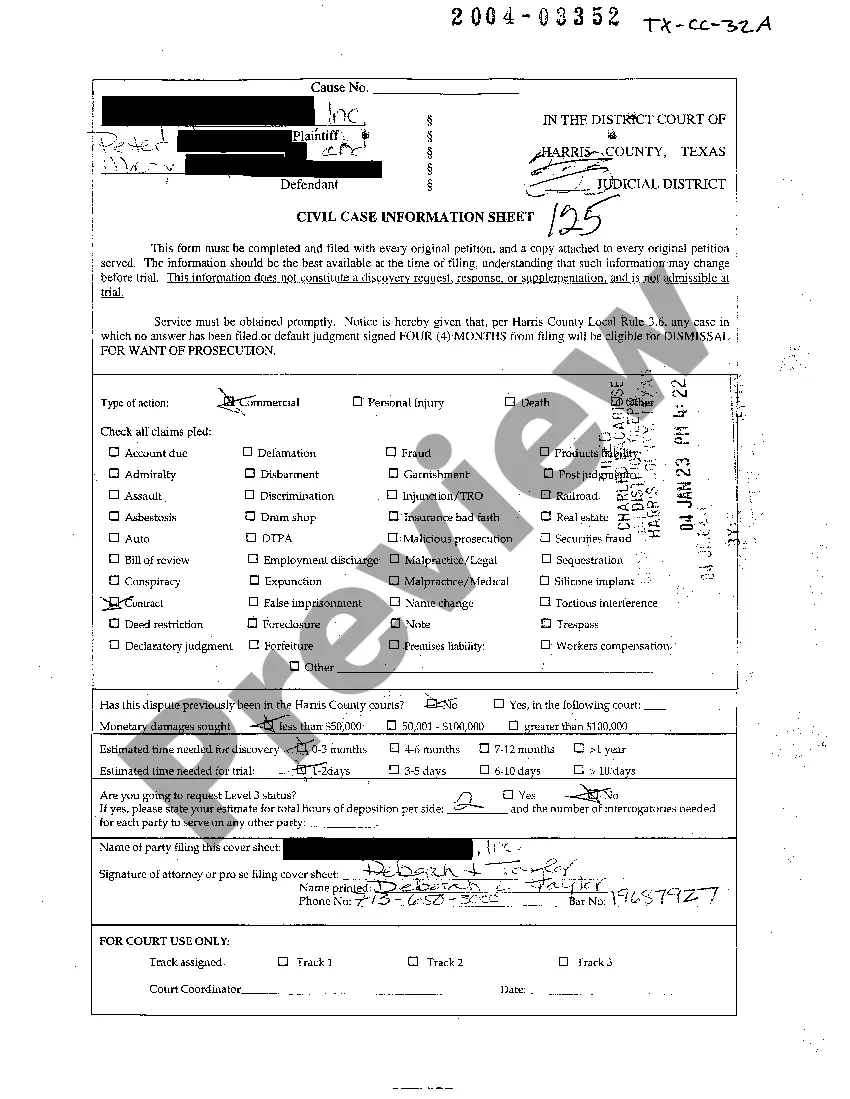
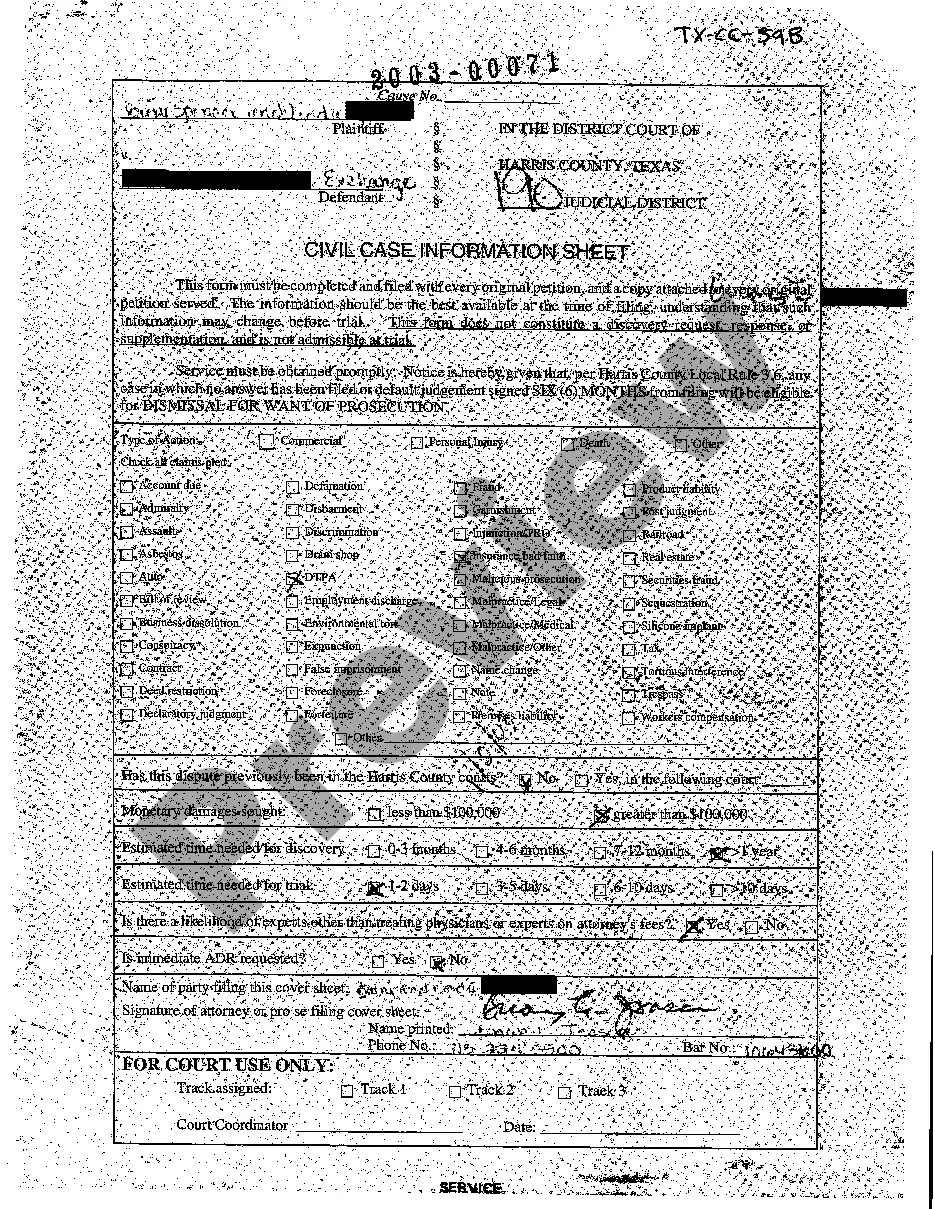
Texas Civil Information Sheet
Description
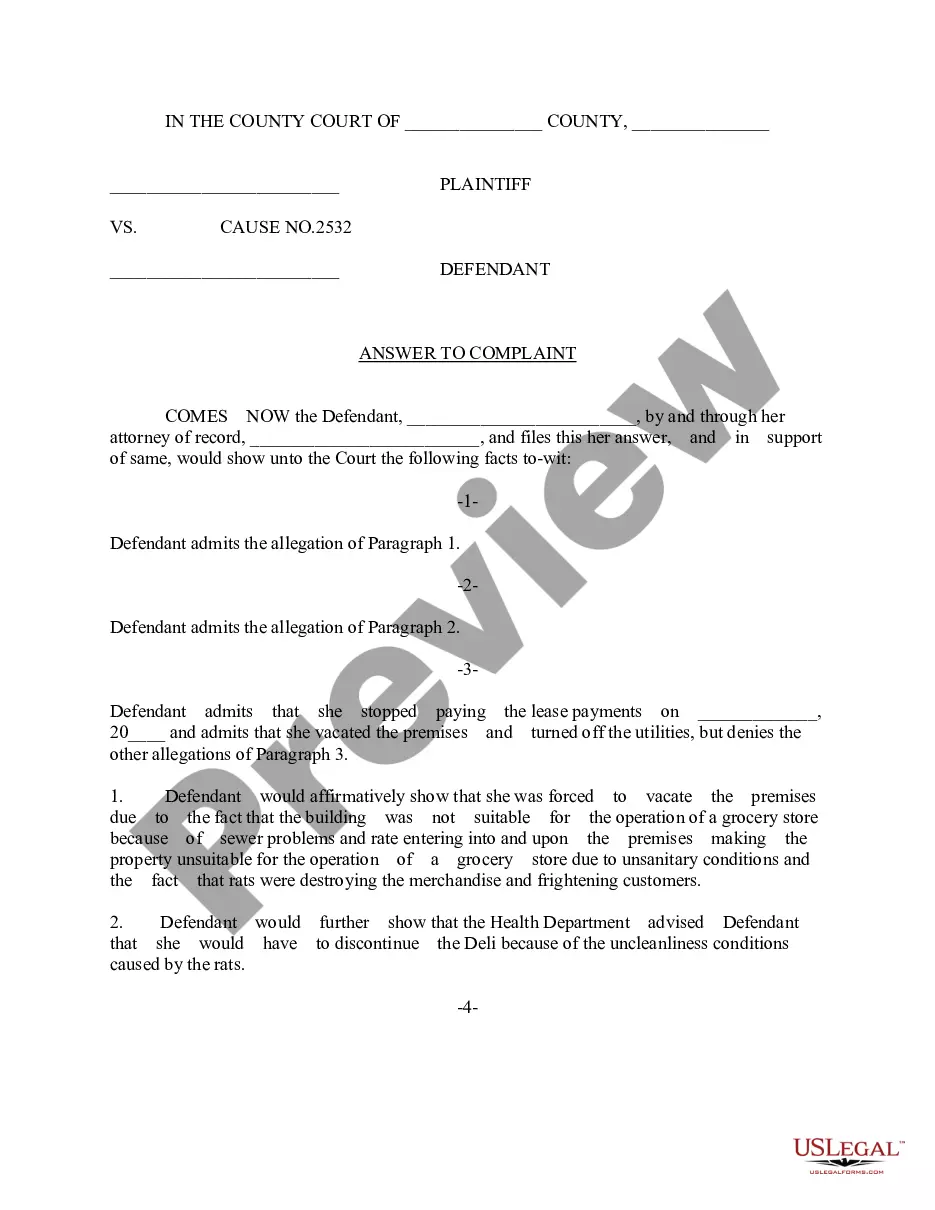
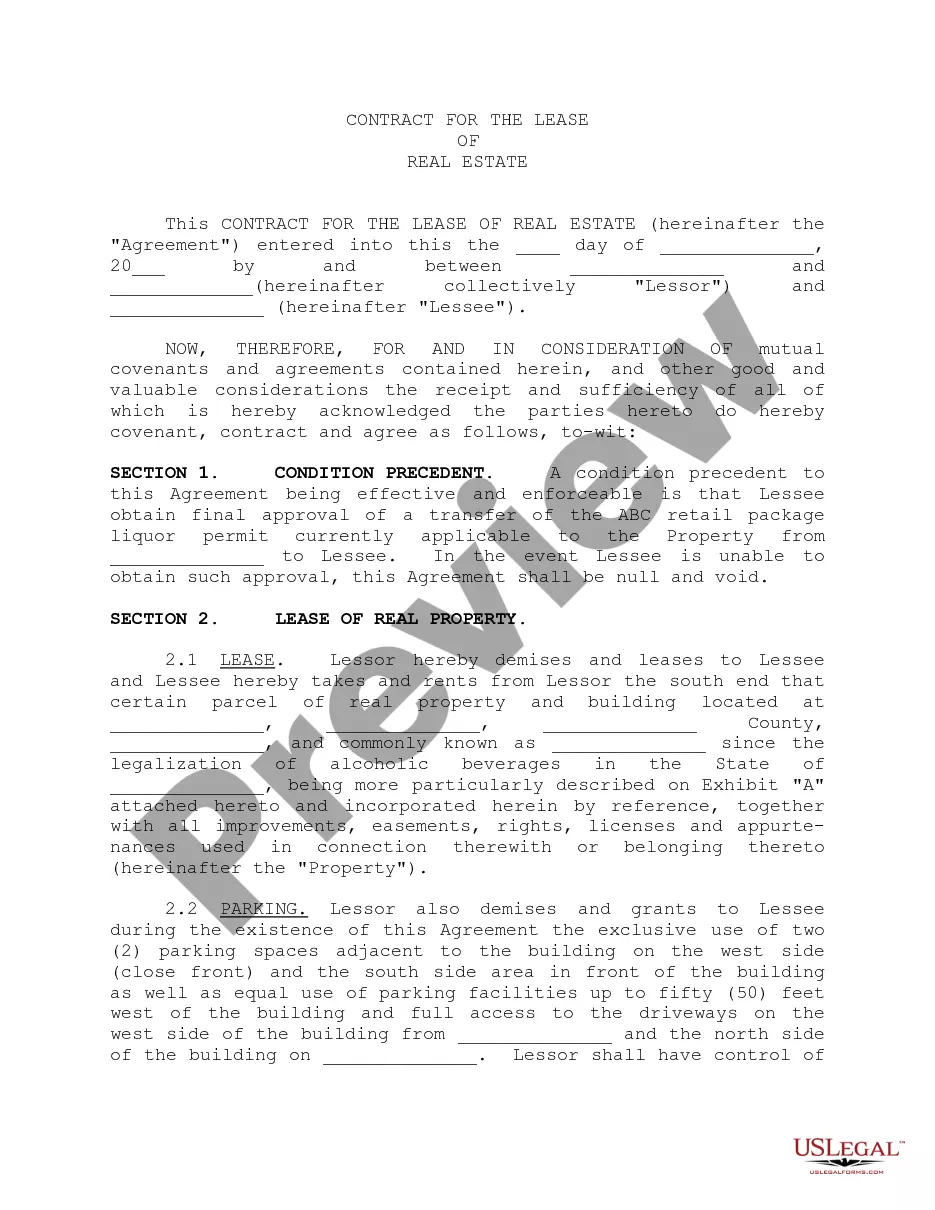



How to fill out Texas Civil Information Sheet?
Get access to high quality Texas Petition and Request For Discovery regarding Breach of Lease templates online with US Legal Forms. Avoid hours of lost time searching the internet and dropped money on documents that aren’t up-to-date. US Legal Forms gives you a solution to exactly that. Get above 85,000 state-specific authorized and tax templates that you can download and submit in clicks in the Forms library.
To receive the sample, log in to your account and click on Download button. The file will be stored in two places: on your device and in the My Forms folder.
For people who don’t have a subscription yet, have a look at our how-guide below to make getting started easier:
- See if the Texas Petition and Request For Discovery regarding Breach of Lease you’re looking at is appropriate for your state.
- View the sample using the Preview option and read its description.
- Check out the subscription page by clicking on Buy Now button.
- Choose the subscription plan to go on to sign up.
- Pay by card or PayPal to finish creating an account.
- Select a preferred format to save the file (.pdf or .docx).
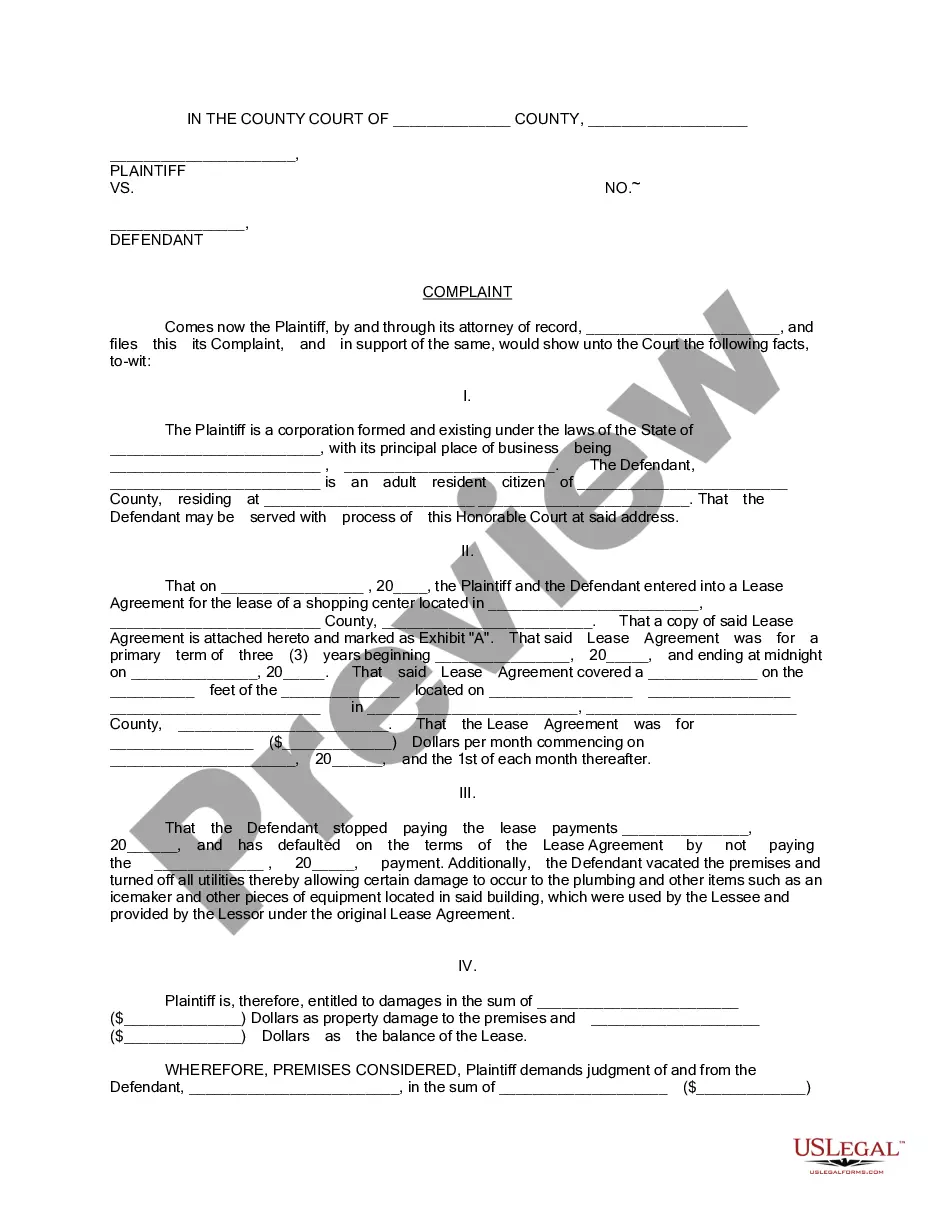
Now you can open up the Texas Petition and Request For Discovery regarding Breach of Lease template and fill it out online or print it out and get it done by hand. Take into account giving the papers to your legal counsel to ensure things are completed correctly. If you make a mistake, print and fill application once again (once you’ve created an account all documents you save is reusable). Make your US Legal Forms account now and access much more forms.
Form popularity
FAQ
The request for disclosure is a form that the parties send to one another requesting answers to questions and the production of certain documents that are routine in every case (the other discovery items are more specifically tailored depending on the type of case).
Every case filed in Texas state court requires the plaintiff to choose a discovery plan: Level One, which applies only for cases where the plaintiff seeks less than $100,000 in damages; Level Two, which applies by default to all other cases and has its own specific set of deadlines; and Level Three, which allows the
Motion for Sanctions If the court issues an order compelling discovery, and the party fails to comply with that order, then the court may sanction the party in numerous ways such as refusing to let in the party's evidence at trial, dismissing their lawsuit or striking their defense to a lawsuit, and imposing
Under Level 2 discovery, each side is only allowed 25 written interrogatories that ask more than identifying information about a document. Additionally, the responding party may respond by telling the other side where the information can be found in public records instead of answering the question directly.
That disclosure is accomplished through a methodical process called "discovery." Discovery takes three basic forms: written discovery, document production and depositions.
In Texas, written discovery responses are typically due 30 days after the date that written discovery requests are served on a party.
To be in Level 3, the court must order a specific plan for the case, either on a party's motion or on the court's own initiative. The plan may be one agreed to by the parties and submitted as an agreed order. A Level 3 plan may simply adopt Level 1 or Level 2 restrictions.
The legal term disclosure refers to the portion of the litigation process where each party in the suit is required to disclose any documents that may be considered relevant to the case going to court. This stage normally occurs after each party has made their initial statement in their case.