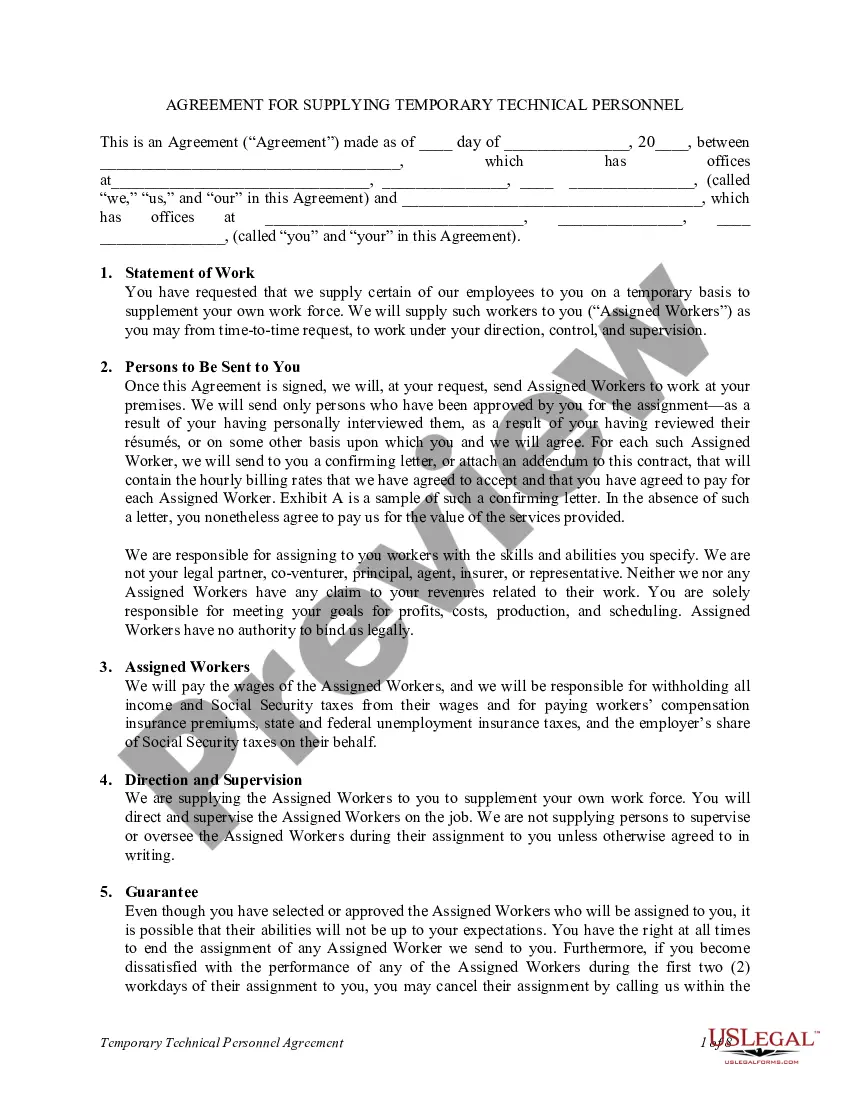
Texas General Partnership Package
About this form package
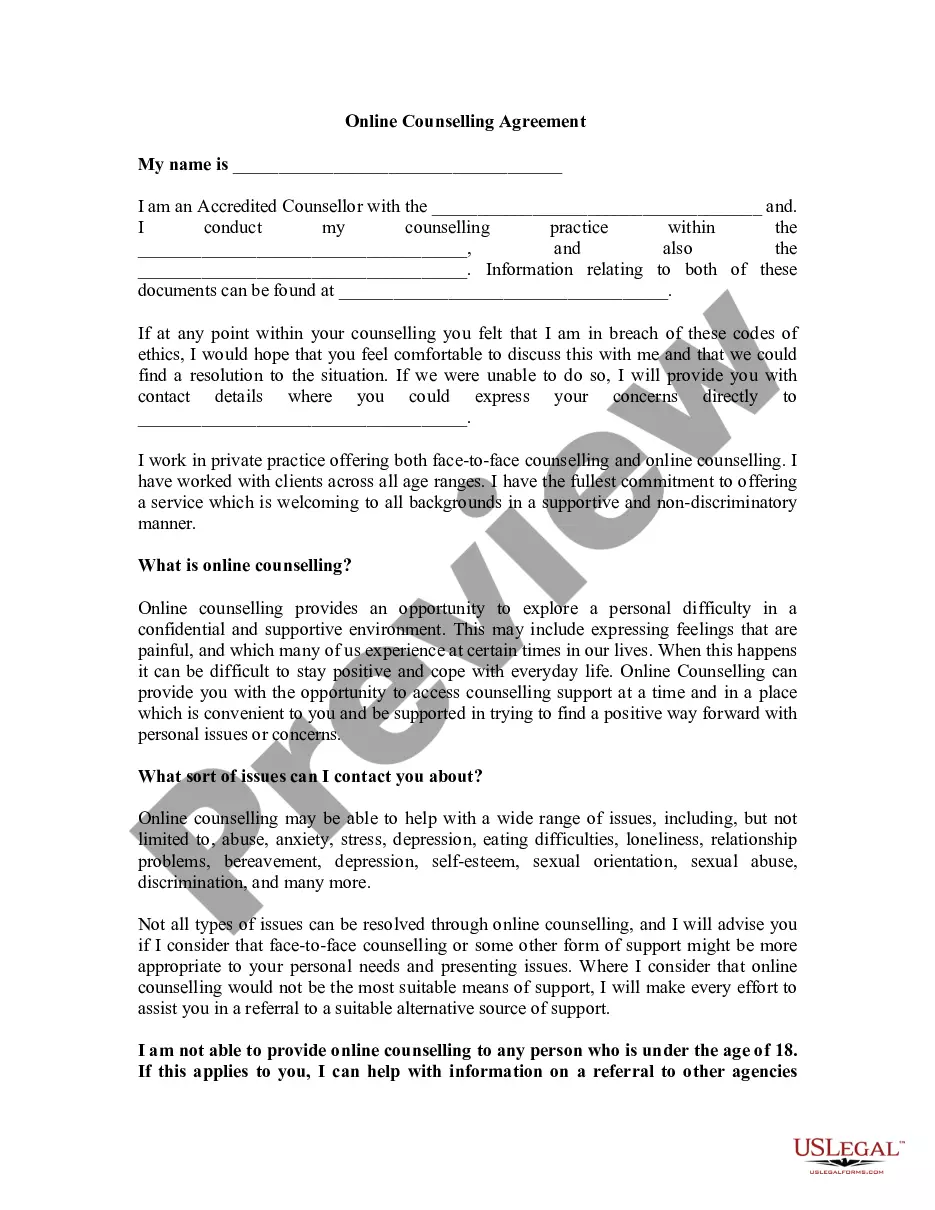
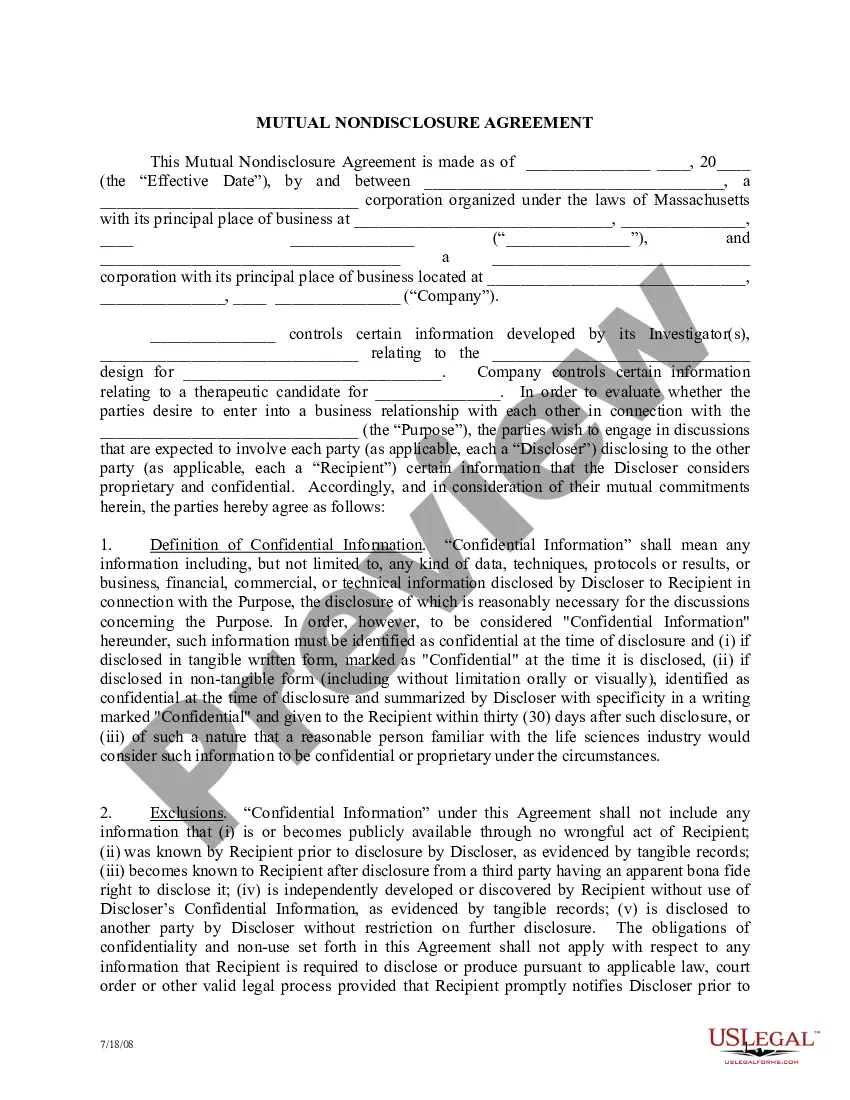
The Texas General Partnership Package provides essential legal forms necessary for the formation, management, and dissolution of a general partnership in Texas. This package is uniquely designed for individuals and businesses looking to establish a partnership while ensuring compliance with Texas law. By utilizing this form package, users can avoid potential legal pitfalls and customize the documents to suit their specific partnership needs.
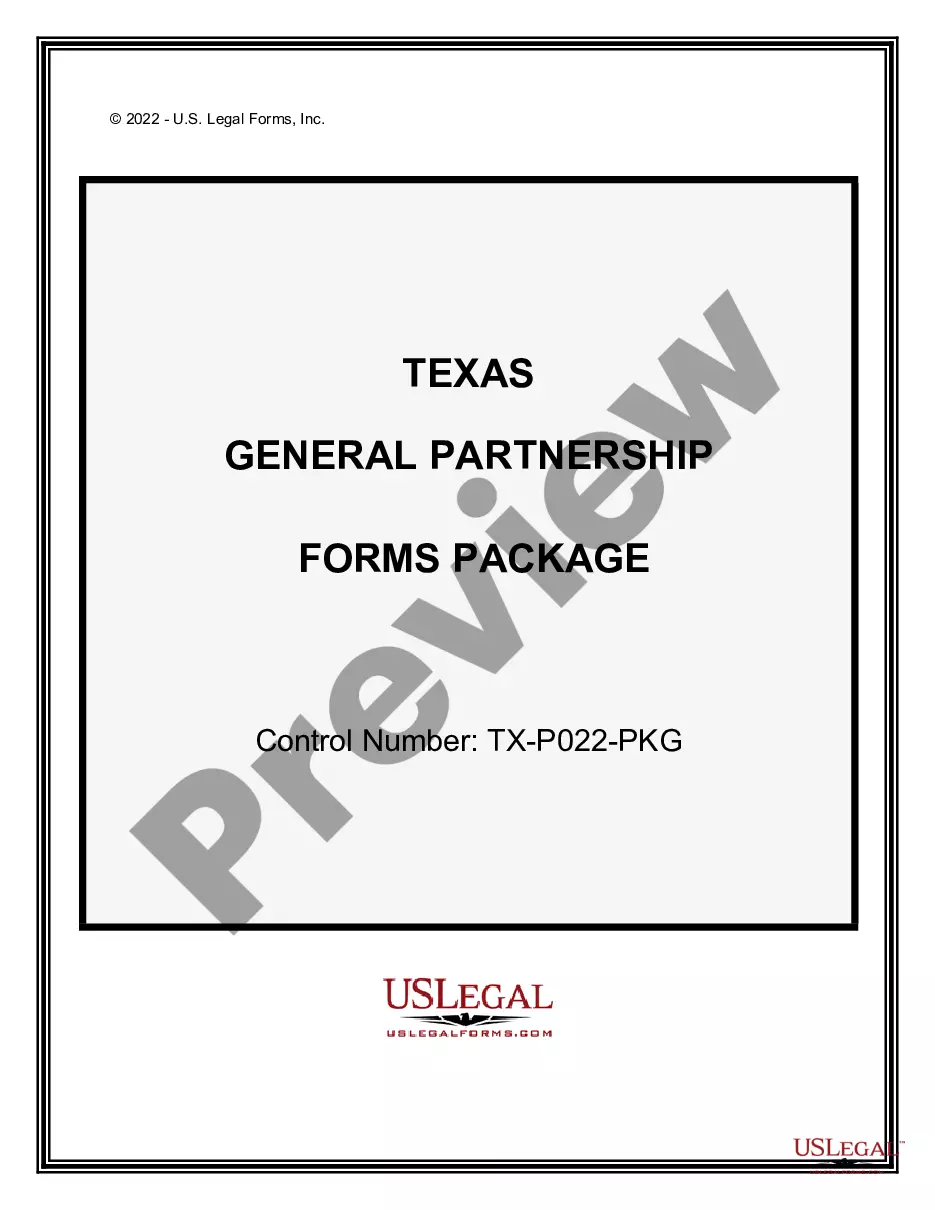
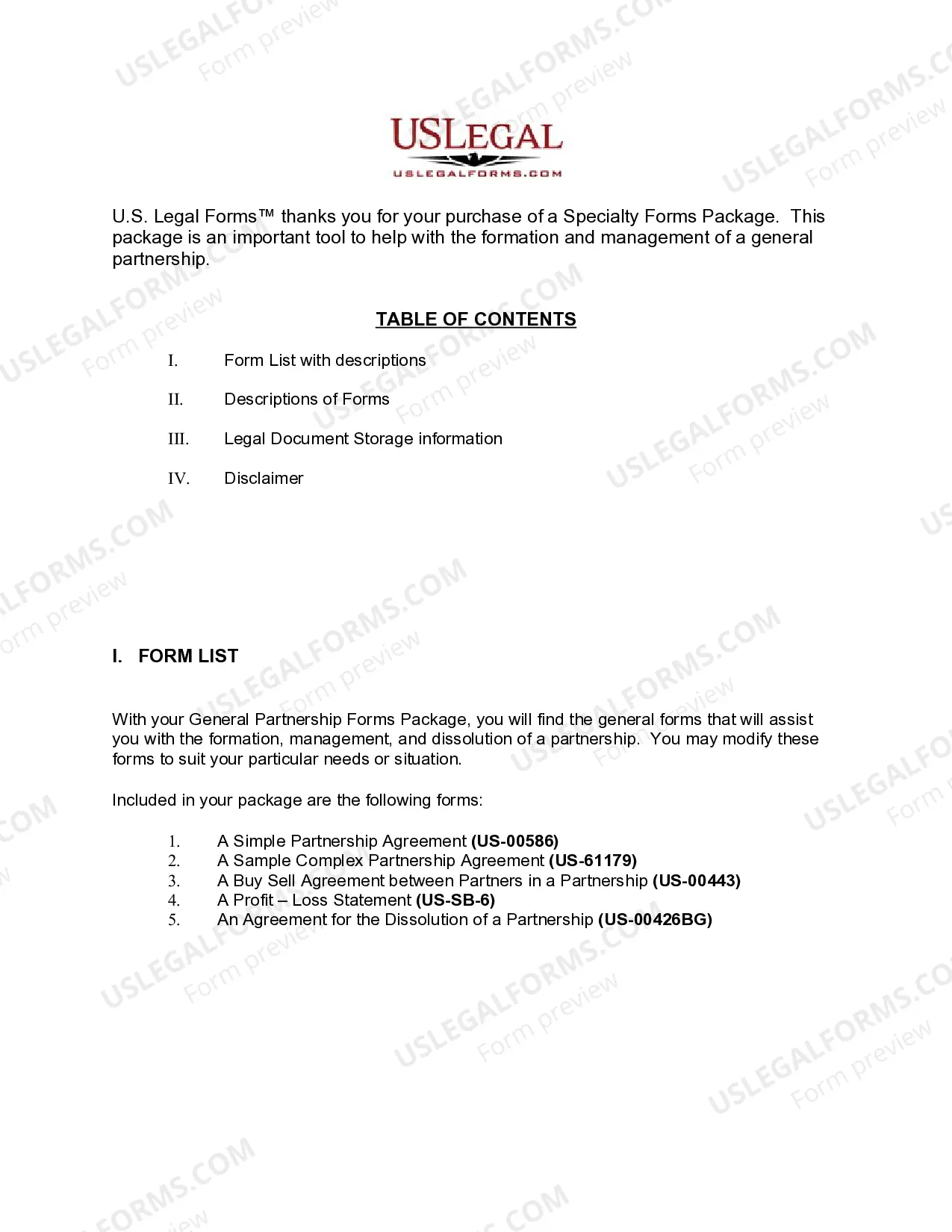
Forms provided in this package
- Agreement for the Dissolution of a Partnership
- Assumed Name Certificate
- Buy Sell Agreement Between Partners of a Partnership
- I.R.S. Form SS-4 (to obtain your federal identification number)
- Sample Business Plan Template
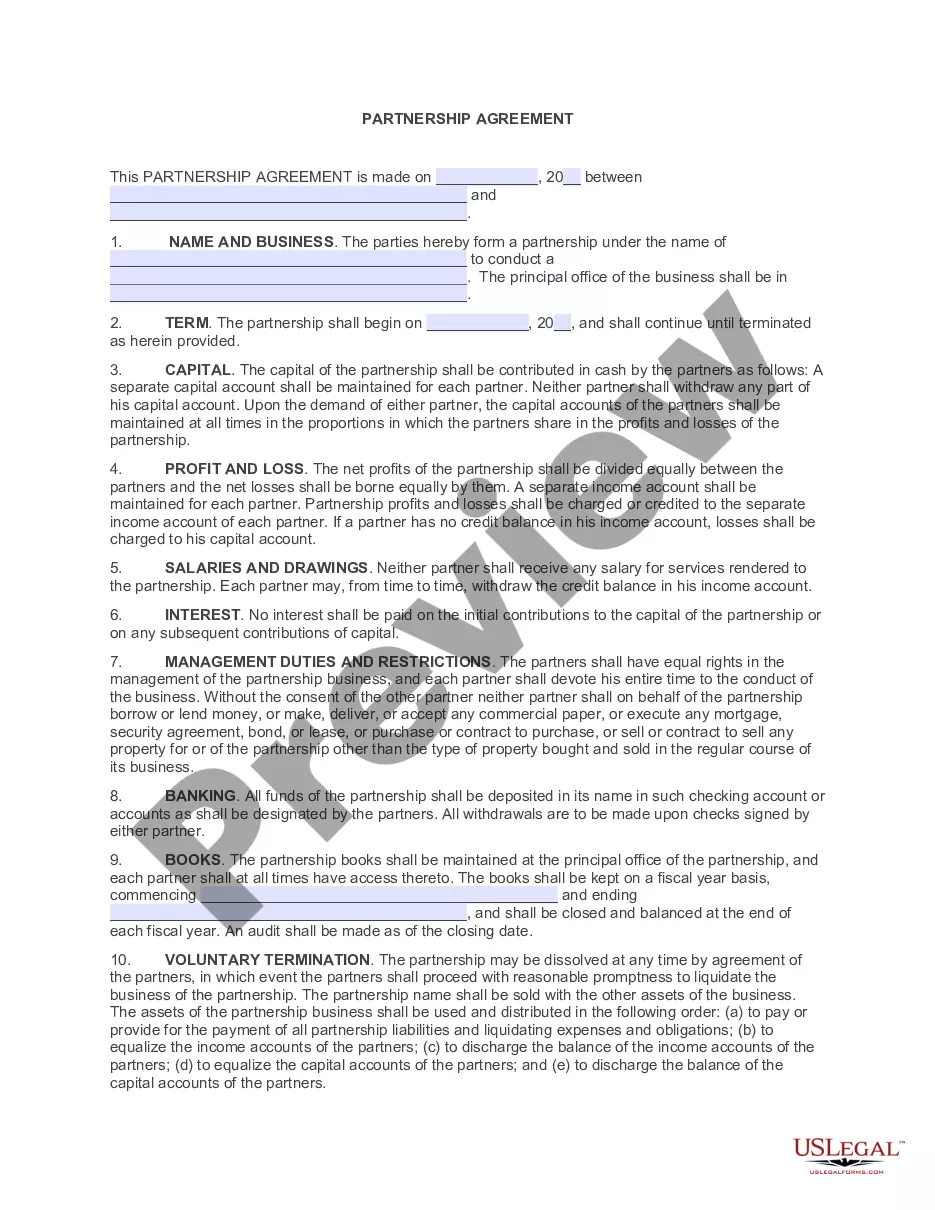
- Simple Partnership Agreement
- Checklist for Starting Up a New Business
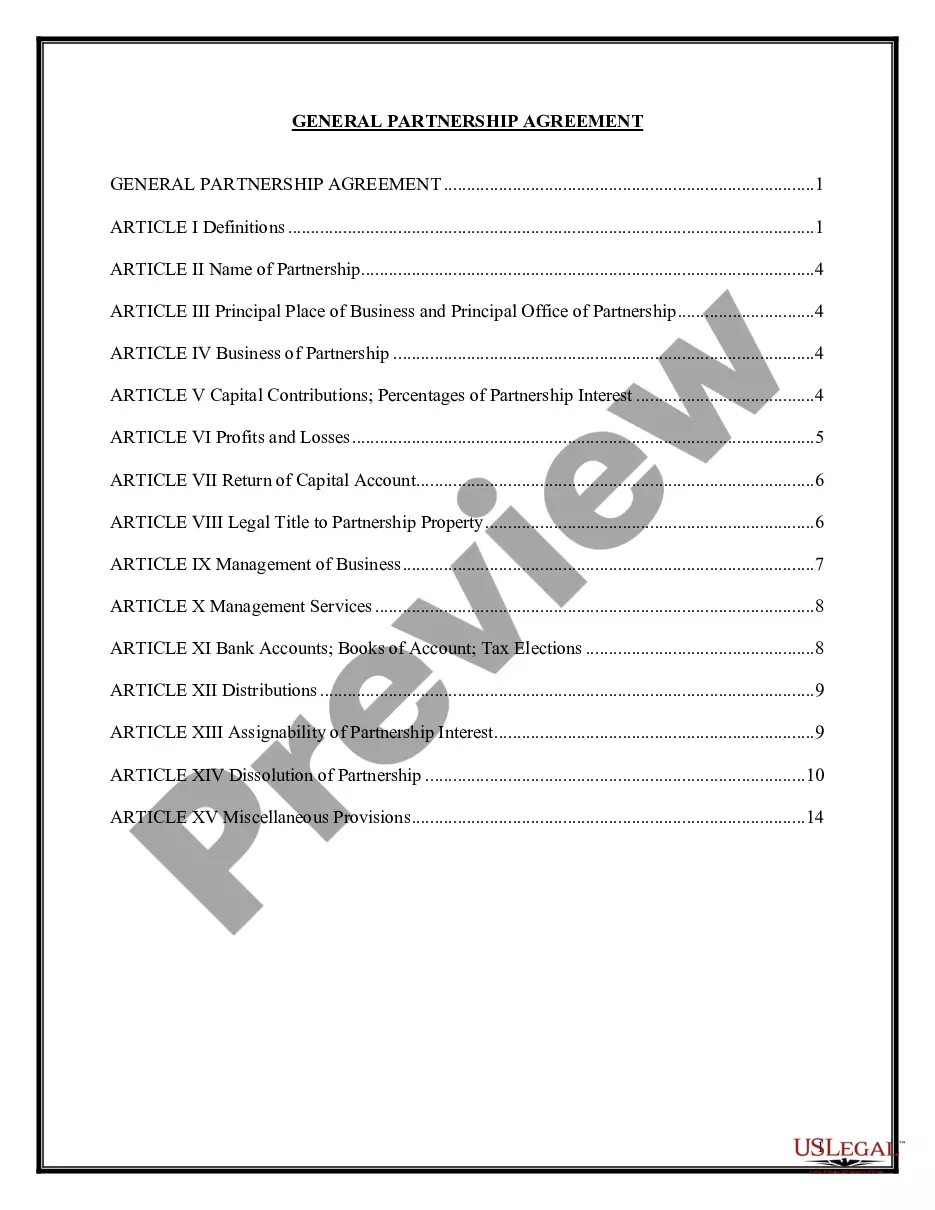
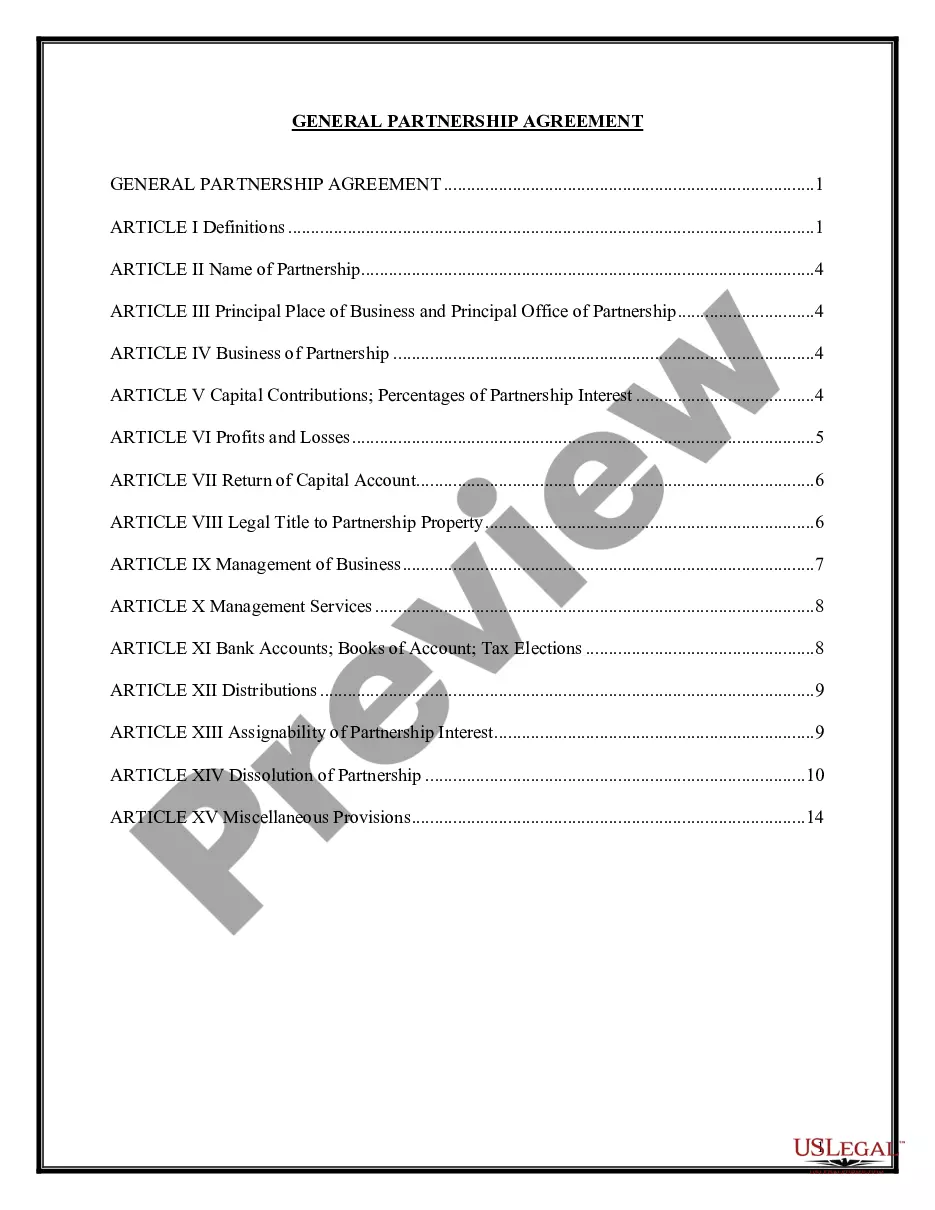
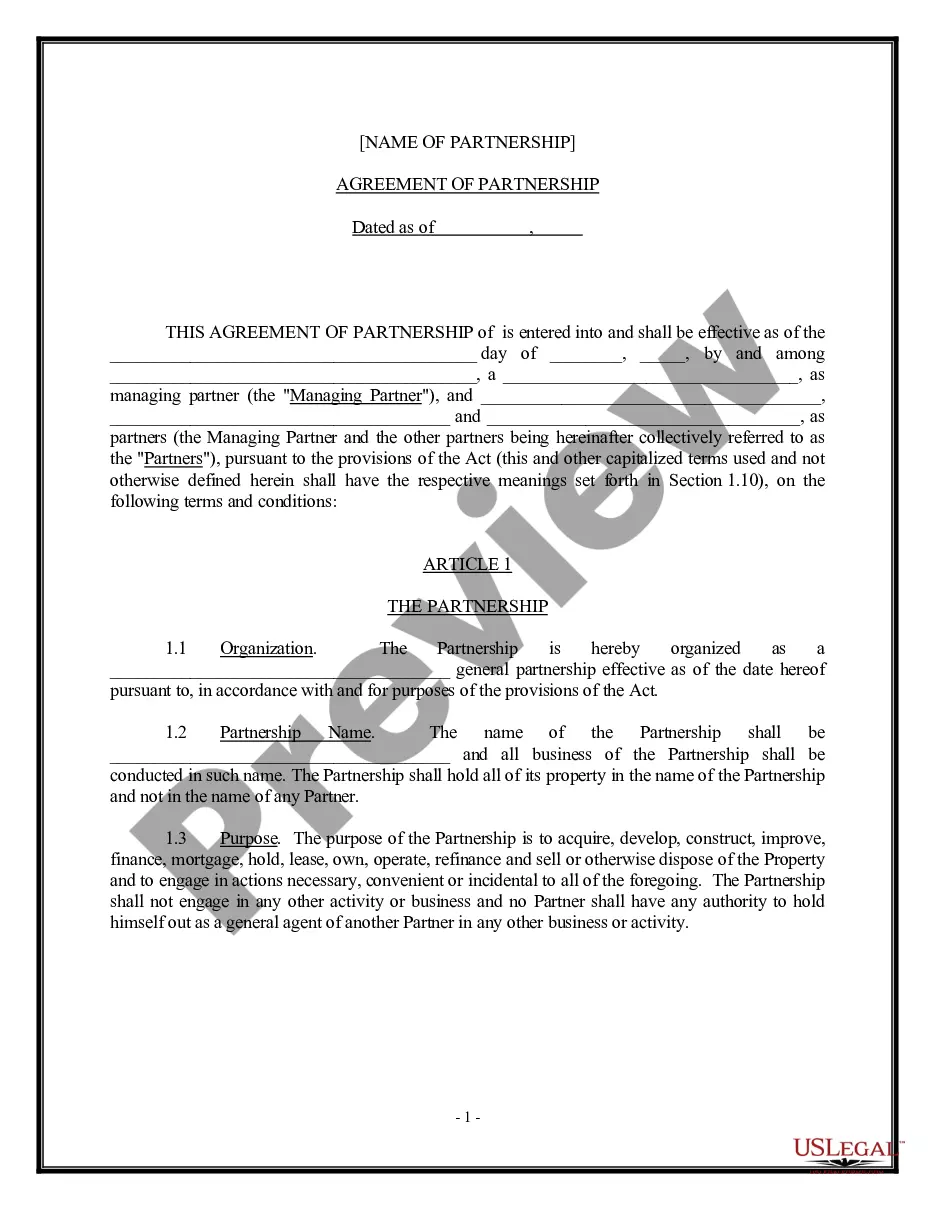
- General Partnership Agreement - Complex
- Business Startup Costs
- Profit and Loss Statement
- Employment or Work Application - General
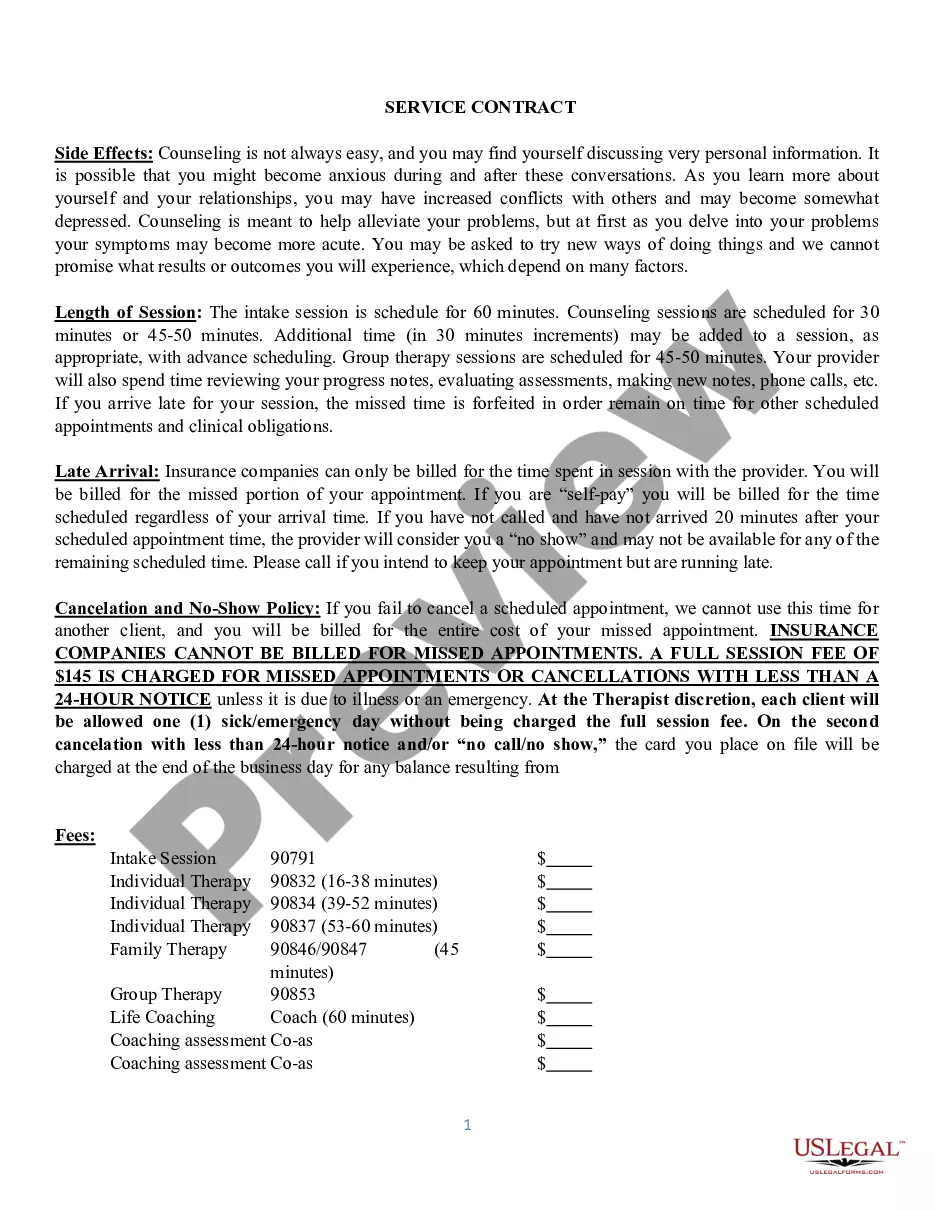
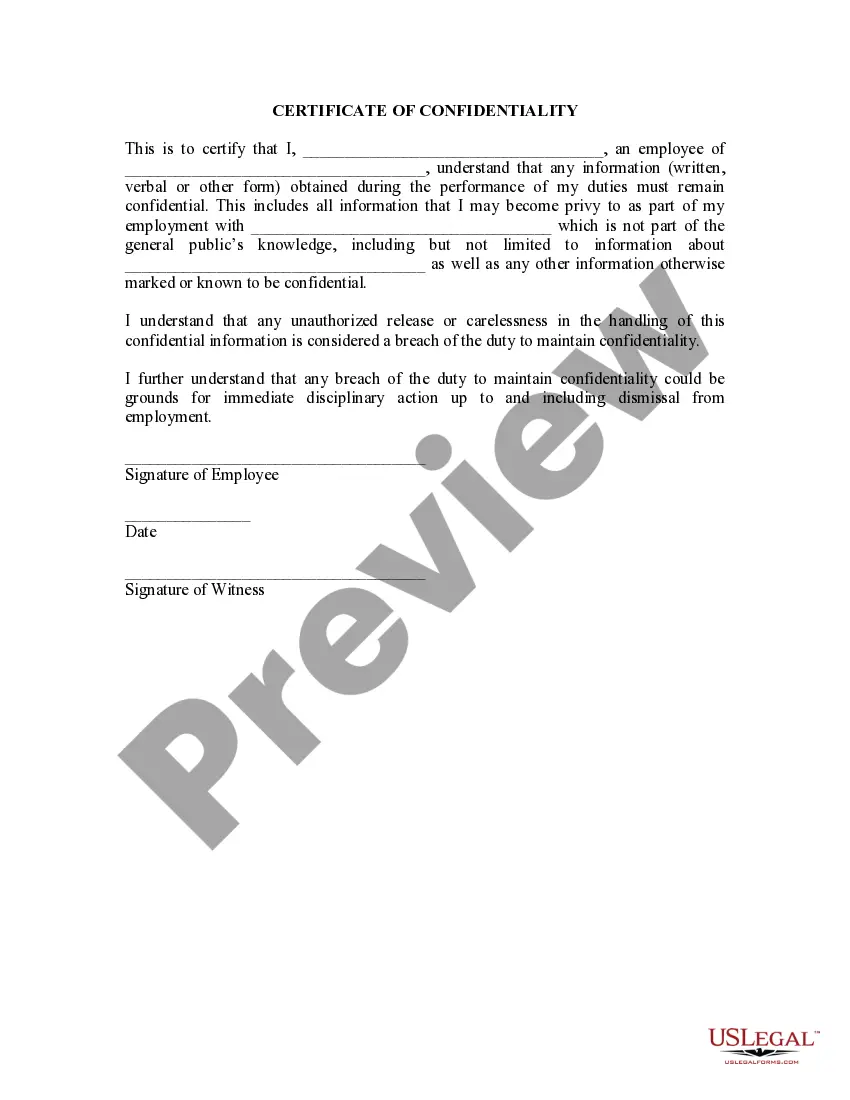
- Stand Alone Confidentiality and Noncompetition Agreement with Employee
- Self-Employed Independent Contractor Employment Agreement - General


When to use this form package
This package is ideal for scenarios such as:
- Starting a new partnership and needing a formal Partnership Agreement.
- Looking to define the terms of partnership through a Complex Partnership Agreement.
- Establishing a Buy Sell Agreement to manage partner interests.
- Creating a Profit and Loss Statement for accounting purposes.
- Dissolving an existing partnership with a clear Agreement for Dissolution.
Intended users of this form package
- Individuals starting a partnership in Texas.
- Current partners who need to formalize their partnership terms.
- Business professionals looking to handle the financial aspects of a partnership.
- Partners planning for the eventual dissolution of their partnership.
- Small business owners who require basic legal documentation for their operations.
Steps to complete these forms
- Review all included forms to understand the requirements for your partnership.
- Identify the parties involved and enter their information in the appropriate sections.
- Customize the forms as needed to reflect the unique agreements and terms of your partnership.
- Ensure all parties sign the relevant documents where indicated.
- Store all completed forms securely for future reference.
Notarization details for included forms
Forms in this package typically do not require notarization unless required by local law. It's essential to check the specific requirements based on your circumstances and jurisdiction.
Get your form ready online
Our built-in tools help you complete, sign, share, and store your documents in one place.
Make edits, fill in missing information, and update formatting in US Legal Forms—just like you would in MS Word.
Download a copy, print it, send it by email, or mail it via USPS—whatever works best for your next step.
Sign and collect signatures with our SignNow integration. Send to multiple recipients, set reminders, and more. Go Premium to unlock E-Sign.
If this form requires notarization, complete it online through a secure video call—no need to meet a notary in person or wait for an appointment.
We protect your documents and personal data by following strict security and privacy standards.

Make edits, fill in missing information, and update formatting in US Legal Forms—just like you would in MS Word.

Download a copy, print it, send it by email, or mail it via USPS—whatever works best for your next step.

Sign and collect signatures with our SignNow integration. Send to multiple recipients, set reminders, and more. Go Premium to unlock E-Sign.

If this form requires notarization, complete it online through a secure video call—no need to meet a notary in person or wait for an appointment.

We protect your documents and personal data by following strict security and privacy standards.
Common mistakes
- Failing to include all partner names in the agreements.
- Not specifying the contribution amounts in the partnership agreement.
- Overlooking the need for signatures from all partners on dissolution documents.
Benefits of using this package online
- Convenience of downloading forms instantly from anywhere.
- Editability allows for easy customization of documents to fit your needs.
- Reliability of forms drafted by licensed attorneys ensures legal compliance.
Legal use & context
- The forms in this package are legally binding once completed and signed.
- Ensure all information is accurate to avoid disputes among partners.
- Consider consulting an attorney if unsure about any specific terms or conditions in the agreements.
What to keep in mind
- The Texas General Partnership Package provides essential forms to create and manage partnerships.
- Customizable forms ensure your partnership agreement meets specific needs.
- Comply with Texas law to protect your business interests and partner relationships.
Looking for another form?
Form popularity
FAQ
How much does it cost to form an LLC in Texas? The Texas Secretary of State charges a $300 filing fee, plus an additional state-mandated 2.7% convenience fee to file an LLC Certificate of Formation.
For example, let's say that Fred and Melissa decide to open a baking store. The store is named F&M Bakery. By opening a store together, Fred and Melissa are both general partners in the business, F&M Bakery. It is important to note that each general partner must be involved in the business.
Choose a business name. File an assumed business name. Draft and sign a partnership agreement. Obtain licenses, permits, and zoning clearance. Obtain an Employer Identification Number.
A limited liability company is its own legal entity. Like a corporation or partnership, it receives a tax identification number. Instead of the owner having to do business, complete financial transactions and file paperwork in his or her own name, they can accomplish all those tasks under the LLC.
General Partnership. A voluntary association of two or more persons to carry on business for profit. Personal liability. Liability for business debt, which extends beyond what is invested in a business to include an individual's personal assets.
A general partner is a part-owner of a business and shares in its profits. A general partner is often a doctor, lawyer, or another professional who has joined a partnership in order to remain independent while being part of a larger business.
It takes 1 - 3 business days (from start to finish) to form a Texas LLC. The LLC formation process starts when a Certificate of Formation is filed with the Texas Secretary of State. The Secretary approves online filings in 1 - 3 business days (5 - 7 business days for fax filings).
In other words, the responsibility for paying federal income taxes passes through the LLC itself and falls on the individual LLC members. By default, LLCs themselves do not pay federal income taxes, only their members do. Texas, however, imposes a state franchise tax on most LLCs.
Choose a name for your business. Choosing a name for your new partnership is a critical task. Create a partnership agreement. Secure an Employer Identification Number. Open a bank account. Secure licenses and permits. Maintain other regulatory and tax requirements.