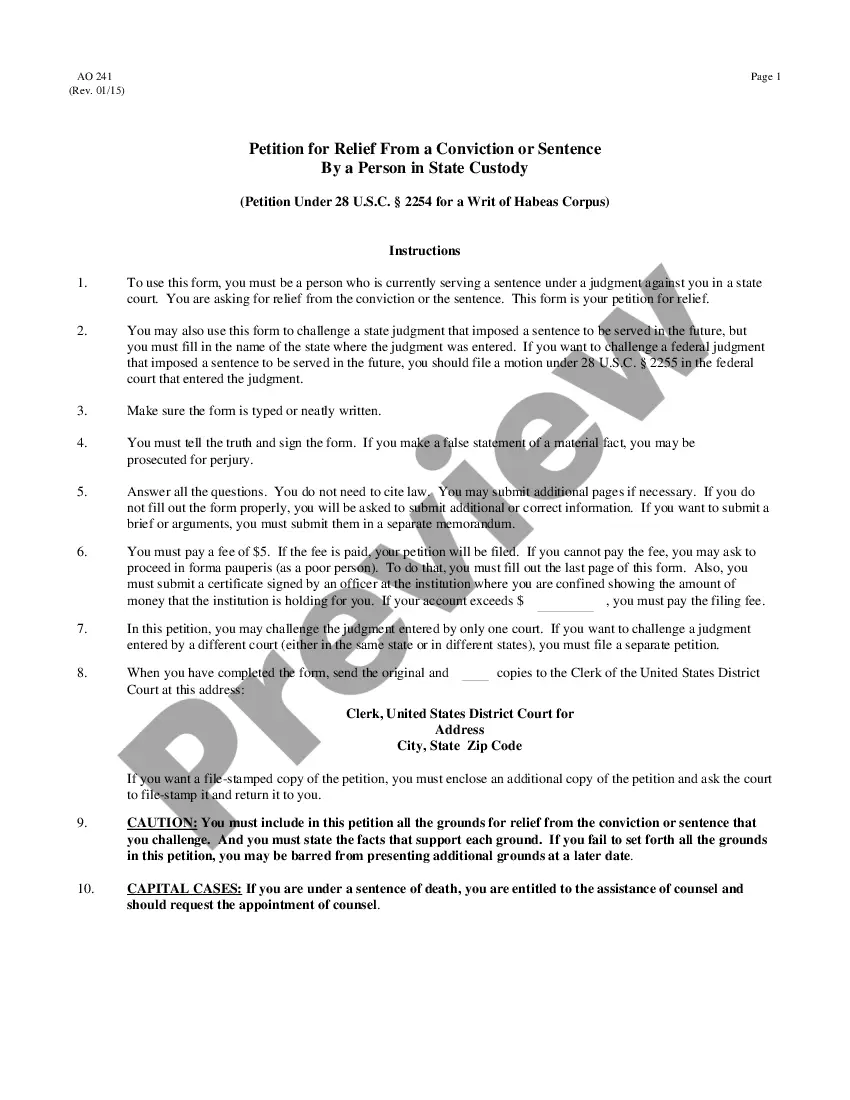
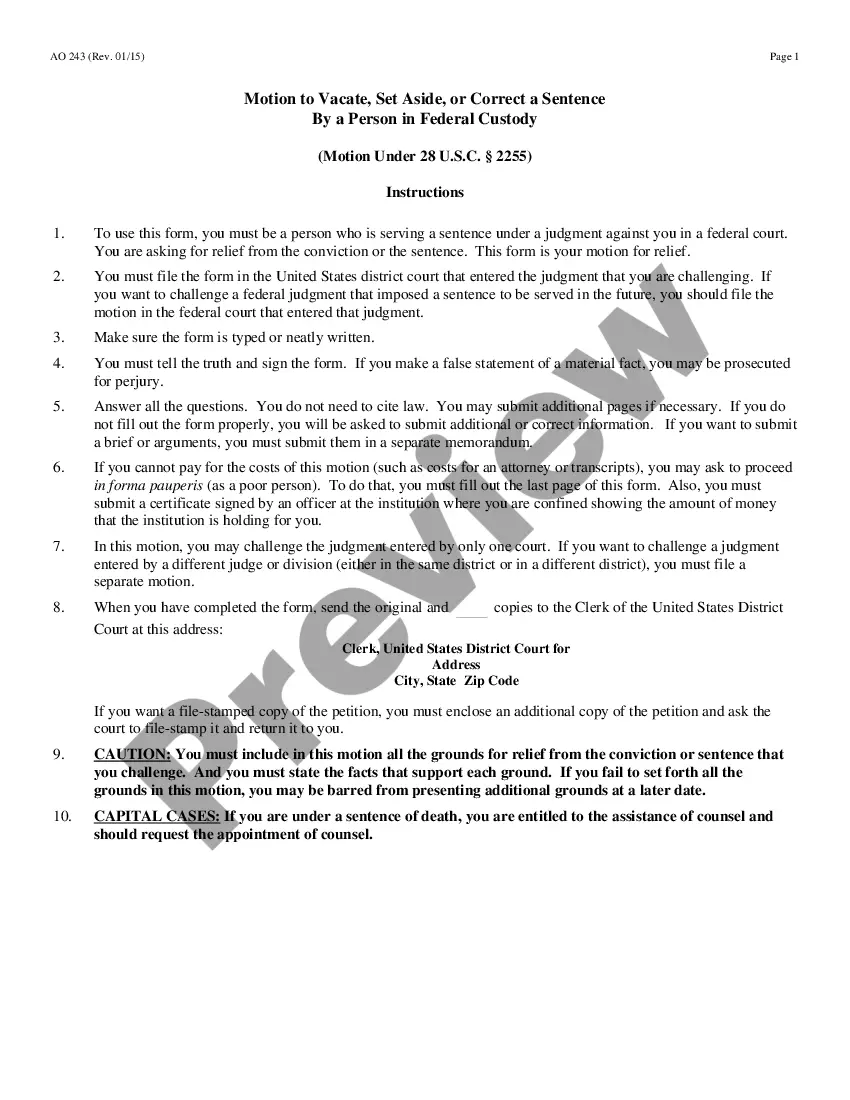
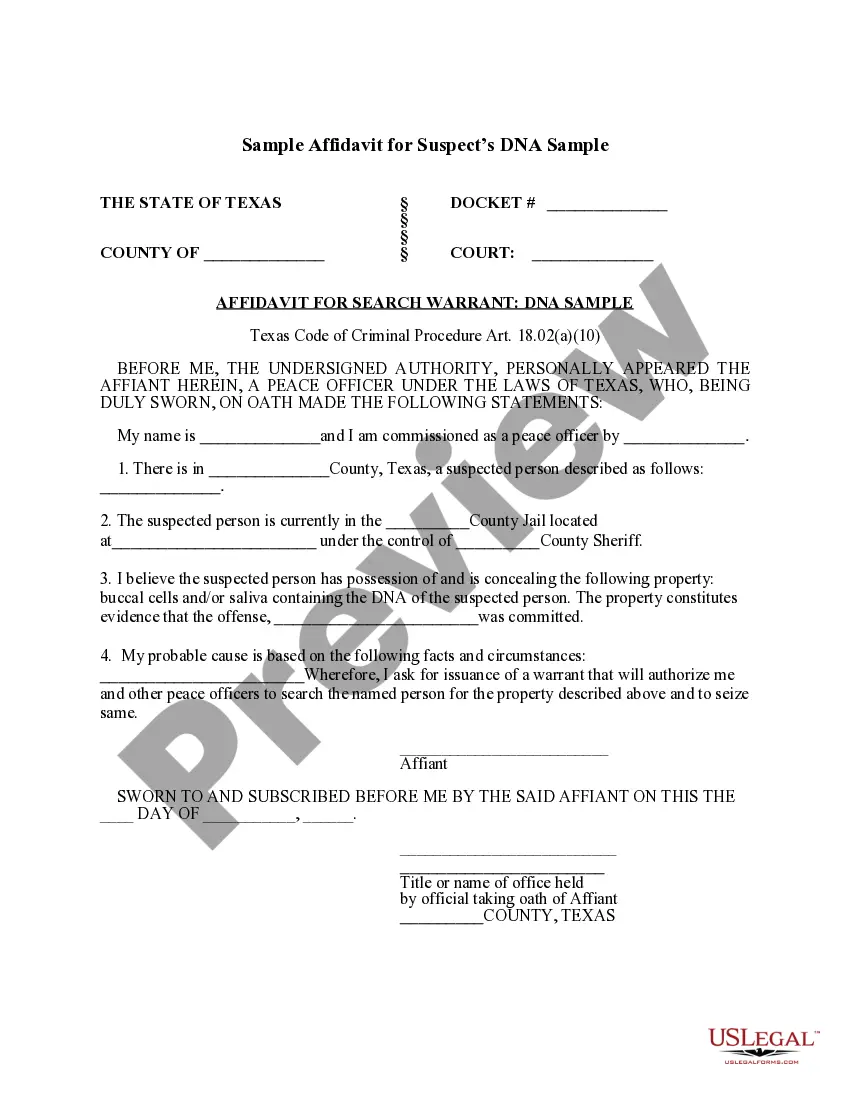
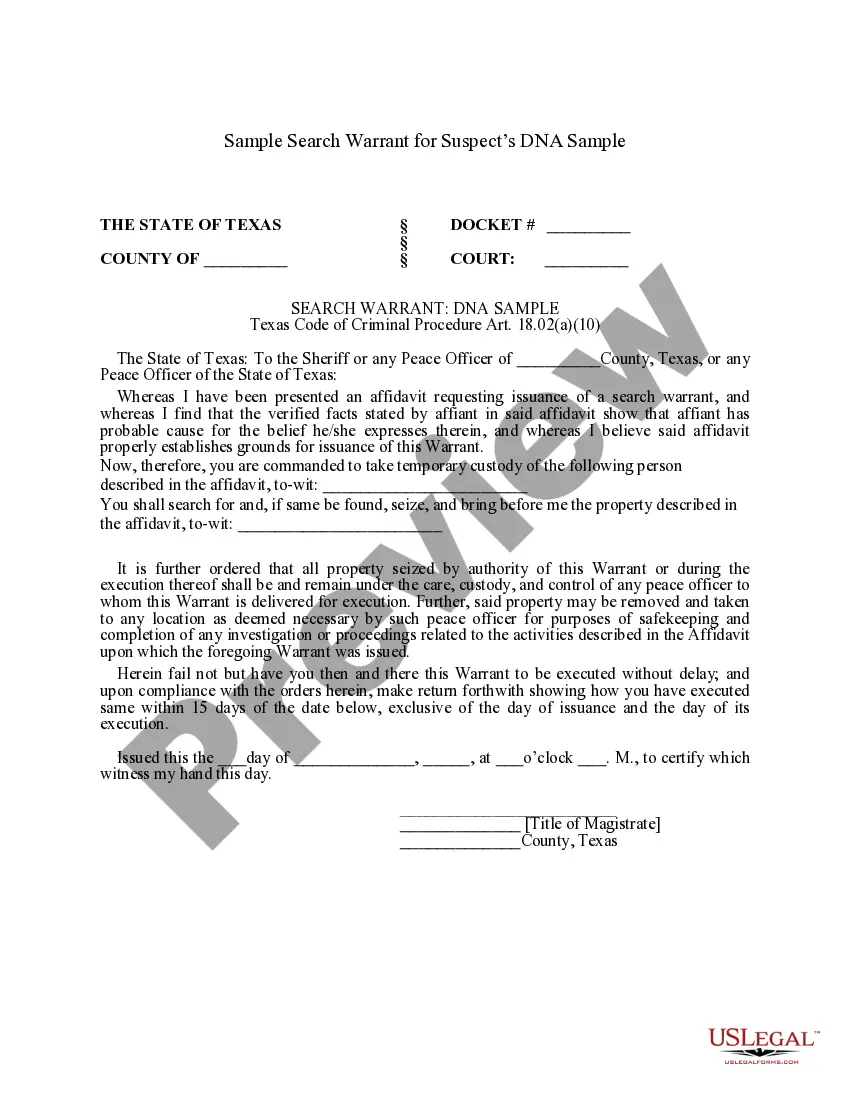
Texas Affidavit for Search Warrant: DNA Sample
About this form
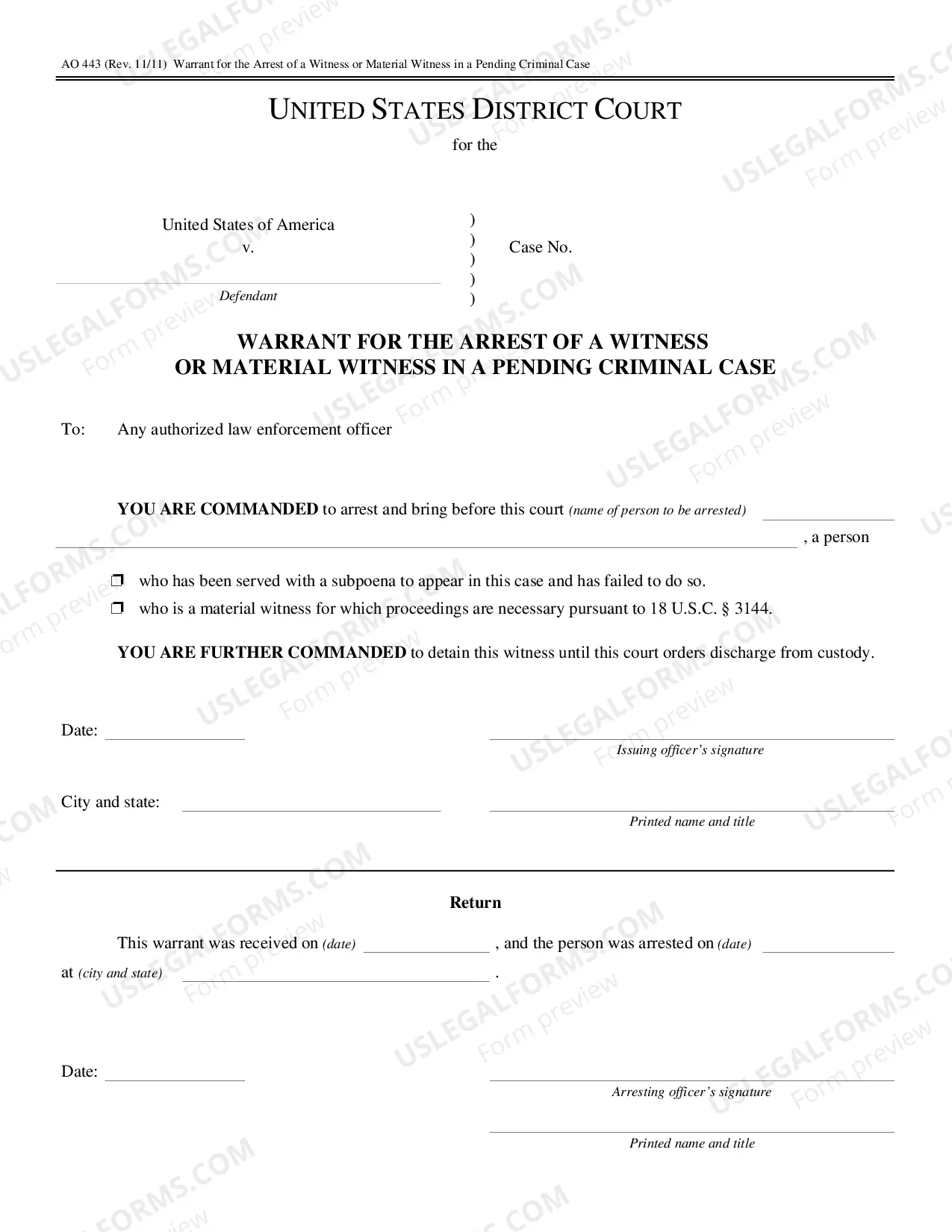
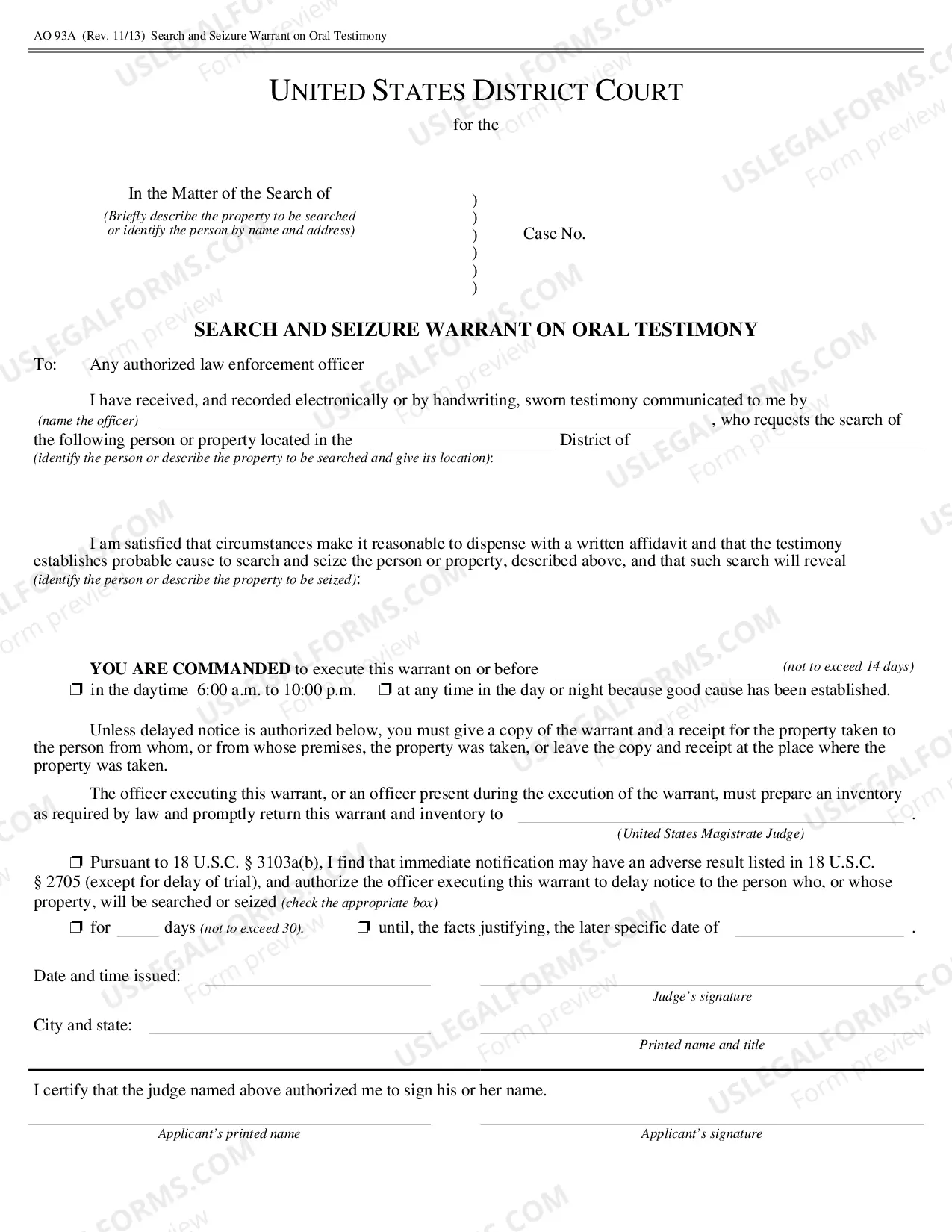
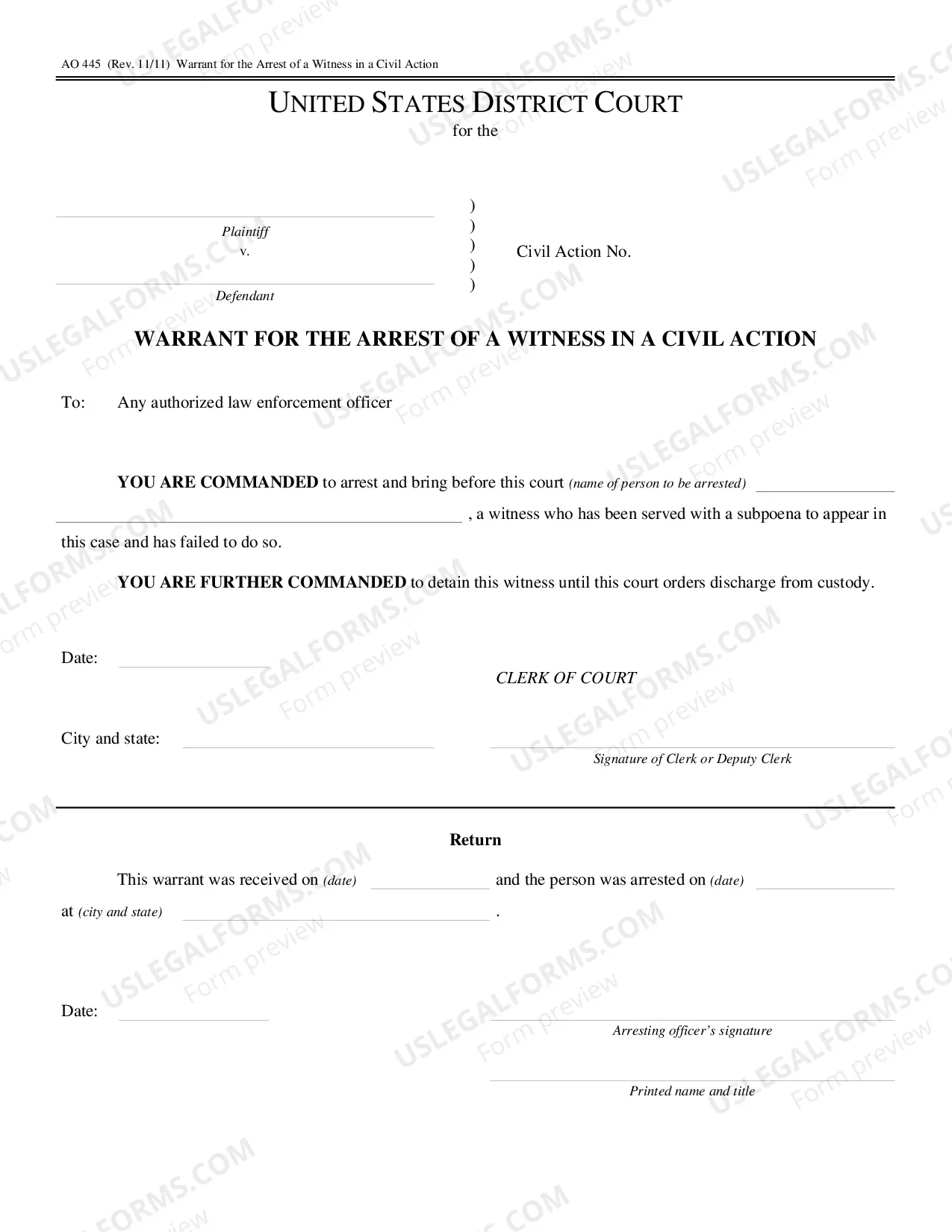
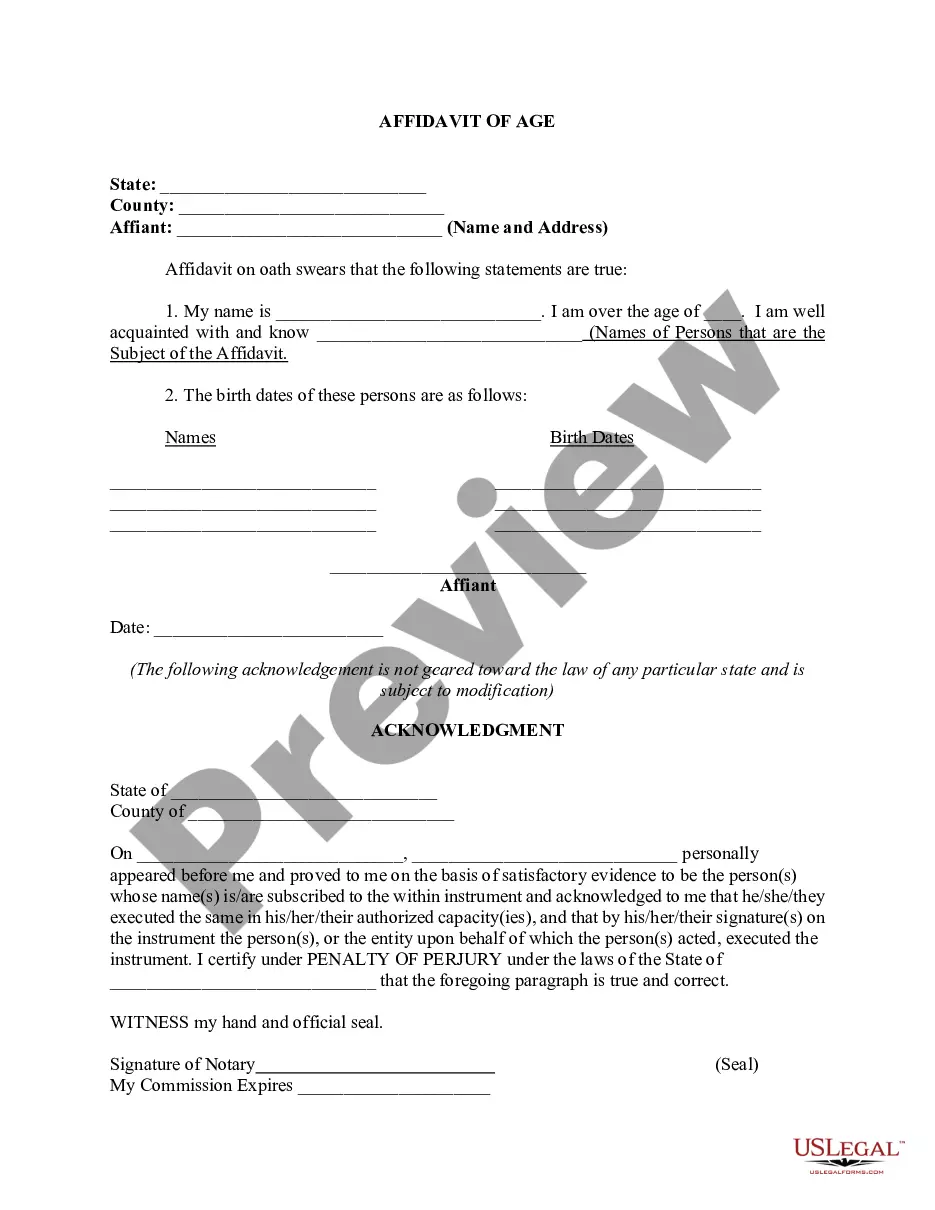
The Affidavit for Search Warrant: DNA Sample is a legal document used by peace officers to request a court's authorization to collect a suspect's DNA. This form allows law enforcement to gather physical evidence, such as buccal swabs or blood samples, which may be crucial in a criminal investigation. This affidavit differs from other types of affidavits as it specifically pertains to obtaining DNA for forensic analysis.
What’s included in this form
- Affiant details: Name and commission of the peace officer.
- Description of the suspected person, including current custody information.
- Statement of probable cause justifying the DNA collection.
- Request for the court to issue a search warrant.
- Signature of the affiant and the official taking the oath.
Situations where this form applies
This affidavit is used when law enforcement has probable cause to believe that a suspect possesses DNA evidence that is relevant to a criminal investigation. It is necessary when a court order is required to legally collect that DNA, ensuring that evidence is obtained lawfully and can be used in court.
Who should use this form
The following individuals should use this form:
- Peace officers or law enforcement officials in Texas.
- Investigators working on criminal cases that involve DNA evidence.
- Attorneys representing law enforcement agencies seeking a search warrant.
Instructions for completing this form
- Identify the affiant, noting their name and credentials as a peace officer.
- Provide a detailed description of the suspected person, including their current location.
- Specify the type of DNA evidence believed to be possessed by the suspect.
- Clearly outline the facts that establish probable cause for the DNA collection.
- Gather signatures from the affiant and the official witnessing the affidavit.
Notarization requirements for this form
Yes, this form must be notarized to be legally valid in Texas. Incorporating US Legal Formsâ online notarization service allows you to complete the notarization process securely via video call, 24/7, without needing to travel.
Get your form ready online
Our built-in tools help you complete, sign, share, and store your documents in one place.
Make edits, fill in missing information, and update formatting in US Legal Forms—just like you would in MS Word.
Download a copy, print it, send it by email, or mail it via USPS—whatever works best for your next step.
Sign and collect signatures with our SignNow integration. Send to multiple recipients, set reminders, and more. Go Premium to unlock E-Sign.
If this form requires notarization, complete it online through a secure video call—no need to meet a notary in person or wait for an appointment.
We protect your documents and personal data by following strict security and privacy standards.

Make edits, fill in missing information, and update formatting in US Legal Forms—just like you would in MS Word.

Download a copy, print it, send it by email, or mail it via USPS—whatever works best for your next step.

Sign and collect signatures with our SignNow integration. Send to multiple recipients, set reminders, and more. Go Premium to unlock E-Sign.

If this form requires notarization, complete it online through a secure video call—no need to meet a notary in person or wait for an appointment.

We protect your documents and personal data by following strict security and privacy standards.
Mistakes to watch out for
- Providing incomplete details about the suspect's identity.
- Failing to articulate a clear statement of probable cause.
- Not securing the required signatures or notarization.
Advantages of online completion
- Convenient and immediate access to a legally vetted document.
- Editable templates allow for easy customization to fit specific cases.
- Reliable source backed by licensed attorneys ensuring legal compliance.
Looking for another form?
Form popularity
FAQ
The purpose of sealing an arrest warrant is so the suspect doesn't learn of it and flee or it becomes known and alerts other co-conspirators and they flee or lay low. Once the arrest warrant is served the charges are no longer sealed.
Police have to execute most warrants within 3 days of their issuance.
Texas Arrest Warrants An arrest warrant is issued by a judge and gives law enforcement the legal right to arrest you. These warrants are generally only granted if there is probable cause that you committed the offense in question. In many cases, however, the judge may first issue a summons to appear in court.
A Texas bench warrant is a court order for someone's arrest. It is most often issued when a defendant has failed to appear for a court date. Police with a bench warrant seek out the defendant for arrest. The defendant will be held in custody pending a bench warrant hearing.
Different Types of Warrants in Texas Arrest Warrants. An arrest warrant empowers law enforcement to arrest an individual suspected of a crime.Search Warrants.Bench Warrants.Blue Warrants.
Information may also be obtained by using the Municipal Courts' Website at .houstontx.gov/courts , or by calling the Municipal Courts at 713-247-5479. If you have questions about warrants or the information on this site, you should seek advice from a lawyer of your choosing.
The time allowed for the execution of a search warrant shall be three whole days, exclusive of the day of its issuance and of the day of its execution. The magistrate issuing a search warrant under the provisions of this chapter shall endorse on such search warrant the date and hour of the issuance of the same.
Required Contents for a Search Warrant in Texas That it runs in the name of ?The State of Texas? That it identifies, as near as may be, what is to be seized and name or describe, as near as may be, the person, place, or thing to be searched;