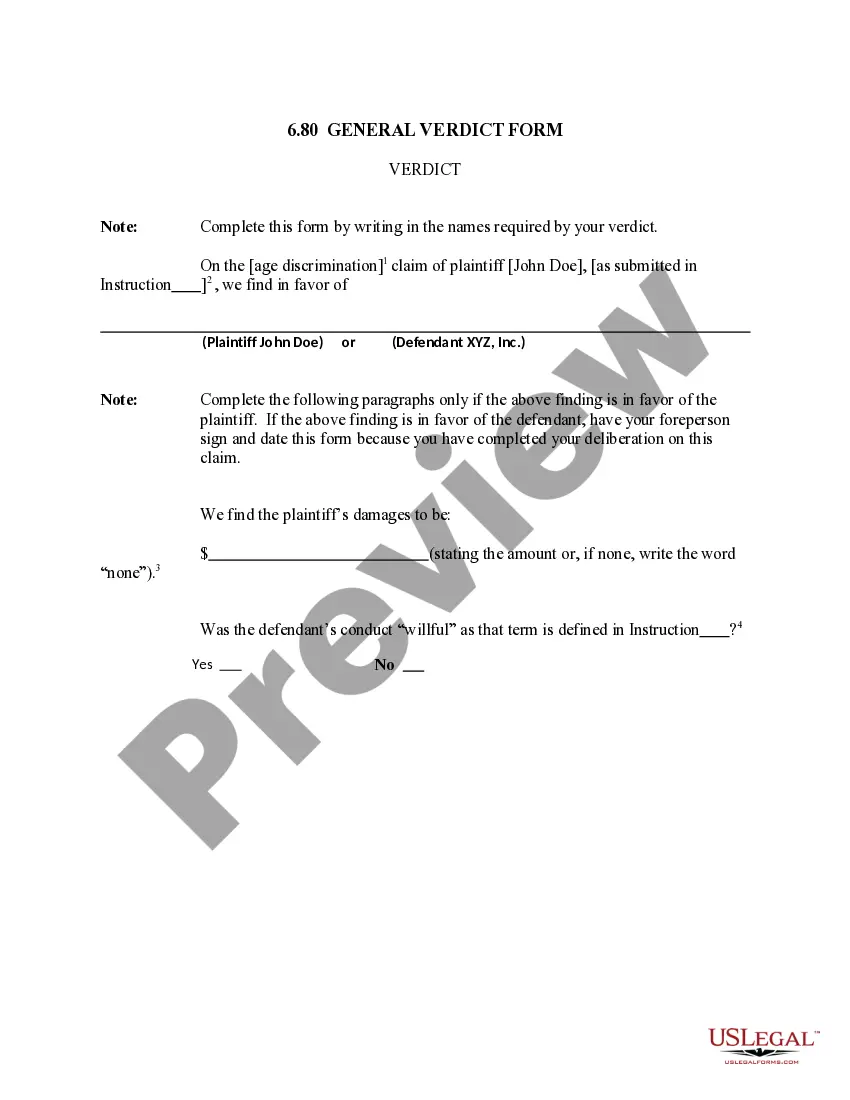
A Texas Search and Seizure Warrant is a legal document that authorizes law enforcement officers to search a certain area or person in order to collect evidence of a crime. The warrant must be issued by a judge and must specify the location to be searched, the items to be seized, and the persons or things to be searched. There are three types of Texas Search and Seizure Warrants: a warrant of arrest, a warrant to search a person, and a warrant to search a place. A warrant of arrest authorizes officers to arrest a person suspected of a crime. A warrant to search a person authorizes officers to search a person and seize any items that are believed to be related to the commission of a crime. A warrant to search a place allows officers to search a specific area and seize any items that are believed to be connected to the crime.
Texas Search and Seizure Warrant
Description
Get your form ready online
Our built-in tools help you complete, sign, share, and store your documents in one place.
Make edits, fill in missing information, and update formatting in US Legal Forms—just like you would in MS Word.
Download a copy, print it, send it by email, or mail it via USPS—whatever works best for your next step.
Sign and collect signatures with our SignNow integration. Send to multiple recipients, set reminders, and more. Go Premium to unlock E-Sign.
If this form requires notarization, complete it online through a secure video call—no need to meet a notary in person or wait for an appointment.
We protect your documents and personal data by following strict security and privacy standards.
Make edits, fill in missing information, and update formatting in US Legal Forms—just like you would in MS Word.
Download a copy, print it, send it by email, or mail it via USPS—whatever works best for your next step.
Sign and collect signatures with our SignNow integration. Send to multiple recipients, set reminders, and more. Go Premium to unlock E-Sign.

If this form requires notarization, complete it online through a secure video call—no need to meet a notary in person or wait for an appointment.
We protect your documents and personal data by following strict security and privacy standards.
Looking for another form?
What is a Search and Seizure Warrant?
Search and seizure warrant is a legal document authorized by a court, allowing law enforcement officers to conduct a search of a specific location and seize evidence relevant to an ongoing criminal investigation. The warrant must specify the location to be searched, the items to be seized, and is issued based on probable cause.
Key Concepts & Definitions
- Probable Cause: Sufficient reason based upon known facts to believe a crime has been committed or that certain property is connected with a crime.
- Exclusionary Rule: A law that prohibits the use of illegally obtained evidence in a criminal trial.
- Affidavit: A written statement of facts confirmed by the oath of the party making it, used as a guarantee that a search warrant is reasonable.
Step-by-Step Guide to Obtaining a Search and Seizure Warrant
- Identify probable cause for issuing the warrant.
- Prepare an affidavit detailing the probable cause and specific information about the place and items to be searched.
- Submit the affidavit to a judge or magistrate.
- Obtain the judge's approval and signature on the warrant.
- Execute the warrant within the time frame specified in the warrant provisions.
Risk Analysis
Risks associated with improper execution of search and seizure warrants include:
- Legal challenges and exclusion of critical evidence.
- Potential civil rights lawsuits against law enforcement agencies.
- Damage to public trust in law enforcement practices.
Common Mistakes & How to Avoid Them
- Lack of Specificity: Ensure the warrant clearly specifies the search location and items to be seized.
- Exceeding the Scope of the Warrant: Adhere strictly to the terms of the warrant during searches to avoid legal complications.
- Delay in Execution: Execute the warrant within the period stipulated to avoid its expiration.
FAQ
- What constitutes probable cause for a search and seizure warrant? Probable cause involves reasonable grounds, based on factual evidence, to believe that evidence of a crime may be present in the place to be searched.
- Can a search warrant be challenged? Yes, the validity of a search warrant can be challenged on grounds such as lack of probable cause or violation of the warrant's terms.
How to fill out Texas Search And Seizure Warrant?
US Legal Forms is the most straightforward and profitable way to locate appropriate formal templates. It’s the most extensive online library of business and individual legal documentation drafted and checked by attorneys. Here, you can find printable and fillable templates that comply with federal and local regulations - just like your Texas Search and Seizure Warrant.
Getting your template requires only a few simple steps. Users that already have an account with a valid subscription only need to log in to the website and download the document on their device. Afterwards, they can find it in their profile in the My Forms tab.
And here’s how you can get a professionally drafted Texas Search and Seizure Warrant if you are using US Legal Forms for the first time:
- Look at the form description or preview the document to make certain you’ve found the one meeting your needs, or find another one using the search tab above.
- Click Buy now when you’re certain about its compatibility with all the requirements, and select the subscription plan you prefer most.
- Create an account with our service, log in, and pay for your subscription using PayPal or you credit card.
- Decide on the preferred file format for your Texas Search and Seizure Warrant and save it on your device with the appropriate button.
Once you save a template, you can reaccess it whenever you want - simply find it in your profile, re-download it for printing and manual fill-out or import it to an online editor to fill it out and sign more efficiently.
Benefit from US Legal Forms, your reliable assistant in obtaining the corresponding official documentation. Try it out!
Form popularity
FAQ
Law enforcement officers, drivers, and passengers should respond with courtesy during traffic stops and other officer/citizen interactions. Drivers and passengers should not exit the vehicle unless asked to do so. Exiting your vehicle may be perceived as aggressive behavior and a threat to the officer's safety.
Information may also be obtained by using the Municipal Courts' Website at .houstontx.gov/courts , or by calling the Municipal Courts at 713-247-5479. If you have questions about warrants or the information on this site, you should seek advice from a lawyer of your choosing.
Probable cause along with exigent circumstances may justify a search or entry without a warrant. 2 This is also known as the ?emergency doctrine.? Article 14.05 of the Code of Criminal Procedure also includes a provision that authorizes officers to enter homes without a warrant with exigent circumstances.
Operators of motor vehicles are required to identify, NOT the passengers, unless the passengers are accused of violating a law in the state of Texas. Keep in mind that giving false identifying information to law enforcement officers while detained is a violation of the state of Texas.
A search warrant may be issued to search for and seize: (1) property acquired by theft or in any other manner which makes its acquisition a penal offense; (2) property specially designed, made, or adapted for or commonly used in the commission of an offense; (3) arms and munitions kept or prepared for the purposes of
Several US states have laws that allow the police to order citizens to identify themselves when they suspect them of a crime. Texas is not a ?stop and identify? state, but police officers can legally demand identification under certain circumstances.
If officers suspect that the driver or occupants are carrying weapons, they may legally search the vehicle. If the vehicle owner gives their consent, a police search of the vehicle becomes legal. When a vehicle becomes lawfully impounded, officers may legally search the vehicle or perform an inventory search.
The current Texas law defines the offense of Failure to Identify in Penal Code Section §38.02 as follows: (a) A person commits an offense if he intentionally refuses to give his name, residence address, or date of birth to a peace officer who has lawfully arrested the person and requested the information.