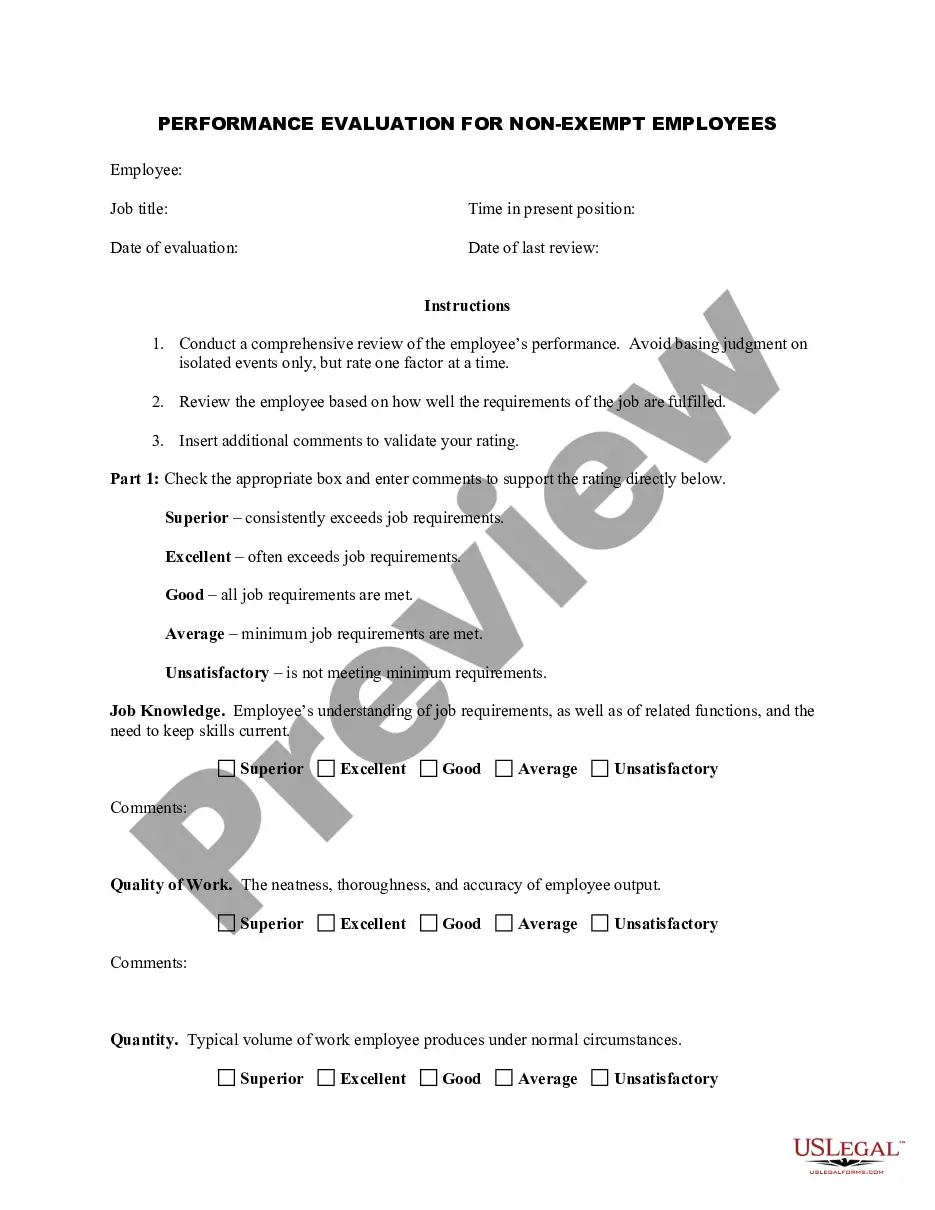
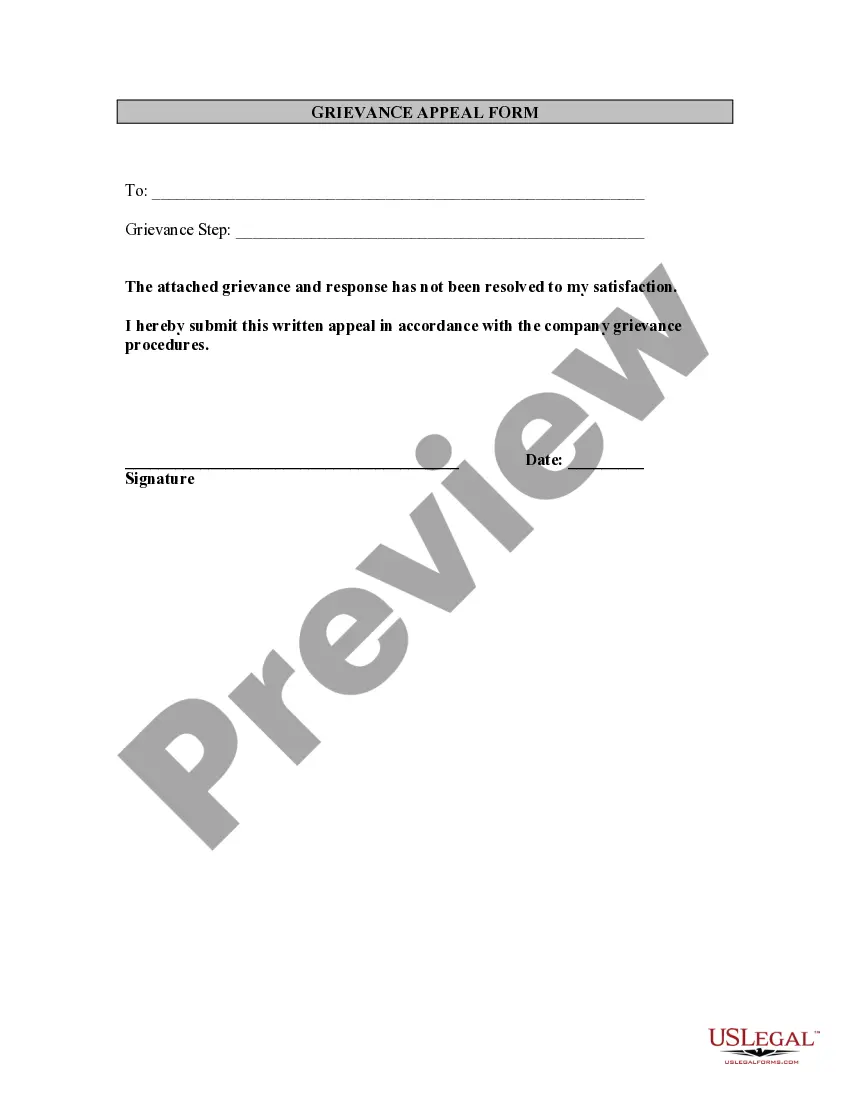
Texas Employee Grievance Appeal Form
Description
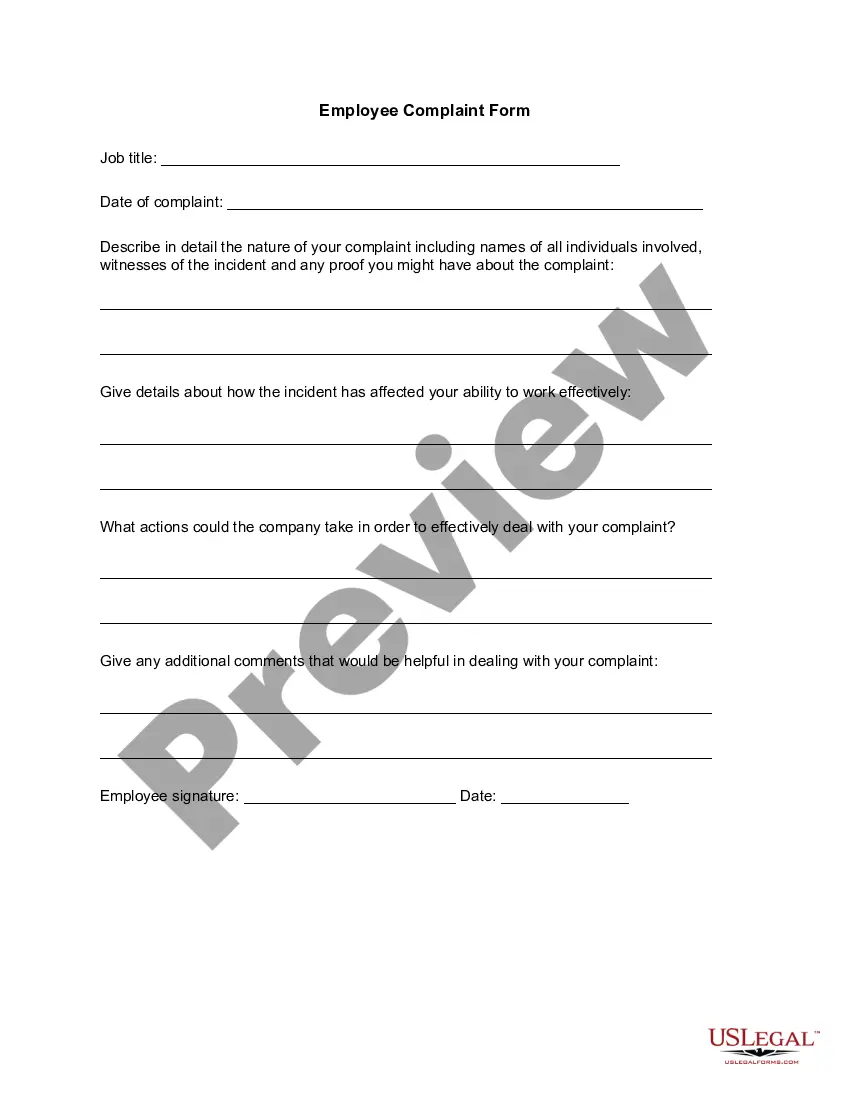
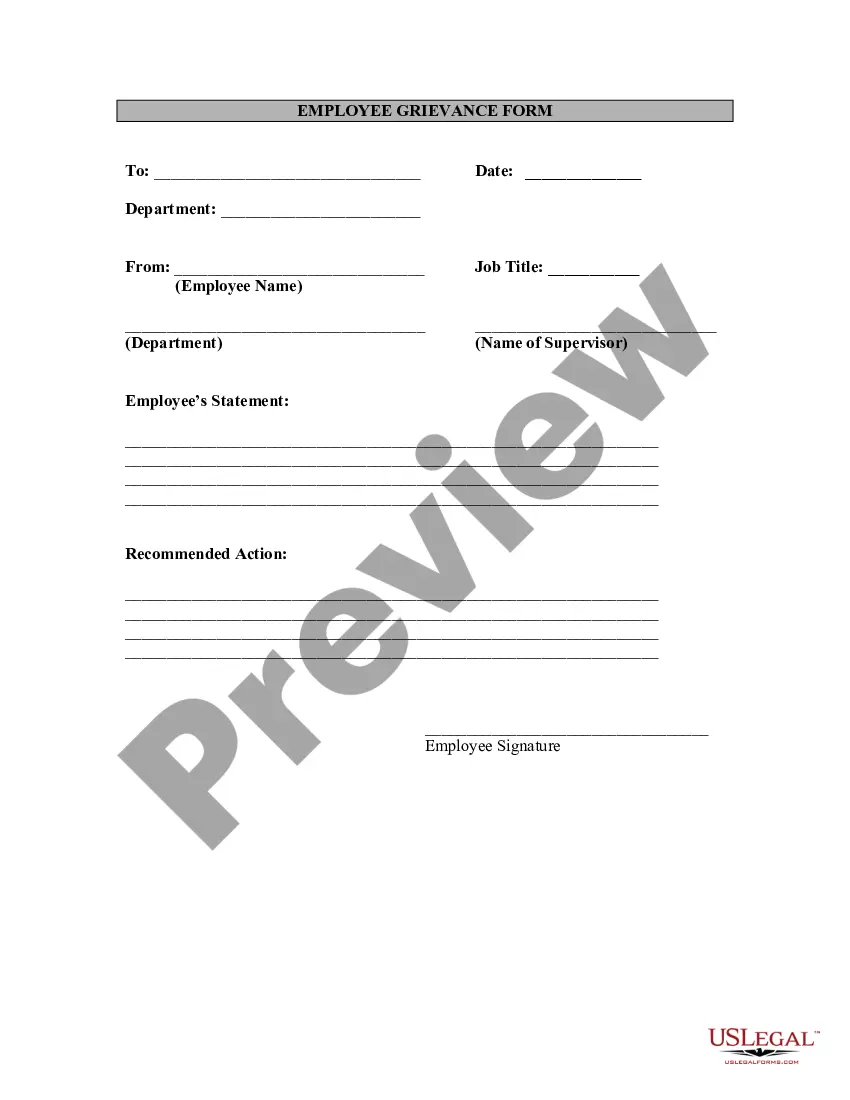
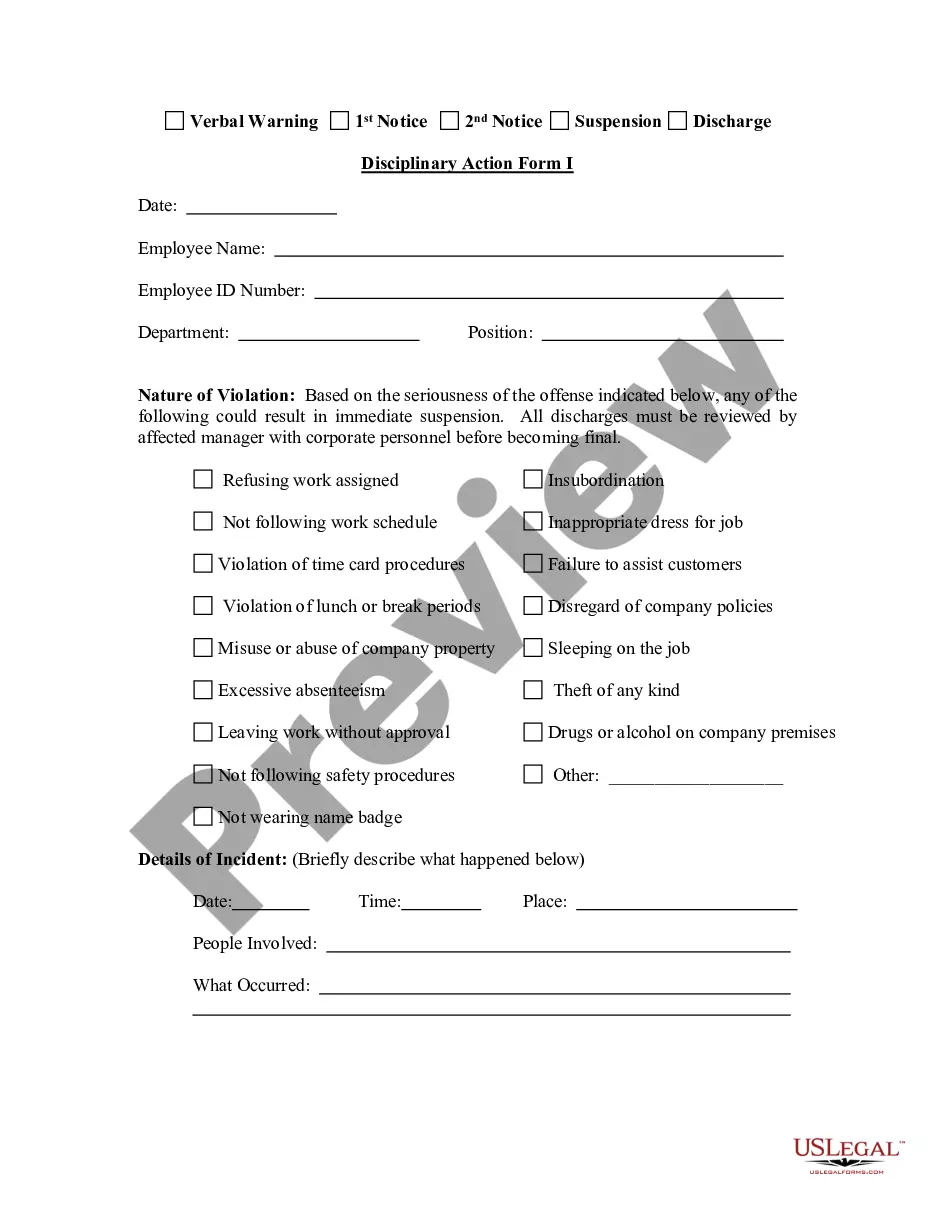

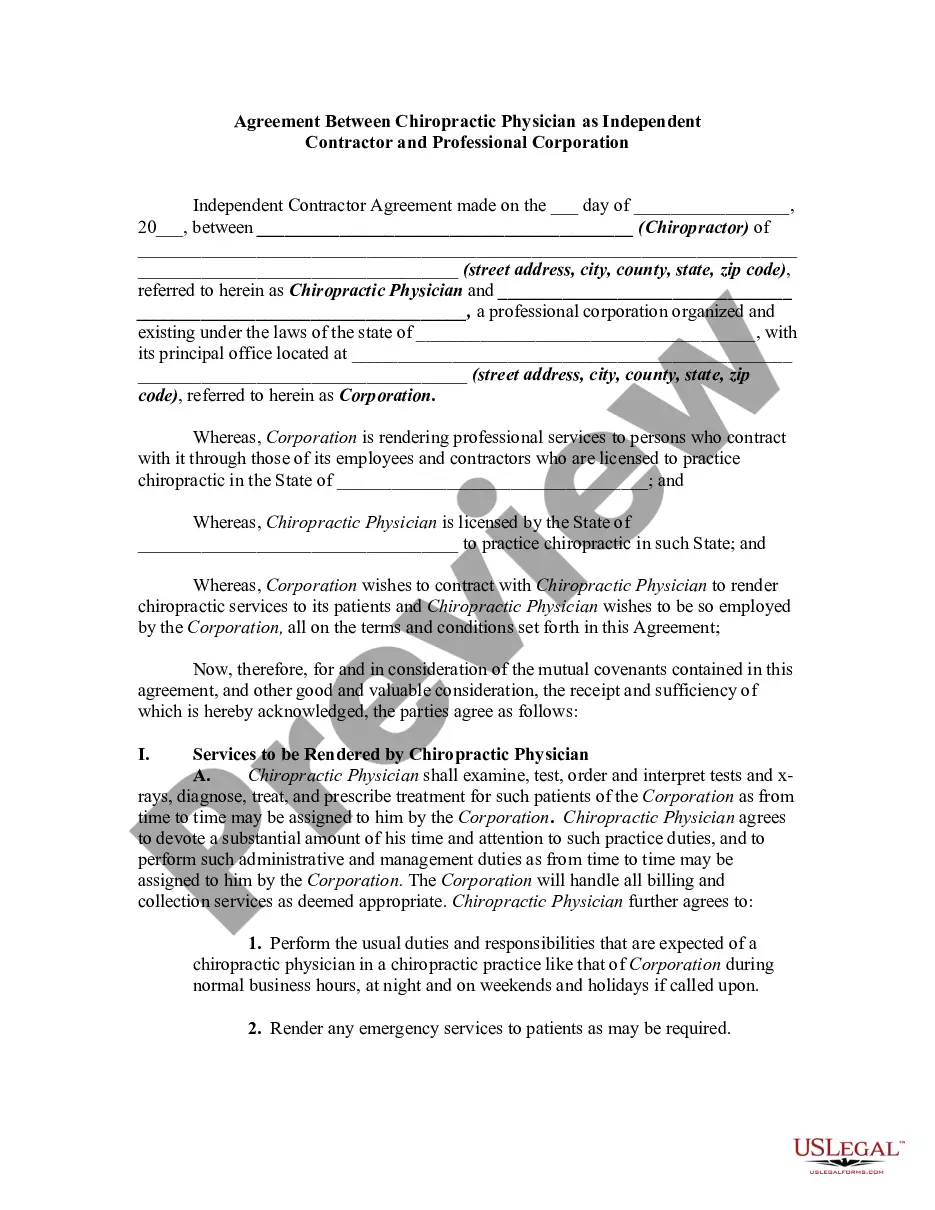


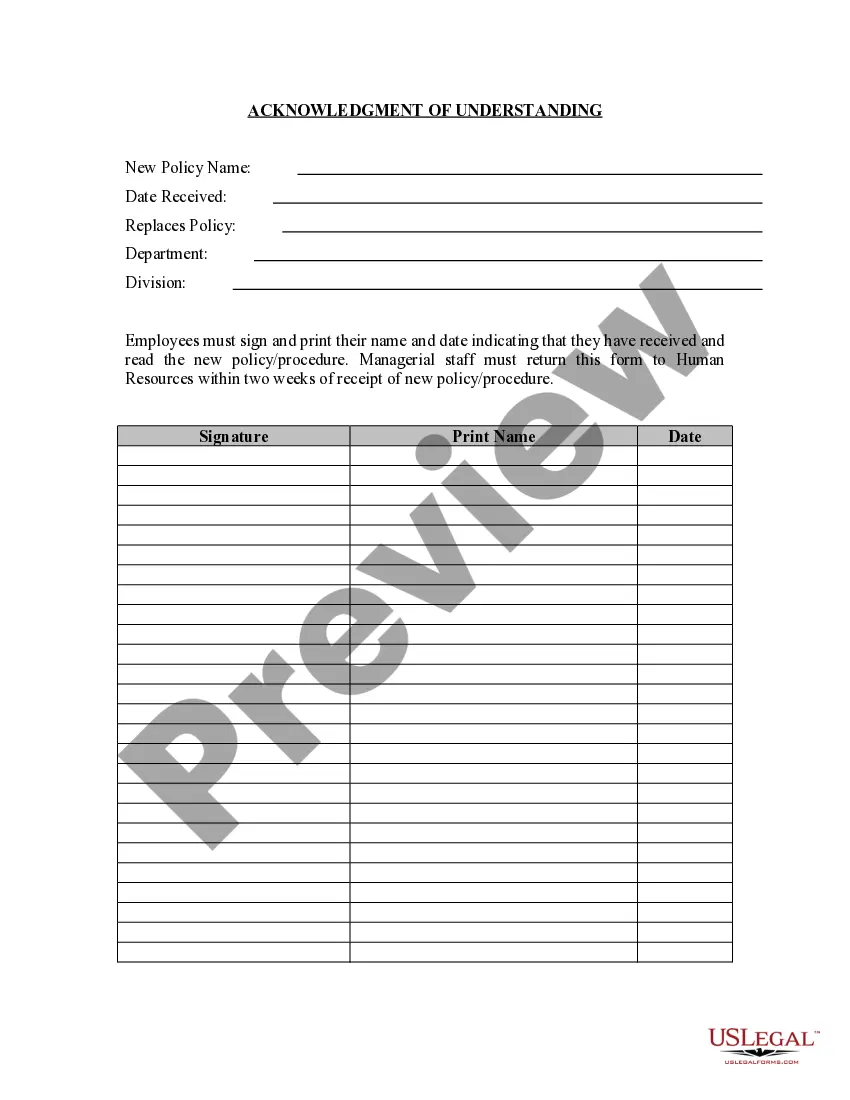

How to fill out Employee Grievance Appeal Form?
Have you ever been in a situation where you require documentation for organizational or specific purposes almost every time.
There are numerous official document templates accessible online, but finding reliable forms isn’t straightforward.
US Legal Forms provides thousands of template forms, such as the Texas Employee Grievance Appeal Form, designed to meet state and federal regulations.
Once you obtain the correct form, click Get now.
Choose the pricing plan you prefer, fill in the required information to create your account, and pay for your order using your PayPal or credit card.
- If you are already familiar with the US Legal Forms website and have an account, just Log In.
- After that, you can download the Texas Employee Grievance Appeal Form template.
- If you do not have an account and wish to start using US Legal Forms, follow these steps.
- Obtain the form you need and ensure it is for the correct city/state.
- Use the Review button to examine the form.
- Check the description to confirm that you have selected the correct template.
- If the form isn’t what you are looking for, use the Search field to find the form that meets your needs and requirements.
Form popularity
FAQ
What the employer should doremain impartial.do their best to understand the feelings of the person raising the grievance.take notes or appoint someone else to take them.go through the evidence.take care in deciding on any actions (usually the employer will not need to make an immediate decision)More items...
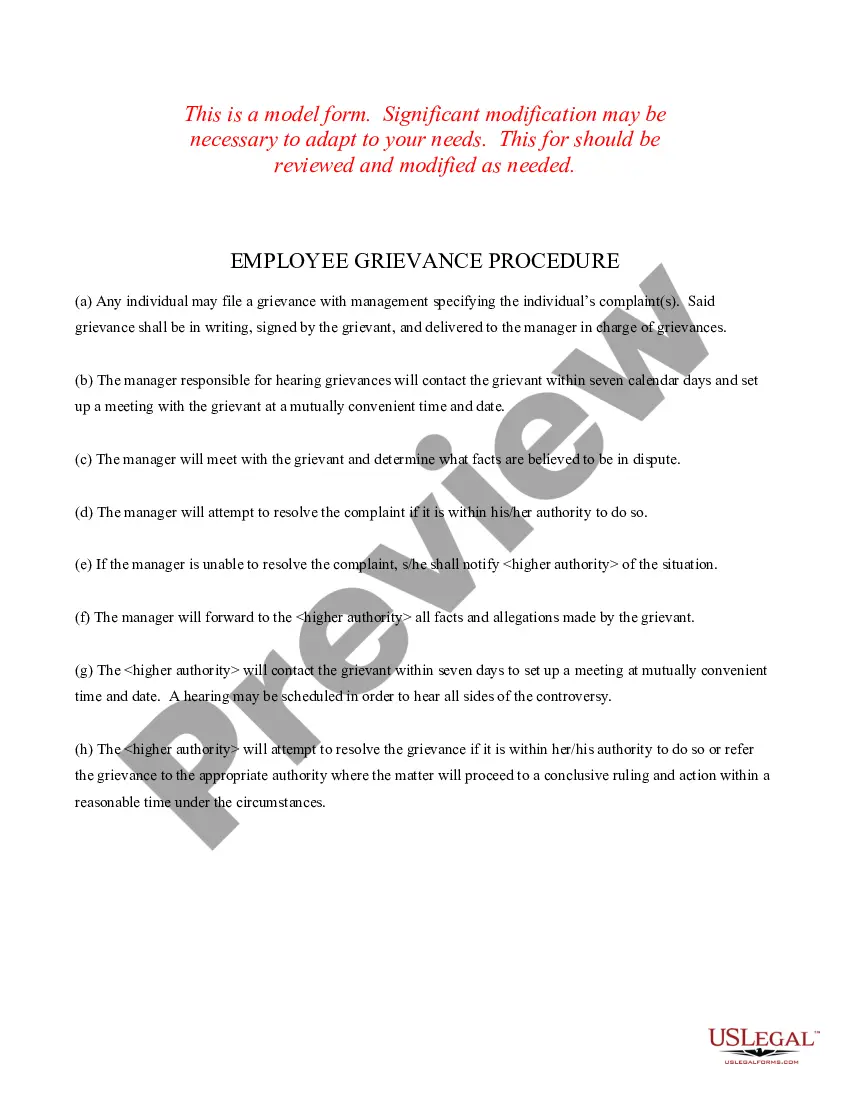
Check the grievance procedure. By law, every company needs a formal, written grievance procedure.Investigate the grievance. Outline how long the investigation will take and contact all mentioned parties.Hold a grievance hearing.Make your decision and inform the employee.Further action.
Your workplace discipline and grievance policy should tell you how to appeal. If not, you should raise your appeal in writing to your employer. Write in a letter or email: why you think your outcome was wrong or unfair (for example, if you felt the person investigating your case did not get enough evidence)
Steps for Letting GoAcknowledge the hurt. You were wronged, and that's real.Decide to forgive. Forgiving someone who hurt you is a gift you give to yourself.Realize forgiving isn't condoning.Ask yourself: Why?Consider the trade-off.Don't let anger define you.Pay attention to feedback.Change the conversation.More items...?
Step 1 - raise the issue informally with the employer. Step 2 raise the issue formally with a grievance letter. Step 3 - grievance investigation should take place. Step 4 - a grievance hearing may be required to review the evidence and for a decision to be made.
Level 1. Supervisor reviews formal grievance and makes a decision. Level 2. If unresolved, Manager reviews formal grievance and makes a decision.
Once an employee raises a formal grievance, you should usually arrange to hold a meeting within 5 working days. Employers should allow employees to be accompanied at any formal grievance meeting on request by either a work colleague, trade union representative or an official employed by a trade union.
Reasons for filing a grievance in the workplace can be as a result of, but not limited to, a breach of the terms and conditions of an employment contract, raises and promotions, or lack thereof, as well as harassment and employment discrimination.
Make a Decision After the grievance meeting, take a few days to decide on appropriate action to take. Try to see all sides of the issue. In addition, be willing to take any new information into account when making a decision. Further unbiased investigation may be required before you choose a course of action.