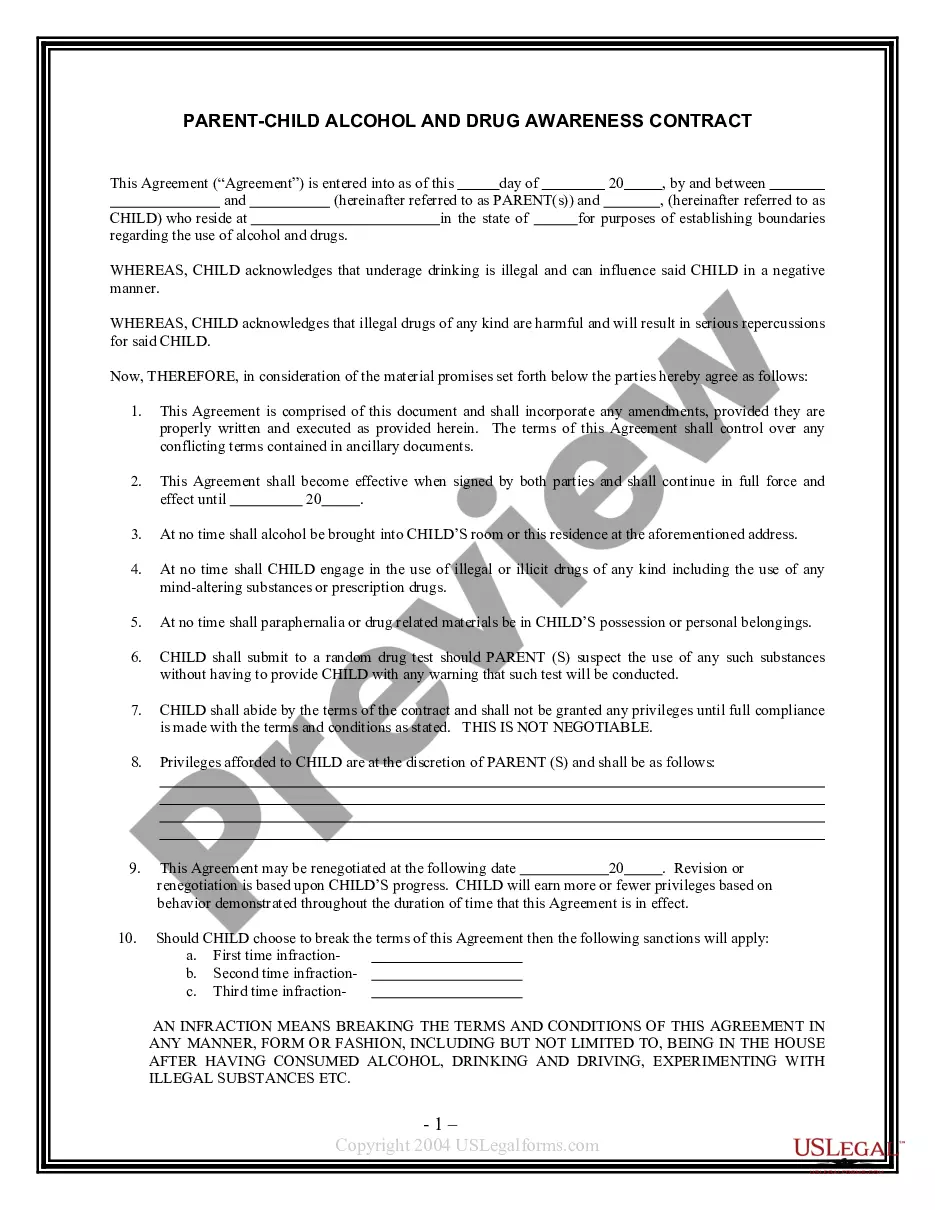
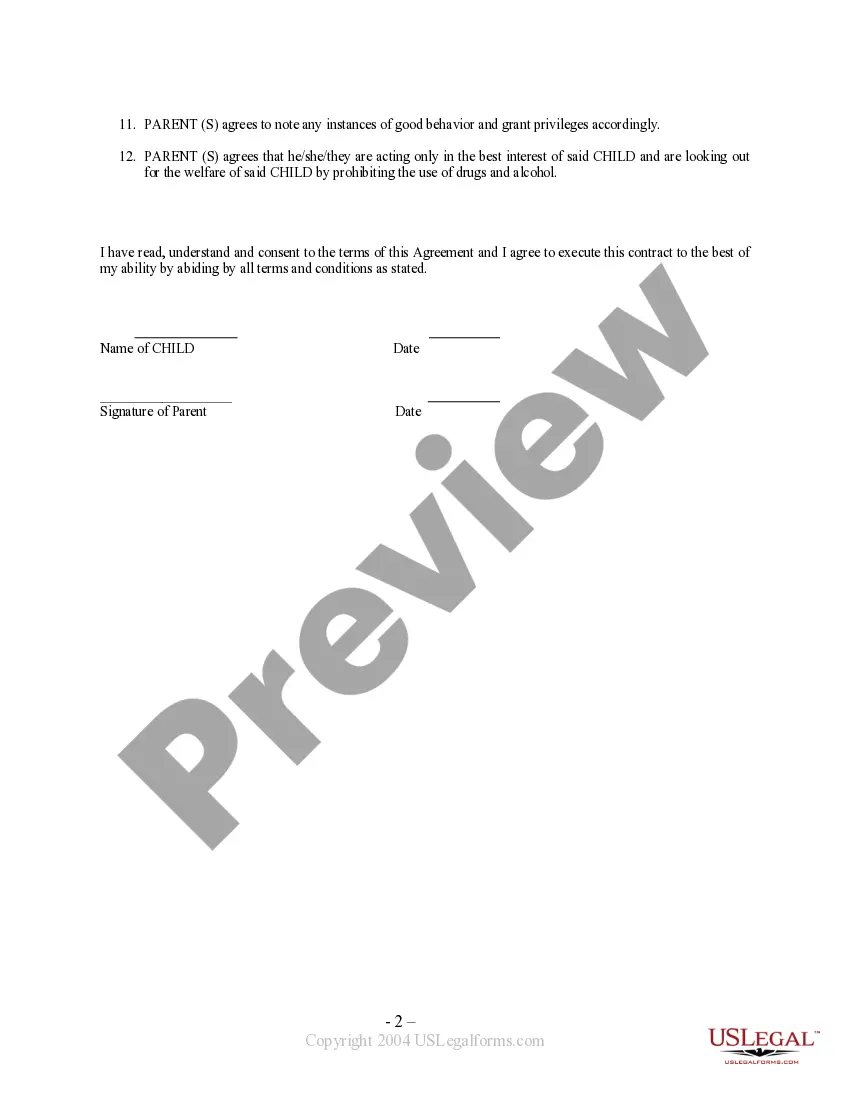
This is a contract between parent(s) and child regarding the use of drugs and alcohol and the repercussions for failing to abide by the terms as indicated. Child is also afforded certain privileges for good behavior as agreed upon by the parents.
Texas Parent - Child Contract For Alcohol And Drug Awareness
Category:
State:
Multi-State
Control #:
US-PC02
Format:
Word;
Rich Text
Instant download
Description
Free preview
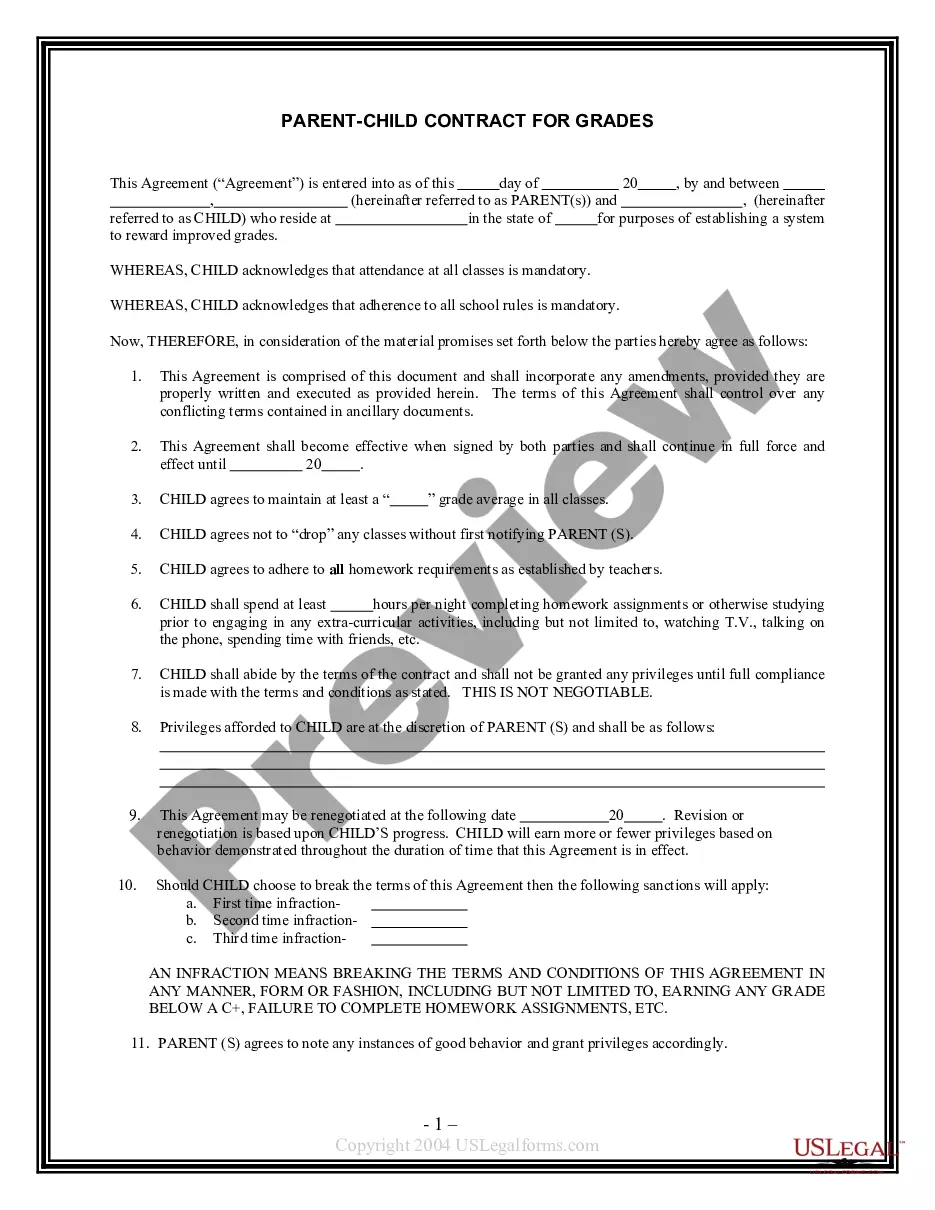
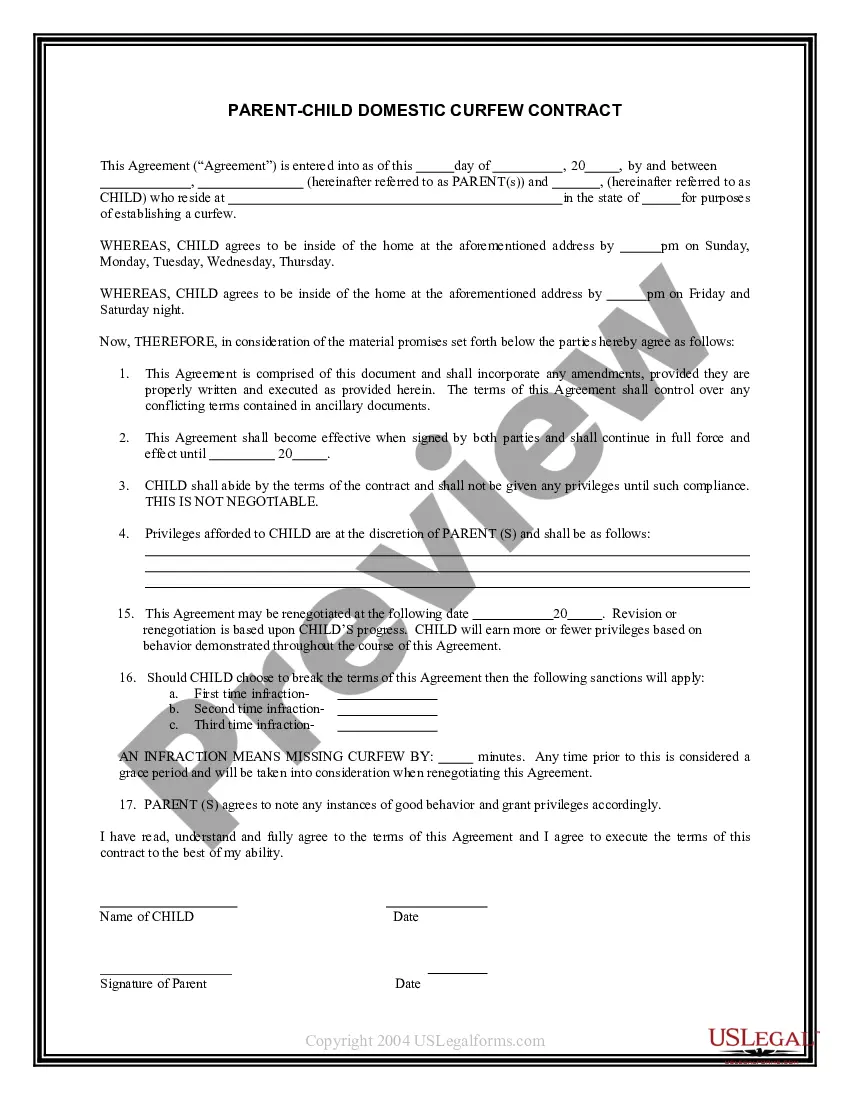
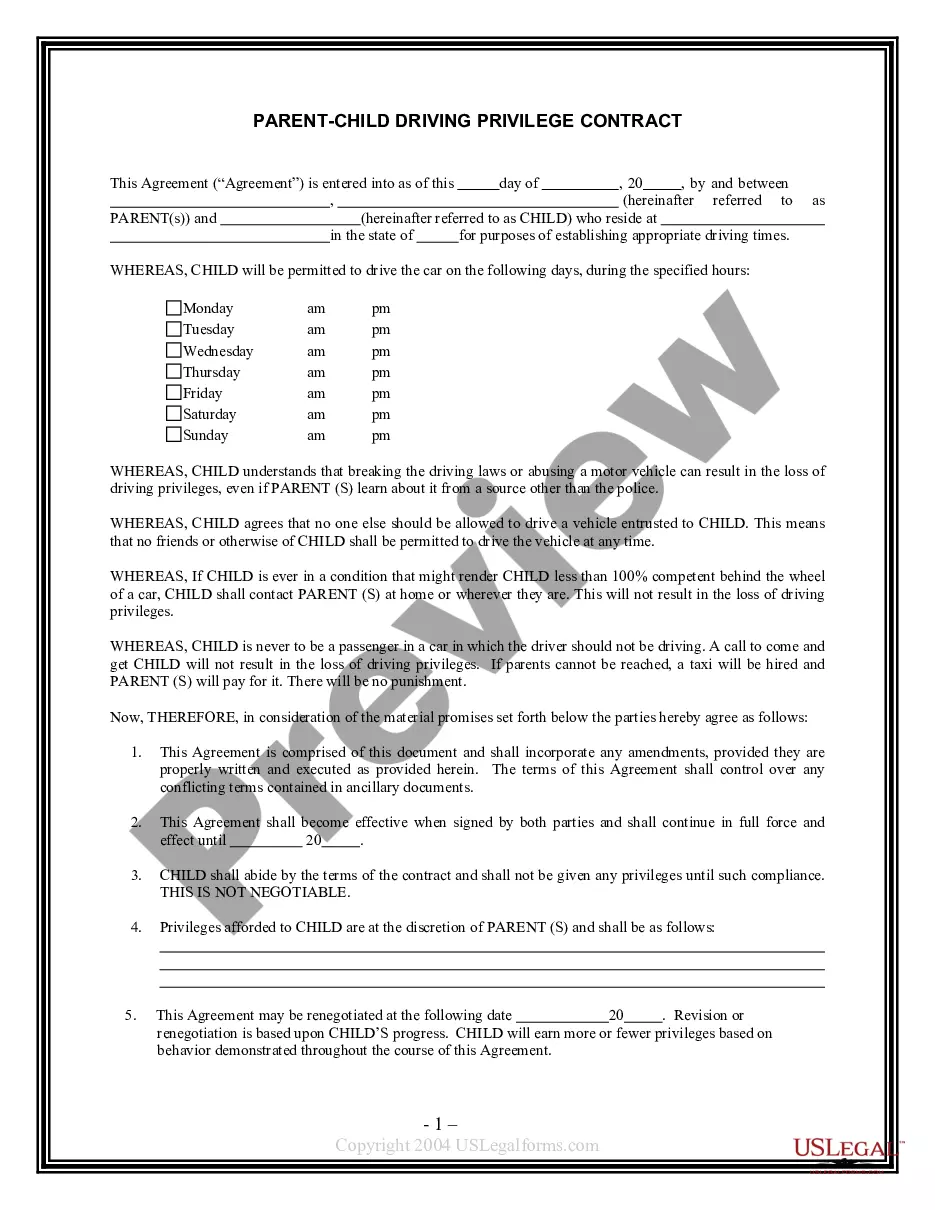
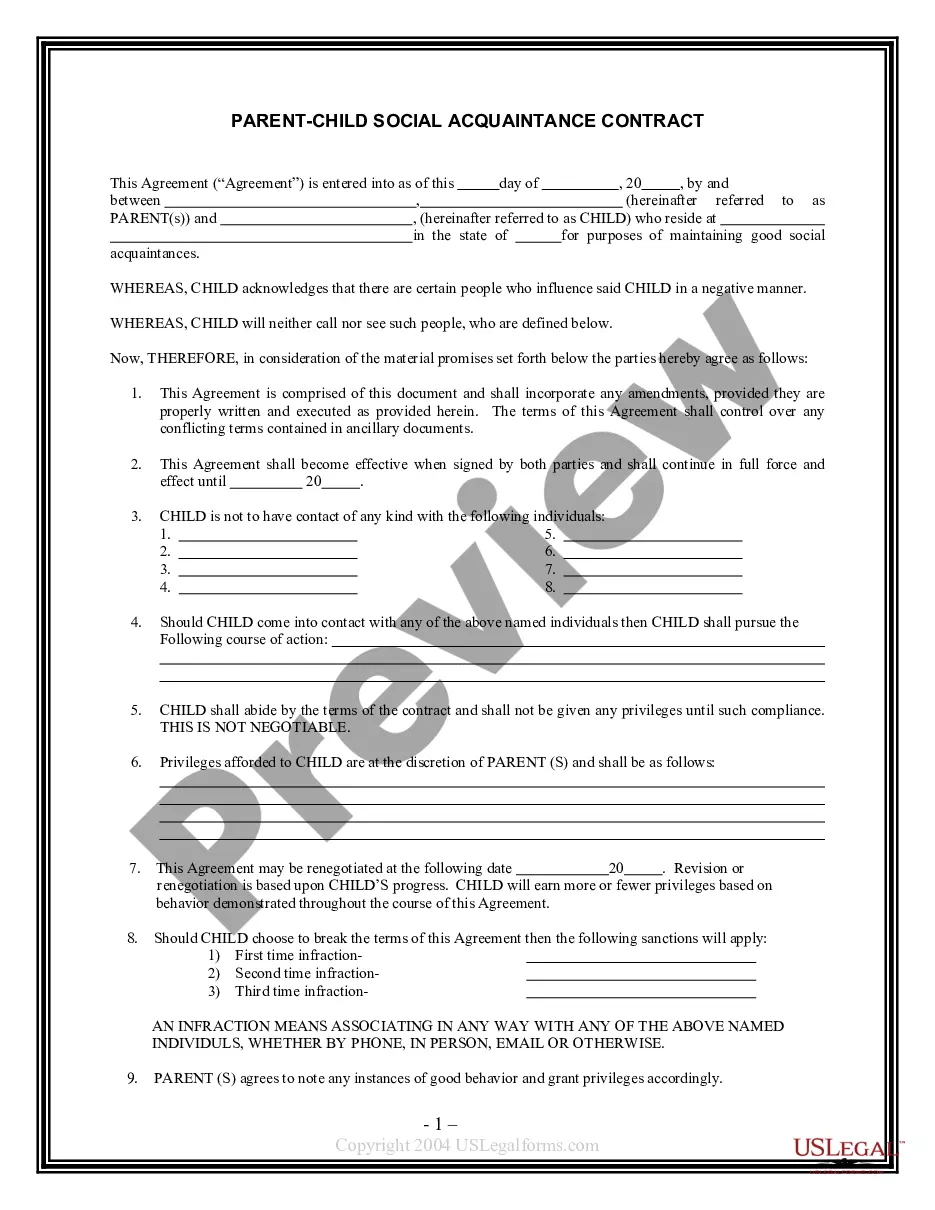


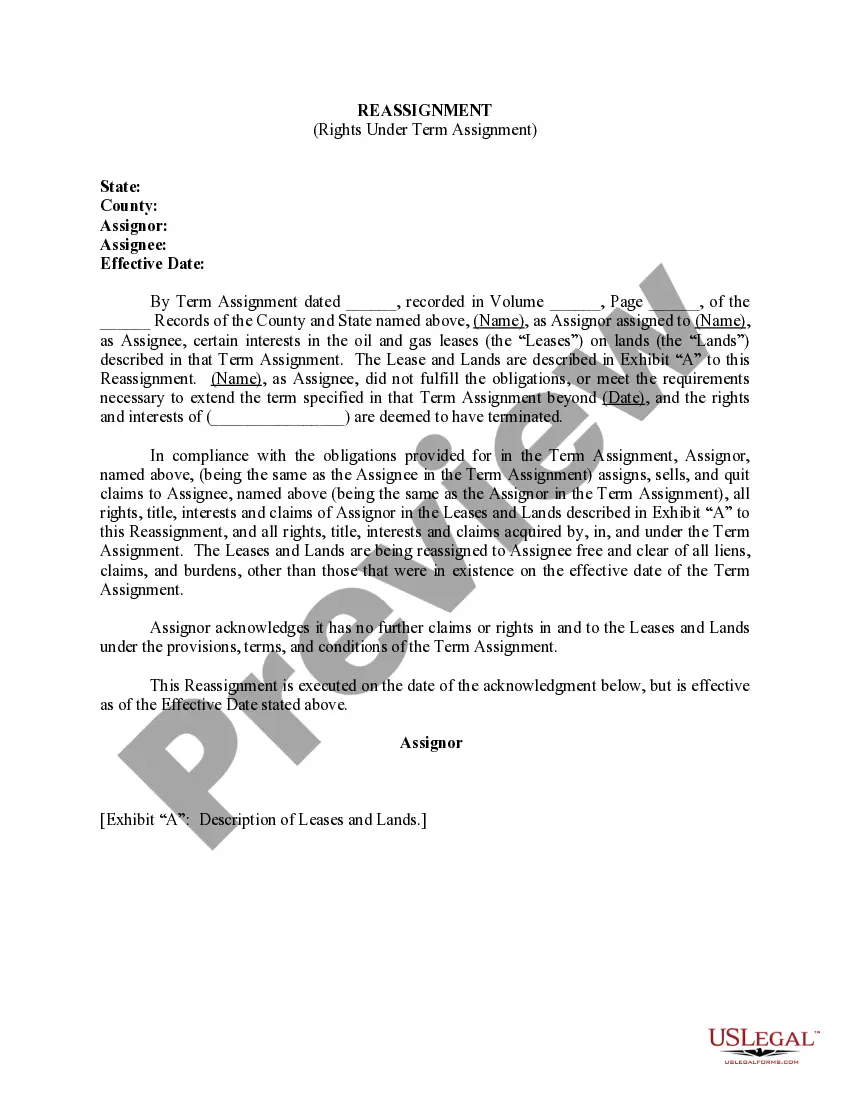

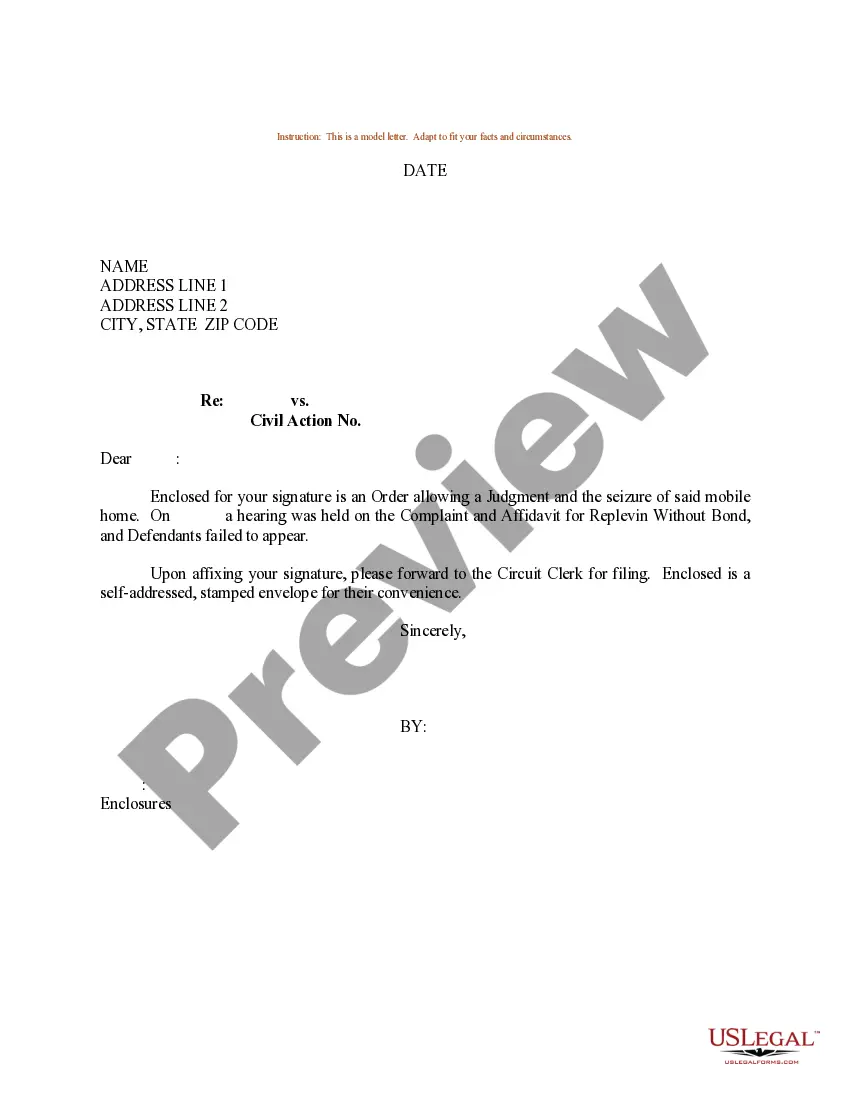
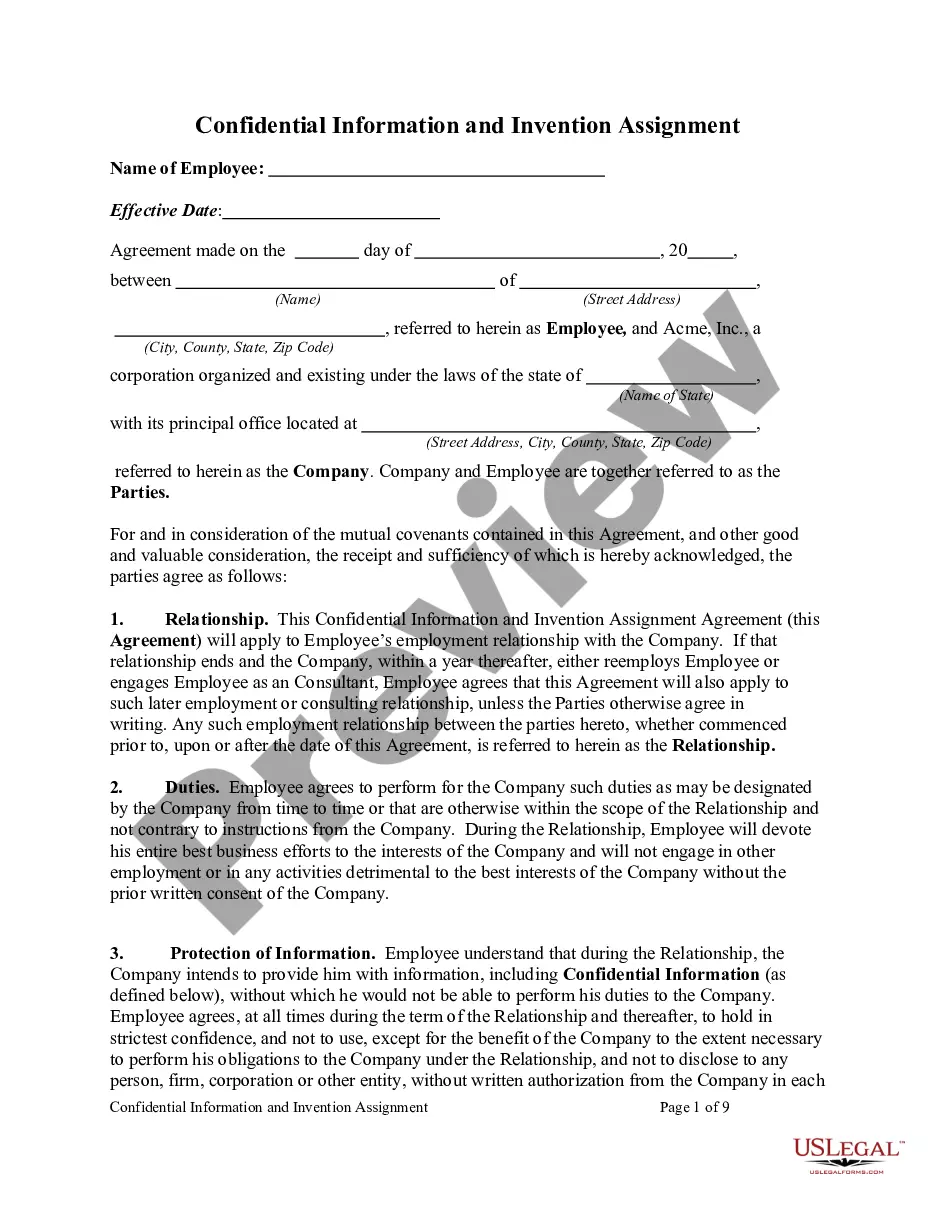

How to fill out Parent - Child Contract For Alcohol And Drug Awareness?
US Legal Forms - one of the largest collections of legal documents in the United States - offers a diverse array of legal paperwork templates that you can download or print.
By utilizing the website, you can access thousands of forms for business and personal use, organized by categories, states, or keywords. You can find the latest versions of forms such as the Texas Parent - Child Contract For Alcohol And Drug Awareness in just a few moments.
If you already have a membership, Log In and download the Texas Parent - Child Contract For Alcohol And Drug Awareness from the US Legal Forms library. The Download button will appear on every form you view. You can access all previously downloaded forms from the My documents section of your account.
Select the format and download the form to your device.
Make modifications. Fill out, edit, print, and sign the downloaded Texas Parent - Child Contract For Alcohol And Drug Awareness. Each template you added to your account does not have an expiration date and is yours indefinitely. So, if you wish to download or print another copy, simply navigate to the My documents section and click on the form you need. Access the Texas Parent - Child Contract For Alcohol And Drug Awareness with US Legal Forms, the most extensive collection of legal document templates. Utilize thousands of professional and state-specific templates that meet your business or personal needs and requirements.
- Ensure you have selected the correct form for your city/county. Click the Preview button to review the form's content.
- Read the form description to confirm that you have picked the right document.
- If the form does not meet your requirements, use the Search box at the top of the screen to find one that does.
- Once you are satisfied with the form, confirm your choice by clicking on the Buy now button.
- Next, select your preferred pricing plan and provide your details to create an account.
- Complete the transaction. Use a credit card or PayPal account to finalize the purchase.
Form popularity
FAQ
Safeguarding children in education: types and indicators of abusePhysical abuse.Sexual abuse.Emotional abuse.Neglect.Disguised compliance.How SCIE can support you and your setting.
Neglect occurs when a person, either through his/her action or inaction, deprives a vulnerable adult of the care necessary to maintain the vulnerable adult's physical or mental health. Examples include not providing basic items such as food, water, clothing, a safe place to live, medicine, or health care.
Remember: CPS can dismiss your case at any time they feel the child is in no real danger or if all agreements, services and requested tasks have been completed. A judge can also dismiss a case if CPS fails to provide sufficient evidence of abuse or neglect.
The World Health Organization (WHO) defines child maltreatment as "all forms of physical and emotional ill-treatment, sexual abuse, neglect, and exploitation that results in actual or potential harm to the child's health, development or dignity." There are four main types of abuse: neglect, physical abuse,
Physical neglect is by far the most common type of neglect. In most cases, the parent or caregiver is not providing the child with all of the basic necessities like food, clothing and shelter. In some cases, young children are left without proper supervision for extended periods of time.
Substance abuse, as a recognized medical brain disorder, refers to the abuse of illegal substances, such as marijuana, heroin, cocaine, or methamphetamine. Or it may be the abuse of legal substances, such as alcohol, nicotine, or prescription medicines. Alcohol is the most common legal drug of abuse.
Let's take a look at the types of neglect.Physical Neglect. The failure to provide necessary food, clothing, and shelter; inappropriate or lack of supervision.Medical Neglect. The failure to provide necessary medical or mental health treatment.Educational Neglect.Emotional Neglect.
About the Campaign The Talk. They Hear You. campaign aims to reduce underage drinking and other substance use among youths under the age of 21 by providing parents and caregivers with information and resources they need to address these issues with their children early and often.
Children with parents who use substances are at an increased risk for child maltreatment. Drugs and alcohol inhibit a parent's ability to function in a parental role and may lessen impulse control, allowing parents to behave abusively.
The use of illegal drugs or the use of prescription or over-the-counter drugs or alcohol for purposes other than those for which they are meant to be used, or in excessive amounts. Substance abuse may lead to social, physical, emotional, and job-related problems.