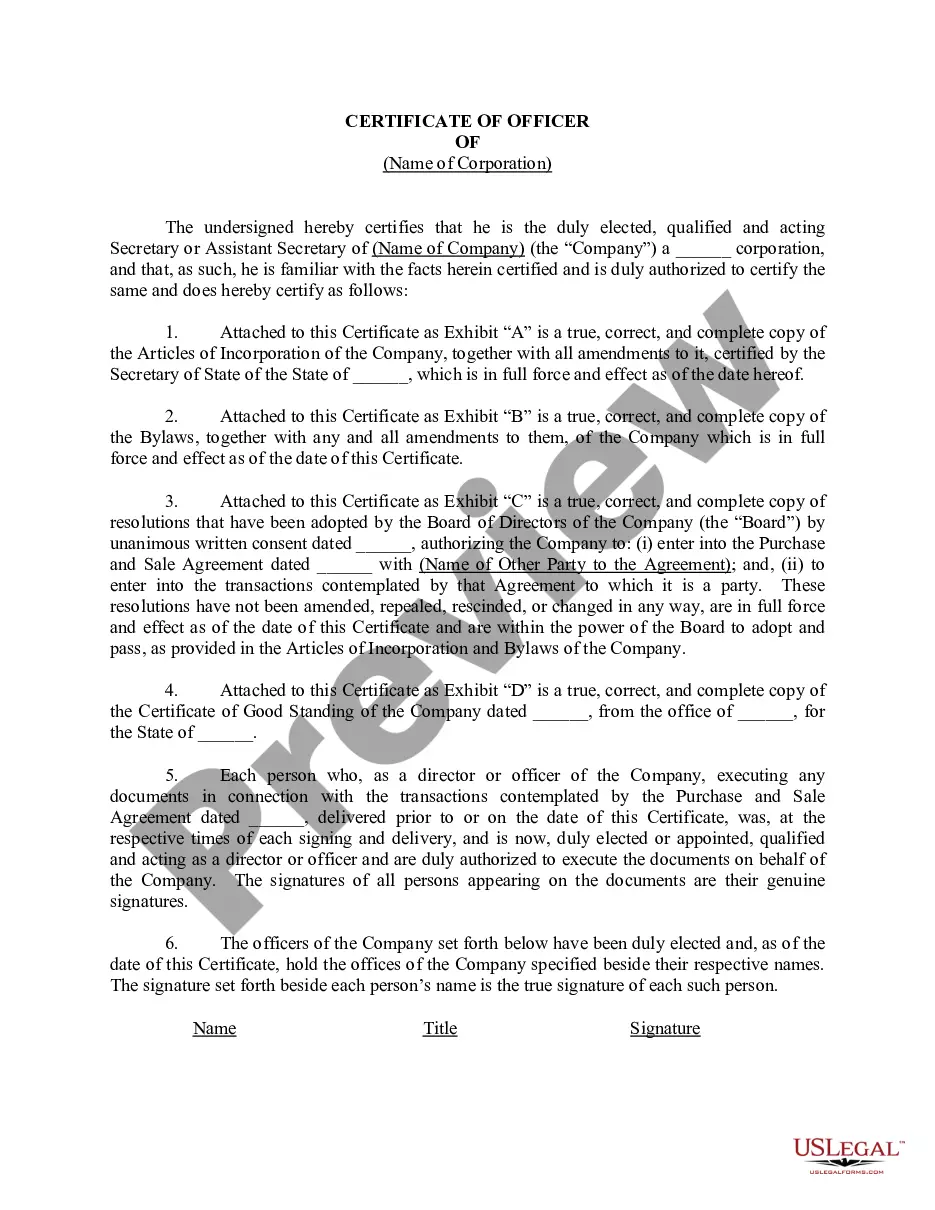
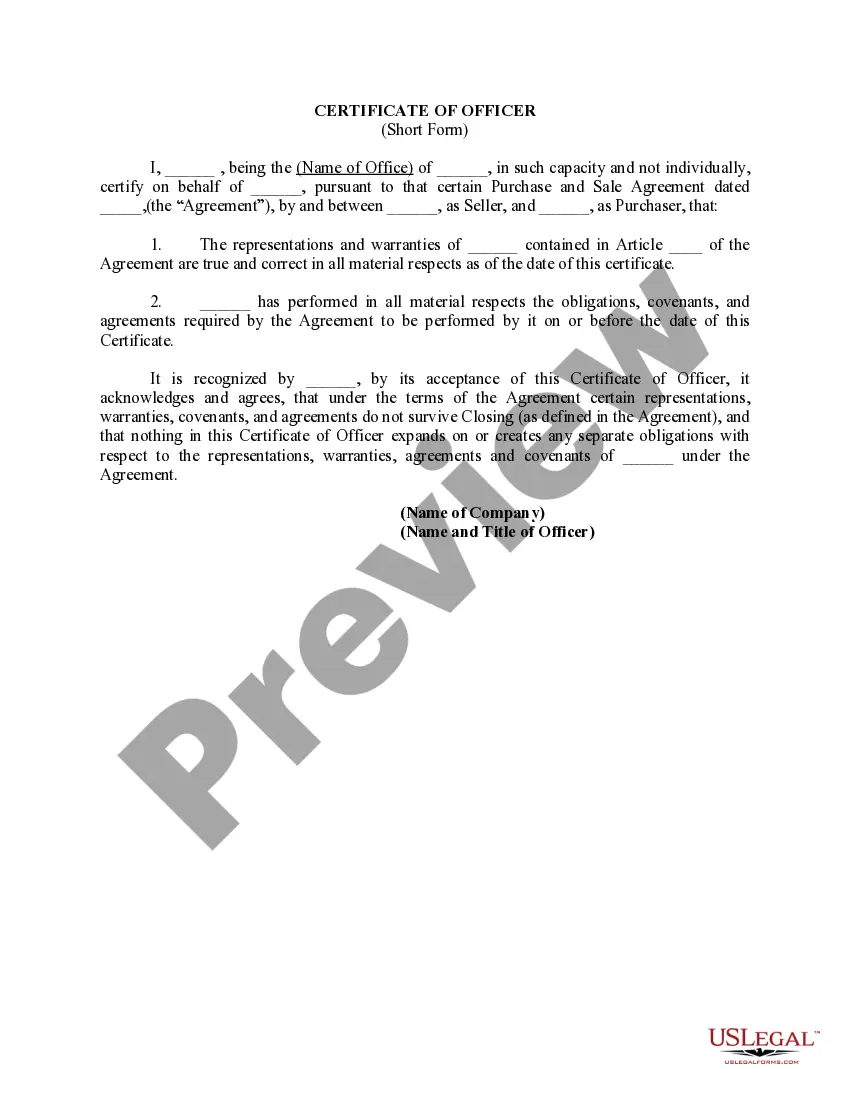
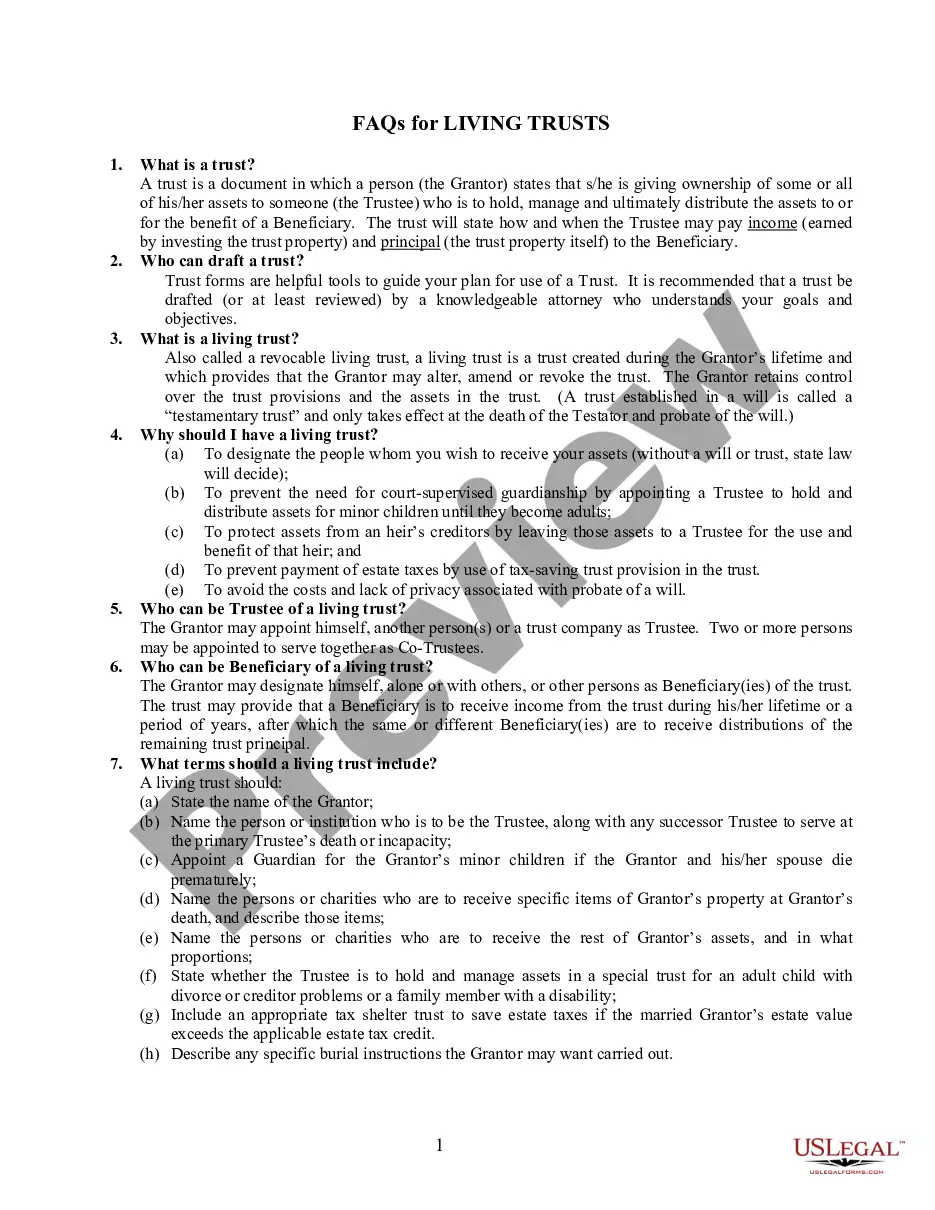
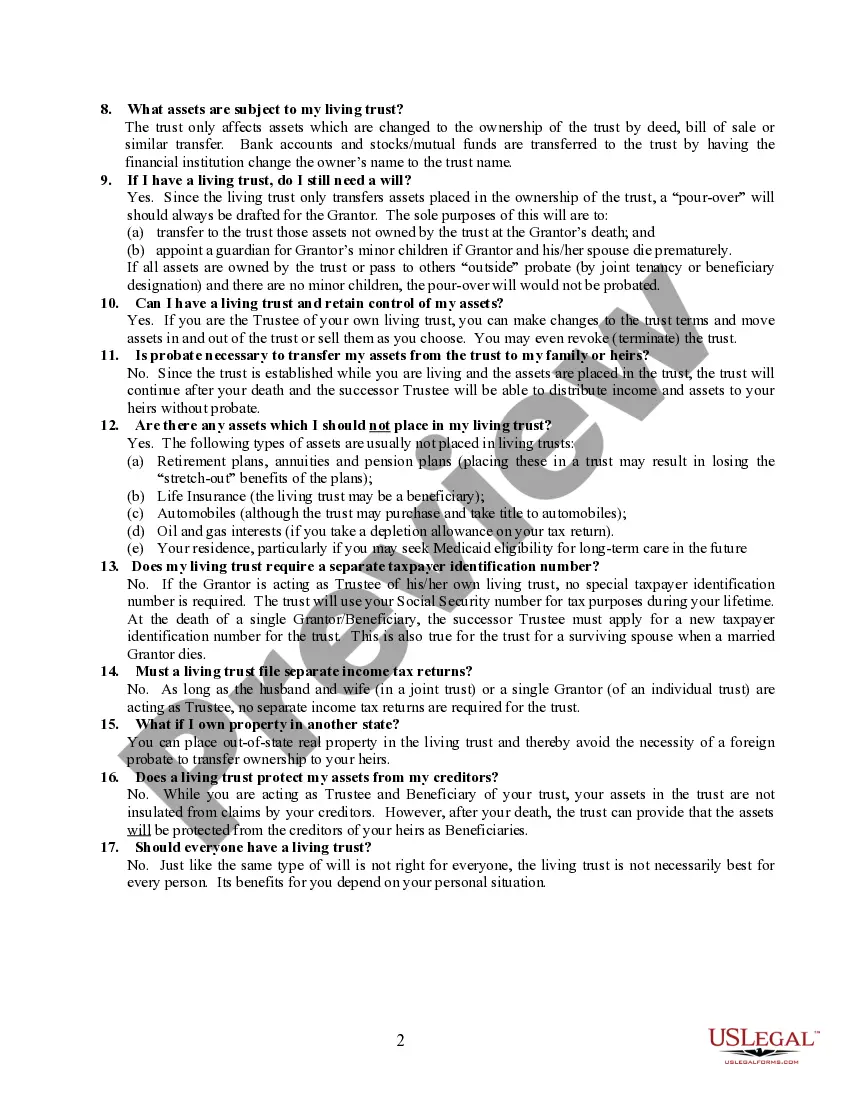
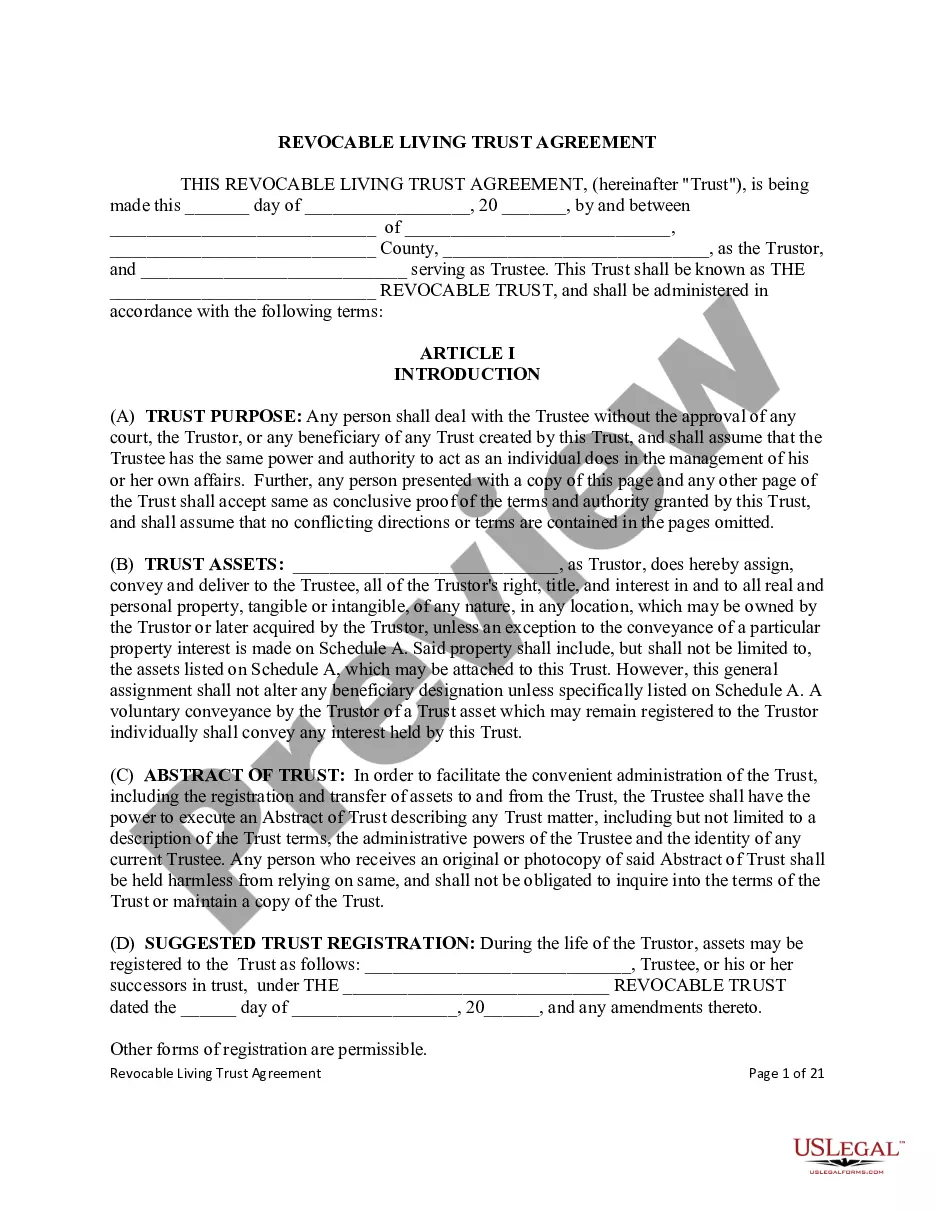
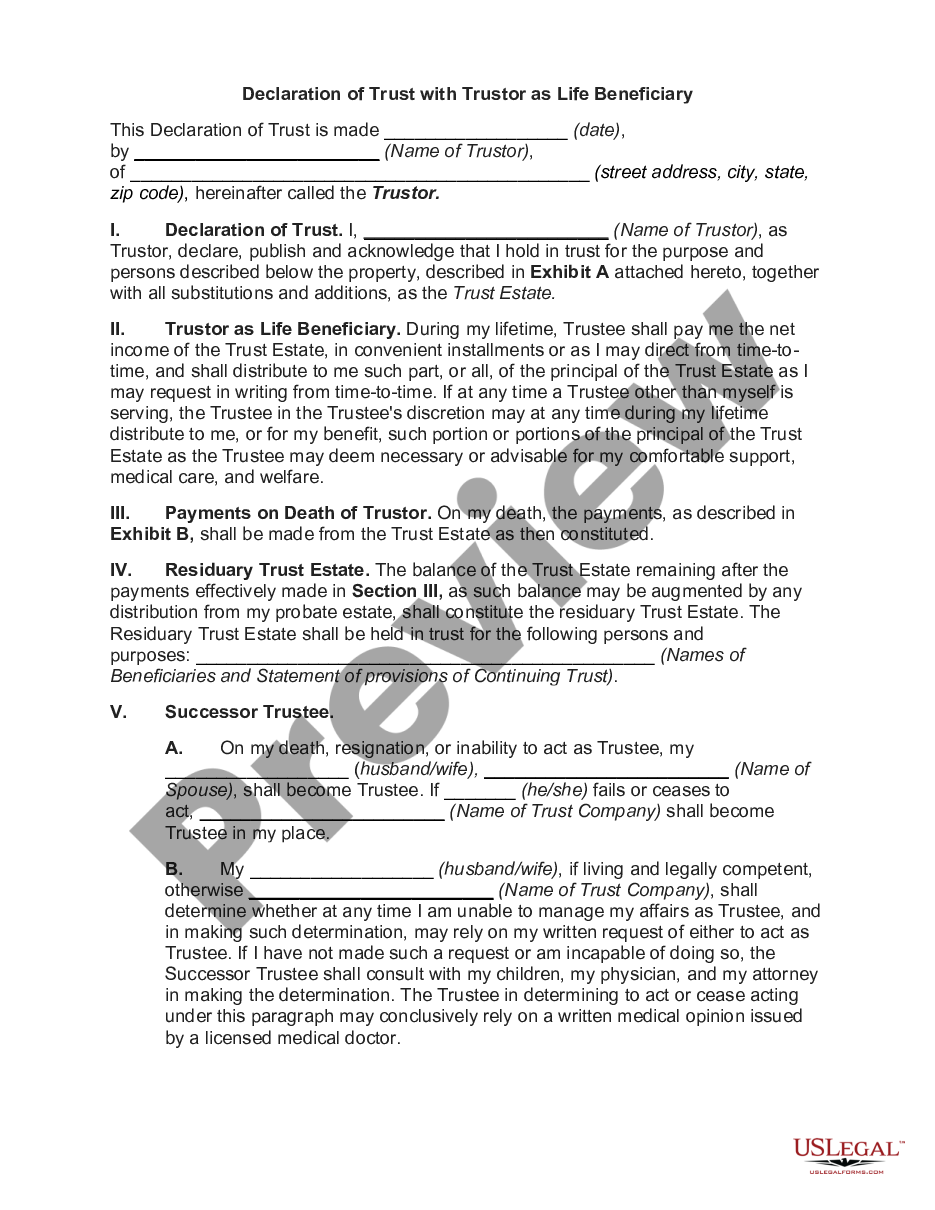
FAQs for Living Trusts are collections of questions and answers about living trusts, which are legal documents that allow individuals to manage their assets after death or during periods of incapacity. These FAQs can include information about the different types of living trusts, the benefits of setting up a trust, the process of creating a trust, and how to maintain a trust over time. Types of FAQs for Living Trusts include: • Types of Living Trusts: This information can cover the different types of trusts available, such as revocable and irrevocable trusts, as well as special types of trusts like charitable trusts and spendthrift trusts. • Benefits of Living Trusts: This section can explain the advantages of creating a living trust, such as avoiding probate, providing asset protection, and allowing for greater control over estate planning. • Setting Up a Living Trust: This section can cover the steps involved in creating a trust, such as selecting a trustee, transferring assets, and executing the trust document. • Maintaining a Living Trust: This section can discuss how to keep a living trust up-to-date, including information on how to update beneficiary information, add assets, and modify the trust document.
FAQs for Living Trusts
Description


How to fill out FAQs For Living Trusts?
How much time and resources do you often spend on composing official paperwork? There’s a greater option to get such forms than hiring legal experts or spending hours searching the web for a suitable blank. US Legal Forms is the top online library that offers professionally drafted and verified state-specific legal documents for any purpose, including the FAQs for Living Trusts.
To acquire and prepare an appropriate FAQs for Living Trusts blank, follow these easy steps:
- Examine the form content to ensure it complies with your state requirements. To do so, check the form description or utilize the Preview option.
- If your legal template doesn’t meet your requirements, locate a different one using the search bar at the top of the page.
- If you are already registered with our service, log in and download the FAQs for Living Trusts. If not, proceed to the next steps.
- Click Buy now once you find the right document. Select the subscription plan that suits you best to access our library’s full opportunities.
- Create an account and pay for your subscription. You can make a payment with your credit card or via PayPal - our service is totally reliable for that.
- Download your FAQs for Living Trusts on your device and complete it on a printed-out hard copy or electronically.
Another advantage of our library is that you can access previously purchased documents that you securely store in your profile in the My Forms tab. Obtain them at any moment and re-complete your paperwork as often as you need.
Save time and effort preparing formal paperwork with US Legal Forms, one of the most trusted web solutions. Join us today!
Form popularity
FAQ
Once you put assets into a trust fund, it's considered a living trust. Most living trusts are what are called living revocable trusts.
5 Important Questions to Ask When Forming A Trust Why do you need a trust? Who will the trust benefit? Who will administrate the trust, now and later? Which assets will fund the trust? What are the long-term tax consequences?
Living trusts have to file tax returns in most cases if they have $600 or more in income for a given tax year. They may also have to file if the living trust is a grantor-controlled trust or a revocable marital trust and both spouses are still living. Trusts that file tax returns do so using Form 1041.
One of the primary disadvantages to using a trust is the cost necessary to establish it. It's generally more expensive to prepare a living trust than a will. You must create new deeds and other documents to transfer ownership of your assets into the trust after you form it.
A Testamentary Trust set up in a person's Will does not actually come into existence until the person passes away and his Will is probated. A Living Trust, on the other hand, comes into existence while the person is still living.
To help you get started on understanding the options available, here's an overview the three primary classes of trusts. Revocable Trusts. Irrevocable Trusts. Testamentary Trusts.
A Testamentary Trust set up in a person's Will does not actually come into existence until the person passes away and his Will is probated. A Living Trust, on the other hand, comes into existence while the person is still living.