Charitable Remainder Inter Vivos Annuity Trust
Description
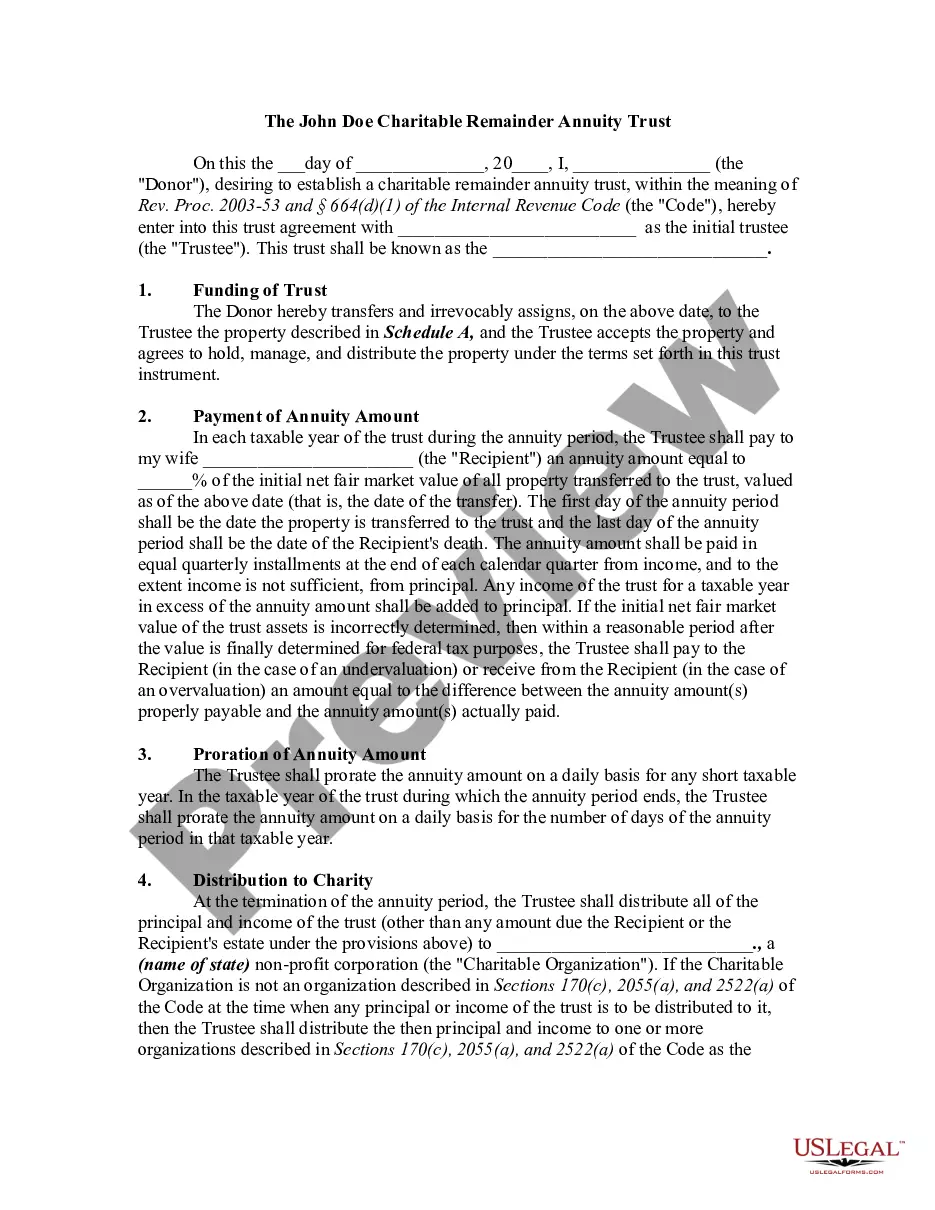
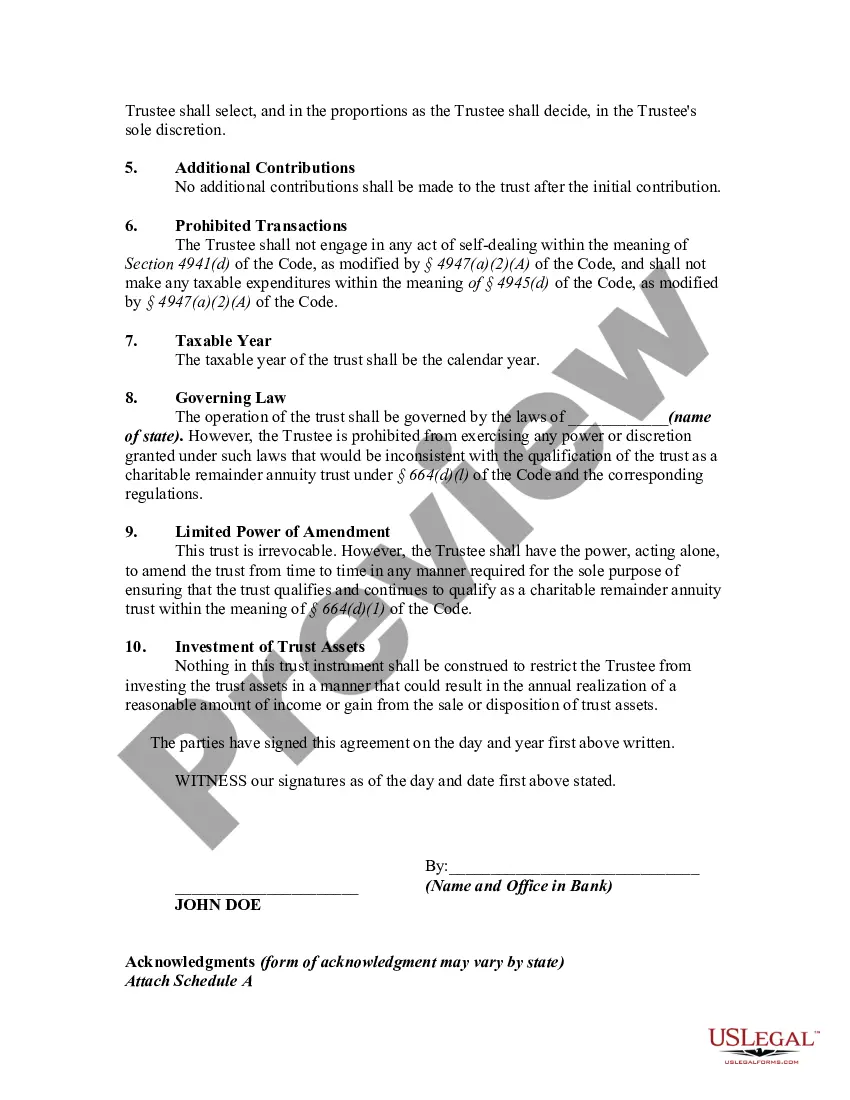
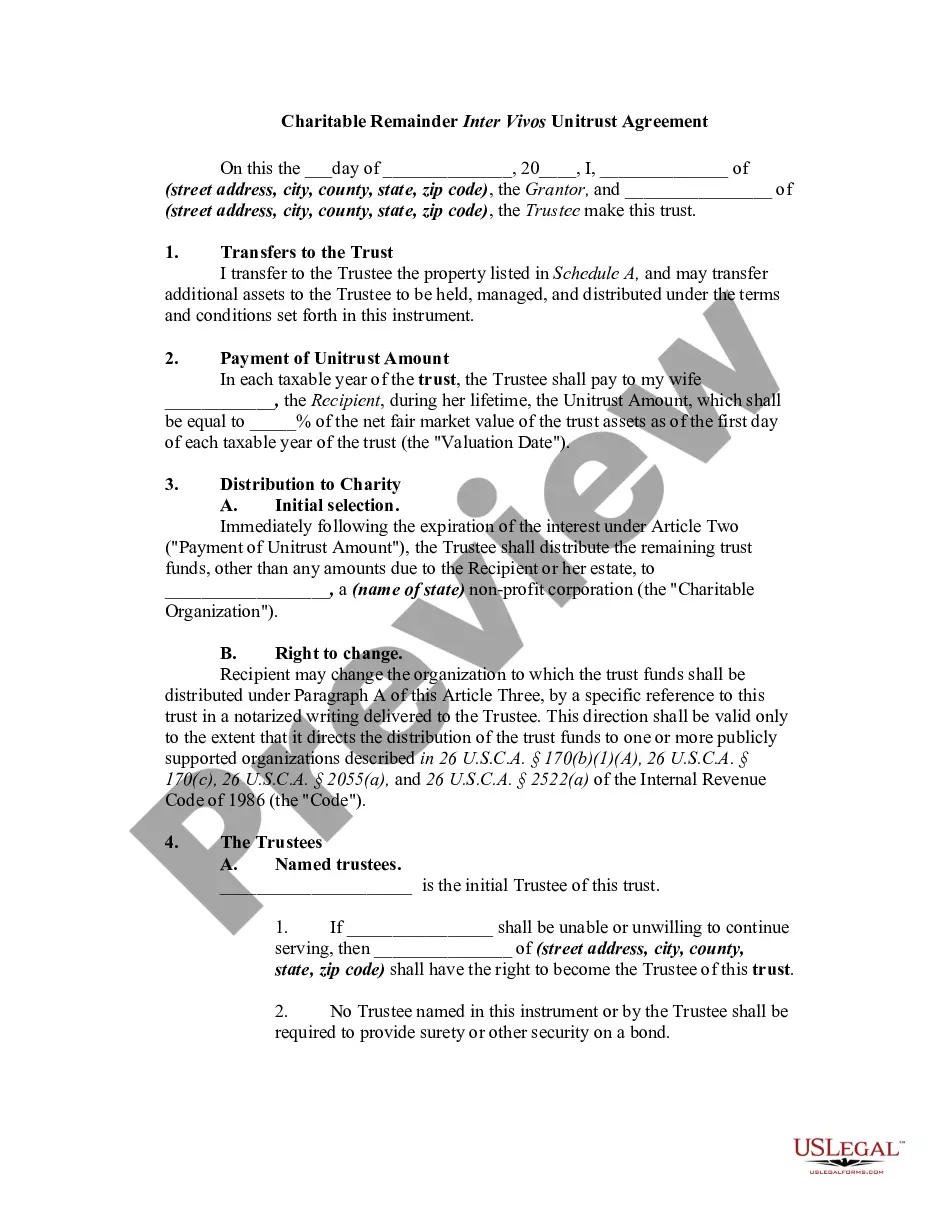
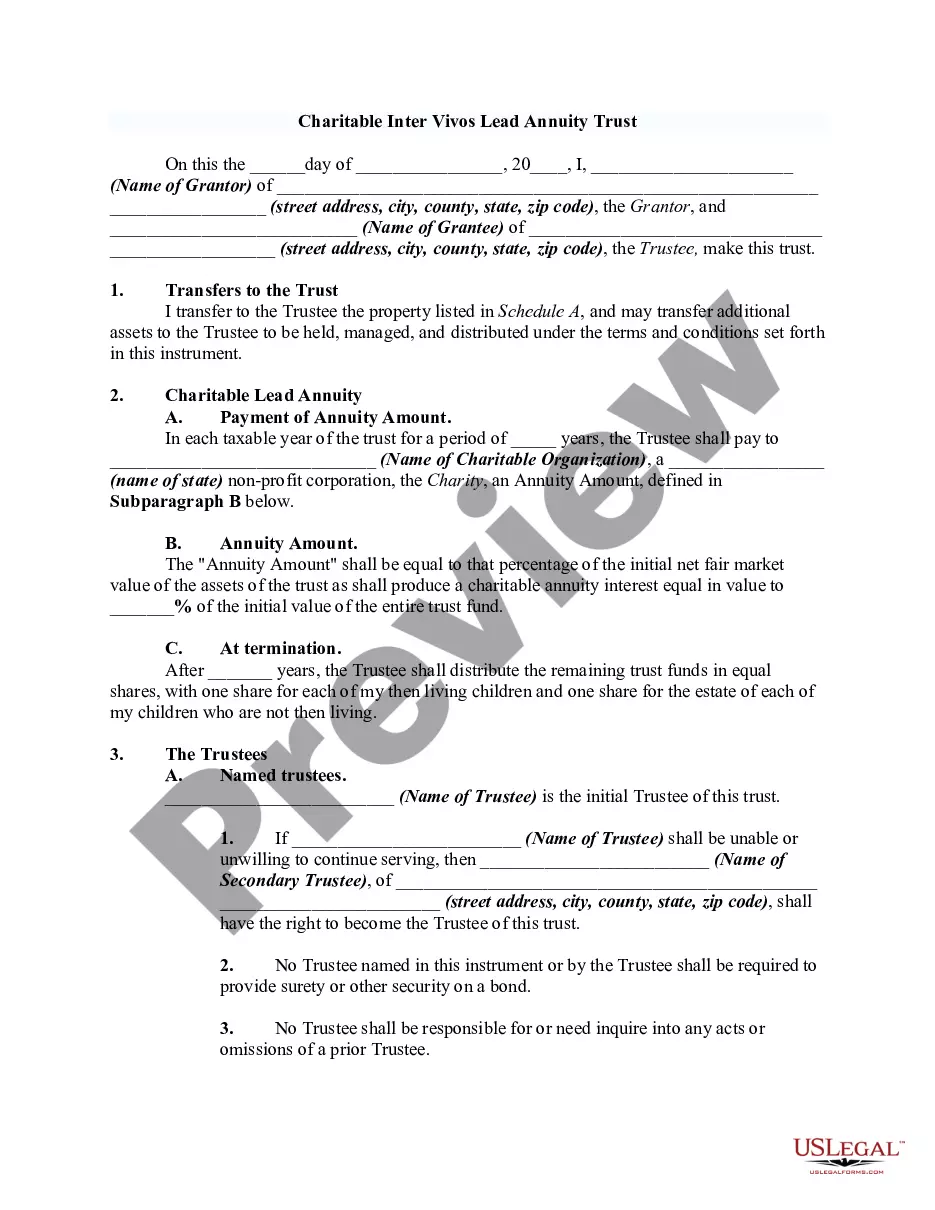
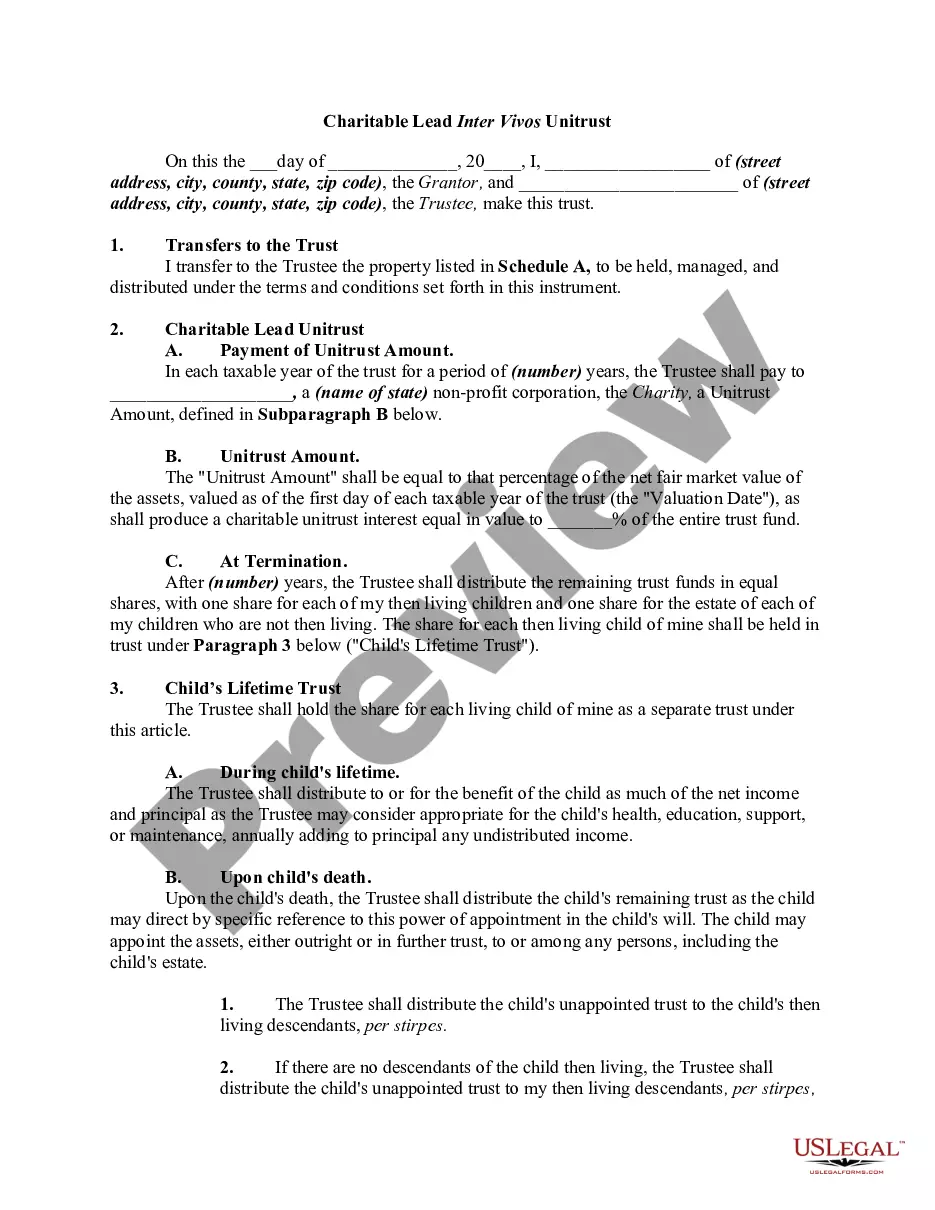
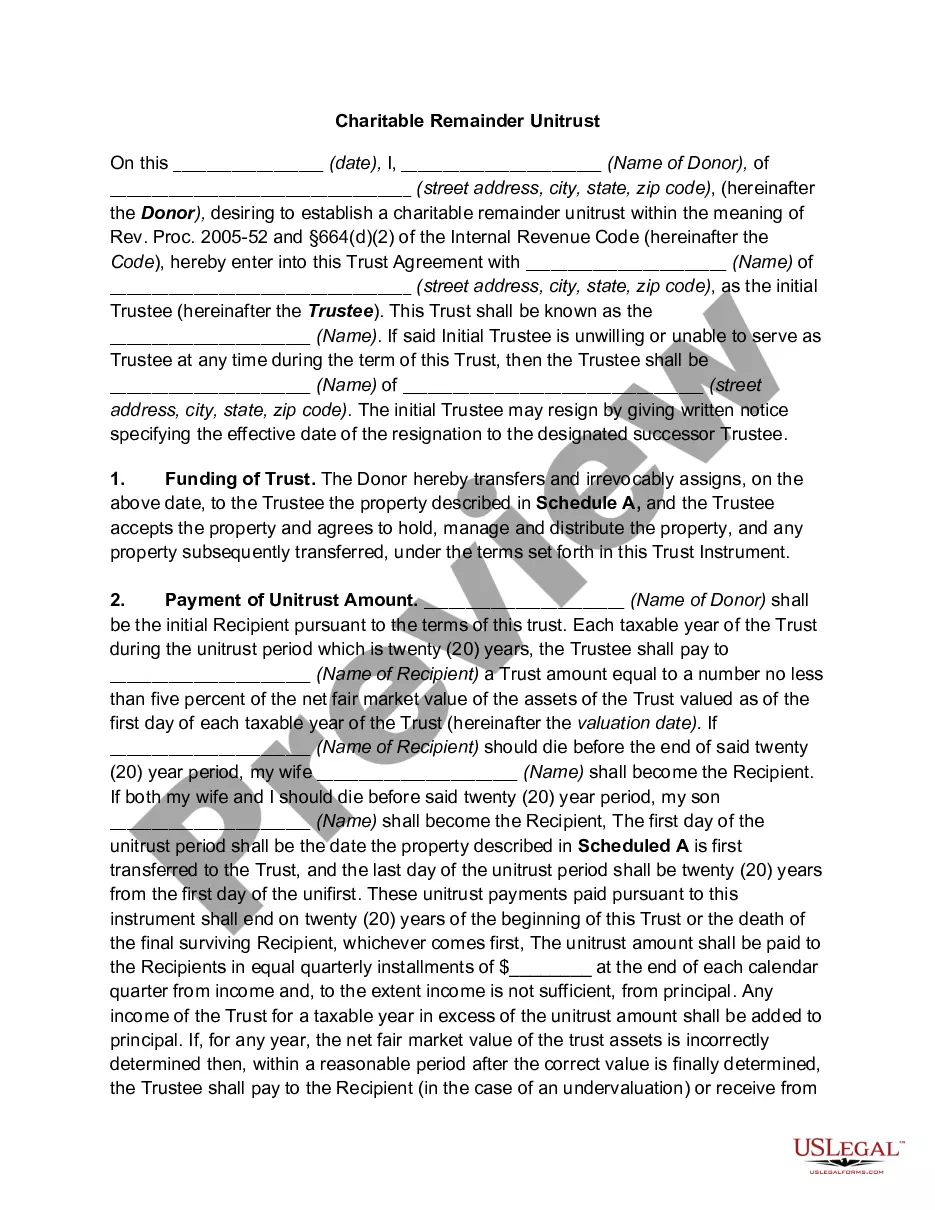
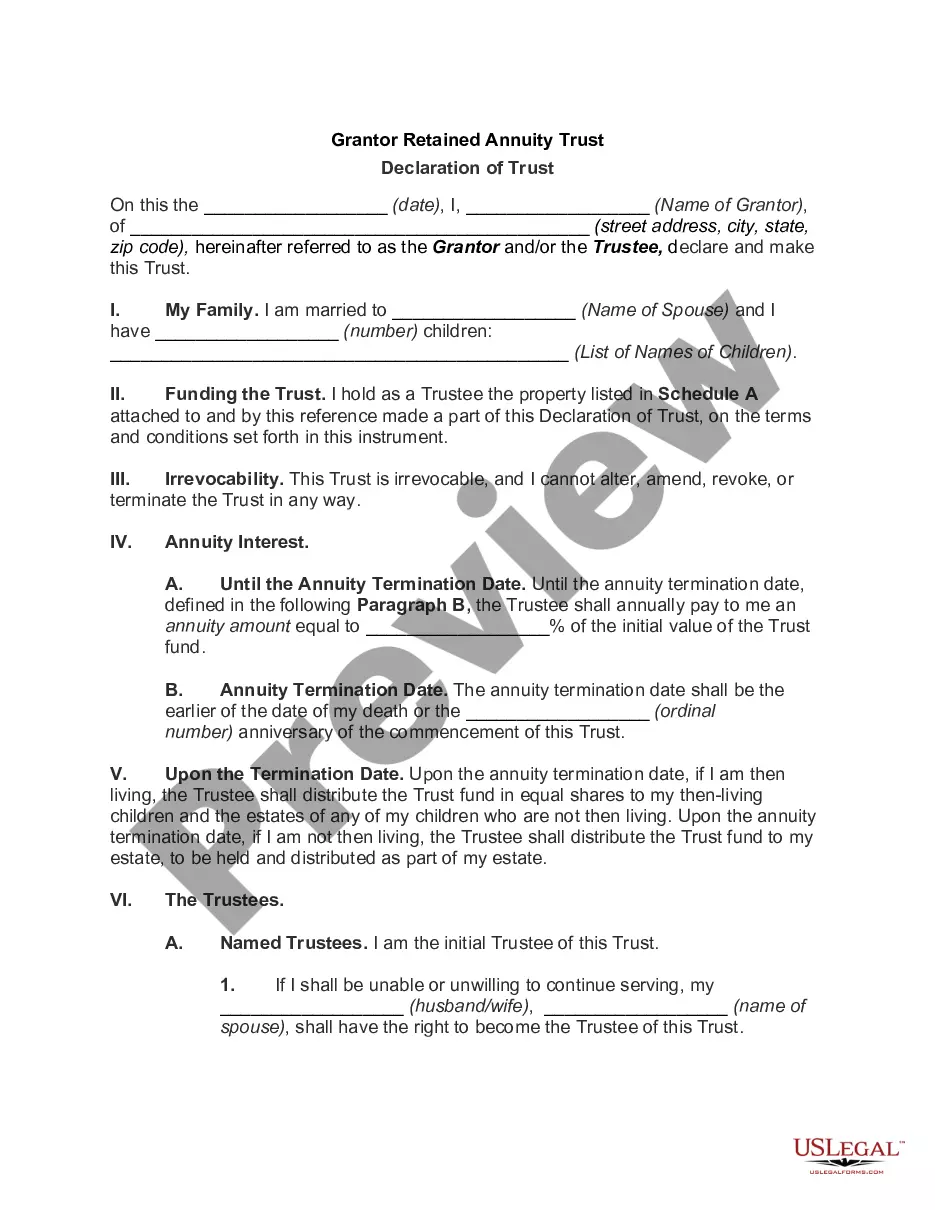
How to fill out Charitable Remainder Inter Vivos Annuity Trust?
Aren't you tired of choosing from hundreds of templates every time you want to create a Charitable Remainder Inter Vivos Annuity Trust? US Legal Forms eliminates the wasted time an incredible number of Americans spend browsing the internet for suitable tax and legal forms. Our professional crew of lawyers is constantly modernizing the state-specific Samples catalogue, so it always has the proper documents for your situation.
If you’re a US Legal Forms subscriber, simply log in to your account and then click the Download button. After that, the form may be found in the My Forms tab.
Visitors who don't have an active subscription need to complete a few simple actions before having the ability to get access to their Charitable Remainder Inter Vivos Annuity Trust:
- Utilize the Preview function and look at the form description (if available) to ensure that it is the right document for what you are trying to find.
- Pay attention to the applicability of the sample, meaning make sure it's the proper template for the state and situation.
- Make use of the Search field at the top of the site if you want to look for another file.
- Click Buy Now and select a preferred pricing plan.
- Create an account and pay for the service using a credit card or a PayPal.
- Download your template in a required format to finish, create a hard copy, and sign the document.
Once you have followed the step-by-step instructions above, you'll always be capable of sign in and download whatever document you want for whatever state you want it in. With US Legal Forms, completing Charitable Remainder Inter Vivos Annuity Trust templates or any other official paperwork is simple. Get started now, and don't forget to double-check your examples with certified lawyers!
Form popularity
FAQ
All charitable remainder trusts described in section 664 must file Form 5227. All pooled income funds described in section 642(c)(5) and all other trusts such as charitable lead trusts that meet the definition of a split-interest trust under section 4947(a)(2) must file Form 5227 unless the Exception next applies.
Currently, a trust is required to file income tax returns if, during a taxable year it has gross income of $600 or more, or any amount of taxable income.Because a charitable remainder trust is ordinarily tax-exempt, the trust will calculate net income at the trust level, but will pay no tax.
Cash. Publicly traded securities. Some types of closely held stock (Note that CRTs cannot hold S-Corp stock) Real estate. Certain other complex assets.
A charitable lead trust is an irrevocable trust designed to provide financial support to one or more charities for a period of time, with the remaining assets eventually going to family members or other beneficiaries. Charitable lead trusts are often considered to be the inverse of a charitable remainder trust.
Charitable lead trusts are often considered to be the inverse of a charitable remainder trust.A charitable remainder trust, in contrast, can provide a stream of income for family members for the term of the trust before the remaining assets are transferred to one or more charitable organization beneficiaries.
Charitable remainder annuity trusts (CRATs) distribute a fixed annuity amount each year, and additional contributions are not allowed. Charitable remainder unitrusts (CRUTs) distribute a fixed percentage based on the balance of the trust assets (revalued annually), and additional contributions can be made.
As a general rule, a charitable trust may last forever, unlike a private trust. In a private trust, the designated beneficiary is the proper person to enforce the trust. In a charitable trust, the state attorney general, who represents the public interest, is the proper person to enforce the trust.
CRTs are exempt from income tax. The CRT assumes the grantor's adjusted cost basis and holding period in the property. If the CRT sells appreciated property, neither the grantor nor the CRT will pay immediate income tax on the sales.