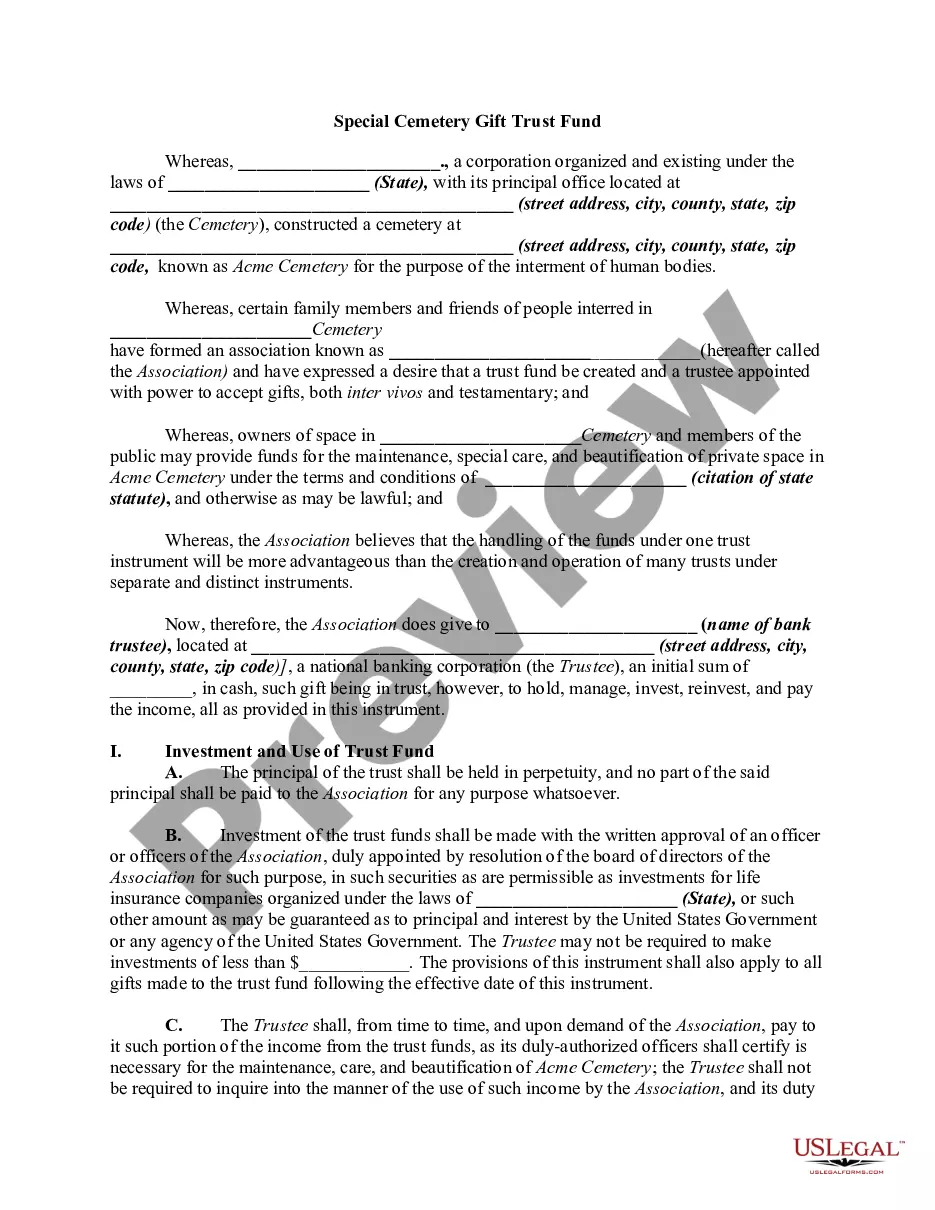
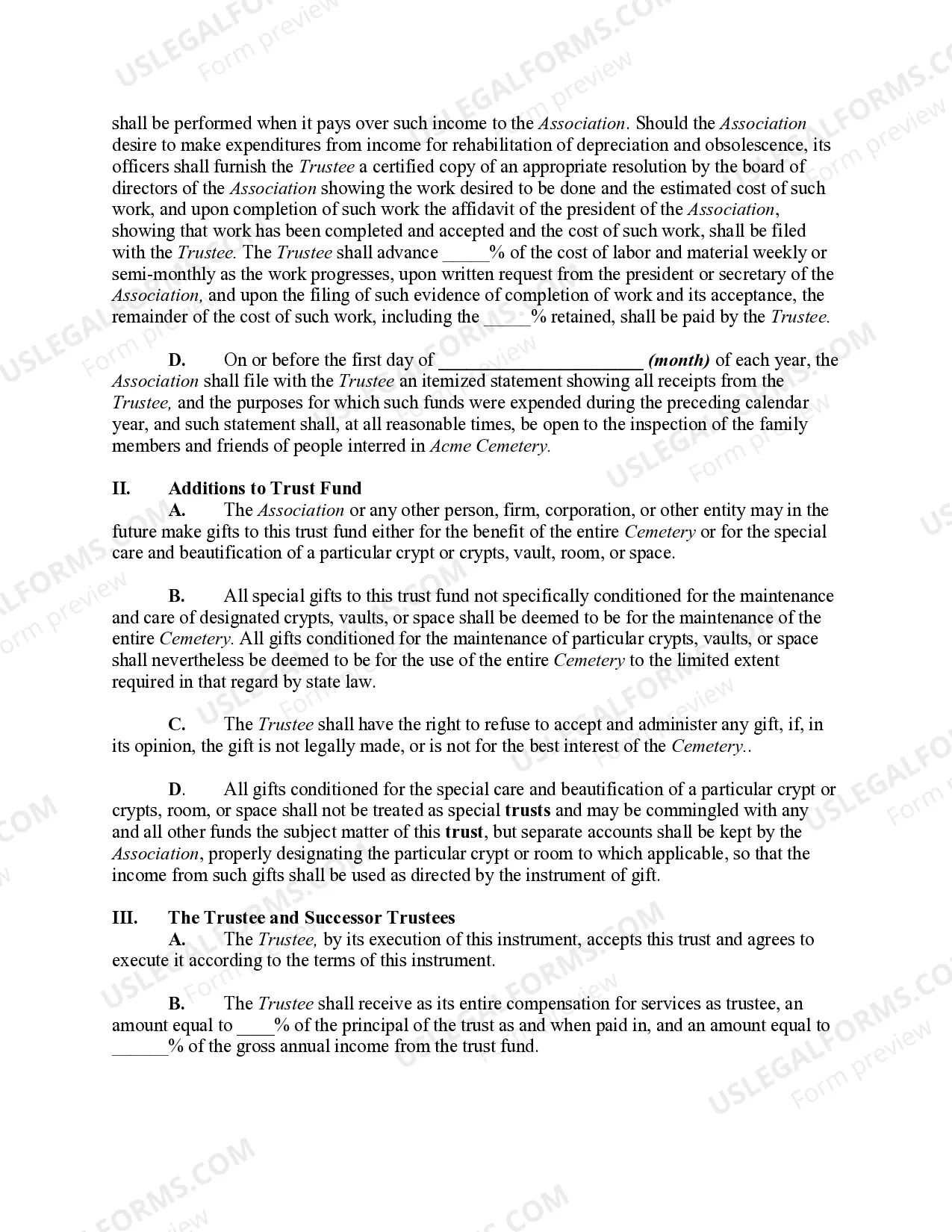
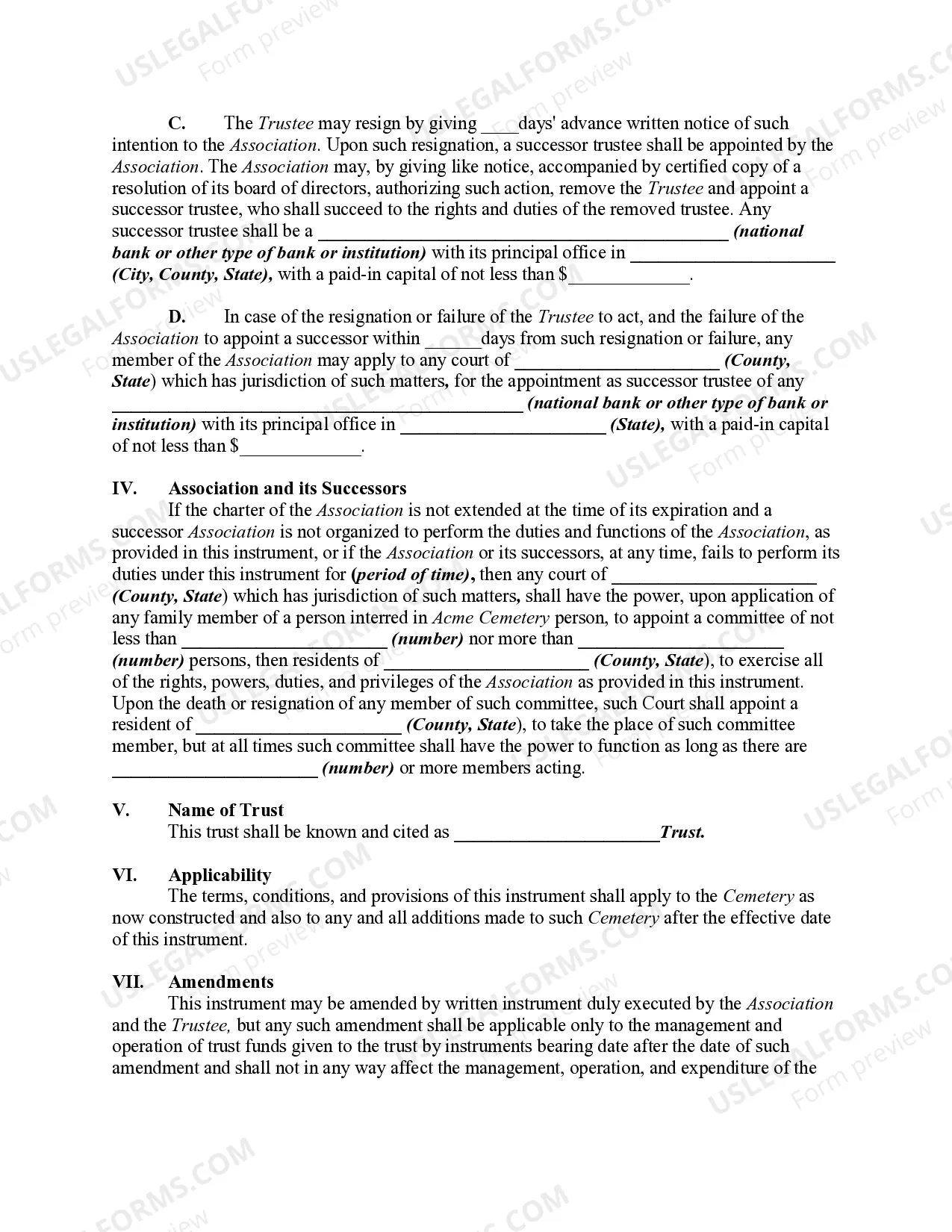
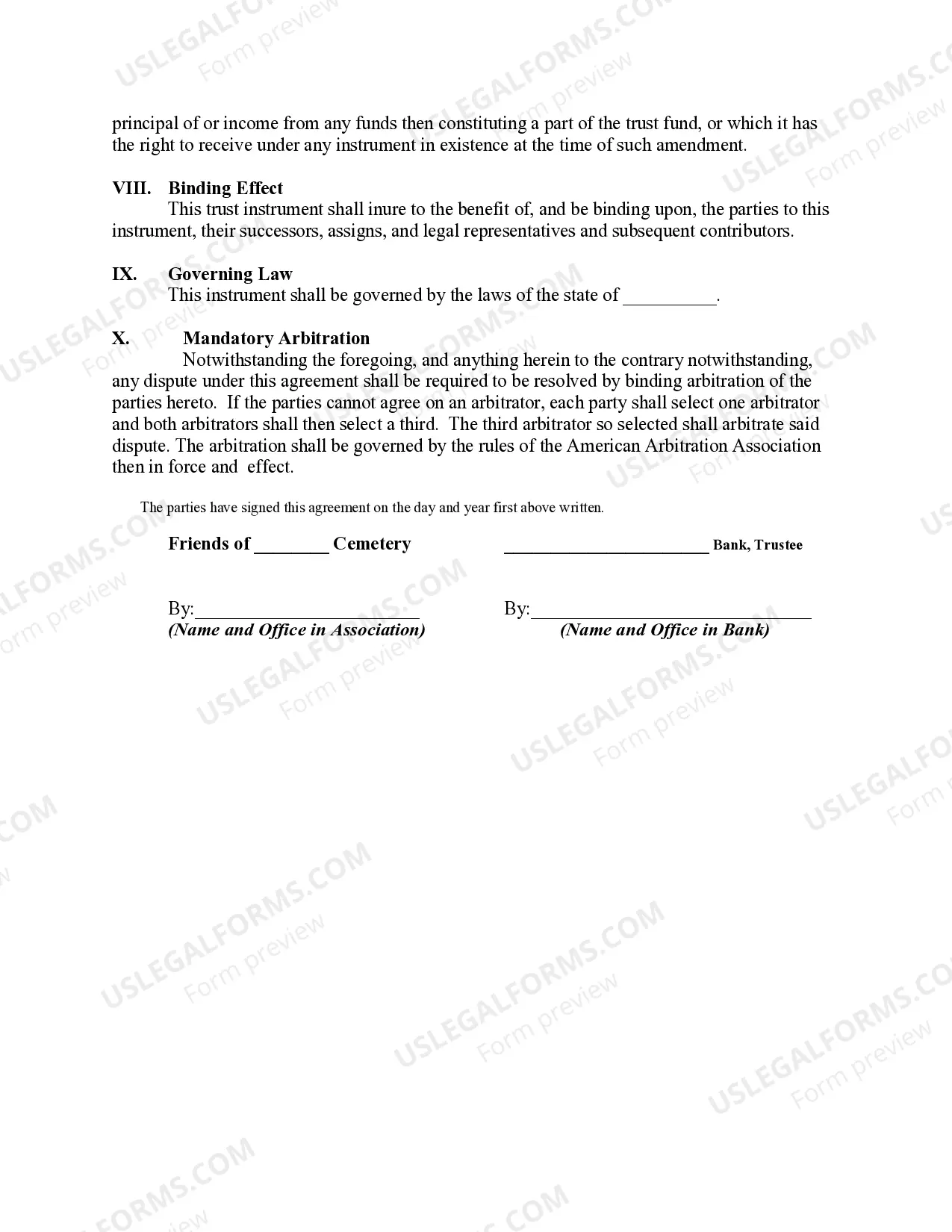
Special Cemetery Gift Trust Fund
Description

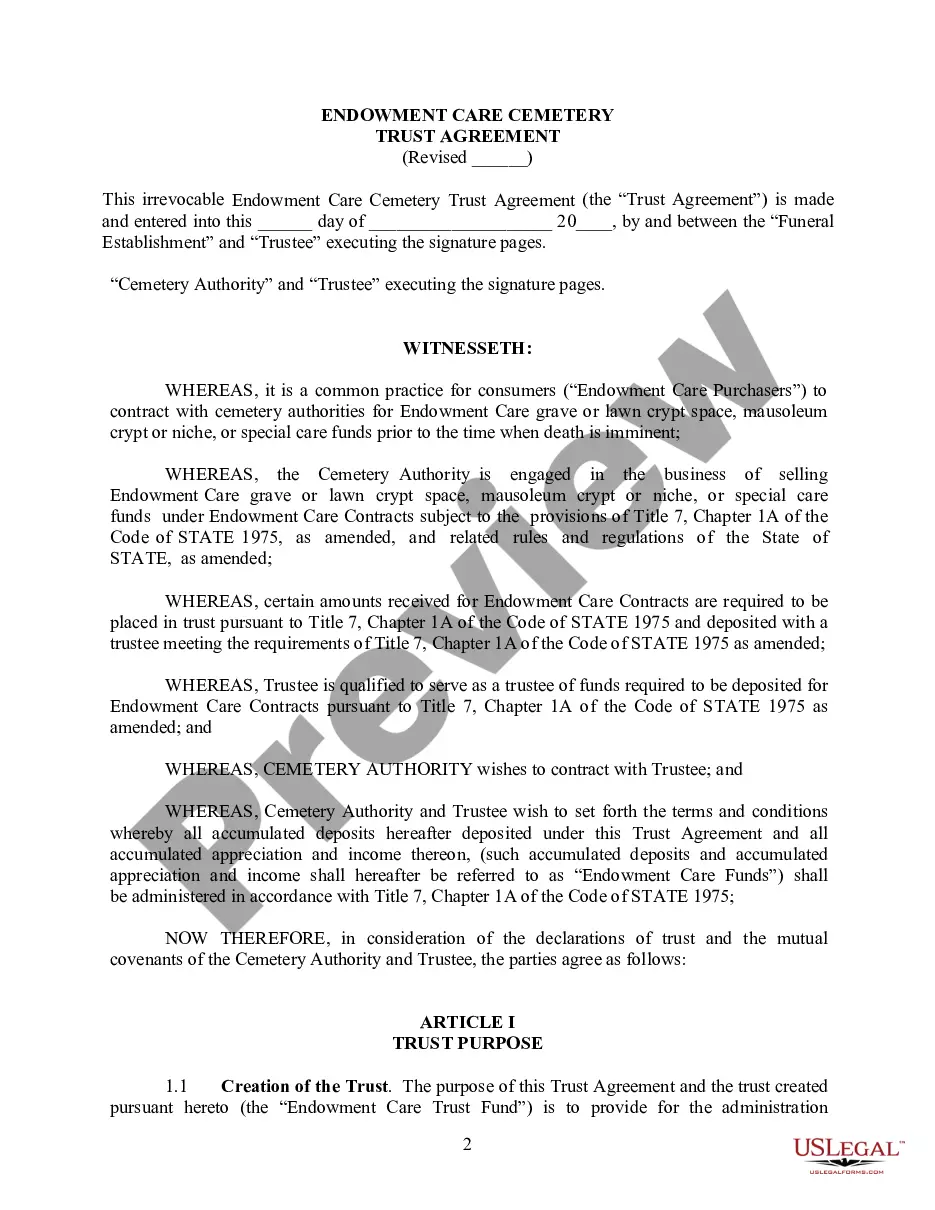
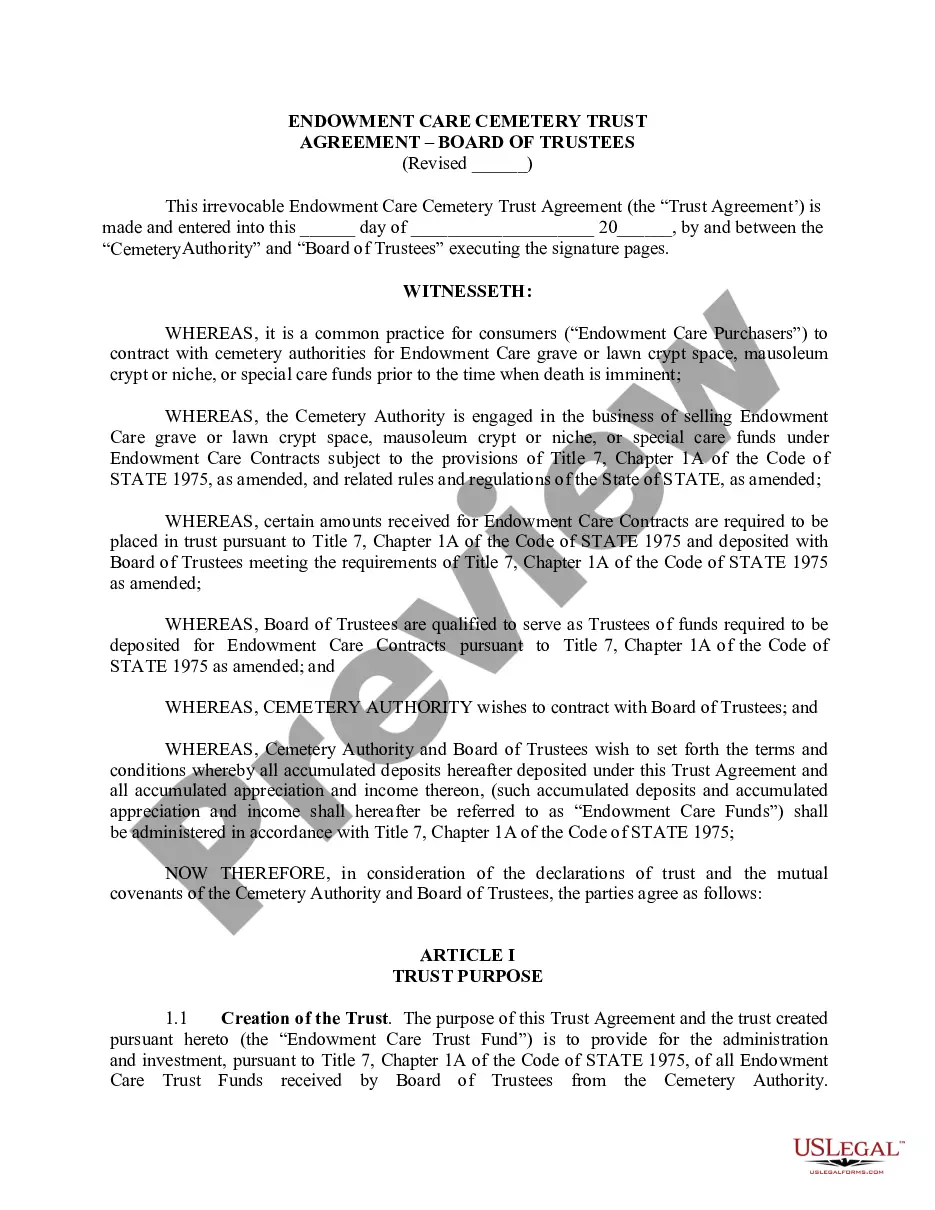
Get your form ready online
Our built-in tools help you complete, sign, share, and store your documents in one place.
Make edits, fill in missing information, and update formatting in US Legal Forms—just like you would in MS Word.
Download a copy, print it, send it by email, or mail it via USPS—whatever works best for your next step.
Sign and collect signatures with our SignNow integration. Send to multiple recipients, set reminders, and more. Go Premium to unlock E-Sign.
If this form requires notarization, complete it online through a secure video call—no need to meet a notary in person or wait for an appointment.
We protect your documents and personal data by following strict security and privacy standards.
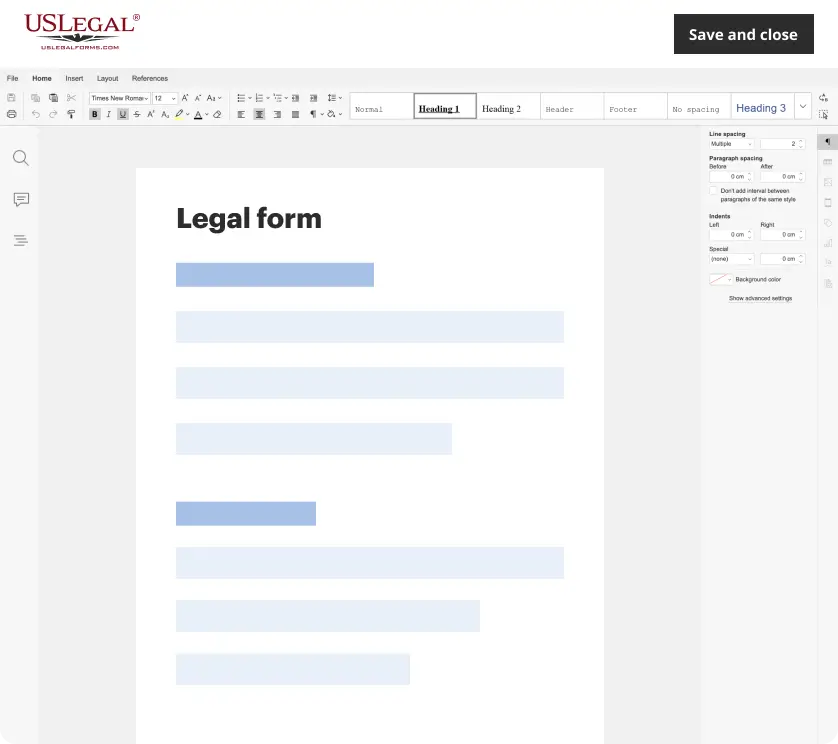
Make edits, fill in missing information, and update formatting in US Legal Forms—just like you would in MS Word.
Download a copy, print it, send it by email, or mail it via USPS—whatever works best for your next step.
Sign and collect signatures with our SignNow integration. Send to multiple recipients, set reminders, and more. Go Premium to unlock E-Sign.

If this form requires notarization, complete it online through a secure video call—no need to meet a notary in person or wait for an appointment.
We protect your documents and personal data by following strict security and privacy standards.
Looking for another form?


Key Concepts & Definitions
Special Cemetery Gift Trust Fund: A financial arrangement designed to manage and allocate funds specifically for cemetery-related expenses. This may include maintenance, burial costs, and other associated expenses. Cemetery Fund Form: A document used to outline the details and structure of a cemetery fund. Real Estate Trust: A type of trust involving real estate that is managed by a trustee for the benefit of the beneficiaries.
Step-by-Step Guide to Establishing a Special Cemetery Gift Trust Fund
- Identify the purpose: Determine what the trust fund will specifically cover, such as upkeep, headstone maintenance, or funeral expenses.
- Choose a trustee: Select a trusted individual or a legal entity that will be responsible for managing the trust fund.
- Create the cemetery fund form: Develop a comprehensive form that outlines the funds details, including contributions, terms, and conditions.
- Sign the documents: Utilize an online signature service to legally sign and secure the necessary documents.
- Create an account online: Establish a dedicated account for the trust fund through a secure online portal for easy management and transparency.
- Review the trust annually: Regularly assess the trusts performance and make adjustments as necessary to ensure it meets its intended purpose.
Risk Analysis
- Fund Mismanagement: Risk of misappropriation of funds if not properly monitored and managed.
- Legal Compliance: Must ensure all documentation and actions comply with state laws such as those in North Carolina for cemetery trusts.
- Data Security Risks: Using online platforms for managing the trust requires robust mobile security solutions to protect sensitive information.
Common Mistakes & How to Avoid Them
- Not clearly defining the purpose of the fund leading to misuse of resources. Ensure clear guidelines are set in the cemetery fund form.
- Failing to update legal and free burial documents regularly which could lead to compliance issues. Schedule annual reviews to mitigate this risk.
- Neglecting mobile security solutions while managing the fund online, risking data breaches. Invest in reliable security software and services.
Best Practices
- Collaborate with a local cultural association to gain insights into culturally appropriate practices and community needs.
- Regularly consult with legal advisors to maintain compliance with current state laws and regulations related to cemetery trusts and real estate trusts.
- Engage with professional services to handle complex aspects of the trust such as the online signature service and account management platforms.
Terminology Glossary
- Special Cemetery Gift Trust Fund: A trust fund reserved specifically for covering cemetery-related expenses.
- Free Burial Documents: Documents state or local governments provide to low-income individuals covering burial or funeral costs.
- Online Signature Service: An online platform that allows documents to be legally signed electronically.
How to fill out Special Cemetery Gift Trust Fund?
Aren't you sick and tired of choosing from countless templates each time you want to create a Special Cemetery Gift Trust Fund? US Legal Forms eliminates the wasted time numerous American people spend surfing around the internet for suitable tax and legal forms. Our expert team of attorneys is constantly updating the state-specific Forms catalogue, to ensure that it always offers the proper files for your situation.
If you’re a US Legal Forms subscriber, simply log in to your account and click on the Download button. After that, the form are available in the My Forms tab.
Users who don't have an active subscription need to complete simple steps before being able to get access to their Special Cemetery Gift Trust Fund:
- Make use of the Preview function and look at the form description (if available) to make sure that it is the appropriate document for what you’re trying to find.
- Pay attention to the validity of the sample, meaning make sure it's the appropriate example for your state and situation.
- Make use of the Search field on top of the site if you want to look for another document.
- Click Buy Now and choose a convenient pricing plan.
- Create an account and pay for the services using a credit card or a PayPal.
- Get your sample in a required format to complete, create a hard copy, and sign the document.
After you’ve followed the step-by-step recommendations above, you'll always be capable of sign in and download whatever file you require for whatever state you require it in. With US Legal Forms, finishing Special Cemetery Gift Trust Fund templates or any other official paperwork is not hard. Get going now, and don't forget to look at your samples with certified lawyers!
Form popularity
FAQ
A trust fund is a legal entity that holds property or assets on behalf of another person, group or organization. It is an estate planning tool that keeps your assets in a trust managed by a neutral third party, or trustee. A trust fund can include money, property, stock, a business or a combination of these.
A Giftrust is an irrevocable trust that was set up (by a grantor) to be a one-time gift to another person (the beneficiary). The trust has a maturity date, which is when control of the money will transfer to the beneficiary.
The Donor is the person who creates the trust and makes gifts to the trust. The Trustee is the person who agrees to run the trust for the benefit of the trust's beneficiaries and is named in the trust document. This type of trust is an irrevocable trust.
Beneficiaries of a trust typically pay taxes on the distributions they receive from the trust's income, rather than the trust itself paying the tax. However, such beneficiaries are not subject to taxes on distributions from the trust's principal.
The IRS does not levy gift taxes on trusts, nor does it consider payments from the trust to a beneficiary as a gift (it may be taxable income to the beneficiary, however).The IRS does not consider a "future interest" to be subject to gift tax.
The IRS does not levy gift taxes on trusts, nor does it consider payments from the trust to a beneficiary as a gift (it may be taxable income to the beneficiary, however).The IRS does not consider a "future interest" to be subject to gift tax.
Each year, a person can make transfers of $14,000 to the trust without any gift tax consequences.
A gift in trust is a special legal and fiduciary arrangement that allows for an indirect bequest of assets to a beneficiary. The purpose of a gift in trust is to avoid the tax on gifts that exceed the annual gift tax exclusion limit. This type of trust is commonly used to transfer wealth to the next generation.