Burglary by Breaking and Entering
Overview of this form
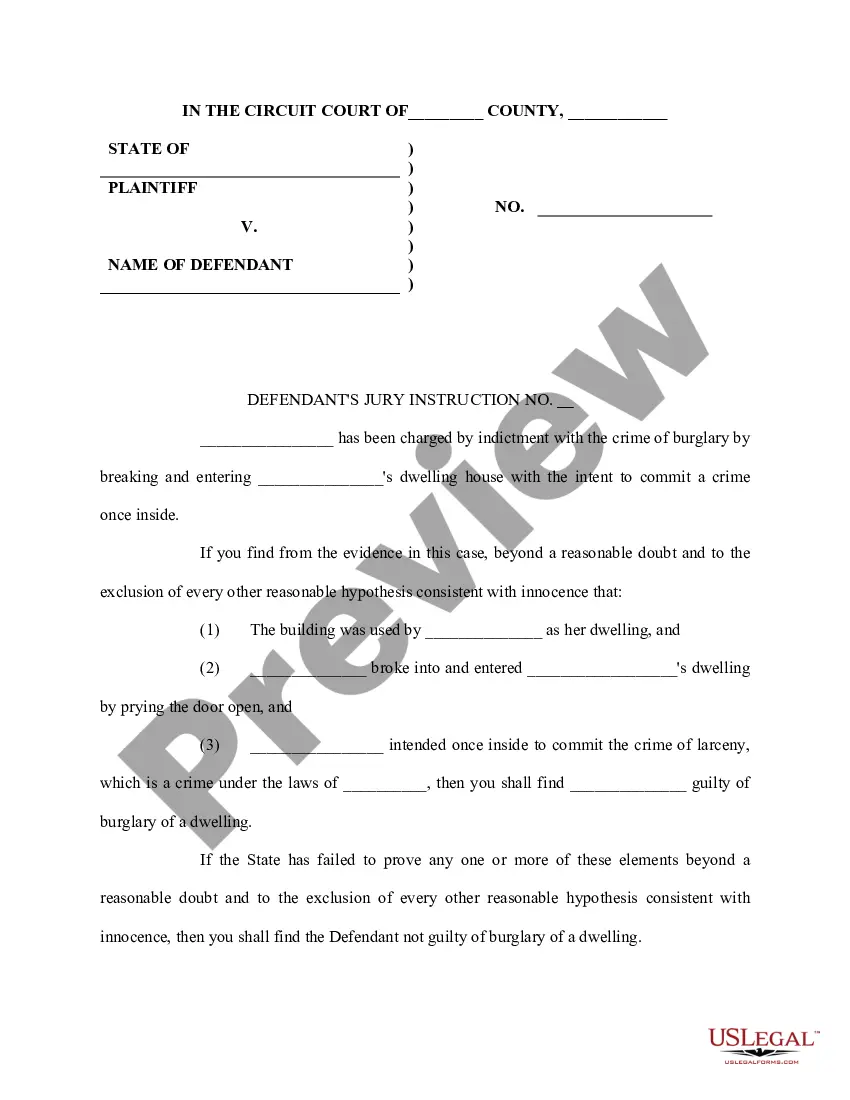
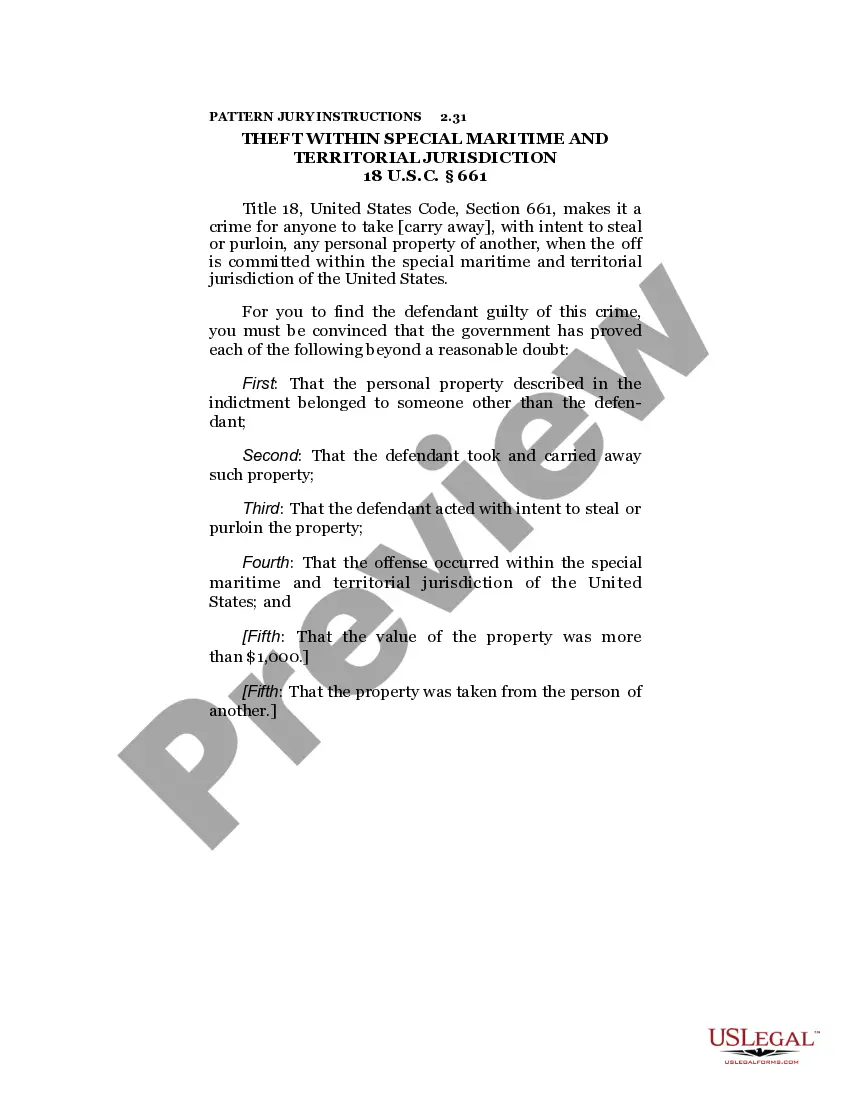
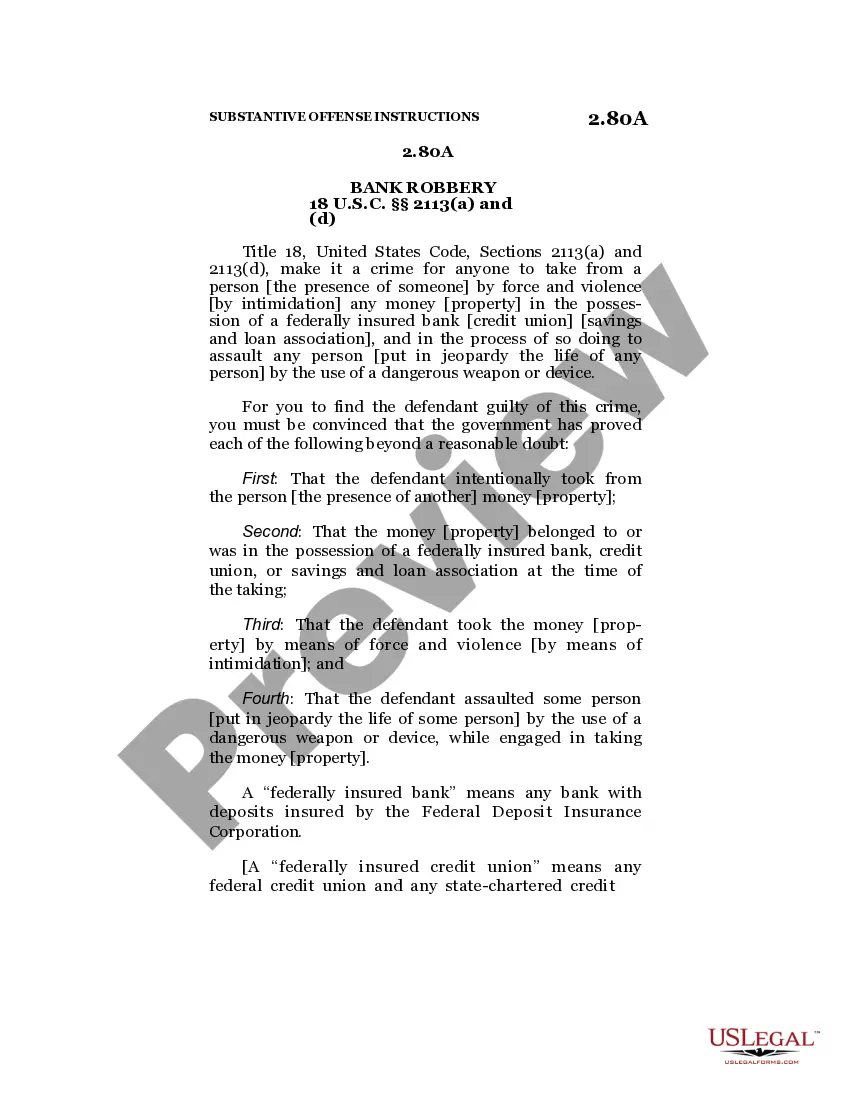
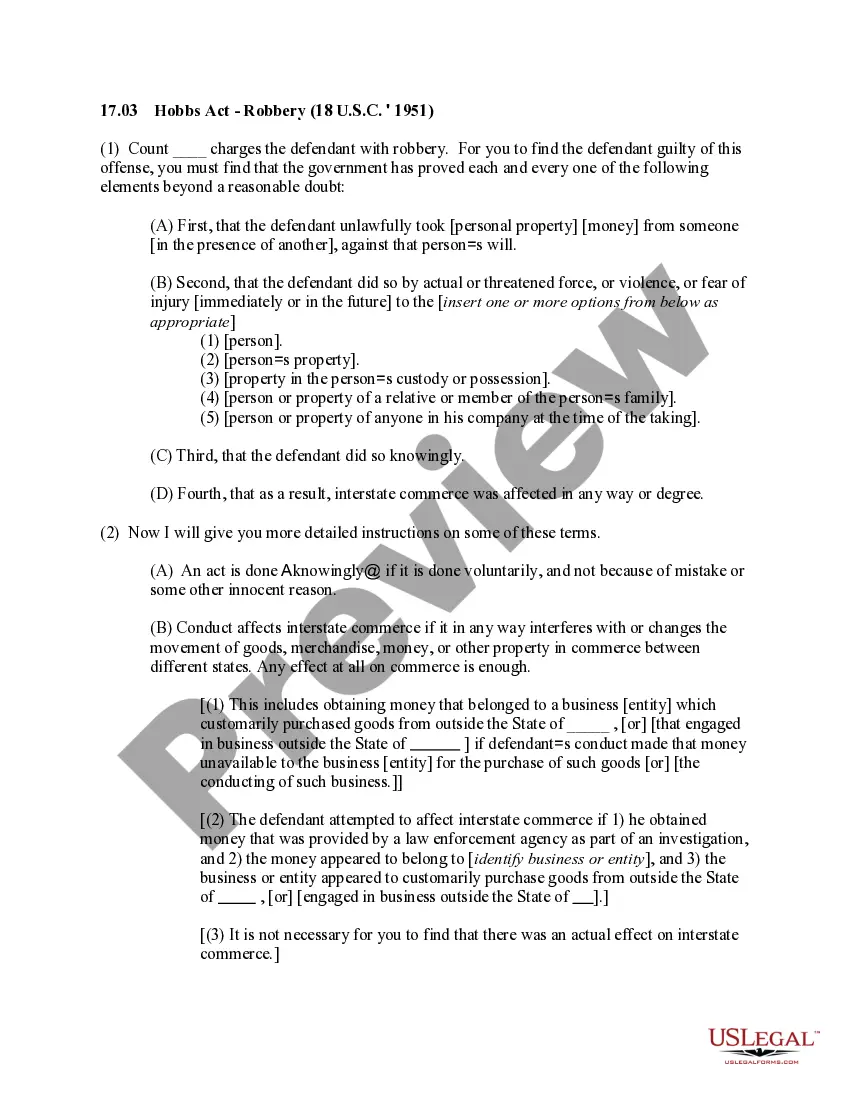
The Burglary by Breaking and Entering form serves as a sample jury instruction, outlining the terms and conditions related to a defendant's indictment for burglary. This document is crucial in legal proceedings, as it clearly lays out the elements constituting the crime of burglary, distinguishing it from other related offenses. It is intended for use in court to guide jurors in understanding the case's specifics and making informed decisions.
Main sections of this form
- Identification of the defendant and the charges against them.
- Description of the property involved, specifically the dwelling that was entered.
- Clarification of the intent to commit a crime, such as larceny, upon entry.
- Criteria for jurors to determine guilt based on evidence presented.
- Instructions on reasonable doubt and the assumption of innocence until proven guilty.
When this form is needed
This form should be used in legal cases where a defendant is charged with burglary by breaking and entering. It is relevant during jury trials, assisting jurors in understanding the specific charges and legal definitions. This instruction helps ensure fair deliberation based on the evidence presented in court.
Intended users of this form
- Legal professionals such as attorneys and judges involved in criminal cases.
- Jurors during trials concerning burglary charges.
- Defendants facing charges of burglary to understand the jury instructions applied to their case.
- Law students studying criminal law and jury procedures.
Instructions for completing this form
- Clearly identify the defendant's name and relevant details.
- Specify the dwelling involved in the alleged breaking and entering.
- State the intent behind the entry, including any specific crime intended.
- Ensure all elements of the burglary charge are correctly outlined.
- Review the completed form for clarity and legal precision before submission.
Does this form need to be notarized?
In most cases, this form does not require notarization. However, some jurisdictions or signing circumstances might. US Legal Forms offers online notarization powered by Notarize, accessible 24/7 for a quick, remote process.
Get your form ready online
Our built-in tools help you complete, sign, share, and store your documents in one place.
Make edits, fill in missing information, and update formatting in US Legal Forms—just like you would in MS Word.
Download a copy, print it, send it by email, or mail it via USPS—whatever works best for your next step.
Sign and collect signatures with our SignNow integration. Send to multiple recipients, set reminders, and more. Go Premium to unlock E-Sign.
If this form requires notarization, complete it online through a secure video call—no need to meet a notary in person or wait for an appointment.
We protect your documents and personal data by following strict security and privacy standards.

Make edits, fill in missing information, and update formatting in US Legal Forms—just like you would in MS Word.

Download a copy, print it, send it by email, or mail it via USPS—whatever works best for your next step.

Sign and collect signatures with our SignNow integration. Send to multiple recipients, set reminders, and more. Go Premium to unlock E-Sign.

If this form requires notarization, complete it online through a secure video call—no need to meet a notary in person or wait for an appointment.

We protect your documents and personal data by following strict security and privacy standards.
Avoid these common issues
- Failing to clearly define the dwelling involved.
- Omitting specific details regarding the defendant's intent.
- Not adhering to the legal standards required for proving guilt beyond a reasonable doubt.
- Neglecting to ensure that all elements of the crime are fully addressed.
Advantages of online completion
- Immediate access to professionally drafted legal language tailored to burglary charges.
- Convenience of downloading and editing the form according to specific case needs.
- Reliability, with content vetted by licensed attorneys to ensure compliance with legal standards.
Quick recap
- The Burglary by Breaking and Entering form provides crucial guidance for jurors in criminal trials.
- Proper completion of this form ensures that all essential elements of the crime are addressed.
- Legal professionals should stay aware of state-specific laws to enhance the form's effectiveness.
Looking for another form?
Form popularity
FAQ
Breaking and Entering with Intent to Commit a Misdemeanor is punishable by up to 6 months in jail and a $200 fine. Breaking and Entering in the Daytime with Intent to Commit a Felony is punishable by up to 10 years in state prison.
What is the Difference Between Trespassing and Breaking and Entering? Trespassing is entering upon another's property after having been forbidden to do so, either directly or by notice. Breaking and entering does not require that you have been expressly forbidden from being present.
What is the Difference Between Trespassing and Breaking and Entering? Trespassing is entering upon another's property after having been forbidden to do so, either directly or by notice. Breaking and entering does not require that you have been expressly forbidden from being present.
Penalty for Breaking and Entering in California In order to be convicted of burglary in California, the prosecution must prove that the defendant: Entered a building or premise either partially or completely; AND. Did so with the intent to commit theft or a felony.
Under California law, there is no crime specifically of breaking and entering. However, a person can be charged with burglary or trespass for unlawfully entering someone else's home, commercial building, or property.going into another person's unused garage without their consent.
In addition, burglary requires entering the building with the intent to commit a felony or theft crime. Breaking and entering does not always require the intent to do something illegal when entering a building.Burglary does require the intent of an additional criminal act and does not require breaking in.
If you are convicted of felony breaking and entering in the first degree, you face a sentence of two to four or six years in state prison, a maximum fine of $10,000, or both prison and fine.
Breaking and entering is the entering of a building through force without authorization. The slightest force including pushing open a door is all that is necessary.The common law defined burglary as the breaking and entering of the dwelling house of another in the nighttime with the intent to commit a felony.
(1) A person entering; (2) A building, occupied structure, or separately secured portion thereof of another; and. (3) With the purpose to commit a crime therein.