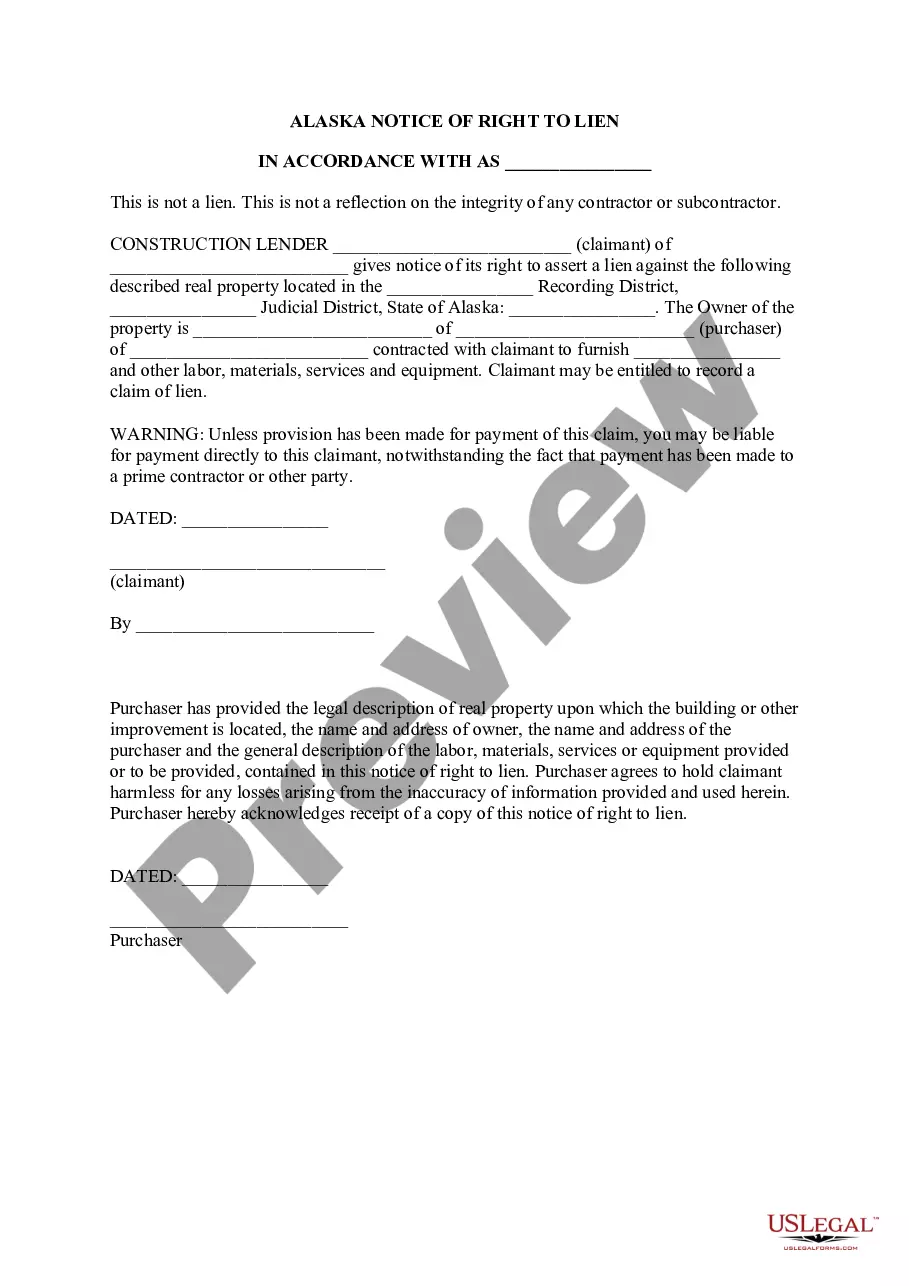
Contract with Self-Employed Independent Contractor with Confidentiality Agreement
Understanding this form
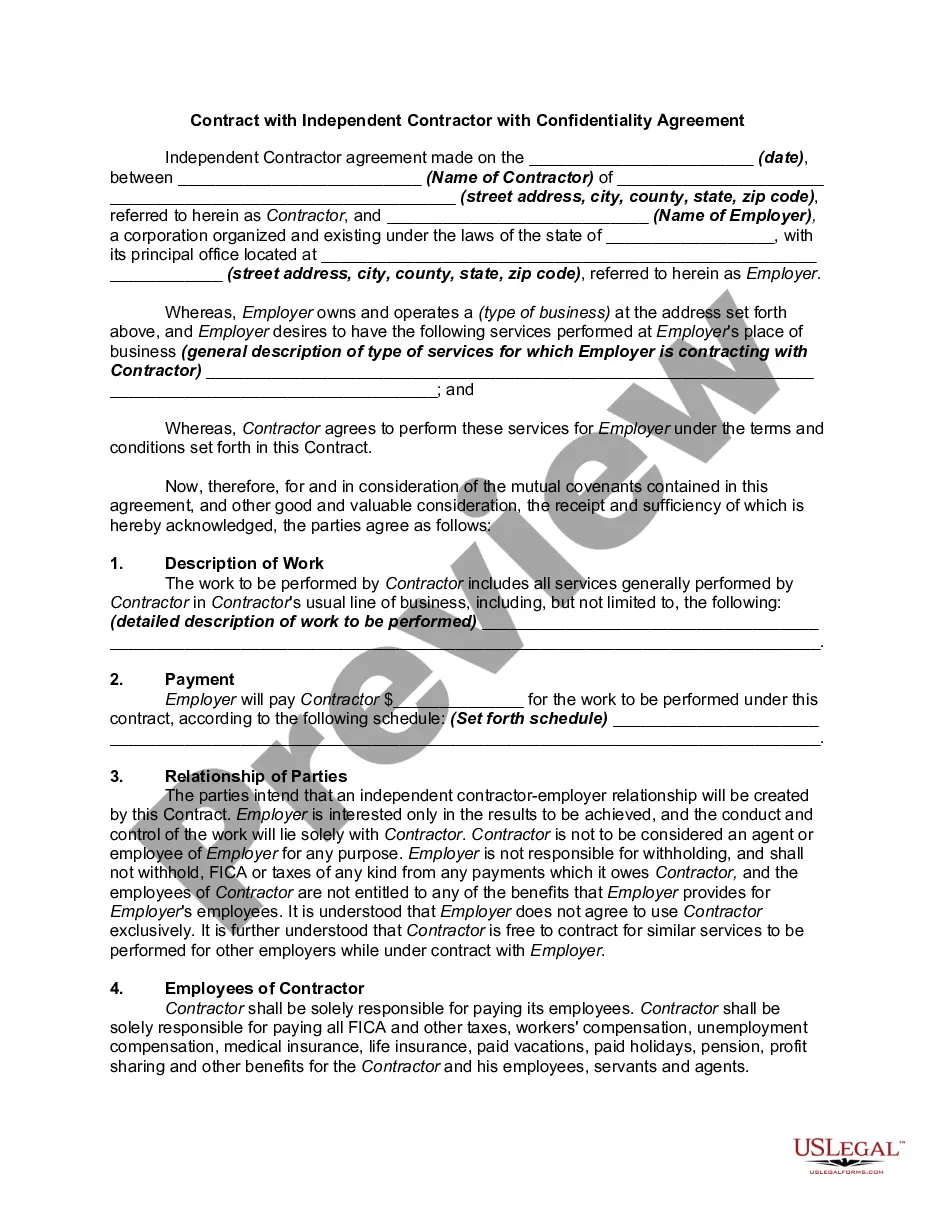
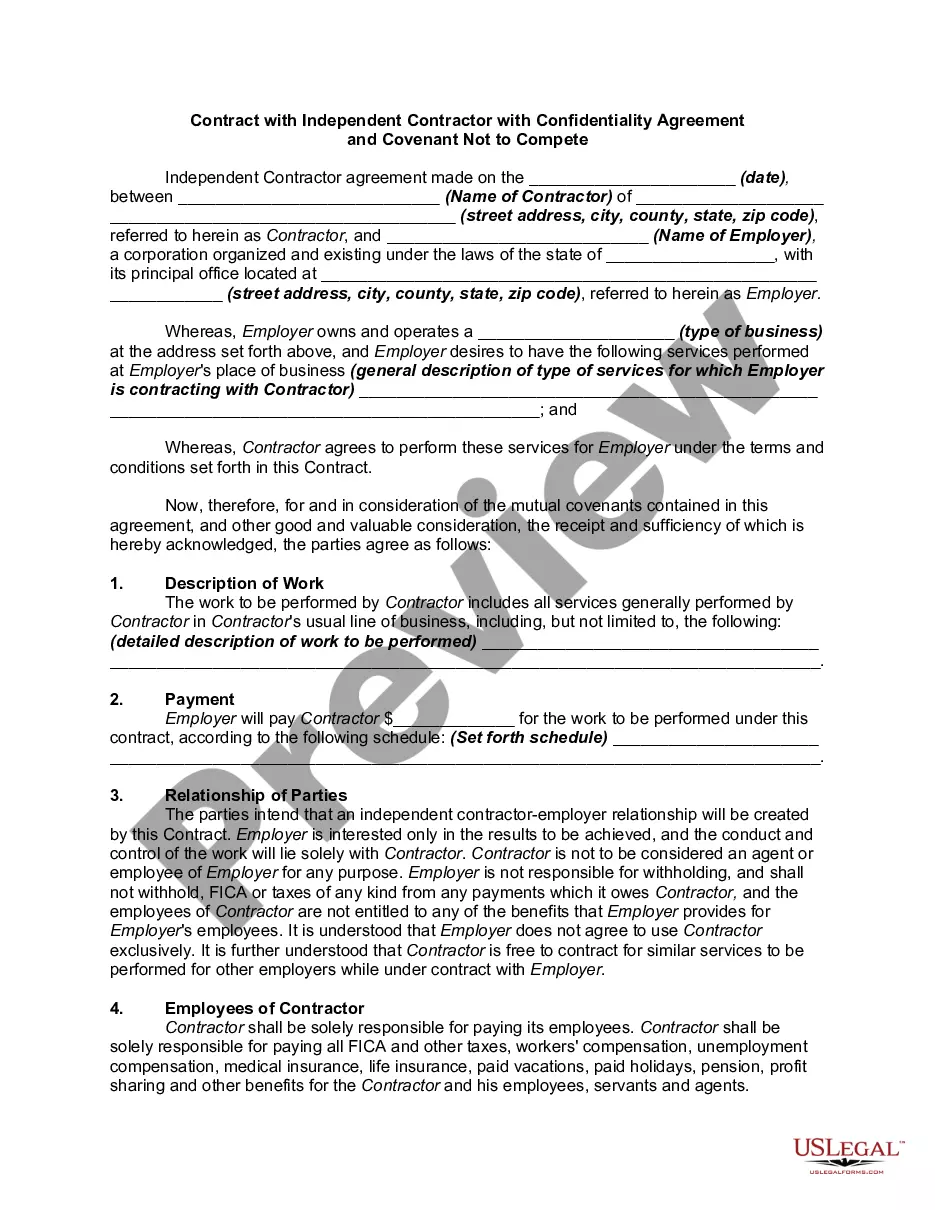
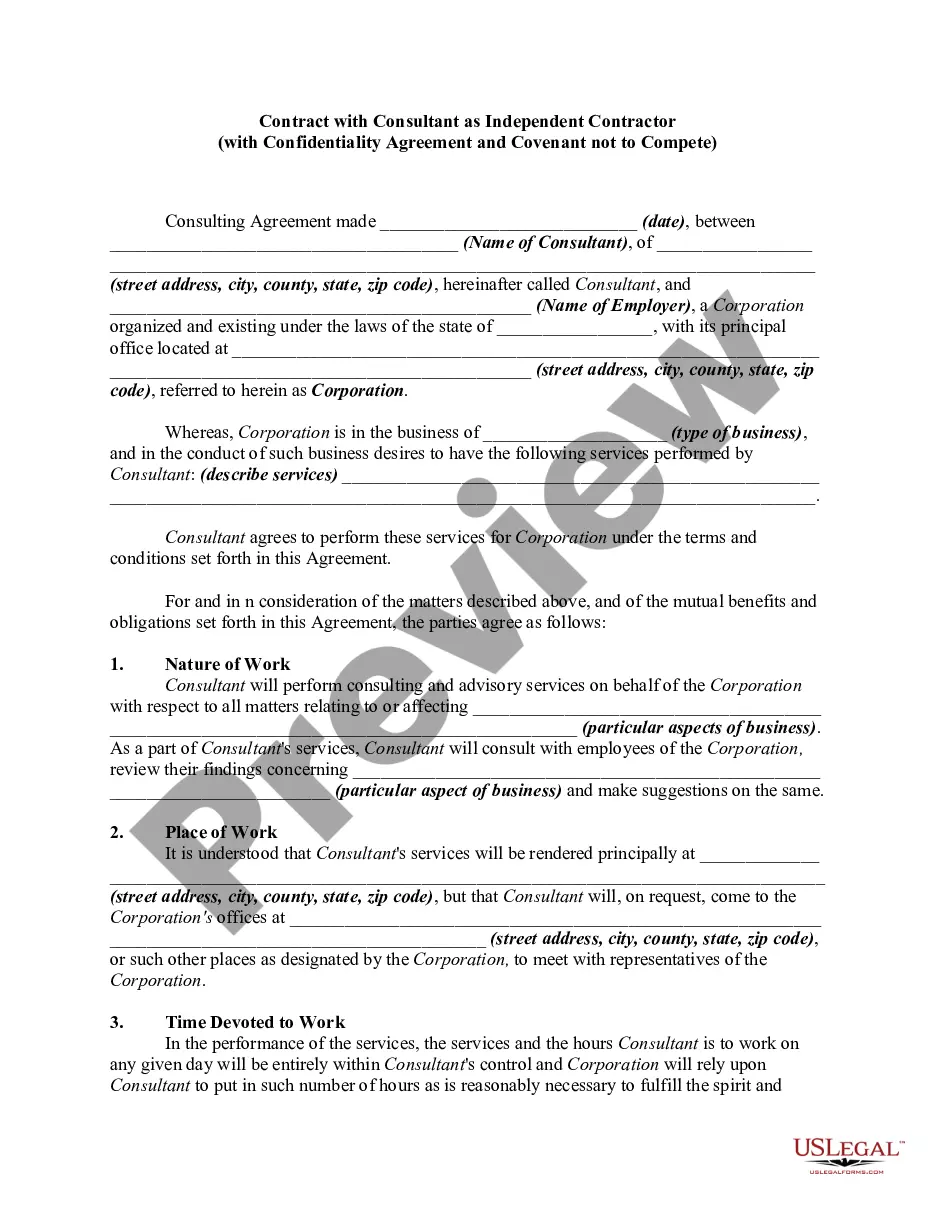
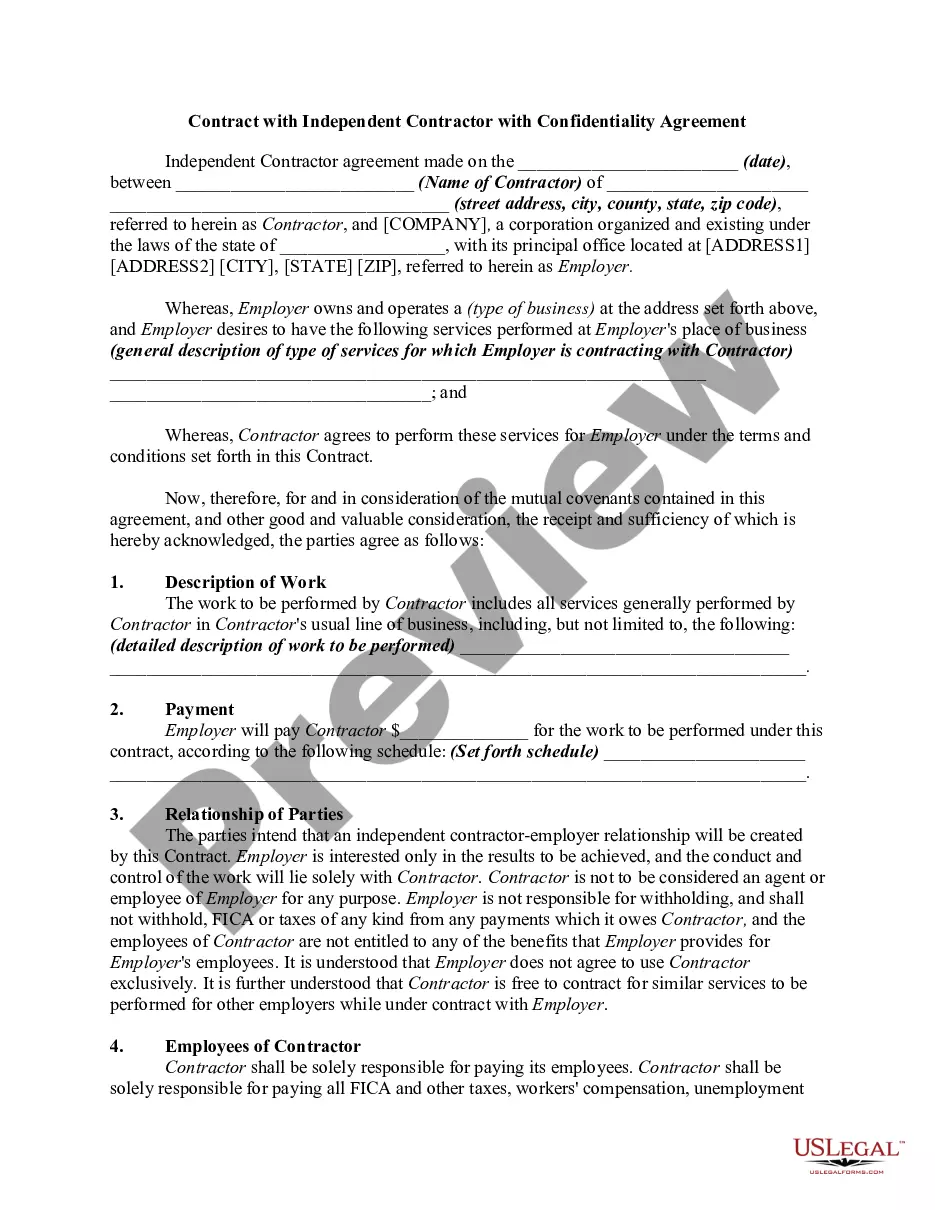
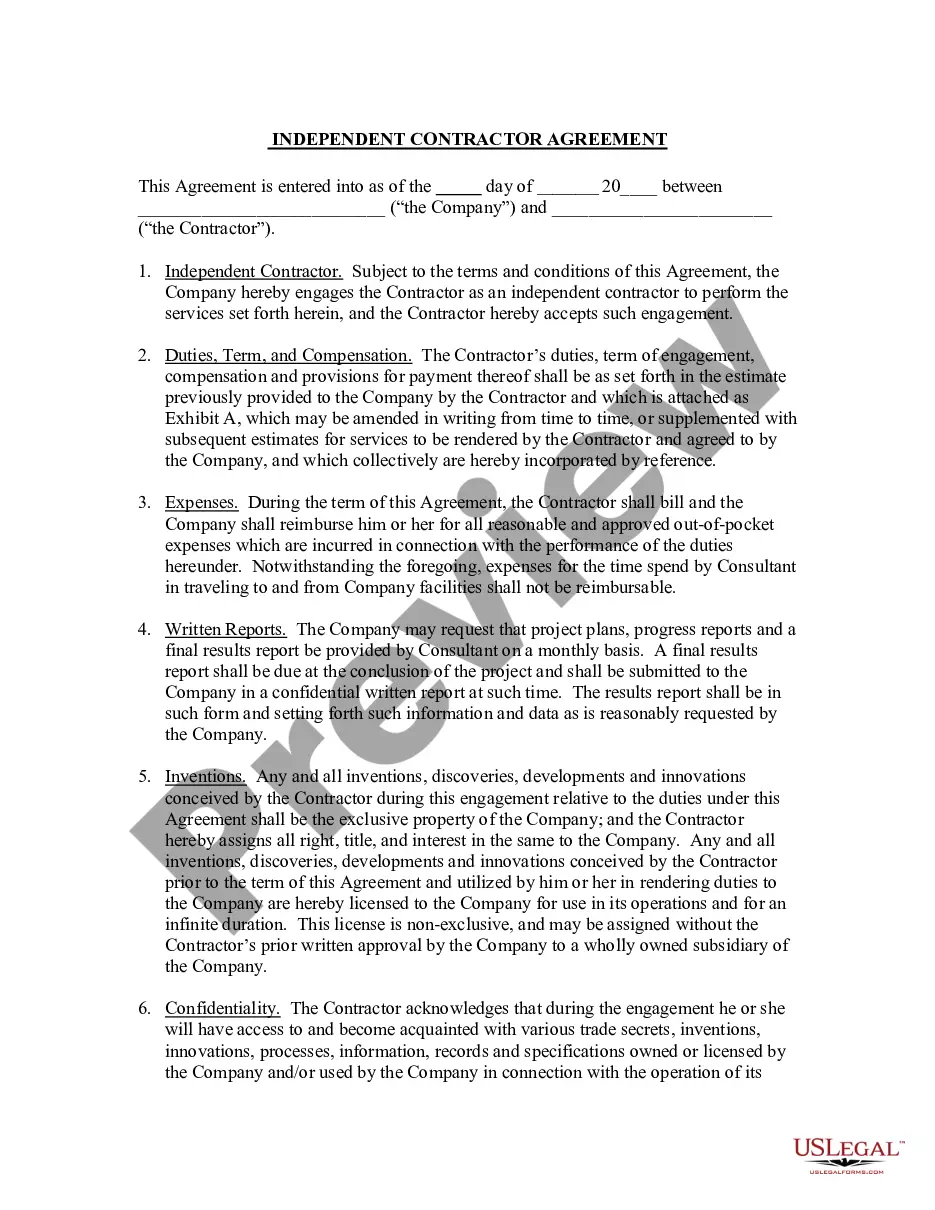
This form is a Contract with Self-Employed Independent Contractor featuring a Confidentiality Agreement. It serves as a legal document outlining the relationship between an employer and an independent contractor, ensuring clarity on the roles, responsibilities, and confidentiality expectations of both parties. This form specifically includes a confidentiality clause to protect sensitive information exchanged during the contract, differentiating it from standard independent contractor agreements that may not have such provisions.
Form components explained
- Description of Work: Details the specific services to be performed by the contractor.
- Payment Terms: Outlines the payment amount and schedule for the contractor's services.
- Relationship of Parties: Clarifies that the contractor operates independently, without employer control over work methods.
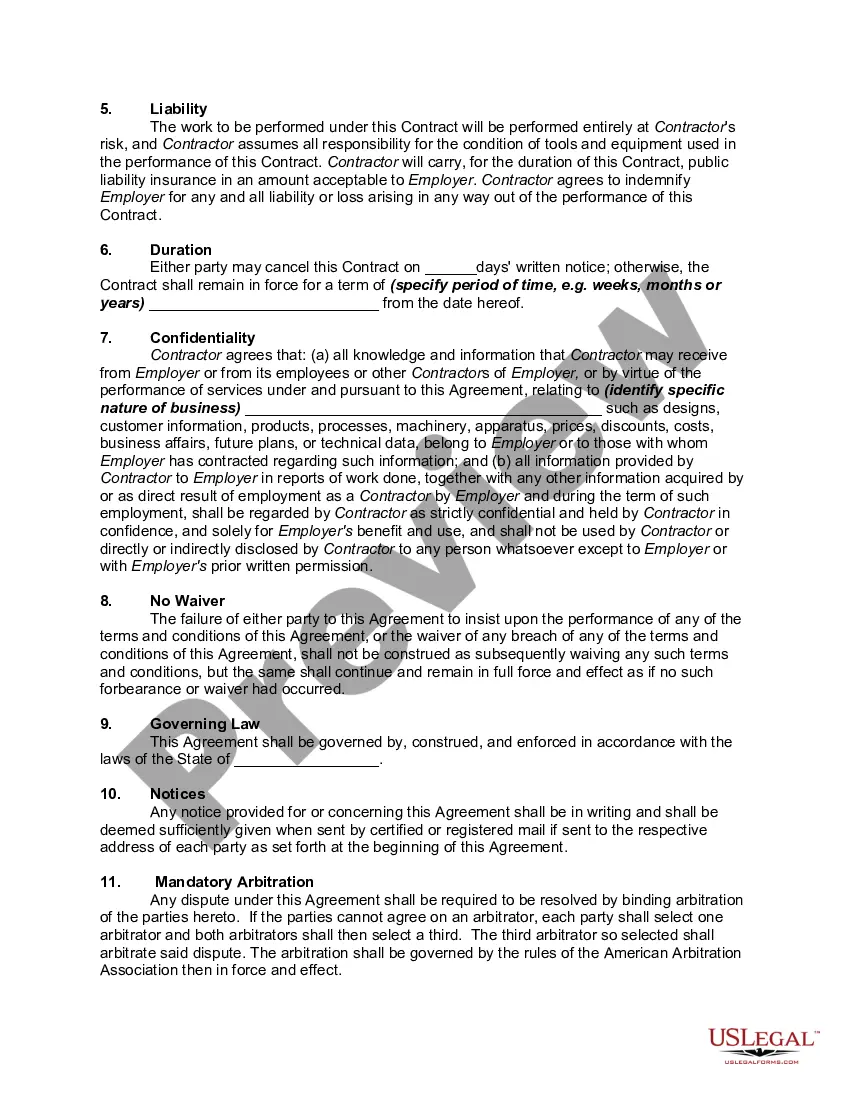
- Confidentiality: Establishes that all information shared between the parties is confidential.
- Liability: States the liability assumptions and insurance requirements for the contractor.
- Duration: Specifies the term of the contract and termination notice requirements.
When to use this form
This form should be used when hiring an independent contractor for specific services while ensuring the confidentiality of sensitive information. It is ideal for businesses that require specialized skills from contractors and want to maintain control over proprietary information or trade secrets. This form is important when defining the nature of the relationship to avoid misclassification as an employee, which has implications for taxes and liability.
Who can use this document
- Employers seeking to hire independent contractors for specific projects or ongoing work.
- Businesses that need to protect proprietary information through a confidentiality agreement.
- Independent contractors who want to clearly outline their relationship with clients.
- Organizations looking to define terms to prevent legal disputes regarding contractor status and confidentiality.
Steps to complete this form
- Identify the parties: Enter the names and addresses of the contractor and the employer.
- Describe the work: Provide a detailed description of the services to be performed by the contractor.
- Outline payment terms: Specify the payment amount and the schedule for payment.
- Include confidentiality details: Clearly define what constitutes confidential information under this agreement.
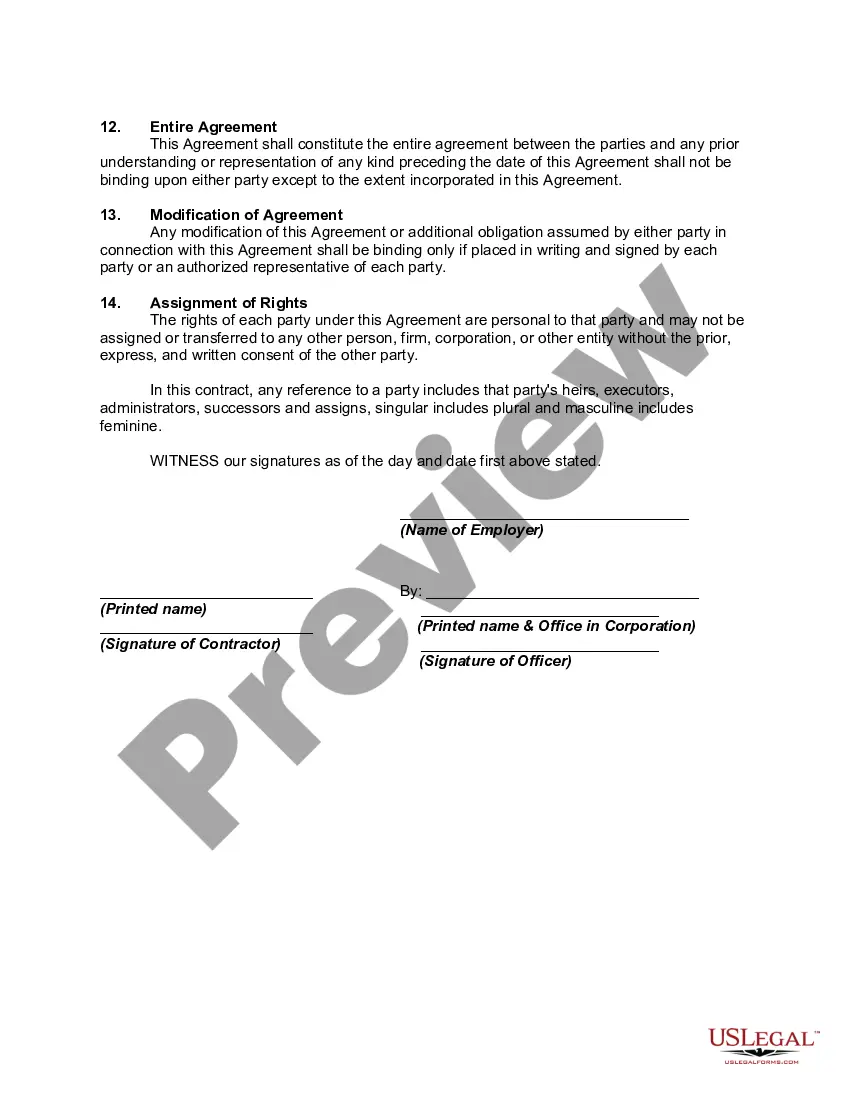
- Sign and date the contract: Ensure both parties sign the contract for validity.
Does this document require notarization?
Notarization is generally not required for this form. However, certain states or situations might demand it. You can complete notarization online through US Legal Forms, powered by Notarize, using a verified video call available anytime.
Typical mistakes to avoid
- Failing to clearly describe the services to be performed, leading to misunderstandings.
- Not specifying payment terms, which can create disputes later on.
- Overlooking confidentiality clauses or not providing a sufficient definition of what is considered confidential.
- Neglecting to obtain signatures from both parties, making the contract unenforceable.
Why complete this form online
- Convenience: Easily download and complete the form at your convenience.
- Editable: Customize the form to fit your specific needs without legal jargon.
- Reliability: Templates are crafted by licensed attorneys, ensuring legal compliance.


Form popularity
FAQ
For most types of projects you hire an independent contractor (IC) to do, the law does not require you to put anything in writing. You can meet with the IC, agree on the terms of your arrangement, and have an oral contract or agreement that is legally binding. Just because you can doesn't mean you should, however.
1. Not Having a Written Contract.The taxing, labor and employment, and insurance authorities expect a written contract that states that the worker is an independent contractor and will be paid as such with no tax withholding, no benefits, etc.
Protect your social security number. Have a clearly defined scope of work and contract in place with clients. Get general/professional liability insurance. Consider incorporating or creating a limited liability company (LLC).
While an employer has the right to demand its employees sign a NDA when those employees have access to valuable company data (e.g. product formulas, private customer lists, financial reports, etc.), the employer should not ask an employee to sign a confidentiality agreement if the purpose is to protect information that
Form W-9. The IRS requires contractors to fill out a Form W-9, request for Taxpayer Identification Number and Certification, which you should keep on file for at least four years after the hiring. This form is used to request the correct name and Taxpayer Identification Number, or TIN, of the worker or their entity.
Do employers need to complete employment verification checks for independent contractors? No.However, it is important to note that businesses and individuals may not hire independent contractors if they are aware that the independent contractor is not authorized to work in the United States.
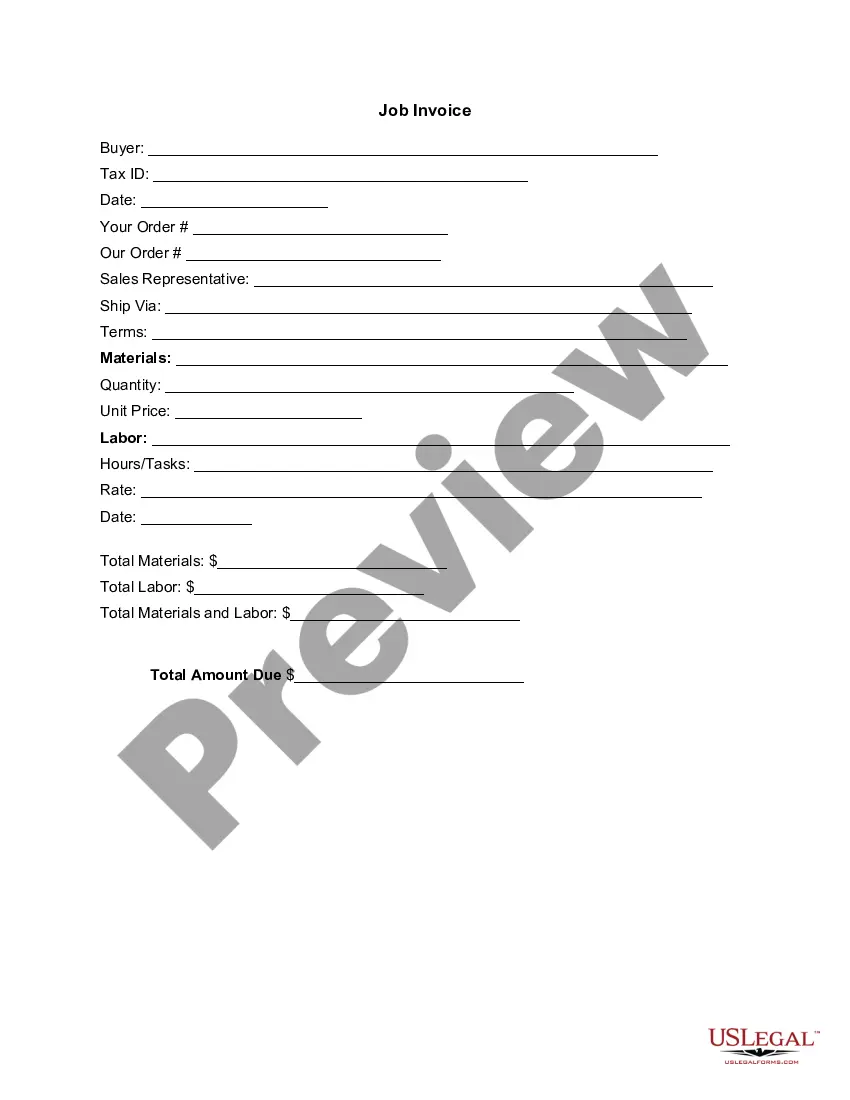
The contract should state who pays which expenses. The contractor is usually responsible for all expenses including mileage, vehicle maintenance, and other business travel costs; work supplies and tools; licenses, fees, and permits; phone and internet expenses; and payments to employees or subcontractors.
Length of Contract. Each client contractor agreement should outline the length of the working relationship. Project Description. Payment Terms. Nondisclosure Terms. Rights and Responsibilities. Termination Clause. Disclaimers.
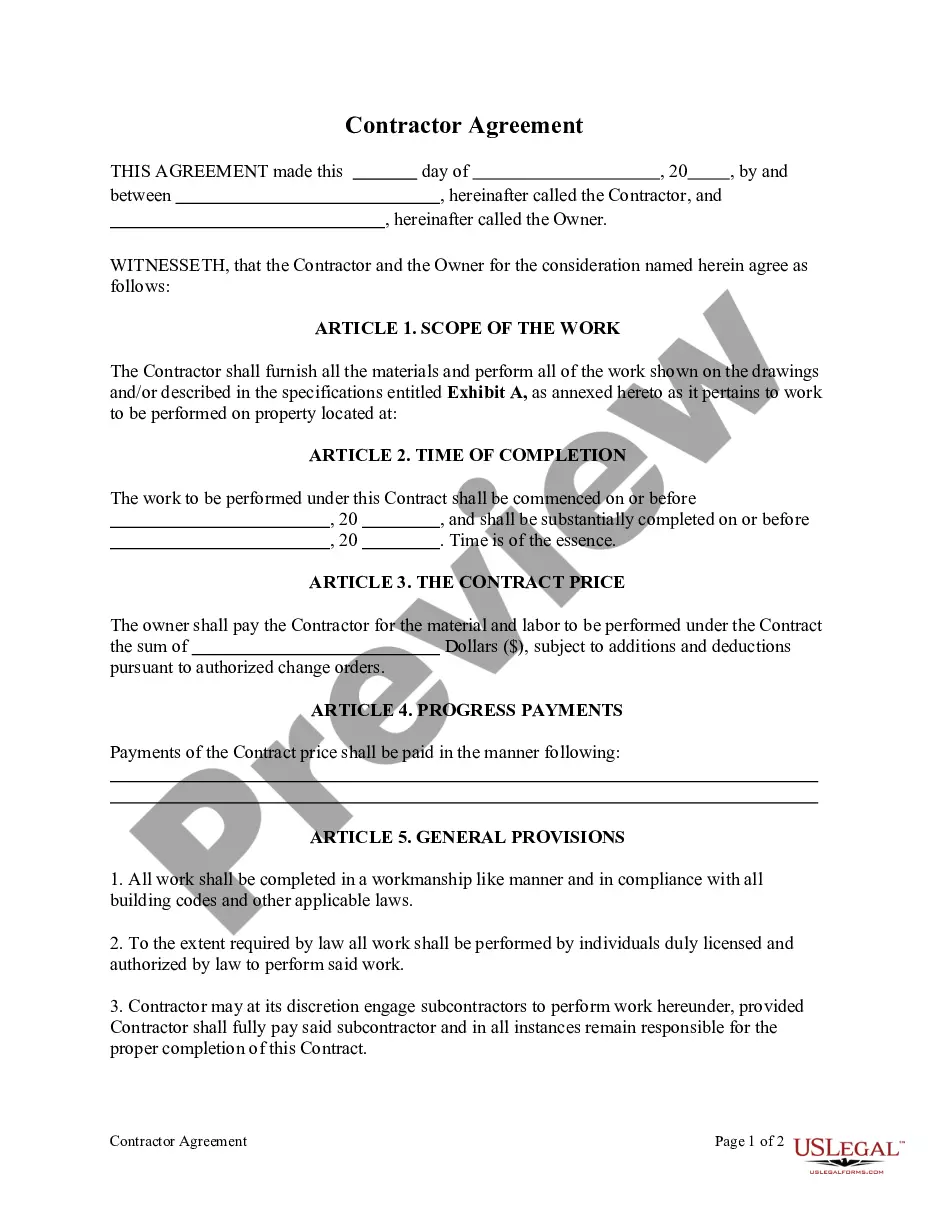
Name of contractor and contact information. Name of homeowner and contact information. Describe property in legal terms. List attachments to the contract. The cost. Failure of homeowner to obtain financing. Description of the work and the completion date. Right to stop the project.