Private Property Truck Towing Service Agreement to Remove Illegally Parked or Unauthorized Vehicles from Property
Overview of this form
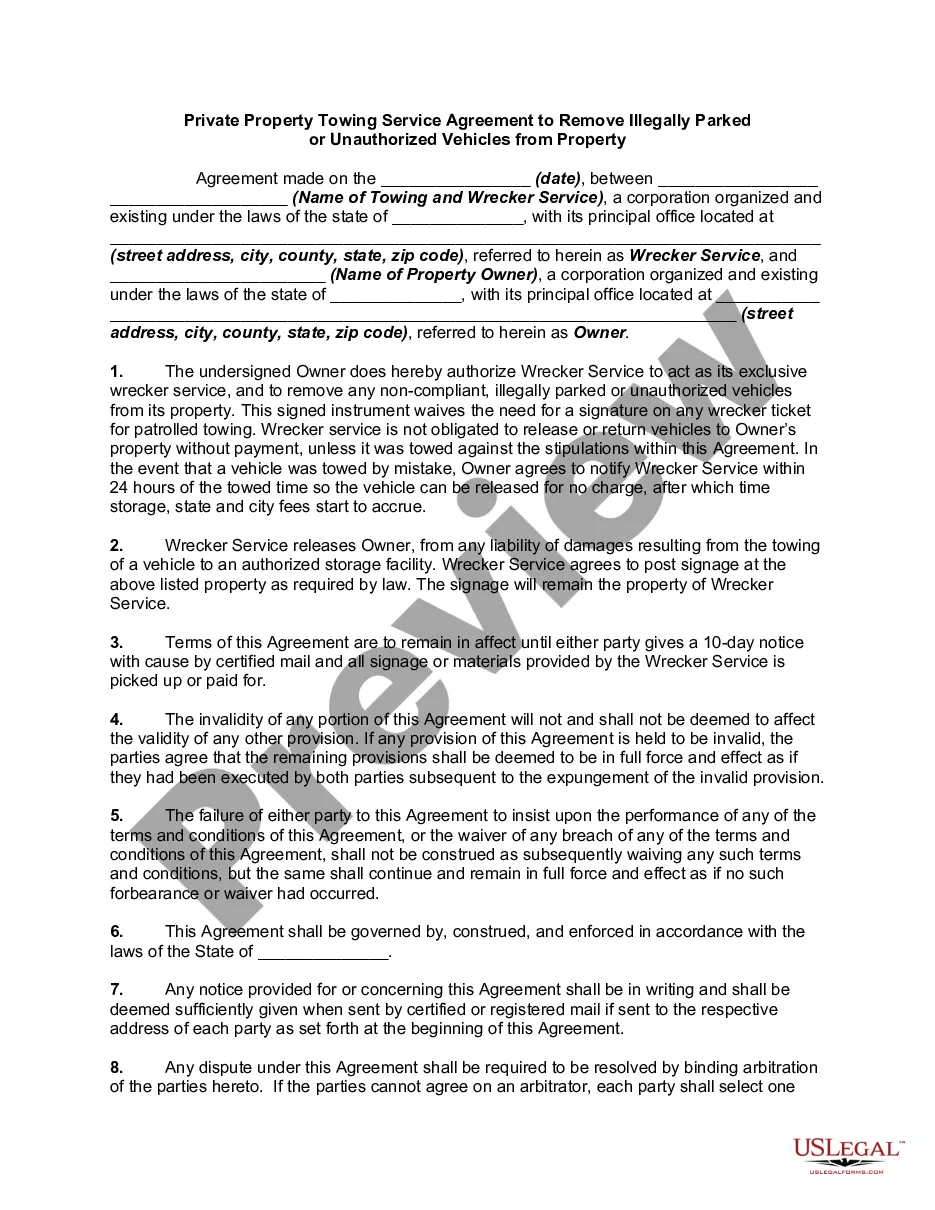
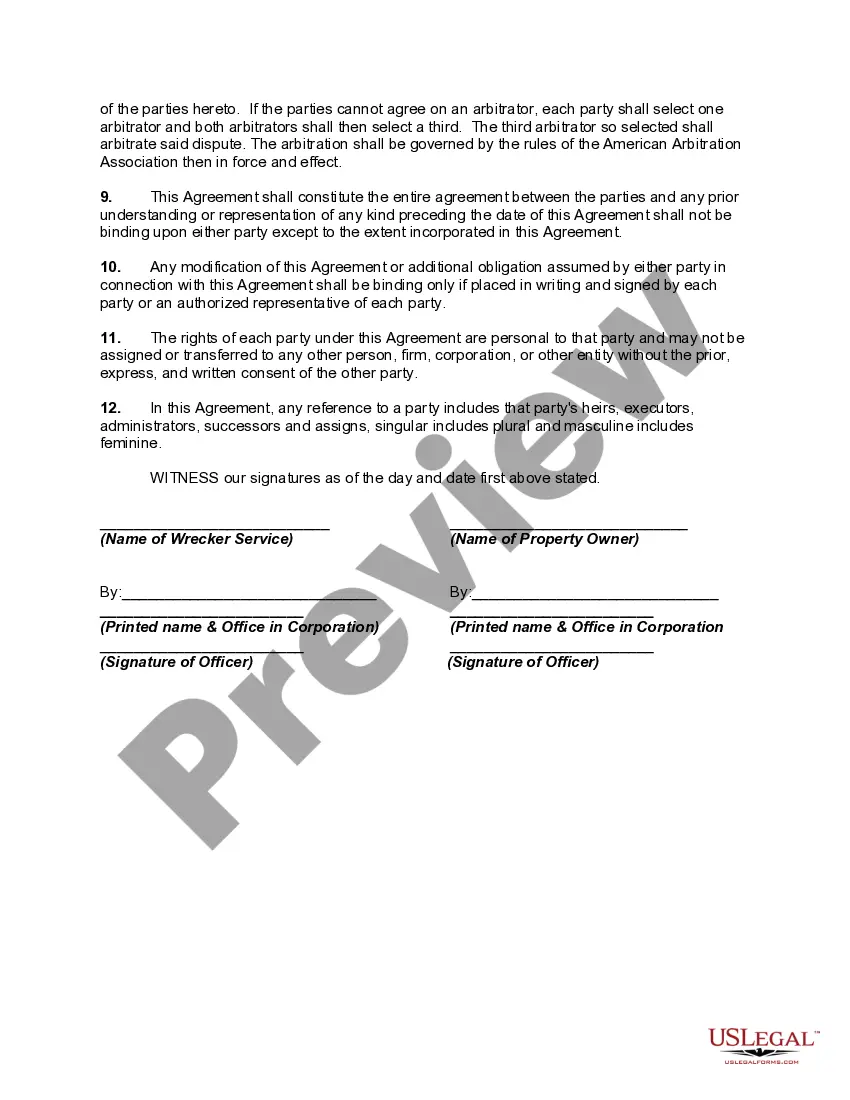
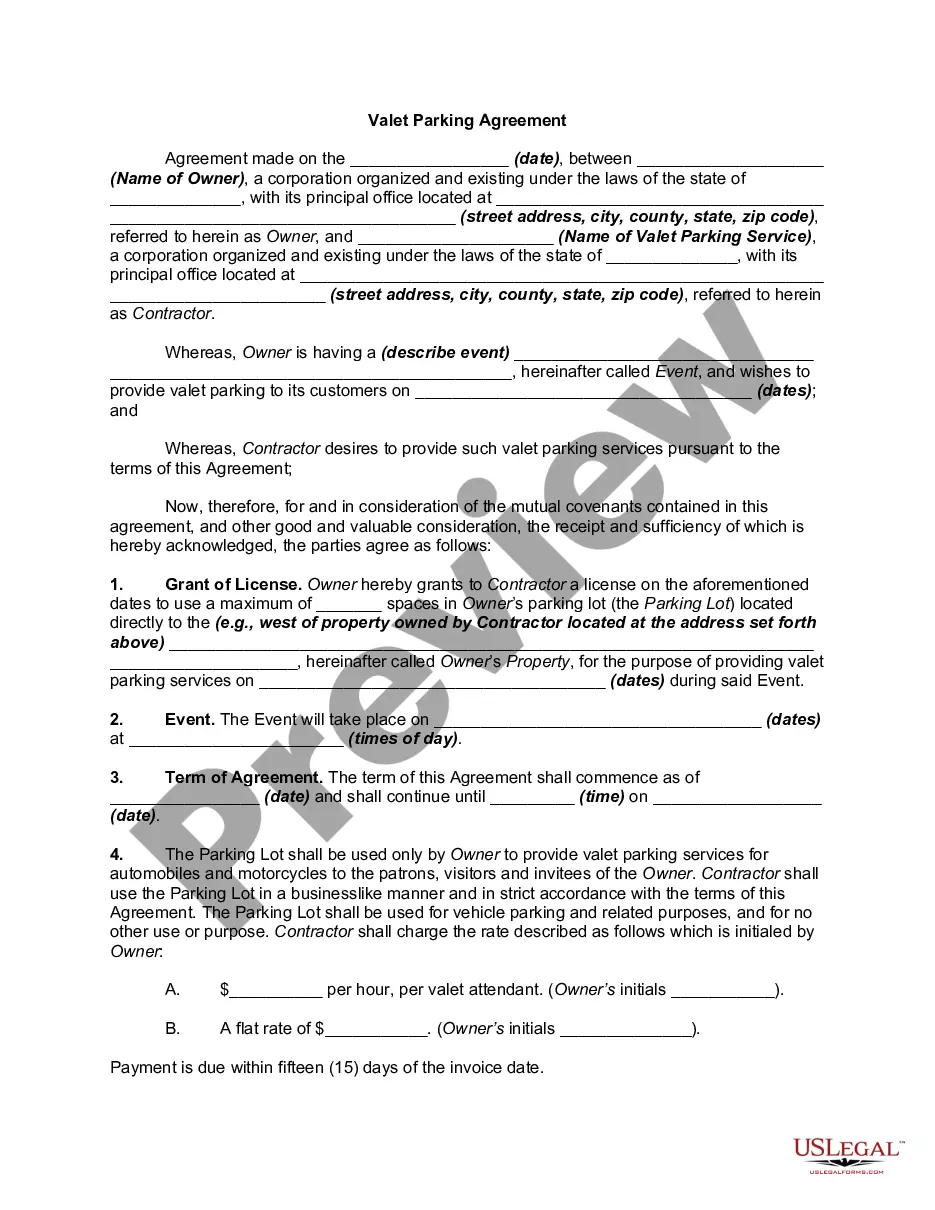
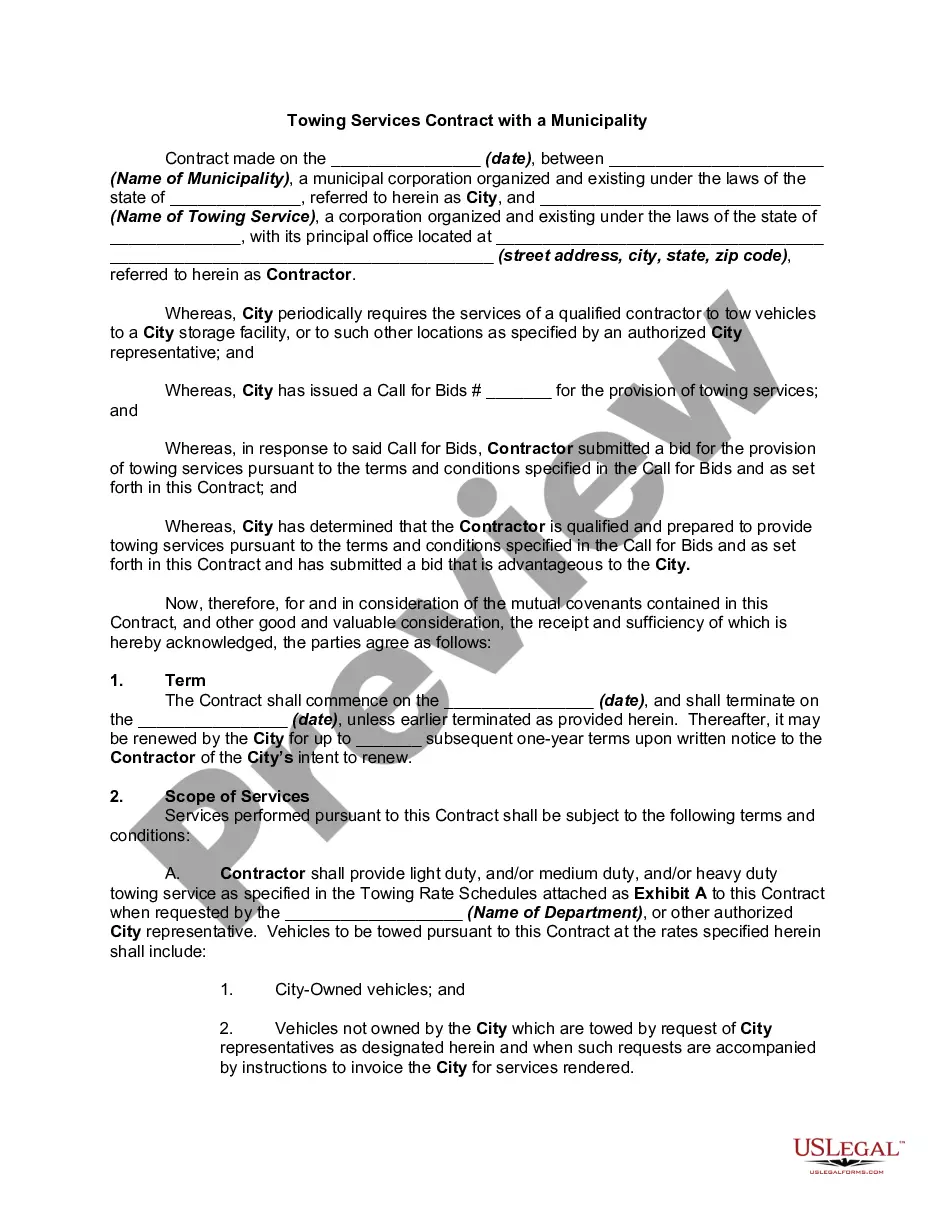
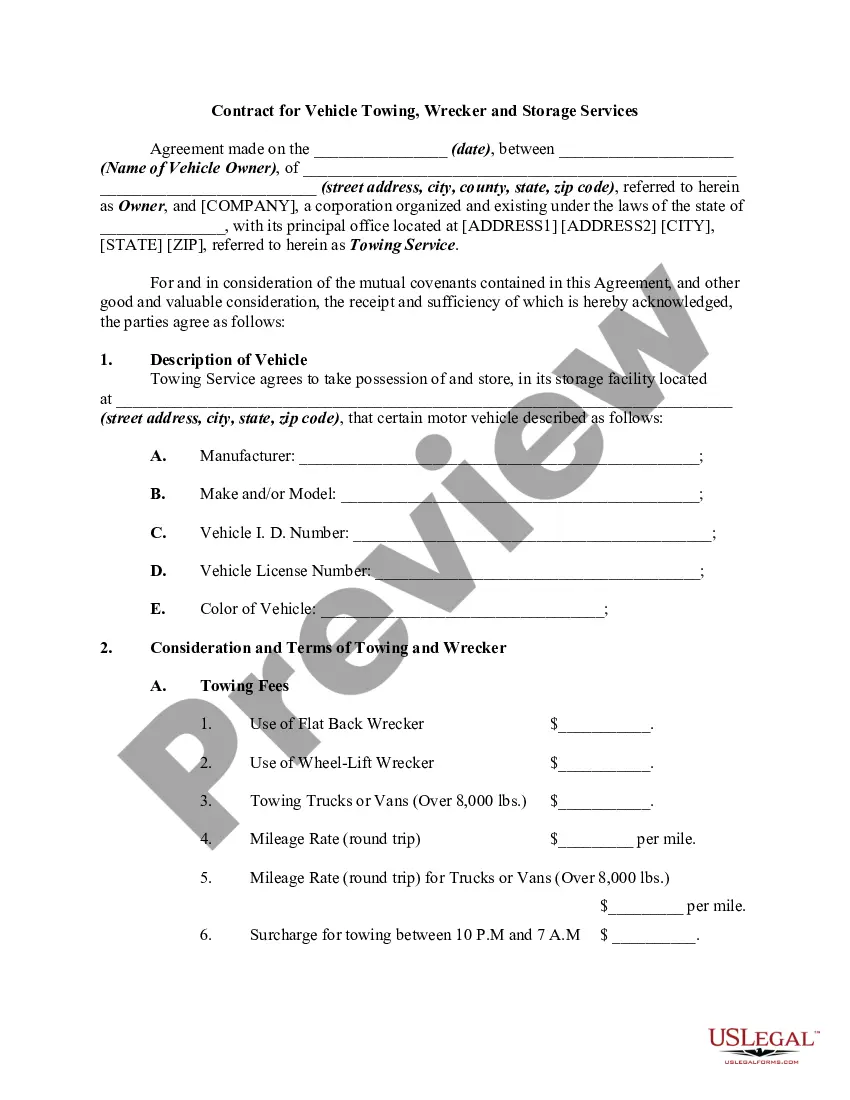
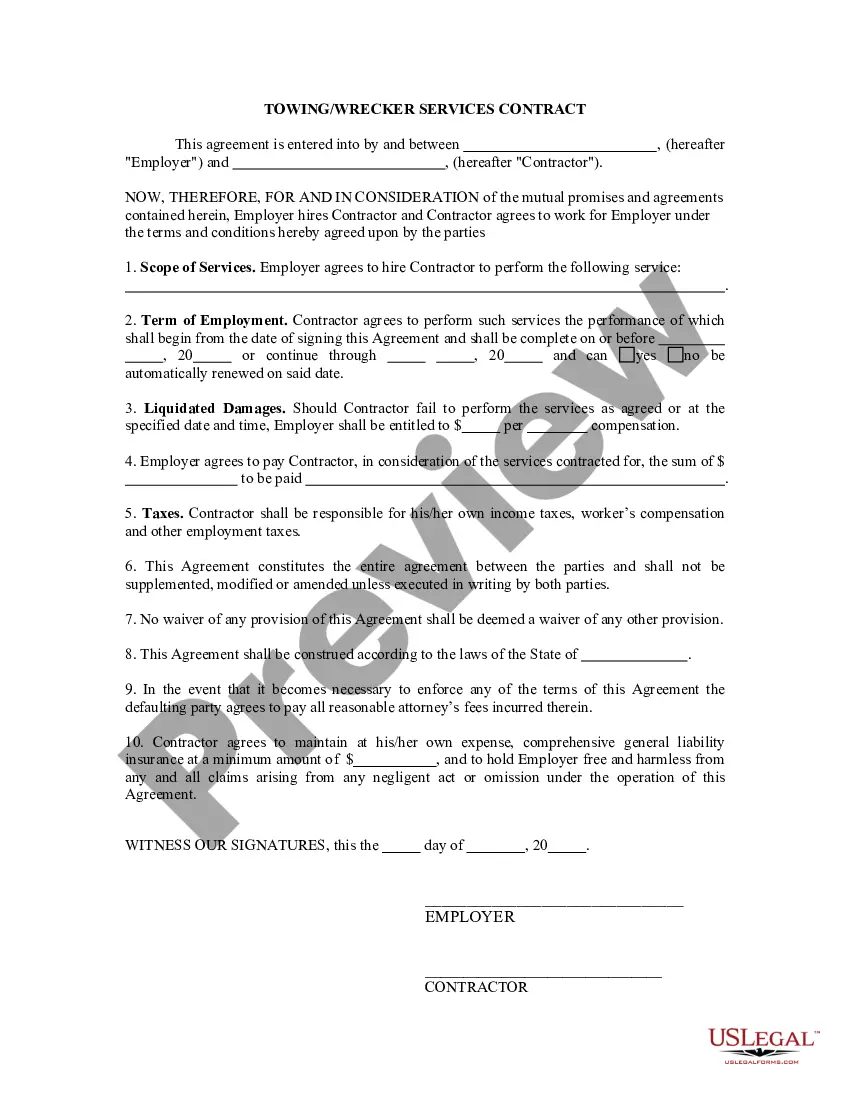
The Private Property Truck Towing Service Agreement is a legal document that authorizes a towing service to remove unauthorized or illegally parked vehicles from a property. This agreement distinguishes itself from general towing contracts by specifically catering to private property owners who wish to maintain order and restrict parking on their premises. It outlines the responsibilities of both the property owner and the towing service, emphasizing the need for compliance and legal awareness in towing practices.
What’s included in this form
- Identification of the towing service and property owner, including their legal business names and addresses.
- Authorization for the towing service to act as the exclusive service for removing unauthorized vehicles.
- Waiver of the need for signatures on wrecker tickets for vehicles towed under the agreement.
- Release of liability for the property owner regarding damages from towing actions.
- Conditions under which the agreement can be terminated with required notice.
- Dispute resolution method through binding arbitration.
When this form is needed
This form should be used when a property owner wants to establish a formal agreement with a towing service for the removal of illegally parked or unauthorized vehicles. It is particularly useful for businesses, apartment complexes, or private parking areas where unauthorized parking can impede access or violate property regulations. Utilizing this agreement helps ensure that towing actions are conducted lawfully and with proper authorization.
Who should use this form
- Property owners or managers who want to enforce parking regulations on their property.
- Towing companies seeking a formal agreement with property owners for towing services.
- Businesses or organizations that face frequent unauthorized parking issues.
How to complete this form
- Identify and enter the date at the top of the agreement.
- Provide the full legal names and addresses of both the towing service and the property owner.
- Specify the terms of authorization and any relevant parking regulations or restrictions.
- Both parties should sign and date the agreement to establish mutual consent.
- Ensure that any required signage about towing policies is posted prominently on the property.
Notarization guidance
This form does not typically require notarization unless specified by local law. However, obtaining a notarization can provide an additional layer of authenticity and security for the agreement.
Get your form ready online
Our built-in tools help you complete, sign, share, and store your documents in one place.
Make edits, fill in missing information, and update formatting in US Legal Forms—just like you would in MS Word.
Download a copy, print it, send it by email, or mail it via USPS—whatever works best for your next step.
Sign and collect signatures with our SignNow integration. Send to multiple recipients, set reminders, and more. Go Premium to unlock E-Sign.
If this form requires notarization, complete it online through a secure video call—no need to meet a notary in person or wait for an appointment.
We protect your documents and personal data by following strict security and privacy standards.
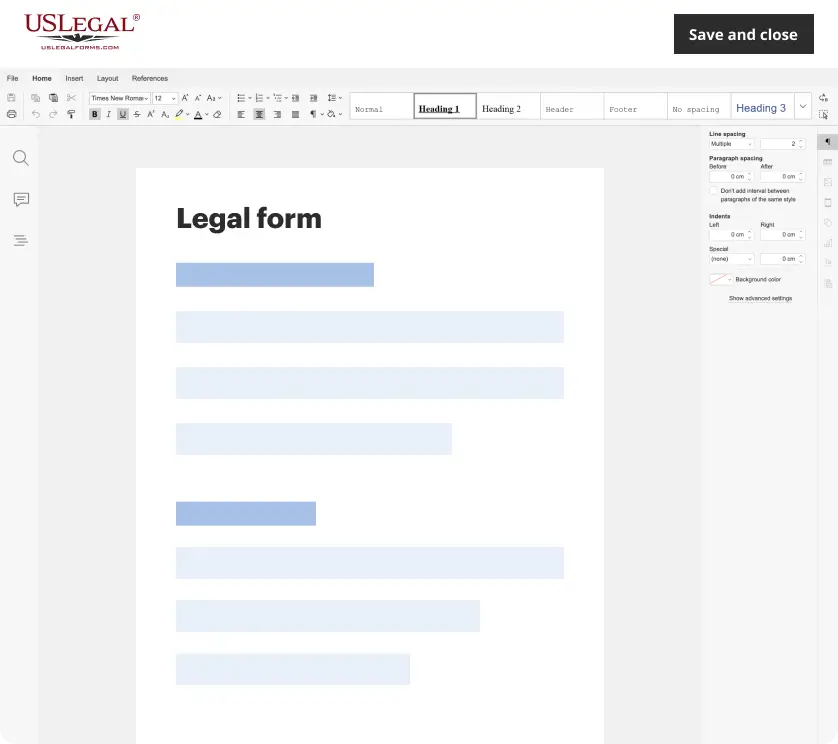
Make edits, fill in missing information, and update formatting in US Legal Forms—just like you would in MS Word.
Download a copy, print it, send it by email, or mail it via USPS—whatever works best for your next step.
Sign and collect signatures with our SignNow integration. Send to multiple recipients, set reminders, and more. Go Premium to unlock E-Sign.
If this form requires notarization, complete it online through a secure video call—no need to meet a notary in person or wait for an appointment.
We protect your documents and personal data by following strict security and privacy standards.
Mistakes to watch out for
- Failing to include complete and accurate addresses of both parties involved.
- Overlooking the requirement to post necessary signage regarding towing policies.
- Not providing sufficient notice before terminating the agreement.
Why use this form online
- Convenient access to a professionally drafted legal document.
- Ability to edit the form to fit specific legal needs and the circumstances of the property.
- Time-saving as the form can be downloaded and completed at your convenience.
Legal use & context
- This agreement legally binds both partiesâensuring the towing service operates with authority.
- It provides legal protection for property owners against claims arising from towing actions.
- Compliance with signage and notice requirements is crucial to avoid penalties or disputes.
Summary of main points
- The agreement defines the roles and responsibilities of property owners and towing services.
- Legal compliance is essential for enforceability.
- Clear communication of terms can prevent misunderstandings and disputes.
Looking for another form?




Form popularity
FAQ
Almost all cities prohibit leaving any vehicle parked on a city street too longoften defined as more than 72 hours. Also check ordinances regarding disabled vehicles (those that are immobilized because they lack an engine, tires, doors, or any other necessary driving equipment).
Generally speaking, no you cannot have it towed as you need the consent of the owner of the car (albeit the parking is unauthorised in your space). In our experience, private individuals, police and local council have limited powers to remove illegally parked vehicles on private property.
Generally speaking, you cannot park on the side of the road with a NO PARKING SIGNAGE on it. You can park on streets without No Parking signs as long as its not a private road with its own car park rules and adhere to these following exceptions: At or inside an intersection.All major national roads.
Improper Parking: Vehicle is parked without the appropriate parking permit. Loading Zone. Vehicle was parked in a load zone longer than the allotted time. Over the Stall Line. Vehicle is parked over the stall line.
If the car is blocking your residential driveway it can be immediately towed. If the car is parked on a public street in front of your house it cannot be towed unless there is some other reason allowing a tow - such as blocking a fire hydrant or being parked during a no parking time (street sweeping).
A parking violation is the act of parking a motor vehicle in a restricted place or for parking in an unauthorized manner. It is against the law virtually everywhere to park a vehicle in the middle of a highway or road; parking on one or both sides of a road, however, is commonly permitted.
Getting a vehicle removed from private land can potentially be a complicated matter. However, we would suggest the following:The options here would include obtaining a court order from a civil court for the removal of the vehicle or pursuing a civil action for nuisance against the driver/owner of the vehicle.
Summary of the rules In exceptional cases, the police, the local council or the Driver and Vehicle Licensing Agency (DVLA) can clamp or get cars towed away on private land. The police, the local council or the DVLA can clamp and tow away cars or other vehicles parked illegally on roads or public land.