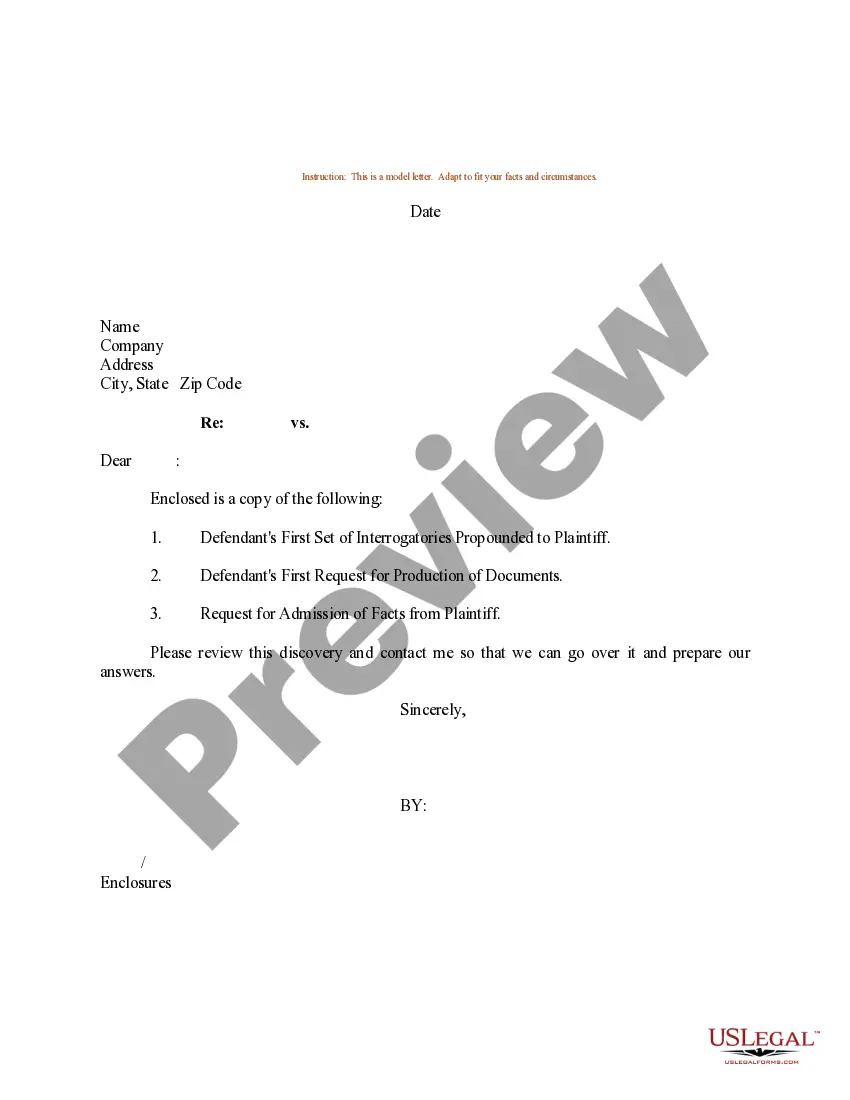
Sample Letter for Trial Preparation
Description
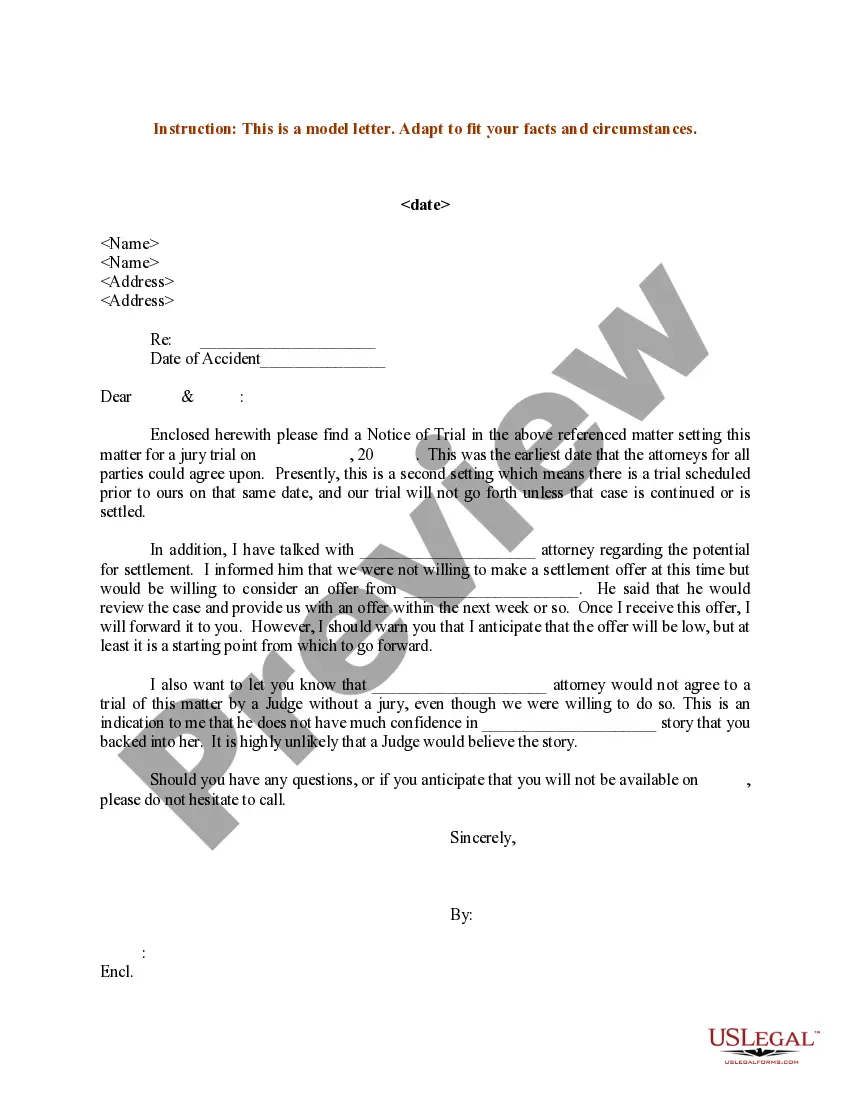
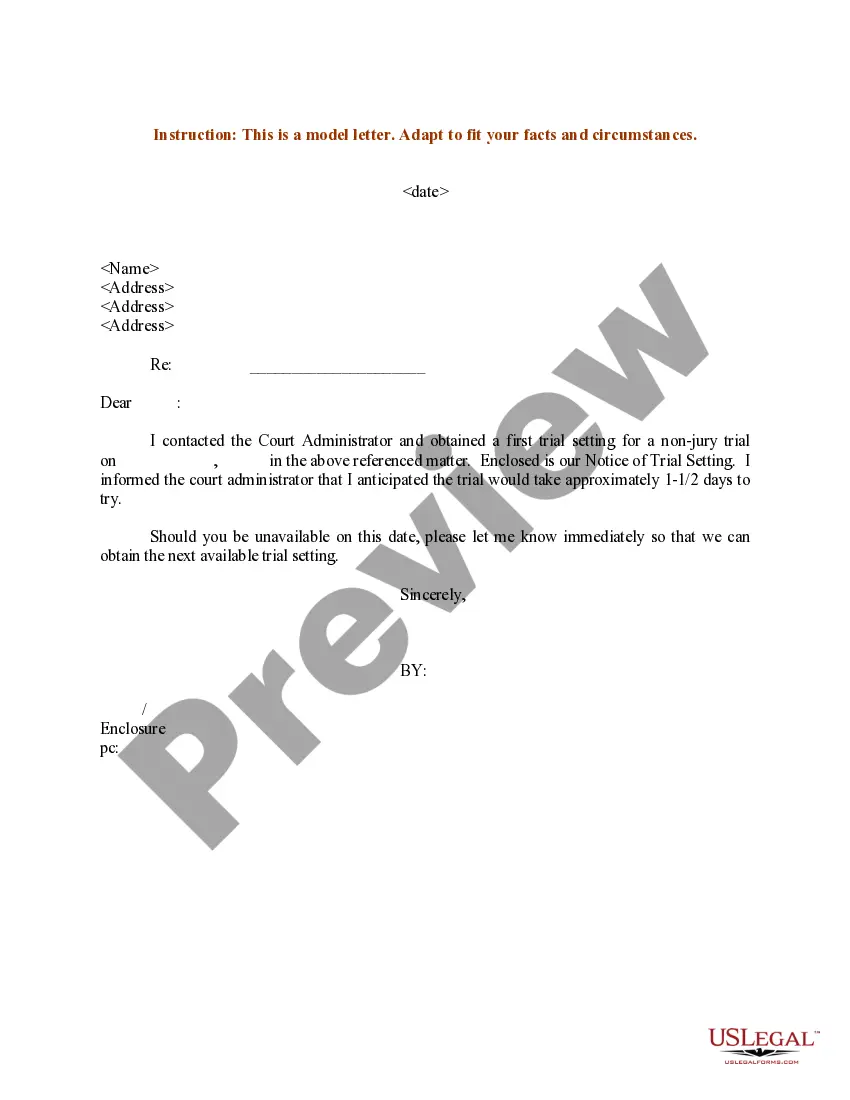
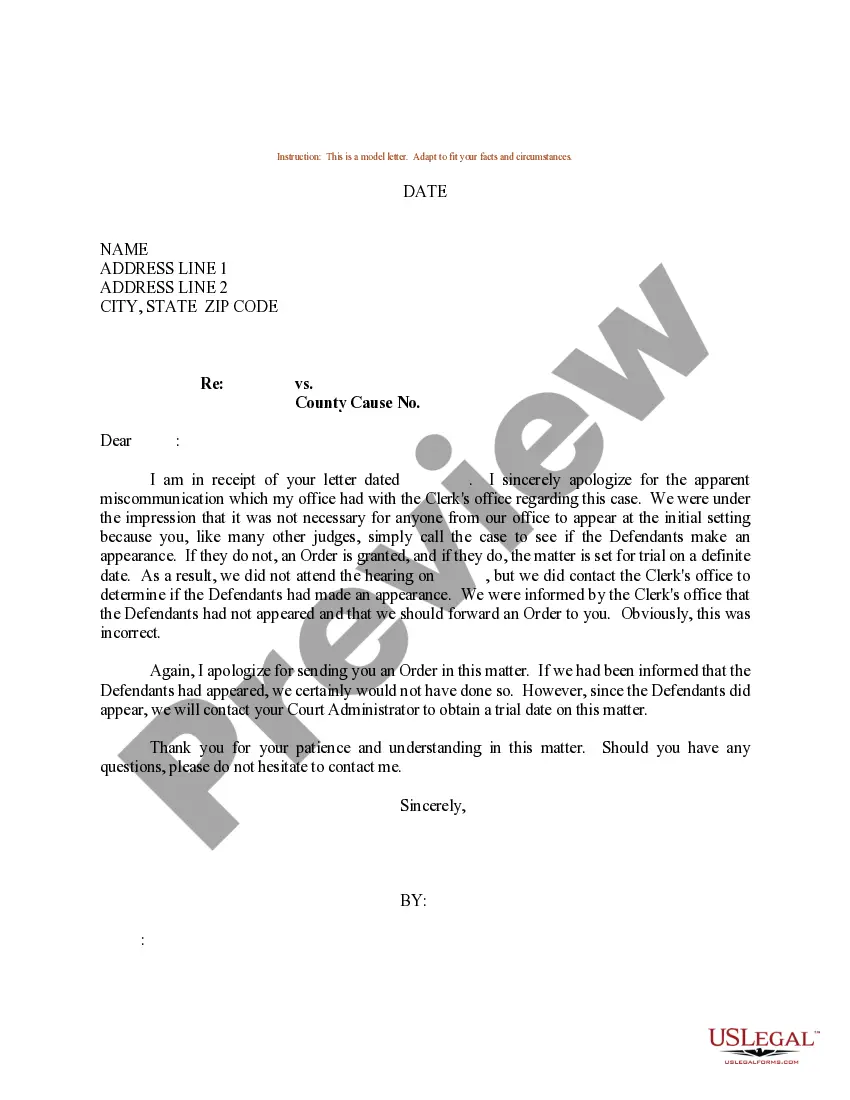
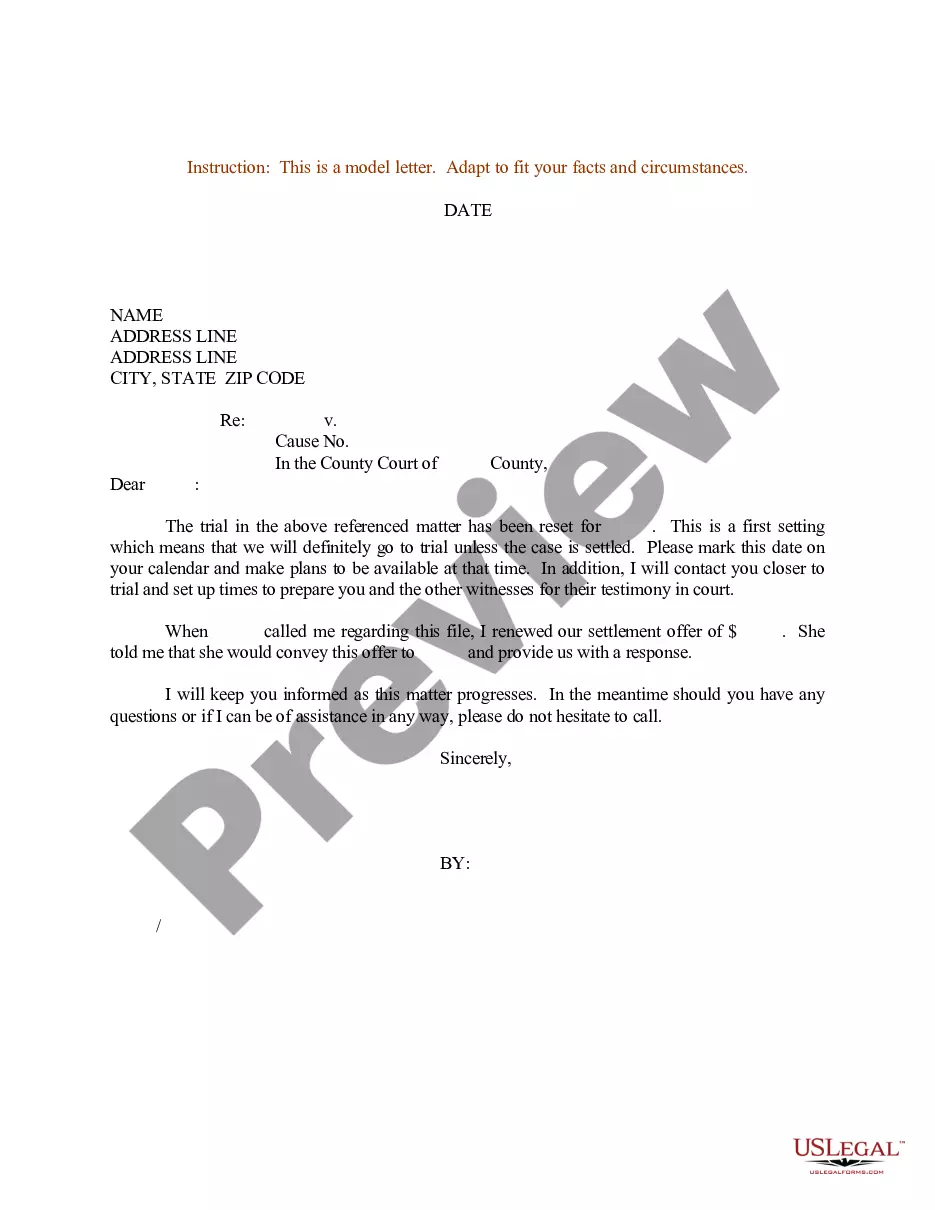
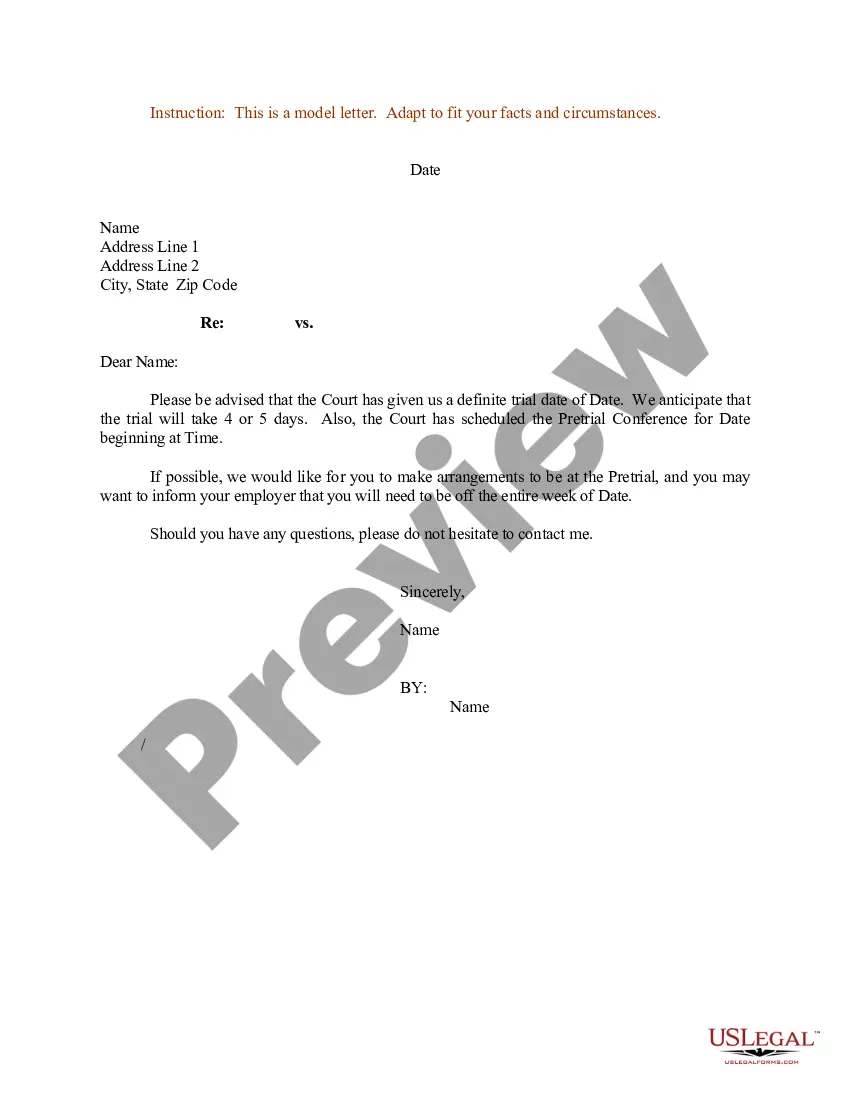


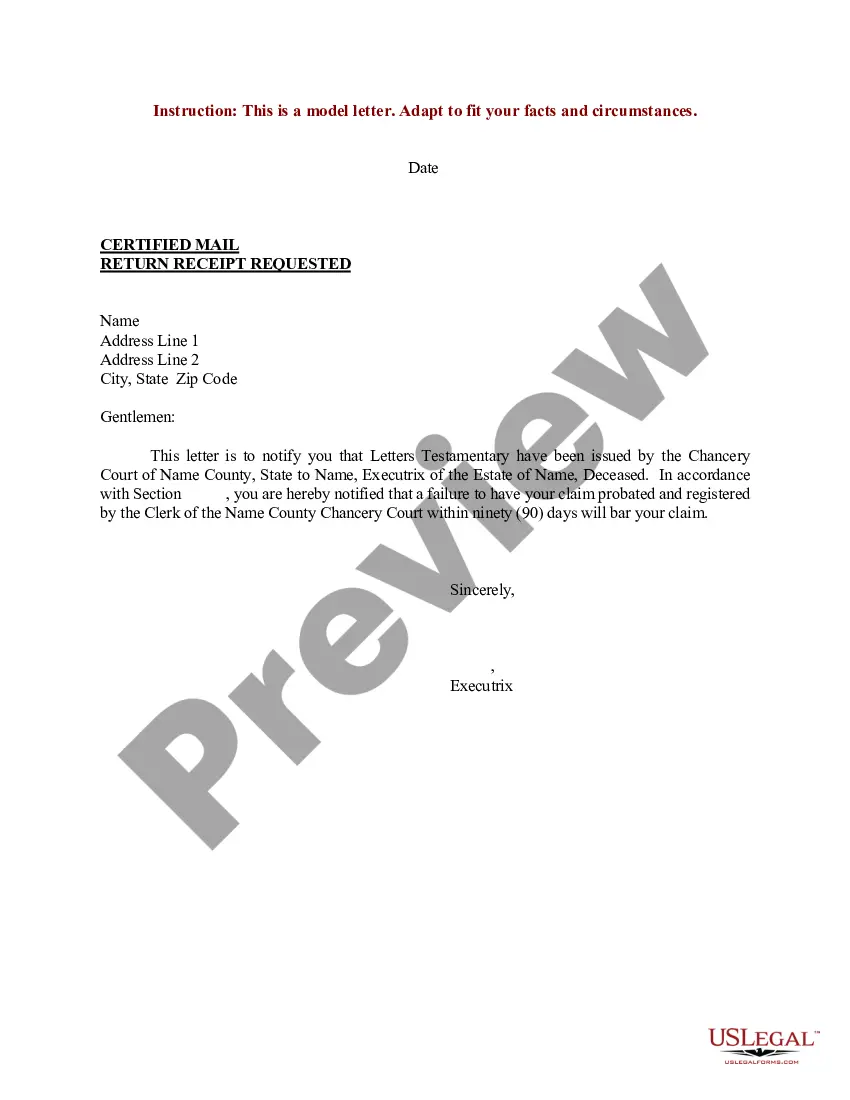

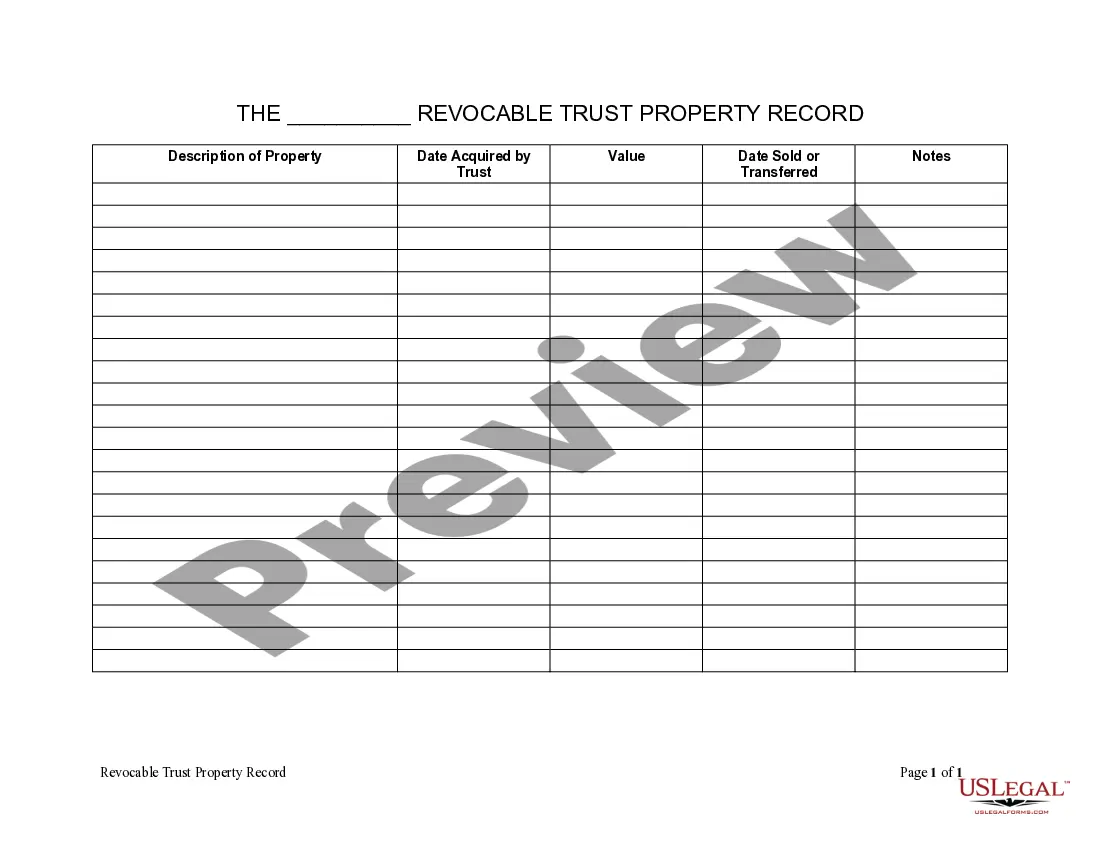
How to fill out Sample Letter For Trial Preparation?
Use US Legal Forms to obtain a printable Sample Letter for Trial Preparation. Our court-admissible forms are drafted and regularly updated by professional attorneys. Our’s is the most complete Forms library on the web and provides affordable and accurate samples for consumers and lawyers, and SMBs. The documents are categorized into state-based categories and many of them can be previewed prior to being downloaded.
To download samples, customers need to have a subscription and to log in to their account. Hit Download next to any form you want and find it in My Forms.
For those who don’t have a subscription, follow the tips below to quickly find and download Sample Letter for Trial Preparation:
- Check to make sure you have the proper template in relation to the state it is needed in.
- Review the form by reading the description and by using the Preview feature.
- Hit Buy Now if it is the template you want.
- Generate your account and pay via PayPal or by card|credit card.
- Download the form to the device and feel free to reuse it multiple times.
- Make use of the Search field if you need to get another document template.
US Legal Forms offers a large number of legal and tax samples and packages for business and personal needs, including Sample Letter for Trial Preparation. More than three million users have already used our platform successfully. Select your subscription plan and obtain high-quality forms within a few clicks.
Form popularity
FAQ
The prosecutor has to become familiar with the facts of the crime, talk to the witnesses, study the evidence, anticipate problems that could arise during trial, and develop a trial strategy.One of the first steps in preparing for trial is talking to witnesses who could be called to testify in court.
Read about the law that applies to your case. Do research at the local public law library. Look at the options that would solve your problem without having to go to court. Make sure you follow the court procedures.
Planning every aspect of the case. Ensure proper communication between all members connected to the case. Know the judge presiding over the case. Preparing witnesses for trial questionings. Prepare to always present a calm demeanor. Prepare a believable story. Use technology in your trial preparation.
Witness Examination This is the prosecutor's initial step in attempting to prove the case, and it can last from a few minutes to several days. During direct examination, the prosecutor can introduce evidence such as a weapon or something from the crime scene.
1) Know where your courtroom is located. Once you receive your court date, take a trip and find your courtroom. 2) Present yourself as a business person at your hearing. 3) Prepare the evidence you will use in your case.
It is inadvisable to ever consider representing yourself in a criminal trial, but for smaller civil trials, self-representation can be effective and cheap. If you plan on going to small claims court, self-representation is very common, and this is the easiest type of trial to go through alone.
You first show the exhibit to the other party by supplying one of your copies to the party or his or her attorney. You then lay the foundation by having your witness or you inform the court how the evidence is relevant to the case. You must lay a foundation for an exhibit before the court will admit it.
You have the right to fight your own cases without engaging any advocate. It is not necessary that you must engage an advocate to fight your case in a court. A party in person is allowed to fight his own case in the court. That said, you should be aware of certain difficulties that you may face.
Do Not Memorize What You Will Say. Do Not Talk About the Case. Do Not Become Angry. Do Not Exaggerate. Avoid Statements That Cannot Be Amended. Do Not Volunteer Information. Do Not Talk About Your Testimony.