Motion to Advance Cause on Calendar
What is this form?
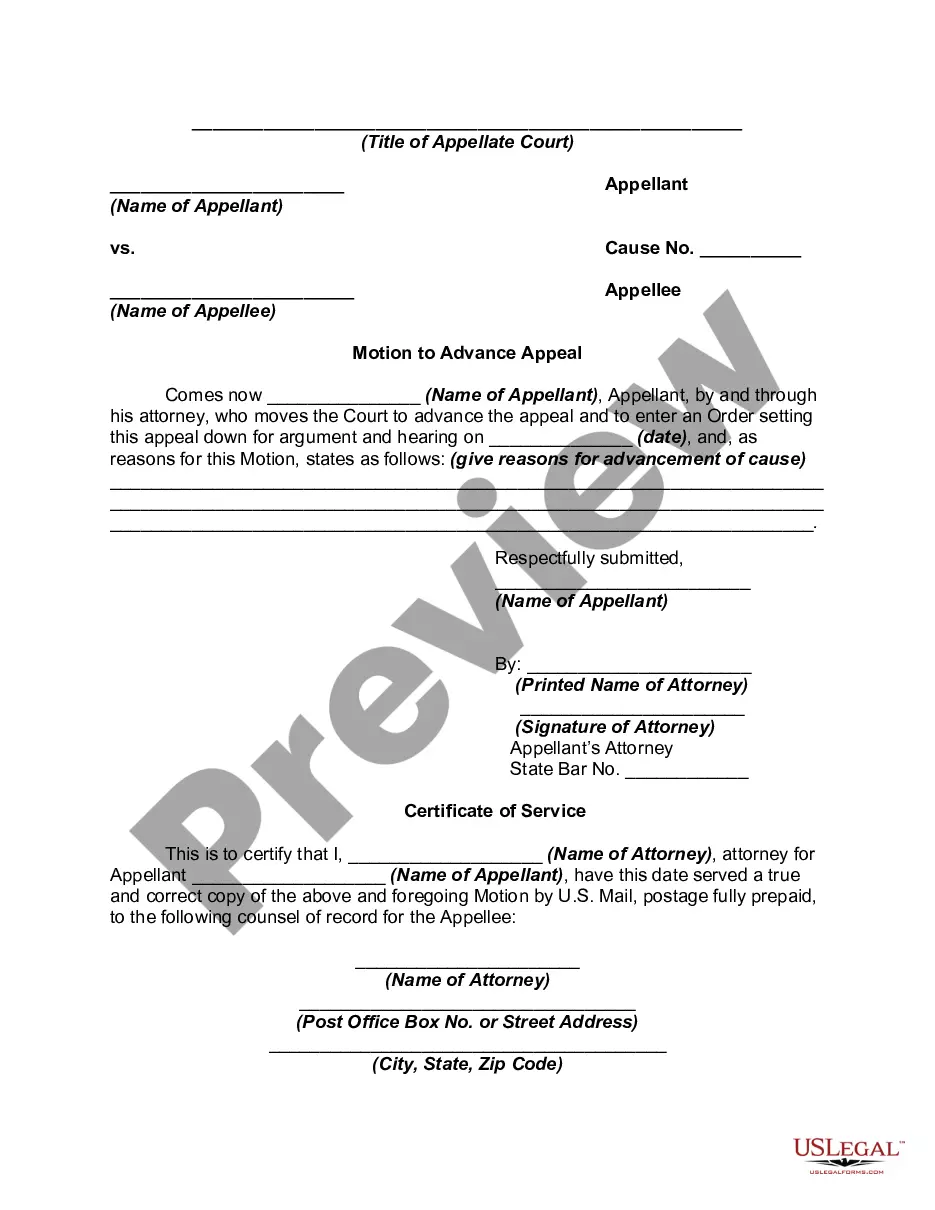
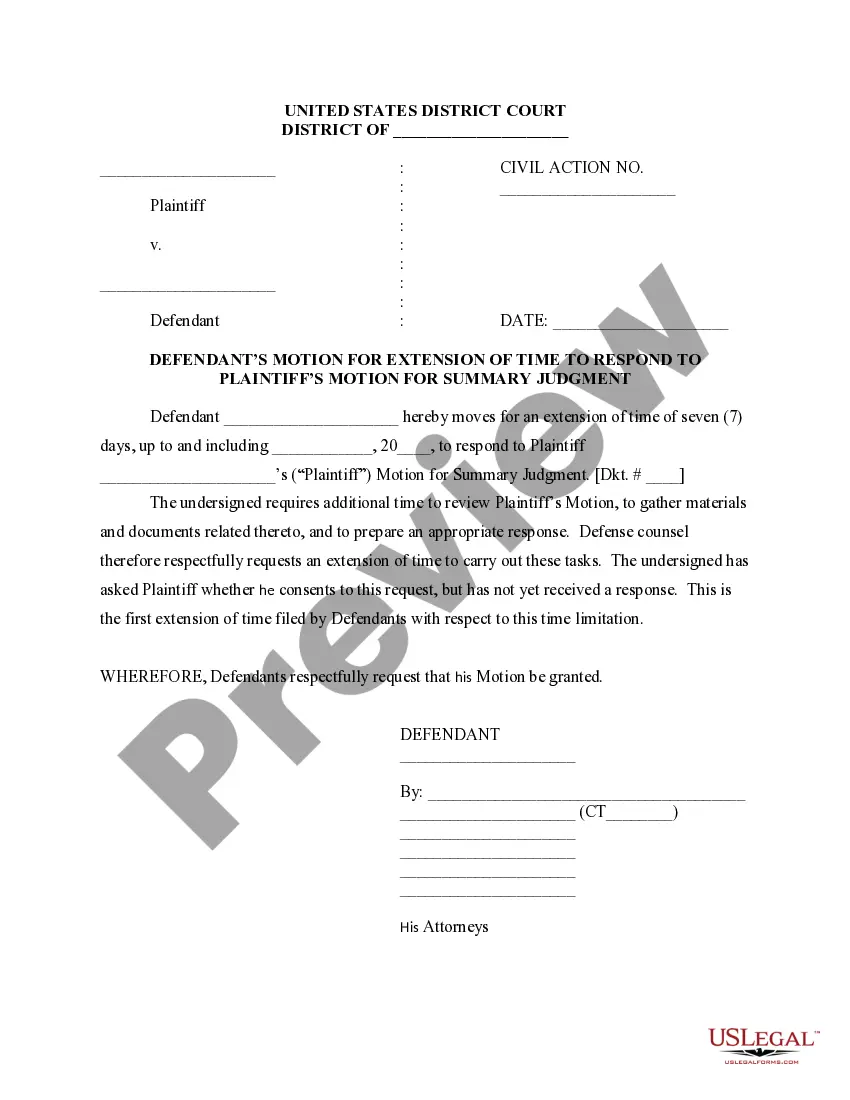
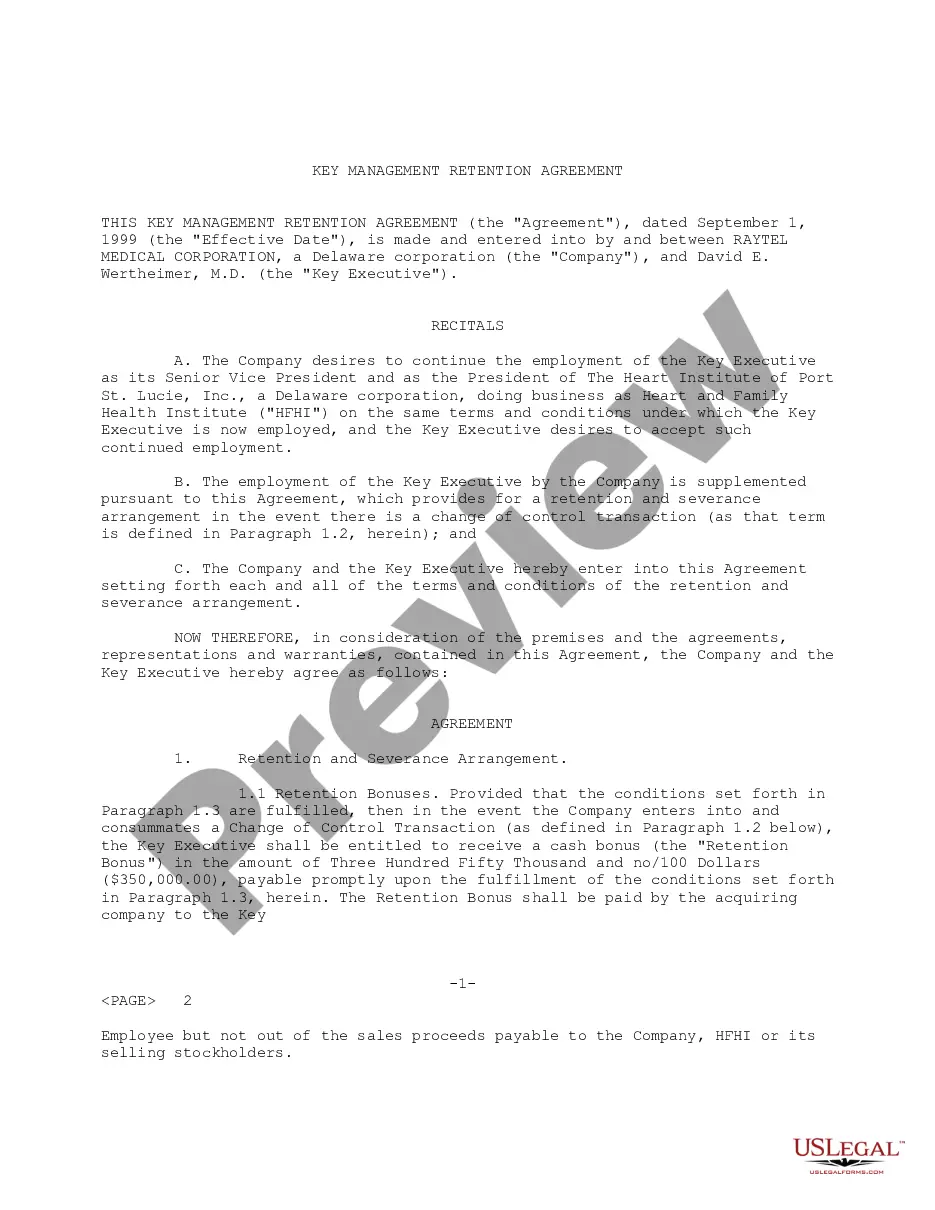
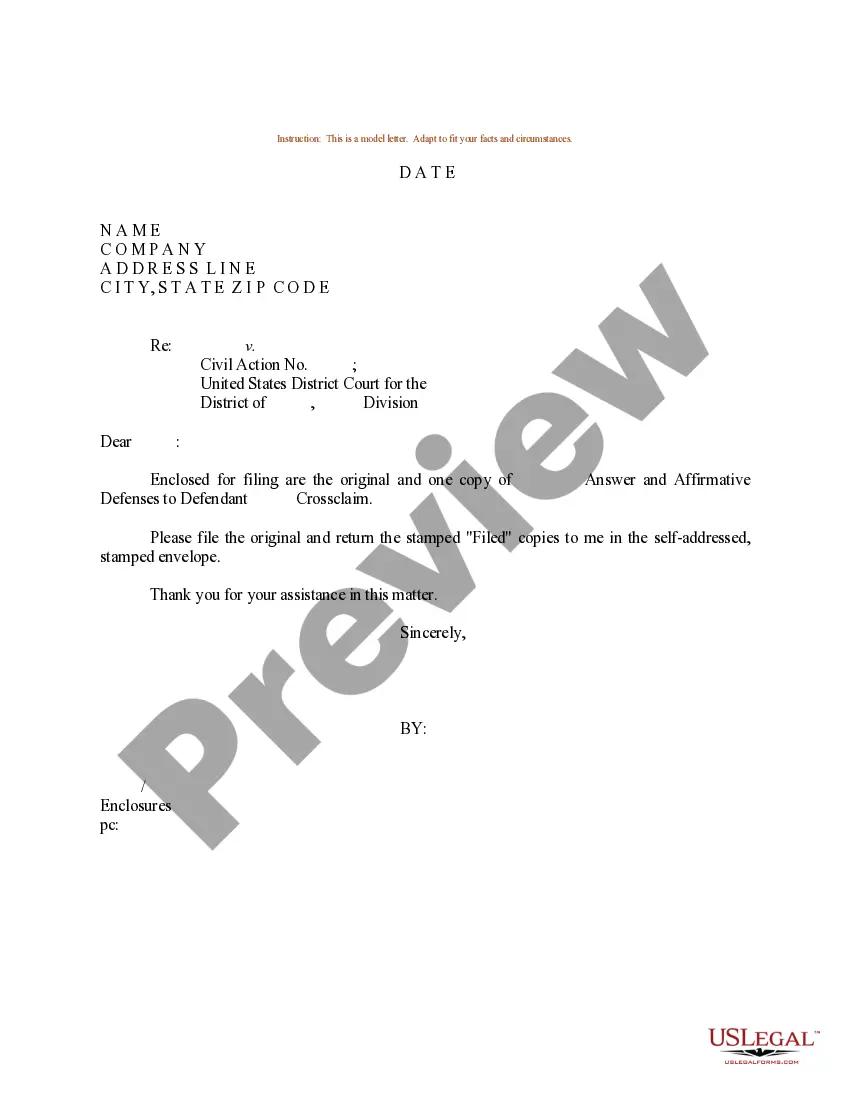
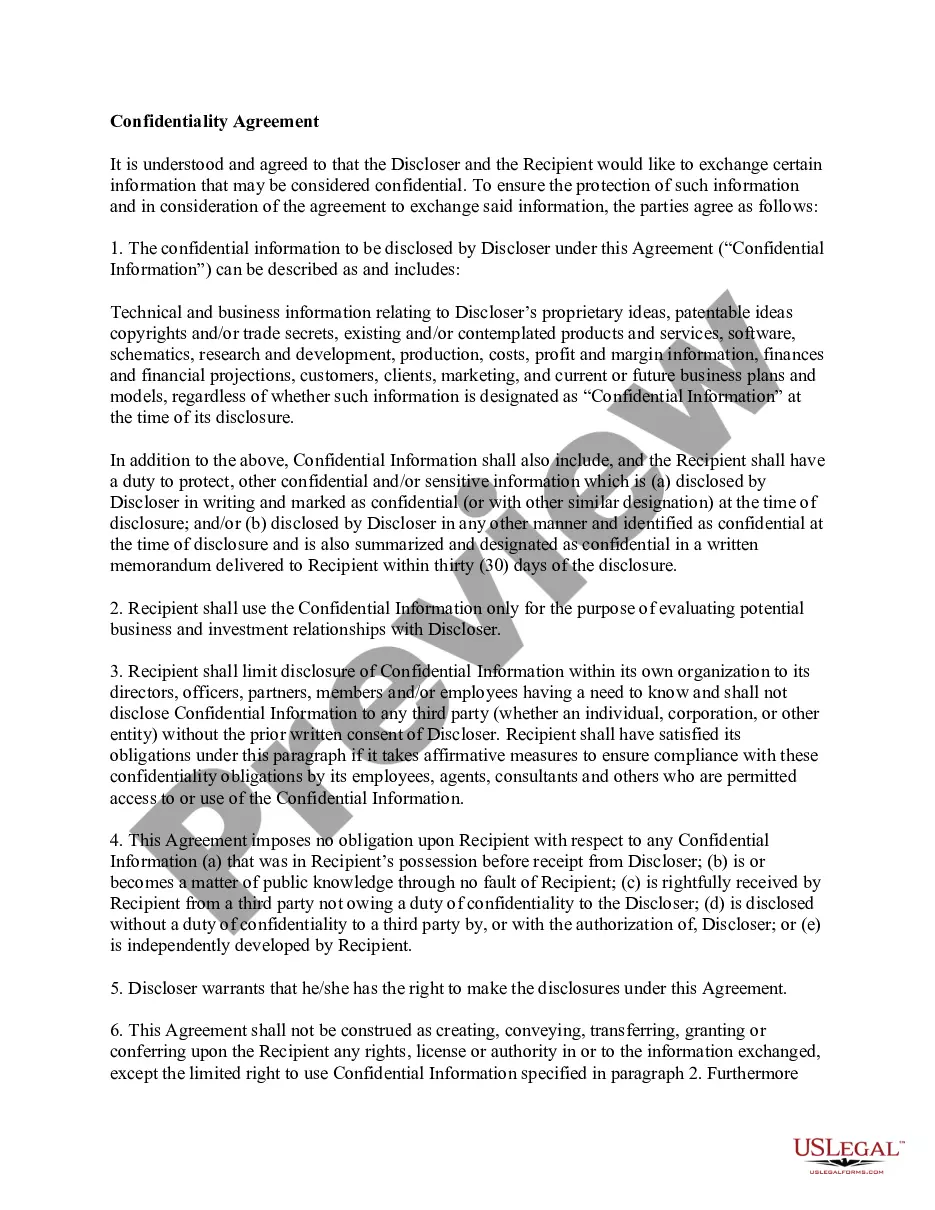
The Motion to Advance Cause on Calendar is a legal document submitted to a court requesting that a hearing for an appeal be prioritized and scheduled sooner than its regular order. This form is useful for situations where there are pressing matters, such as public interest questions or urgent legal issues that necessitate an expedited review. It provides a way for appellants to present their case for why their appeal should be heard out of turn relative to other cases.
What’s included in this form
- Title of the Appellate Court: Identifies which court the motion is being filed with.
- Names of the Parties: Includes the names of the appellant and appellee involved in the appeal.
- Cause Number: The specific case number assigned to the appeal.
- Reasons for Advancement: A section where the appellant provides justification for why the case should be expedited.
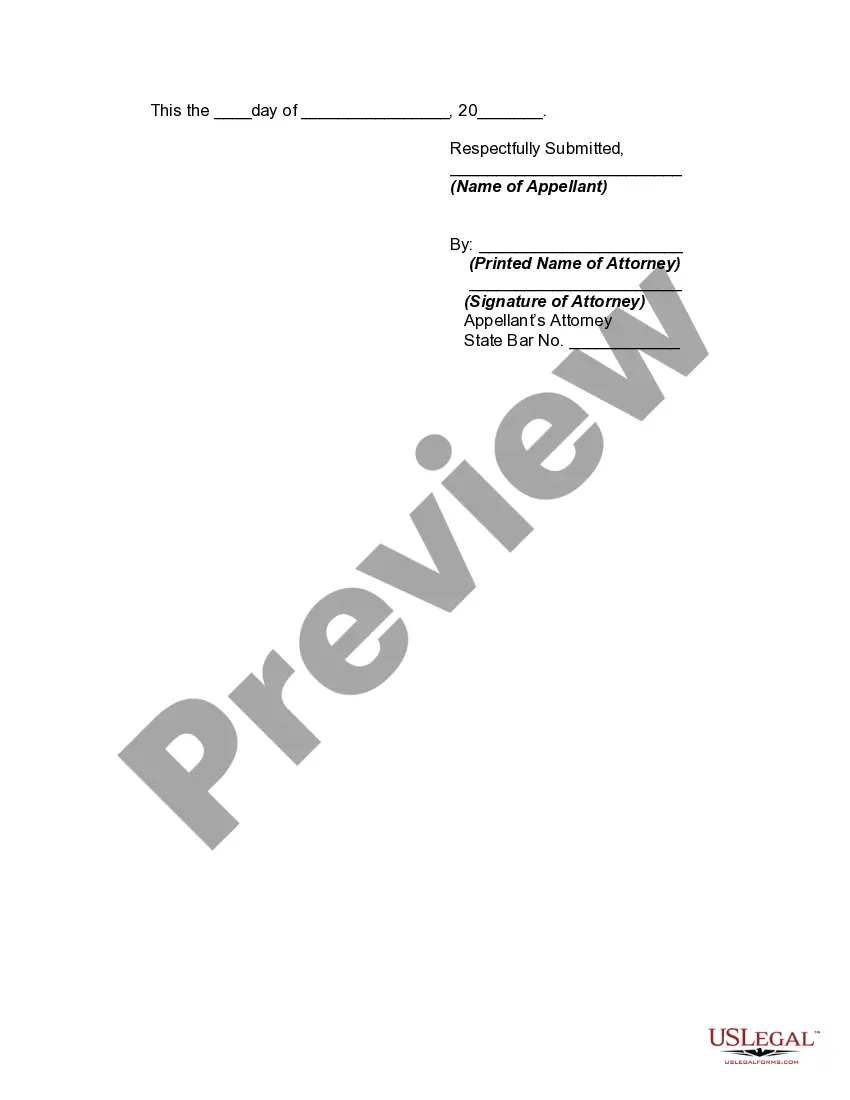
- Attorney Information: Includes the printed name, signature, and State Bar number of the appellant's attorney.
- Certificate of Service: Confirms delivery of the motion to relevant parties.
When to use this form
This form is typically used when there is an urgent issue that requires the appeal to be heard sooner than the normal scheduling process allows. Common scenarios include appeals that involve critical public interest matters, disputes over temporary injunctions, or cases with factors that might significantly impact the parties involved, such as ongoing criminal proceedings or complex estate settlements.
Who this form is for
- Individuals or entities who are appellants in a legal case.
- Attorneys representing clients who need to expedite an appeal.
- Anyone involved in an appeal where time-sensitive issues are at stake.
How to prepare this document
- Identify the appellate court where you are filing the motion.
- Enter the names of both the appellant and appellee, along with their case details.
- Clearly state the reasons for requesting the advancement of the appeal in the designated section.
- Include the proposed date for the hearing on the appeal.
- Have the attorney sign the document and include their State Bar number.
- Complete the certificate of service to confirm that the motion has been shared with the necessary parties.
Notarization guidance
Notarization is generally not required for this form. However, certain states or situations might demand it. You can complete notarization online through US Legal Forms, powered by Notarize, using a verified video call available anytime.
Common mistakes to avoid
- Failing to provide sufficient reasons for advancement, which may lead to denial of the motion.
- Neglecting to include or incorrectly listing the names of parties involved.
- Not completing the certificate of service properly.
- Forgetting to sign the document before submission.
Why complete this form online
- Convenience of downloading and customizing the form from anywhere.
- Instant access to professionally drafted legal language.
- The ability to edit and fill in information at your own pace before finalizing.



Form popularity
FAQ
A response to an order to show cause typically requires you to show up in-person to the hearing. You can provide an answer to the order and state why you object to the order being issued.
Continuances Based on Inadequate Time. Perhaps the most common reason for a continuance is when one side did not have enough time to investigate the case and analyze the evidence. Continuances Based on Changing the Indictment or Attorney. Continuances Based on Surprises.
A motion is the standard way to seek certain forms of relief from a court. An Order to Show Cause is often a quicker way to seek the same relief. It usually has some provision which directs you to do something or to refrain from doing something...
The motion must include a separate "Notice of Motion" which includes a brief summary of the nature of the motion, the deadline for filing a response, and if there is a hearing, the date, time, and location of the hearing.
A motion is a written request made to the court, asking the judge to issue an order. The motion must be supported by evidence.The Court will enter an order in which the judge either grants or denies the motion. See Local Bankruptcy Rule 9013-1 for rules and deadlines for filing and serving most motions.
It's basically an order directing a party to appear in court and explain why that party took (or failed to take) some action, or why the court should or should not grant the requested relief.The main objective of the show cause hearing is to get the party who is not following the court's order to do so.
Ask the court for a motion date. Identify and fill out your motion forms. Serve and file your motion forms. Confirm that you will attend the motion. Go to your motion hearing. Receive the judge's decision.
General format - each motion generally consists of a case caption, a title that briefly identifies the relief sought, a series of numbered paragraphs that explains -- in a logical way -- why you are entitled to that relief, a prayer for relief, a signature block, a certification that a copy of the motion was sent to
The Notice of Motion usually begins with the caption that includes the court of jurisdiction, the docket number, and below the docket number, "Notice of Motion." It is usual to then write, "Please take Notice that the undersigned will bring a motion for (what you are asking the court for or to do)." Read the Local