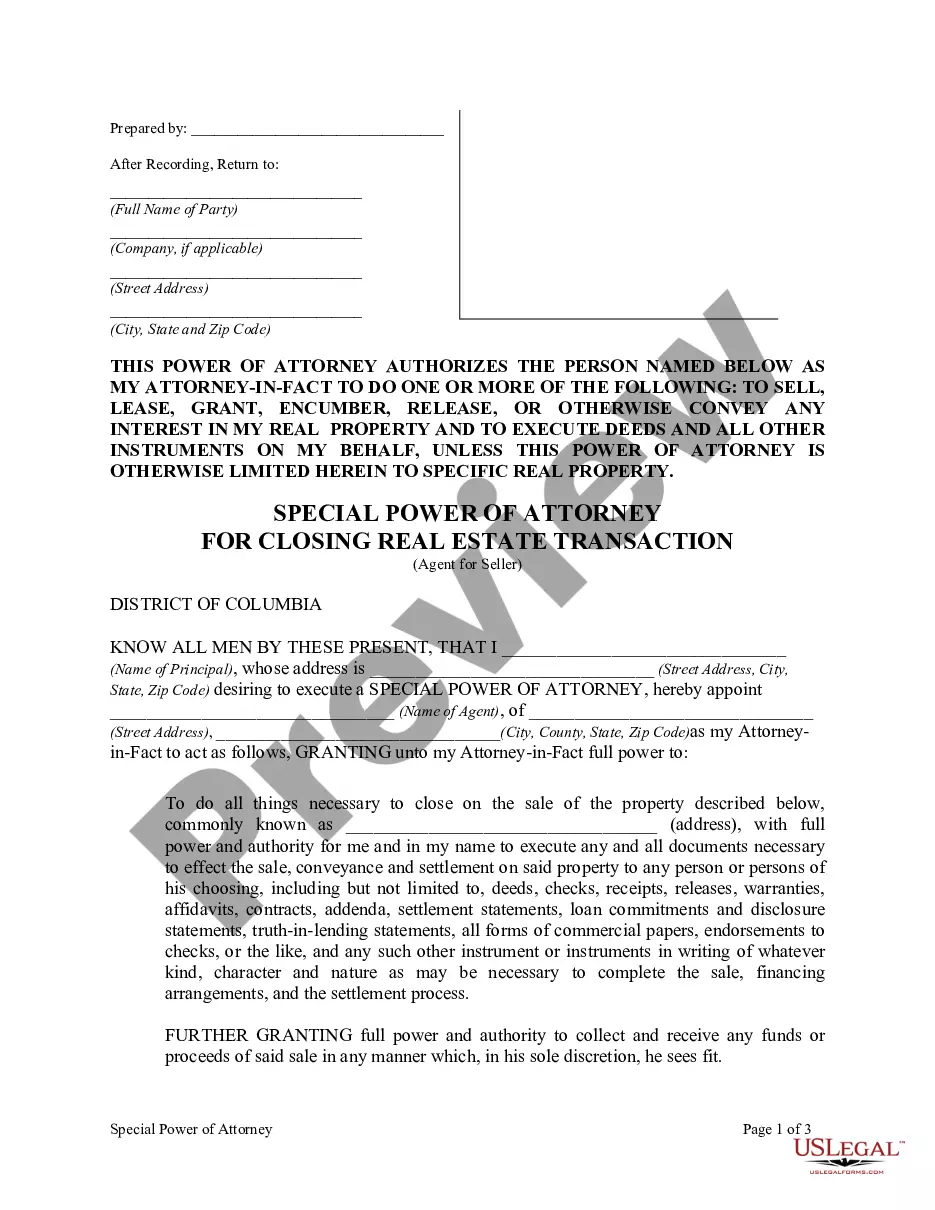
Promissory Note College to Church
Overview of this form
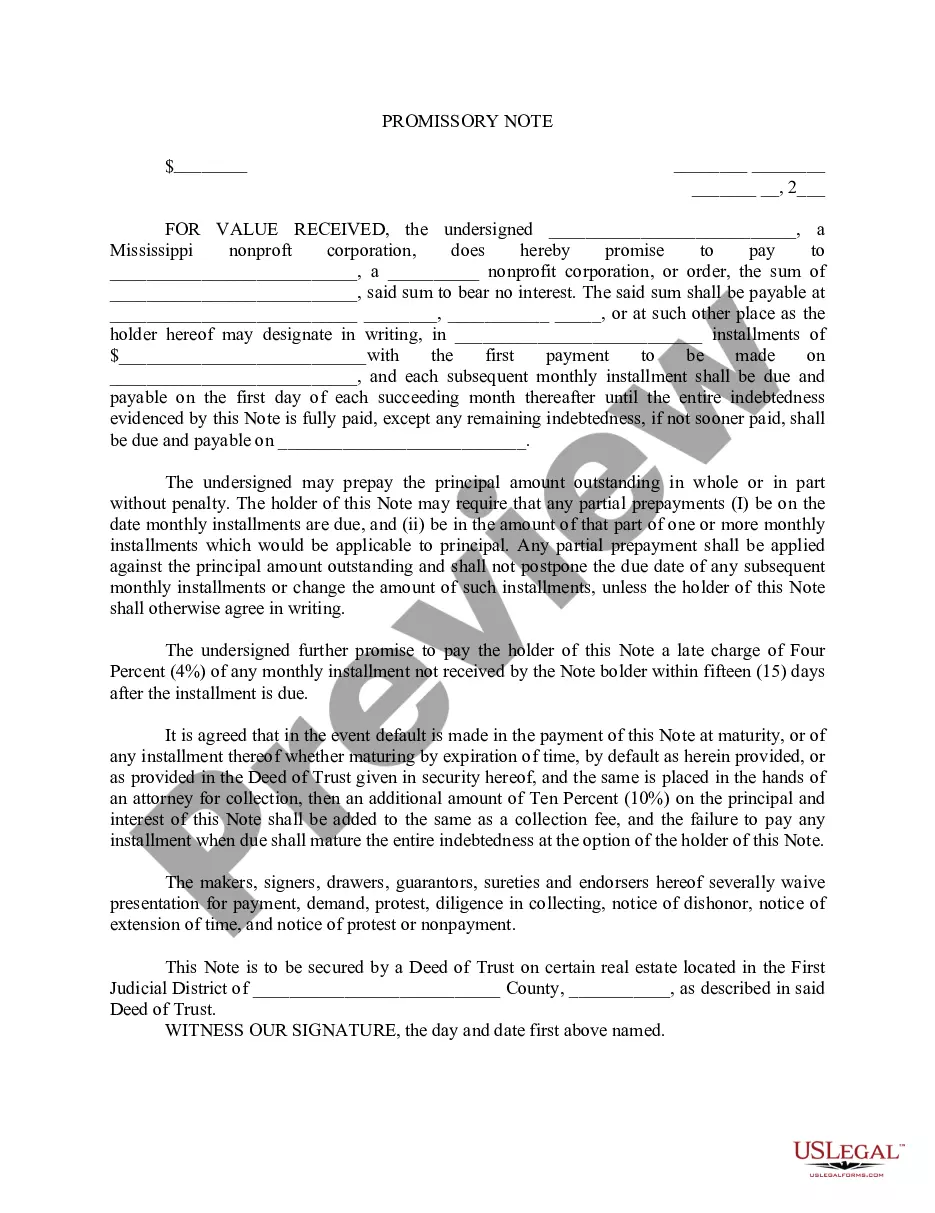
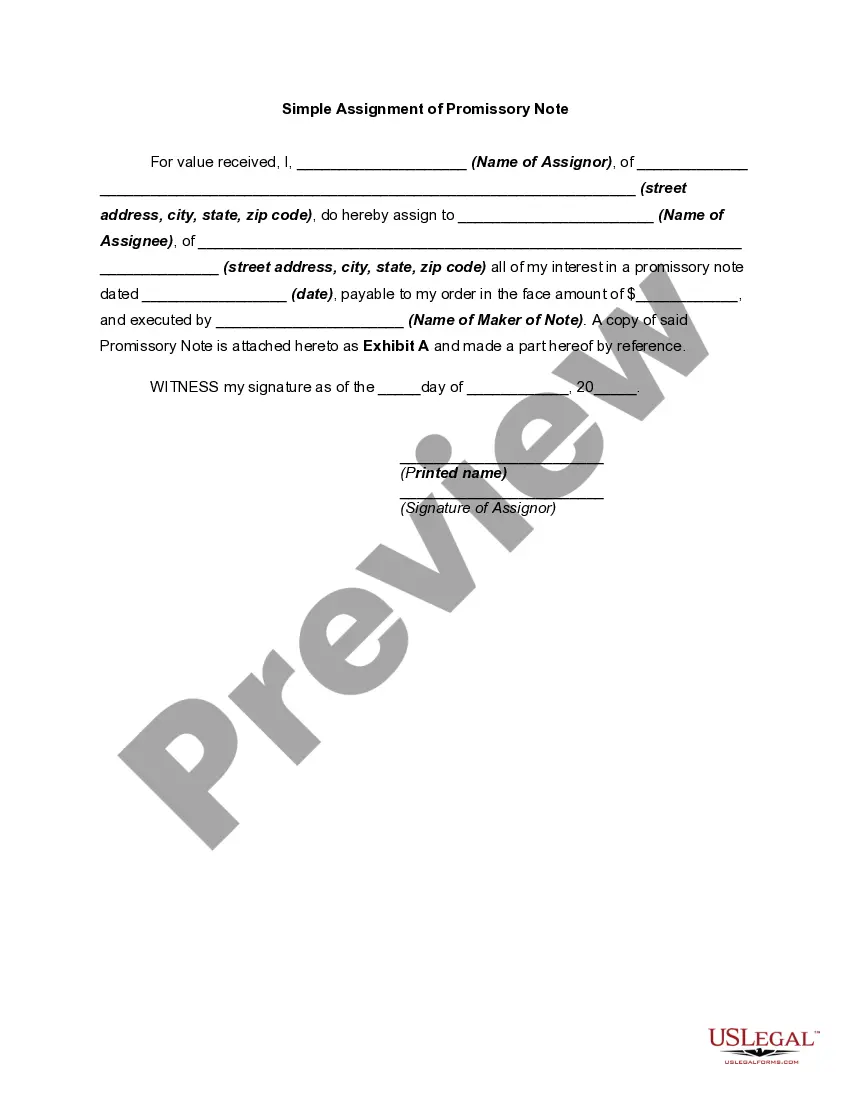
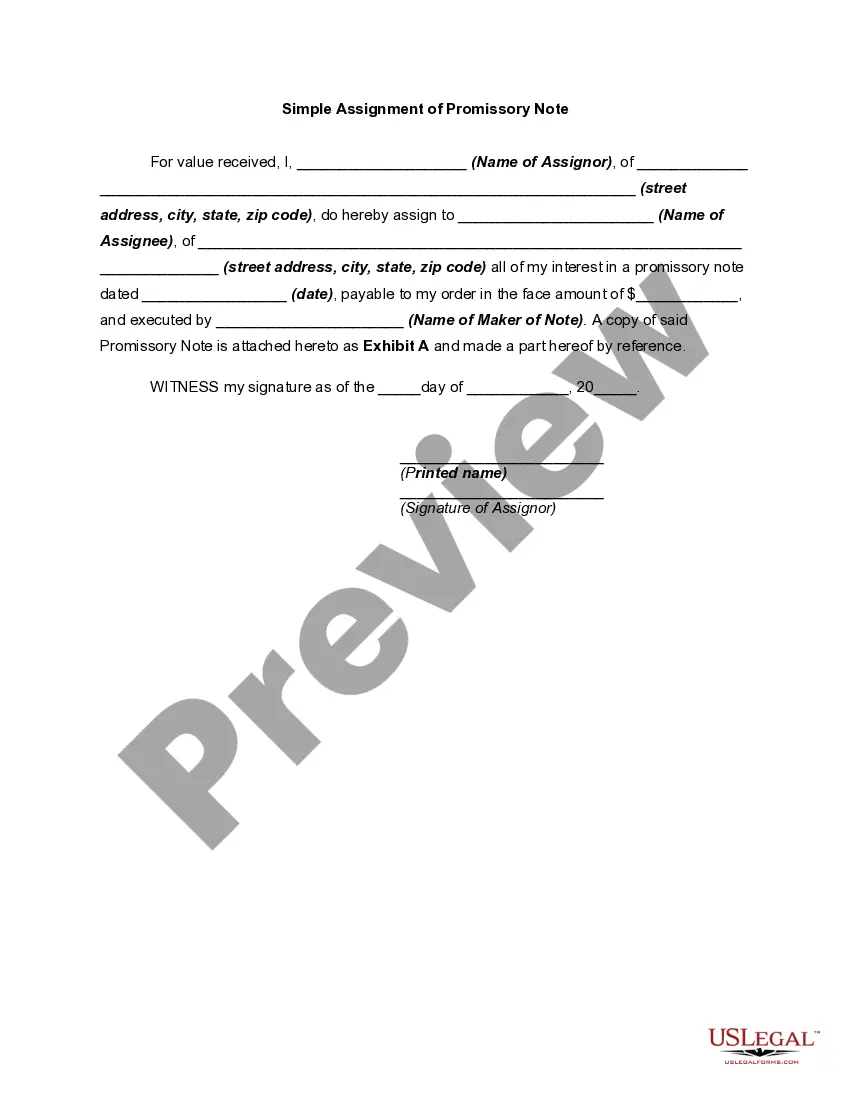
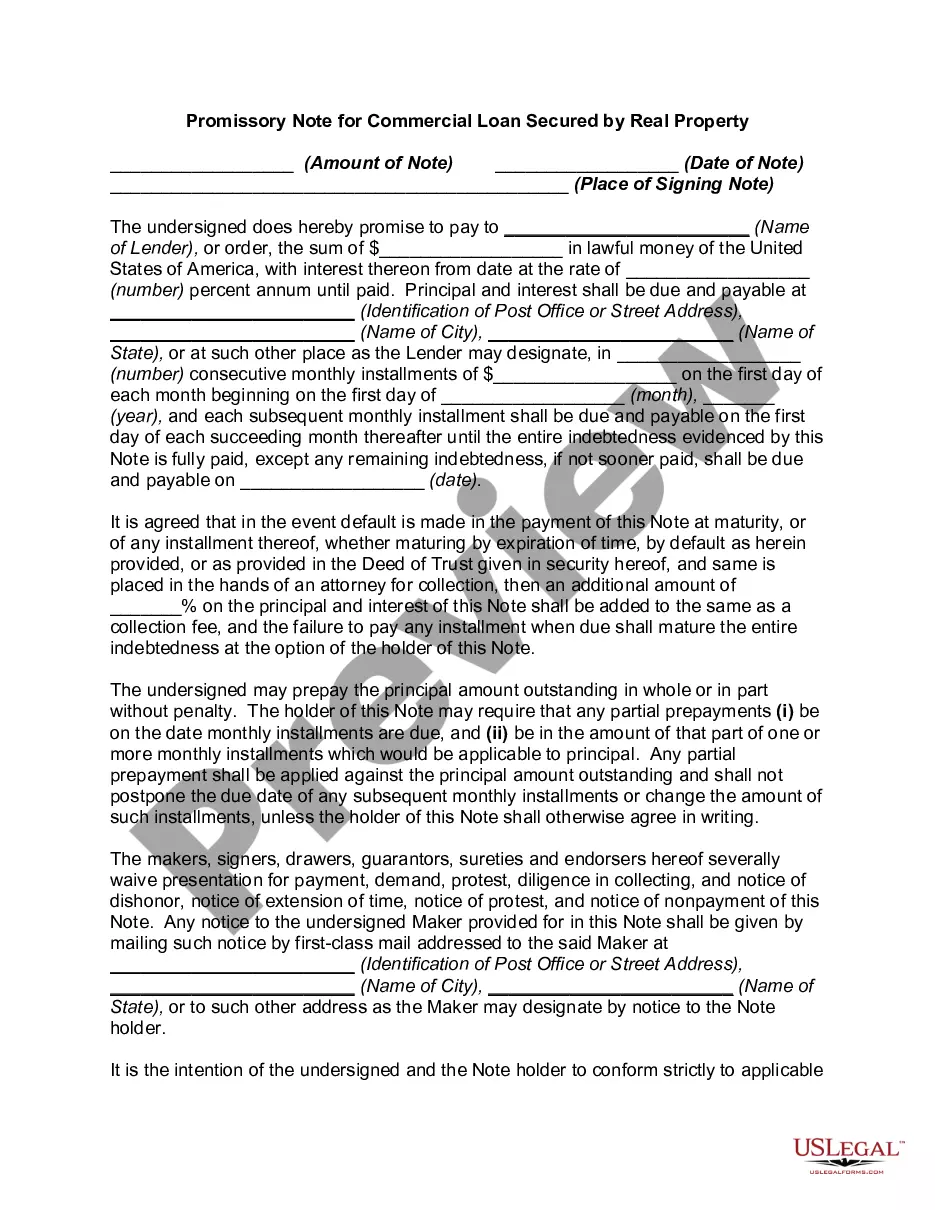
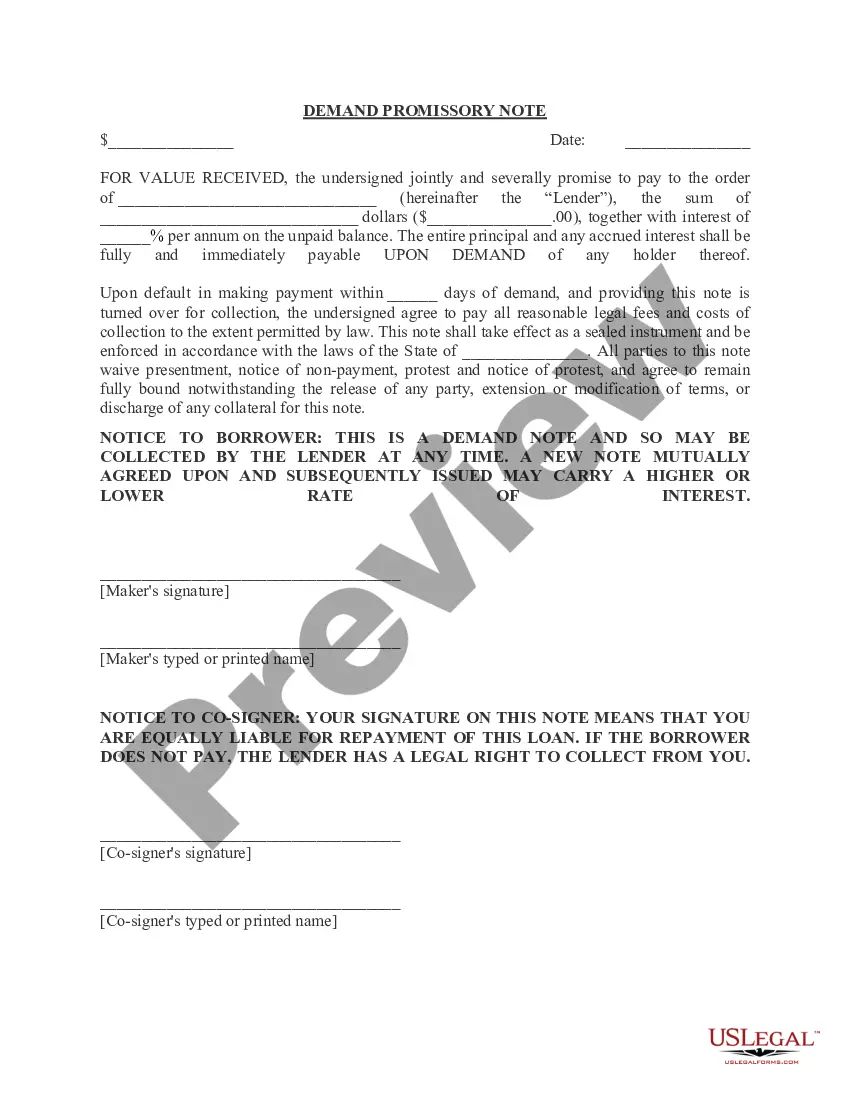
The Promissory Note College to Church is a legal document outlining a borrower's promise to repay a specific sum to a nonprofit organization, typically related to a college or church. This form is essential for formalizing the agreement between the borrower and the lender, ensuring clarity on repayment terms, payment schedules, and any applicable late fees. It is distinct from other loan agreements as it specifically addresses charitable organizations operating in educational or religious contexts.
What’s included in this form
- Parties involved: Identifies the borrower and the lender, including legal names.
- Principal amount: Specifies the total money being borrowed.
- Payment terms: Details on the payment schedule, including installment amounts and due dates.
- Interest terms: Clarifies that the borrowed sum bears no interest.
- Late fees: Outlines late charges applicable if payments are missed.
- Prepayment options: States the conditions under which the borrower may make early payments without penalty.
Common use cases
This form is used when a college borrows money from a church or nonprofit organization, typically for specific projects or operational costs. It is appropriate in situations where formal documentation is necessary to outline the repayment structure, including the total amount, payment intervals, and any financial penalties for late payments. This ensures both parties understand their obligations under the agreement.
Who should use this form
- Colleges or educational institutions seeking financial assistance from nonprofit organizations.
- Churches or religious organizations providing loans to colleges.
- Financial officers and legal representatives involved in drafting or reviewing loan agreements.
- Any nonprofit entity requiring a formal promise to repay funds provided to another nonprofit.
Steps to complete this form
- Identify the parties: Enter the legal names of both the nonprofit borrower and the lender.
- Specify the loan amount: Fill in the total dollar amount being borrowed.
- Detail repayment terms: Clearly outline the schedule for repayment, including installment amounts and due dates.
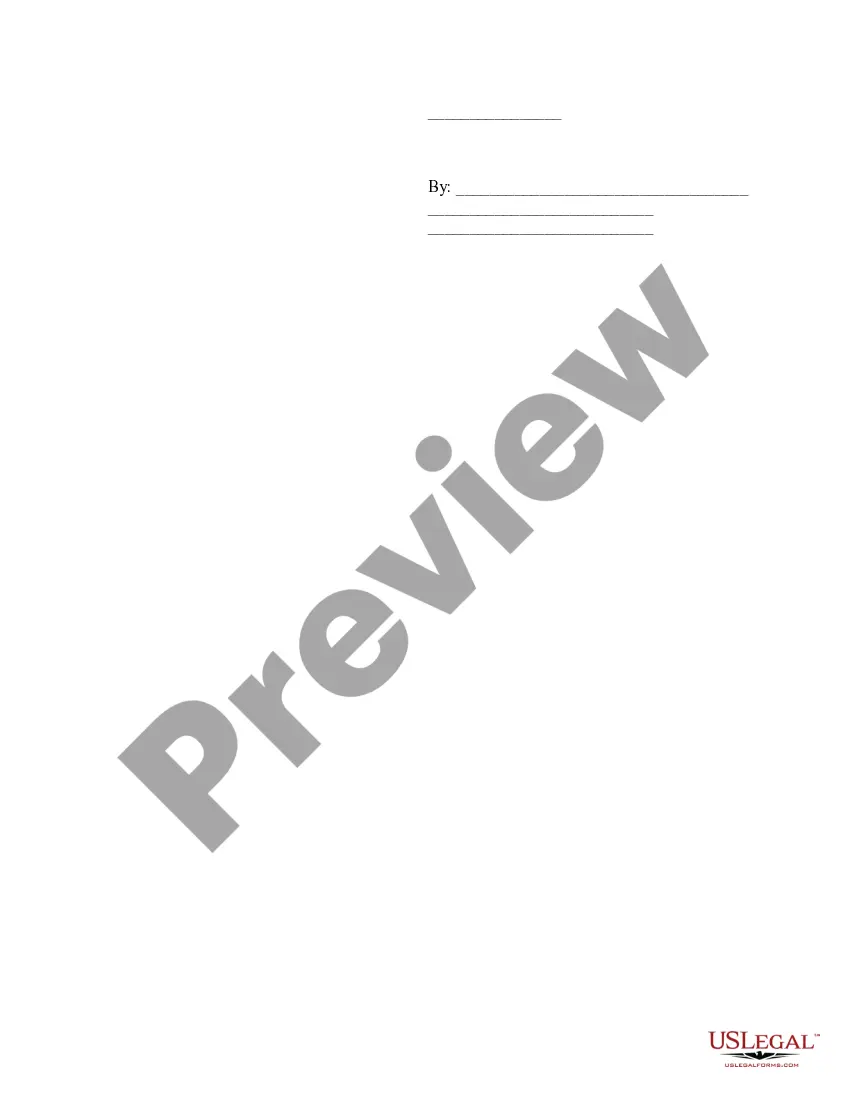
- Sign and date the document: Ensure all parties sign and include the correct date of agreement.
- Review the additional terms: Check any clauses regarding late fees or prepayment options to fully understand obligations.
Does this form need to be notarized?
This form needs to be notarized to ensure legal validity. US Legal Forms provides secure online notarization powered by Notarize, allowing you to complete the process through a verified video call, available anytime.
Get your form ready online
Our built-in tools help you complete, sign, share, and store your documents in one place.
Make edits, fill in missing information, and update formatting in US Legal Forms—just like you would in MS Word.
Download a copy, print it, send it by email, or mail it via USPS—whatever works best for your next step.
Sign and collect signatures with our SignNow integration. Send to multiple recipients, set reminders, and more. Go Premium to unlock E-Sign.
If this form requires notarization, complete it online through a secure video call—no need to meet a notary in person or wait for an appointment.
We protect your documents and personal data by following strict security and privacy standards.

Make edits, fill in missing information, and update formatting in US Legal Forms—just like you would in MS Word.

Download a copy, print it, send it by email, or mail it via USPS—whatever works best for your next step.

Sign and collect signatures with our SignNow integration. Send to multiple recipients, set reminders, and more. Go Premium to unlock E-Sign.

If this form requires notarization, complete it online through a secure video call—no need to meet a notary in person or wait for an appointment.

We protect your documents and personal data by following strict security and privacy standards.
Avoid these common issues
- Failing to clearly identify all parties involved in the agreement.
- Omitting the principal amount or using incorrect figures.
- Not specifying the payment schedule or mislabeling due dates.
- Neglecting to include all terms regarding late fees or prepayment options.
Why use this form online
- Convenience: Download and fill out the form at your own pace.
- Editability: Easily make changes to reflect the specific terms of your agreement.
- Reliability: Access a professionally drafted form that complies with legal standards.
Main things to remember
- The Promissory Note College to Church formalizes a loan agreement between an educational institution and a nonprofit.
- Clear terms regarding repayment, interest, and late fees help prevent misunderstandings.
- Compliance with Mississippi laws is essential for enforceability.
- This form is beneficial for both parties to ensure clarity and security in financial transactions.
Looking for another form?
Form popularity
FAQ
What Happens When a Promissory Note Is Not Paid? Promissory notes are legally binding documents. Someone who fails to repay a loan detailed in a promissory note can lose an asset that secures the loan, such as a home, or face other actions.
Small businesses frequently borrow money, or extend credit, in the course of their operations. A promissory note is the document that sets forth the terms of a loan's repayment. A promissory note can be secured with a pledge of collateral, which is something of value that can be seized if a borrower defaults.
Promissory notes are legally binding whether the note is secured by collateral or based only on the promise of repayment. If you lend money to someone who defaults on a promissory note and does not repay, you can legally possess any property that individual promised as collateral.
Promissory notes are legally binding whether the note is secured by collateral or based only on the promise of repayment. If you lend money to someone who defaults on a promissory note and does not repay, you can legally possess any property that individual promised as collateral.
A promissory note is a contract, a binding agreement that someone will pay your business a sum of money. However under some circumstances if the note has been altered, it wasn't correctly written, or if you don't have the right to claim the debt then, the contract becomes null and void.
Promissory notes are a valuable legal tool that any individual can use to legally bind another individual to an agreement for purchasing goods or borrowing money. A well-executed promissory note has the full effect of law behind it and is legally binding on both parties.
In order for a promissory note to be valid, both the lender and the borrower must sign the documentation. If you are a co-signer for the loan, you are required to sign the promissory note. Being a co-signer requires you to repay the loan amount in the instance that the borrower defaults on payment.
A simple promissory note might be for a lump sum repayment on a certain date. For example, you lend your friend $1,000 and he agrees to repay you by December 1. The full amount is due on that date, and there is no payment schedule involved.