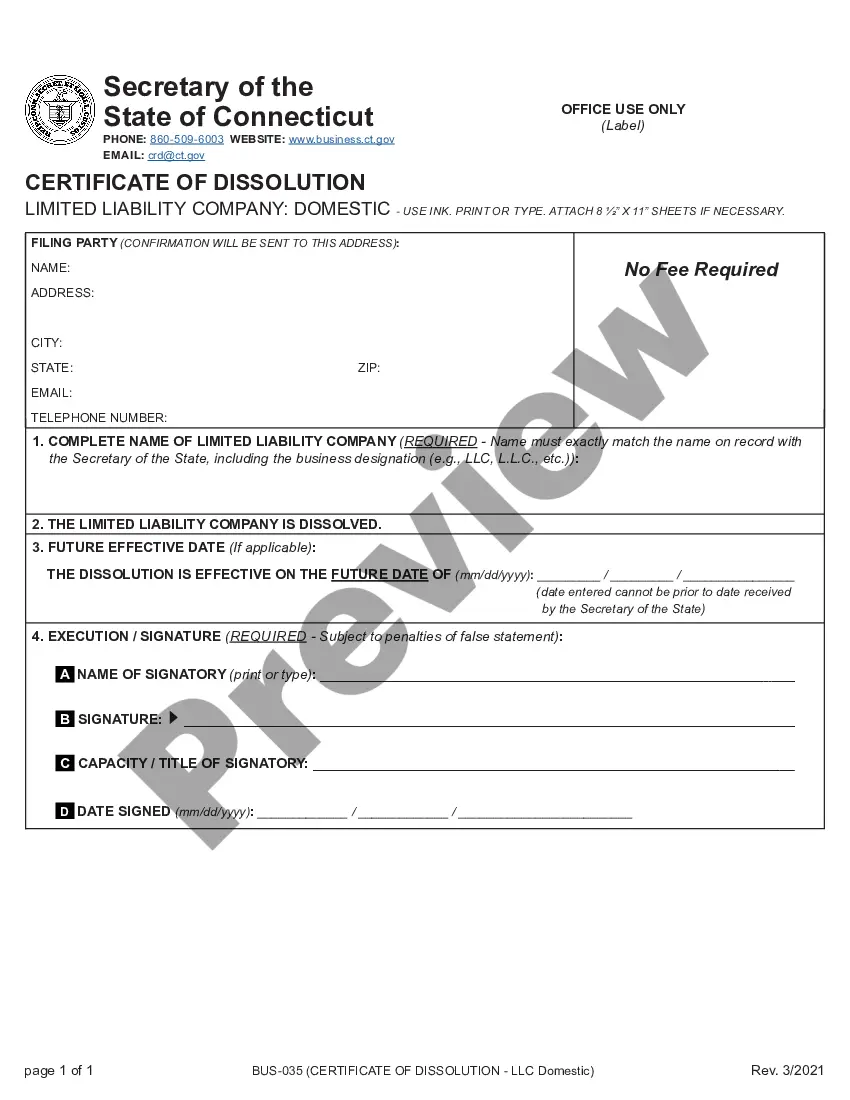
Products and Services Differentiation Worksheet
Description
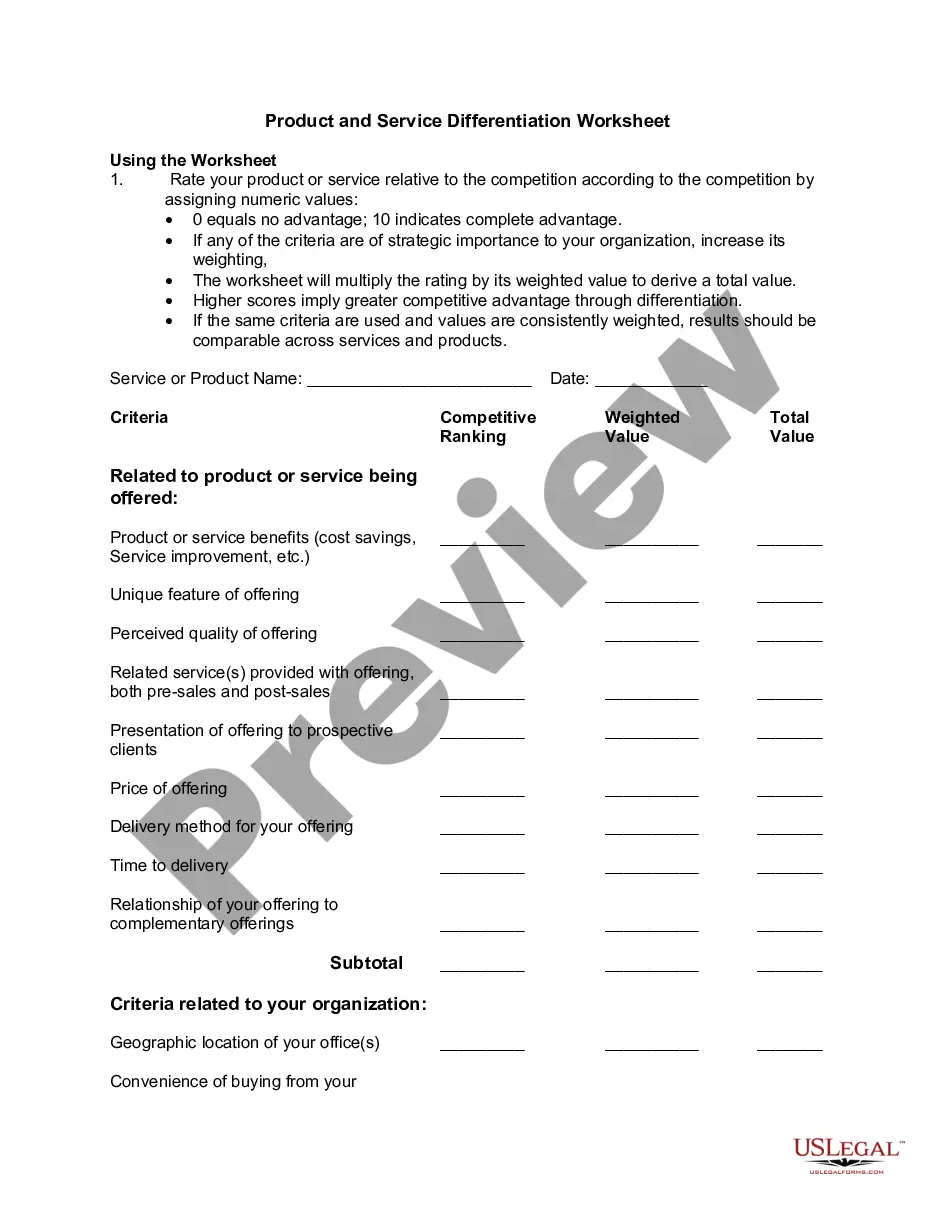
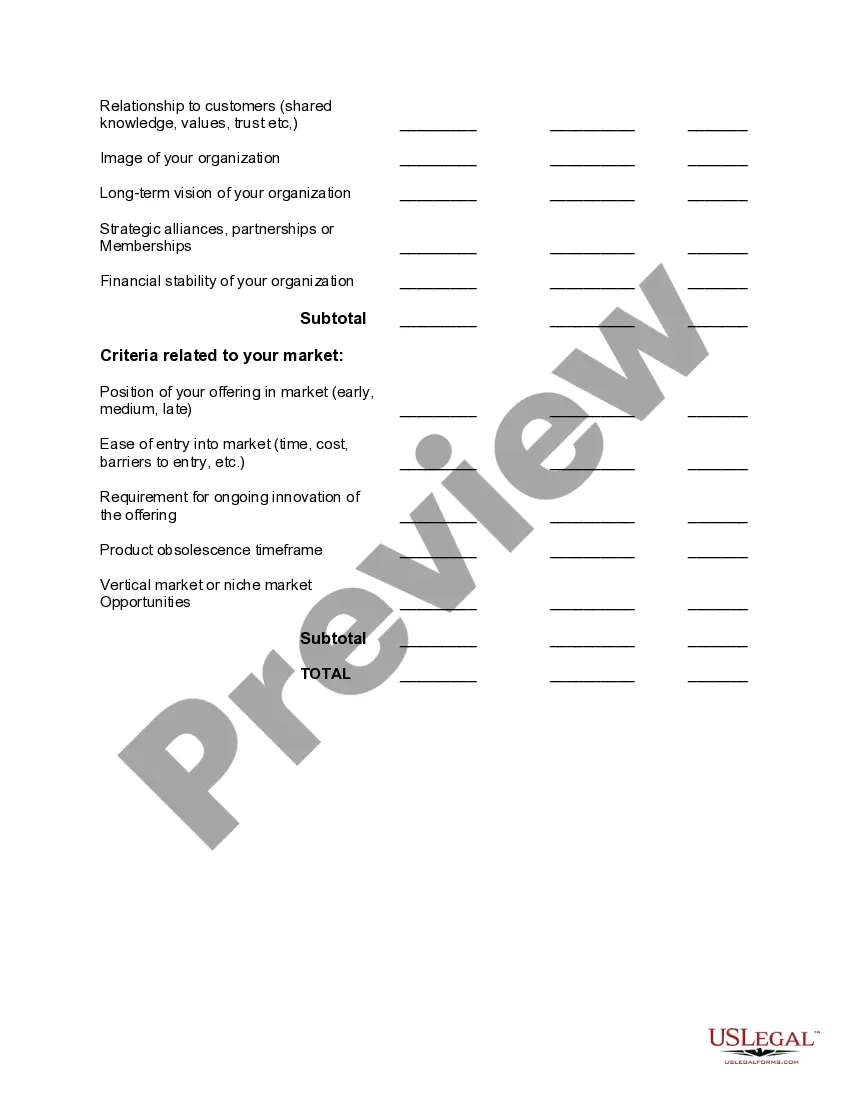
How to fill out Products And Services Differentiation Worksheet?
Employ the most extensive legal catalogue of forms. US Legal Forms is the best platform for finding up-to-date Products and Services Differentiation Worksheet templates. Our platform offers thousands of legal forms drafted by licensed lawyers and sorted by state.
To download a template from US Legal Forms, users simply need to sign up for an account first. If you’re already registered on our service, log in and choose the template you need and buy it. Right after buying templates, users can find them in the My Forms section.
To obtain a US Legal Forms subscription on-line, follow the guidelines below:
- Check if the Form name you’ve found is state-specific and suits your needs.
- If the template features a Preview option, use it to review the sample.
- In case the sample does not suit you, make use of the search bar to find a better one.
- Hit Buy Now if the sample meets your expections.
- Select a pricing plan.
- Create a free account.
- Pay with the help of PayPal or with yourr credit/bank card.
- Select a document format and download the template.
- Once it’s downloaded, print it and fill it out.
Save your effort and time with the platform to find, download, and fill out the Form name. Join thousands of satisfied customers who’re already using US Legal Forms!
Form popularity
FAQ
Differentiation means tailoring instruction to meet individual needs. Whether teachers differentiate content, process, products, or the learning environment, the use of ongoing assessment and flexible grouping makes this a successful approach to instruction.
Flexible-pace learning. Collaborative learning. Progressive tasks. Digital resources. Verbal support. Variable outcomes. Ongoing assessment.
Microlearning. Spaced Repetition. Interactivity. Gamification. Leaderboards. Peer Learning. Mobile Learning. Just in Time training (JITT)
Five components of instruction can be differentiated: (1) contentwhat a student needs to learn or how the student will gain access to the knowledge, ideas, and skills; (2) processhow the student will come to master and "own" the knowledge, ideas, and skills; (3) producthow the student will summatively show what he
Differentiate Through Teams. Reflection and Goal Setting. Mini-Lessons, Centers, and Resources. Voice and Choice in Products. Differentiate Through Formative Assessments. Balance Teamwork and Individual Work.
Four ways to differentiate instruction. According to Tomlinson, teachers can differentiate instruction through four ways: 1) content, 2) process, 3) product, and 4) learning environment.
Differentiate Through Teams. Reflection and Goal Setting. Mini-Lessons, Centers, and Resources. Voice and Choice in Products. Differentiate Through Formative Assessments. Balance Teamwork and Individual Work.