Sample Letter for Letter from Artist Thanking Patrons
Understanding this form
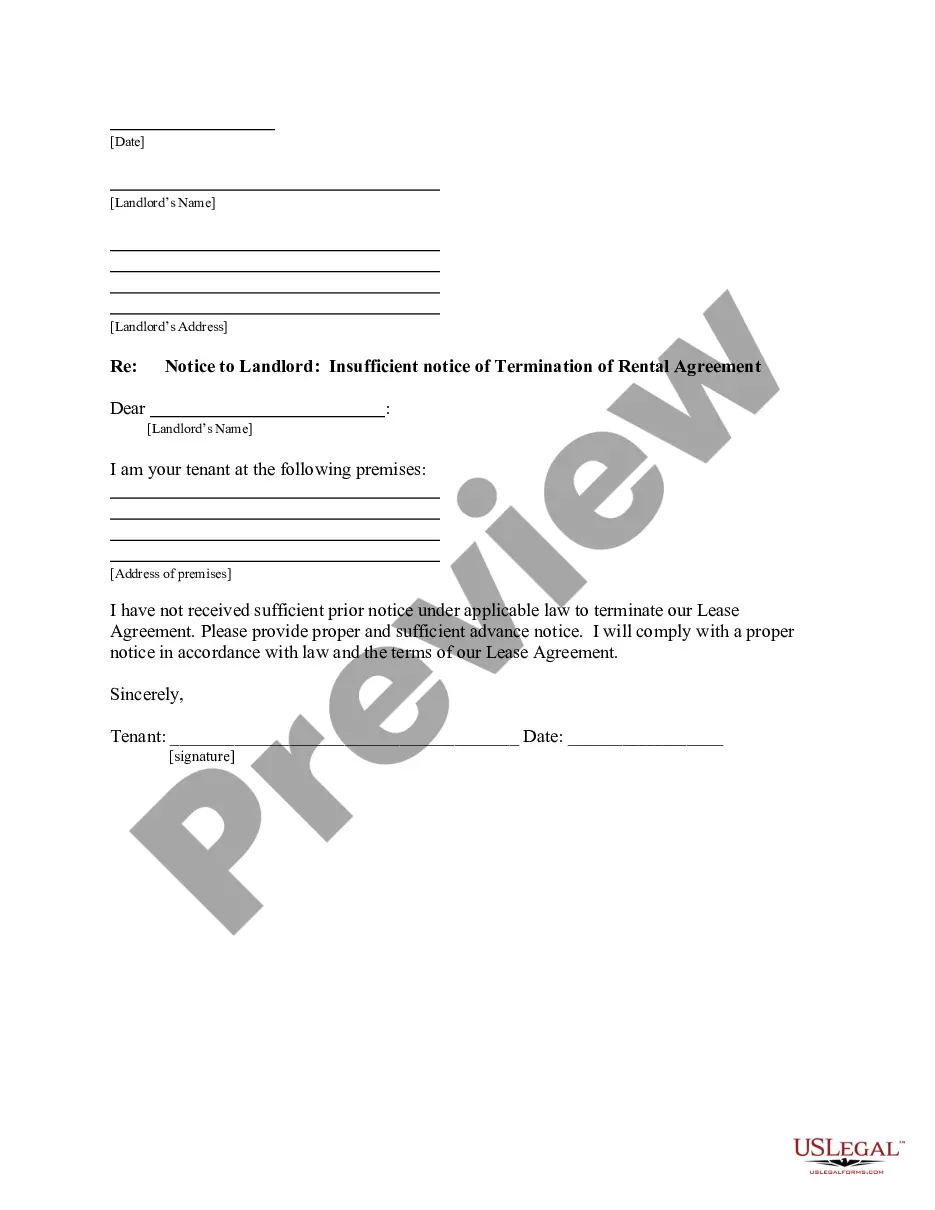
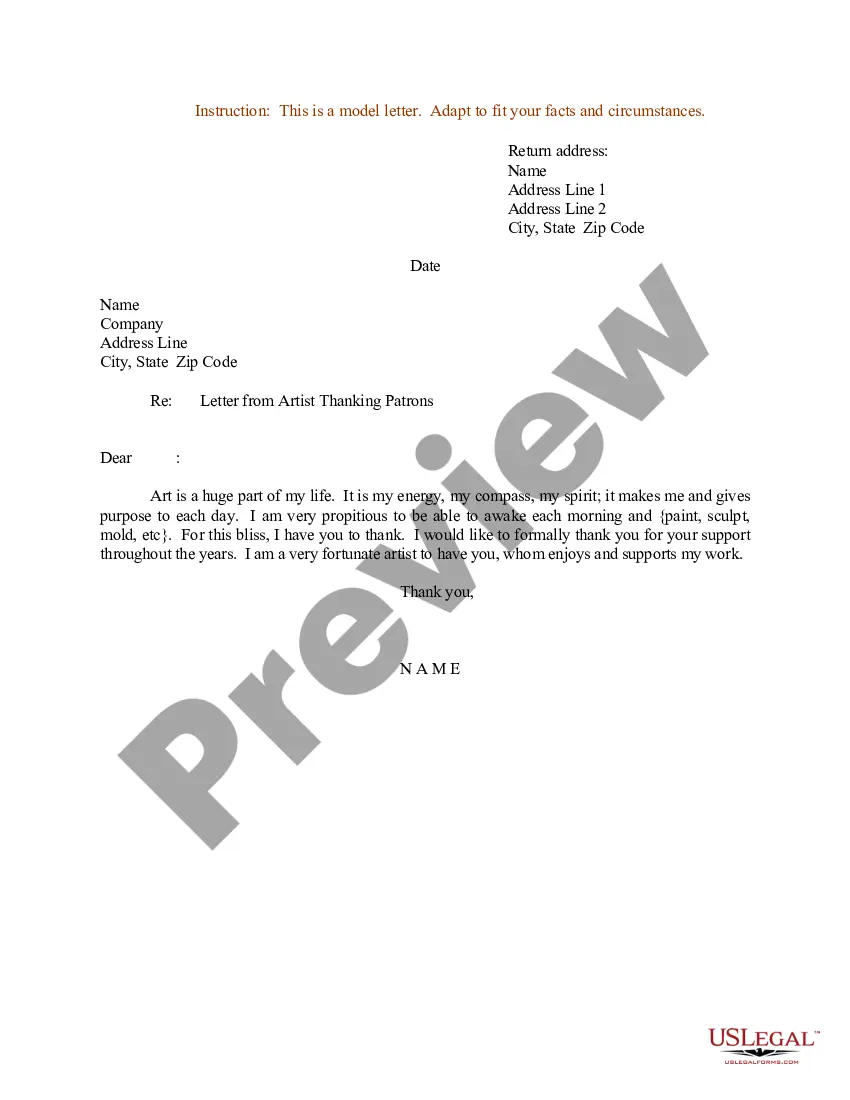
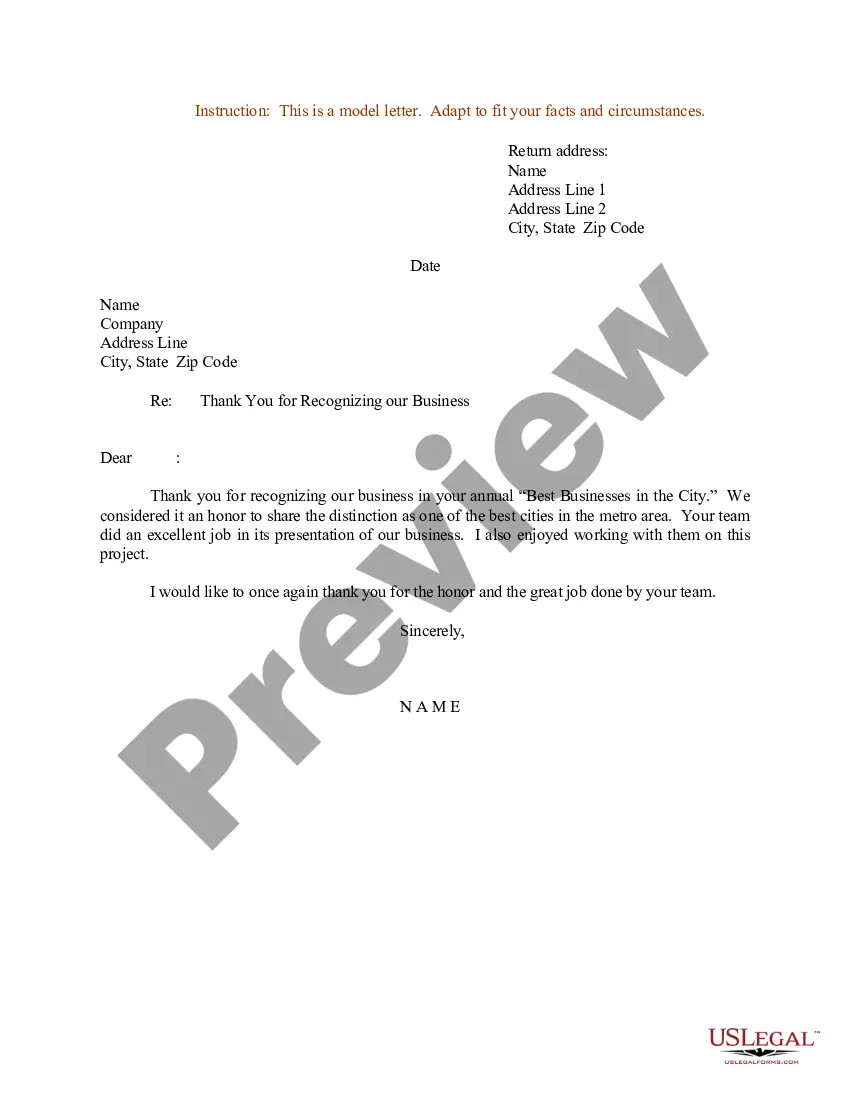
This form is a sample letter from an artist thanking their patrons. It serves to express appreciation and strengthen relationships with supporters. Unlike other legal documents, this letter is primarily focused on gratitude and connection rather than legal obligations. It can be easily customized to fit the artist's style and personal touch.
Key components of this form
- Return address: Includes the artist's name and mailing details.
- Date: Specifies when the letter is sent.
- Recipient's address: Name and details of the patrons or patrons' company.
- Subject line: Clearly states the purpose of the letter.
- Body: A section to express gratitude and appreciation to the patrons.
- Closing signature: Artist's name to personalize the letter.


When this form is needed
This form is useful for artists who wish to express their gratitude to patrons or supporters of their work. It can be employed after a successful exhibition, event, or project, or when reaching out to thank long-term supporters. This sample letter can also be adapted for various occasions where appreciation is warranted.
Who needs this form
- Artists looking to acknowledge and thank their supporters.
- Art event organizers wishing to express gratitude to attendees.
- Anyone involved in creative fields who has patrons or supporters.
Steps to complete this form
- Identify the return address: Fill in your name and mailing address at the top.
- Enter the date: Include the date when you are sending the letter.
- Provide the recipient's address: Input the name and address of the patrons you are thanking.
- Write the subject line: Clearly state that this is a letter thanking patrons.
- Compose the body: Express your appreciation in a pleasant and heartfelt manner.
- Sign the letter: Include your name at the end to personalize the message.
Does this form need to be notarized?
Notarization is generally not required for this form. However, certain states or situations might demand it. You can complete notarization online through US Legal Forms, powered by Notarize, using a verified video call available anytime.
Common mistakes to avoid
- Forgetting to include the recipient's name in the greeting.
- Using a generic message without personal touches.
- Not providing a clear subject line.
- Omitting a return address or signature.
Benefits of using this form online
- Convenience: Easily accessible from anywhere, at any time.
- Editability: Can be customized to reflect individual style and tone.
- Reliability: Drafted by licensed attorneys to ensure clarity and effectiveness.
Main things to remember
- This letter serves as a heartfelt way to thank patrons and supporters.
- Customize the sample to reflect your unique voice and appreciation.
- Ensure all key components, such as addresses and subject lines, are included.



Form popularity
FAQ
In the Italian Renaissance, patrons either took on artists and commissioned them work-by-work, or they fully took them into their estates and provided them with housing while the artist was on-call for all art needs. Depending on the scale of a project, an artist could be funded by patrons for years.
A patron of the arts is a person who pays for or commissions works of art. A patron of the arts is a person who pays for or commissions works of art, and commonly refers to the support that kings and popes provided to painters, sculptors, musicians, and poets.
Who were the Medici family? Most profitable banking family in Europe, greatest patrons of art.
Patrons played a very large and important role in renaissance art and literature because they would provide the necessary funding and support for the artists to work and therefore survive.
The two most popular apps for recognizing artwork are Smartify and Magnus. These apps only have access to paintings that have been well-documented and catalogued by curators, professors, historians, and other artists.
According to humanist philosophies, art was morally uplifting for all of society. So when patrons commissioned a major work of public art, it was seen as a gift to the people. This added a final motivation for patrons to commission art, as a way to increase their fame and immortalize their legacies.
A patron of the arts is a person who pays for or commissions works of art, and commonly refers to the support that kings and popes provided to painters, sculptors, musicians, and poets.Art collectors can act as patrons as well, by commissioning specific works or styles from the artists they wish to support.
If you were an artist and had a powerful patron, your financial security was all but guaranteed. In the Italian Renaissance, patrons either took on artists and commissioned them work-by-work, or they fully took them into their estates and provided them with housing while the artist was on-call for all art needs.