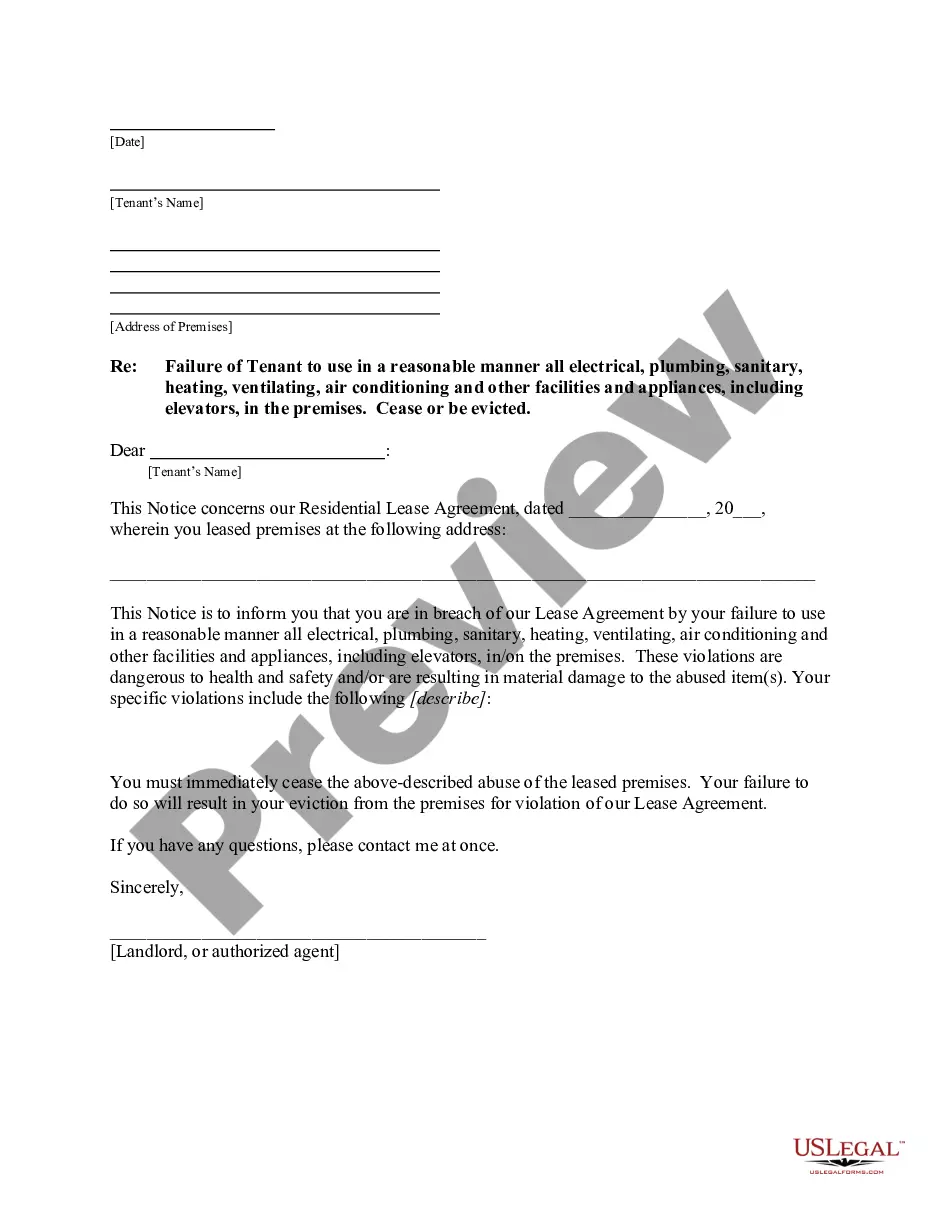
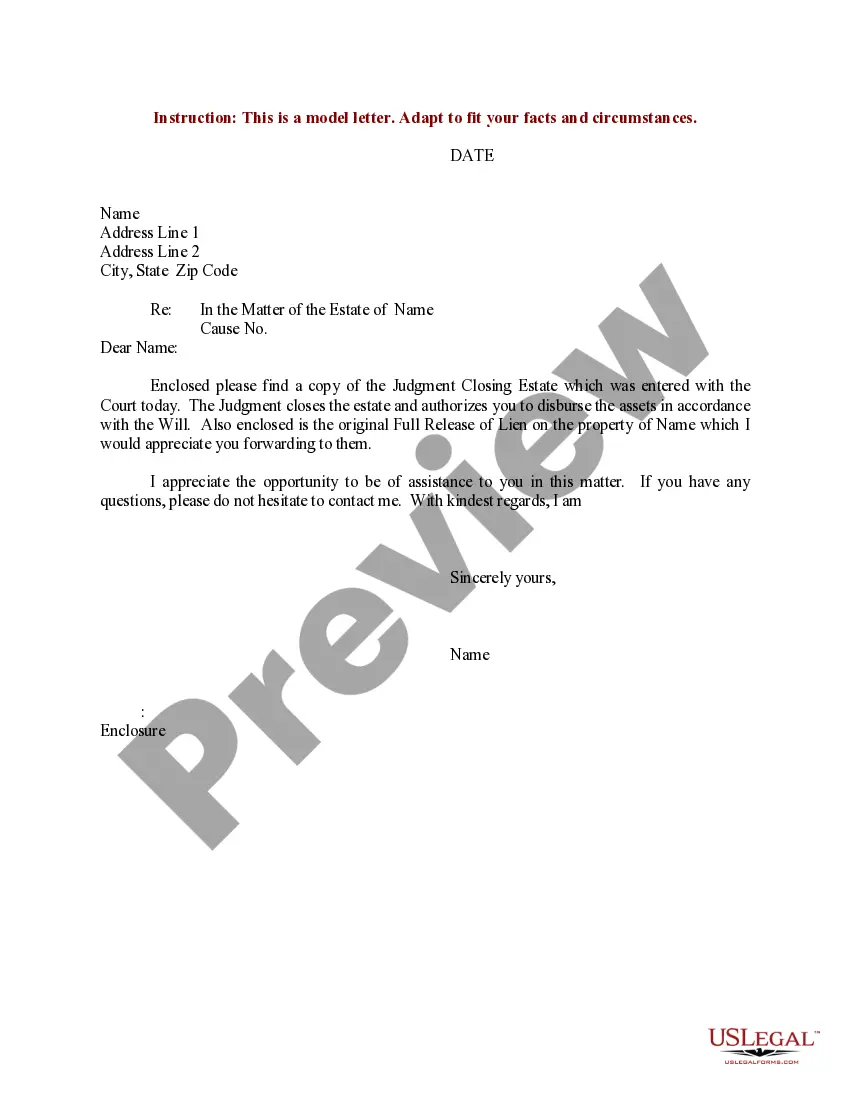
Sample Letter regarding Judgment Closing Estate
What this document covers
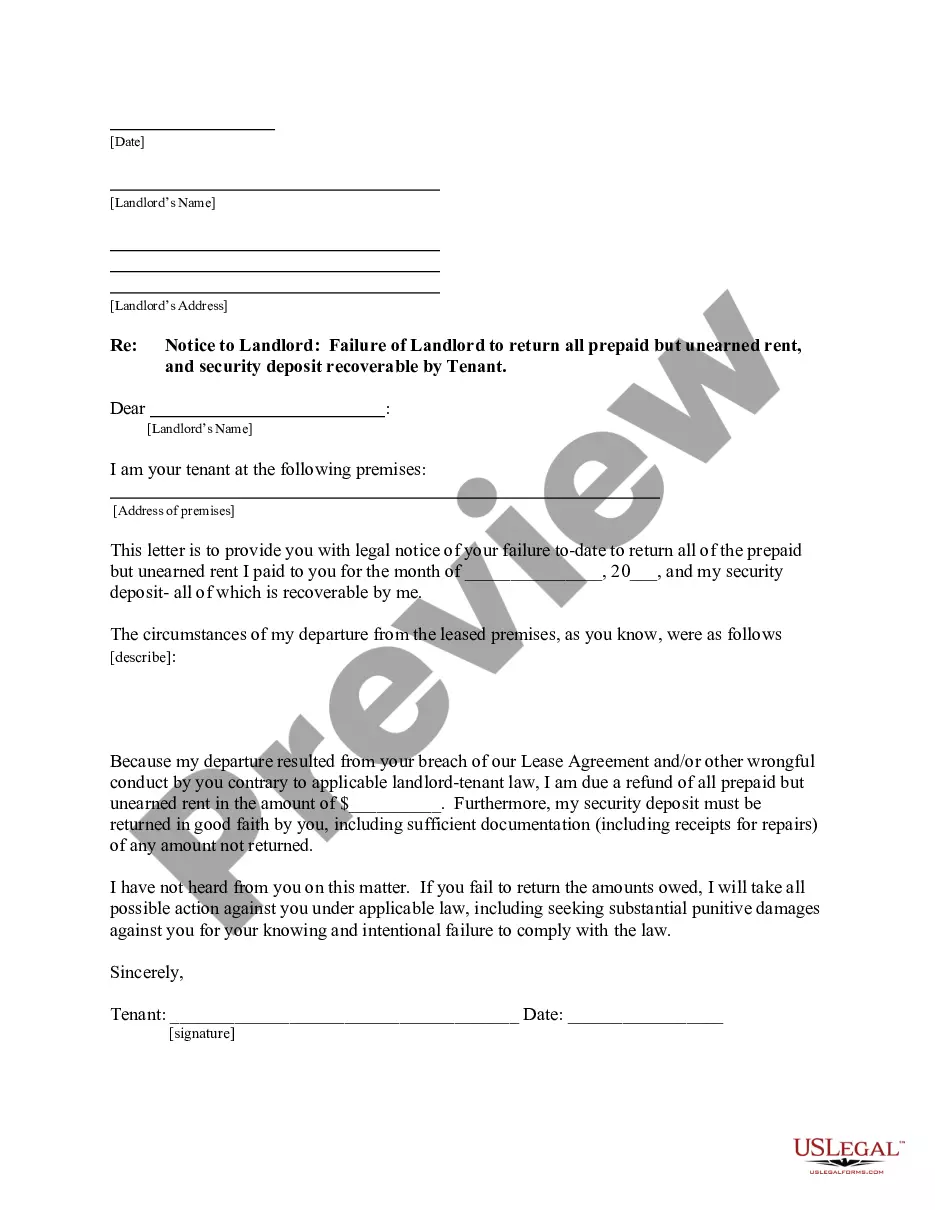
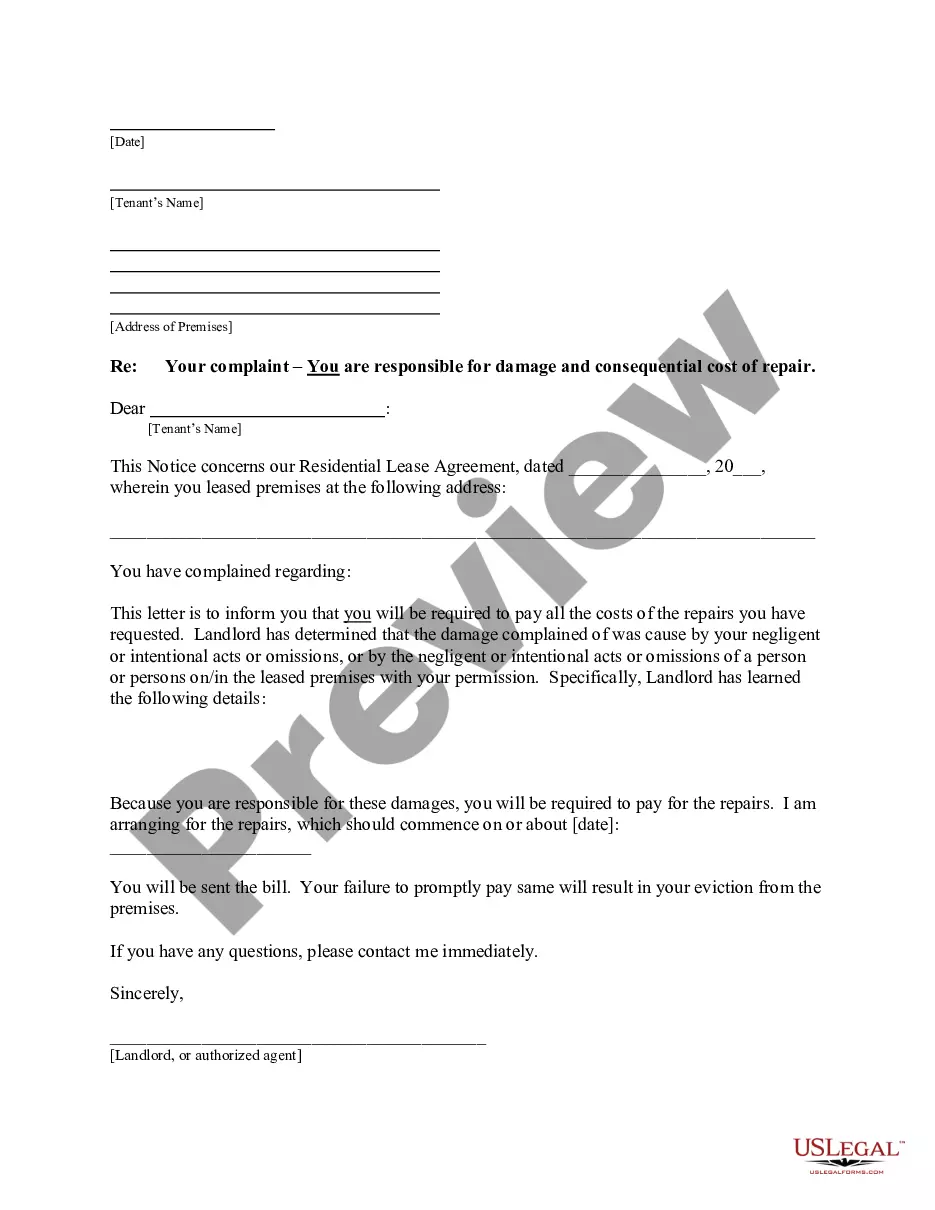
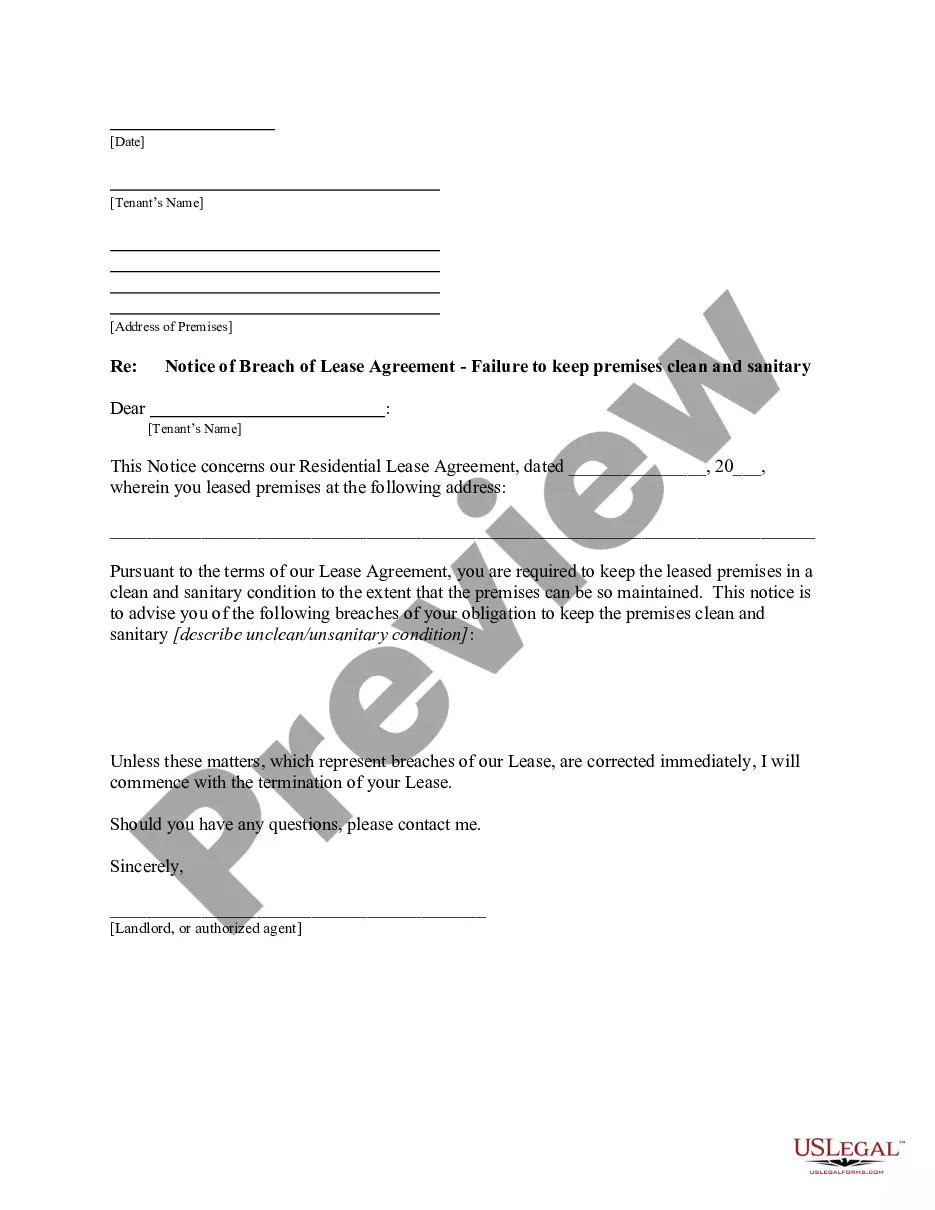
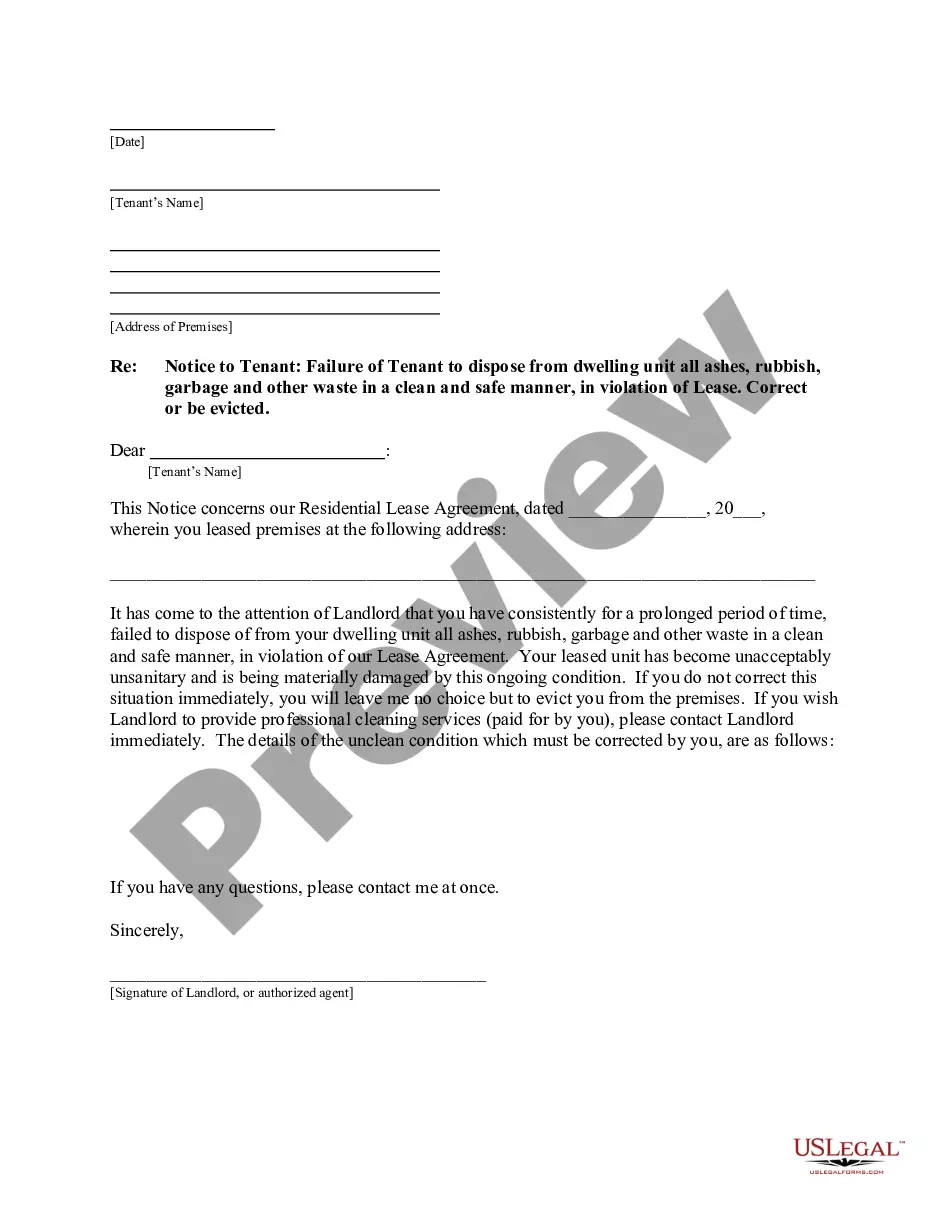
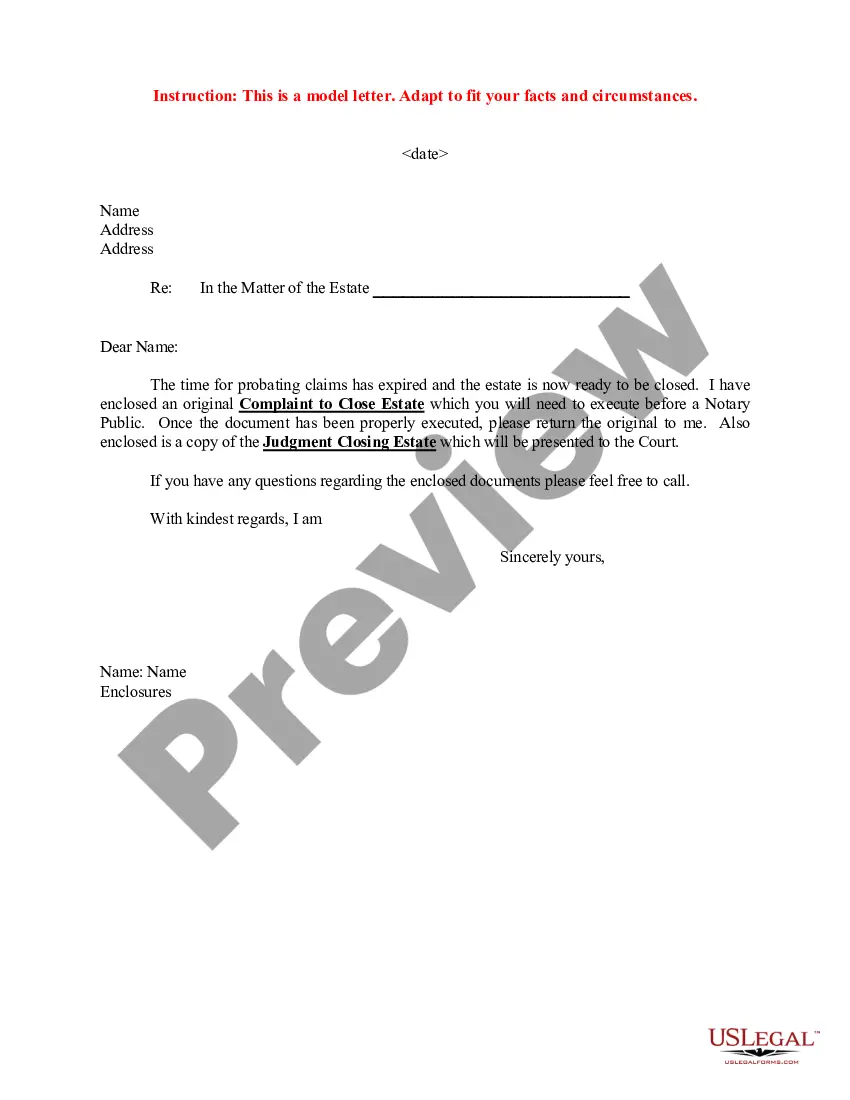
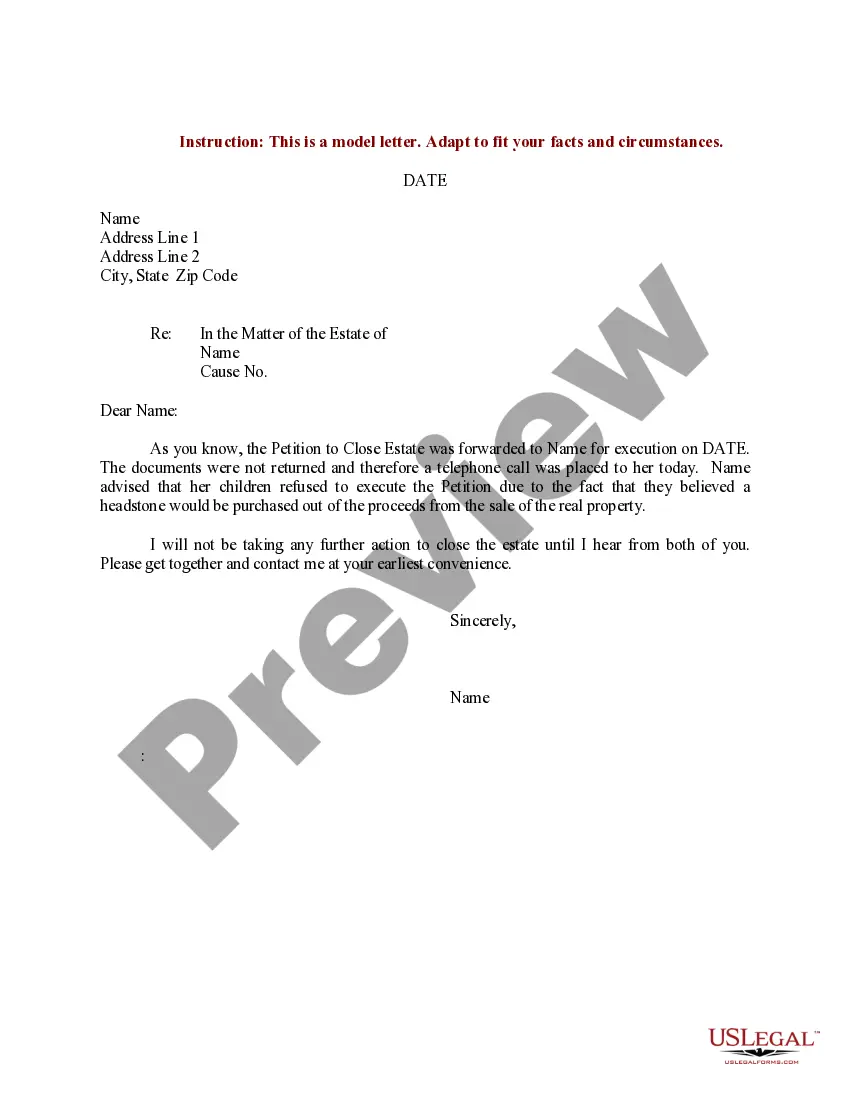
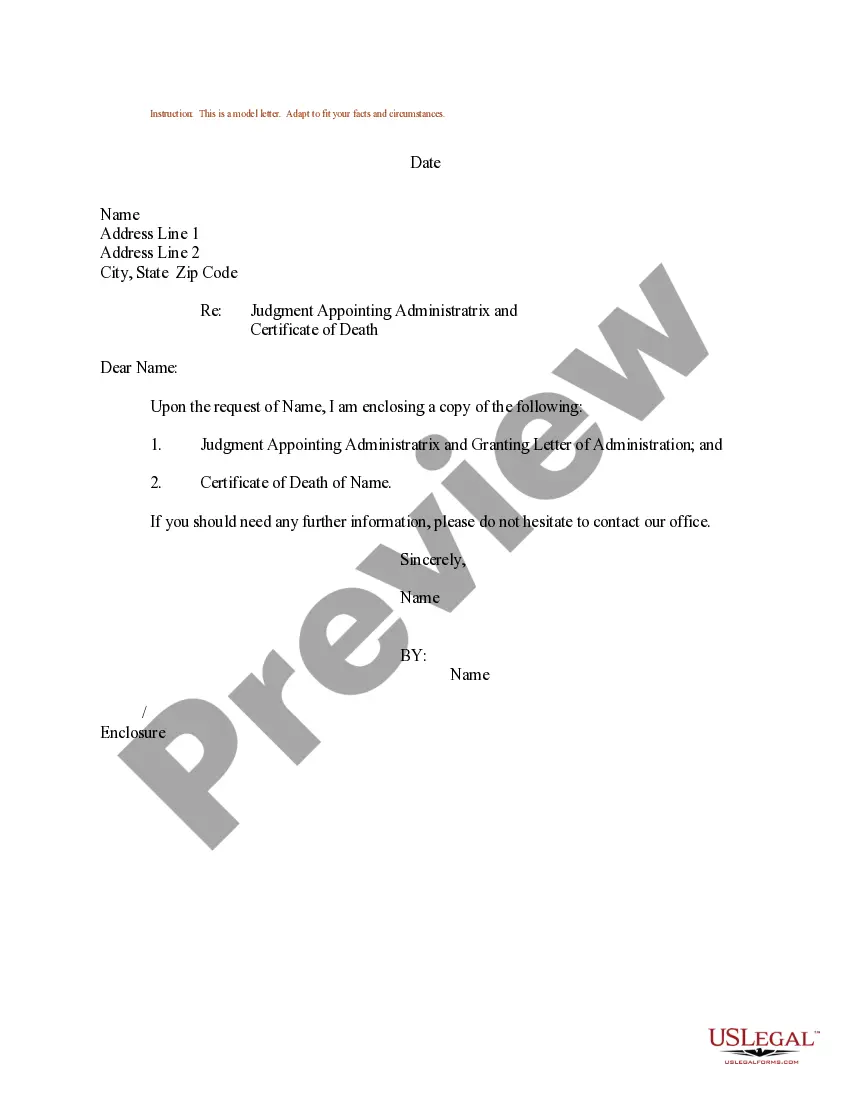
The Sample Letter regarding Judgment Closing Estate is a pre-drafted letter designed to assist individuals in communicating the closing of an estate following a legal judgment. This document serves as a template that can be personalized according to specific circumstances, making it easier for users to communicate effectively without needing legal expertise. Unlike other generic letters, this form addresses the unique aspects of estate closure related to judgments, providing clarity and support during a complex time.
Key parts of this document
- Date: The date the letter is composed.
- Recipient Information: Name and address of the person receiving the letter.
- Reference: Subject line indicating the matter related to the estate.
- Body: A courteous message offering assistance and inviting questions.
- Signature: The name of the sender for identification.
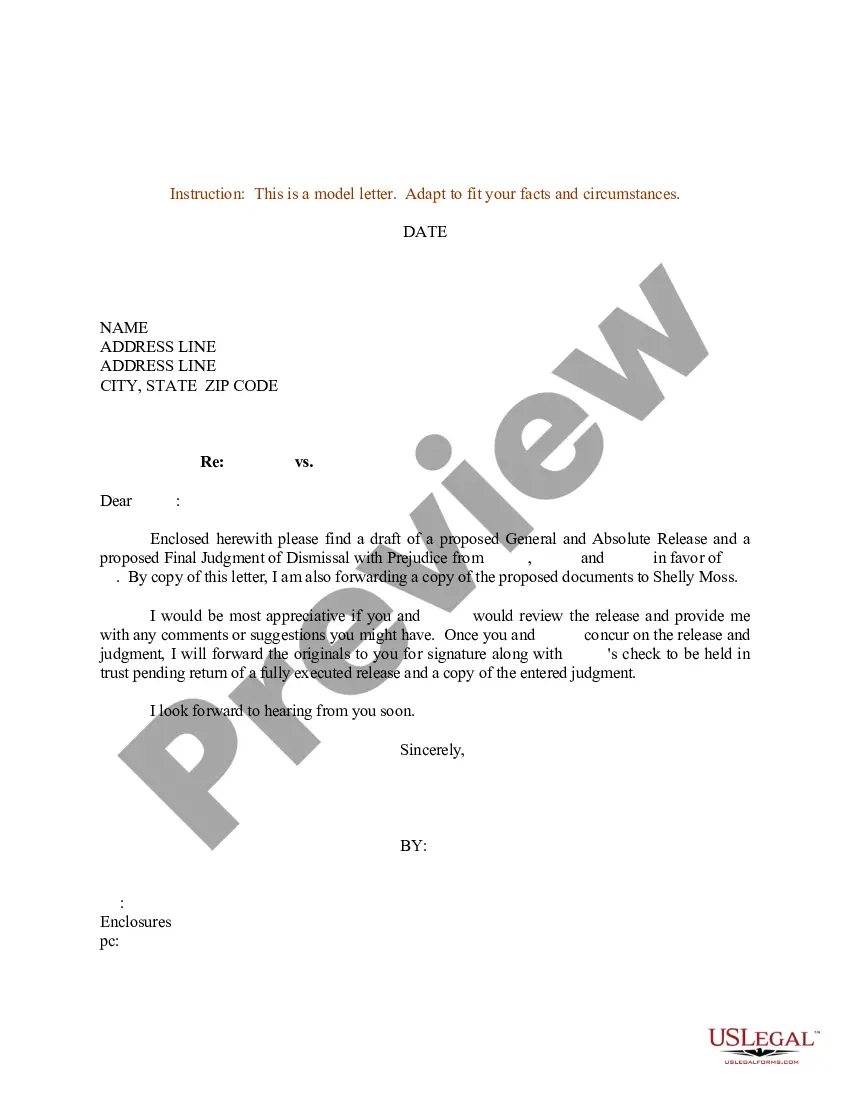
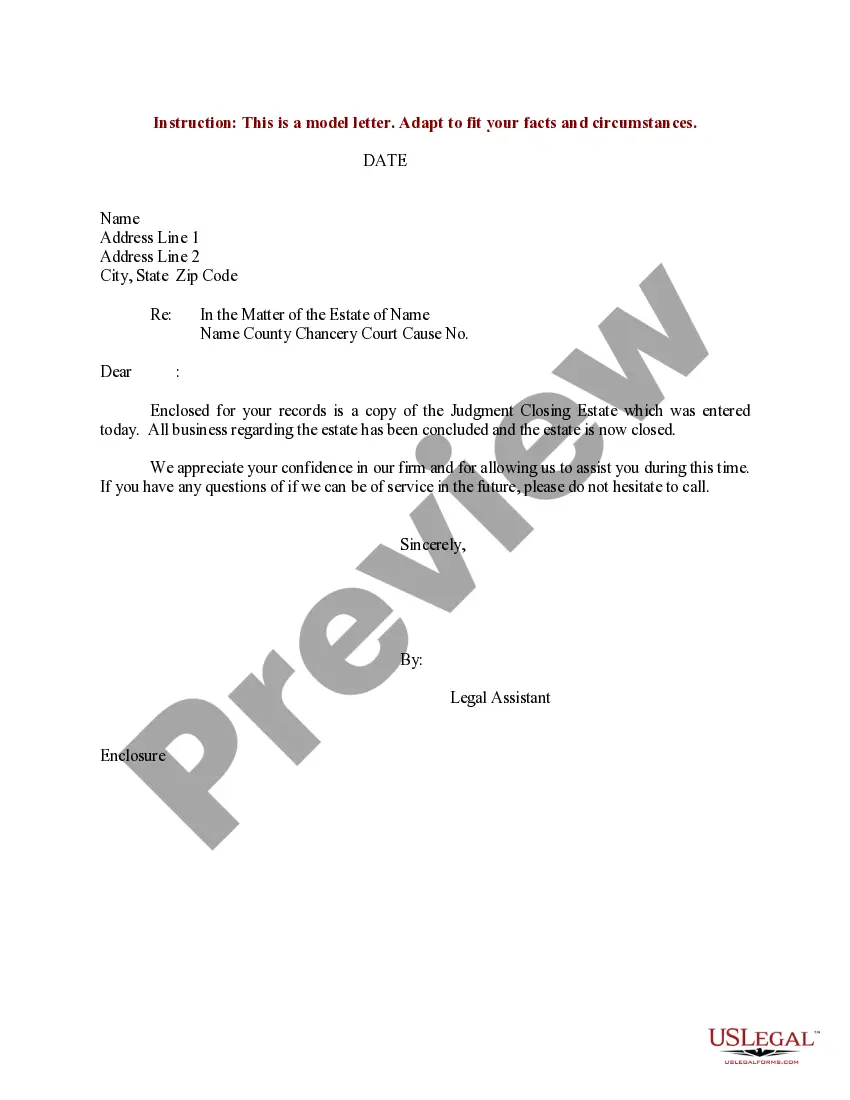
Common use cases
This form is useful in situations where an estate has been closed following a legal judgment, and the involved parties need formal communication regarding the closure. You might use this letter to inform heirs, beneficiaries, or interested parties about the judgment and the subsequent conclusion of the estate, ensuring everyone is updated on its status and any further actions required.
Intended users of this form
- Executors or administrators of an estate.
- Heirs or beneficiaries needing confirmation of estate closure.
- Legal representatives managing estate affairs.
- Individuals communicating about estate matters with involved parties.
Completing this form step by step
- Identify the date of completion and enter it at the top of the letter.
- Fill in the recipient's name and address, ensuring accuracy for delivery.
- Specify the reference line with the estate name or identifier for clarity.
- Customize the body of the letter to reflect your personal message and details.
- Sign the letter with your name at the end to authenticate the communication.
Notarization guidance
Notarization is not commonly needed for this form. However, certain documents or local rules may make it necessary. Our notarization service, powered by Notarize, allows you to finalize it securely online anytime, day or night.
Get your form ready online
Our built-in tools help you complete, sign, share, and store your documents in one place.
Make edits, fill in missing information, and update formatting in US Legal Forms—just like you would in MS Word.
Download a copy, print it, send it by email, or mail it via USPS—whatever works best for your next step.
Sign and collect signatures with our SignNow integration. Send to multiple recipients, set reminders, and more. Go Premium to unlock E-Sign.
If this form requires notarization, complete it online through a secure video call—no need to meet a notary in person or wait for an appointment.
We protect your documents and personal data by following strict security and privacy standards.

Make edits, fill in missing information, and update formatting in US Legal Forms—just like you would in MS Word.

Download a copy, print it, send it by email, or mail it via USPS—whatever works best for your next step.

Sign and collect signatures with our SignNow integration. Send to multiple recipients, set reminders, and more. Go Premium to unlock E-Sign.

If this form requires notarization, complete it online through a secure video call—no need to meet a notary in person or wait for an appointment.

We protect your documents and personal data by following strict security and privacy standards.
Typical mistakes to avoid
- Failing to personalize the letter to reflect individual circumstances.
- Not double-checking recipient information for accuracy.
- Leaving out the date, which is crucial for record-keeping.
- Using vague language that may lead to misunderstandings.
Why use this form online
- Convenience of downloading and editing the form at your own pace.
- Templates are drafted by licensed attorneys, ensuring legal compliance.
- Easy to customize for your specific situation.
- Accessible from anywhere with an internet connection.
Main things to remember
- The Sample Letter regarding Judgment Closing Estate is essential for formal communication during the estate closure process.
- Proper completion and customization of this letter are crucial to avoid misunderstandings.
- Be cognizant of state-specific requirements that may apply to the closure of an estate.
Looking for another form?
Form popularity
FAQ
Sincerely, Respectfully, Best regards, Kind regards, Yours sincerely,
1 Yours truly. 2 Sincerely. 3 Thanks again. 4 Appreciatively. 5 Respectfully. 6 Faithfully. 6 Regards. 7 Best regards.
1 Yours truly. 2 Sincerely. 3 Thanks again. 4 Appreciatively. 5 Respectfully. 6 Faithfully. 6 Regards. 7 Best regards.
Cordially, Yours Respectfully, Best Regards, With Appreciation, Warmly, Thank you for your assistance in this matter, Thank you for your time, Your help is greatly appreciated,
Sincerely. Sincerely (or sincerely yours) is often the go-to sign off for formal letters, and with good reason. Best. Best regards. Speak to you soon. Thanks. No sign-off Yours truly. Take care.
Formal alternatives to Best Regards include Sincerely, Sincerely Yours, Yours Truly, Faithfully Yours, Respectfully Yours, With Sincere Appreciation, and With Gratitude. On the other hand, some informal alternatives include Best, Thanks, See you soon, Take care, Love, I miss you, and Hugs.
Best. Sincerely. Regards. Kind regards. Thank you. Warm wishes. With gratitude. Many thanks.
Sincerely. Sincerely (or sincerely yours) is often the go-to sign off for formal letters, and with good reason. Best. Best regards. Speak to you soon. Thanks. No sign-off Yours truly. Take care.
Sincerely, Regards, Yours truly, and Yours sincerely These are the simplest and most useful letter closings to use in a formal business setting. These are appropriate in almost all instances and are excellent ways to close a cover letter or an inquiry.