Sample Letter for Naming a Trustee to a Deed of Trust
What this document covers
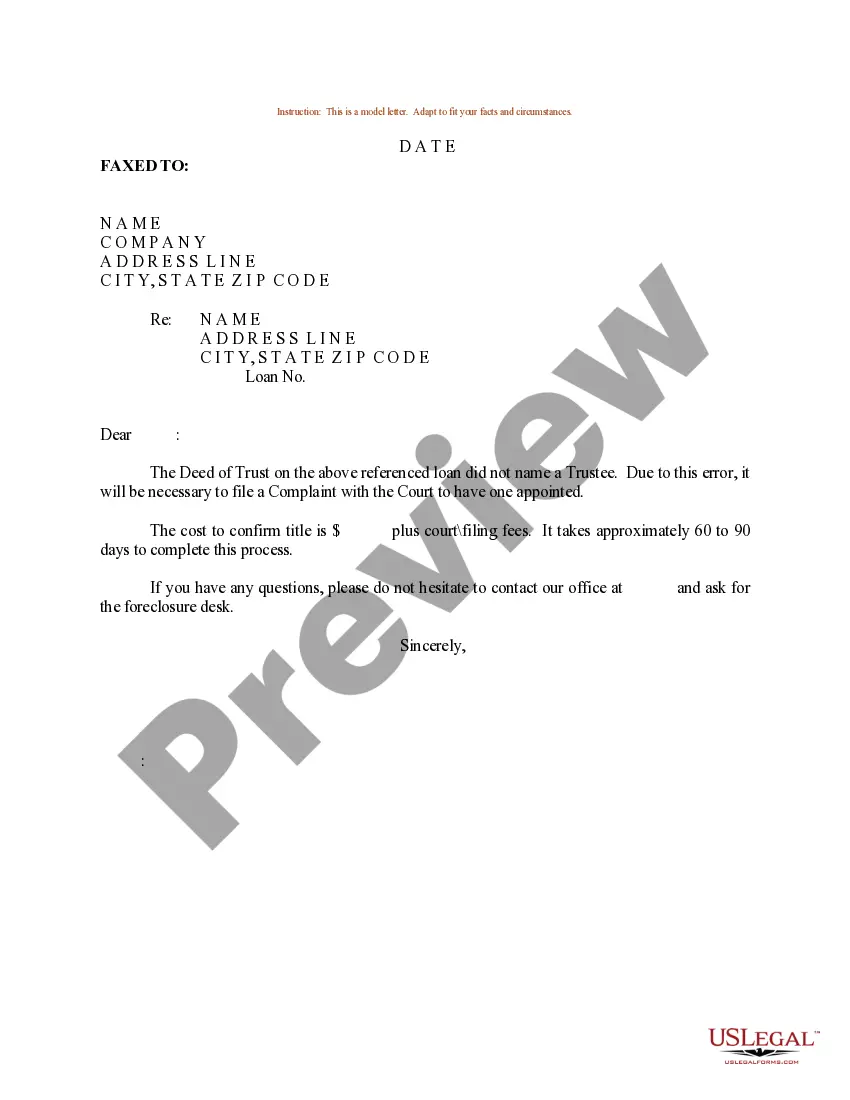
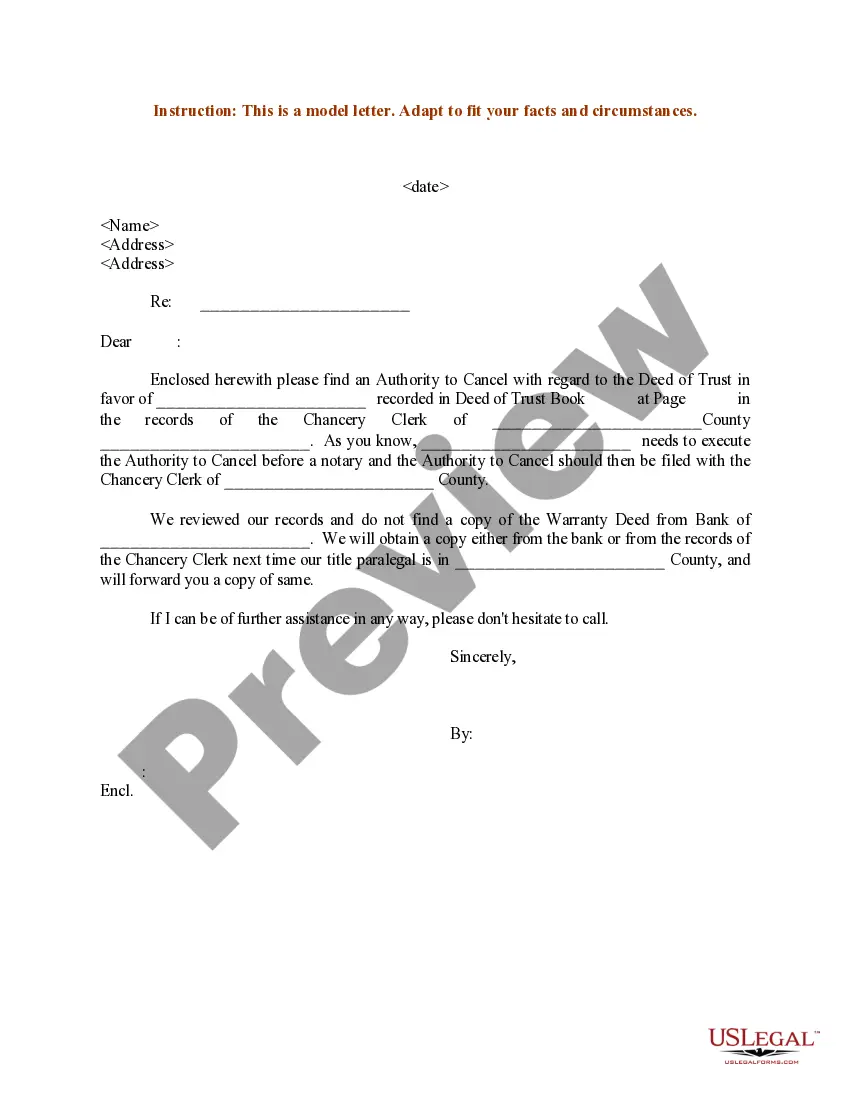
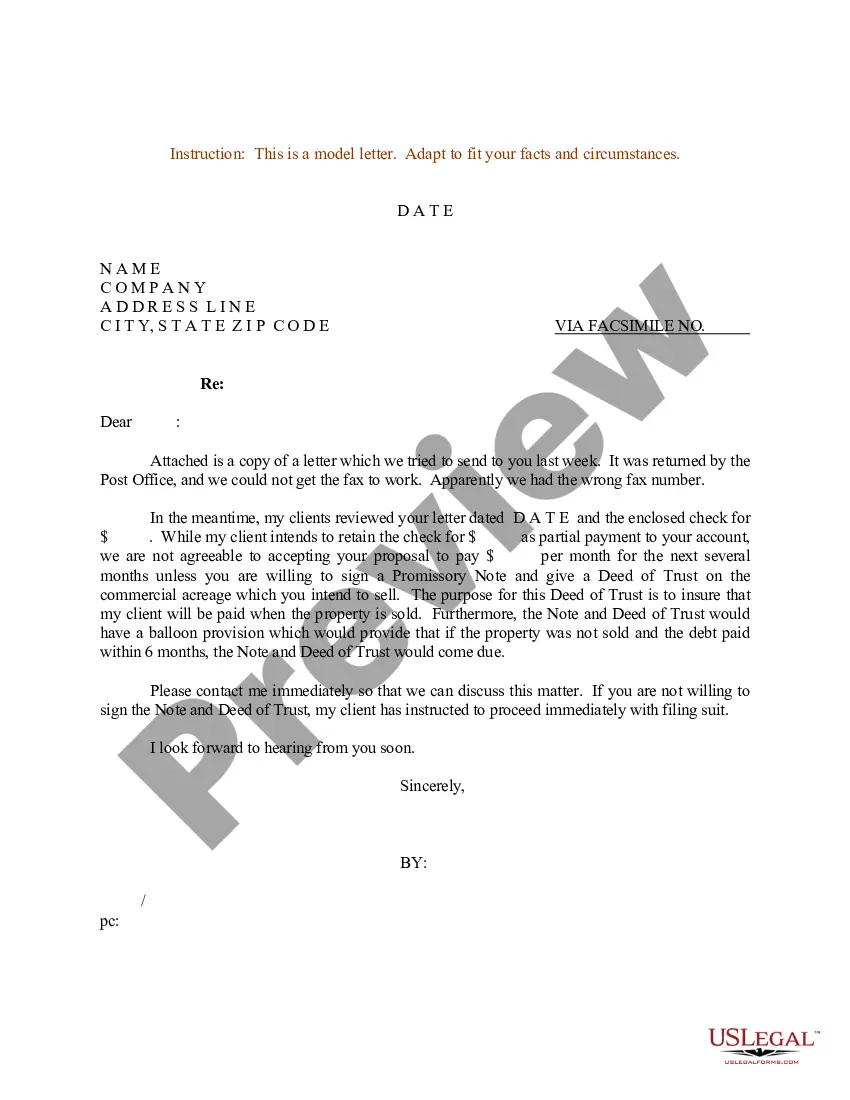
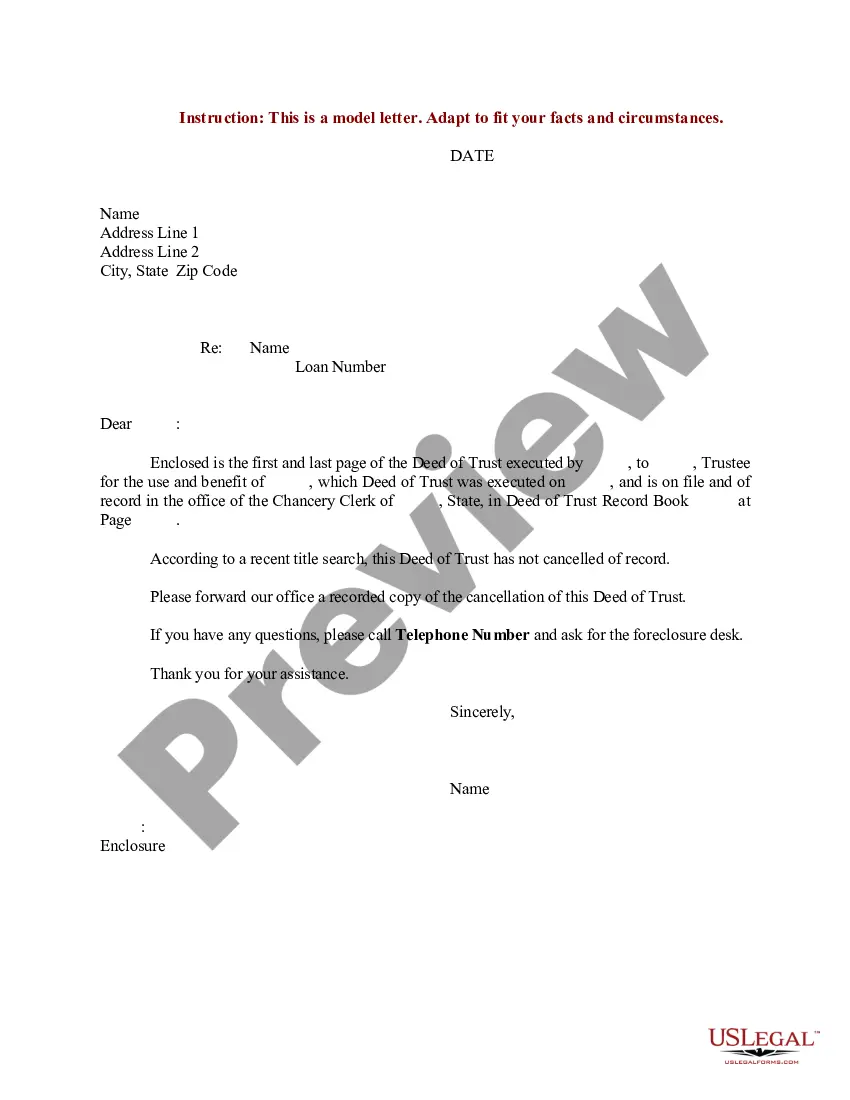
The Sample Letter for Naming a Trustee to a Deed of Trust is a document used to officially designate a trustee to manage a trust arrangement. This letter serves as a formal notification to the trustee being appointed and provides clarity on the specific duties and responsibilities assigned. Unlike other forms, this letter specifically addresses the naming of a trustee to a deed of trust, outlining both the intent of the trust creator and the appointed trustee's role in the management of the trust assets.
Key parts of this document
- Introduction statement declaring the purpose of the letter.
- Name and address of the trustee being appointed.
- Description of the trust and associated property involved.
- Details outlining the responsibilities of the trustee.
- Signatures of the parties involved for verification.
When to use this form
This form is typically used when an individual or entity needs to appoint a trustee as part of a real estate transaction or estate planning process. Scenarios include creating a new trust, changing an existing trustee, or confirming the appointment of a trustee for a deed of trust. Utilizing this letter helps ensure that all parties are aware of the trustee's designation and their role in managing the trust.
Who needs this form
The following individuals or groups are encouraged to use this form:
- Property owners creating a new deed of trust.
- Beneficiaries of a trust who need to appoint a trustee.
- Estate planners and legal advisors involved in trust management.
- Individuals seeking to modify an existing trust arrangement.
How to prepare this document
- Identify the parties involved, including the trust creator and the designated trustee.
- Provide the full name and address of the trustee being appointed.
- Specify the details of the trust and any property associated with it.
- Outline the trustee's responsibilities clearly in the document.
- Sign the letter with the necessary parties to validate the appointment.
Notarization requirements for this form
This form must be notarized to be legally valid. US Legal Forms provides secure online notarization powered by Notarize, allowing you to complete the process through a verified video call.
Get your form ready online
Our built-in tools help you complete, sign, share, and store your documents in one place.
Make edits, fill in missing information, and update formatting in US Legal Forms—just like you would in MS Word.
Download a copy, print it, send it by email, or mail it via USPS—whatever works best for your next step.
Sign and collect signatures with our SignNow integration. Send to multiple recipients, set reminders, and more. Go Premium to unlock E-Sign.
If this form requires notarization, complete it online through a secure video call—no need to meet a notary in person or wait for an appointment.
We protect your documents and personal data by following strict security and privacy standards.

Make edits, fill in missing information, and update formatting in US Legal Forms—just like you would in MS Word.

Download a copy, print it, send it by email, or mail it via USPS—whatever works best for your next step.

Sign and collect signatures with our SignNow integration. Send to multiple recipients, set reminders, and more. Go Premium to unlock E-Sign.

If this form requires notarization, complete it online through a secure video call—no need to meet a notary in person or wait for an appointment.

We protect your documents and personal data by following strict security and privacy standards.
Common mistakes
- Failing to include the full legal name of the trustee.
- Not specifying the property details associated with the trust.
- Forgetting to get all necessary signatures.
- Using vague language that does not clearly define the trustee's duties.
Advantages of online completion
- Convenience of downloading and completing the form at your own pace.
- Editability allows users to customize the document to their specific needs.
- Access to professionally drafted legal templates, ensuring compliance with legal standards.
Legal use & context
- This letter serves as a formal notice of the appointment of a trustee.
- It may be required by lenders in real estate transactions.
- Maintaining proper records of trustee appointments is essential for enforceability.
What to keep in mind
- This form is essential for officially naming a trustee to a deed of trust.
- It is important to include all relevant details to avoid confusion later on.
- Review state laws to ensure the form meets local legal requirements.
Looking for another form?
Form popularity
FAQ
Give details of any partnership/other funding. o Conclusion round your letter off appropriately with a 'thank you'. Invite the Trust you're writing to to meet you or visit your project. o Provide a contact for further information and any enclosures if required (for example, your annual accounts or annual report).
Write the name of the trustee, his address, city, state, and zip code about one-quarter inch below the date. Reference the name of your trust, and your trust account number if applicable. Write a salutation followed by a colon, for example, "Dear Mr.
Write a letter to the trustee of the trust and have it delivered certified mail. Keep the receipt. Identify yourself as a beneficiary and request a copy of the trust if you do not yet have one. Once you have reviewed the trust, ask for an accounting...
Write a salutation followed by a colon, for example, "Dear Mr. Jones:"If you'd rather type the letter and print it out instead of writing it by hand, you can do that if you wish. Identify yourself as the trustor of the revocable trust in the body of the letter. State your purpose for requesting money from your trust.
Some owners are put off using solicitors duke to the deed of trust cost. Individuals can write out their own, and use someone else as a witness. However, this may have errors or not be a legally binding document. The investment of getting a deed of trust when buying a property is often worth it in the long term.
Generally speaking, a letter of intent, also known as a side letter is a letter from the grantor to the trustee that provides guidance to the trustee in the exercise of some discretionary power.
Most trusts are named after the Trust Creators and also include the date the trust was created. Examples are John and Jane Smith Revocable Trust dated 1/1/20; or Smith Family Trust dated 1/1/20; or John W. Smith and Jane A. Smith Revocable Family Trust dated 1/1/20.