Agreement to Dissolve and Wind up Partnership with Settlement and Lump-sum Payment
Overview of this form
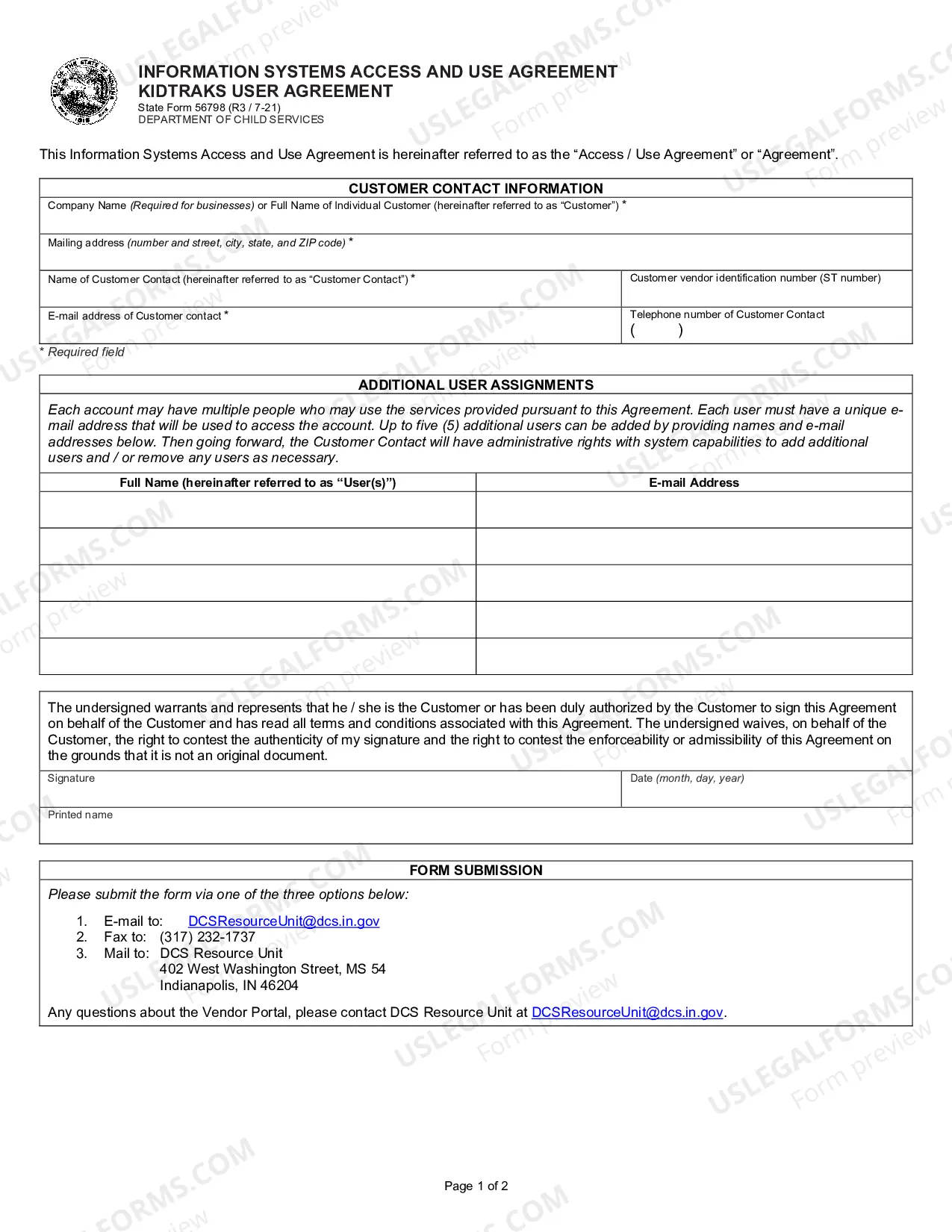
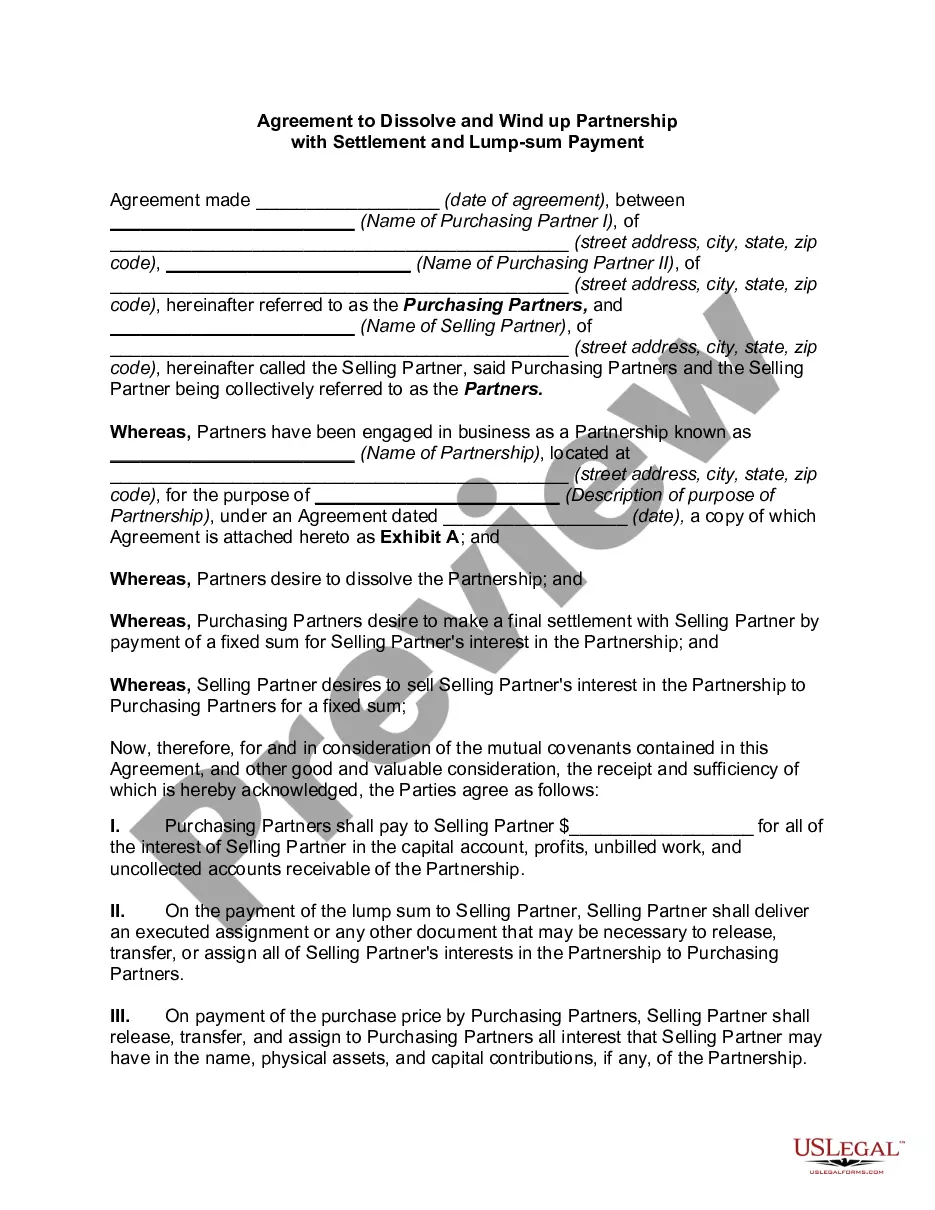
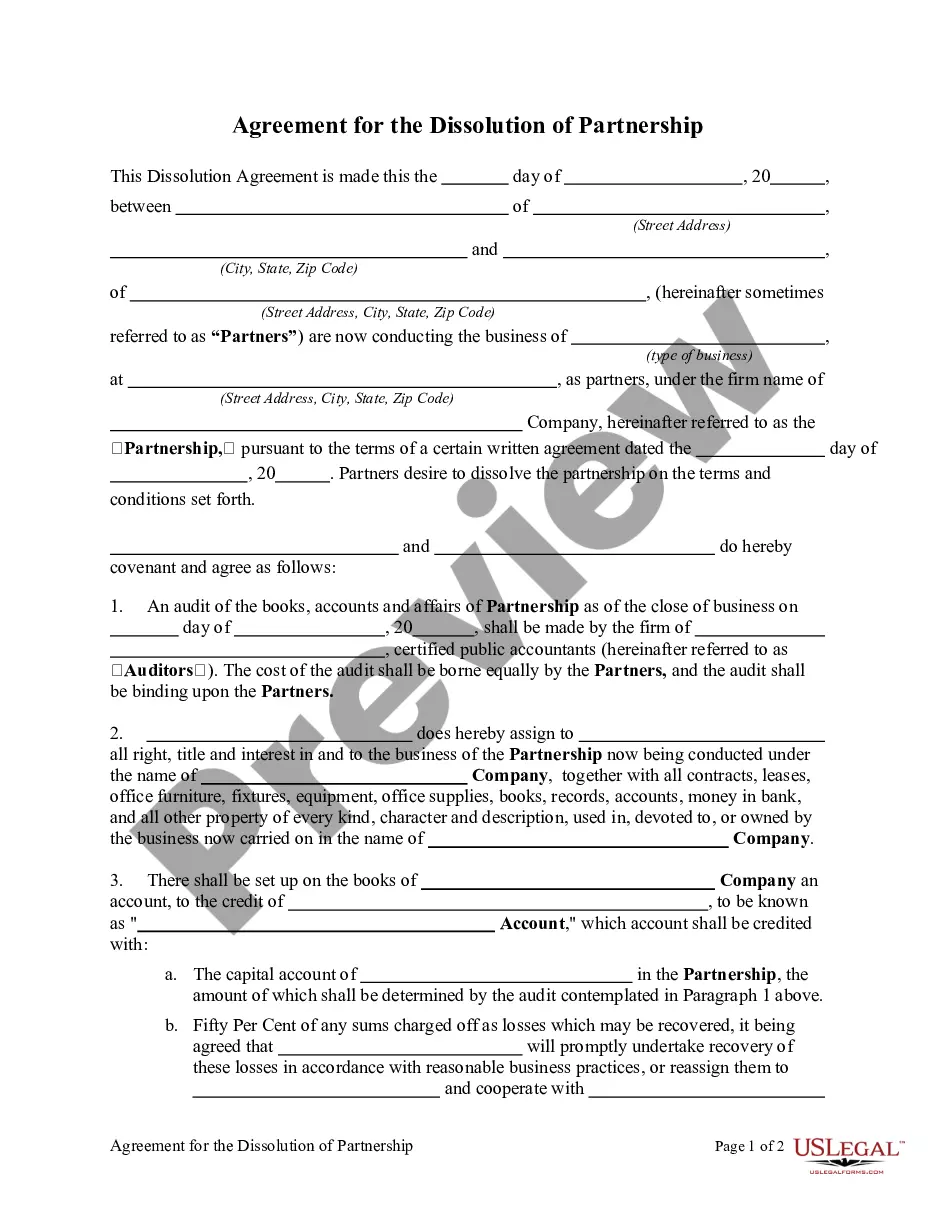
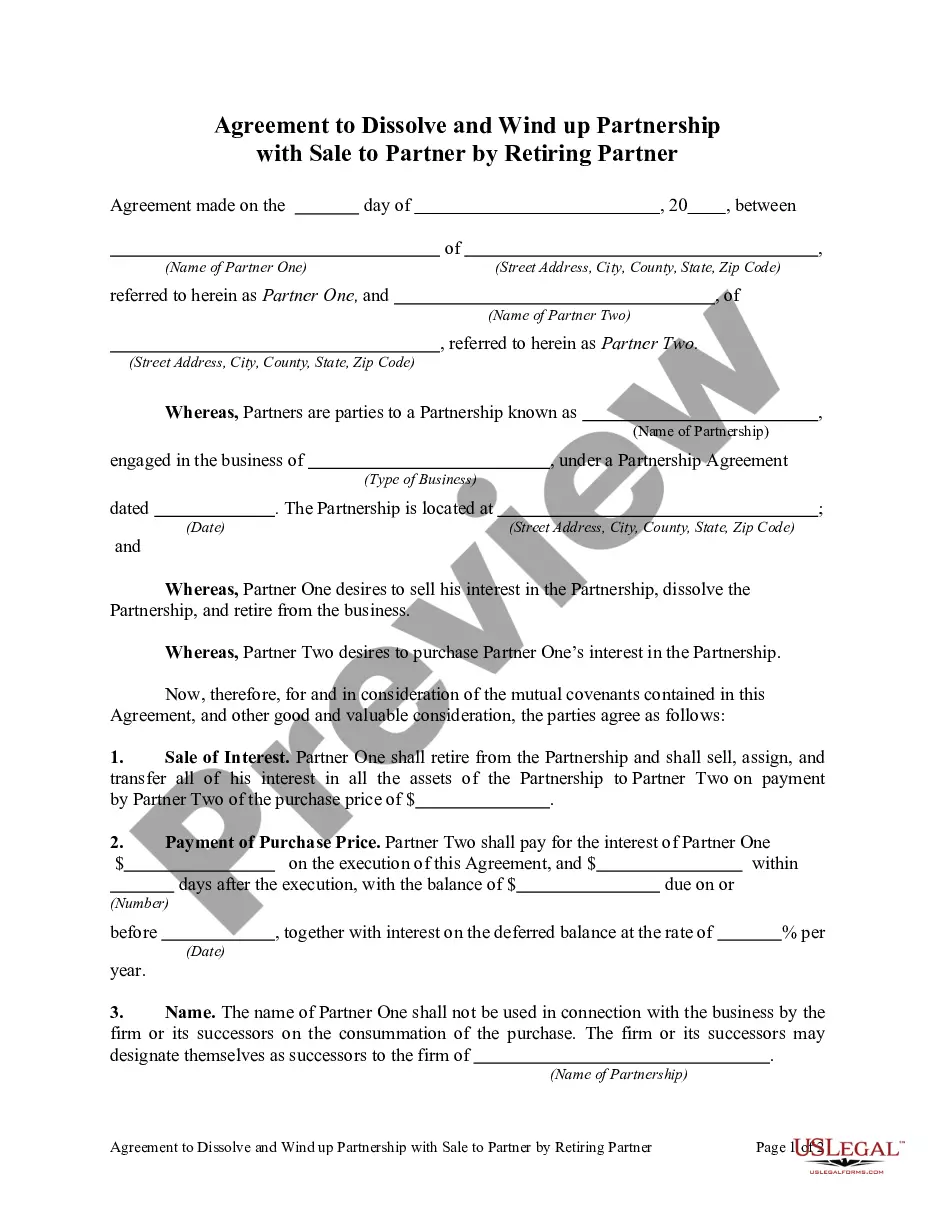
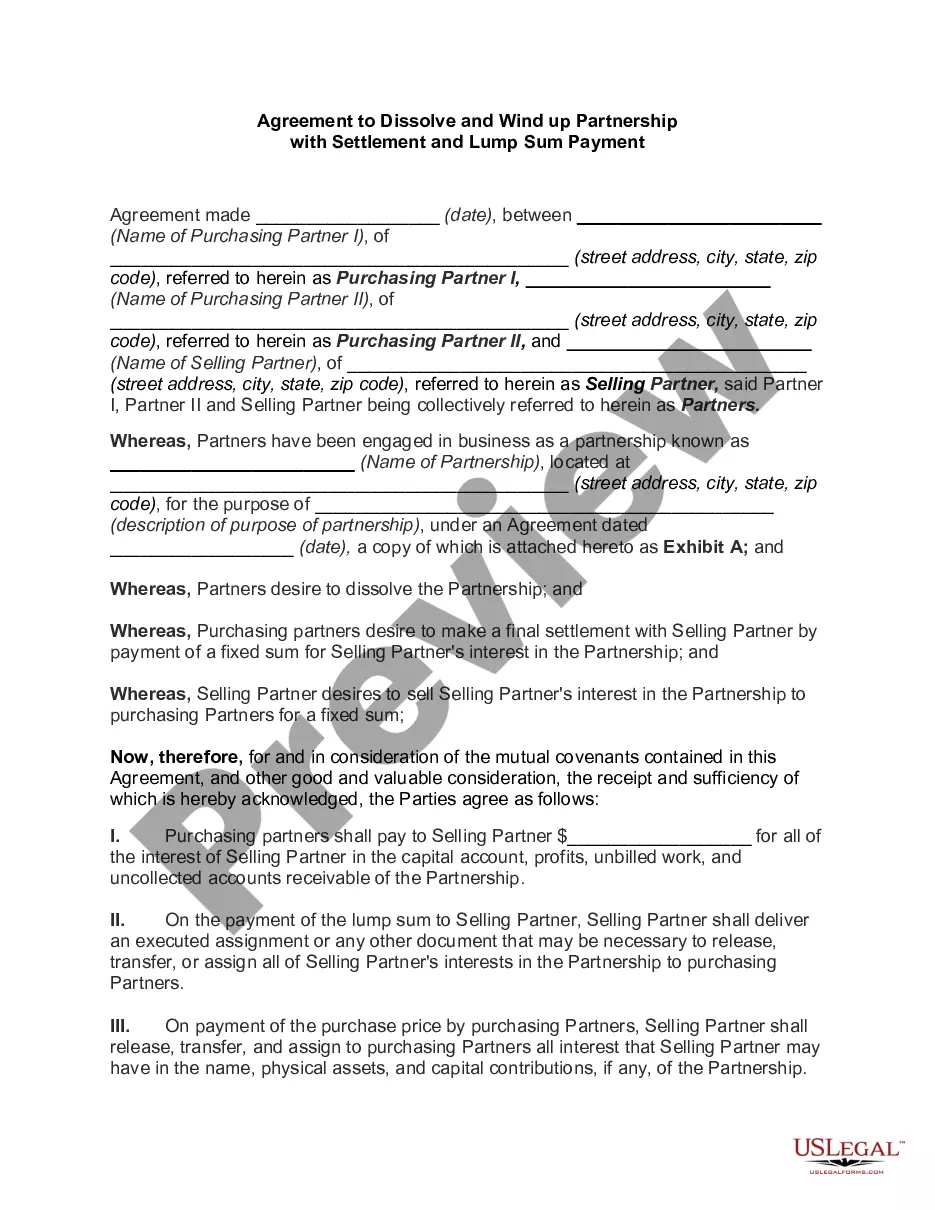
The Agreement to Dissolve and Wind Up Partnership with Settlement and Lump-Sum Payment is a legal document used to formally terminate a partnership. This agreement clarifies the settlement between the partners, particularly detailing the fixed sum to be paid to the selling partner for their interest in the partnership. It ensures all parties understand their obligations and rights upon dissolution, distinguishing it from similar documents that may not include specifics about financial settlements or buyouts.
Key parts of this document
- Date of agreement and partner details.
- Partnership name and purpose.
- Settlement amount for the selling partner's interest.
- Conditions for transferring partnership interests.
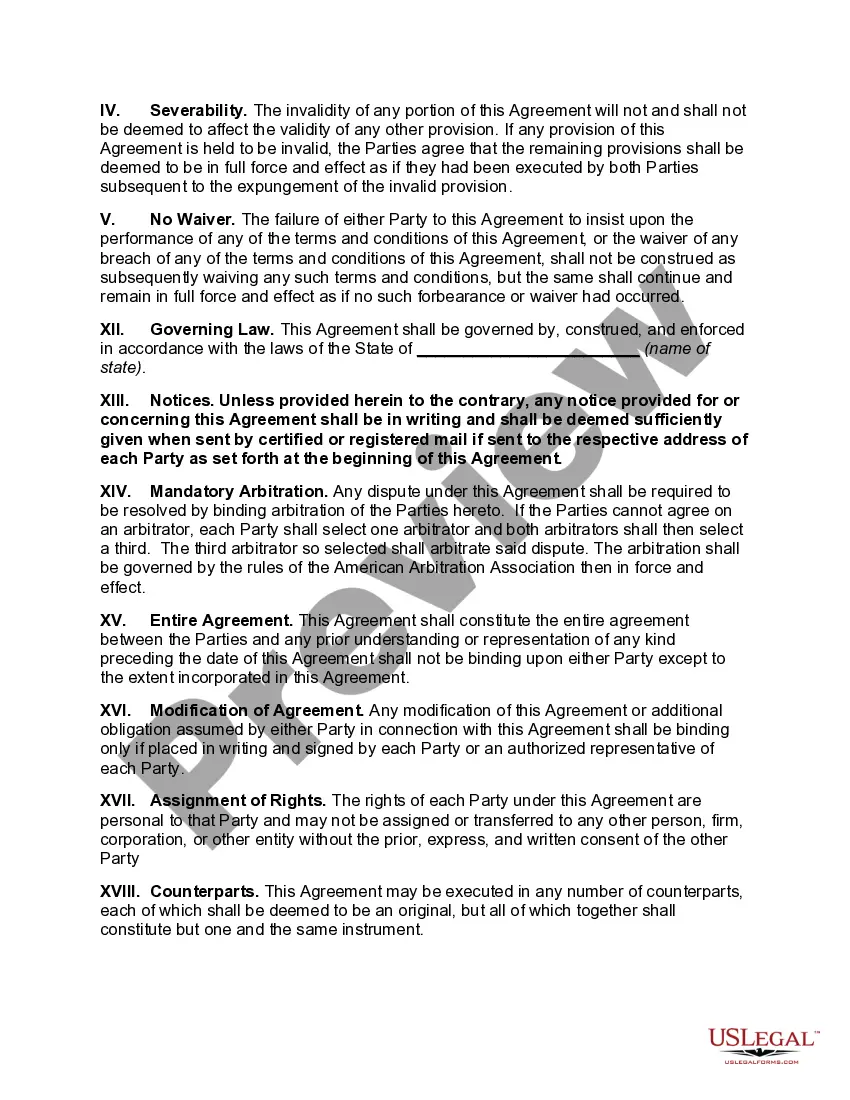
- Severability clause to maintain the agreement's validity.
- Governing law and arbitration provisions.
When this form is needed
This form should be used when partners in a business decide to dissolve their partnership. It is essential in situations where:
- One or more partners are selling their interest in the partnership.
- The partners have agreed on a fixed sum for the buyout.
- There is a need to clarify the dissolution process to avoid future disputes.
Who needs this form
This form is intended for:
- Partners of a business entity wishing to dissolve their partnership.
- Partners who have reached a mutual agreement regarding the financial settlement of the selling partner's interest.
- Business owners seeking a clear, documented agreement for legal and financial clarity.
Steps to complete this form
- Enter the date of the agreement at the beginning of the document.
- Fill in the names and addresses of the purchasing and selling partners.
- Specify the name of the partnership and describe its purpose.
- Indicate the settlement amount agreed upon for the selling partner's interest.
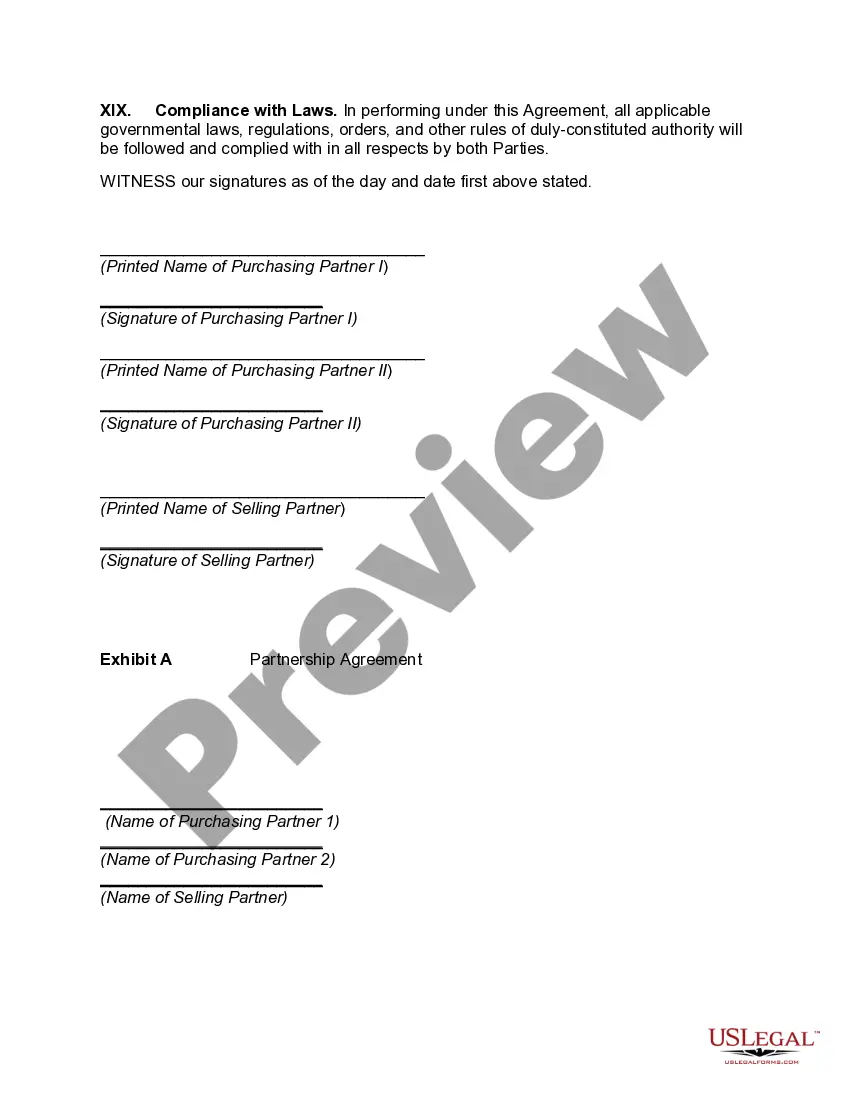
- Ensure all partners sign the agreement to validate the document.
Does this document require notarization?
This form does not typically require notarization unless specified by local law. It is advisable to check your stateâs requirements to ensure compliance.
Get your form ready online
Our built-in tools help you complete, sign, share, and store your documents in one place.
Make edits, fill in missing information, and update formatting in US Legal Forms—just like you would in MS Word.
Download a copy, print it, send it by email, or mail it via USPS—whatever works best for your next step.
Sign and collect signatures with our SignNow integration. Send to multiple recipients, set reminders, and more. Go Premium to unlock E-Sign.
If this form requires notarization, complete it online through a secure video call—no need to meet a notary in person or wait for an appointment.
We protect your documents and personal data by following strict security and privacy standards.

Make edits, fill in missing information, and update formatting in US Legal Forms—just like you would in MS Word.

Download a copy, print it, send it by email, or mail it via USPS—whatever works best for your next step.

Sign and collect signatures with our SignNow integration. Send to multiple recipients, set reminders, and more. Go Premium to unlock E-Sign.

If this form requires notarization, complete it online through a secure video call—no need to meet a notary in person or wait for an appointment.

We protect your documents and personal data by following strict security and privacy standards.
Common mistakes to avoid
- Failing to include all partners' signatures, which may render the agreement unenforceable.
- Not accurately stating the partnership's name or purpose, which can lead to ambiguity.
- Omitting pertinent details regarding the payment and transfer process.
Benefits of using this form online
- Convenience of immediate access and download.
- Editability allows for customization to meet specific partnership agreements.
- Reliability of professionally drafted forms ensuring legal compliance.
Legal use & context
- This form is legally binding once signed by all parties involved.
- It is essential for documenting the terms of dissolution and preventing future disputes.
- Ensure compliance with local laws regarding partnership agreements and dissolutions.
Main things to remember
- The form is crucial for formalizing partnership dissolution and financial settlements.
- Careful attention to details in the agreement helps prevent future legal conflicts.
- Understanding the state's specific requirements can enhance the document's effectiveness.
Looking for another form?
Form popularity
FAQ
The term "dissolution" refers to the systemic closing down of a business entity, while "winding up" refers to the selling of assets and payment of debts prior to closing a business.
Only partners who have not wrongfully caused dissolution or have not wrongfully dissociated may participate in winding up the partnership's affairs. State partnership statutes set the procedure to be used to wind up partnership business.
Termination ensures that partners can no longer be held responsible for other partner's debts, and partners can no longer obligate the partnership in any way. The original partnership agreement is now void.
Partnership dissolution refers to the termination of a partnership as well as the cessation of its various business activities. Partnerships can dissolve for various reasons and under many circumstances.
The first step in termination is known as dissolution. Dissolution occurs when any partner discontinues his or her involvement in the partnership business or when there is any change in the partnership relationship. The second step is known as winding up.Once winding up is complete, the partnership is terminated.
The liquidation or dissolution process for partnerships is similar to the liquidation process for corporations. Over a period of time, the partnership's non-cash assets are converted to cash, creditors are paid to the extent possible, and remaining funds, if any, are distributed to the partners.
Dissolution is a process of closing down a company.Dissolution, also known as striking off is formally closing down a company so that it no longer legally exists.
Winding up a partnership refers to procedures that are taken to distribute or liquidate any remaining partnership property and assets that is remaining after a dissolution of a partnership business.
When a partnership dissolves, the individuals involved are no longer partners in a legal sense, but the partnership continues until the business's debts are settled, the legal existence of the business is terminated and the remaining assets of the company have been distributed.