Issues-Claim for Damages Based Upon False Light Invasion of Privacy
Understanding this form
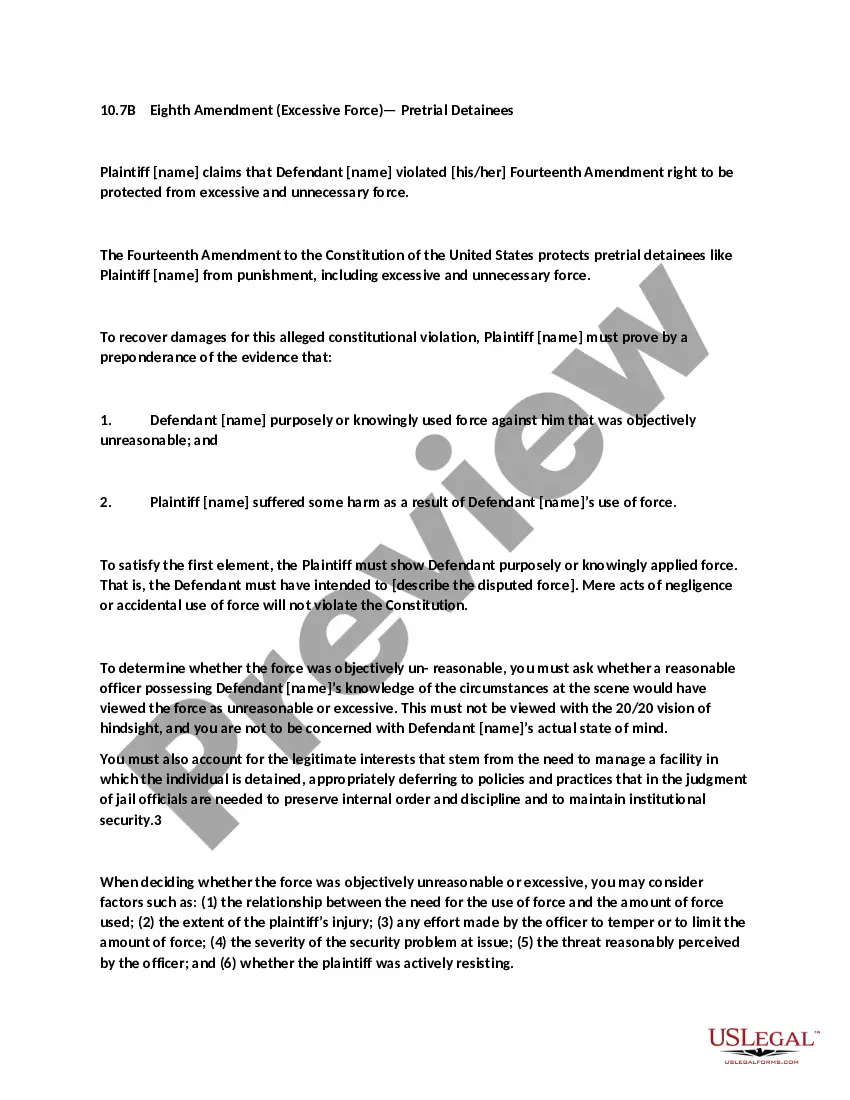
This Issues-Claim for Damages Based Upon False Light Invasion of Privacy form is a legal document used to initiate a lawsuit against someone who has portrayed you in a false light, which is harmful to your reputation. This form is specific to claims of false light invasion of privacy, distinguishing it from other privacy-related claims such as defamation or invasion of privacy by intrusion. It helps you outline the situation and the damages you are seeking due to the alleged wrongful conduct.
Key parts of this document
- Identification of the Plaintiff: The person claiming damages.
- Details of the Defendant: The individual or entity alleged to have caused the wrongful portrayal.
- Allegations: Specific claims about how you were portrayed in a false light.
- Evidence Section: Space for presenting facts that support your claim.
- Damages Claimed: Details on the nature and extent of damages sought.
Situations where this form applies
Use this form if you believe that your image or reputation has been harmed by false representations made by another party. This could occur in various situations, such as misleading photos or statements in media, online publications, or social media platforms. If you have experienced a significant emotional or financial impact due to this portrayal, this form is essential for seeking legal recourse.
Who needs this form
- Individuals who have been portrayed in a false light by another party.
- Persons seeking to claim damages for emotional distress or reputational harm.
- Anyone considering legal action against a media outlet, individual, or organization for misrepresentation.
Steps to complete this form
- Identify the parties: Fill in the names of both the Plaintiff and Defendant.
- Outline the allegations: Clearly describe how you believe you were portrayed in a false light.
- Present supporting evidence: Include facts that back your claims about the false representations.
- Specify the damages: Detail the emotional, physical, or financial damages you have suffered.
- Sign and date the document: Ensure you sign the form to make it legally binding.
Does this document require notarization?
Notarization is generally not required for this form. However, certain states or situations might demand it. You can complete notarization online through US Legal Forms, powered by Notarize, using a verified video call available anytime.
Get your form ready online
Our built-in tools help you complete, sign, share, and store your documents in one place.
Make edits, fill in missing information, and update formatting in US Legal Forms—just like you would in MS Word.
Download a copy, print it, send it by email, or mail it via USPS—whatever works best for your next step.
Sign and collect signatures with our SignNow integration. Send to multiple recipients, set reminders, and more. Go Premium to unlock E-Sign.
If this form requires notarization, complete it online through a secure video call—no need to meet a notary in person or wait for an appointment.
We protect your documents and personal data by following strict security and privacy standards.

Make edits, fill in missing information, and update formatting in US Legal Forms—just like you would in MS Word.

Download a copy, print it, send it by email, or mail it via USPS—whatever works best for your next step.

Sign and collect signatures with our SignNow integration. Send to multiple recipients, set reminders, and more. Go Premium to unlock E-Sign.

If this form requires notarization, complete it online through a secure video call—no need to meet a notary in person or wait for an appointment.

We protect your documents and personal data by following strict security and privacy standards.
Avoid these common issues
- Not providing sufficient evidence to support the claims.
- Failing to clearly outline the specific false representations.
- Missing signatures or dates on the form.
- Overlooking the legal standards for false light claims in your state.
Why complete this form online
- Convenience: Download the form anytime from anywhere.
- Editability: Customize the document according to your specific case.
- Reliability: Access professionally drafted forms created by licensed attorneys.
Looking for another form?
Form popularity
FAQ
Those four types are 1) intrusion on a person's seclusion or solitude; 2) public disclosure of embarrassing private facts about a person; 3) publicity that places a person in a false light in the public eye; and 4) appropriation, for the defendant's advantage, of the person's name or likeness.
There are three elements that must be proven in a successful lawsuit for the invasion of privacy tort of false light....These common-law elements are: The defendant made a public disclosure; The public statement placed you in a false light; and, An average person would consider the false light offensive.
For example, the estate of a 97 year old woman prevailed on her "false light" claim against a tabloid that published a picture of the woman next to a headline about quitting work at age 101 due to pregnancy and a story detailing an (untrue) extramarital affair.
False light invasion of privacy is a cause of action for portraying an individual unflatteringly in words or pictures as someone or something that person is not. Some states recognize the concept by either common law or statute, although several states have explicitly rejected it.
In US law, false light is a tort concerning privacy that is similar to the tort of defamation. The privacy laws in the United States include a non-public person's right to protection from publicity that creates an untrue or misleading impression about them.
The two criteria essential for winning a false light invasion of privacy suit are (a) that the false light in which the other person is placed would be highly offensive to a reasonable person, and (b) that the person who publicized the false and offensive information knew it was false at the time or acted in reckless
The Elements of a False Light Claim The information must portray the plaintiff in a false or misleading light. The information is highly offensive or embarrassing to a reasonable person of ordinary sensibilities. The defendant must have published the information with reckless disregard for its offensiveness.