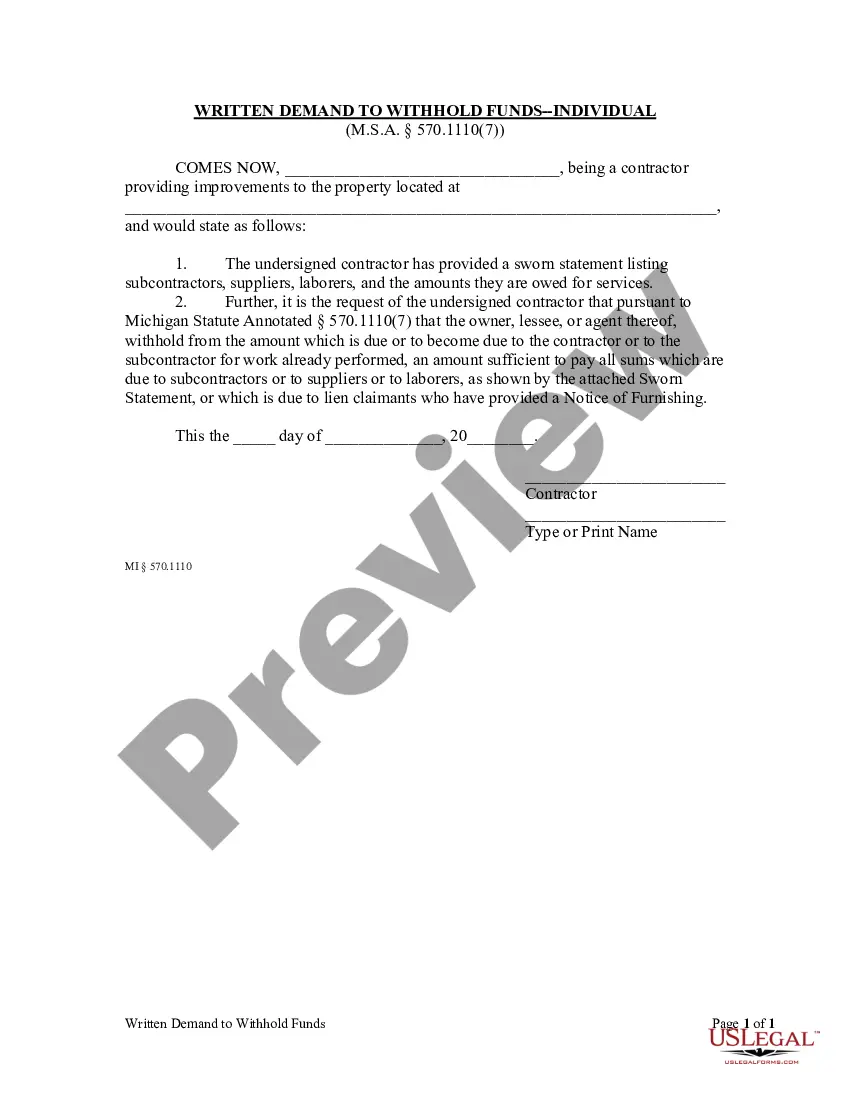
Right of Way-Uncontrolled Intersection
What is this form?
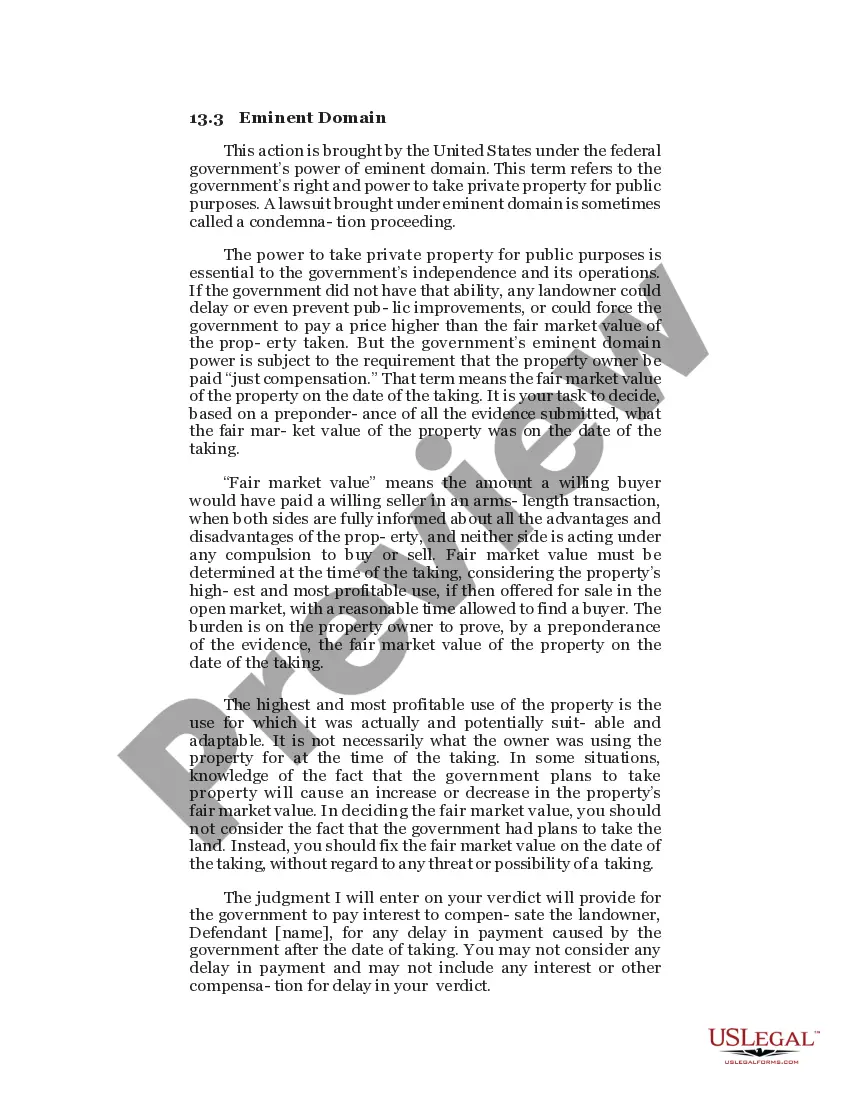
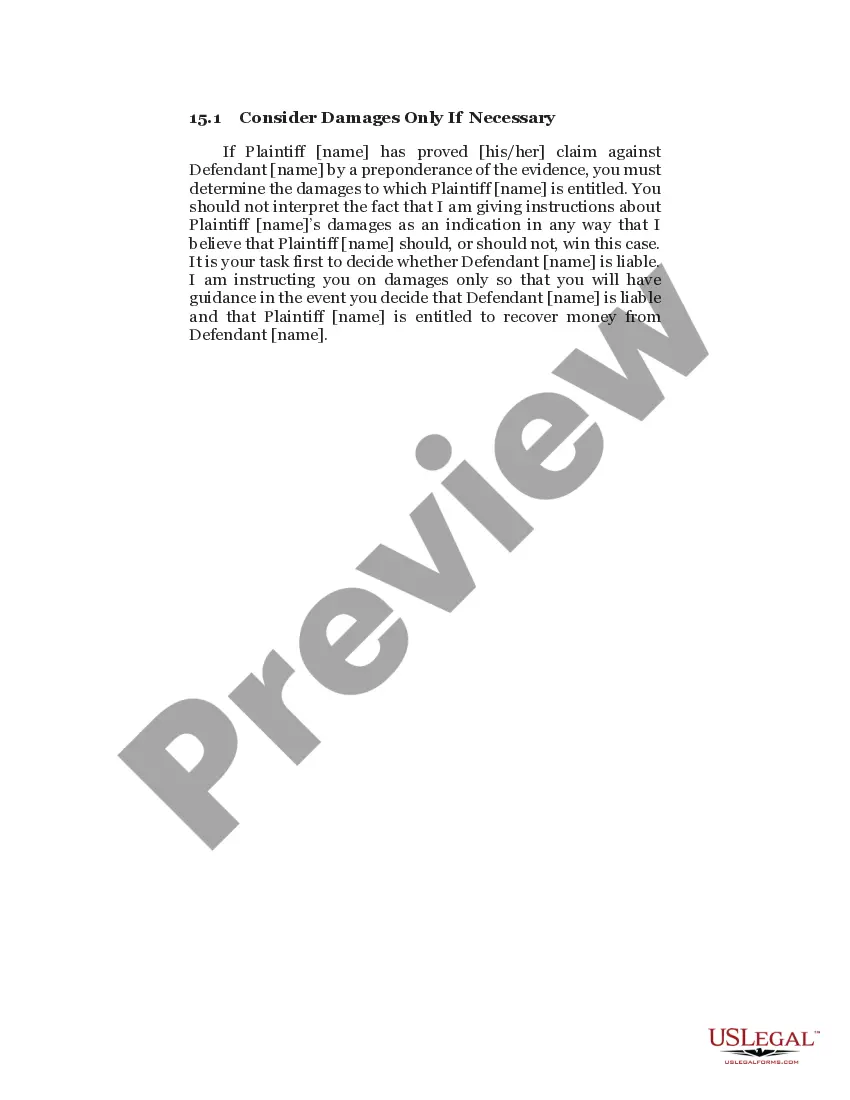
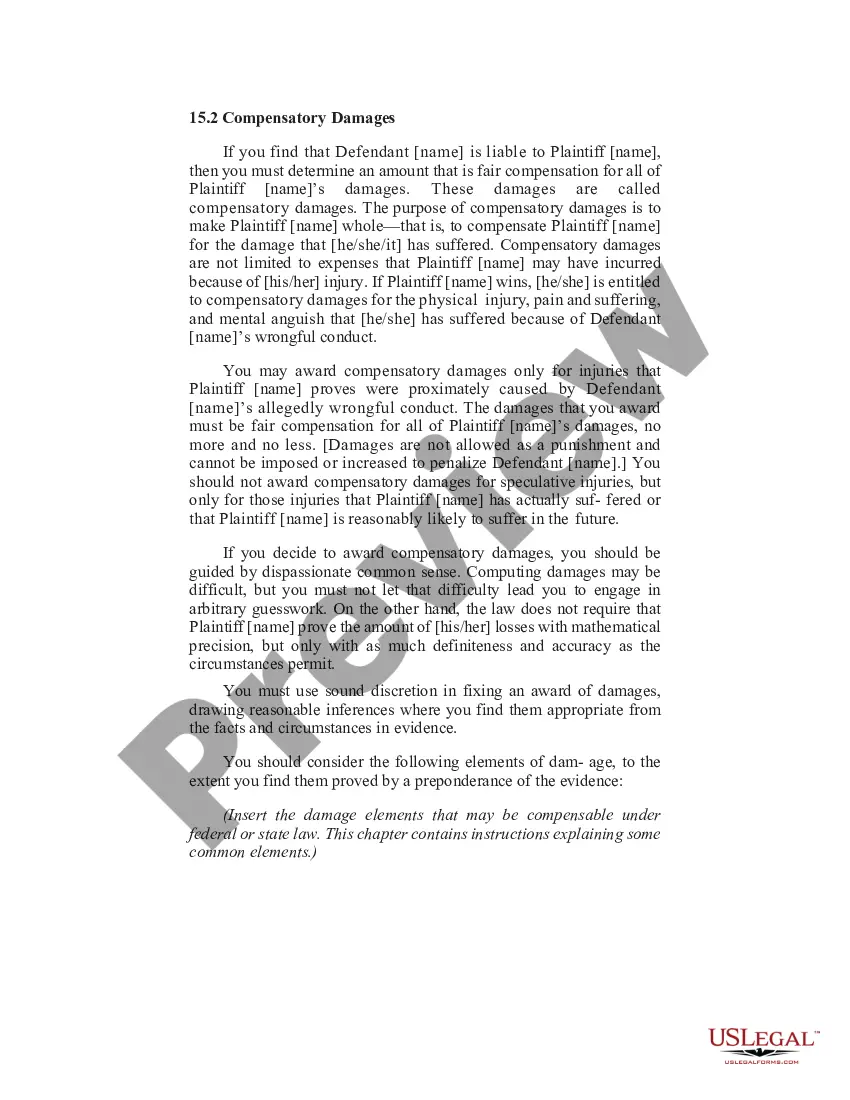
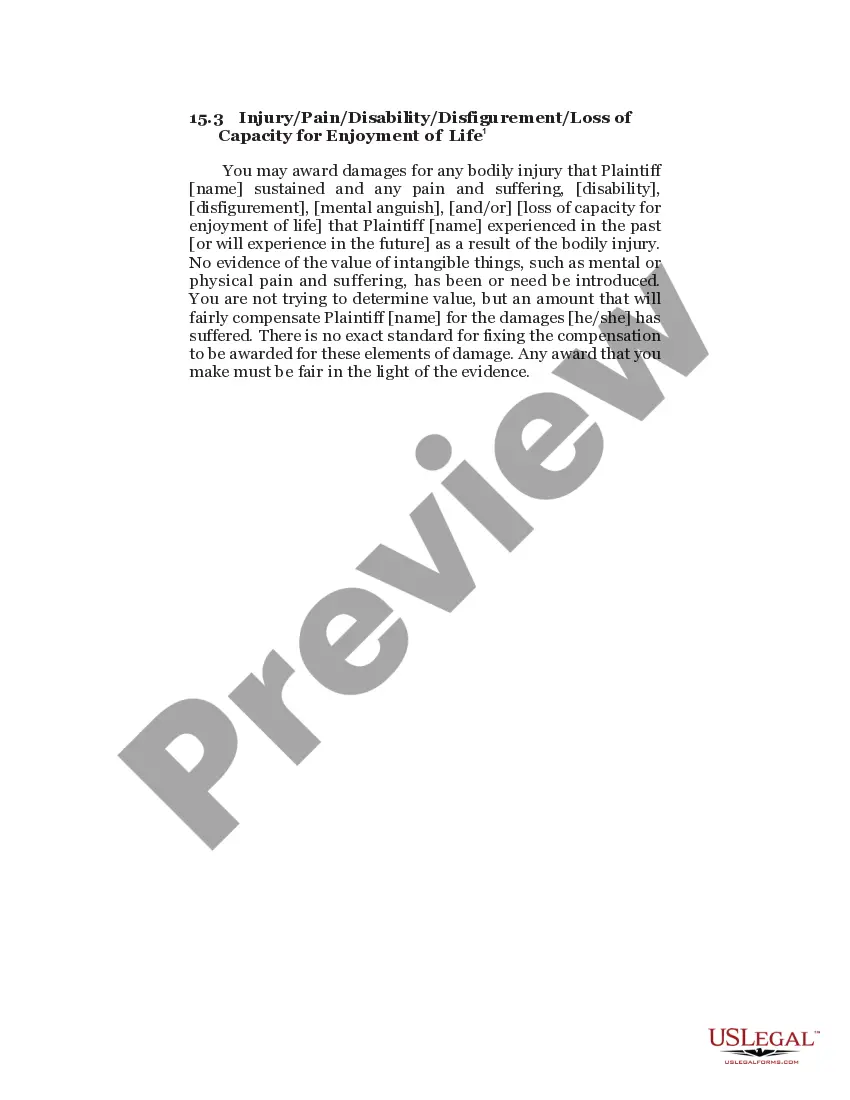
The Right of Way-Uncontrolled Intersection form is a legal document that addresses the governmentâs authority under eminent domain to take private property for public use without a formal intersection control. This form is essential for property owners who are facing such takings, enabling them to understand their rights and the compensation process. Unlike other property-related forms, this focuses specifically on the nuances of uncontrolled intersections and how receipt of compensation is determined in these cases.
Key parts of this document
- Definition of eminent domain and the government's power to seize property.
- Clarification on "just compensation" and the determination of fair market value.
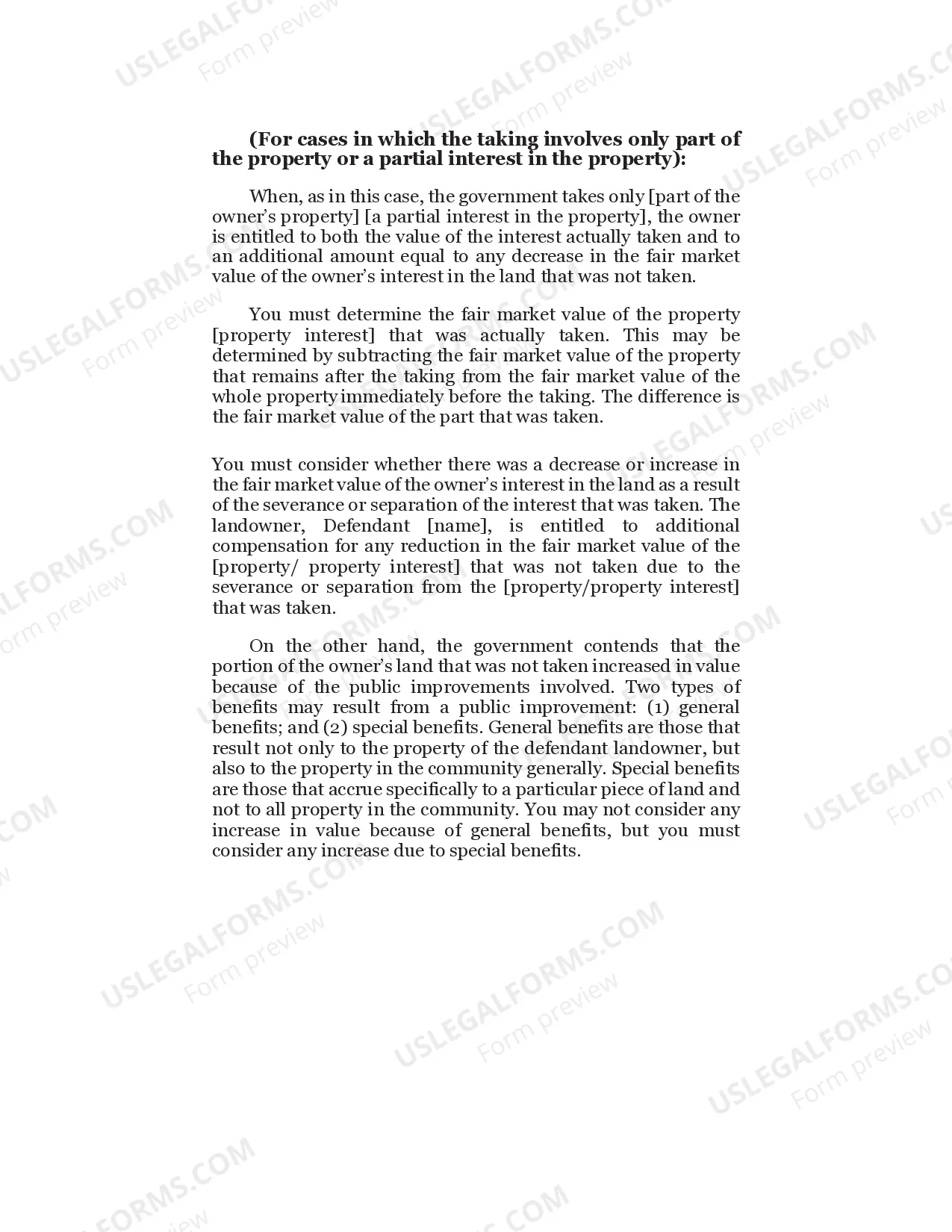
- Explanation of the implications of partial taking of property.
- Details on general vs. special benefits resulting from public improvements.
- Criteria for assessing increases or decreases in property value due to government action.
When this form is needed
You should use the Right of Way-Uncontrolled Intersection form when the government intends to take your property through eminent domain, particularly in scenarios where the property is part of a public improvement project near an uncontrolled intersection. It is crucial for landowners to file this form to ensure they receive appropriate compensation for their property rights being affected.
Who should use this form
- Property owners facing eminent domain proceedings.
- Landowners located near uncontrolled intersections targeted for public projects.
- Individuals seeking to understand their rights regarding compensation for seized land.
How to complete this form
- Identify all parties involved, including the government entity and the property owner.
- Specify the property subject to the taking and provide a detailed description.
- State the reasons for the taking and reference any applicable public projects.
- Include evidence to support your claim for fair market value, such as appraisals or property assessments.
- Sign and date the form, ensuring compliance with your stateâs filing requirements.
Is notarization required?
This form does not typically require notarization unless specified by local law. However, it is advisable to check with local regulations to confirm any specific requirements.
Get your form ready online
Our built-in tools help you complete, sign, share, and store your documents in one place.
Make edits, fill in missing information, and update formatting in US Legal Forms—just like you would in MS Word.
Download a copy, print it, send it by email, or mail it via USPS—whatever works best for your next step.
Sign and collect signatures with our SignNow integration. Send to multiple recipients, set reminders, and more. Go Premium to unlock E-Sign.
If this form requires notarization, complete it online through a secure video call—no need to meet a notary in person or wait for an appointment.
We protect your documents and personal data by following strict security and privacy standards.

Make edits, fill in missing information, and update formatting in US Legal Forms—just like you would in MS Word.

Download a copy, print it, send it by email, or mail it via USPS—whatever works best for your next step.

Sign and collect signatures with our SignNow integration. Send to multiple recipients, set reminders, and more. Go Premium to unlock E-Sign.

If this form requires notarization, complete it online through a secure video call—no need to meet a notary in person or wait for an appointment.

We protect your documents and personal data by following strict security and privacy standards.
Common mistakes
- Failing to provide sufficient documentation supporting property value claims.
- Not including all relevant parties in the form.
- Missing deadlines for filing due to overlooking government notifications.
Why use this form online
- Convenience of accessing and downloading the form instantly.
- Ability to complete the form at your own pace and make edits as needed.
- Reliable legal templates crafted by licensed attorneys ensure compliance with relevant laws.
Legal use & context
- The form is recognized legally in matters of eminent domain and property rights.
- Understanding section details can influence compensation outcomes.
- Consultation with legal professionals can strengthen claims concerning property value.
Quick recap
- The Right of Way-Uncontrolled Intersection form is essential for understanding property rights in eminent domain cases.
- Accurate information about the property and its value is crucial for fair compensation.
- Users should familiarize themselves with their stateâs regulations regarding property takings.
Looking for another form?
Form popularity
FAQ
An uncontrolled intersection has no signs or signals. They are found in areas of light traffic.
"When you approach an uncontrolled intersection, you are to treat it as a yield sign," said Sgt. Brian Pennings with the California Highway Patrol. "You are to slow down, check and monitor to make sure there's no oncoming traffic.
Without STOP or YIELD signs: The vehicle that arrives to the intersection first has the right-of-way. However, if a vehicle, pedestrian, or bicyclist gets to the intersection at the same time as you, give the right-of-way to the vehicle, pedestrian, or bicyclist on your right.
If you reach an uncontrolled intersection at close to the same time, the vehicle who actually reached the intersection last is the driver who must yield the right of way. If you reach the intersection at the same time, the driver on the left should yield the right of way.
Uncontrolled intersections do not have any traffic controls to regulate traffic, i.e., there are no stop signs, yield signs, or traffic signals. Typically uncontrolled intersections are located in rural areas or in residential neighborhoods.
Always yield to the right When two vehicles arrive at a 4-way stop at the same time side-by-side, the vehicle furthest to the right has the right of way. If three vehicles arrive at the same time, the car furthest left should continue to yield until both of the other cars to the right of them have passed.
Once you get to an uncontrolled intersection, look right and left to avoid oncoming traffic. The vehicle on the right always has the right of way if two or more cars arrive at an uncontrolled intersection at the same time. However, you can yield to the vehicle on the left for extra precaution.
When more than one vehicle reaches an uncontrolled intersection at the same time, the vehicle on the left must yield the right of way to the vehicle on the right and allow the vehicle on the right to go first. You must yield to all oncoming traffic.